

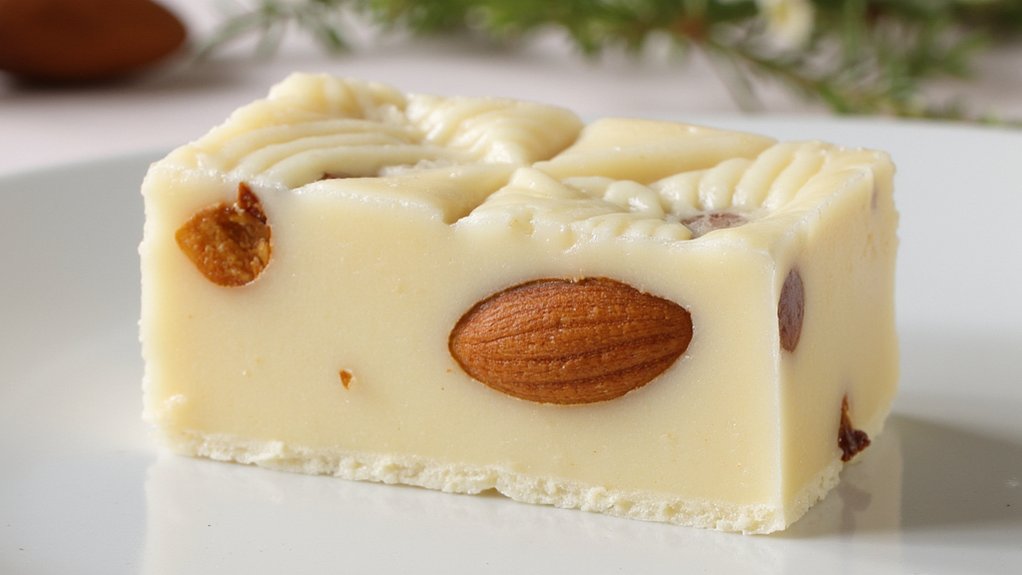
There’s something truly heartwarming about Italian holiday meals, don’t you think? The tantalizing aromas, the laughter around the table, and the way these dishes bring everyone together. From an antipasto platter filled with cured meats, cheeses, and olives to comforting stracciatella soup and indulgent lasagna alla Bolognese, each recipe tells a story. These flavors are a beautiful tradition that invites us to gather and celebrate. Let’s explore what makes these holiday recipes so special!
Antipasto Platter

An Antipasto Platter is a quintessential element of any Italian holiday feast, serving as a delightful and colorful appetizer that embodies the festive spirit of Italy. Traditionally, this platter is a vibrant array of cured meats, cheeses, marinated vegetables, olives, and other savory treats that entice the senses and prepare the palate for the sumptuous meal to follow.
The beauty of the antipasto platter lies not only in its visual appeal but also in its versatility, allowing you to cater to various tastes and dietary preferences. This dish not only sets the tone for a celebratory meal but also encourages guests to mingle and enjoy a variety of flavors and textures as they gather around the table.
This traditional Italian starter is perfect for serving 4-6 people and can be customized with your favorite items depending on what’s in season or readily available. While the components can vary, a balanced antipasto platter typically includes a variety of textures and flavors, combining salty, sweet, and tangy elements.
The key to creating a successful platter is selecting high-quality ingredients that will shine on their own and harmonize beautifully when paired together. Below is a basic guide to creating a traditional Italian Antipasto Platter.
Ingredients for 4-6 people:
- 150g Prosciutto
- 150g Salami
- 150g Mortadella
- 200g Fresh Mozzarella Balls
- 200g Aged Provolone Cheese
- 200g Marinated Artichoke Hearts
- 200g Cherry Tomatoes
- 150g Mixed Olives (green and black)
- 100g Roasted Red Peppers
- 100g Marinated Mushrooms
- 1 Baguette or Italian Bread
- Olive Oil
- Fresh Basil Leaves
Instructions:
- Prepare the Ingredients: Start by slicing the meats and cheeses. Arrange the prosciutto, salami, and mortadella into fan-like shapes or delicate rolls for an elegant presentation. Slice the aged provolone into bite-sized pieces and cut the mozzarella balls in half.
- Arrange the Platter: On a large serving board or platter, begin assembling your antipasto. Place small piles of each sliced meat around the platter. Next, add the cheeses, ensuring they’re evenly distributed for easy access.
- Add Vegetables and Garnishes: Scatter the marinated artichoke hearts, cherry tomatoes, roasted red peppers, and marinated mushrooms around the meats and cheeses. Add the mixed olives in small bowls or directly on the platter for visual contrast.
- Bread and Extras: Slice the baguette or Italian bread into thin slices and drizzle with a bit of olive oil. Arrange the bread around the edges of the platter. Add fresh basil leaves sporadically for color and a fragrant touch.
- Final Touches: Before serving, give the entire platter a light drizzle of olive oil. Optionally, sprinkle a pinch of salt and freshly ground black pepper over the vegetables to enhance their flavors.
Extra Tips:
When creating your antipasto platter, it’s important to take into account the balance of flavors and textures. Incorporate a mix of soft and hard cheeses, and don’t shy away from using both sweet and tangy elements.
Confirm that each component is easy to pick up and eat in one or two bites to maintain the casual and communal nature of the dish. Also, remember that presentation is key; take your time to arrange the elements attractively.
Feel free to add or substitute items based on personal preferences or dietary needs, such as including marinated seafood or adding nuts and dried fruits for additional variety.
Stracciatella Soup
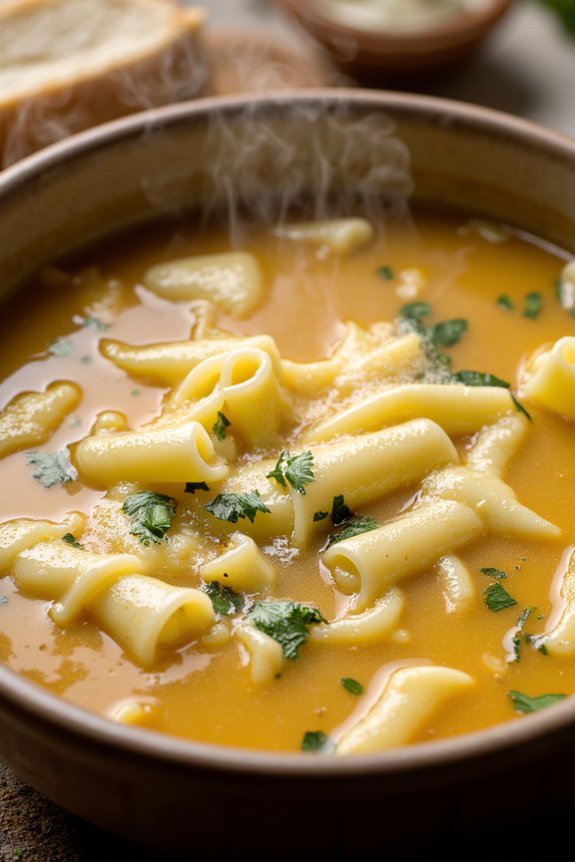
Stracciatella soup is a classic Italian dish that provides warmth and comfort, particularly during the colder holiday months. This traditional soup, often referred to as “Italian egg drop soup,” is known for its simplicity and rich flavors. It’s made by whisking eggs into hot broth, which results in delicate egg ribbons floating throughout the soup.
This dish is often enjoyed as a first course in Italian holiday feasts, bringing together the wholesome flavors of the broth with the light texture of eggs, balanced with the freshness of herbs and the subtle nutty taste of Parmesan cheese.
Originating from the Lazio region of Italy, Stracciatella soup is quick to prepare yet impressive in its elegance. The name “Stracciatella” is derived from the Italian word “stracciato,” meaning torn or shredded, which describes the look of the egg strands in the soup.
This recipe is ideal for serving a group of 4-6 people, making it perfect for intimate holiday gatherings. With just a handful of ingredients, this dish showcases how minimalism in Italian cooking can result in a deeply satisfying and flavorful meal.
Ingredients (Serves 4-6):
- 6 cups of chicken broth
- 3 large eggs
- 3 tablespoons of grated Parmesan cheese
- 2 tablespoons of semolina flour
- 1 tablespoon of fresh parsley, finely chopped
- Salt and pepper to taste
- Optional: a pinch of nutmeg
Cooking Instructions:
- Prepare the Broth: In a large pot, bring 6 cups of chicken broth to a gentle boil. Verify the broth is well-seasoned with salt and pepper, adjusting to taste as it heats up.
- Mix the Egg Mixture: In a mixing bowl, whisk together the eggs, Parmesan cheese, semolina flour, and a pinch of salt until well combined. For an added depth of flavor, include a pinch of nutmeg in the mixture.
- Create the Egg Strands: Once the broth is boiling, reduce the heat to a simmer. Slowly pour the egg mixture into the broth while continuously stirring with a fork or whisk. This process will create the signature stracciatella strands.
- Finish and Serve: Allow the soup to simmer for a few more minutes until the eggs are fully cooked and have formed delicate ribbons. Stir in the finely chopped parsley and adjust the seasoning if necessary. Serve the soup hot, garnished with additional Parmesan cheese if desired.
Extra Tips: When making Stracciatella soup, it’s important to keep the broth at a gentle simmer rather than a rolling boil when adding the egg mixture. This guarantees that the eggs cook slowly and form smooth, tender strands rather than clumping together.
Additionally, using high-quality chicken broth will greatly enhance the flavor of the soup. You can also experiment with adding other herbs such as basil or thyme for a different flavor profile. If you prefer a heartier soup, consider adding small pasta or cooked chicken to the broth before serving.
Tortellini in Brodo

Tortellini in Brodo is a traditional Italian dish that embodies the essence of Italian comfort food. This dish is typically enjoyed during the colder months and is a staple in many Italian households during the holiday season.
Tortellini, small pasta rings filled with a delightful mixture of meats and cheese, are served in a rich and flavorful broth. The warmth and depth of the broth combined with the tender tortellini make for a heartwarming dish that brings people together around the dinner table.
Originating from the Emilia-Romagna region, Tortellini in Brodo is known for its simplicity yet profound taste. The secret to this dish lies in the quality of the broth, which should be a harmonious blend of beef and chicken, simmered to perfection.
The tortellini, often handmade, should be delicate yet firm, to hold up well in the broth. Whether served as a primo piatto or as a main dish, Tortellini in Brodo is sure to be a hit at any holiday gathering, offering a taste of Italy with every spoonful.
Ingredients (Serves 4-6 people):
- 1 lb (450g) tortellini (meat-filled)
- 2 quarts (approx. 2 liters) beef broth
- 2 quarts (approx. 2 liters) chicken broth
- 1 medium carrot, chopped
- 1 celery stalk, chopped
- 1 small onion, halved
- 2 bay leaves
- Salt and pepper to taste
- Freshly grated Parmesan cheese, for serving
Cooking Instructions:
- Prepare the Broth: In a large pot, combine the beef broth and chicken broth. Add the chopped carrot, celery, onion halves, and bay leaves. Bring to a gentle boil over medium-high heat.
- Simmer the Broth: Once boiling, reduce the heat to low and let the broth simmer for about 30 minutes. This allows the flavors of the vegetables and bay leaves to infuse thoroughly into the broth.
- Strain the Broth: After simmering, strain the broth to remove the vegetables and bay leaves. Return the clear broth to the pot and season with salt and pepper to taste.
- Cook the Tortellini: Bring the broth back to a gentle boil. Add the tortellini and cook according to the package instructions, usually around 4-5 minutes, or until they float to the surface and are tender.
- Serve: Once the tortellini are cooked, ladle them into serving bowls along with the hot broth. Top with freshly grated Parmesan cheese before serving.
Extra Tips:
For a more intense flavor, consider making homemade tortellini using a mixture of ground pork, prosciutto, and Parmesan cheese. If you prefer a richer broth, you can add a beef or chicken bouillon cube while simmering.
Remember not to overcook the tortellini, as they should retain a slight firmness to complement the soft, rich broth. For added depth, a splash of white wine can be added to the broth during the simmering process.
Enjoy your Tortellini in Brodo with a side of crusty bread for the ultimate Italian experience.
Lasagna Alla Bolognese

Lasagna Alla Bolognese is a classic Italian dish that embodies the rich flavors and traditions of Italian cuisine. Originating from Bologna, this hearty lasagna is known for its layers of tender pasta, a robust Bolognese sauce, creamy béchamel, and a generous topping of Parmesan cheese. Traditionally served during festive occasions, it brings a sense of warmth and comfort to any holiday gathering.
The preparation involves a slow-cooked meat sauce that melds the flavors of beef, pork, and a medley of vegetables, creating a savory experience that’s both satisfying and deeply flavorful.
The magic of Lasagna Alla Bolognese lies in its layered structure, which allows each component to shine through. The ragu Bolognese, with its rich and meaty consistency, is complemented by the smooth and luscious béchamel sauce. As the lasagna bakes, the pasta sheets absorb the flavors, and the cheese melts to create a golden, bubbly crust.
This dish requires time and patience, but the end result is a spectacular centerpiece for any holiday table, sure to impress family and friends with its authentic taste and comforting character.
Ingredients (serving size: 4-6 people)
- 400g of lasagna sheets
- 500g ground beef
- 250g ground pork
- 1 onion, finely chopped
- 1 carrot, finely chopped
- 1 celery stalk, finely chopped
- 2 cloves of garlic, minced
- 800g canned crushed tomatoes
- 2 tablespoons tomato paste
- 200ml red wine
- 100ml whole milk
- 100g unsalted butter
- 100g all-purpose flour
- 1 liter whole milk (for béchamel)
- 150g grated Parmesan cheese
- Olive oil
- Salt and pepper to taste
- Nutmeg to taste
Cooking Instructions
- Prepare the Bolognese Sauce: Heat a splash of olive oil in a large pot over medium heat. Add the onion, carrot, and celery, and sauté until soft and fragrant. Stir in the garlic and cook for an additional minute. Add the ground beef and pork, cooking until browned. Pour in the red wine and allow it to reduce by half.
- Simmer the Sauce: Stir in the tomato paste, crushed tomatoes, and whole milk. Season with salt and pepper. Reduce the heat to low and let the sauce simmer for at least 1.5 to 2 hours, stirring occasionally, until it thickens and the flavors meld beautifully.
- Prepare the Béchamel Sauce: In a separate saucepan, melt the butter over medium heat. Add the flour, stirring continuously to form a smooth paste. Gradually whisk in the whole milk, ensuring no lumps form. Cook until the sauce thickens, then season with salt, pepper, and a pinch of nutmeg.
- Assemble the Lasagna: Preheat your oven to 180°C (350°F). In a baking dish, spread a thin layer of béchamel sauce. Place a layer of lasagna sheets on top. Add a layer of Bolognese sauce, followed by a drizzle of béchamel and a sprinkle of Parmesan cheese. Repeat the layering process, finishing with a layer of béchamel and a generous topping of Parmesan.
- Bake the Lasagna: Cover the dish with foil and bake for 30 minutes. Remove the foil and bake for an additional 15 minutes, or until the top is golden and bubbling. Allow the lasagna to rest for 10 minutes before serving.
Extra Tips
For the best results, use fresh lasagna sheets if possible, as they’ll absorb the sauces more effectively and provide a smoother texture.
Be sure to taste and adjust the seasoning of both the Bolognese and béchamel sauces as you cook, ensuring that the flavors are balanced. If you have the time, prepare the Bolognese sauce a day in advance to allow the flavors to deepen.
Finally, letting the lasagna rest after baking helps it to set, making it easier to slice and serve without falling apart. Enjoy your homemade Lasagna Alla Bolognese with a side of crusty bread and a fresh salad for a complete meal.
Osso Buco

Osso Buco is a classic Italian dish that showcases the rich and hearty flavors of veal shanks slow-cooked to perfection. Traditionally from the Lombardy region, this dish is a comforting holiday staple often served with risotto or polenta. The name “Osso Buco” translates to “bone with a hole,” referring to the marrow-filled bone at the center of the veal shanks, which adds a luxurious richness to the dish.
The slow cooking process allows the meat to become tender and infuses it with the flavors of aromatic vegetables, white wine, and broth. The distinctive characteristic of Osso Buco is the combination of tender meat and a flavorful sauce, often enhanced with a gremolata—a zesty mixture of lemon zest, garlic, and parsley—sprinkled on top just before serving.
This dish is perfect for holiday gatherings, as its preparation time allows for a leisurely, stress-free cooking experience while still delivering an impressive and delectable meal. Paired with a glass of your favorite red wine, Osso Buco is sure to become a beloved addition to your holiday table.
Ingredients (Serves 4-6):
- 4 to 6 pieces of veal shanks, about 1.5 inches thick
- Salt and freshly ground black pepper
- 1/4 cup all-purpose flour, for dredging
- 1/4 cup olive oil
- 1 medium onion, finely chopped
- 1 medium carrot, finely chopped
- 1 rib celery, finely chopped
- 3 cloves garlic, minced
- 1 cup dry white wine
- 1 cup chicken or beef broth
- 1 can (14 ounces) diced tomatoes, with juice
- 1 tablespoon tomato paste
- 1 bay leaf
- 1 teaspoon dried thyme
- 1 teaspoon dried rosemary
- Zest of 1 lemon
- 2 tablespoons fresh parsley, chopped
Cooking Instructions:
- Prepare the Veal Shanks: Season the veal shanks generously with salt and freshly ground black pepper. Dredge each piece in flour, shaking off the excess. This will help in browning the meat and slightly thickening the sauce.
- Brown the Shanks: In a large Dutch oven or heavy-bottomed pot, heat the olive oil over medium-high heat. Add the veal shanks and brown them on all sides, about 4-5 minutes per side. Once browned, remove the shanks and set them aside.
- Sauté the Vegetables: In the same pot, add the chopped onion, carrot, and celery. Cook, stirring frequently, until the vegetables are soft and beginning to brown, about 5-7 minutes. Stir in the minced garlic and cook for an additional minute until fragrant.
- Deglaze the Pot: Pour in the white wine, scraping the bottom of the pot with a wooden spoon to release any browned bits. Let it simmer for 2-3 minutes until slightly reduced.
- Build the Sauce: Add the broth, diced tomatoes with their juice, and tomato paste to the pot. Stir well to combine. Return the veal shanks to the pot, nestling them into the sauce.
- Add Herbs and Simmer: Add the bay leaf, thyme, and rosemary to the pot. Bring the mixture to a simmer, then reduce the heat to low. Cover the pot and let it cook for 1.5 to 2 hours, or until the meat is tender and easily pulls away from the bone.
- Prepare the Gremolata: While the Osso Buco is cooking, prepare the gremolata by combining the lemon zest, chopped parsley, and a pinch of minced garlic in a small bowl. Mix well and set aside.
- Finish and Serve: Once the Osso Buco is done, remove the bay leaf and discard. Adjust the seasoning with salt and pepper if necessary. Serve the Osso Buco hot, topped with a generous sprinkle of the gremolata. Pair with risotto or polenta for a complete meal.
Extra Tips:
For a more robust flavor, you can marinate the veal shanks in the wine and herbs for a few hours before cooking.
Be sure to use a heavy-bottomed pot to guarantee even cooking and prevent burning. If you prefer a thicker sauce, remove the lid during the last 20 minutes of cooking to allow the liquid to reduce.
Finally, using fresh herbs in the gremolata will greatly enhance the dish’s aroma and taste, making it a memorable culinary experience.
Stuffed Turkey Breast (Tacchino Ripieno)

Stuffed Turkey Breast, known as Tacchino Ripieno in Italian, is a delightful and flavorful dish traditionally served during the holiday season. This Italian twist on the classic turkey dish combines succulent turkey breast with a savory stuffing, making it a perfect centerpiece for your festive table. The stuffing typically includes a blend of herbs, bread, and sometimes Italian sausage, adding a rich and aromatic layer to the meal. The result is a juicy and tender turkey breast that’s bursting with flavor, embodying the warmth and comfort of traditional Italian holiday cuisine.
This recipe for Stuffed Turkey Breast is designed to serve 4-6 people, making it an ideal choice for a family gathering or an intimate holiday dinner. It requires some preparation but is well worth the effort for the delicious and impressive outcome. The process involves carefully butterflying the turkey breast, preparing the stuffing, and then rolling and roasting the turkey to perfection. By following these steps, you can create a dish that isn’t only delicious but also visually stunning, adding a touch of Italian elegance to your holiday meal.
Ingredients (Serves 4-6):
- 2 pounds boneless turkey breast
- 1 cup breadcrumbs
- 1/2 cup grated Parmesan cheese
- 1/2 cup Italian sausage, crumbled
- 1/2 cup chopped mushrooms
- 1/4 cup finely chopped onions
- 2 cloves garlic, minced
- 1/4 cup chopped fresh parsley
- 1 tablespoon fresh rosemary, chopped
- 1 tablespoon fresh thyme, chopped
- 1/4 cup chicken broth
- 2 tablespoons olive oil
- Salt and pepper to taste
- Kitchen twine
Instructions:
- Prepare the Turkey Breast: Begin by placing the turkey breast on a cutting board. Using a sharp knife, butterfly the turkey breast by cutting horizontally through the thickest part, taking care not to cut all the way through. Open the turkey breast like a book and flatten it gently with a meat mallet to an even thickness.
- Make the Stuffing: In a large skillet over medium heat, add 1 tablespoon of olive oil. Sauté the onions and garlic until they’re soft and fragrant. Add the crumbled Italian sausage and cook until browned. Stir in the mushrooms and cook for an additional 2-3 minutes. Remove from heat and mix in the breadcrumbs, Parmesan cheese, parsley, rosemary, thyme, and chicken broth. Season with salt and pepper, and let the mixture cool slightly.
- Stuff the Turkey Breast: Spread the stuffing mixture evenly over the flattened turkey breast, leaving a border around the edges. Carefully roll the turkey breast tightly, starting from one end, to encase the stuffing. Secure the roll with kitchen twine at 1-inch intervals.
- Roast the Turkey Breast: Preheat the oven to 375°F (190°C). Place the stuffed turkey breast on a baking sheet or roasting pan. Brush the outside of the roll with the remaining olive oil and season with salt and pepper. Roast the turkey in the preheated oven for about 60-75 minutes, or until the internal temperature reaches 165°F (74°C).
- Rest and Serve: Once cooked, remove the turkey from the oven and let it rest for at least 10 minutes before slicing. This helps retain the juices and makes for easier slicing. Remove the kitchen twine, slice the turkey, and serve with your favorite holiday sides.
Extra Tips: When preparing the stuffing, feel free to customize it with additional ingredients such as dried cranberries or nuts for an extra festive touch. Make sure the stuffing is cooled before spreading it onto the turkey breast to guarantee it rolls up easily. Additionally, tying the roll securely with kitchen twine is essential to maintaining its shape while roasting. To enhance the presentation, garnish the serving platter with fresh herbs or sliced lemons for a vibrant finish.
Polenta With Wild Mushrooms

Polenta with wild mushrooms is a traditional Italian dish that combines the earthy flavors of wild mushrooms with the creamy texture of polenta. This dish is perfect for the holiday season, bringing warmth and comfort to your dining table. The savory mushrooms are sautéed with garlic and herbs, then served over a bed of soft, buttery polenta, creating a delightful blend of textures and flavors.
Whether served as a main course or a side dish, Polenta with Wild Mushrooms is sure to be a hit with family and friends.
The key to this dish lies in selecting a variety of wild mushrooms, such as porcini, chanterelles, or morels, which offer a rich and complex flavor profile. Paired with the simplicity of polenta, the dish highlights the natural taste of the ingredients. The use of fresh herbs and a hint of Parmesan cheese elevates the dish, making it both sophisticated and approachable.
Let’s explore the recipe to create this delicious Italian holiday favorite for 4-6 people.
Ingredients:
- 2 cups of polenta (coarse cornmeal)
- 8 cups water or vegetable broth
- 1 teaspoon salt
- 4 tablespoons unsalted butter
- 1/2 cup grated Parmesan cheese
- 2 tablespoons olive oil
- 1 pound wild mushrooms (such as porcini, chanterelles, or morels), cleaned and sliced
- 3 cloves garlic, minced
- 1 tablespoon fresh thyme leaves
- 1/4 cup chopped fresh parsley
- Salt and freshly ground black pepper to taste
- Optional: Truffle oil for drizzling
Instructions:
1. Prepare the Polenta: In a large saucepan, bring the water or vegetable broth to a boil. Gradually whisk in the polenta and salt, reducing the heat to low. Stir continuously to prevent lumps, cooking for about 30-40 minutes until the mixture thickens and the grains are tender.
If the polenta becomes too thick, add a bit more water or broth to achieve a creamy consistency. Stir in the butter and Parmesan cheese until fully combined.
2. Cook the Mushrooms: While the polenta is cooking, heat the olive oil in a large skillet over medium heat. Add the sliced wild mushrooms and sauté for about 5-7 minutes, until they’re golden brown and have released their moisture.
3. Add Aromatics: Stir in the minced garlic and fresh thyme, cooking for another 2 minutes until fragrant. Season the mushrooms with salt and freshly ground black pepper to taste.
4. Combine and Serve: Once the mushrooms are cooked, remove them from the heat and stir in the chopped parsley. Spoon the creamy polenta onto plates or a serving platter, and top with the sautéed mushrooms. Drizzle with truffle oil if desired, for an extra touch of elegance.
Extra Tips:
When cooking polenta, it’s important to stir constantly to prevent it from sticking to the bottom of the pan and forming lumps. If your polenta becomes too thick, don’t hesitate to add more liquid to achieve the desired creamy texture.
Using a mix of wild mushrooms will provide a more varied and flavorful dish, but if they’re unavailable, you can substitute with cultivated mushrooms like cremini or shiitake. For a richer flavor, you can also add a splash of white wine to the mushrooms while they cook.
Enjoy this hearty dish as a comforting centerpiece of your holiday meal.
Caponata
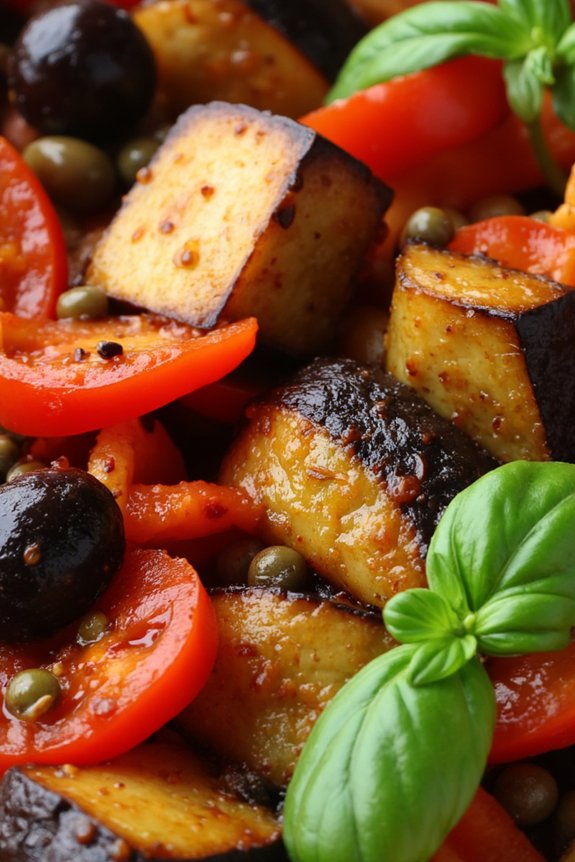
Caponata is a classic Sicilian dish that’s perfect for the holiday season, combining the rich flavors of eggplant, tomatoes, and olives into a sweet and sour vegetable medley. This dish is as colorful as it’s flavorful, making it a visually appealing addition to any holiday table.
Traditionally served as an antipasto, Caponata can also be enjoyed as a side dish or even as a main course when paired with crusty bread or pasta. Its balance of tangy vinegar and sweet sugar, along with the robust flavors of the Mediterranean, makes it a standout dish that celebrates the essence of Italian cuisine.
The origins of Caponata can be traced back to the 18th century, and while there are many regional variations, the core ingredients remain consistent. This recipe serves 4-6 people and maintains the authentic taste of Sicily, featuring eggplant as the star ingredient, complemented by a variety of vegetables and aromatic herbs.
The slow cooking process allows the flavors to meld together, creating a harmonious dish that’s both hearty and satisfying. Whether you’re new to Italian cooking or a seasoned chef, this Caponata recipe is a delightful way to bring a piece of Italy to your holiday festivities.
Ingredients:
- 2 medium-sized eggplants
- 1 large onion
- 2 large ripe tomatoes
- 2 stalks of celery
- 1 red bell pepper
- 1/2 cup green olives, pitted
- 2 tablespoons capers
- 1/4 cup red wine vinegar
- 2 tablespoons sugar
- 1/4 cup extra virgin olive oil
- Salt and pepper to taste
- Fresh basil leaves for garnish
Cooking Instructions:
- Prepare the Eggplants: Begin by washing the eggplants and cutting them into 1-inch cubes. Sprinkle them with salt and let them sit in a colander for about 30 minutes to draw out excess moisture and bitterness. Rinse the cubes thoroughly and pat them dry with a paper towel.
- Cook the Eggplants: Heat half of the olive oil in a large sauté pan over medium heat. Add the eggplant cubes and cook until they’re golden brown and tender, about 10-12 minutes. Remove the eggplants from the pan and set them aside.
- Sauté the Vegetables: In the same pan, add the remaining olive oil. Stir in the chopped onion, celery, and red bell pepper. Cook the vegetables over medium heat until they’re soft and translucent, which should take about 8 minutes.
- Add Tomatoes and Flavorings: Dice the tomatoes and add them to the pan, along with the capers and olives. Stir in the red wine vinegar and sugar, making certain everything is well combined. Let the mixture simmer for about 10 minutes, allowing the flavors to meld together.
- Combine and Simmer: Return the eggplants to the pan, gently folding them into the vegetable mixture. Season with salt and pepper to taste. Let the Caponata simmer for an additional 15 minutes, stirring occasionally until the mixture is thickened and aromatic.
- Garnish and Serve: Once done, remove the Caponata from the heat and let it cool slightly. Garnish with fresh basil leaves before serving. Caponata can be enjoyed warm or at room temperature, allowing the flavors to deepen as it sits.
Extra Tips:
For the best flavor, prepare the Caponata a day in advance and let it rest in the refrigerator overnight. This resting period allows the flavors to blend more thoroughly, resulting in a more robust taste.
When selecting eggplants, opt for ones that are firm and glossy to ascertain the best texture in your dish. If you’d like a spicier kick, consider adding a pinch of red pepper flakes.
Panettone
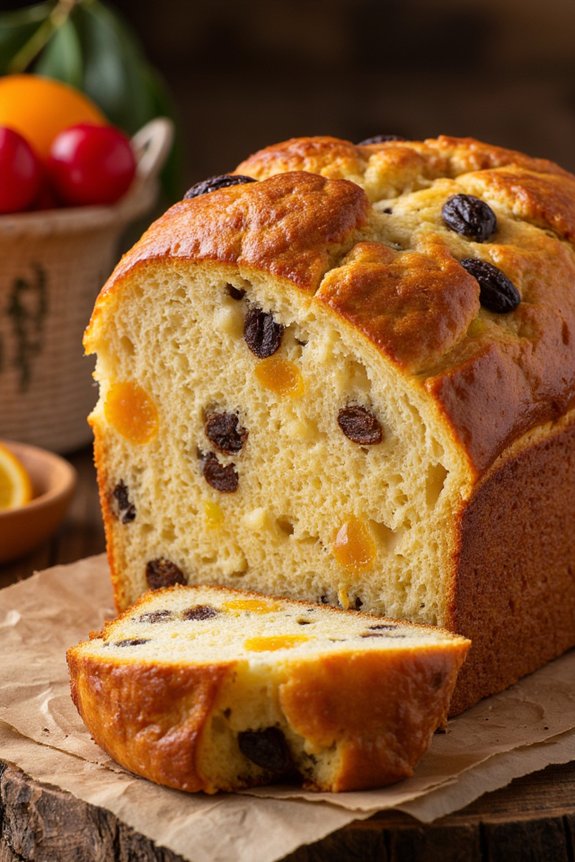
Panettone is a classic Italian holiday bread that’s enjoyed by many families during the festive season. Originating from Milan, this sweet and fluffy bread is traditionally made with a rich and buttery dough, studded with candied fruits and raisins. It’s a staple on Italian tables during Christmas and New Year celebrations, often served with coffee or wine.
The process of making Panettone can be quite labor-intensive, requiring time and patience to allow the dough to rise properly, but the end result is a beautifully aromatic and soft bread that’s well worth the effort.
This delightful bread has a characteristic dome shape and a light, airy texture. It isn’t overly sweet, which makes it a versatile treat that can be enjoyed any time of the day. While it might seem intimidating to make at home due to its lengthy preparation process, following a detailed recipe can help you achieve a perfect homemade Panettone. This recipe serves 4-6 people and captures the authentic flavors and textures of this beloved Italian holiday treat.
Ingredients:
- 4 cups all-purpose flour
- 1/2 cup granulated sugar
- 1/2 teaspoon salt
- 1 tablespoon active dry yeast
- 3/4 cup warm milk
- 4 large eggs
- 1 teaspoon vanilla extract
- 1 tablespoon grated lemon zest
- 1/2 cup unsalted butter, softened
- 1 cup candied orange peel, chopped
- 1 cup raisins
- 1/4 cup rum (optional)
- 1/4 cup slivered almonds (optional)
Instructions:
- Prepare the Dough: In a small bowl, dissolve the active dry yeast in warm milk and let it sit for about 5-10 minutes until it becomes frothy. In a large mixing bowl, combine the flour, sugar, and salt. Add the yeast mixture, eggs, vanilla extract, lemon zest, and softened butter. Mix until a soft dough forms.
- Knead the Dough: Transfer the dough to a floured surface and knead for about 10 minutes until it becomes smooth and elastic. Alternatively, use a stand mixer with a dough hook attachment for about 5 minutes.
- First Rise: Place the dough in a lightly greased bowl, cover it with a damp cloth or plastic wrap, and let it rise in a warm place for about 2 hours, or until doubled in size.
- Prepare the Fruits: While the dough is rising, soak the raisins in rum (if using) for about 30 minutes. Drain and pat them dry. Mix the raisins and candied orange peel together.
- Incorporate the Fruits: Once the dough has risen, gently deflate it and knead in the mixed fruits and almonds (if using) until evenly distributed.
- Shape the Dough: Form the dough into a ball and place it in a Panettone mold or a high-sided, round baking pan lined with parchment paper.
- Second Rise: Cover the dough loosely with a cloth and let it rise again in a warm place for about 1 hour, or until it reaches just above the rim of the mold.
- Bake the Panettone: Preheat your oven to 350°F (175°C). Bake the Panettone for about 40-45 minutes. If it starts to brown too quickly, cover it with aluminum foil halfway through baking.
- Cool and Serve: Once baked, let the Panettone cool in the mold on a wire rack. Serve it once cooled, either on its own or with a spread of your choice.
Extra Tips:
When making Panettone, it’s essential to verify that your yeast is fresh and active to achieve the best rise. Patience is key, as allowing the dough to rise sufficiently will contribute greatly to its light and airy texture.
If you prefer a more traditional flavor, feel free to adjust the quantities of candied fruits and raisins to your liking. For an added touch, you can sprinkle powdered sugar on top before serving. Enjoy your homemade Panettone as part of your holiday festivities!
Struffoli

Struffoli is a traditional Italian dessert typically enjoyed during the holiday season, especially around Christmas. Originating from Naples, these delightful sweet morsels consist of small, deep-fried dough balls coated in honey and decorated with colorful sprinkles. The result is a festive and delicious treat that’s both crunchy on the outside and soft on the inside.
Struffoli is often shaped into a wreath or a mound and is a centerpiece on Italian holiday tables, inviting everyone to partake in its sweet, sticky goodness.
Making Struffoli at home is a delightful experience that brings a sense of tradition and warmth to the kitchen. The process involves preparing a simple dough, frying it to golden perfection, and then glazing it with honey and topping with festive decorations. While the recipe is straightforward, it requires some careful attention to detail to guarantee the Struffoli maintains its characteristic texture and appearance.
This recipe serves 4-6 people, perfect for sharing with family and friends during the holidays.
Ingredients:
- 2 cups all-purpose flour
- 3 large eggs
- 2 tablespoons granulated sugar
- 2 tablespoons unsalted butter, softened
- 1 teaspoon vanilla extract
- Zest of 1 lemon
- A pinch of salt
- Vegetable oil for frying
- 1 cup honey
- 1/4 cup sugar
- Colored sprinkles
- Candied cherries (optional)
Cooking Instructions:
- Prepare the Dough: In a large mixing bowl, combine the flour, eggs, sugar, softened butter, vanilla extract, lemon zest, and a pinch of salt. Mix the ingredients until they form a smooth and pliable dough. If the dough is too sticky, add a little more flour until it reaches the desired consistency.
- Roll and Cut the Dough: Divide the dough into several small portions, and roll each portion into a long, thin rope about 1/2 inch in diameter. Using a sharp knife, cut each rope into small pieces, approximately the size of a marble.
- Fry the Dough Balls: In a deep saucepan, heat the vegetable oil over medium-high heat. Once the oil is hot, carefully drop a few dough balls into the oil, ensuring not to overcrowd the pan. Fry them until they’re golden brown, approximately 2-3 minutes. Remove the fried dough balls with a slotted spoon and drain them on paper towels.
- Coat with Honey: In a separate saucepan, gently heat the honey and 1/4 cup of sugar until the sugar dissolves and the mixture becomes smooth. Pour the honey mixture over the fried dough balls and stir gently to coat them evenly.
- Assemble and Decorate: Arrange the honey-coated Struffoli into a mound or a wreath shape on a serving platter. Decorate with colored sprinkles and candied cherries, if using, to add a festive touch.
Extra Tips:
When making Struffoli, it’s important to keep an eye on the frying process to guarantee the dough balls cook evenly without burning. The oil should be hot, but not smoking, to achieve the perfect golden color.
If you prefer a less sweet version, you can reduce the amount of honey used in the coating. Additionally, feel free to get creative with the decorations, using nuts or other candied fruits to personalize your Struffoli. Enjoy this delightful treat fresh, as it’s at its best when freshly made.
Torrone

Torrone is a classic Italian nougat confection that’s traditionally enjoyed during the holiday season. This sweet treat is known for its chewy texture and delightful combination of honey, sugar, and roasted nuts, often flavored with vanilla or citrus zest.
Originating from the regions of Cremona and Benevento, torrone has become a beloved festive dessert across Italy, served in various forms and flavors. This recipe will guide you through making a traditional white torrone, perfect for sharing with family and friends.
This recipe serves 4-6 people and requires some patience and precision to achieve the perfect consistency. By following these step-by-step instructions, you’ll create a delicious homemade torrone that balances sweetness and nuttiness.
It’s important to use a candy thermometer to guarantee the correct temperature, as well as high-quality nuts and honey for the best flavor. Let’s explore creating this delectable holiday treat that will surely become a family favorite!
Ingredients:
- 2 cups granulated sugar
- 1 cup honey
- 2 large egg whites
- 1/2 teaspoon vanilla extract
- 2 cups roasted almonds (or a mix of your favorite nuts)
- 1/4 teaspoon salt
- Edible rice paper sheets
- Zest of 1 lemon (optional)
Instructions:
- Prepare the Mold:
- Line a square or rectangular baking dish with edible rice paper sheets. This will prevent the nougat from sticking and add a traditional touch.
- Cook the Sugar and Honey:
- In a heavy-bottomed saucepan, combine the sugar and honey. Cook over medium heat, stirring occasionally, until the mixture reaches 250°F (120°C) on a candy thermometer. This will take about 10-15 minutes.
- Whip the Egg Whites:
- While the sugar and honey are cooking, beat the egg whites and salt in a stand mixer until stiff peaks form. This will create a fluffy base for the torrone.
- Combine Mixtures:
- Once the sugar-honey mixture reaches the desired temperature, slowly and carefully pour it into the whipped egg whites while continuing to beat on low speed.
- Increase the mixer speed to medium-high, and add the vanilla extract and lemon zest (if using). Beat until the mixture thickens and cools slightly, about 5-7 minutes.
- Add the Nuts:
- Gently fold in the roasted almonds (or your choice of nuts) with a spatula until evenly distributed throughout the nougat.
- Set the Torrone:
- Pour the nougat mixture into the prepared baking dish, smoothing the top with a spatula. Cover with another layer of edible rice paper, pressing gently to adhere.
- Allow the torrone to cool and set at room temperature for at least 4 hours or overnight.
- Cut and Serve:
- Once set, remove the torrone from the dish and cut into small squares or rectangles with a sharp knife. Serve and enjoy!
Extra Tips:
When making torrone, it’s essential to keep an eye on the temperature of the sugar and honey mixture, as this will affect the final texture.
Using fresh, high-quality nuts will enhance the flavor of your torrone, and you can experiment with different nut combinations or add-ins like dried fruits for variety.
If you find the nougat sticky, lightly oil your spatula or knife to make handling easier. Torrone can be stored in an airtight container at room temperature for up to two weeks, making it a perfect make-ahead treat for the holiday season.
