

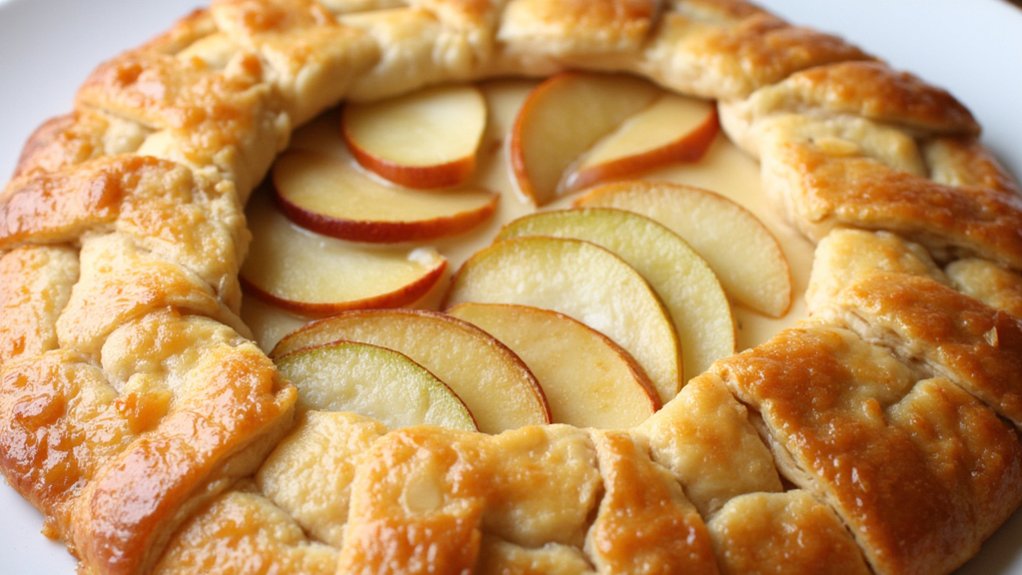
Isn’t fall just the coziest season? The crisp air and vibrant leaves make it perfect for hearty Italian dishes. Picture yourself by the fireplace with a bowl of creamy Porcini Mushroom Risotto. The earthy aroma feels like a warm hug for the soul. Let’s explore the comforting flavors of rustic Italian cuisine that autumn graciously offers.
Porcini Mushroom Risotto
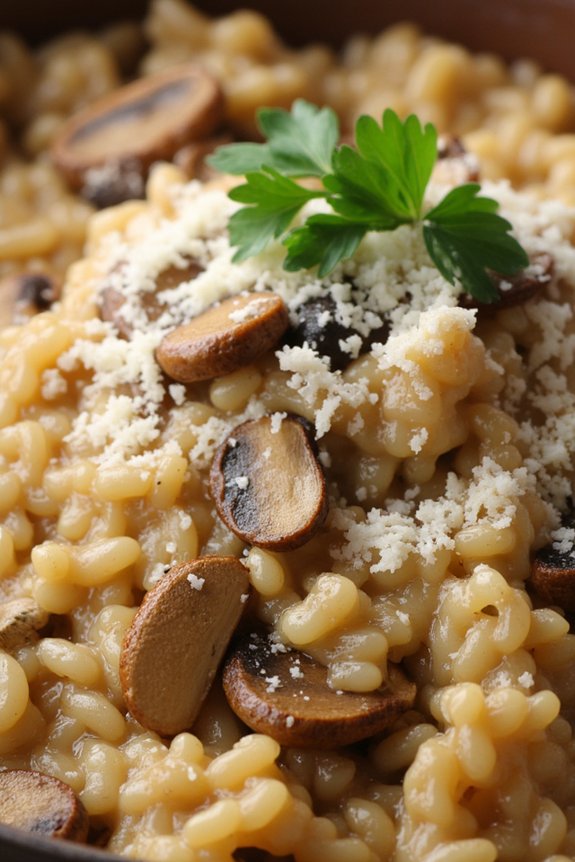
As the leaves turn and the air becomes crisp, there’s nothing quite as comforting as a steaming bowl of Porcini Mushroom Risotto to welcome the fall season. This rustic Italian dish combines the earthy flavors of porcini mushrooms with the creamy consistency of arborio rice, creating a perfect harmony of taste and texture.
The slow process of adding the broth, one ladle at a time, allows the rice to absorb the rich flavors, resulting in a dish that’s both indulgent and satisfying. With the addition of white wine, garlic, and Parmesan cheese, this risotto brings a touch of Italian elegance to your dinner table.
Designed to serve 4-6 people, this recipe invites you to slow down and savor the simple pleasures of cooking. The porcini mushrooms, rehydrated to release their deep, umami notes, are complemented by the creaminess of the risotto.
Whether you’re planning a cozy dinner with friends or a romantic meal for two, Porcini Mushroom Risotto is a versatile dish that will impress and delight with its rich, autumnal flavors.
Ingredients:
- 1 ounce dried porcini mushrooms
- 6 cups chicken or vegetable broth
- 2 tablespoons olive oil
- 1 small onion, finely chopped
- 2 cloves garlic, minced
- 1 1/2 cups arborio rice
- 1/2 cup dry white wine
- 1/2 cup freshly grated Parmesan cheese
- 2 tablespoons unsalted butter
- Salt and freshly ground black pepper, to taste
- Fresh parsley, chopped, for garnish
Instructions:
- Prepare the Mushrooms: Rehydrate the dried porcini mushrooms by placing them in a bowl and covering them with 1 cup of hot water. Let them soak for about 20 minutes until they’re soft. Drain the mushrooms, reserving the soaking liquid, and chop them finely.
- Heat the Broth: In a medium saucepan, bring the chicken or vegetable broth to a gentle simmer. Keep it warm over low heat throughout the cooking process.
- Cook the Aromatics: In a large, heavy-bottomed saucepan, heat the olive oil over medium heat. Add the chopped onion and cook until translucent, about 5 minutes. Stir in the minced garlic and cook for another minute until fragrant.
- Toast the Rice: Add the arborio rice to the saucepan, stirring constantly for 2-3 minutes until the grains are lightly toasted and coated with oil.
- Deglaze with Wine: Pour in the white wine, stirring constantly until the wine is fully absorbed by the rice.
- Add Broth Gradually: Begin adding the warm broth, one ladle at a time, to the rice. Stir frequently, allowing each addition of broth to be absorbed before adding the next. This process should take about 18-20 minutes and will guarantee a creamy texture.
- Incorporate Mushrooms: When the rice is almost cooked to your desired doneness, stir in the chopped porcini mushrooms and their reserved soaking liquid. Continue to cook until the liquid is absorbed and the rice is tender with a slight bite.
- Finish with Cheese and Butter: Remove the risotto from heat and stir in the grated Parmesan cheese and butter until melted and fully incorporated. Season with salt and freshly ground black pepper to taste.
- Garnish and Serve: Serve the risotto hot, garnished with freshly chopped parsley.
Extra Tips:
For a more intense mushroom flavor, supplement the dried porcini with fresh mushrooms like cremini or shiitake, sautéed alongside the onions.
Make sure to taste the risotto as you go, adjusting the seasoning as needed. If you find the risotto too thick at the end, you can stir in a bit more broth to reach your desired consistency.
Tuscan White Bean Soup
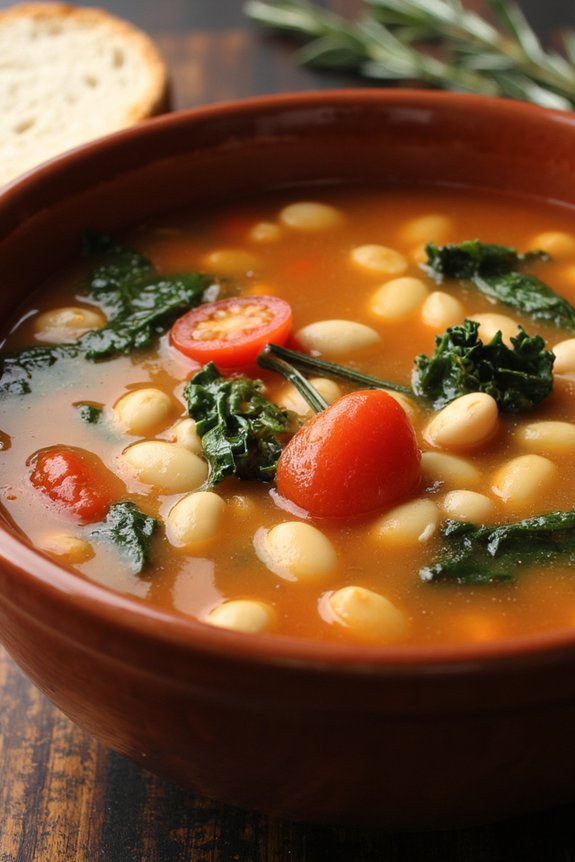
Embrace the cozy flavors of fall with a comforting bowl of Tuscan White Bean Soup. This rustic Italian dish is perfect for crisp autumn evenings, offering a hearty and nutritious meal that warms the soul. The soup features cannellini beans, which are rich in protein and fiber, combined with an array of vegetables and aromatic herbs to elevate the taste experience.
Its simplicity and depth of flavor make it a favorite in any Italian-inspired menu, and it pairs beautifully with a slice of crusty bread or a side salad. This recipe serves 4-6 people and showcases the essence of traditional Tuscan cooking, where fresh ingredients and minimal fuss come together to create something truly delicious.
The creamy texture of the beans, combined with the earthiness of rosemary and sage, make this soup both satisfying and healthy. Whether you’re hosting a dinner party or enjoying a quiet night in, Tuscan White Bean Soup is an excellent choice for a wholesome and fulfilling meal.
Ingredients:
- 2 tablespoons olive oil
- 1 medium onion, chopped
- 2 carrots, diced
- 2 celery stalks, diced
- 3 cloves garlic, minced
- 1 teaspoon fresh rosemary, chopped
- 1 teaspoon fresh sage, chopped
- 1 (14-ounce) can diced tomatoes, undrained
- 4 cups vegetable broth
- 2 (15-ounce) cans cannellini beans, drained and rinsed
- Salt and pepper to taste
- 2 cups kale, chopped
- 1 tablespoon lemon juice
- Grated Parmesan cheese for serving (optional)
Cooking Instructions:
- Prepare the Aromatics: In a large pot, heat the olive oil over medium heat. Add the chopped onion, diced carrots, and diced celery. Sauté for about 5-7 minutes until the vegetables are softened and the onion becomes translucent.
- Add Garlic and Herbs: Stir in the minced garlic, chopped rosemary, and sage. Cook for an additional minute, allowing the flavors to meld and become fragrant.
- Incorporate Tomatoes and Broth: Pour in the can of diced tomatoes (with juice) and the vegetable broth. Stir well to combine the ingredients, then bring the mixture to a gentle simmer.
- Add Beans and Season: Add the drained and rinsed cannellini beans to the pot. Season the soup with salt and pepper to taste. Allow the soup to simmer for about 20 minutes, letting the flavors develop and the beans heat through thoroughly.
- Introduce Kale and Lemon: Stir in the chopped kale and let it cook for an additional 5 minutes, or until the kale is wilted and tender. Add the lemon juice to enhance the soup’s brightness and balance.
- Serve and Garnish: Ladle the soup into bowls and garnish with grated Parmesan cheese if desired. Serve hot with crusty bread on the side.
Extra Tips:
For an even richer flavor, consider adding a Parmesan rind to the soup while it simmers, removing it before serving. This will impart a subtle umami depth.
If you prefer a thicker soup, use an immersion blender to partially puree the soup, leaving some beans and vegetables intact for texture. Additionally, if you enjoy a bit of heat, a pinch of red pepper flakes can be added with the garlic and herbs.
Adjust the seasoning to your taste, and remember that the soup often tastes even better the next day as the flavors continue to meld.
Osso Buco With Gremolata
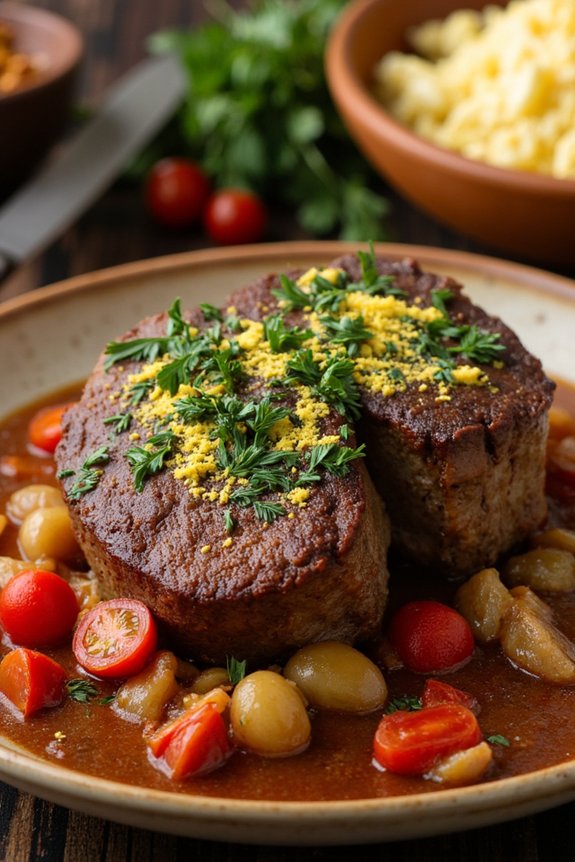
Osso Buco With Gremolata is a classic Italian dish that embodies the rustic flavors of autumn. This hearty meal features tender veal shanks that are slow-cooked to perfection in a savory broth of wine and aromatic vegetables. The dish is finished with a zesty gremolata, a bright and fresh topping of lemon zest, garlic, and parsley, which perfectly complements the rich flavors of the braised meat.
Traditionally served with a side of creamy risotto or polenta, Osso Buco With Gremolata is a comforting and satisfying dish that’s ideal for a cozy fall evening.
The key to a successful Osso Buco With Gremolata is patience; the slow braising process allows the meat to become incredibly tender, while the flavors of the wine and vegetables meld together in the cooking liquid. This recipe serves 4-6 people, making it a perfect dish for a family dinner or an intimate gathering with friends.
The preparation might require some time, but the result is a dish that’s truly worth the effort, showcasing the best of rustic Italian cooking.
Ingredients for Osso Buco With Gremolata (Serves 4-6):
- 4-6 pieces of veal shanks (approximately 1.5 inches thick)
- Salt and freshly ground black pepper
- 1/2 cup all-purpose flour
- 1/4 cup olive oil
- 1 large onion, diced
- 2 carrots, diced
- 2 celery stalks, diced
- 4 cloves garlic, minced
- 1 cup dry white wine
- 2 cups beef or veal stock
- 1 can (14.5 oz) diced tomatoes
- 2 tablespoons tomato paste
- 1 bay leaf
- 1 teaspoon dried thyme
- 1 teaspoon dried rosemary
- Zest of 1 lemon
- 1/4 cup fresh parsley, finely chopped
Cooking Instructions:
- Prepare the Veal Shanks: Begin by patting the veal shanks dry with paper towels. Season each piece generously with salt and freshly ground black pepper. Dredge the shanks in flour, shaking off any excess.
- Brown the Veal Shanks: In a large, heavy-bottomed pot or Dutch oven, heat the olive oil over medium-high heat. Add the veal shanks in batches, if necessary, and brown them on all sides until they develop a golden crust. Remove the shanks from the pot and set them aside.
- Sauté the Vegetables: In the same pot, add the diced onion, carrots, and celery. Cook the vegetables over medium heat, stirring frequently, until they become soft and translucent, about 8-10 minutes. Add the minced garlic and cook for an additional 1-2 minutes until fragrant.
- Deglaze the Pot: Pour in the white wine and use a wooden spoon to scrape up any browned bits from the bottom of the pot. Allow the wine to simmer and reduce by half.
- Braise the Veal Shanks: Return the veal shanks to the pot. Add the beef or veal stock, diced tomatoes, tomato paste, bay leaf, thyme, and rosemary. Stir to combine. Bring the mixture to a gentle simmer, then cover the pot with a lid and reduce the heat to low. Allow the shanks to braise for about 2 to 2.5 hours, or until the meat is tender and falling off the bone.
- Prepare the Gremolata: While the veal is braising, prepare the gremolata by combining the lemon zest, fresh parsley, and a pinch of minced garlic in a small bowl. Mix well and set aside.
- Finish and Serve: Once the veal shanks are tender, remove them from the pot and transfer to a serving platter. Skim any excess fat from the surface of the braising liquid. Simmer the sauce for a few minutes to thicken if desired. Spoon the sauce over the veal shanks, and sprinkle with the prepared gremolata. Serve hot with risotto or polenta.
Extra Tips:
For the best flavor, consider preparing the Osso Buco a day in advance. Allowing the dish to rest overnight in the refrigerator enhances the flavors and makes it easier to skim off any solidified fat before reheating.
When selecting the veal shanks, look for pieces with a good amount of marrow in the bone, as this will add richness to the dish. If veal isn’t available, you can substitute with beef shanks, but adjust the cooking time accordingly, as beef may take longer to become tender.
Chestnut and Sausage Stuffing
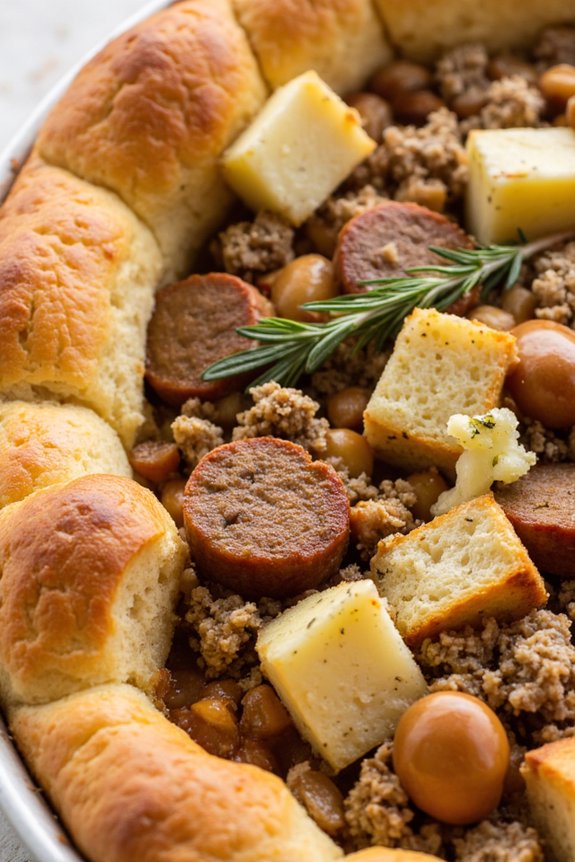
As the leaves turn golden and the air becomes crisp, there’s no better time to indulge in the comforting flavors of rustic Italian cuisine. Chestnut and Sausage Stuffing, a classic fall dish, embodies the essence of the season with its rich textures and hearty ingredients. The dish features a delightful combination of savory sausage, sweet chestnuts, and aromatic herbs, creating a symphony of flavors that perfectly complements any fall feast.
Whether served alongside a roast or enjoyed as a stand-alone dish, this stuffing is certain to become a fall favorite in your household. The chestnuts, with their creamy, nutty flavor, add a distinct richness to the stuffing, while the sausage provides a satisfying savory depth. The use of fresh herbs like sage and rosemary enhances the dish, infusing it with an earthy aroma that evokes the warmth of an Italian kitchen.
The recipe is straightforward and can be prepared in advance, making it an ideal choice for hosting a cozy dinner gathering or a festive holiday meal.
Ingredients for 4-6 servings:
- 1 pound Italian sausage, casings removed
- 1 cup cooked and peeled chestnuts, chopped
- 1 loaf of rustic Italian bread, cut into 1-inch cubes
- 1 large onion, finely chopped
- 2 cloves garlic, minced
- 2 stalks celery, chopped
- 1/4 cup fresh sage, chopped
- 1 tablespoon fresh rosemary, chopped
- 1/2 cup chicken or vegetable broth
- 1/4 cup unsalted butter
- Salt and pepper to taste
Cooking Instructions:
- Prepare the Bread: Preheat your oven to 350°F (175°C). Spread the bread cubes evenly on a baking sheet. Toast them in the oven for about 10 minutes, or until they’re lightly golden and crisp. Remove from the oven and let cool.
- Cook the Sausage: In a large skillet over medium heat, cook the Italian sausage until browned, breaking it up into small pieces with a wooden spoon. Once cooked through, transfer the sausage to a large mixing bowl, leaving any drippings in the skillet.
- Sauté Vegetables: In the same skillet, add the butter, allowing it to melt. Add the chopped onion, celery, and garlic. Sauté for 5-7 minutes until the onions become translucent and the celery softens.
- Combine Ingredients: Add the cooked chestnuts, sage, and rosemary to the skillet. Stir to combine the flavors, cooking for an additional 2 minutes. Transfer this mixture to the bowl with the sausage.
- Mix the Stuffing: Add the toasted bread cubes to the mixing bowl. Pour in the broth gradually, mixing gently to confirm all the ingredients are evenly moistened. Season with salt and pepper to taste.
- Bake the Stuffing: Transfer the stuffing mixture to a greased baking dish. Cover with foil and bake in the preheated oven for 30 minutes. Remove the foil and bake for an additional 10-15 minutes, or until the top is golden and crispy.
Extra Tips:
For added flavor, consider using a combination of different types of sausage, such as sweet and spicy, to create a more complex taste. If fresh chestnuts aren’t available, canned or vacuum-packed chestnuts can be used as a convenient alternative.
To prevent the stuffing from becoming too dry, keep an eye on the moisture level and adjust the amount of broth as needed. Additionally, the stuffing can be prepared a day in advance and stored in the refrigerator, allowing the flavors to meld beautifully before baking.
Butternut Squash and Sage Pasta
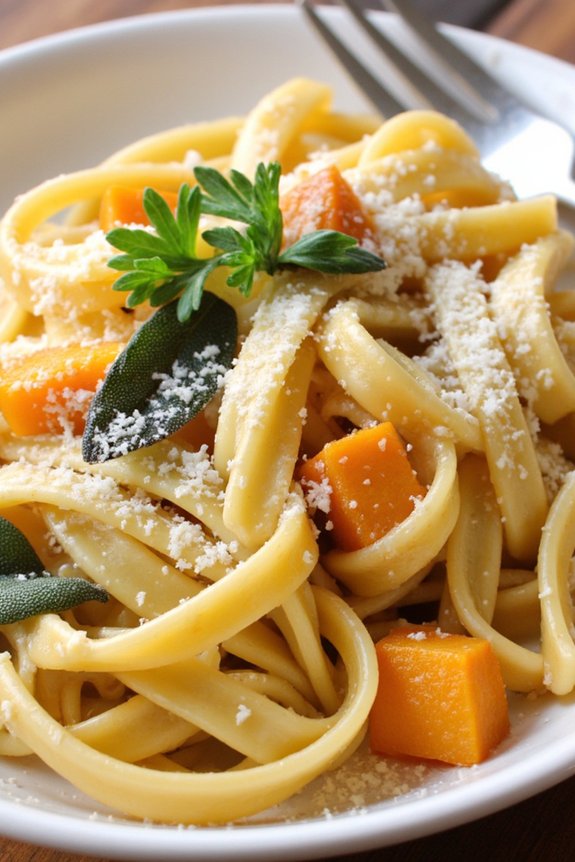
As the crisp autumn air settles in, there’s nothing quite like indulging in a hearty, comforting dish that captures the essence of the season. Butternut Squash and Sage Pasta is a delightful culinary experience that combines the sweet, nutty flavors of roasted butternut squash with the earthy aroma of fresh sage. This rustic Italian recipe is perfect for those cozy fall evenings, offering a symphony of flavors and textures that will warm your soul and tantalize your taste buds.
This dish isn’t only delicious but also relatively simple to prepare, making it an ideal choice for a weeknight dinner or a special occasion. The creamy sauce, made with a blend of roasted butternut squash, garlic, and sage, coats each strand of pasta perfectly, while the addition of Parmesan cheese adds a savory richness. Whether you’re an experienced home cook or a novice in the kitchen, this Butternut Squash and Sage Pasta is sure to impress your family and friends.
Ingredients for 4-6 servings:
- 1 medium butternut squash, peeled and cubed
- 2 tablespoons olive oil
- Salt and pepper to taste
- 1 pound pasta (such as fettuccine or pappardelle)
- 4 tablespoons unsalted butter
- 1 small onion, finely chopped
- 3 cloves garlic, minced
- 10 fresh sage leaves
- 1 cup heavy cream
- 1 cup grated Parmesan cheese
- Nutmeg, a pinch (optional)
- Fresh parsley, chopped (for garnish)
Instructions:
- Prepare the Butternut Squash: Preheat the oven to 400°F (200°C). Place the cubed butternut squash on a baking sheet, drizzle with olive oil, and season with salt and pepper. Toss to coat evenly. Roast in the oven for 25-30 minutes until the squash is tender and slightly caramelized. Remove from the oven and set aside.
- Cook the Pasta: While the squash is roasting, cook the pasta according to the package instructions in a large pot of salted boiling water until al dente. Reserve 1 cup of pasta water, then drain the pasta and set aside.
- Sauté Aromatics: In a large skillet, melt the butter over medium heat. Add the chopped onion and minced garlic, sautéing until the onion is translucent and fragrant, about 5 minutes.
- Add Sage and Squash: Add the fresh sage leaves to the skillet and cook for an additional 2 minutes, allowing the flavors to infuse. Add the roasted butternut squash to the skillet, stirring gently to combine.
- Create the Sauce: Pour in the heavy cream and bring the mixture to a simmer. Allow the sauce to thicken slightly, then stir in the grated Parmesan cheese until fully melted. Add a pinch of nutmeg if desired.
- Combine Pasta and Sauce: Add the cooked pasta to the skillet, tossing to coat each strand in the creamy sauce. Use reserved pasta water to adjust the sauce’s consistency if necessary.
- Garnish and Serve: Season the dish with additional salt and pepper to taste. Garnish with freshly chopped parsley and serve immediately, enjoying the delightful flavors of fall.
Extra Tips:
When making Butternut Squash and Sage Pasta, be sure to use fresh sage leaves for the best flavor. If you prefer a smoother sauce, you can blend the roasted squash with the cream before adding it to the skillet.
For a vegan version, substitute the butter with vegan butter, the cream with coconut cream, and the Parmesan with nutritional yeast. Additionally, try using whole wheat or gluten-free pasta to suit dietary preferences. Enjoy this comforting dish with a glass of your favorite white wine for a complete Italian-inspired meal.
Chicken Cacciatore

Chicken Cacciatore, a classic rustic Italian dish, is perfect for the fall season with its rich tomato sauce and hearty ingredients. This dish, which translates to “hunter’s style” chicken, brings together the comforting flavors of tender chicken cooked with onions, bell peppers, and mushrooms in a robust tomato and wine sauce. Perfect for a cozy dinner, this recipe can be served with a side of crusty bread, polenta, or pasta to soak up the delicious sauce, making it a heart-warming meal for 4-6 people.
The origins of Chicken Cacciatore are rooted in the Italian countryside, where hunters would prepare the dish with whatever ingredients they’d on hand. The simplicity and flexibility of the recipe allow for variations, but the essence remains the same: a slow-cooked, savory combination that captures the essence of fall. With a few pantry staples and fresh ingredients, you can recreate this timeless dish in your own kitchen.
Ingredients (for 4-6 servings):
- 1 whole chicken (cut into 8 pieces) or 6 chicken thighs
- Salt and freshly ground black pepper
- 1/4 cup all-purpose flour (for dredging)
- 3 tablespoons olive oil
- 1 large onion, sliced
- 1 red bell pepper, sliced
- 1 green bell pepper, sliced
- 3 cloves garlic, minced
- 8 ounces mushrooms, sliced
- 1/2 cup dry white wine
- 1 (28-ounce) can crushed tomatoes
- 1/2 cup chicken broth
- 1 teaspoon dried oregano
- 1 teaspoon dried thyme
- 2 bay leaves
- 1/4 cup capers, drained
- 1/4 cup chopped fresh parsley
Cooking Instructions:
- Prepare the Chicken: Season the chicken pieces with salt and pepper. Lightly coat each piece with flour, shaking off any excess.
- Brown the Chicken: In a large deep skillet or Dutch oven, heat the olive oil over medium-high heat. Add the chicken and brown on all sides, about 5-7 minutes. Remove the chicken from the skillet and set aside.
- Cook the Vegetables: In the same skillet, add the onions, red and green bell peppers, and mushrooms. Sauté for about 5 minutes until the vegetables are softened. Add the garlic and cook for an additional 1 minute.
- Deglaze with Wine: Pour in the white wine and bring to a simmer, scraping up any browned bits from the bottom of the skillet. Allow the wine to reduce by half.
- Simmer the Sauce: Add the crushed tomatoes, chicken broth, oregano, thyme, and bay leaves to the skillet. Stir well to combine.
- Return the Chicken: Place the browned chicken pieces back into the skillet, nestling them into the sauce. Bring the mixture to a simmer.
- Cook the Cacciatore: Cover the skillet and reduce the heat to low. Let the chicken simmer gently for 45 minutes to 1 hour, or until the chicken is cooked through and tender.
- Finish with Capers and Parsley: Stir in the capers and cook for an additional 5 minutes. Remove the bay leaves, sprinkle with fresh parsley, and adjust seasoning to taste.
Extra Tips:
For the best flavor, use bone-in, skin-on chicken pieces, as they add richness to the sauce. If you prefer a thicker sauce, remove the lid during the last 15 minutes of cooking to allow some of the liquid to evaporate.
When serving, remember that this dish pairs beautifully with a hearty red wine like Chianti or Barbera, enhancing the rustic Italian flavors. Additionally, feel free to experiment with additional vegetables such as carrots or zucchini, making this dish versatile and adaptable to your taste.
Polenta With Wild Mushroom Ragu
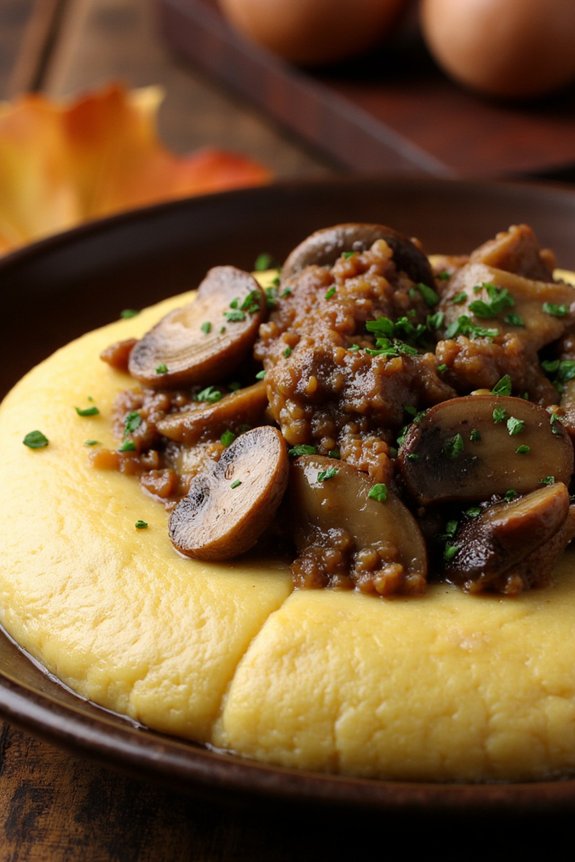
Polenta with Wild Mushroom Ragu is a comforting and earthy dish that brings together the creaminess of polenta with the rich, savory flavors of wild mushrooms. This rustic Italian favorite is perfect for a cozy fall evening, offering a delightful balance of textures and tastes.
The polenta serves as a warm, creamy base, while the mushroom ragu, with its robust and hearty profile, completes the dish with an aromatic depth that’s truly satisfying.
This recipe is designed to serve 4-6 people, making it ideal for a family dinner or gathering with friends. The wild mushrooms, cooked with garlic, shallots, and herbs, are the stars of the ragu, creating an umami-rich topping that pairs beautifully with the smooth polenta.
Whether you’re new to Italian cooking or a seasoned home chef, this dish promises to impress with its simplicity and gourmet appeal.
Ingredients:
- 1 cup polenta
- 4 cups water
- 1 teaspoon salt
- 2 tablespoons unsalted butter
- 1/2 cup grated Parmesan cheese
- 2 tablespoons olive oil
- 2 cloves garlic, minced
- 1 shallot, finely chopped
- 500 grams mixed wild mushrooms, cleaned and sliced
- 1/4 cup white wine
- 1/2 cup vegetable or chicken broth
- 1 teaspoon fresh thyme leaves
- Salt and pepper to taste
- Fresh parsley, chopped, for garnish
Cooking Instructions:
- Prepare the Polenta: In a large saucepan, bring 4 cups of water and 1 teaspoon of salt to a boil. Gradually whisk in the polenta. Reduce the heat to low and cook, stirring frequently, until the polenta is thick and creamy, for about 30-40 minutes.
- Enrich the Polenta: Once the polenta is cooked, stir in the unsalted butter and Parmesan cheese until well combined and creamy. Keep warm while you prepare the mushroom ragu.
- Sauté Aromatics: In a large skillet, heat the olive oil over medium heat. Add the minced garlic and chopped shallot, cooking until fragrant and translucent, about 2-3 minutes.
- Cook the Mushrooms: Increase the heat to medium-high and add the sliced wild mushrooms to the skillet. Cook, stirring occasionally, until the mushrooms are golden brown and any liquid they release has evaporated, about 8-10 minutes.
- Deglaze the Pan: Pour in the white wine and allow it to simmer until almost completely evaporated, scraping up any browned bits from the bottom of the skillet.
- Simmer the Ragu: Add the vegetable or chicken broth and thyme leaves. Reduce the heat to medium and let the ragu simmer until slightly thickened, about 5 minutes. Season with salt and pepper to taste.
- Serve: Spoon the creamy polenta onto plates or into bowls, then top with the wild mushroom ragu. Garnish with freshly chopped parsley and additional Parmesan cheese if desired.
Extra Tips:
For the best polenta texture, make sure you stir it frequently to prevent lumps and sticking to the bottom of the pan.
You can use a variety of wild mushrooms such as cremini, shiitake, or oyster for a more complex flavor profile. If fresh mushrooms are unavailable, dried mushrooms rehydrated in warm water can also be used and will add an intense earthy flavor.
Adjust the seasoning according to your taste, and feel free to add a splash of cream to the ragu for a richer sauce.
Eggplant Parmesan
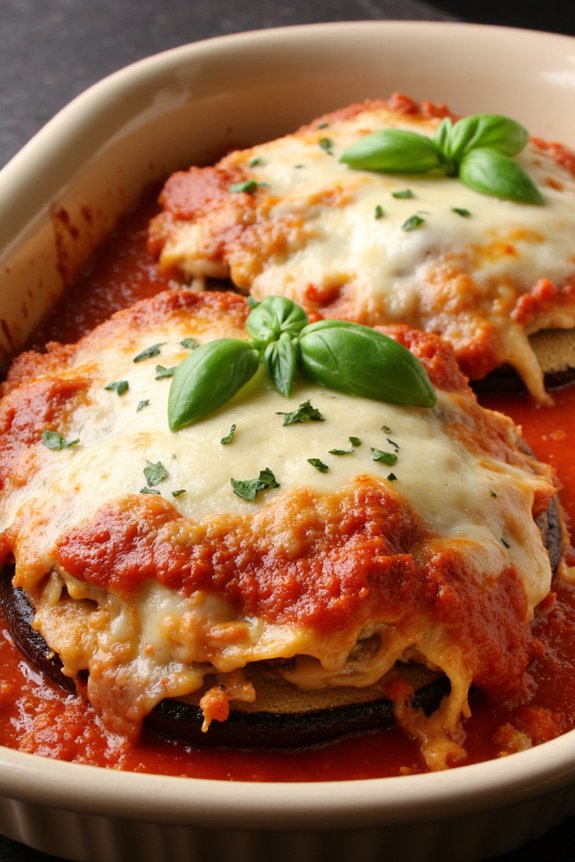
Eggplant Parmesan is a classic Italian dish that captures the warmth and comfort of rustic fall cooking. This savory recipe layers slices of eggplant with rich marinara sauce, creamy mozzarella, and nutty Parmesan cheese, all baked to bubbly perfection. The combination of tender eggplant with gooey cheese and tangy tomato sauce makes it a delightful centerpiece for any autumn meal.
Whether served as a main dish or a hearty side, Eggplant Parmesan is guaranteed to please family and friends alike.
The key to a truly delicious Eggplant Parmesan lies in preparing the eggplant properly. By salting the slices and letting them drain, you make certain that any bitterness is removed and the texture becomes just right for baking. The dish is then assembled like a lasagna, with layers of breaded eggplant, sauce, and cheese mingling together as they bake, resulting in a mouthwatering, cohesive flavor.
Perfect for a cozy dinner or a special gathering, this dish is an ode to the simple yet profound flavors of Italian cuisine.
Ingredients for 4-6 servings:
- 2 large eggplants
- Salt (for draining eggplant)
- 1 cup all-purpose flour
- 3 large eggs
- 2 cups breadcrumbs
- 2 cups marinara sauce
- 2 cups shredded mozzarella cheese
- 1 cup grated Parmesan cheese
- ½ cup olive oil
- Fresh basil leaves (for garnish)
- Black pepper to taste
Cooking Instructions:
- Prepare the Eggplant: Slice the eggplants into ¼-inch thick rounds. Lay them out on paper towels or a wire rack and sprinkle both sides generously with salt. Let them sit for about 30 minutes to draw out moisture and reduce bitterness. Afterward, rinse the slices with cold water and pat them dry thoroughly.
- Set Up Breading Station: In three separate shallow dishes, place the flour, beaten eggs, and breadcrumbs. Dredge each eggplant slice in flour, shaking off any excess, then dip into the eggs, and finally coat with breadcrumbs, pressing gently to adhere.
- Fry the Eggplant: In a large skillet, heat olive oil over medium-high heat. Working in batches, fry the breaded eggplant slices until golden brown on both sides, about 2-3 minutes per side. Transfer the fried slices to a plate lined with paper towels to drain excess oil.
- Assemble the Dish: Preheat your oven to 375°F (190°C). Spread a thin layer of marinara sauce on the bottom of a 9×13-inch baking dish. Arrange a layer of fried eggplant slices over the sauce. Top with more marinara sauce, mozzarella, and Parmesan cheese. Repeat layering until all ingredients are used, ending with a generous topping of cheese.
- Bake: Cover the dish with aluminum foil and bake for 25 minutes. Remove the foil and bake for an additional 15 minutes, or until the cheese is bubbling and golden brown.
- Serve: Let the Eggplant Parmesan cool for a few minutes before serving. Garnish with fresh basil leaves and a sprinkle of black pepper if desired.
Extra Tips: To achieve the best texture, make sure to fry the eggplant slices until they’re thoroughly crisp, as this will prevent them from becoming soggy during baking. If you’re in a hurry, you can roast the eggplant slices in the oven instead of frying them; just brush them with olive oil and bake until tender and golden.
Additionally, feel free to experiment with different cheeses or add layers of ricotta for extra creaminess. For a gluten-free version, use gluten-free breadcrumbs and flour.
Braised Short Ribs With Red Wine

As the leaves begin to turn and the air grows crisp, there’s nothing quite as comforting as a hearty, rustic dish to warm the soul. Braised Short Ribs With Red Wine is a quintessential Italian fall recipe that captures the essence of slow-cooked, rich flavors perfect for cozy evenings. The succulent short ribs, braised to perfection in a robust red wine sauce, create a dish that’s as inviting as it’s delicious. The long, slow cooking process allows the beef to become tender and the sauce to develop deep, complex flavors.
This dish is ideal for a family gathering or a special occasion, offering a perfect balance of savory and aromatic elements that will impress your guests. The preparation is straightforward, yet the results are nothing short of extraordinary. Served with creamy polenta or a side of mashed potatoes, it’s a meal that will leave everyone at the table satisfied and asking for seconds. This recipe makes enough to serve 4-6 people, providing a generous helping of Italian warmth and hospitality.
Ingredients for 4-6 servings:
- 4 pounds bone-in beef short ribs
- Salt and freshly ground black pepper
- 2 tablespoons olive oil
- 1 large onion, chopped
- 2 carrots, peeled and chopped
- 2 celery stalks, chopped
- 3 cloves garlic, minced
- 2 tablespoons tomato paste
- 2 cups dry red wine
- 2 cups beef broth
- 2 sprigs fresh rosemary
- 2 sprigs fresh thyme
- 1 bay leaf
Cooking Instructions:
- Prepare the Short Ribs: Preheat your oven to 325°F (163°C). Season the short ribs generously with salt and pepper on all sides.
- Sear the Short Ribs: In a large Dutch oven or heavy ovenproof pot, heat the olive oil over medium-high heat. Add the short ribs and sear them on all sides until they’re browned, about 8-10 minutes. This step is essential for locking in the flavors. Once browned, remove the short ribs from the pot and set them aside.
- Cook the Vegetables: In the same pot, add the chopped onion, carrots, and celery. Cook over medium heat until the vegetables are softened, about 5 minutes. Stir in the minced garlic and tomato paste, cooking for another 2 minutes until the tomato paste darkens.
- Deglaze the Pot: Pour in the red wine, scraping up any browned bits from the bottom of the pot. Bring the wine to a boil and let it reduce by half, which should take about 5 minutes.
- Braise the Short Ribs: Return the short ribs to the pot, along with any juices that have accumulated. Add the beef broth, rosemary, thyme, and bay leaf, ensuring the ribs are mostly submerged in the liquid.
- Bake: Cover the pot with a lid and transfer it to the preheated oven. Braise the ribs for 2.5 to 3 hours, or until the meat is tender and falling off the bone.
- Finish and Serve: Once cooked, remove the pot from the oven. Discard the herb sprigs and bay leaf. Skim off any excess fat from the surface of the sauce. Serve the short ribs hot, with the rich sauce spooned over them.
Extra Tips:
When selecting wine for this recipe, choose a dry red wine that you enjoy drinking, as its flavor will be concentrated in the dish. A Cabernet Sauvignon or Merlot works well.
If you prefer a thicker sauce, you can remove the short ribs after cooking and simmer the sauce on the stovetop until it reaches your desired consistency. Make sure to taste and adjust the seasoning before serving, as the flavors can intensify during cooking.
For a complete meal, pair with a side of creamy polenta or mashed potatoes to soak up the delicious sauce.
Roasted Fennel and Orange Salad

Roasted Fennel and Orange Salad is a delightful combination of vibrant flavors and textures that perfectly captures the essence of a rustic Italian fall dish. The sweetness of roasted fennel pairs beautifully with the bright, citrusy notes of fresh oranges, creating a revitalizing salad that’s both hearty and light. This dish isn’t only a feast for the taste buds but also a visual treat, with its vibrant oranges and the subtle green of fennel.
It’s perfect as a starter or a side dish for any fall gathering. This salad is a wonderful way to highlight the season’s fresh produce while keeping the preparation simple and elegant. The roasting process brings out the natural sweetness in fennel, while the orange segments provide a juicy contrast. A light dressing of olive oil and aged balsamic vinegar enhances the flavors without overpowering them.
This dish is best served at room temperature, allowing the flavors to meld beautifully. Ideal for serving 4-6 people, it can be easily doubled for larger gatherings.
Ingredients:
- 3 medium fennel bulbs
- 2 large navel oranges
- 1/4 cup extra virgin olive oil
- 2 tablespoons aged balsamic vinegar
- Salt and freshly ground black pepper, to taste
- 1/4 cup fresh parsley, chopped
- 1/4 cup toasted pine nuts (optional)
Cooking Instructions:
- Prepare the Fennel: Preheat your oven to 400°F (200°C). Trim the fennel bulbs by removing the stalks and any tough outer layers. Slice each bulb vertically into 1/2-inch thick wedges.
- Roast the Fennel: Place the fennel wedges on a baking sheet lined with parchment paper. Drizzle with 2 tablespoons of olive oil and season with salt and pepper. Toss to coat evenly. Roast in the preheated oven for about 25-30 minutes, turning halfway through, until they’re tender and caramelized at the edges.
- Prepare the Oranges: While the fennel is roasting, peel the oranges, removing as much of the white pith as possible. Slice into rounds or segment them, removing any seeds. Set aside.
- Make the Dressing: In a small bowl, whisk together the remaining 2 tablespoons of olive oil and the balsamic vinegar. Season with a pinch of salt and pepper to taste.
- Assemble the Salad: Once the fennel is roasted, let it cool slightly. In a large serving bowl or platter, combine the roasted fennel and orange slices. Drizzle with the balsamic dressing and gently toss to combine.
- Garnish and Serve: Sprinkle the salad with chopped parsley and toasted pine nuts for added flavor and texture. Serve at room temperature.
Extra Tips:
For an extra layer of flavor, consider adding a sprinkle of fennel seeds before roasting the fennel to enhance its natural aniseed flavor. If you prefer a bit of spice, a pinch of red pepper flakes can be added to the dressing for a subtle kick.
Remember to taste and adjust the seasoning before serving. This salad can also be made a few hours in advance; just add the dressing and garnish right before serving to keep the flavors fresh and vibrant.
Apple and Almond Crostata

An Apple and Almond Crostata is a delightful rustic Italian dessert, perfect for fall gatherings and cozy evenings. This open-faced tart features a flaky, buttery crust filled with a luscious almond cream and topped with thinly sliced apples, offering a beautiful balance of sweetness and nuttiness. The crostata is a representation of the simplicity and elegance of Italian cuisine, where the quality of ingredients shines through in every bite.
Whether served warm with a scoop of vanilla ice cream or enjoyed on its own, this dessert is sure to impress friends and family alike. As the leaves turn and the air becomes crisp, there’s no better way to celebrate the season than with this comforting and aromatic treat. The combination of apples and almonds not only captures the essence of fall but also provides a delightful textural contrast.
The crostata’s rustic appearance is part of its charm, making it an aesthetically pleasing centerpiece for any dining table. Prepare to indulge in the warm flavors and inviting aroma of this traditional Italian dessert.
Ingredients for 4-6 Servings:
- 1 ½ cups all-purpose flour
- ½ cup granulated sugar
- ¼ teaspoon salt
- ½ cup unsalted butter, chilled and cubed
- 1 large egg
- 1 teaspoon vanilla extract
- 1 teaspoon almond extract
- 3-4 medium apples, thinly sliced
- ½ cup almond flour
- ¼ cup slivered almonds
- 1 tablespoon lemon juice
- 2 tablespoons brown sugar
- 1 teaspoon ground cinnamon
- 1 egg yolk (for egg wash)
- 1 tablespoon milk (for egg wash)
Cooking Instructions:
- Prepare the Dough: In a large mixing bowl, combine the all-purpose flour, granulated sugar, and salt. Add the chilled, cubed butter and use a pastry cutter or your fingers to mix until the mixture resembles coarse crumbs. Add the large egg, vanilla extract, and almond extract, mixing until the dough comes together. Form the dough into a disk, wrap it in plastic wrap, and refrigerate for at least 30 minutes.
- Make the Almond Cream: In a medium bowl, mix the almond flour, slivered almonds, 1 tablespoon of granulated sugar, and 1 teaspoon of almond extract until combined. Set aside.
- Prepare the Apples: In another bowl, toss the thinly sliced apples with lemon juice, brown sugar, and ground cinnamon. Verify the apples are well-coated.
- Roll Out the Dough: Preheat your oven to 375°F (190°C). On a floured surface, roll out the chilled dough into a 12-inch circle. Transfer it to a parchment-lined baking sheet.
- Assemble the Crostata: Spread the almond cream mixture evenly over the rolled-out dough, leaving a 2-inch border around the edges. Arrange the apple slices on top of the almond cream in a circular pattern. Fold the edges of the dough over the apples, pleating as you go.
- Apply the Egg Wash: In a small bowl, whisk together the egg yolk and milk. Brush the edges of the dough with the egg wash to give it a golden finish.
- Bake: Place the crostata in the preheated oven and bake for 35-40 minutes, or until the crust is golden brown and the apples are tender.
- Cool and Serve: Allow the crostata to cool slightly on a wire rack before serving. Enjoy warm or at room temperature.
Extra Tips:
For the best results, use a combination of apple varieties to achieve a balance of tartness and sweetness—such as Granny Smith and Honeycrisp. When rolling out the dough, work quickly to keep the butter cold, guaranteeing a flaky crust. If you find the dough too sticky, sprinkle a bit more flour on your work surface.
For an added touch, drizzle a bit of honey or caramel sauce over the top before serving.
