

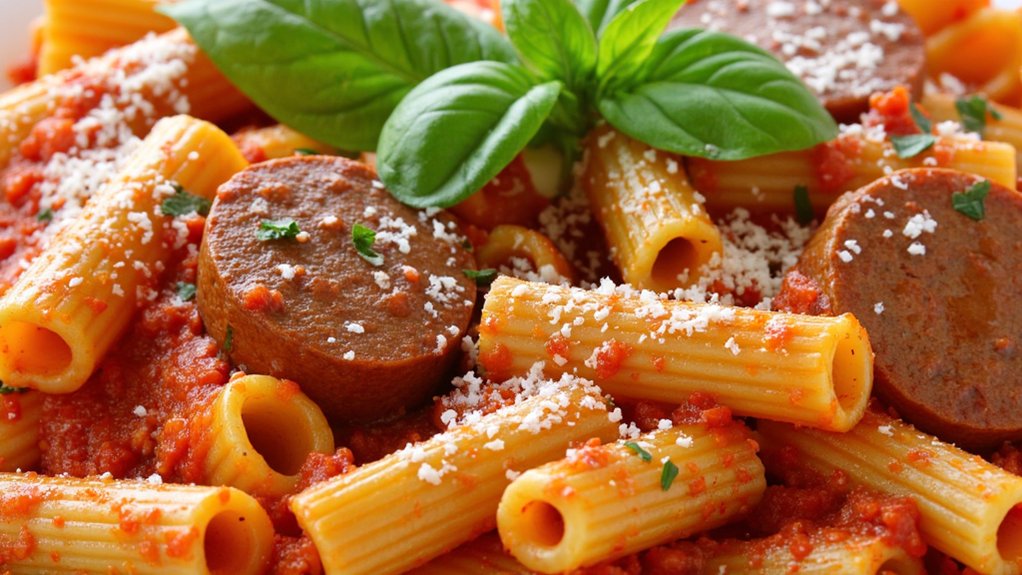
There’s something truly magical about turning an ordinary weeknight into an extraordinary one with the right meal. Italian recipes have a way of bringing excitement and warmth to the table. Think about the comforting aroma of meatballs in a rich tomato sauce or the savory goodness of chicken cacciatore. These hearty dishes offer more than just a meal—they create an experience. Ready to explore what’s cooking next?
Classic Italian Meatballs
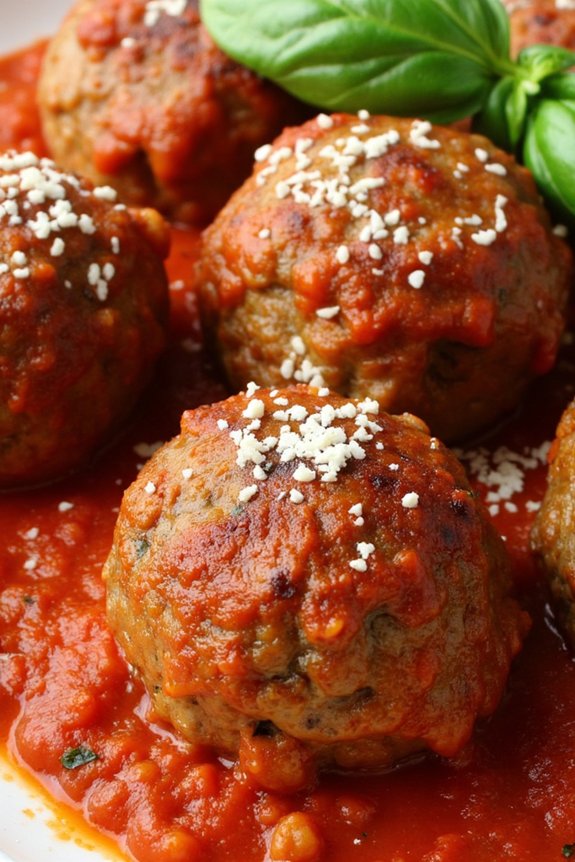
Classic Italian Meatballs are a comforting and delicious dish, perfect for family dinners or gatherings. These meatballs are juicy, flavorful, and simmered in a rich tomato sauce, making them a quintessential Italian staple. The combination of ground beef and pork, seasoned with herbs and spices, guarantees a tender and savory bite every time. Paired with pasta, crusty bread, or enjoyed on their own, these meatballs are sure to become a favorite in your household.
The beauty of this dish lies in its simplicity and the quality of ingredients used. Fresh herbs, garlic, and a hint of Parmesan cheese elevate the flavors, while the breadcrumbs and eggs bind everything together, creating meatballs that hold their shape without being dense. The slow simmering in tomato sauce allows each meatball to soak up the savory flavors, making them incredibly moist and flavorful.
Whether you’re making these for a casual dinner or a special occasion, they’re sure to impress.
Ingredients for 4-6 servings:
- 1 pound ground beef
- 1 pound ground pork
- 1 cup breadcrumbs
- 2 large eggs
- 1/2 cup grated Parmesan cheese
- 1/4 cup milk
- 3 cloves garlic, minced
- 1/4 cup fresh parsley, chopped
- 1 teaspoon dried oregano
- 1 teaspoon salt
- 1/2 teaspoon black pepper
- 2 tablespoons olive oil
- 2 cups marinara sauce
- Fresh basil leaves for garnish
Cooking Instructions:
- Prepare the Meatball Mixture: In a large mixing bowl, combine the ground beef, ground pork, breadcrumbs, eggs, Parmesan cheese, and milk. Add the minced garlic, chopped parsley, dried oregano, salt, and black pepper. Mix everything together gently with your hands until just combined. Be careful not to over-mix, as this can make the meatballs tough.
- Shape the Meatballs: Using your hands, form the mixture into meatballs about 1.5 inches in diameter. You should have approximately 16-20 meatballs. Place them on a baking sheet or a plate.
- Brown the Meatballs: In a large skillet, heat the olive oil over medium heat. Add the meatballs in batches, being careful not to overcrowd the pan. Cook for about 5-7 minutes, turning occasionally, until they’re browned on all sides. Remove the meatballs from the skillet and set them aside.
- Simmer in Sauce: In the same skillet, add the marinara sauce and bring it to a simmer. Carefully add the browned meatballs back into the sauce. Cover the skillet and let the meatballs simmer on low heat for 25-30 minutes, allowing the flavors to meld while making sure the meatballs cook through.
- Serve: Once cooked, garnish the meatballs with fresh basil leaves and serve them hot. They can be paired with your choice of pasta or served with crusty bread.
Extra Tips:
To guarantee even cooking, try to make all the meatballs the same size. This will help them cook uniformly and prevent any from being undercooked. If you prefer a spicier kick, consider adding a pinch of red pepper flakes to the meatball mixture.
Also, for those who enjoy a richer sauce, a splash of red wine can be added to the marinara sauce for depth of flavor. Finally, if you have time, letting the meatball mixture rest in the fridge for an hour before shaping can enhance the flavors and help the meatballs hold together better when cooking.
Beef Braciole With Rich Tomato Sauce

Beef Braciole with Rich Tomato Sauce is a classic Italian dish that combines thinly sliced beef rolled with a savory filling, all simmered to perfection in a flavorful tomato sauce. This dish is often served as a main course and is a delightful way to enjoy tender meat infused with rich flavors.
The process involves preparing the beef rolls, searing them for added depth, and then slowly cooking them in a robust tomato sauce, which results in a comforting and satisfying meal.
The beauty of Beef Braciole lies in its versatility, as the filling can be customized with various ingredients such as herbs, cheese, and breadcrumbs. The slow cooking method allows the flavors to meld together, creating a tender, melt-in-your-mouth experience.
When served with a side of pasta or a crusty loaf of bread, this dish becomes a hearty and fulfilling meal perfect for family gatherings or special occasions.
Ingredients (Serves 4-6):
- 1 1/2 pounds beef flank steak, thinly sliced
- 1/2 cup breadcrumbs
- 1/2 cup grated Parmesan cheese
- 1/4 cup chopped fresh parsley
- 2 cloves garlic, minced
- Salt and pepper to taste
- 2 tablespoons olive oil
- 1 large onion, chopped
- 1 (28-ounce) can crushed tomatoes
- 1/2 cup red wine
- 1 teaspoon dried oregano
- 1 teaspoon dried basil
- 1/4 teaspoon red pepper flakes (optional)
- Kitchen twine or toothpicks
Cooking Instructions:
- Prepare the Beef: Lay the thinly sliced beef on a clean surface. If necessary, use a meat mallet to pound them to an even thickness of about 1/4 inch.
- Make the Filling: In a bowl, combine breadcrumbs, Parmesan cheese, parsley, minced garlic, salt, and pepper. Mix well to create an even filling.
- Roll the Beef: Spread a thin layer of the filling mixture over each beef slice. Roll up the beef tightly and secure with kitchen twine or toothpicks to hold the shape during cooking.
- Sear the Beef Rolls: In a large skillet, heat olive oil over medium-high heat. Add the beef rolls and sear on all sides until browned. This should take about 8-10 minutes. Remove the rolls from the skillet and set aside.
- Prepare the Sauce: In the same skillet, add chopped onion and sauté until translucent. Pour in the red wine and cook for 2-3 minutes, scraping up any browned bits from the bottom of the pan.
- Simmer the Sauce: Add crushed tomatoes, oregano, basil, and red pepper flakes to the skillet. Stir well, then return the seared beef rolls to the pan. Confirm the rolls are submerged in the sauce.
- Cook the Braciole: Reduce the heat to low, cover the skillet, and let the beef simmer in the sauce for about 1 1/2 to 2 hours. Turn the beef rolls occasionally to confirm even cooking. The sauce should thicken, and the beef should become tender.
- Serve: Once cooked, remove the beef rolls from the sauce. Cut away the twine or remove toothpicks, slice the rolls, and serve with the rich tomato sauce over your choice of pasta or alongside crusty bread.
Extra Tips:
For the best texture, make sure the beef is very thin before rolling. If you don’t have flank steak, thinly sliced top round or even chicken breasts can be used as alternatives.
Adjust the red pepper flakes according to your spice preference, or omit them entirely if you want a milder sauce. If possible, prepare the dish a day in advance, as the flavors will continue to develop and improve overnight.
Savory Chicken Cacciatore

Savory Chicken Cacciatore is a classic Italian dish that combines tender chicken with a flavorful blend of tomatoes, onions, peppers, and herbs. Known for its rich, rustic taste, this dish is perfect for a comforting family dinner or a special occasion.
The word “cacciatore” translates to “hunter” in Italian, referring to the traditional method of preparing game meat using simple, readily available ingredients. This dish is typically served with pasta or crusty bread to soak up the delicious sauce, making it a hearty meal that everyone will enjoy.
This particular recipe for Savory Chicken Cacciatore is designed to serve 4-6 people, making it ideal for a small gathering or a family meal. By following the steps below, you’ll create a dish that captures the essence of traditional Italian cooking. The combination of tender chicken and a robust tomato-based sauce, enhanced by the aromatic flavors of herbs and vegetables, will leave your guests craving more.
Ingredients:
- 4-6 chicken thighs, bone-in and skin-on
- 2 tablespoons olive oil
- 1 onion, chopped
- 3 cloves garlic, minced
- 1 bell pepper, sliced
- 1 cup mushrooms, sliced
- 1 can (28 oz) crushed tomatoes
- 1/2 cup dry white wine
- 1 teaspoon dried oregano
- 1 teaspoon dried basil
- 1/2 teaspoon red pepper flakes (optional)
- Salt and pepper to taste
- Fresh parsley, chopped for garnish
Instructions:
- Prepare the Chicken: Pat the chicken thighs dry with paper towels and season them with salt and pepper on both sides.
- Brown the Chicken: In a large skillet or Dutch oven, heat the olive oil over medium-high heat. Add the chicken thighs, skin-side down, and cook until golden brown, about 5-7 minutes. Flip the chicken and brown the other side for another 3-4 minutes. Remove the chicken from the pan and set aside.
- Sauté the Vegetables: In the same pan, add the chopped onion and garlic. Sauté until the onion becomes translucent, about 3 minutes. Stir in the bell pepper and mushrooms and cook for an additional 5 minutes until the vegetables are softened.
- Create the Sauce: Pour in the white wine to deglaze the pan, scraping up any browned bits from the bottom. Allow the wine to simmer for 2 minutes, then add the crushed tomatoes, oregano, basil, and red pepper flakes. Stir well and bring the sauce to a simmer.
- Simmer the Chicken: Return the browned chicken thighs to the pan, nestling them into the sauce. Cover the pan, reduce the heat to low, and let the chicken simmer for 30-40 minutes until it’s cooked through and tender.
- Finish and Serve: Once the chicken is cooked, taste the sauce and adjust the seasoning with additional salt and pepper if needed. Garnish with freshly chopped parsley and serve the Chicken Cacciatore over pasta or with a side of crusty bread.
Extra Tips:
To enhance the flavor of the Chicken Cacciatore, consider marinating the chicken in a little olive oil, garlic, and herbs for a few hours before cooking.
Additionally, using a mix of chicken thighs and drumsticks can add variety to the dish. If you prefer a thicker sauce, allow it to simmer uncovered for the last 10 minutes of cooking.
Finally, experiment with different types of mushrooms or add olives for an extra depth of flavor.
Traditional Osso Buco

Osso Buco, a classic Italian dish hailing from the Lombardy region, is renowned for its rich flavors and tender meat. This dish features braised veal shanks, slow-cooked to perfection in a mixture of white wine, broth, and aromatic vegetables.
Traditionally, Osso Buco is served with a gremolata—a zesty mix of lemon zest, garlic, and parsley—which adds a revitalizing contrast to the deep flavors of the stew. Perfect for a comforting family meal or a sophisticated dinner party, Osso Buco is best enjoyed with creamy risotto or polenta to soak up the delicious sauce.
Creating an authentic Osso Buco requires quality ingredients and a touch of patience as the dish is slow-cooked to develop its full flavor profile. The key to the dish is to cook the veal shanks until they’re tender enough to fall off the bone, and the marrow, which is considered a delicacy, is soft and flavorful.
As you prepare this delightful dish, you’ll fill your kitchen with the inviting aromas of simmering wine and herbs, setting the stage for a memorable dining experience.
Ingredients for 4-6 servings:
- 4-6 veal shanks, each about 1 1/2 inches thick
- Salt and freshly ground black pepper
- 1/2 cup all-purpose flour, for dredging
- 1/4 cup olive oil
- 1 onion, finely chopped
- 2 carrots, peeled and diced
- 2 stalks celery, diced
- 3 cloves garlic, minced
- 1 cup dry white wine
- 1 1/2 cups beef or chicken broth
- 1 can (14 oz) diced tomatoes, with juice
- 2 tablespoons tomato paste
- 1 teaspoon dried thyme
- 1 bay leaf
- Zest of 1 lemon
- 2 tablespoons fresh parsley, chopped
Cooking Instructions:
- Prepare the Veal Shanks: Season the veal shanks with salt and pepper. Dredge them lightly in flour, shaking off any excess.
- Brown the Shanks: In a large, heavy-bottomed pot or Dutch oven, heat the olive oil over medium-high heat. Add the veal shanks and brown them on all sides, about 3-4 minutes per side. Remove the shanks and set them aside.
- Sauté the Vegetables: In the same pot, add the onions, carrots, celery, and garlic. Sauté for about 5-7 minutes until the vegetables are softened.
- Deglaze the Pot: Pour in the white wine, scraping up any browned bits from the bottom of the pot. Allow the wine to reduce by half.
- Add Remaining Ingredients: Stir in the broth, diced tomatoes with juice, tomato paste, thyme, and bay leaf. Return the veal shanks to the pot, making sure they’re submerged in the liquid.
- Simmer: Bring the mixture to a gentle simmer. Cover the pot and reduce the heat to low. Cook for about 1 1/2 to 2 hours, or until the veal is tender and the sauce has thickened.
- Make the Gremolata: In a small bowl, mix the lemon zest and chopped parsley. Set aside.
- Serve: Once cooked, remove the bay leaf and discard. Serve the Osso Buco hot, garnished with the gremolata. Pair with risotto or polenta for a complete meal.
Extra Tips:
To guarantee your Osso Buco is tender and flavorful, it’s essential to give it ample time to braise slowly. This allows the connective tissues in the veal shanks to break down, resulting in succulent meat.
If you find the sauce isn’t thick enough, you can remove the lid in the final 30 minutes of cooking to help reduce it. Remember that the quality of the wine and broth you use will directly affect the dish’s flavor, so choose wisely.
Finally, prepare the gremolata just before serving to maintain its fresh and vibrant taste.
Sausage and Peppers With Polenta

Sausage and peppers with polenta is a classic Italian dish that combines the savory taste of sausages with the sweet and slightly tangy flavor of bell peppers, all served over a creamy bed of polenta. This hearty and satisfying meal is perfect for a family dinner or gathering, offering a comforting taste of Italian cuisine.
The dish is simple yet flavorful, allowing the quality of the ingredients to shine through. The polenta, made from cornmeal, provides a smooth and rich base that complements the robust and juicy sausages. Bell peppers, sautéed with onions and garlic, add a vibrant color and a sweet undertone to the dish.
This recipe serves 4-6 people, making it ideal for sharing with friends and family. By following the steps below, you can create an authentic Italian meal that’s sure to delight your taste buds.
Ingredients:
- 1 lb Italian sausage (mild or hot)
- 2 tablespoons olive oil
- 1 red bell pepper, sliced
- 1 yellow bell pepper, sliced
- 1 green bell pepper, sliced
- 1 large onion, sliced
- 2 cloves garlic, minced
- 1 teaspoon dried oregano
- 1 teaspoon dried basil
- Salt and pepper to taste
- 1 cup polenta
- 4 cups chicken broth
- 2 tablespoons butter
- 1/2 cup grated Parmesan cheese
Cooking Instructions:
- Prepare the Polenta: In a large saucepan, bring the chicken broth to a boil. Gradually whisk in the polenta, reducing the heat to low. Stir constantly to prevent lumps from forming. Cook for about 25-30 minutes until the polenta is thick and creamy. Stir in the butter and Parmesan cheese, then season with salt and pepper to taste. Keep warm.
- Cook the Sausages: In a large skillet, heat 1 tablespoon of olive oil over medium heat. Add the sausages and cook until browned on all sides, about 8-10 minutes. Remove the sausages from the skillet and set aside.
- Sauté the Vegetables: In the same skillet, add the remaining tablespoon of olive oil. Add the onions and garlic, sautéing until the onions are translucent. Then, add the sliced bell peppers. Continue to sauté until the peppers are tender, about 5-7 minutes.
- Combine and Season: Return the sausages to the skillet, along with the sautéed vegetables. Add the oregano and basil, stirring to combine. Allow everything to cook together for an additional 5 minutes to blend the flavors. Adjust seasoning with salt and pepper as needed.
- Serve: Spoon the creamy polenta onto individual plates. Top with the sausage and pepper mixture. Garnish with additional Parmesan cheese if desired.
Extra Tips:
For the best results, use high-quality Italian sausages as they’re the star of the dish. You can choose between mild or hot sausages depending on your preference for spice.
When cooking the polenta, be patient and stir frequently to achieve the perfect creamy texture. If the polenta becomes too thick, you can add a bit more chicken broth or water to reach your desired consistency.
Feel free to experiment with different herbs or add a splash of white wine to the vegetables for added depth of flavor. Enjoy your homemade Italian feast!
Rustic Italian Porchetta

Rustic Italian Porchetta is a beloved traditional dish that hails from the heart of Italy. It’s a savory, aromatic, and flavorful roasted pork dish that’s often served during special occasions or family gatherings. Porchetta is renowned for its crispy, crackling skin and tender, juicy meat infused with a blend of herbs and spices. The preparation involves rolling and tying seasoned pork with a variety of aromatic ingredients, which infuse the meat with rich flavors as it roasts to perfection. This dish is an excellent choice for those who wish to experience authentic Italian cuisine in the comfort of their own home.
To make Rustic Italian Porchetta, you’ll need a boneless pork belly that’s large enough to be rolled and tied. This cut of meat is ideal for achieving the desired texture and flavor. The key to a successful Porchetta lies in the seasoning, which typically includes garlic, rosemary, fennel seeds, and other herbs that enhance the natural taste of the pork. Slow-roasting the meat allows the flavors to meld together while guaranteeing a delightful contrast between the crispy skin and tender interior. This recipe serves 4-6 people, making it perfect for a cozy family dinner or a small gathering with friends.
Ingredients for Rustic Italian Porchetta (serves 4-6):
- 4-5 pounds boneless pork belly, skin-on
- 6 cloves garlic, minced
- 1 tablespoon fennel seeds
- 1 tablespoon fresh rosemary, chopped
- 1 tablespoon fresh sage, chopped
- 2 teaspoons salt
- 1 teaspoon black pepper
- Zest of 1 lemon
- Olive oil for rubbing
- Butcher’s twine for tying
Cooking Instructions:
- Prepare the Pork Belly: Lay the pork belly skin-side down on a clean surface. Use a sharp knife to score the flesh in a crisscross pattern, being careful not to cut through the skin.
- Make the Herb Mixture: In a small bowl, combine the minced garlic, fennel seeds, rosemary, sage, salt, pepper, and lemon zest. Mix well to form a fragrant seasoning blend.
- Season the Pork: Rub the herb mixture evenly over the scored side of the pork belly, pressing it into the cuts to maximize flavor absorption. Drizzle a little olive oil over the top to help the seasonings adhere.
- Roll and Tie the Pork: Starting from one end, roll the pork belly tightly into a cylinder, with the skin on the outside. Use butcher’s twine to tie the roll securely at 1-inch intervals to maintain its shape during roasting.
- Prepare to Roast: Preheat your oven to 325°F (165°C). Place the tied pork roll on a wire rack in a roasting pan, ensuring that the seam is facing down.
- Roast the Porchetta: Roast the pork in the preheated oven for approximately 2.5 to 3 hours, or until the internal temperature reaches 160°F (71°C). If desired, increase the oven temperature to 450°F (230°C) during the last 15 minutes of cooking to achieve extra crispy skin.
- Rest and Serve: Remove the Porchetta from the oven and let it rest for at least 15 minutes before slicing. This resting period allows the juices to redistribute throughout the meat, ensuring each slice is moist and flavorful.
Extra Tips:
For an even crispier skin, score the skin side of the pork belly with a sharp knife before seasoning. This will help the fat render more effectively during roasting, resulting in a delectable crackling.
Additionally, consider marinating the pork overnight in the refrigerator to deepen the flavors. When serving, pair the Porchetta with a simple side of roasted vegetables or a fresh salad to complement the rich flavors of the dish. Enjoy your Rustic Italian Porchetta with a glass of Italian red wine for an authentic culinary experience.
Italian-Style Stuffed Bell Peppers

Italian-Style Stuffed Bell Peppers are a delightful and hearty dish that brings the flavors of Italy right to your table. This dish combines vibrant bell peppers filled with a savory mixture of ground meat, herbs, cheese, and tomato sauce. It’s a wholesome and satisfying meal perfect for family dinners or entertaining guests. The peppers not only serve as a beautiful presentation but also add a subtle sweetness that complements the savory filling.
This recipe for Italian-Style Stuffed Bell Peppers serves 4-6 people and is perfect for those who appreciate a balance of vegetables and protein in their meal. The filling is versatile; you can use a mix of beef and pork or go with just one type of meat, depending on your preference. Baking the stuffed peppers allows all the flavors to meld together beautifully, resulting in a dish that’s both comforting and delicious.
Ingredients:
- 4-6 large bell peppers (red, yellow, or green)
- 1 pound ground beef or a mix of beef and pork
- 1 cup cooked rice
- 1 medium onion, finely chopped
- 2 cloves garlic, minced
- 1 cup tomato sauce
- 1 teaspoon dried oregano
- 1 teaspoon dried basil
- Salt and pepper to taste
- 1 cup shredded mozzarella cheese
- 1/2 cup grated Parmesan cheese
- 2 tablespoons olive oil
- Fresh parsley for garnish (optional)
Instructions:
- Prepare the Bell Peppers: Preheat your oven to 375°F (190°C). Cut the tops off the bell peppers and remove the seeds and membranes from the inside. Rub the outside of the peppers lightly with olive oil and place them upright in a baking dish.
- Cook the Filling: In a large skillet, heat 2 tablespoons of olive oil over medium heat. Add the chopped onion and minced garlic, sautéing until the onion is translucent. Add the ground beef (or beef and pork mix) to the skillet, cooking until browned. Drain any excess fat from the skillet.
- Mix the Filling: Add the cooked rice, tomato sauce, oregano, basil, salt, and pepper to the meat mixture. Stir everything together until well combined and allow it to simmer for about 5 minutes to let the flavors meld.
- Stuff the Peppers: Spoon the meat and rice mixture into each prepared bell pepper, filling them generously. Place the filled peppers back into the baking dish.
- Bake the Peppers: Cover the dish with aluminum foil and bake in the preheated oven for 30 minutes. Remove the foil, sprinkle the tops of the peppers with mozzarella and Parmesan cheese, and return to the oven for an additional 15 minutes, or until the cheese is melted and bubbly.
- Serve: Once baked, remove the peppers from the oven and let them cool slightly. Garnish with fresh parsley, if desired, and serve warm.
Extra Tips:
When making Italian-Style Stuffed Bell Peppers, you can experiment with different types of cheese for the topping, such as provolone or fontina, to add a unique twist to the dish.
If you prefer a spicier version, consider adding a pinch of red pepper flakes to the filling. Additionally, make sure the peppers are of similar size so they cook evenly.
You can also prepare the filling a day ahead and store it in the refrigerator, making it a convenient option for busy weeknights. Enjoy your homemade taste of Italy!
Juicy Tuscan Grilled Steak
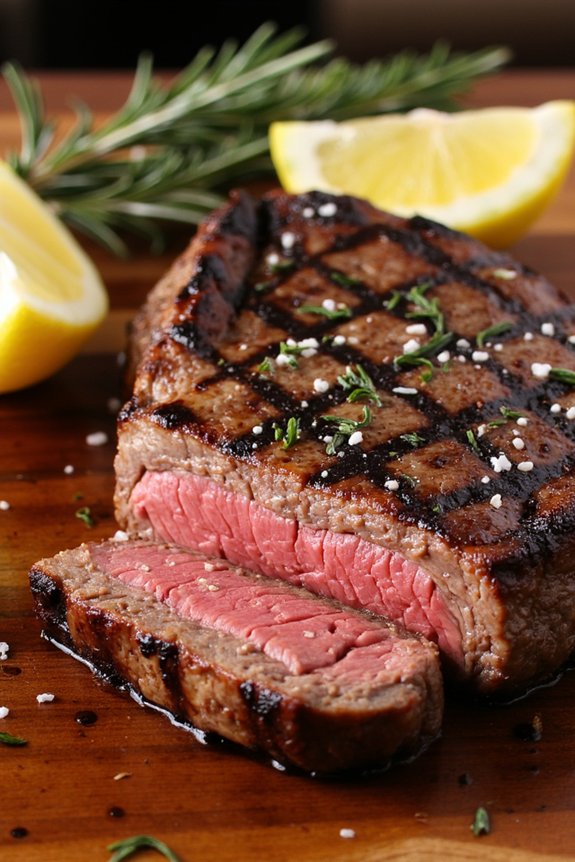
Juicy Tuscan Grilled Steak is a delightful Italian dish that brings out the natural flavors of the meat with a few simple yet flavorful ingredients. The secret lies in the marinade, which infuses the steak with a perfect balance of herbs and spices that complement its rich taste. Grilling the steak to perfection guarantees a juicy and tender result that’s sure to impress family and friends at any gathering. This dish is perfect for a summer barbecue or a cozy indoor dinner, bringing a taste of Tuscany right to your table.
The beauty of this recipe lies in its simplicity. By using high-quality ingredients and allowing them to shine, you can create a memorable meal that requires minimal effort. The key is to start with a good cut of steak, such as ribeye or sirloin, and season it with a mixture of fresh herbs, garlic, olive oil, and a splash of lemon juice. This combination not only enhances the steak’s natural flavors but also adds a rejuvenating zing that brightens up each bite.
Paired with a glass of Chianti or your favorite Italian red wine, this Juicy Tuscan Grilled Steak will transport you to the sunny hills of Tuscany with every mouthful.
Ingredients (Serves 4-6)
- 4 ribeye or sirloin steaks (about 1 to 1.5 inches thick)
- 1/4 cup extra virgin olive oil
- 4 cloves garlic, minced
- 2 tablespoons fresh rosemary, chopped
- 2 tablespoons fresh thyme, chopped
- 1 tablespoon kosher salt
- 1 teaspoon freshly ground black pepper
- Juice of 1 lemon
- Lemon wedges (for serving)
Cooking Instructions
- Prepare the Marinade: In a small bowl, mix together the olive oil, minced garlic, chopped rosemary, chopped thyme, kosher salt, and black pepper. Add the lemon juice and whisk until well combined.
- Marinate the Steak: Place the steaks in a shallow dish or a resealable plastic bag. Pour the marinade over the steaks, making sure they’re well coated. Cover the dish or seal the bag, and refrigerate for at least 1 hour, or up to 4 hours for maximum flavor infusion.
- Preheat the Grill: About 20 minutes before you’re ready to cook, preheat your grill to high heat. If using a charcoal grill, make sure the coals are evenly distributed and glowing red.
- Grill the Steaks: Remove the steaks from the marinade, allowing any excess to drip off. Place the steaks on the grill and cook for about 4-5 minutes per side for medium-rare, or until they reach your desired level of doneness. Use a meat thermometer to guarantee accuracy (130°F for medium-rare).
- Rest the Steaks: Once cooked, transfer the steaks to a cutting board. Allow them to rest for 5-10 minutes to let the juices redistribute throughout the meat, guaranteeing a juicy and flavorful result.
- Serve: Slice the steaks against the grain and serve with lemon wedges on the side for an extra burst of freshness.
Extra Tips
When preparing Juicy Tuscan Grilled Steak, it’s essential to let the steaks rest after grilling. This step guarantees that all the flavorful juices are retained within the meat rather than spilling out when sliced.
If you prefer a different level of doneness, adjust the grilling time accordingly, but always use a meat thermometer for precision. Additionally, using fresh herbs in the marinade makes a significant difference in flavor, so try to avoid dried substitutes if possible.
Enjoy your steak with a side of grilled vegetables or a fresh salad to complete the meal.
Pork Saltimbocca With Sage

Pork Saltimbocca with Sage is a delightful Italian dish that combines tender pork cutlets with the earthy fragrance of fresh sage leaves and the savory richness of prosciutto. This dish is a classic example of Italian cuisine‘s ability to elevate simple ingredients into a harmonious and flavorful meal.
Originating from the Roman region, Saltimbocca translates to “leap in the mouth,” which perfectly describes how these flavors meld together to create a truly memorable dining experience.
Typically prepared using veal, this version of Saltimbocca uses pork as a more accessible alternative without sacrificing any of the flavor or tenderness of the original. The process involves layering thin slices of pork with prosciutto and sage, then pan-searing them to perfection.
The result is a dish that’s both elegant and easy enough to prepare for a family meal or a special occasion. The combination of ingredients results in a dish that’s both light and satisfying, making it perfect for any time of year.
Ingredients (Serves 4-6):
- 6 boneless pork cutlets (about 1/4 inch thick)
- 12 fresh sage leaves
- 6 slices of prosciutto
- 1/2 cup all-purpose flour
- Salt and black pepper to taste
- 3 tablespoons olive oil
- 1/4 cup dry white wine
- 1/4 cup chicken broth
- 2 tablespoons unsalted butter
- Lemon wedges, for serving
Cooking Instructions:
- Prepare the Pork Cutlets: Place each pork cutlet between two sheets of plastic wrap or wax paper. Gently pound them with a meat mallet or rolling pin to an even thickness of about 1/8 inch.
- Assemble the Saltimbocca: Season each cutlet lightly with salt and black pepper. Place 1-2 sage leaves on each cutlet, then top with a slice of prosciutto. Press gently to adhere the prosciutto to the pork.
- Dredge in Flour: Spread the flour on a plate. Lightly coat each prepared pork cutlet in the flour, shaking off any excess.
- Sear the Cutlets: Heat the olive oil in a large skillet over medium-high heat. Add the pork cutlets, prosciutto side down, and cook for about 2-3 minutes until the prosciutto is crispy. Flip the cutlets and cook the other side for another 2 minutes until golden brown and cooked through. Remove the cutlets from the skillet and set aside.
- Make the Sauce: In the same skillet, add the white wine, scraping up any browned bits from the bottom of the pan. Let it simmer for about 2 minutes until reduced by half. Add the chicken broth and continue to simmer for another 2 minutes.
- Finish the Dish: Reduce the heat to low and stir in the butter until melted and the sauce is smooth. Return the pork cutlets to the skillet, turning them to coat in the sauce. Cook for an additional 1-2 minutes to heat through.
- Serve: Transfer the Pork Saltimbocca with Sage to a serving platter, spoon the pan sauce over the top, and garnish with lemon wedges.
Extra Tips:
For best results, use thin pork cutlets to guarantee they cook evenly and quickly. Fresh sage is key to achieving the authentic flavor of this dish, so avoid substituting with dried sage if possible.
When reducing the sauce, take care not to boil too vigorously, as this can cause the sauce to become too concentrated or oily. If you prefer a thicker sauce, you can add a small amount of cornstarch slurry to achieve the desired consistency.
Finally, consider pairing this dish with a light side salad or roasted vegetables to complement the rich flavors of the Saltimbocca.
Hearty Bolognese Sauce
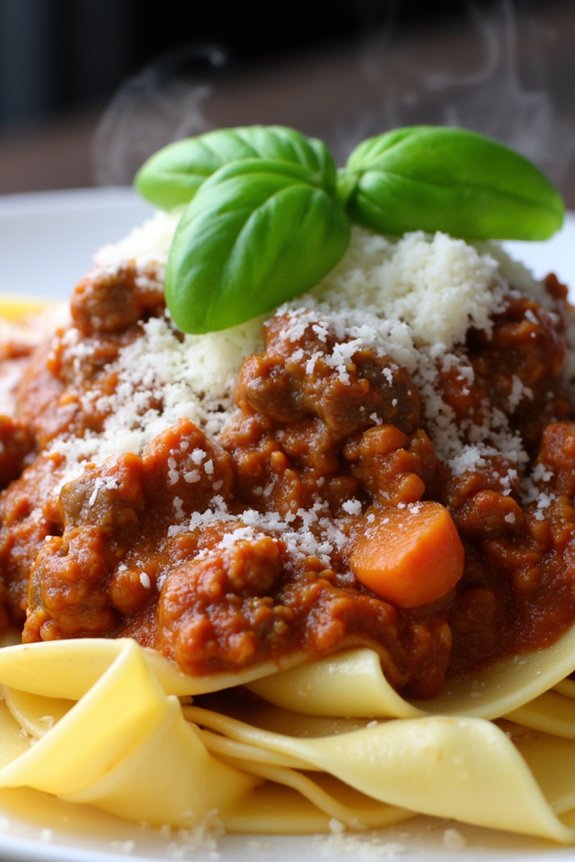
Bolognese sauce, or “ragù alla Bolognese,” is a rich and flavorful meat-based sauce that originates from Bologna, Italy. Known for its savory depth and comforting texture, this sauce is a staple in Italian cuisine and pairs wonderfully with a variety of pasta types, particularly tagliatelle.
The magic of Bolognese lies in its slow-cooked nature, allowing the ingredients to meld together over time to create a truly satisfying dish that’s perfect for family dinners or special occasions.
This hearty Bolognese sauce recipe serves 4-6 people and involves a careful selection of ingredients that bring out the authentic Italian flavor. The key to a successful Bolognese is patience and high-quality ingredients, which will guarantee a robust and rich sauce that tantalizes the taste buds.
Whether served over pasta or used in lasagna, this classic sauce is sure to be a hit at your dinner table.
Ingredients for 4-6 servings:
- 2 tablespoons olive oil
- 1 onion, finely chopped
- 2 cloves garlic, minced
- 1 carrot, finely chopped
- 1 celery stalk, finely chopped
- 500g (about 1 pound) ground beef
- 250g (about 9 ounces) ground pork
- 1 cup whole milk
- 1 cup dry white wine
- 1 can (400g or about 14 ounces) crushed tomatoes
- 2 tablespoons tomato paste
- 1 teaspoon dried oregano
- Salt and freshly ground black pepper, to taste
- Fresh basil leaves, for garnish (optional)
- Grated Parmesan cheese, for serving
Cooking Instructions:
- Prepare the Vegetables: Start by heating the olive oil in a large saucepan over medium heat. Add the chopped onion, garlic, carrot, and celery. Cook for about 10 minutes, stirring occasionally, until the vegetables are soft and the onion is translucent.
- Brown the Meat: Increase the heat to medium-high and add the ground beef and pork to the pan. Break up the meat with a wooden spoon and cook until browned all over, about 8-10 minutes. Drain any excess fat if necessary.
- Incorporate the Liquids: Pour in the whole milk and stir well, allowing it to simmer gently until almost evaporated. Add the white wine and let it simmer until reduced by half.
- Add Tomatoes and Seasoning: Stir in the crushed tomatoes, tomato paste, and dried oregano. Season with salt and pepper to taste. Reduce the heat to low and cover the pan.
- Simmer the Sauce: Allow the sauce to simmer gently for at least 2 hours, stirring occasionally to prevent sticking. If the sauce becomes too thick, add a little water or beef stock to loosen it to your desired consistency.
- Finish and Serve: Once the sauce is rich and flavorsome, remove from heat. Serve over your choice of pasta, garnished with fresh basil leaves and a generous sprinkle of grated Parmesan cheese.
Extra Tips:
To enhance the flavor of your Bolognese sauce, consider making it a day ahead. Allowing the sauce to rest overnight in the refrigerator can deepen its flavors, making it even more delicious when reheated.
Additionally, using a combination of ground beef and pork creates a more complex taste and texture, but you can adjust the meat ratios according to your preference. Remember to taste and adjust the seasoning towards the end of cooking to guarantee the sauce is perfectly balanced.
Spicy Italian Sausage Rigatoni
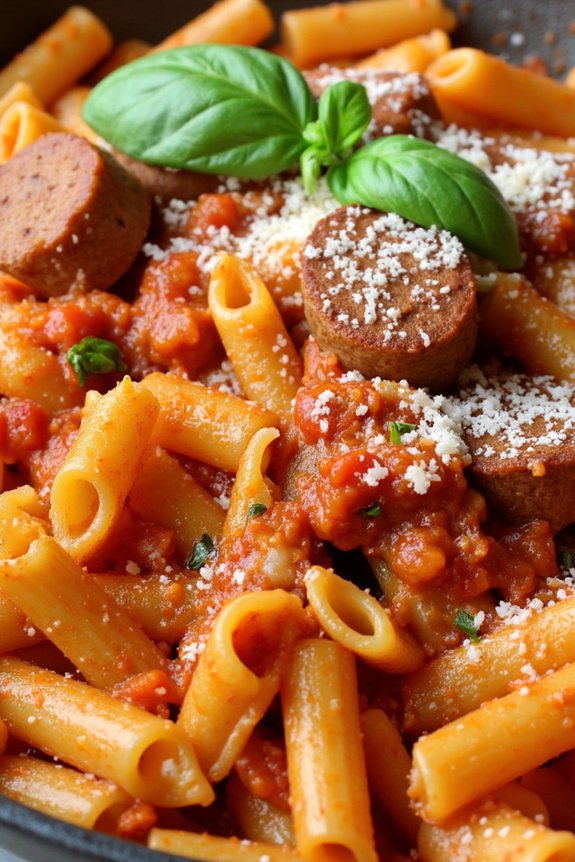
Spicy Italian Sausage Rigatoni is a robust and flavorful dish that combines the hearty texture of rigatoni pasta with the boldness of spicy Italian sausage. This dish is perfect for those who enjoy a bit of heat in their meals. The spicy sausage is complemented by a rich, tomato-based sauce infused with aromatic herbs, creating a satisfying and comforting dish that’s sure to please family and friends.
The addition of fresh vegetables adds a layer of complexity and freshness, balancing the spice and richness of the sausage. This recipe is ideal for a cozy dinner at home, serving 4-6 people. It’s a dish that can be made on a busy weeknight yet is impressive enough to be served at a dinner party.
The interplay of flavors and textures makes Spicy Italian Sausage Rigatoni a standout meal that will have everyone coming back for seconds. With a few simple ingredients and straightforward cooking steps, you can easily recreate this Italian classic in your own kitchen.
Ingredients:
- 1 pound rigatoni pasta
- 1 pound spicy Italian sausage, casings removed
- 2 tablespoons olive oil
- 1 medium onion, finely chopped
- 2 cloves garlic, minced
- 1 red bell pepper, chopped
- 1 can (28 ounces) crushed tomatoes
- 1 teaspoon red pepper flakes (optional, for extra spice)
- 1 teaspoon dried oregano
- 1 teaspoon dried basil
- Salt and black pepper to taste
- 1/2 cup grated Parmesan cheese
- Fresh basil leaves, for garnish
Instructions:
- Cook the Pasta: Begin by bringing a large pot of salted water to a boil. Add the rigatoni pasta and cook according to package instructions until al dente. Drain the pasta and set aside.
- Cook the Sausage: In a large skillet, heat the olive oil over medium heat. Add the spicy Italian sausage, breaking it up with a spoon. Cook until browned and cooked through, about 5-7 minutes. Remove the sausage from the skillet and set aside.
- Sauté Vegetables: In the same skillet, add the chopped onion, garlic, and red bell pepper. Sauté until the onion is translucent and the bell pepper is tender, about 5 minutes.
- Prepare the Sauce: Add the crushed tomatoes to the skillet with the sautéed vegetables. Stir in the red pepper flakes, oregano, and basil. Season with salt and black pepper. Let the sauce simmer for 10 minutes to allow the flavors to meld.
- Combine Ingredients: Return the cooked sausage to the skillet and mix it into the sauce. Add the cooked rigatoni to the skillet and toss everything together until the pasta is well coated with the sauce.
- Finish the Dish: Sprinkle the grated Parmesan cheese over the pasta and stir to combine. Let the dish cook for an additional 2 minutes to allow the cheese to melt slightly into the sauce.
- Serve: Garnish with fresh basil leaves and serve hot. Enjoy your Spicy Italian Sausage Rigatoni with a side of garlic bread or a simple salad.
Extra Tips: For an even more intense flavor, try using a combination of sweet and spicy Italian sausages. If you prefer a milder dish, reduce or omit the red pepper flakes. Freshly grated Parmesan cheese will provide a richer taste compared to pre-grated versions.
To make this dish vegetarian, you can substitute the sausage with plant-based sausage alternatives. Additionally, this dish can be prepared ahead of time and simply reheated, making it a convenient option for meal prep.
