

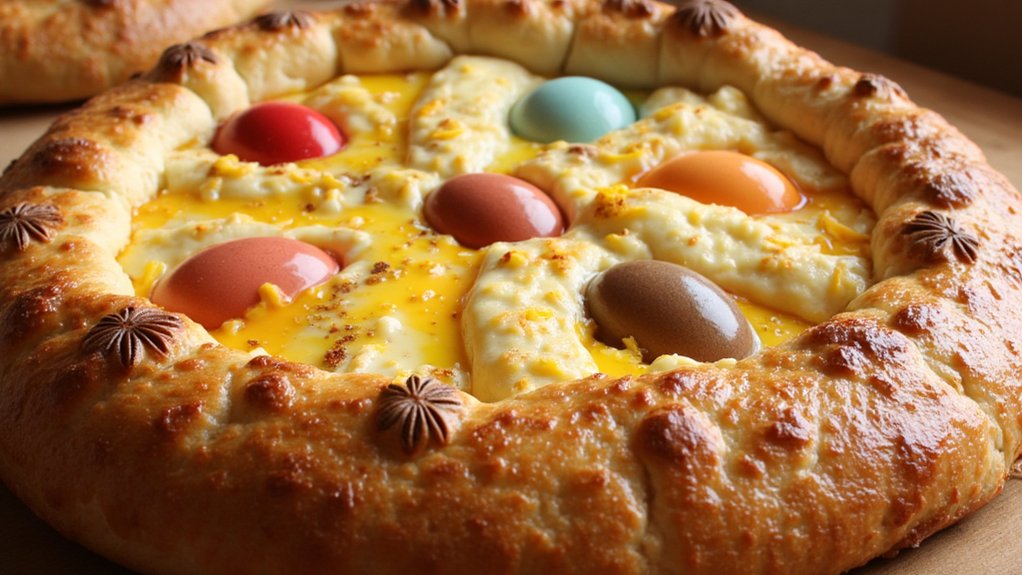
Easter in Italy is a time when tradition and taste beautifully intertwine. Start your culinary journey with a slice of Torta Pasqualina, featuring a flaky crust and a rich filling of spinach and ricotta. The sweet aroma of Colomba Di Pasqua, with its citrus notes, offers a taste that’s truly heavenly. Are you curious about these festive flavors? Let’s explore these delightful recipes together.
Torta Pasqualina: A Savory Easter Pie
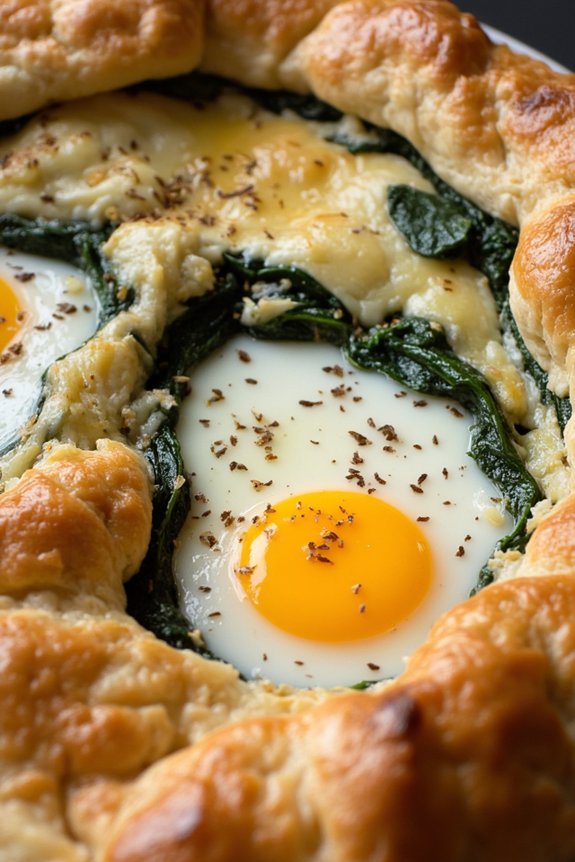
Torta Pasqualina: A Savory Easter Pie is a traditional Italian dish that’s especially popular in the Liguria region. This delightful pie is typically served during the Easter season and is known for its rich combination of flavors and textures. The pie is made with a delicate pastry crust that encases a filling made of ricotta cheese, spinach, and eggs. The highlight of this dish is the whole eggs that are cracked into the filling and baked, resulting in a beautiful presentation when the pie is sliced.
The origins of Torta Pasqualina date back to the 15th century when it was prepared to celebrate the resurrection of Christ. It’s often enjoyed as a main course during Easter celebrations, thanks to its hearty and satisfying nature. The pie’s unique ingredients and the method of preparation make it a cherished dish in Italian cuisine. Whether you’re celebrating Easter or simply want to try something new, Torta Pasqualina is a delicious way to experience the flavors of Italy.
Ingredients for 4-6 servings:
- 2 sheets of puff pastry
- 500g fresh spinach, washed and chopped
- 250g ricotta cheese
- 100g grated Parmesan cheese
- 8 large eggs
- 1 onion, finely chopped
- 2 tablespoons olive oil
- Salt and pepper to taste
- Nutmeg, a pinch
Instructions:
- Prepare the Spinach Filling: Heat olive oil in a large pan over medium heat. Add the chopped onion and sauté until translucent. Add the chopped spinach, seasoning it with salt, pepper, and a pinch of nutmeg. Cook until the spinach has wilted, then remove from heat and let it cool.
- Mix the Cheese Filling: In a large bowl, combine the ricotta cheese and grated Parmesan. Once the spinach mixture has cooled, add it to the cheese mixture and stir well to combine.
- Prepare the Pastry Base: Preheat your oven to 180°C (350°F). Roll out one sheet of puff pastry and line a 9-inch pie dish with it, making sure the pastry extends slightly over the edges of the dish.
- Assemble the Pie: Spread the spinach and cheese mixture evenly over the pastry base. Using the back of a spoon, make four evenly spaced indentations in the filling. Crack an egg into each indentation, taking care not to break the yolk.
- Cover with Pastry Top: Roll out the second sheet of puff pastry and place it over the filling. Seal the edges by pressing the top and bottom pastry layers together, trimming any excess. Make a few small slits in the top crust to allow steam to escape.
- Bake the Pie: Brush the top pastry with a beaten egg to give it a glossy finish. Place the pie in the preheated oven and bake for 45-50 minutes, or until the pastry is golden brown and the eggs inside are set.
- Serve: Allow the pie to cool slightly before slicing and serving. Enjoy Torta Pasqualina warm or at room temperature.
Extra Tips:
To enhance the flavor of your Torta Pasqualina, consider adding fresh herbs like parsley or basil to the spinach and cheese mixture. If you prefer a richer filling, you can substitute the ricotta with mascarpone cheese.
Additionally, if you’re using frozen spinach, ascertain it’s thoroughly drained to prevent the pie from becoming soggy. For a more rustic look, you can crimp the edges of the pastry with a fork. This dish pairs beautifully with a glass of white wine, making it a delightful addition to any Easter feast.
Colomba Di Pasqua: the Italian Easter Dove Bread
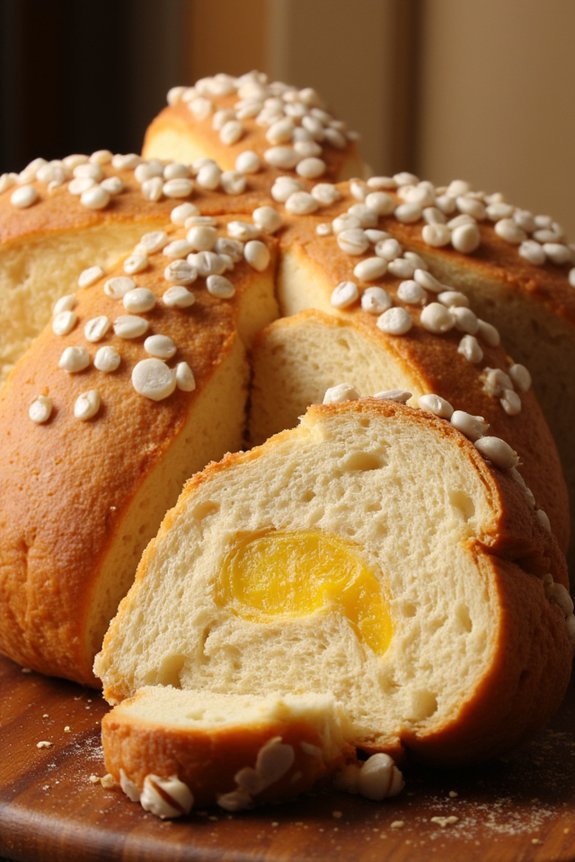
Colomba Di Pasqua, the Italian Easter Dove Bread, is a traditional sweet bread that’s a staple during Easter celebrations in Italy. Named for its dove-like shape, this festive bread is similar to Panettone, but it’s lighter and often adorned with almonds and pearl sugar.
With its tender crumb and rich flavor, Colomba Di Pasqua is a delightful centerpiece for any Easter table. The preparation involves a long but rewarding process of making a yeast-leavened dough, which is then shaped and baked to perfection.
Creating Colomba Di Pasqua requires patience and some time, as the dough needs to rise multiple times to achieve the perfect texture. The end result is worth the effort, as the bread is fragrant with citrus zest and vanilla, and has a beautiful golden crust topped with sugar and nuts.
This recipe will guide you through making this delicious bread for 4-6 people, guaranteeing you have a wonderful addition to your Easter festivities.
Ingredients (Serves 4-6):
- 500g all-purpose flour
- 150g sugar
- 150g unsalted butter, softened
- 4 eggs
- 1 egg yolk
- 25g fresh yeast or 7g active dry yeast
- 120ml warm milk
- Zest of 1 orange
- Zest of 1 lemon
- 1 tablespoon vanilla extract
- 100g candied orange peel
- 1/2 teaspoon salt
- 100g whole almonds
- 50g pearl sugar
Cooking Instructions:
- Activate the Yeast: Dissolve the yeast in the warm milk and let it sit for about 10 minutes until it becomes foamy. This step is vital for confirming the yeast is active and ready to leaven the dough.
- Prepare the Dough: In a large mixing bowl, combine the flour, sugar, and salt. Create a well in the center and add the foamy yeast mixture, eggs, egg yolk, vanilla extract, and citrus zests. Mix until a dough begins to form.
- Knead the Dough: Add the softened butter gradually, kneading the dough until it’s smooth and elastic. This process can take about 10-15 minutes by hand or 5-7 minutes with a stand mixer fitted with a dough hook.
- First Rise: Place the dough in a lightly oiled bowl, cover with a clean kitchen towel, and let it rise in a warm, draft-free area until it doubles in size, approximately 2 hours.
- Incorporate Candied Orange: Gently deflate the dough and knead in the candied orange peel until evenly distributed.
- Shape the Loaf: Divide the dough into two parts, with one slightly larger than the other. Shape the larger piece into an oval and the smaller piece into a ball. Place the oval piece horizontally on a baking sheet lined with parchment paper, and position the ball in the center, forming a cross-like shape to resemble a dove.
- Second Rise: Cover the shaped dough with a towel and let it rise again for about 1 hour until it puffs up.
- Preheat the Oven: Preheat your oven to 180°C (350°F).
- Add Toppings: Brush the risen loaf with beaten egg, then sprinkle with whole almonds and pearl sugar.
- Bake: Bake in the preheated oven for 30-40 minutes, or until the bread is golden brown and a skewer inserted into the center comes out clean.
- Cool: Allow the bread to cool on a wire rack before serving.
Extra Tips:
When making Colomba Di Pasqua, guarantee all your ingredients are at room temperature before starting, especially the butter and eggs, as this will help the dough come together more smoothly.
Be patient during the rising stages; a warm, draft-free location will aid in the dough doubling in size. If you don’t have a dove-shaped mold, the classic cross-like shape formed on a baking sheet works wonderfully.
Finally, enjoy the bread slightly warm or at room temperature to fully appreciate its flavors.
Agnello Al Forno: Roasted Easter Lamb
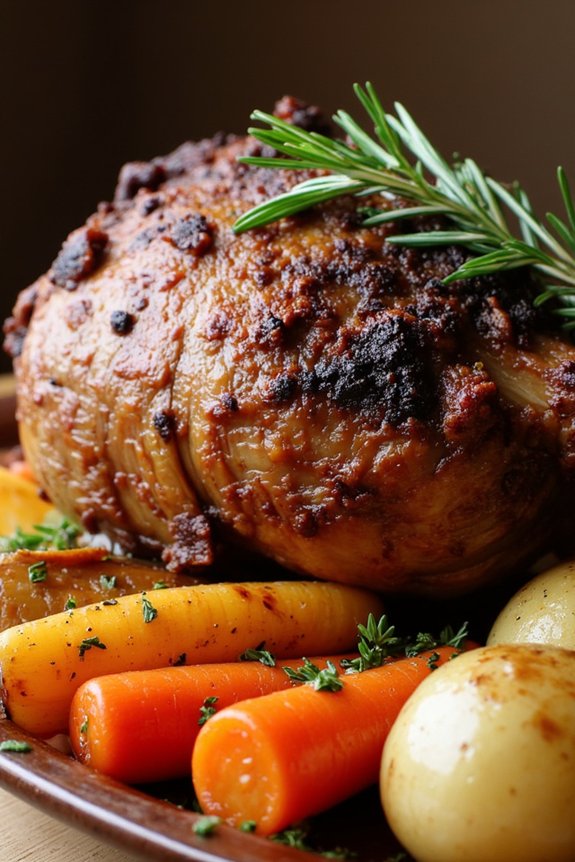
Agnello Al Forno, or Roasted Easter Lamb, is a traditional Italian dish that’s often the centerpiece of Easter meals. This dish embodies the essence of Italian cooking with its simplicity and reliance on fresh, quality ingredients. The lamb is typically marinated with a mix of herbs and spices, then slowly roasted to perfection, resulting in a tender and flavorful main course. The aroma of roasting lamb fills the kitchen, creating an inviting atmosphere for family and friends to gather and celebrate.
This recipe highlights the rich, earthy flavors that are characteristic of Italian cuisine. The lamb is roasted with a blend of rosemary, garlic, and lemon, which not only enhance its natural flavor but also add a fragrant aroma. The slow roasting process guarantees that the meat remains juicy and succulent, making it an ideal dish for festive occasions.
Whether you’re a seasoned cook or a novice in the kitchen, preparing Agnello Al Forno is a rewarding experience that will delight your guests and family.
Ingredients (Serves 4-6):
- 4-6 pounds of lamb shoulder or leg
- 4 cloves of garlic, minced
- 2 tablespoons fresh rosemary, chopped
- 1 tablespoon fresh thyme, chopped
- Zest and juice of 1 lemon
- 1/4 cup olive oil
- Salt and pepper to taste
- 1 cup dry white wine
- 1 cup chicken or vegetable broth
- 2 large onions, quartered
- 4 medium potatoes, quartered
- 3 large carrots, cut into chunks
Cooking Instructions:
- Prepare the Marinade: In a small bowl, combine minced garlic, chopped rosemary, thyme, lemon zest, and juice. Add olive oil, salt, and pepper, mixing well to form a paste.
- Marinate the Lamb: Rub the marinade all over the lamb, making sure it’s evenly coated. Place the lamb in a large dish, cover, and refrigerate for at least 2 hours, preferably overnight to allow the flavors to infuse.
- Preheat the Oven: Preheat your oven to 325°F (163°C).
- Prepare the Roasting Pan: Arrange the quartered onions, potatoes, and carrots in a large roasting pan. Pour in the white wine and broth, mixing them with the vegetables to distribute the liquid evenly.
- Roast the Lamb: Place the marinated lamb on top of the vegetables in the roasting pan. Cover the pan with foil and roast in the preheated oven for about 2 to 2.5 hours. Check occasionally to make sure there’s enough liquid in the pan, adding more broth if necessary.
- Finish Roasting: Remove the foil for the last 30 minutes of cooking to allow the lamb to brown. Use a meat thermometer to check for doneness; the lamb should reach an internal temperature of 145°F (63°C) for medium-rare.
- Rest the Lamb: Once cooked, remove the lamb from the oven and let it rest for 15-20 minutes before carving. This allows the juices to redistribute, keeping the meat moist.
Extra Tips: When selecting lamb for this dish, make sure you choose a cut that’s well-marbled for the best flavor and tenderness. If you prefer a more pronounced garlic flavor, make small incisions in the lamb and insert slivers of garlic before marinating.
Additionally, if you want a richer sauce, consider reducing the pan juices on the stovetop after roasting and serving them alongside the lamb. Remember that resting the meat is essential for achieving a juicy and tender roast. Enjoy your Agnello Al Forno with a side of crusty Italian bread to soak up the delicious juices.
Pastiera Napoletana: Neapolitan Easter Cake
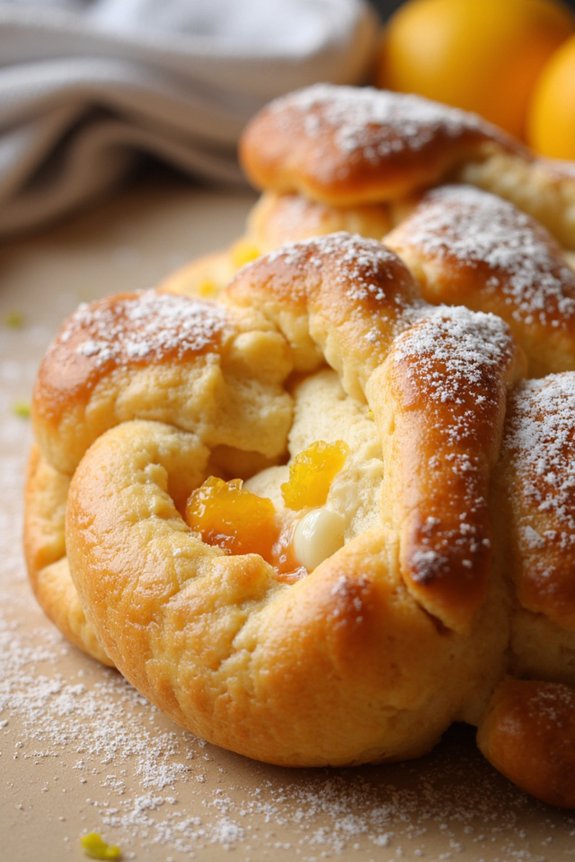
Pastiera Napoletana is a traditional Italian dessert that hails from the vibrant city of Naples. It’s a must-have during Easter, known for its unique blend of flavors and textures. This rich and aromatic cake combines ricotta cheese, cooked wheat, candied citrus peel, and the fragrant essence of orange blossom water, all encased in a delicate pastry crust. The result is a beautifully balanced cake that embodies the spirit of Neapolitan cuisine and Easter celebrations.
This recipe has been passed down through generations and holds a special place in the hearts of many Italian families. Making Pastiera Napoletana is a labor of love, requiring patience and attention to detail. However, the reward is a delightful cake that brings together the warmth of tradition and the joy of festive occasions.
Whether you’re familiar with Italian baking or trying this dish for the first time, you’ll find that preparing Pastiera Napoletana is a rewarding culinary experience that captures the essence of Easter in Naples.
Ingredients for 4-6 servings:
- 200g all-purpose flour
- 100g sugar
- 100g unsalted butter, chilled and diced
- 2 large eggs
- 1 pinch of salt
- 400g ricotta cheese
- 200g cooked wheat
- 200ml milk
- 150g sugar
- 3 large eggs
- 1 teaspoon vanilla extract
- 1 teaspoon orange blossom water
- Zest of 1 lemon
- Zest of 1 orange
- 50g candied citrus peel
- Powdered sugar, for dusting
Cooking Instructions:
- Prepare the Pastry Dough:
- In a large bowl, combine the flour, sugar, and a pinch of salt. Add the chilled, diced butter and rub it into the flour mixture using your fingertips until it resembles coarse crumbs.
- Beat 2 eggs lightly and add them to the mixture. Mix until the dough comes together. Form it into a ball, wrap in plastic wrap, and refrigerate for at least 1 hour.
- Cook the Wheat:
- In a saucepan, combine the cooked wheat, milk, and half of the sugar (75g). Cook over low heat, stirring occasionally, until the mixture thickens, about 10 minutes. Let it cool completely.
- Prepare the Ricotta Filling:
- In a separate bowl, beat the ricotta cheese with the remaining sugar (75g) until smooth. Add the remaining 3 eggs, one at a time, beating well after each addition.
- Stir in the vanilla extract, orange blossom water, lemon zest, orange zest, and candied citrus peel. Mix the cooled wheat mixture into the ricotta filling and combine thoroughly.
- Assemble the Pastiera:
- Preheat your oven to 180°C (350°F). Roll out the chilled pastry dough on a lightly floured surface to fit a 9-inch tart pan. Line the pan with the dough, trimming any excess.
- Pour the ricotta and wheat mixture into the prepared pastry shell. Smooth the top with a spatula.
- Roll out the remaining pastry dough and cut into strips to create a lattice pattern over the filling.
- Bake the Cake:
- Bake in the preheated oven for about 60-70 minutes, or until the filling is set and the top is golden brown. If the edges of the pastry start to brown too quickly, cover them with foil.
- Allow the Pastiera Napoletana to cool completely in the pan before transferring it to a serving plate.
- Serve:
- Dust the cake with powdered sugar before serving. Pastiera is traditionally enjoyed at room temperature and often tastes even better the day after it’s made.
Extra Tips:
For the best results, it’s important to use high-quality ricotta cheese and fresh, aromatic citrus for the zest. The orange blossom water is key to achieving the characteristic floral aroma of Pastiera Napoletana, so try not to skip it.
Preparing the cake a day in advance allows the flavors to meld beautifully, enhancing the taste. When rolling out the pastry, work quickly and keep the dough chilled to maintain its tenderness and flakiness. Enjoy this iconic Italian dessert as a special treat during Easter or any festive occasion.
Casatiello: Savory Easter Bread With Cheese and Salami
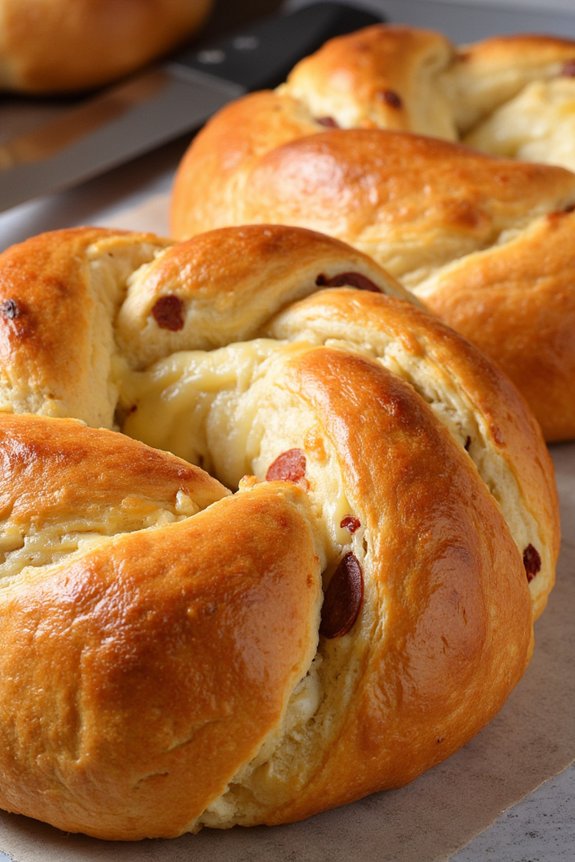
Casatiello is a traditional Italian savory Easter bread, hailing from the rich culinary traditions of Naples. This delectable bread is characterized by its soft, pillowy interior, embedded with aromatic cheeses and savory chunks of salami, making it a beloved staple during Easter celebrations. The preparation of Casatiello is an opportunity to gather family and friends, not only to share in the final product but to enjoy the communal process of making it. The bread’s distinctive flavor comes from the combination of sharp cheeses and salty cured meats, offering a delightful contrast to the soft dough.
Typically, Casatiello is made with a yeast-leavened dough that’s enriched with eggs and lard, which gives it a tender crumb. The dough is rolled out, then generously filled with a mixture of diced salami and a variety of cheeses, often including pecorino and provolone. After rolling the filled dough into a log and shaping it into a ring, the bread is baked until golden and aromatic. This recipe will guide you through the process of creating this savory delight, perfect for serving 4-6 people as a festive Easter centerpiece.
Ingredients:
- 500g all-purpose flour
- 250ml warm water
- 15g fresh yeast (or 7g active dry yeast)
- 100g lard (or unsalted butter)
- 10g salt
- 2 eggs
- 150g diced salami
- 150g diced provolone cheese
- 100g grated pecorino cheese
- 1 egg, beaten (for egg wash)
Cooking Instructions:
- Prepare the Dough: Dissolve the yeast in warm water, allowing it to activate for about 5 minutes until frothy. In a large mixing bowl, combine the flour and salt. Gradually add the yeast mixture and begin to mix. Incorporate the lard and eggs, kneading the mixture until a smooth and elastic dough forms, about 10 minutes.
- First Rise: Place the dough into a lightly oiled bowl, cover with a damp cloth, and allow it to rise in a warm place for about 2 hours or until it has doubled in size.
- Prepare the Filling: While the dough is rising, dice the salami and provolone cheese into small cubes. Grate the pecorino cheese and set all the ingredients aside.
- Roll and Fill: Once the dough has risen, punch it down to release excess air. Roll it out on a floured surface into a large rectangle, approximately 1cm thick. Evenly spread the diced salami and provolone cheese over the dough, and sprinkle the grated pecorino on top.
- Shape the Bread: Carefully roll the filled dough into a log, pinching the seams to seal. Shape the log into a ring and transfer it to a parchment-lined baking sheet. Cover with a cloth and let rise for another hour.
- Bake: Preheat your oven to 180°C (350°F). Before baking, brush the top of the bread with the beaten egg for a glossy finish. Bake for 45-50 minutes, or until the bread is golden brown and sounds hollow when tapped underneath.
- Cool and Serve: Allow the Casatiello to cool slightly before slicing and serving. This bread is best enjoyed warm or at room temperature.
Extra Tips:
For the best flavor, choose high-quality salami and cheeses, as these ingredients are the stars of the dish. If you’re unable to find lard, unsalted butter is a good substitute, but lard will provide a more traditional taste and texture. Additionally, you can customize the filling with your favorite cured meats and cheeses to suit your taste preferences.
Uova Di Pasqua: Italian Chocolate Easter Eggs

Uova Di Pasqua, or Italian Chocolate Easter Eggs, are a beloved tradition in Italy, symbolizing rebirth and new beginnings. These delightful eggs are typically made from rich, creamy chocolate and often contain a surprise or small gift inside.
Making your own Uova Di Pasqua at home is a rewarding experience that allows you to customize the flavors and fillings to your liking. Whether you choose to fill them with small toys, trinkets, or even personalized messages, these chocolate eggs are sure to be a hit with family and friends during the Easter celebration.
Creating Uova Di Pasqua involves tempering chocolate to achieve a glossy finish and crisp snap, while also guaranteeing that the chocolate sets properly. This recipe will guide you through the process of making these delectable Easter treats for 4-6 people. Perfect for gifting or as a centerpiece for your Easter table, these homemade chocolate eggs will delight both children and adults alike.
Ingredients:
- 500g dark chocolate (at least 70% cocoa)
- 100g white chocolate
- 50g milk chocolate
- Small toys or trinkets for filling
- Edible decorations (optional)
Instructions:
1. Prepare the Molds:
Start by thoroughly cleaning and drying your egg molds. Guarantee there’s no moisture left as it can affect the chocolate’s setting. If needed, polish them with a dry cloth to ensure a smooth, shiny finish.
2. Melt and Temper Dark Chocolate:
Chop the dark chocolate into small, even pieces. Melt two-thirds of the chocolate in a heatproof bowl over a pot of simmering water, stirring constantly until it reaches 45°C (113°F).
Remove from heat and gradually stir in the remaining chocolate to cool it down to 31°C (88°F). This tempering process will give your chocolate a glossy finish.
3. Fill the Molds:
Pour the tempered dark chocolate into the molds, making sure to cover the entire surface. Tap the molds gently on the counter to remove any air bubbles.
Flip the mold upside down to allow excess chocolate to drip out, forming a thin shell. Scrape the edges clean with a spatula and set the molds in the fridge to set.
4. Prepare the White and Milk Chocolate:
While the dark chocolate is setting, melt and temper the white and milk chocolate separately using the same method described in step 2.
These can be used for decorating the eggs or as additional layers within the chocolate shell.
5. Assemble the Eggs:
Once the dark chocolate shells are set, remove them from the fridge. Gently remove the chocolate halves from the molds.
Place your chosen fillings inside one half of each egg. Use a small amount of melted chocolate as “glue” to join the two halves together, applying gentle pressure to seal them.
6. Decorate the Eggs:
Use the tempered white and milk chocolate to create decorative patterns on the eggs. You can drizzle, pipe, or paint the chocolate onto the eggs for a colorful and festive look.
Add edible decorations if desired.
7. Final Setting:
Allow the decorated eggs to set fully at room temperature or in the fridge before handling or packaging.
Extra Tips:
When tempering chocolate, patience is key. Guarantee your work area is cool and dry, as humidity can cause chocolate to seize.
If you don’t have a thermometer, test the chocolate by dabbing a small amount on your lip; it should feel slightly cooler than body temperature.
Also, consider experimenting with different types of chocolate or adding flavor extracts like vanilla or orange to customize your eggs further.
Finally, remember that practice makes perfect, so don’t be discouraged if it takes a few tries to master the technique.
Frittata Di Pasqua: Easter Vegetable Frittata
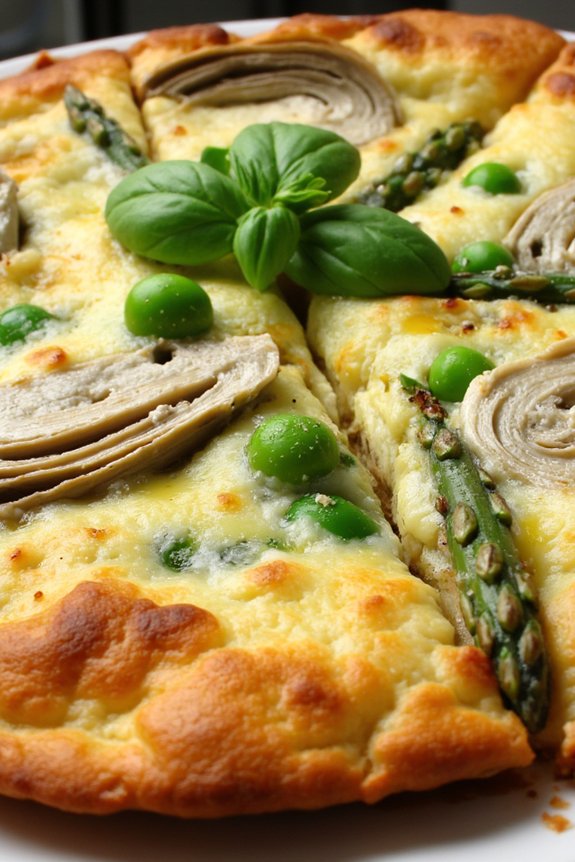
Frittata Di Pasqua, or Easter Vegetable Frittata, is a classic Italian dish that’s traditionally enjoyed during the Easter holiday. This vibrant and flavorful dish showcases the fresh vegetables of the season, brought together in a light and fluffy egg base.
With its beautiful colors and rich taste, Frittata Di Pasqua is perfect for a festive brunch or as a centerpiece for your Easter meal. Not only is it delicious, but it’s also a versatile dish that can accommodate various vegetables depending on what’s available or to suit your tastes.
The secret to a perfect frittata lies in the balance of ingredients and the cooking technique to achieve a tender, yet firm texture. This dish typically includes an array of spring vegetables such as asparagus, peas, and artichokes, complemented by the sharpness of Pecorino Romano cheese.
The result is a wholesome and satisfying meal that embodies the essence of Italian cuisine—simplicity and flavor. Prepare this delightful dish for 4-6 people, and bring a touch of Italian tradition to your Easter celebrations.
Ingredients for 4-6 servings:
- 8 large eggs
- 1/2 cup grated Pecorino Romano cheese
- 1/4 cup whole milk or cream
- Salt and freshly ground black pepper to taste
- 2 tablespoons olive oil
- 1 small onion, finely chopped
- 1 cup thinly sliced asparagus
- 1 cup fresh or frozen peas
- 1 cup artichoke hearts, chopped
- 1/4 cup chopped fresh parsley
- 1/4 cup chopped fresh basil
Cooking Instructions:
- Prepare the Egg Mixture: In a large bowl, whisk together the eggs, grated Pecorino Romano cheese, and milk or cream until well combined. Season with salt and freshly ground black pepper to taste. Set aside.
- Sauté the Vegetables: Heat the olive oil in a large, oven-safe non-stick skillet over medium heat. Add the chopped onion and sauté for about 3-4 minutes, or until it becomes translucent. Stir in the sliced asparagus, peas, and chopped artichoke hearts. Cook for an additional 5-7 minutes, or until the vegetables are tender.
- Combine and Cook: Pour the prepared egg mixture over the vegetables in the skillet. Sprinkle the chopped parsley and basil evenly over the top. Allow the frittata to cook on the stovetop for about 5 minutes, or until the edges begin to set.
- Finish in the Oven: Preheat your oven to 350°F (175°C). Transfer the skillet to the preheated oven and bake for 10-15 minutes, or until the center is set and the top is golden brown.
- Serve: Remove the frittata from the oven and let it cool slightly before slicing. Serve warm or at room temperature, garnished with extra herbs if desired.
Extra Tips:
When making Frittata Di Pasqua, ascertain that the vegetables are evenly cooked before adding the egg mixture to prevent uneven texture. If you don’t have an oven-safe skillet, you can carefully transfer the mixture to a baking dish before placing it in the oven.
Additionally, feel free to experiment with different vegetables or add cooked meats like ham or pancetta to the frittata for an extra layer of flavor. Remember that fresh herbs are key to achieving the authentic taste of this traditional dish.
Ciaramicola: Umbrian Easter Cake
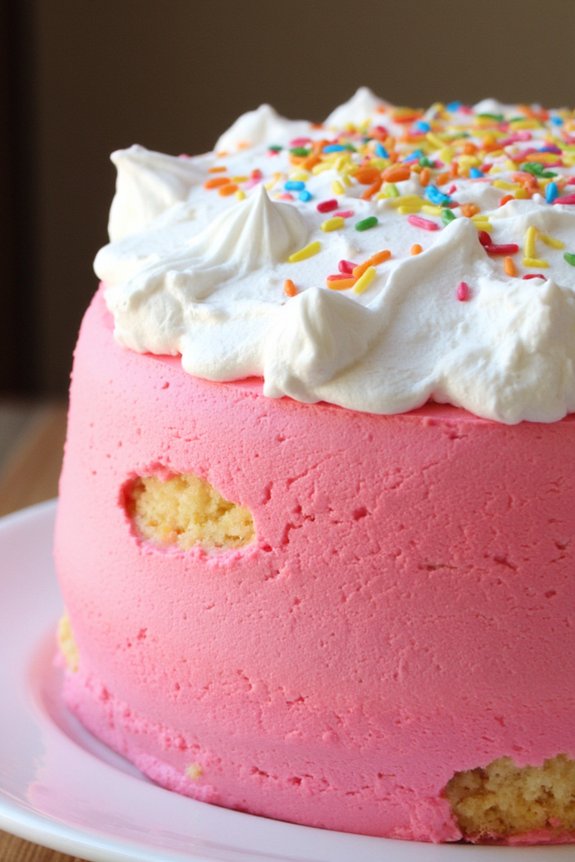
Ciaramicola is a traditional Easter cake from the Umbria region of Italy, known for its vibrant pink color and a distinctively sweet, aromatic flavor. This delightful cake is often prepared during the Easter season to celebrate the holiday with its unique combination of ingredients that create a visually pleasing and delicious dessert.
The cake is traditionally topped with a layer of white meringue, symbolizing purity and the renewal of spring, and is often sprinkled with colorful sugar sprinkles to add a festive touch.
The cake itself is flavored with the zest of lemons and oranges, giving it a rejuvenating citrus note, while the addition of Alchermes liqueur imparts a pink hue and a sweet, slightly spicy flavor. This delightful cake is perfect for family gatherings during Easter, and its light, airy texture makes it a favorite among both children and adults.
Making Ciaramicola is a wonderful way to bring a taste of Umbrian tradition to your Easter celebration.
Ingredients for 4-6 servings:
- 250g all-purpose flour
- 3 large eggs
- 150g sugar
- 100g unsalted butter, softened
- 1 lemon, zested
- 1 orange, zested
- 1 tablespoon baking powder
- 5 tablespoons Alchermes liqueur
- 1 pinch of salt
For the meringue:
- 2 egg whites
- 150g sugar
- Colorful sugar sprinkles
Cooking Instructions:
- Preheat the Oven and Prepare the Pan: Preheat your oven to 180°C (350°F). Grease a round cake pan with butter and dust it lightly with flour to prevent sticking.
- Mix the Dry Ingredients: In a bowl, combine the flour, baking powder, and a pinch of salt. Set aside.
- Prepare the Wet Ingredients: In a separate large mixing bowl, beat the softened butter and sugar together until light and fluffy. Add the eggs one at a time, mixing well after each addition. Stir in the lemon and orange zest, followed by the Alchermes liqueur.
- Combine the Mixtures: Gradually add the dry ingredients to the wet mixture, stirring gently until just combined. Be careful not to overmix, as this can result in a dense cake.
- Bake the Cake: Pour the batter into the prepared cake pan and smooth the top with a spatula. Bake in the preheated oven for about 30-35 minutes, or until a toothpick inserted into the center comes out clean.
- Prepare the Meringue: While the cake is baking, whisk the egg whites in a clean bowl until soft peaks form. Gradually add sugar, continuing to whisk until you achieve stiff peaks.
- Top the Cake: Once the cake is baked, remove it from the oven and let it cool slightly. Spread the meringue evenly over the top of the cake using a spatula.
- Add Sprinkles and Finish Baking: Sprinkle the colorful sugar sprinkles over the meringue. Return the cake to the oven and bake for an additional 10 minutes, or until the meringue is lightly golden.
- Cool and Serve: Allow the Ciaramicola to cool completely before serving. Slice and enjoy!
Extra Tips:
When preparing the meringue, verify your bowl and beaters are completely clean and dry, as any grease or moisture can prevent the egg whites from whipping properly.
If you can’t find Alchermes liqueur, you can substitute it with a combination of food coloring and a splash of another liqueur like Amaretto or a non-alcoholic option, but keep in mind this will alter the traditional flavor profile slightly.
Finally, always verify your cake has cooled before spreading the meringue on top to prevent it from melting.
Crespelle Alla Fiorentina: Florentine Crepes
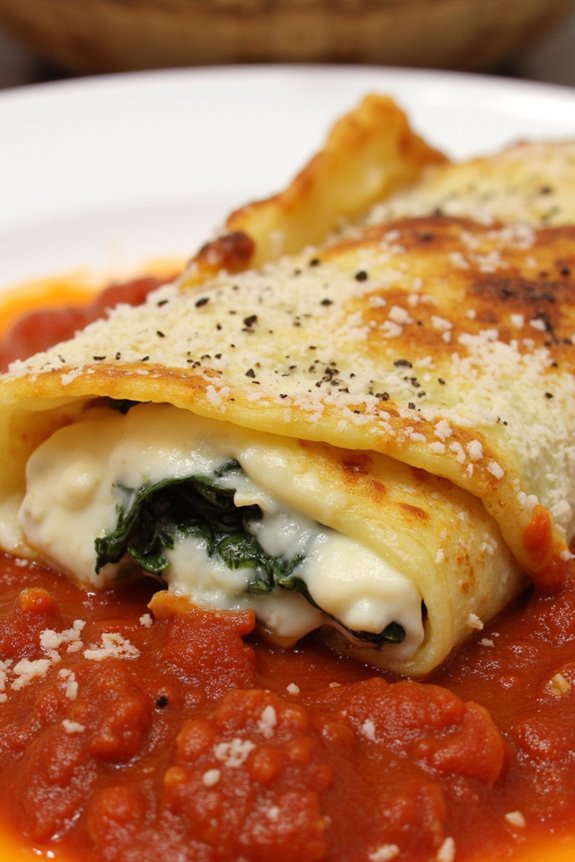
Crespelle Alla Fiorentina, or Florentine Crepes, are a delightful Italian dish that combines delicate crepes with a creamy filling of ricotta and spinach. This dish is a wonderful choice for an Easter celebration, offering a light yet flavorful option that’s certain to impress your guests.
The crepes, or “crespelle,” are made from a simple batter, which is then filled with the savory mixture and baked until golden brown. The combination of fresh spinach, creamy ricotta, and rich tomato sauce creates a harmonious blend of flavors that’s quintessentially Italian.
Traditionally served as a primo, or first course, Crespelle Alla Fiorentina can also be enjoyed as a main dish. The crepes are soft and tender, providing the perfect vessel for the luscious filling. This recipe makes enough to serve 4-6 people, making it ideal for a family gathering or small dinner party.
Whether you’re an experienced cook or a beginner, this dish is both approachable and rewarding, offering a taste of Florence in every bite.
Ingredients for 4-6 servings:
- 1 cup all-purpose flour
- 2 large eggs
- 1 1/4 cups milk
- 1 tablespoon melted butter
- A pinch of salt
- 1 tablespoon olive oil
- 1 clove garlic, minced
- 10 oz fresh spinach, chopped
- 15 oz ricotta cheese
- 1/2 cup grated Parmesan cheese
- 1/4 teaspoon nutmeg
- Salt and pepper to taste
- 2 cups tomato sauce
- 1/2 cup mozzarella cheese, shredded
Instructions:
- Prepare the Crepe Batter: In a mixing bowl, combine the flour and a pinch of salt. Whisk in the eggs, followed by the milk and melted butter, until the mixture is smooth and free of lumps. Cover and let the batter rest for at least 30 minutes.
- Cook the Crepes: Heat a non-stick skillet over medium heat and lightly grease with a bit of butter. Pour a small amount of batter into the center of the pan, swirling to spread evenly. Cook for about 1 minute on each side until lightly golden. Repeat with remaining batter and set the crepes aside.
- Make the Filling: In a large pan, heat olive oil over medium heat. Add the minced garlic and chopped spinach, sautéing until the spinach is wilted. Transfer the mixture to a bowl and combine with ricotta, Parmesan, nutmeg, salt, and pepper.
- Assemble the Crepes: Preheat your oven to 375°F (190°C). Spoon a generous amount of the spinach-ricotta filling onto each crepe, then roll them up tightly. Place the filled crepes seam-side down in a baking dish.
- Add the Sauce and Cheese: Pour the tomato sauce evenly over the crepes in the baking dish. Sprinkle the shredded mozzarella cheese on top.
- Bake the Crespelle: Cover the dish with foil and bake for 20 minutes. Remove the foil and bake for an additional 10 minutes, or until the cheese is bubbly and golden.
- Serve: Allow the Crespelle Alla Fiorentina to cool slightly before serving. Garnish with additional Parmesan cheese if desired.
Extra Tips:
When making the crepes, ascertain the pan is well-heated and lightly greased to prevent sticking. If the batter feels too thick, you can thin it out with a bit more milk.
For a richer flavor, consider adding a sprinkle of fresh herbs like basil or oregano to the tomato sauce. If you’re preparing this dish in advance, assemble the crepes and store them in the refrigerator. Simply add the sauce and cheese right before baking.
This dish pairs beautifully with a crisp green salad and a glass of white wine.
Pizza Di Pasqua: Sweet Easter Bread From Central Italy
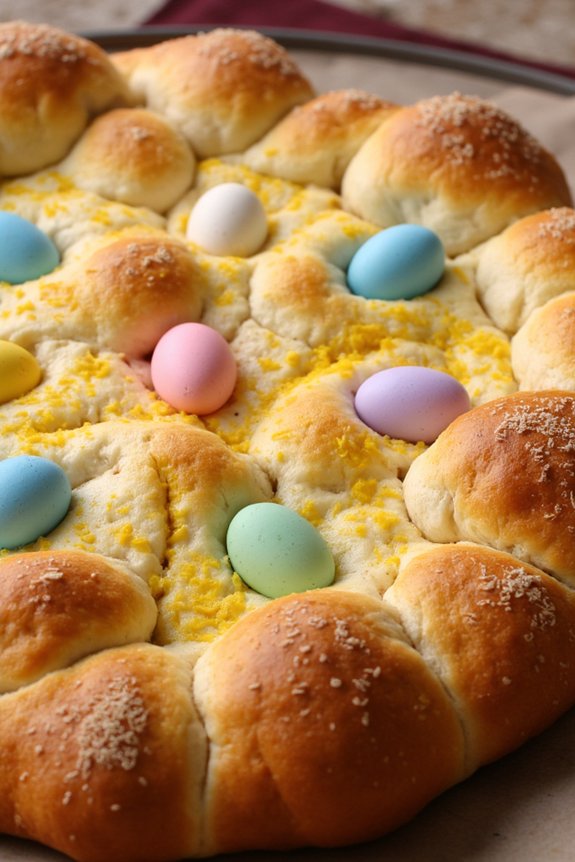
Pizza Di Pasqua, also known as Sweet Easter Bread, is a beloved Italian delicacy hailing from Central Italy. Traditionally served during the Easter festivities, this sweet bread is a symbol of celebration and renewal. Its delightful aroma, rich texture, and unique flavor make it a staple in many Italian households. With a slightly sweet taste, often enhanced by the addition of anise seeds or citrus zest, Pizza Di Pasqua is a treat that brings families together around the Easter table.
This bread isn’t just a culinary delight but also holds cultural significance, embodying the spirit of Easter and the joy of spring. The bread is usually shaped into a round loaf, representing the continuity of life, and sometimes adorned with colored eggs, which symbolize rebirth and fertility. Making Pizza Di Pasqua can be a joyous occasion in itself, as it often involves the participation of family members, with each person contributing to the kneading, shaping, and decorating of the bread.
Ingredients for 4-6 servings:
- 4 cups all-purpose flour
- 1 cup granulated sugar
- 1 packet (2 1/4 tsp) active dry yeast
- 1/2 cup warm milk
- 1/2 cup unsalted butter, melted
- 3 large eggs
- 1 teaspoon salt
- 1 teaspoon anise seeds (optional)
- Zest of 1 lemon or orange
- 1 teaspoon vanilla extract
- 1/2 cup raisins or candied fruit (optional)
- 1 egg, beaten (for egg wash)
- Colored eggs (optional, for decoration)
Instructions:
- Prepare the Yeast: In a small bowl, dissolve the yeast in warm milk and let it sit for about 5 minutes until it becomes frothy. This indicates that the yeast is active and ready to use.
- Mix the Dry Ingredients: In a large mixing bowl, combine the flour, sugar, salt, and anise seeds, if using. Mix well to guarantee an even distribution of the ingredients.
- Combine Wet Ingredients: In another bowl, beat the eggs and add the melted butter, vanilla extract, and citrus zest. Stir in the yeast mixture until everything is well combined.
- Form the Dough: Gradually add the wet ingredients to the dry ingredients, mixing with a wooden spoon or using a stand mixer with a dough hook attachment. Knead the dough for about 10 minutes until it becomes smooth and elastic.
- First Rise: Place the dough in a lightly greased bowl, cover it with a damp cloth, and let it rise in a warm place for about 2 hours or until it has doubled in size.
- Add Optional Ingredients: If you wish to include raisins or candied fruit, gently knead them into the dough after the first rise.
- Shape the Loaf: Punch down the dough to release the air, then shape it into a round loaf. If desired, press a few colored eggs into the dough for decoration.
- Second Rise: Place the shaped loaf on a baking sheet lined with parchment paper. Cover it with a damp cloth and let it rise again for about 30-45 minutes.
- Preheat the Oven: Preheat your oven to 350°F (175°C) while the dough is undergoing its second rise.
- Bake the Bread: Brush the loaf with the beaten egg to give it a shiny glaze. Bake in the preheated oven for 30-35 minutes or until the bread is golden brown and sounds hollow when tapped on the bottom.
- Cool and Serve: Allow the bread to cool on a wire rack before slicing. Serve at room temperature or slightly warmed.
Extra Tips:
When making Pizza Di Pasqua, be mindful of the temperature of your ingredients, especially the milk and butter, as too much heat can kill the yeast, preventing the dough from rising.
If you use colored eggs for decoration, make sure they’re raw so they cook along with the bread. The dough can be quite sticky, so dust your hands and work surface with flour to make handling easier.
Finally, this bread is best enjoyed fresh but can also be toasted lightly and served with butter for a delicious breakfast treat the next day.
