

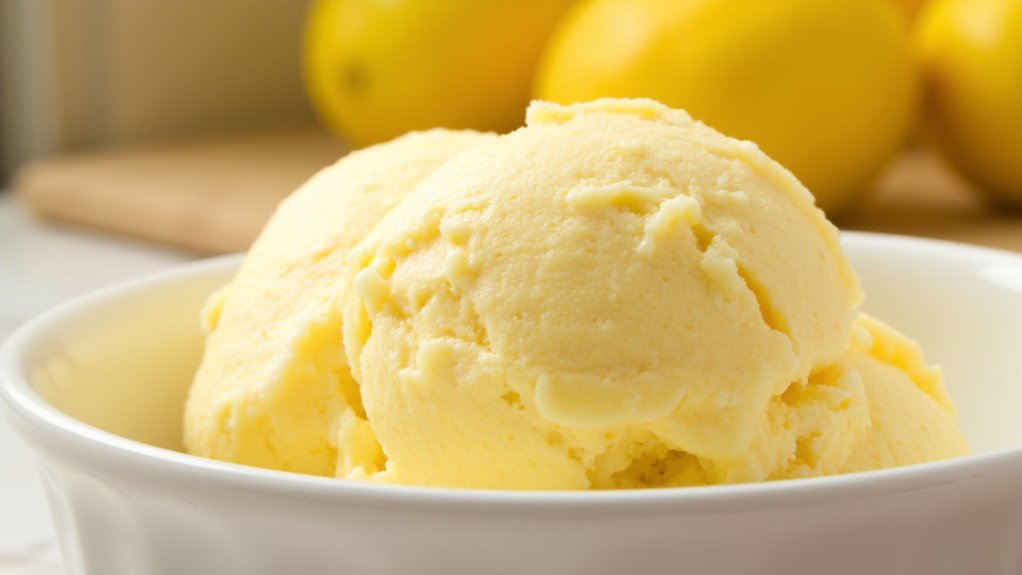
There’s something so comforting about Italian desserts that makes them feel like a mini escape, right from your kitchen.
Picture the creamy layers of tiramisu or the crisp shells of cannoli filled with sweet ricotta.
Each treat has its own special charm, like the zesty pop of lemon ricotta cookies or the smooth delight of panna cotta with berry compote.
Curious about what other delicious surprises Italian sweets hold?
Let’s explore these delightful recipes together!
Classic Tiramisu
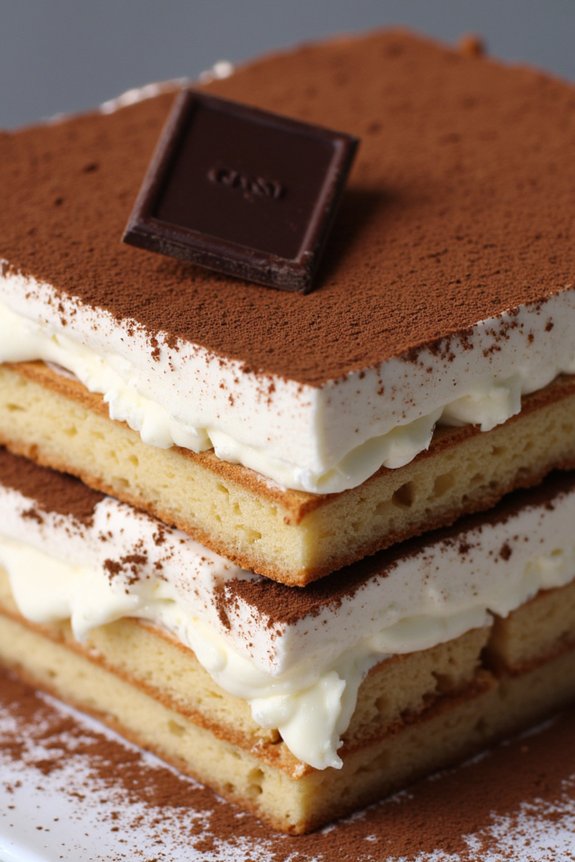
Tiramisu is a quintessential Italian dessert that has captured the hearts of many with its luxurious layers and rich flavors. Originating from the Veneto region of Italy, this “pick me up” dessert combines layers of espresso-soaked ladyfingers with a luscious mascarpone cream, all topped with a dusting of cocoa powder.
Perfect for those who appreciate the balance of bitter and sweet, Classic Tiramisu is a masterpiece that showcases the art of Italian pastry making.
To create this iconic dish for 4-6 people, you’ll need to focus on high-quality ingredients and careful preparation. The mascarpone cheese provides a creamy texture, while the espresso offers a robust aroma that pairs beautifully with the delicate ladyfingers. The final dusting of cocoa powder adds an elegant finish, making it a perfect dessert for any occasion, whether a casual family gathering or a formal dinner party.
Ingredients (serving size: 4-6 people):
- 3 large eggs, separated
- 1 cup granulated sugar
- 1 cup mascarpone cheese
- 1 cup heavy cream
- 1 cup strong brewed espresso, cooled
- 2 tablespoons coffee liqueur (optional)
- 24-30 ladyfingers (Savoiardi)
- Unsweetened cocoa powder for dusting
- Dark chocolate shavings (optional)
Instructions:
- Prepare the Egg Mixture: Begin by whisking the egg yolks and half of the sugar together in a heatproof bowl over a pot of simmering water. Whisk continuously until the mixture is pale and creamy, about 5 minutes. Remove from heat and set aside to cool slightly.
- Mix the Mascarpone: In a separate bowl, gently fold the mascarpone cheese into the cooled egg yolk mixture until smooth and well combined.
- Whip the Cream: In another bowl, whip the heavy cream with the remaining sugar until soft peaks form. Carefully fold the whipped cream into the mascarpone mixture, ensuring everything is evenly combined.
- Combine the Coffee and Liqueur: Mix the cooled espresso with the coffee liqueur in a shallow dish. This will be used to soak the ladyfingers.
- Assemble the Tiramisu: Quickly dip each ladyfinger into the espresso mixture, ensuring they’re soaked but not soggy, and layer them in the bottom of a 9×9 inch dish. Spread half of the mascarpone mixture evenly over the ladyfingers.
- Repeat Layers: Add another layer of espresso-soaked ladyfingers on top of the mascarpone layer, followed by the remaining mascarpone mixture. Smooth the top layer with a spatula.
- Chill and Serve: Refrigerate the tiramisu for at least 4 hours, or overnight, to allow the flavors to meld together. Before serving, dust generously with cocoa powder and garnish with chocolate shavings if desired.
Extra Tips:
For the best results, use fresh, high-quality mascarpone cheese and espresso. If you prefer a stronger coffee flavor, adjust the amount of coffee liqueur accordingly.
Cannoli Siciliani

Cannoli Siciliani is a classic Italian dessert that hails from the sunny island of Sicily. These delicious pastries are known for their crispy, fried shells and creamy, sweet ricotta filling. The name “cannoli” comes from the Italian word “canna,” meaning “little tube,” which is a perfect description of these delightful treats. Traditionally, they’re served during festive occasions, but their irresistible taste makes them a beloved dessert all year round.
The secret to a perfect Cannoli lies in the balance between the crunchy shell and the smooth, slightly sweet filling, often flavored with a hint of cinnamon or citrus. Making Cannoli Siciliani at home allows you to experience the authentic taste of Sicily right in your kitchen. While the process might seem a bit intimidating at first, breaking it down into manageable steps makes it quite achievable.
The key components are the pastry shells and the ricotta filling. Once you master these, you can customize your Cannoli with various fillings and toppings such as chocolate chips, pistachios, or candied fruit. Whether you’re new to making Cannoli or a seasoned pro, this recipe will guide you through crafting these delectable Italian sweets.
Ingredients (serves 4-6 people):
- 2 cups all-purpose flour
- 1 tablespoon granulated sugar
- 1/2 teaspoon ground cinnamon
- 1/4 teaspoon salt
- 2 tablespoons unsalted butter, cubed
- 1/2 cup Marsala wine or red wine
- 1 egg, beaten (for sealing the dough)
- Vegetable oil (for frying)
- 1 pound fresh ricotta cheese, drained
- 1 cup powdered sugar
- 1 teaspoon vanilla extract
- 1/2 cup mini chocolate chips (optional)
- Zest of 1 orange
- Chopped pistachios or candied cherries for garnish (optional)
Cooking Instructions:
- Prepare the Dough: In a large mixing bowl, combine the flour, sugar, cinnamon, and salt. Add the cubed butter and work it into the dry ingredients using your fingers until it resembles coarse crumbs. Gradually add the Marsala wine, mixing until a dough forms. Knead the dough on a lightly floured surface until smooth, about 5 minutes. Wrap in plastic wrap and refrigerate for at least 1 hour.
- Roll Out the Dough: After chilling, roll out the dough on a floured surface to about 1/8-inch thickness. Use a round cutter (about 4 inches in diameter) to cut circles from the dough.
- Shape the Shells: Wrap each dough circle around a metal cannoli tube, sealing the edges with a bit of beaten egg. Confirm the dough is tightly wrapped and sealed to prevent unraveling during frying.
- Fry the Shells: Heat vegetable oil in a deep fryer or large pot to 350°F (175°C). Carefully drop the wrapped tubes into the hot oil, frying until golden brown, approximately 2-3 minutes per batch. Remove with a slotted spoon and drain on paper towels. Once cool enough to handle, gently slide the shells off the tubes.
- Make the Filling: In a medium bowl, mix together the ricotta cheese, powdered sugar, vanilla extract, chocolate chips, and orange zest until smooth and creamy. Taste and adjust sweetness if necessary.
- Fill the Cannoli: Just before serving, use a pastry bag or a spoon to fill the cooled cannoli shells with the ricotta mixture. Be sure to fill from both ends to guarantee an even distribution of filling.
- Garnish and Serve: Optionally, garnish the ends of each cannoli with chopped pistachios or candied cherries. Dust with powdered sugar before serving.
Extra Tips:
When making Cannoli Siciliani, confirm the ricotta cheese is well-drained to avoid a watery filling. If necessary, place it in a cheesecloth over a bowl and let it drain in the refrigerator overnight.
Additionally, the dough should be rolled out thinly to achieve the perfect crispiness. If you don’t have Marsala wine, a dry red wine or even white wine can be used as a substitute, though it may slightly alter the flavor.
Finally, fill the cannoli shells just before serving to maintain their crisp texture, as the filling can make the shells soggy if left for too long.
Ricotta Cheesecake
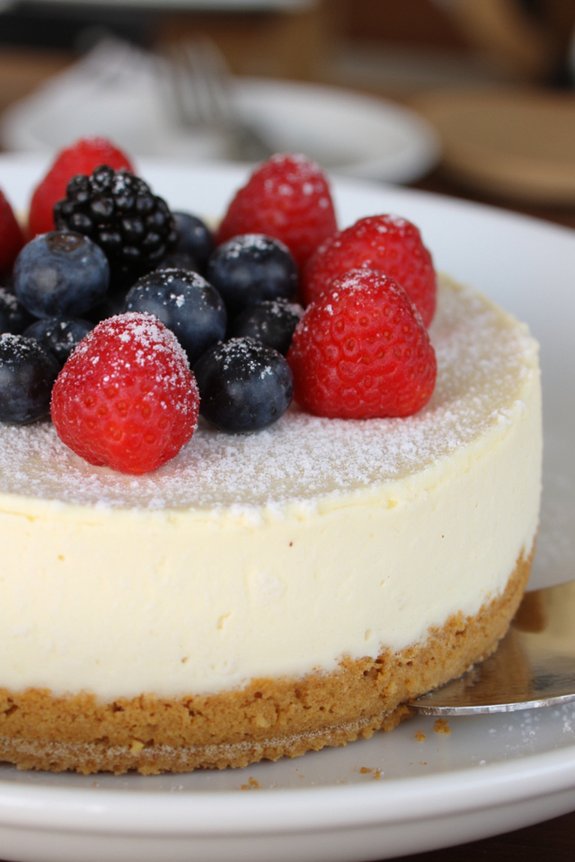
Ricotta Cheesecake is a classic Italian dessert that combines the creamy texture of ricotta cheese with the rich flavors of vanilla and lemon. This cheesecake is less dense than its American counterpart, offering a lighter and more delicate flavor that perfectly complements an Italian meal.
The subtle sweetness and the hint of citrus create a revitalizing treat that’s both satisfying and elegant. Perfect for any occasion, this Ricotta Cheesecake can be served as a delightful dessert for dinner parties or enjoyed as a sweet indulgence during a casual family gathering.
Its smooth, creamy filling sits atop a buttery crust, and the cheesecake is often topped with fresh berries or a dusting of powdered sugar to enhance its flavor and presentation. This recipe serves 4-6 people, making it ideal for intimate gatherings or simply to savor over a few days.
Ingredients
- 1 1/2 cups ricotta cheese
- 1/2 cup granulated sugar
- 3 large eggs
- 1 teaspoon vanilla extract
- 1 tablespoon lemon zest
- 1/4 cup all-purpose flour
- 1/4 teaspoon salt
- 1/2 cup graham cracker crumbs
- 2 tablespoons unsalted butter, melted
- Fresh berries or powdered sugar for topping (optional)
Instructions
- Preheat the Oven: Start by preheating your oven to 325°F (165°C). This will guarantee that your cheesecake bakes evenly.
- Prepare the Crust: In a small bowl, mix the graham cracker crumbs and melted butter until well combined. Press the mixture into the bottom of a 9-inch springform pan to form an even layer. Set aside.
- Mix the Ricotta Filling: In a large mixing bowl, combine the ricotta cheese, granulated sugar, eggs, vanilla extract, and lemon zest. Beat the mixture on medium speed until smooth and well incorporated.
- Add Dry Ingredients: Gradually add the flour and salt to the ricotta mixture, mixing gently until just combined. Be careful not to overmix, as this can affect the texture of the cheesecake.
- Assemble the Cheesecake: Pour the ricotta mixture over the prepared crust in the springform pan, spreading it evenly with a spatula.
- Bake the Cheesecake: Place the cheesecake in the preheated oven and bake for 50-60 minutes, or until the center is set and the edges are lightly golden. The cheesecake should jiggle slightly in the center when shaken.
- Cool and Chill: Remove the cheesecake from the oven and let it cool at room temperature for about an hour. Then, refrigerate it for at least 4 hours, or overnight, to allow it to set completely.
- Serve: Before serving, remove the cheesecake from the springform pan and transfer it to a serving plate. Top with fresh berries or a light dusting of powdered sugar if desired.
Extra Tips
When making this Ricotta Cheesecake, it’s essential to use high-quality ricotta cheese for the best flavor and texture. If your ricotta seems too watery, drain it in a cheesecloth for a few hours before using it in the recipe. This will prevent the cheesecake from becoming too soft or watery.
Additionally, make sure to let the cheesecake cool completely before refrigerating it to help it set properly. If you prefer a denser cheesecake, you can reduce the amount of ricotta cheese slightly or increase the baking time by a few minutes.
Enjoy your delicious homemade Ricotta Cheesecake as a delightful finish to your meal!
Panna Cotta With Berry Compote
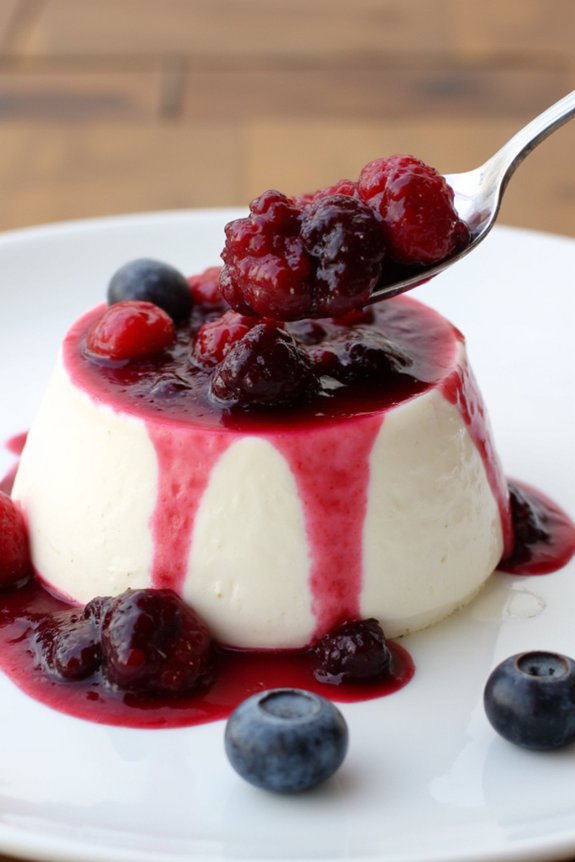
Panna Cotta is a classic Italian dessert that translates to “cooked cream.” This silky and creamy dessert is known for its simplicity and elegance, making it a favorite choice for special occasions or a delightful end to a meal. The addition of a berry compote provides a vibrant and tangy contrast to the rich panna cotta, creating a harmonious balance of flavors.
In this recipe, we’ll guide you through creating this exquisite dessert that serves 4-6 people, perfect for sharing with friends and family. The beauty of panna cotta lies in its versatility; it can be flavored in numerous ways and paired with a variety of toppings. The berry compote used in this recipe is a delightful combination of mixed berries, offering a burst of freshness and color.
Whether you’re hosting a dinner party or simply want to treat yourself, this panna cotta with berry compote is sure to impress with its luscious texture and delightful taste.
Ingredients for 4-6 servings:
- 2 cups heavy cream
- 1 cup whole milk
- 1/2 cup granulated sugar
- 1 vanilla bean (or 1 teaspoon vanilla extract)
- 2 1/2 teaspoons gelatin powder
- 3 tablespoons cold water
- 1 cup mixed berries (strawberries, raspberries, blueberries)
- 1/4 cup granulated sugar (for the compote)
- 1 tablespoon lemon juice
Cooking Instructions:
- Prepare the Gelatin: In a small bowl, sprinkle the gelatin powder over the cold water and let it stand for about 5 minutes. This allows the gelatin to bloom, which is essential for its ability to set the panna cotta properly.
- Heat the Cream Mixture: In a saucepan, combine the heavy cream, whole milk, and granulated sugar. If using a vanilla bean, split it lengthwise and scrape the seeds into the mixture, then add the pod. If using vanilla extract, wait to add it later. Heat the mixture over medium heat, stirring occasionally, until the sugar has dissolved and the mixture is hot but not boiling (about 5-7 minutes).
- Incorporate the Gelatin: Remove the saucepan from the heat and whisk in the bloomed gelatin until completely dissolved. If using vanilla extract, stir it in at this stage.
- Strain and Pour: Strain the mixture through a fine-mesh sieve into a large measuring cup or bowl with a spout to remove any vanilla bean pieces or undissolved gelatin. Divide the mixture evenly among ramekins or glasses.
- Chill the Panna Cotta: Cover each ramekin or glass with plastic wrap and refrigerate for at least 4 hours, or until the panna cotta is set and firm to the touch.
- Make the Berry Compote: In a small saucepan, combine the mixed berries, sugar, and lemon juice. Cook over medium heat, stirring occasionally, until the berries have softened and the mixture has thickened slightly (about 10 minutes). Allow the compote to cool to room temperature.
- Serve: Once the panna cotta is set, remove it from the refrigerator. Spoon the berry compote over each panna cotta and serve immediately.
Extra Tips:
For a smoother panna cotta, confirm the gelatin is fully dissolved before adding it to the cream mixture. If you prefer a firmer texture, you can increase the gelatin slightly.
The berry compote can be made in advance and stored in the refrigerator for up to three days. Feel free to experiment with different berries or even add a splash of liqueur to the compote for an adult twist.
If you encounter any difficulty in unmolding the panna cotta, briefly dip the ramekin in warm water to loosen the edges. Enjoy this elegant dessert chilled for the best texture and flavor.
Lemon Ricotta Cookies

Lemon Ricotta Cookies are a delightful Italian treat that combines the creamy richness of ricotta cheese with the bright, zesty flavor of lemon. These soft and tender cookies are perfect for any occasion, from an afternoon tea to a festive holiday party.
With their light, cake-like texture and invigorating citrus glaze, they offer a unique twist on traditional cookies that will leave a lasting impression on your taste buds.
The preparation of these cookies is straightforward, making them an excellent choice for both novice and experienced bakers. The key to achieving the perfect texture lies in the combination of ricotta cheese and lemon zest, which not only imparts a moist crumb but also infuses the cookies with a delightful aroma.
Finished with a simple lemon glaze, these cookies are sure to become a family favorite.
Ingredients for 4-6 Servings:
- 2 cups all-purpose flour
- 1 teaspoon baking powder
- 1/2 teaspoon salt
- 1/2 cup unsalted butter, softened
- 1 cup granulated sugar
- 2 large eggs
- 1 cup ricotta cheese
- 3 tablespoons lemon juice
- 1 tablespoon lemon zest
- 1 teaspoon vanilla extract
For the glaze:
- 1 cup powdered sugar
- 3 tablespoons lemon juice
- 1 tablespoon lemon zest
Cooking Instructions:
- Preheat the Oven: Start by preheating your oven to 350°F (175°C). Line two baking sheets with parchment paper to prevent the cookies from sticking.
- Mix Dry Ingredients: In a medium bowl, combine the flour, baking powder, and salt. Whisk them together to confirm they’re evenly distributed.
- Cream Butter and Sugar: In a large mixing bowl, cream the softened butter and granulated sugar together using an electric mixer on medium speed until light and fluffy, about 2-3 minutes.
- Add Wet Ingredients: Beat in the eggs, one at a time, confirming each egg is fully incorporated before adding the next. Mix in the ricotta cheese, lemon juice, lemon zest, and vanilla extract until smooth.
- Combine Mixtures: Gradually add the dry ingredients to the wet mixture, stirring until just combined. Be careful not to overmix, as this can result in tough cookies.
- Scoop and Bake: Using a tablespoon or cookie scoop, drop rounded tablespoons of dough onto the prepared baking sheets, spacing them about 2 inches apart. Bake for 12-15 minutes or until the edges are lightly golden. Allow them to cool on the baking sheets for 5 minutes before transferring to a wire rack to cool completely.
- Prepare the Glaze: In a small bowl, whisk together the powdered sugar, lemon juice, and lemon zest until smooth. The glaze should be thick but pourable; adjust with additional powdered sugar or lemon juice if necessary.
- Glaze the Cookies: Once the cookies have cooled, drizzle the lemon glaze over the top. Allow the glaze to set for about 10 minutes before serving.
Extra Tips:
For the best results, use fresh lemons for both the juice and zest, as this will provide the brightest and most authentic flavor.
If you prefer a more pronounced lemon taste, consider adding a bit more lemon zest to the dough. When glazing the cookies, place a sheet of parchment paper under the wire rack to catch any drips, making cleanup easier.
These cookies can be stored in an airtight container at room temperature for up to three days, although they’re best enjoyed fresh.
Amaretti Cookies
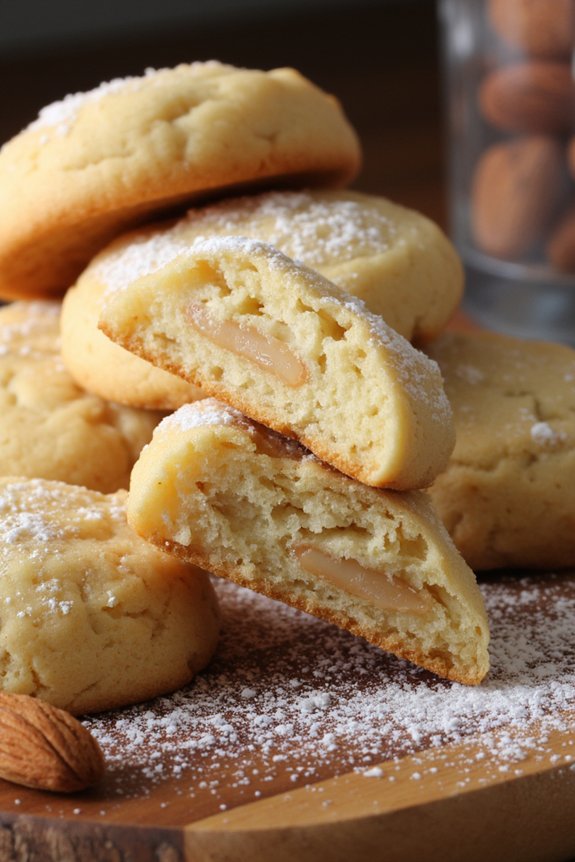
Indulge in a classic Italian treat with this delightful recipe for Amaretti Cookies. These traditional almond-flavored cookies have a crisp exterior and a soft, chewy interior, perfect for pairing with a cup of coffee or tea.
Originating from the region of Lombardy, Amaretti Cookies are beloved for their simple yet rich flavor profile, which combines the essence of sweet almonds with a hint of bitter almond to create a uniquely satisfying taste. Whether you’re enjoying them as an afternoon snack or serving them at a festive gathering, these cookies are bound to please.
The key to achieving the perfect texture in Amaretti Cookies lies in the balance of ingredients and the technique used to create them. Ground almonds, sugar, and egg whites are the primary components, with the optional addition of almond extract to enhance the flavor.
The mixture is then piped or spooned onto a baking sheet and baked until golden brown. While they’re delicious on their own, these cookies can also be enjoyed with a sprinkle of powdered sugar or a dollop of chocolate ganache for an extra touch of decadence.
Ingredients for Amaretti Cookies (Serves 4-6):
- 2 cups almond flour
- 1 cup granulated sugar
- 2 large egg whites
- 1 teaspoon almond extract
- 1/4 teaspoon salt
- Optional: powdered sugar for dusting
Instructions:
- Preheat the Oven: Preheat your oven to 325°F (165°C). Line two baking sheets with parchment paper to prevent the cookies from sticking.
- Mix Dry Ingredients: In a large bowl, combine the almond flour, granulated sugar, and salt. Use a whisk or fork to blend the ingredients thoroughly, making sure there are no lumps.
- Prepare Egg Whites: In a separate bowl, beat the egg whites using an electric mixer on medium speed until soft peaks form. This should take about 2-3 minutes. Be careful not to overbeat the egg whites as they should remain soft and not turn dry.
- Combine Mixtures: Gently fold the beaten egg whites into the almond flour mixture using a spatula. Add the almond extract and continue to fold until the mixture is well combined and has a smooth, sticky consistency.
- Shape the Cookies: Using a small cookie scoop or two teaspoons, drop tablespoon-sized mounds of the mixture onto the prepared baking sheets, spacing them about 2 inches apart. If desired, lightly dust the tops with powdered sugar for a decorative touch.
- Bake the Cookies: Place the baking sheets in the preheated oven and bake for 15-18 minutes, or until the cookies are light golden brown around the edges. Rotate the sheets halfway through baking to ensure even cooking.
- Cool and Serve: Remove the cookies from the oven and allow them to cool on the baking sheets for 5 minutes before transferring them to a wire rack to cool completely. Serve the cookies at room temperature.
Extra Tips:
To achieve the best results, verify that all your ingredients are at room temperature before starting. This helps in achieving the right texture and consistency for the cookie dough.
If you find the dough too sticky to handle, you can lightly moisten your hands with water or coat them with a bit of flour to prevent sticking. Additionally, for a more pronounced almond flavor, consider adding a few drops of bitter almond extract.
Zeppole Di San Giuseppe

Zeppole Di San Giuseppe are traditional Italian pastries typically enjoyed on Saint Joseph’s Day, which falls on March 19th. These delectable treats are characterized by their light and airy choux pastry, filled with creamy custard, and often topped with a cherry.
While they may seem complex due to their elegant appearance, Zeppole Di San Giuseppe can be made at home with a bit of patience and attention to detail. The pastry dough is similar to that used in French profiteroles, requiring a careful process of cooking and then baking to achieve the perfect texture.
The custard filling, known as crema pasticcera, is rich and smooth, offering a delightful contrast to the airy pastry. Preparing these pastries is a rewarding experience, resulting in a dessert that embodies the festive spirit of Italian culinary tradition.
Ingredients (Serving Size: 4-6 people)
- 1 cup water
- 1/2 cup unsalted butter
- 1 tablespoon sugar
- 1/4 teaspoon salt
- 1 cup all-purpose flour
- 4 large eggs
- Vegetable oil for frying
- Powdered sugar for dusting
- Maraschino cherries for topping
For the Crema Pasticcera:
- 2 cups whole milk
- 1/2 cup sugar
- 1/4 cup all-purpose flour
- 4 large egg yolks
- 1 teaspoon vanilla extract
- Zest of 1 lemon
Cooking Instructions
- Prepare the Dough: In a medium saucepan, combine the water, butter, sugar, and salt. Bring to a boil over medium heat. Once boiling, add the flour all at once and stir vigorously with a wooden spoon until a smooth dough forms and pulls away from the sides of the pan. Remove from heat.
- Incorporate the Eggs: Let the dough cool slightly, then add the eggs one at a time, beating well after each addition until the mixture is smooth and glossy.
- Fry the Pastries: Heat vegetable oil in a deep pan to 375°F (190°C). Using a piping bag with a large star tip, pipe 3-inch circles of dough onto a parchment-lined baking sheet. Carefully transfer each circle into the hot oil, frying until golden brown on both sides. Remove and drain on paper towels.
- Prepare the Crema Pasticcera: In a saucepan, heat the milk until just simmering. In a separate bowl, whisk together the sugar, flour, and egg yolks until smooth. Gradually whisk the hot milk into the egg mixture, then return the mixture to the saucepan. Cook over medium heat, stirring constantly, until thickened. Remove from heat, stir in vanilla extract and lemon zest, then let cool.
- Assemble the Zeppole: Once the pastries are cool, slice them horizontally and fill with the prepared crema pasticcera using a piping bag. Replace the top half of the pastry, dust with powdered sugar, and top with a maraschino cherry.
Extra Tips
When making Zeppole Di San Giuseppe, make certain that your oil temperature is consistent to achieve an even fry without burning the pastries.
Additionally, when adding the eggs to the dough, make sure the dough isn’t too hot to prevent the eggs from cooking prematurely. Patience is key when making the custard; constant stirring will prevent it from curdling and ensure a smooth texture.
If the crema pasticcera thickens too much as it cools, whisk it vigorously to restore its smoothness before filling the pastries.
Sfogliatelle Pastry

Sfogliatelle, an iconic Italian pastry, is loved for its delicate, layered texture and rich, creamy filling. Originating from the Campania region, this pastry is often enjoyed as a breakfast treat or a sweet indulgence with coffee. The name “sfogliatelle” means “small, thin layers,” which perfectly describes the pastry’s unique, flaky exterior.
Preparing sfogliatelle may seem intimidating due to its intricate preparation process, but with patience and practice, you can achieve the perfect pastry that’s a delight to the eyes and the palate.
The key to making sfogliatelle is mastering the art of creating thin, crispy layers of dough that encase a sweet ricotta and semolina filling. The process involves rolling out the dough, applying a generous amount of butter, and carefully shaping it into a shell-like form. The filling, flavored with orange zest and a hint of cinnamon, complements the pastry’s texture beautifully.
When baked to perfection, the sfogliatelle’s exterior turns golden and crisp, while the interior remains soft and aromatic, offering a harmonious blend of flavors and textures.
Ingredients for 4-6 Servings:
- 2 cups all-purpose flour
- 1/4 teaspoon salt
- 1/2 cup water
- 1/2 cup unsalted butter, softened
- 1 1/2 cups ricotta cheese
- 1/2 cup semolina flour
- 1/2 cup granulated sugar
- 1 large egg
- 1 teaspoon vanilla extract
- 1 teaspoon grated orange zest
- 1/4 teaspoon ground cinnamon
- Powdered sugar, for dusting
Cooking Instructions:
- Prepare the Dough: In a large bowl, combine the all-purpose flour and salt. Gradually add the water while mixing, until a dough forms. Knead the dough on a floured surface for about 10 minutes, until it becomes smooth and elastic. Wrap it in plastic wrap and let it rest for at least 2 hours, or overnight in the refrigerator.
- Make the Filling: In a medium saucepan, bring 1 cup of water to a boil. Gradually whisk in the semolina flour, stirring continuously until it thickens. Remove from heat and let it cool slightly. In a bowl, mix the ricotta cheese, sugar, egg, vanilla extract, orange zest, and cinnamon. Add the cooled semolina and mix until smooth. Chill the filling in the refrigerator until needed.
- Roll the Dough: Divide the rested dough into 4 equal parts. Using a pasta machine or a rolling pin, roll each piece into a thin sheet, about 1/16 inch thick. Confirm each sheet is uniformly thin to achieve the desired flakiness.
- Layer with Butter: Brush each sheet generously with softened butter. Carefully roll one sheet into a tight log, then wrap the remaining sheets around the log, repeating the butter application with each layer. Wrap the final log in plastic wrap and refrigerate for 1 hour.
- Form the Pastries: Preheat your oven to 400°F (200°C). Cut the chilled dough log into 1/2-inch slices. Using your fingers, gently press the center of each slice to create a cone shape, confirming the layers fan out. Fill each cone with a tablespoon of the prepared filling, then pinch the edges to seal.
- Bake the Sfogliatelle: Place the shaped pastries on a baking sheet lined with parchment paper. Bake for 20-25 minutes, or until the pastries are golden brown and crisp. Remove from the oven and let them cool slightly before dusting with powdered sugar.
Extra Tips:
When making sfogliatelle, patience is key. Allow the dough to rest adequately to confirm it rolls out thinly and handles well. If you find the dough difficult to roll, let it rest a bit longer to relax the gluten.
Additionally, when shaping the pastries, handle them gently to maintain the delicate layers. Using a pasta machine can simplify the rolling process, confirming even thickness across the sheets.
Finally, serve your sfogliatelle warm for the best texture and flavor experience, as the crisp layers contrast beautifully with the creamy filling.
Italian Almond Biscotti
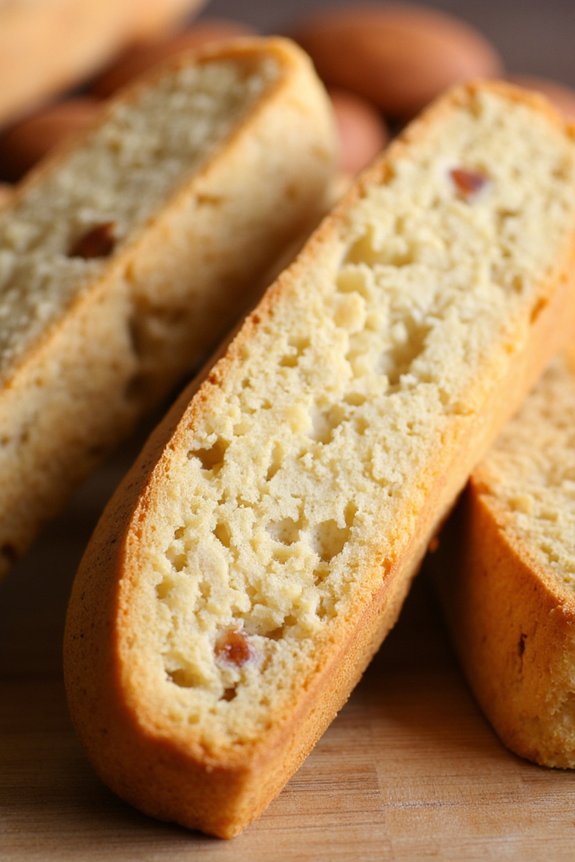
Italian Almond Biscotti are a classic treat, perfect for enjoying with a cup of coffee or tea. Originating from the Tuscan region of Italy, these twice-baked cookies are known for their crisp texture and delightful almond flavor. Biscotti means “twice-cooked” in Italian, and this traditional baking method helps accomplish their characteristic crunchy texture. Ideal for dipping, they’re often enjoyed as a breakfast treat or a delightful snack throughout the day.
Making Italian Almond Biscotti is a rewarding experience that fills your kitchen with the warm aroma of roasted almonds and vanilla. The process involves creating a simple dough, shaping it into logs, and baking it twice to achieve the perfect crunch. This recipe is designed to yield approximately 24-30 biscotti, serving 4-6 people, depending on how many pieces each person enjoys.
Ingredients for 4-6 servings:
- 2 cups all-purpose flour
- 1 cup granulated sugar
- 1 teaspoon baking powder
- 1/2 teaspoon salt
- 3 large eggs
- 1 teaspoon vanilla extract
- 1 teaspoon almond extract
- 1 cup whole almonds, toasted and coarsely chopped
Cooking Instructions:
- Preheat and Prepare: Preheat your oven to 350°F (175°C). Line a baking sheet with parchment paper to prevent the biscotti from sticking.
- Mix Dry Ingredients: In a medium-sized mixing bowl, whisk together the flour, sugar, baking powder, and salt. This guarantees that the baking powder is evenly distributed throughout the flour.
- Combine Wet Ingredients: In a separate large bowl, beat the eggs, vanilla extract, and almond extract until well combined. The extracts will infuse the biscotti with their signature flavors.
- Form the Dough: Gradually add the dry ingredients to the wet mixture, stirring until a dough forms. Once combined, stir in the chopped almonds, ensuring they’re evenly distributed within the dough.
- Shape the Logs: Divide the dough in half. On a lightly floured surface, shape each portion into a log about 12 inches long and 2 inches wide. Place the logs on the prepared baking sheet, spaced apart to allow room for spreading.
- First Bake: Bake the logs in the preheated oven for about 25-30 minutes, or until they’re golden brown and firm to the touch. Remove from the oven and let them cool on the baking sheet for 10 minutes.
- Slice the Biscotti: Using a serrated knife, cut the logs diagonally into 1/2-inch thick slices. Arrange the slices cut-side down on the baking sheet.
- Second Bake: Return the biscotti to the oven and bake for an additional 10-15 minutes, flipping them halfway through, until they’re dry and crisp. Allow the biscotti to cool completely on a wire rack before serving.
Extra Tips:
For the best results, make sure the almonds are toasted before adding them to the dough, as this enhances their flavor. If you prefer softer biscotti, reduce the second baking time slightly, or for extra crunch, extend it by a few minutes.
Store the biscotti in an airtight container to maintain their crispness for up to two weeks. Feel free to experiment with different nuts or add-ins like chocolate chips or orange zest for a unique twist on this classic recipe.
Chocolate Hazelnut Tart
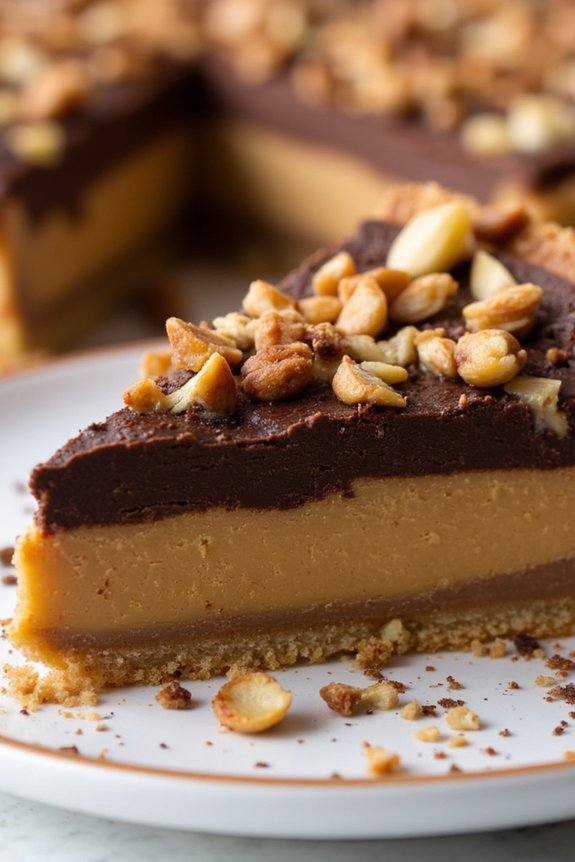
Indulge in the rich and decadent flavors of the classic Italian dessert, Chocolate Hazelnut Tart. This dessert combines a buttery, crisp tart crust with a luscious, creamy chocolate and hazelnut filling. Perfect for any occasion, this tart is certain to impress your family and friends with its elegant appearance and irresistible taste.
The combination of chocolate and hazelnuts is a match made in heaven, offering a delightful balance of sweet and nutty flavors that will leave everyone craving more.
The tart is surprisingly simple to make, requiring just a few high-quality ingredients to create a dessert that feels luxurious and special. The key to achieving the perfect tart is in the details, from guaranteeing a tender, flaky crust to creating a smooth and glossy filling.
With patience and attention to detail, you can recreate this Italian classic in your own kitchen and enjoy a slice of culinary excellence.
Ingredients (Serves 4-6):
- 1 1/4 cups all-purpose flour
- 1/4 cup powdered sugar
- 1/2 cup unsalted butter, chilled and cubed
- 1 large egg yolk
- 1 tablespoon cold water
- 1/2 cup heavy cream
- 1/2 cup whole milk
- 8 ounces bittersweet chocolate, chopped
- 1/2 cup hazelnut spread (such as Nutella)
- 3/4 cup toasted hazelnuts, chopped
- 1 teaspoon vanilla extract
- A pinch of salt
Instructions:
1. Prepare the Tart Crust: In a large bowl, mix the flour and powdered sugar together. Add the chilled butter cubes and rub them into the flour mixture using your fingertips until the mixture resembles coarse breadcrumbs.
Add the egg yolk and cold water, then mix until the dough comes together. Form the dough into a disc, wrap in plastic, and chill for at least 30 minutes.
2. Pre-bake the Crust: Preheat your oven to 350°F (175°C). Roll out the chilled dough on a lightly floured surface to fit a 9-inch tart pan. Press the dough into the pan, trimming any excess.
Prick the base with a fork and chill for another 15 minutes. Line the crust with parchment paper and fill with pie weights or dried beans. Bake for 15 minutes, remove weights and parchment, then bake for an additional 10 minutes until lightly golden. Allow to cool.
3. Make the Filling: In a saucepan over medium heat, combine the heavy cream and whole milk. Heat until just simmering, then remove from heat.
Add the chopped chocolate, stirring until melted and smooth. Stir in the hazelnut spread, vanilla extract, and a pinch of salt until well combined.
4. Assemble the Tart: Pour the chocolate hazelnut filling into the cooled tart crust, smoothing the top with a spatula. Sprinkle the chopped toasted hazelnuts over the top.
5. Chill and Serve: Refrigerate the tart for at least 2 hours, or until the filling is set. Once ready to serve, slice and enjoy!
Extra Tips:
Toasting the hazelnuts before using them enhances their flavor and adds a delightful crunch to your tart. You can toast them by placing the hazelnuts on a baking sheet in a preheated oven at 350°F (175°C) for about 10 minutes, or until fragrant.
Remember to let them cool completely before chopping. Additionally, verify the chocolate filling is smooth and glossy by stirring continuously while melting the chocolate. This will prevent any lumps and guarantee a silky texture. If you prefer a richer flavor, you can substitute the bittersweet chocolate with dark chocolate.
Zuppa Inglese
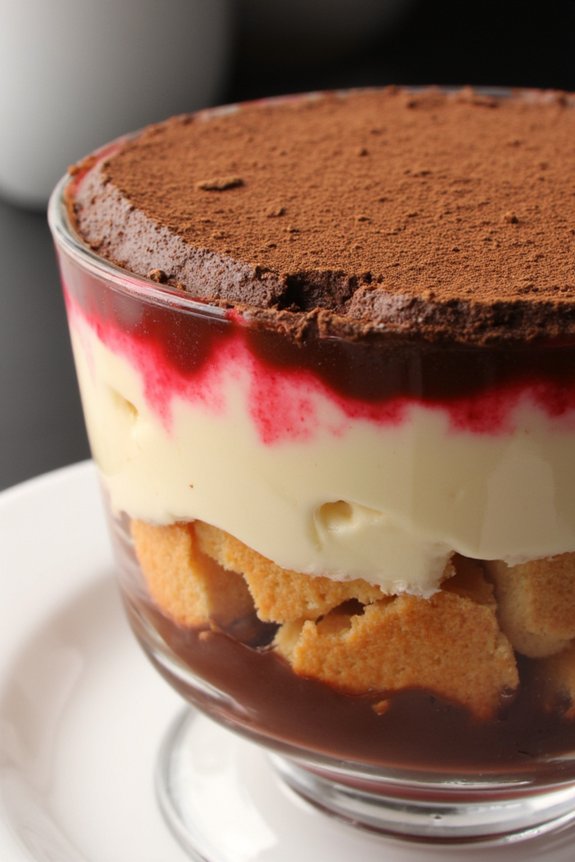
Zuppa Inglese is a classic Italian dessert that’s as delicious as it’s beautiful. Often likened to a trifle, this layered dessert is a splendid combination of rich cream, sponge cake or ladyfingers, and a splash of liqueur for an indulgent treat. The name “Zuppa Inglese” translates to “English Soup,” but don’t let that mislead you; this is a distinctly Italian creation.
It’s believed to have originated in the Emilia-Romagna region and has since become a beloved sweet throughout Italy. This dessert is perfect for serving at gatherings or as a special treat for your family. The layers of custard and cake soaked in liqueur create a delightful texture, and the vibrant colors make it visually appealing.
Preparing Zuppa Inglese allows you to get creative with the presentation, whether in individual cups or a large trifle dish. The following recipe serves 4-6 people and is sure to impress with its luxurious flavors and elegance.
Ingredients for Zuppa Inglese (Serves 4-6):
- 500 ml whole milk
- 6 egg yolks
- 150 g granulated sugar
- 50 g all-purpose flour
- 1 teaspoon vanilla extract
- 100 ml Alchermes or another red liqueur
- 100 ml rum or other dark liqueur
- 200 g sponge cake or ladyfingers
- 50 g dark chocolate, finely chopped
- Cocoa powder, for dusting
Cooking Instructions:
- Prepare the Custard: In a medium saucepan, heat the milk over medium heat until it begins to steam. Don’t let it boil. Meanwhile, in a separate bowl, whisk together the egg yolks and sugar until the mixture becomes pale and creamy. Gradually add the flour, mixing until smooth.
- Slowly pour the hot milk into the egg mixture, whisking constantly to combine.
- Cook the Custard: Return the mixture to the saucepan and cook over low heat, stirring continuously with a wooden spoon until the custard thickens and coats the back of the spoon. Remove from heat and stir in the vanilla extract.
- Divide the custard into two bowls; add the chopped dark chocolate to one bowl and stir until melted and fully combined. Let both custards cool to room temperature, then chill in the refrigerator.
- Assemble the Layers: In a shallow dish, combine the Alchermes and rum. Dip each piece of sponge cake or ladyfingers into the liqueur mixture, making sure they’re well soaked but not falling apart. Arrange a layer of soaked cake at the bottom of a serving dish or individual cups.
- Layer the Dessert: Spread a layer of vanilla custard over the cake, followed by another layer of soaked cake. Next, spread a layer of chocolate custard. Repeat the layers until all the components are used, finishing with a layer of custard on top.
- Chill and Serve: Cover the dish with plastic wrap and refrigerate for at least 4 hours or overnight to allow the flavors to meld. Before serving, dust the top with cocoa powder for a finishing touch.
Extra Tips:
When preparing Zuppa Inglese, make certain the custard isn’t overheated as it can curdle; maintaining a low heat is key. If you don’t have Alchermes, you can substitute with another red liqueur, though the color and flavor may vary slightly.
For a non-alcoholic version, you can soak the cake in fruit juice. Be creative with the presentation; using a clear dish will beautifully display the layers and make the dessert even more inviting.
Florence Chestnut Cake
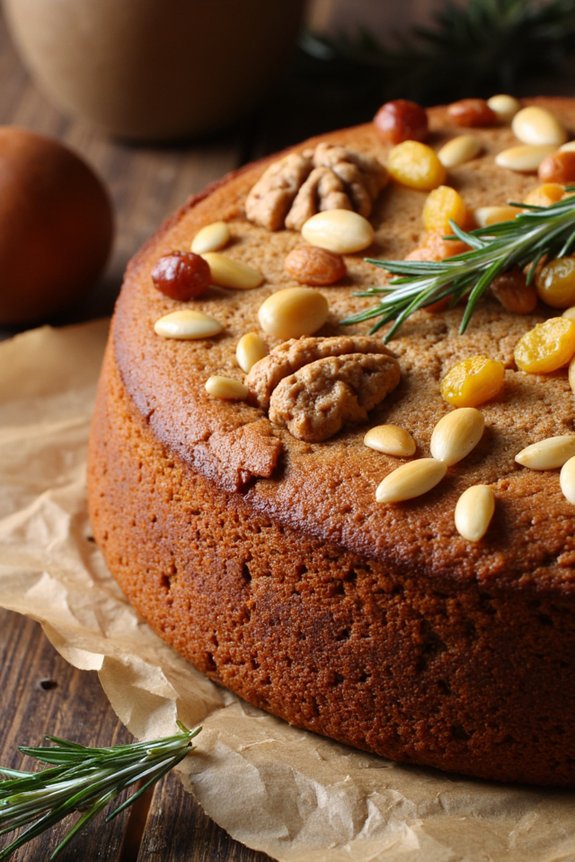
Florence Chestnut Cake, also known as Castagnaccio, is a traditional Tuscan dessert made with chestnut flour, olive oil, and a few simple ingredients that highlight the sweet, nutty flavor of chestnuts.
This rustic cake is naturally gluten-free and has a unique combination of flavors and textures, from the dense, moist crumb to the crunchy pine nuts and raisins that adorn its surface. Originally a peasant dish, Castagnaccio is a reflection of the resourcefulness and creativity in Italian cooking, turning humble ingredients into a delicious treat that has stood the test of time.
The preparation of Florence Chestnut Cake is straightforward, making it an ideal recipe for home bakers looking to explore the rich culinary history of Italy.
With its earthy flavors and satisfying texture, this cake is perfect for serving as a dessert or a mid-afternoon snack. Traditionally, it’s enjoyed during the autumn months when chestnuts are in season, but it can be appreciated year-round, especially when paired with a glass of sweet wine or a cup of strong espresso.
Ingredients for 4-6 Servings:
- 250 grams chestnut flour
- 350 milliliters water
- 50 grams raisins
- 30 grams pine nuts
- 30 grams walnuts, roughly chopped
- 2 tablespoons extra virgin olive oil
- 1 tablespoon sugar
- 1 teaspoon fresh rosemary leaves
- A pinch of salt
Cooking Instructions:
- Preheat the Oven: Start by preheating your oven to 180°C (350°F). Grease a round baking pan (about 9 inches in diameter) with a little olive oil to prevent sticking.
- Prepare the Raisins: Soak the raisins in warm water for about 10 minutes to plump them up. After soaking, drain them well and set aside.
- Mix the Ingredients: In a large mixing bowl, sift the chestnut flour to remove any lumps. Gradually add the water while stirring continuously to form a smooth batter. Confirm there are no lumps in the mixture.
- Add Flavorings: Stir in the olive oil, sugar, and a pinch of salt. Mix thoroughly until all ingredients are well combined. The batter should be smooth and slightly thick.
- Assemble the Cake: Pour the batter into the prepared baking pan. Sprinkle the soaked raisins, pine nuts, chopped walnuts, and fresh rosemary evenly over the top of the batter.
- Bake the Cake: Place the pan in the preheated oven and bake for about 30-35 minutes, or until the cake is firm to the touch and the edges start to pull away from the sides of the pan.
- Cool and Serve: Once baked, remove the cake from the oven and let it cool in the pan for a few minutes. Transfer the cake to a wire rack to cool completely before slicing and serving.
Extra Tips:
When making Florence Chestnut Cake, it’s important to use high-quality chestnut flour for the best flavor.
Chestnut flour can absorb moisture from the air, so confirm it’s stored in an airtight container to maintain its freshness. If you prefer a slightly sweeter cake, you can increase the sugar to 2 tablespoons.
For a more aromatic experience, consider adding a dash of cinnamon or nutmeg to the batter. This cake is best enjoyed fresh but can be stored in an airtight container for up to two days.
Pair it with a sweet dessert wine or coffee to enhance the flavors of this traditional Italian treat.
Limoncello Gelato

Limoncello Gelato is a rejuvenating and delightful Italian dessert that perfectly captures the essence of summer with its vibrant lemon flavor. This gelato is infused with Limoncello, a sweet Italian lemon liqueur, which adds a unique twist to the traditional gelato. The creamy texture and zesty taste make it an ideal treat for warm days or as a palate-cleansing dessert after a hearty Italian meal.
Rooted in the rich tradition of Italian gelato-making, Limoncello Gelato combines simple, high-quality ingredients to create a harmonious blend of sweetness and tartness. The result is a smooth, luscious dessert that promises to be a crowd-pleaser. Perfect for serving 4-6 people, this recipe will guide you through the steps to create this exquisite and rejuvenating dessert at home.
Ingredients (serving size: 4-6 people):
- 2 cups whole milk
- 1 cup heavy cream
- 4 large egg yolks
- ¾ cup granulated sugar
- ½ cup Limoncello liqueur
- Zest of 2 lemons
- ¼ teaspoon salt
Cooking Instructions:
- Prepare the Base: In a medium saucepan, combine the whole milk, heavy cream, and lemon zest. Heat the mixture over medium heat until it’s hot but not boiling. Stir occasionally to prevent the milk from scorching.
- Mix the Yolks and Sugar: In a separate bowl, whisk together the egg yolks and granulated sugar until the mixture becomes pale and slightly thickened.
- Temper the Eggs: Slowly pour about half of the hot milk mixture into the egg yolk mixture, whisking constantly to temper the eggs. This step prevents the eggs from curdling.
- Combine Mixtures: Pour the tempered egg mixture back into the saucepan with the remaining milk mixture. Cook over medium heat, stirring constantly with a wooden spoon, until the mixture thickens enough to coat the back of the spoon. Don’t let it boil.
- Strain and Chill: Remove the saucepan from the heat and strain the mixture through a fine-mesh sieve into a bowl to remove the lemon zest and any cooked egg bits. Stir in the Limoncello and salt. Cover the bowl with plastic wrap, pressing it directly onto the surface of the custard to prevent a skin from forming. Refrigerate until completely chilled, at least 4 hours or overnight.
- Churn the Gelato: Once the mixture is thoroughly chilled, pour it into an ice cream maker and churn according to the manufacturer’s instructions until it reaches a creamy consistency.
- Freeze and Serve: Transfer the gelato to an airtight container and freeze for at least 2 hours before serving to allow it to firm up. Serve in bowls or cones and enjoy!
Extra Tips:
When making Limoncello Gelato, it’s essential to keep the heat low when thickening the custard to avoid scrambling the eggs.
If you don’t have an ice cream maker, you can still make this gelato by freezing the chilled mixture and stirring it every 30 minutes until it solidifies, though the texture may be slightly different.
For an added burst of flavor, consider garnishing your gelato with a sprinkle of lemon zest or a small drizzle of Limoncello before serving.
