


There’s something so comforting about old-world Italian recipes. Gather around the table with the aroma of slow-simmered sauces and freshly baked bread filling the air. It reminds me of my grandmother’s kitchen, where every dish had a story. From the creamy allure of Spaghetti Carbonara to the rich layers of Lasagna Bolognese, these recipes nourish more than just our bodies. Ready to explore some delicious traditions?
Classic Spaghetti Carbonara
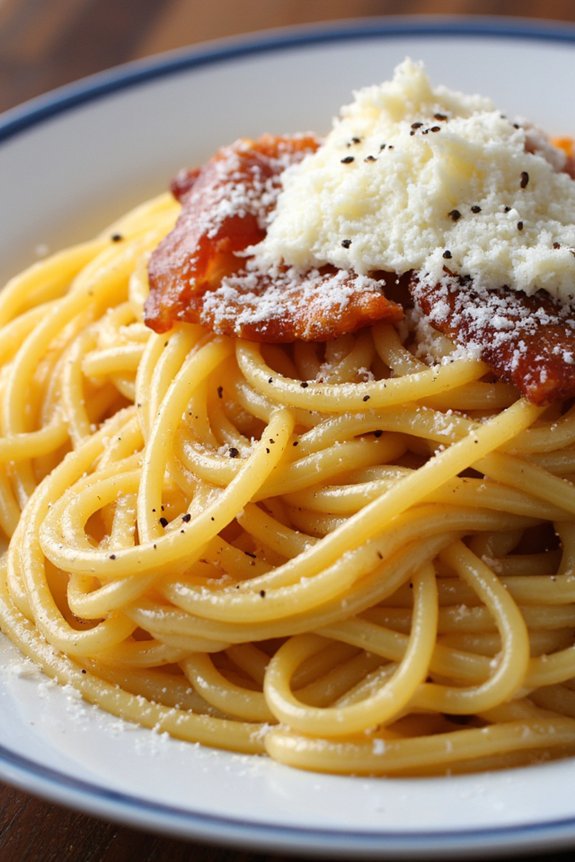
Classic Spaghetti Carbonara is a beloved dish that captures the essence of traditional Italian cooking, featuring a rich, creamy sauce without the use of cream. This Roman specialty relies on a few high-quality ingredients to create a comforting and flavorful meal. The combination of crispy pancetta or guanciale, fresh eggs, grated Pecorino Romano cheese, and freshly cracked black pepper creates a symphony of flavors that coat each strand of spaghetti.
The beauty of Spaghetti Carbonara lies in its simplicity, requiring careful attention to technique to achieve the perfect creamy consistency. The key to mastering Classic Spaghetti Carbonara is timing and patience. It’s vital to cook the pasta just right, making sure it’s al dente, while simultaneously preparing the pancetta or guanciale to a crispy perfection.
The eggs and cheese mixture must be combined with the pasta off the heat to prevent scrambling, allowing the residual heat from the pasta to create a silky sauce. With a few simple steps and a bit of practice, you can bring this quintessential Italian dish to your dining table, impressing family and friends with its authentic taste.
Ingredients (Serves 4-6):
- 400g spaghetti
- 150g pancetta or guanciale, diced
- 4 large eggs
- 100g Pecorino Romano cheese, finely grated
- Freshly cracked black pepper
- Salt
Cooking Instructions:
- Prepare the Ingredients: Begin by dicing the pancetta or guanciale into small cubes. Grate the Pecorino Romano cheese and set it aside. Separate the egg yolks from the whites and place the yolks in a mixing bowl.
- Cook the Pasta: Bring a large pot of salted water to a boil. Add the spaghetti and cook until al dente, according to the package instructions. Reserve about 1 cup of the pasta cooking water before draining the spaghetti.
- Cook the Pancetta/Guanciale: In a large pan over medium heat, cook the diced pancetta or guanciale until it becomes crispy and golden brown. This should take about 5-7 minutes. Once done, remove the pan from the heat.
- Prepare the Egg Mixture: In the bowl with the egg yolks, add the grated Pecorino Romano cheese and a generous amount of freshly cracked black pepper. Mix well to combine into a thick paste.
- Combine the Pasta and Sauce: Quickly add the drained pasta to the pan with the crispy pancetta or guanciale. Toss to coat the pasta in the rendered fat from the pancetta. Remove the pan from the heat, and immediately pour the egg and cheese mixture over the pasta, stirring vigorously to combine. If the sauce is too thick, gradually add the reserved pasta water, a little at a time, until a creamy consistency is achieved.
- Serve: Divide the pasta among serving plates. Optionally, garnish with additional grated Pecorino Romano and more black pepper.
Extra Tips:
When making Classic Spaghetti Carbonara, it’s vital to avoid overheating the egg mixture to prevent it from scrambling. Make sure the pan is off the heat before adding the eggs, using the pasta’s residual heat to cook them gently.
Also, opt for freshly cracked black pepper and high-quality Pecorino Romano cheese for the best flavor. If guanciale is unavailable, pancetta is an excellent substitute, though the traditional recipe calls for guanciale. Finally, adjust the amount of reserved pasta water used based on your desired sauce consistency.
Traditional Osso Buco Milanese
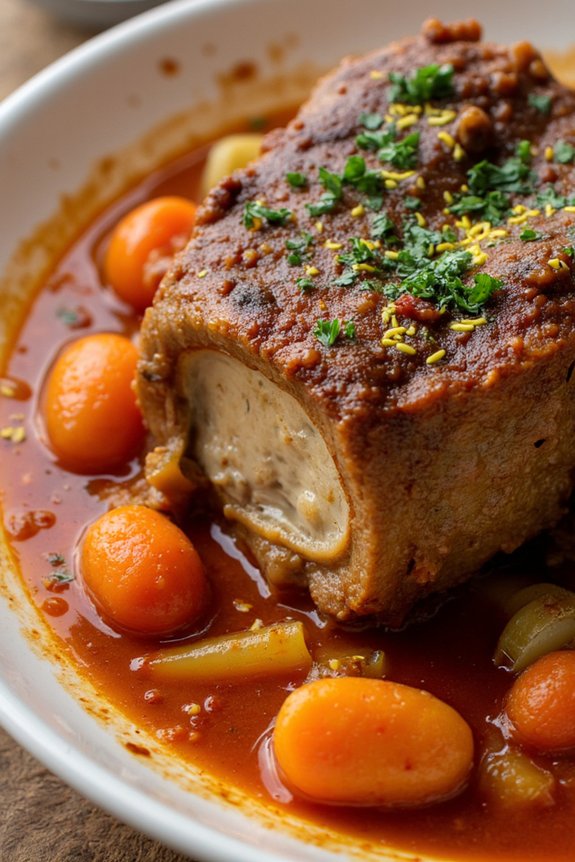
Traditional Osso Buco Milanese is a classic Italian dish that hails from the vibrant region of Milan. This hearty and flavorful dish is renowned for its tender, slow-cooked veal shanks that are simmered to perfection in a rich tomato and white wine sauce. The name “Osso Buco” translates to “bone with a hole,” referring to the bone marrow at the center of the veal shank, which adds a luxurious depth of flavor to the dish.
Typically served with a side of creamy risotto or polenta, Osso Buco Milanese is a comforting meal that embodies the essence of traditional Italian cuisine.
The origins of Osso Buco date back to the 19th century, where it was a staple in Milanese households. Over time, it has become synonymous with Italian fine dining, celebrated for its rustic yet refined flavors. The key to a perfect Osso Buco Milanese lies in the balance of ingredients, allowing the meat to absorb the aromatic blend of vegetables, herbs, and wine.
With the right techniques and a bit of patience, you can recreate this iconic Milanese dish in your own kitchen, transporting you straight to the heart of Italy with every bite.
Ingredients (Serves 4-6 people):
- 4-6 veal shanks, about 1 1/2 to 2 inches thick
- Salt and freshly ground black pepper
- All-purpose flour, for dusting
- 1/4 cup olive oil
- 2 tablespoons unsalted butter
- 1 large onion, finely chopped
- 2 carrots, diced
- 2 celery stalks, diced
- 3 cloves garlic, minced
- 1 cup dry white wine
- 1 cup beef or chicken stock
- 1 can (14 ounces) crushed tomatoes
- 2 tablespoons tomato paste
- 1 bay leaf
- 1 teaspoon dried thyme
- 1 teaspoon dried rosemary
- Zest of 1 lemon, finely grated
- 1/4 cup fresh parsley, chopped
Cooking Instructions:
- Prepare the Veal Shanks: Pat the veal shanks dry with paper towels and season generously with salt and pepper. Lightly dust the shanks with all-purpose flour, shaking off any excess.
- Sear the Shanks: In a large, heavy-bottomed pot or Dutch oven, heat olive oil over medium-high heat. Add the veal shanks and brown them on all sides until they develop a golden crust, about 4-5 minutes per side. Remove the shanks from the pot and set aside.
- Sauté the Vegetables: In the same pot, reduce the heat to medium and add butter. Once melted, add the chopped onion, carrots, and celery. Sauté until the vegetables are softened and the onion is translucent, about 5-7 minutes. Add the minced garlic and cook for an additional 1-2 minutes until fragrant.
- Deglaze the Pot: Pour in the white wine to deglaze the pot, scraping up any browned bits from the bottom with a wooden spoon. Allow the wine to simmer until it’s reduced by half, about 3-4 minutes.
- Simmer the Sauce: Stir in the crushed tomatoes, tomato paste, beef or chicken stock, bay leaf, thyme, and rosemary. Return the veal shanks to the pot, nestling them into the sauce. Bring the mixture to a gentle simmer.
- Cook the Osso Buco: Cover the pot with a tight-fitting lid and reduce the heat to low. Allow the osso buco to cook slowly for 1 1/2 to 2 hours, or until the meat is tender and easily pulls away from the bone. Occasionally turn the shanks and check the liquid level, adding more stock if necessary.
- Finish with Gremolata: In a small bowl, combine the lemon zest and chopped parsley to create a gremolata. Once the osso buco is done cooking, sprinkle the gremolata over the dish to add a fresh, zesty finish.
- Serve: Serve the Osso Buco Milanese hot, accompanied by risotto or polenta to soak up the savory sauce.
Extra Tips:
For an even richer flavor, try marinating the veal shanks in the white wine, herbs, and garlic for a few hours before cooking.
When selecting veal shanks, look for ones with a generous amount of marrow, as this enhances the overall taste of the dish. If you prefer a thicker sauce, remove the lid during the last 20 minutes of cooking to allow the sauce to reduce further.
Finally, always taste and adjust seasoning before serving to guarantee a well-balanced dish.
Authentic Margherita Pizza
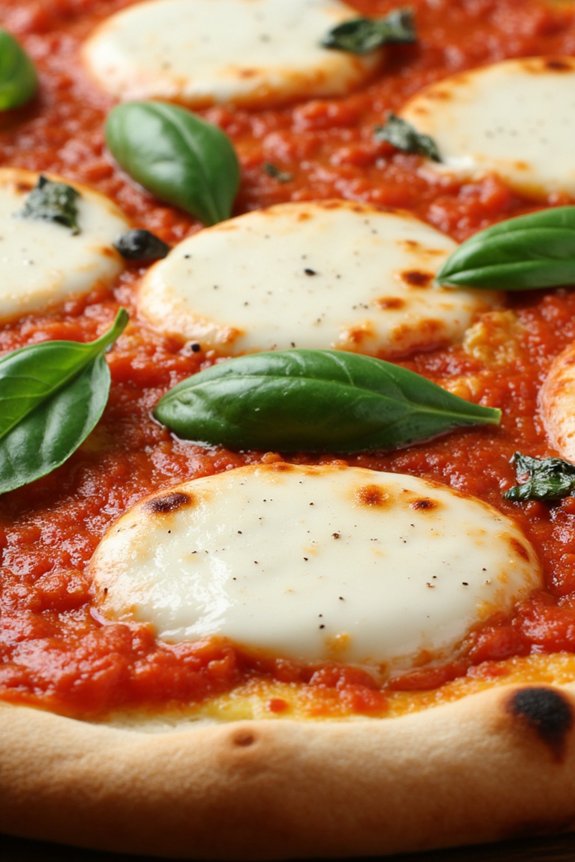
Margherita Pizza is a quintessential Italian dish that showcases the simplicity and richness of traditional Italian flavors. Named after Queen Margherita of Savoy, this delightful pizza embodies the essence of Italy with its fresh ingredients and vibrant colors representing the Italian flag: red tomatoes, white mozzarella, and green basil. A well-made Margherita Pizza emphasizes a crispy and thin crust topped with a harmonious blend of sweet tomatoes, creamy mozzarella, and aromatic basil leaves.
To achieve the authentic taste of Margherita Pizza, it’s important to use high-quality ingredients. The dough should be made from scratch, preferably with ’00’ flour for a superior texture that’s light and crisp. San Marzano tomatoes are recommended for their rich flavor, and fresh mozzarella should be used for its creamy texture. The addition of fresh basil leaves and a drizzle of extra-virgin olive oil completes this simple yet exquisite dish that has been loved for generations.
Ingredients for 4-6 people:
- 4 cups ’00’ flour or all-purpose flour
- 1 ½ cups warm water
- 1 packet (2 ¼ teaspoons) active dry yeast
- 1 teaspoon sugar
- 1 teaspoon salt
- 2 tablespoons extra-virgin olive oil
- 2 cups San Marzano canned tomatoes (or other quality canned tomatoes)
- 1 pound fresh mozzarella cheese, sliced
- A handful of fresh basil leaves
- Salt and pepper to taste
Cooking Instructions:
- Prepare the Dough:
- In a small bowl, dissolve the yeast and sugar in warm water. Let it sit for about 5-10 minutes until it becomes frothy, indicating that the yeast is active.
- In a large bowl, combine the flour and salt. Make a well in the center and pour in the yeast mixture and olive oil.
- Mix until a dough begins to form, then transfer it to a floured surface and knead for about 10 minutes until smooth and elastic.
- Place the dough in a lightly oiled bowl, cover with a damp cloth, and let it rise in a warm place for 1-2 hours, or until doubled in size.
- Prepare the Sauce:
- While the dough rises, prepare the tomato sauce by crushing the canned tomatoes by hand or with a spoon in a bowl. Season with a pinch of salt and pepper to taste.
- Preheat the Oven:
- Preheat your oven to its highest setting, typically around 475°F (245°C), and place a pizza stone or an inverted baking sheet inside to heat up.
- Shape the Pizza:
- Once the dough has risen, punch it down to release the air and divide it into 2-3 equal parts, depending on your preferred pizza size.
- Roll out each piece on a floured surface into a thin round, approximately 10-12 inches in diameter.
- Assemble the Pizza:
- Spread a thin layer of tomato sauce over the dough, leaving a small border around the edges.
- Arrange slices of fresh mozzarella evenly over the sauce and add a few fresh basil leaves.
- Bake the Pizza:
- Carefully transfer the assembled pizza onto the preheated pizza stone or baking sheet.
- Bake for 8-10 minutes or until the crust is golden and crispy, and the cheese is bubbling and slightly browned.
- Garnish and Serve:
- Remove the pizza from the oven, drizzle with a bit of extra-virgin olive oil, and garnish with additional fresh basil leaves.
- Slice and serve hot.
Extra Tips:
For an extra crispy crust, verify the oven is thoroughly preheated and use a pizza stone if possible, as it helps evenly distribute heat.
Letting the dough rise adequately is vital for the right texture, so be patient and give it enough time.
If you don’t have access to San Marzano tomatoes, choose another high-quality canned tomato to achieve a similar sauce flavor.
Additionally, be mindful not to overload the pizza with toppings, as Margherita Pizza is meant to be simple and highlight the few quality ingredients used.
Rustic Ribollita Soup
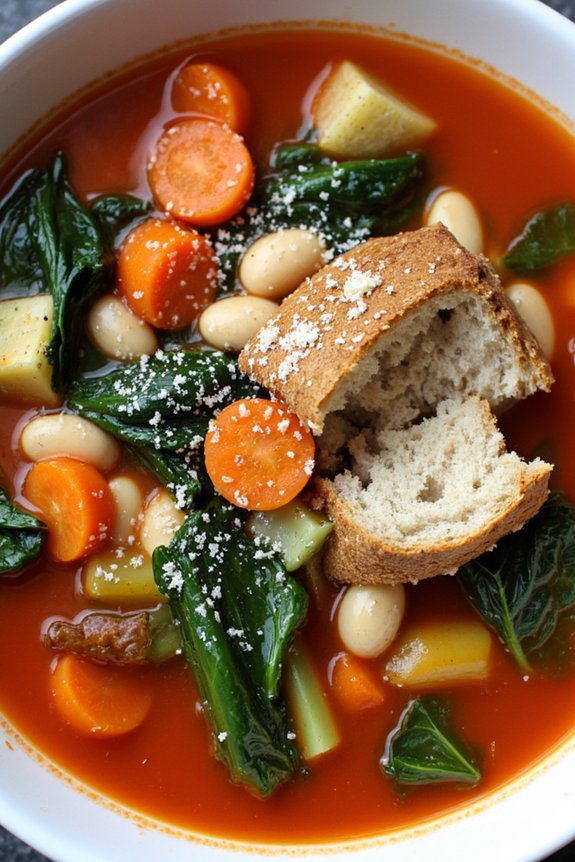
Ribollita is a classic Tuscan soup that embodies the essence of traditional Italian cooking: simple, hearty, and full of flavor. Originally a peasant dish, this soup is a wonderful way to make use of stale bread and leftovers, transforming them into a comforting bowl of goodness. The name “ribollita” translates to “reboiled,” as it was typically made by reheating leftover vegetable soup and adding bread to thicken it. Bursting with the flavors of vegetables and herbs, Ribollita is a wholesome, satisfying meal perfect for cold days or when you crave something warm and nourishing.
The beauty of Ribollita lies in its simplicity and adaptability. While the core ingredients often include cannellini beans, kale, and stale bread, variations abound based on what vegetables are available or in season. The key is to let the flavors meld and develop over time, creating a rich and deeply satisfying dish. This recipe serves 4-6 people and is ideal for those who appreciate the rustic charm of traditional Italian cuisine.
Ingredients:
- 2 tablespoons olive oil
- 1 large onion, chopped
- 2 carrots, peeled and diced
- 2 celery stalks, diced
- 3 cloves garlic, minced
- 1 can (400g) of diced tomatoes
- 1 teaspoon dried thyme
- 1 teaspoon dried rosemary
- 2 bay leaves
- 1 can (400g) of cannellini beans, drained and rinsed
- 1 bunch of kale, stems removed and leaves chopped
- 4 cups vegetable broth
- Salt and pepper, to taste
- 4 cups stale bread, torn into pieces
- 1/4 cup grated Parmesan cheese (optional)
Cooking Instructions:
- Prepare the Base: Heat the olive oil in a large pot over medium heat. Add the chopped onion, carrots, and celery, and cook for about 10 minutes until the vegetables are soft and the onion is translucent. Stir in the minced garlic and cook for another minute until fragrant.
- Add Tomatoes and Herbs: Pour in the diced tomatoes along with their juices, and add the dried thyme, rosemary, and bay leaves. Stir to combine and let the mixture simmer for about 5 minutes, allowing the flavors to meld together.
- Incorporate Beans and Kale: Add the drained cannellini beans and the chopped kale to the pot. Stir well to combine, ensuring the kale is wilted slightly by the heat.
- Simmer the Soup: Pour in the vegetable broth and bring the mixture to a boil. Once boiling, lower the heat to a simmer and let the soup cook for about 30 minutes, stirring occasionally. This will help the flavors deepen and the kale to become tender.
- Add Bread and Season: After 30 minutes, add the torn pieces of stale bread to the soup. Stir to incorporate and let the bread absorb the liquid and dissolve slightly, thickening the soup. Season with salt and pepper to taste.
- Finish and Serve: If using, stir in the grated Parmesan cheese just before serving. Ladle the soup into bowls and enjoy it warm, savoring the rich and hearty flavors.
Extra Tips:
For the best results, prepare Ribollita a day in advance and reheat it before serving. This allows the flavors to fully develop and intensify overnight.
If you have leftover soup, it can be stored in an airtight container in the refrigerator for up to three days. The soup can also be frozen for up to three months, making it a convenient option for meal planning.
When reheating, you may need to add a bit of water or broth if the soup has thickened too much. Finally, feel free to customize Ribollita by adding other vegetables like zucchini or potatoes, depending on your preference and availability.
Homemade Lasagna Bolognese
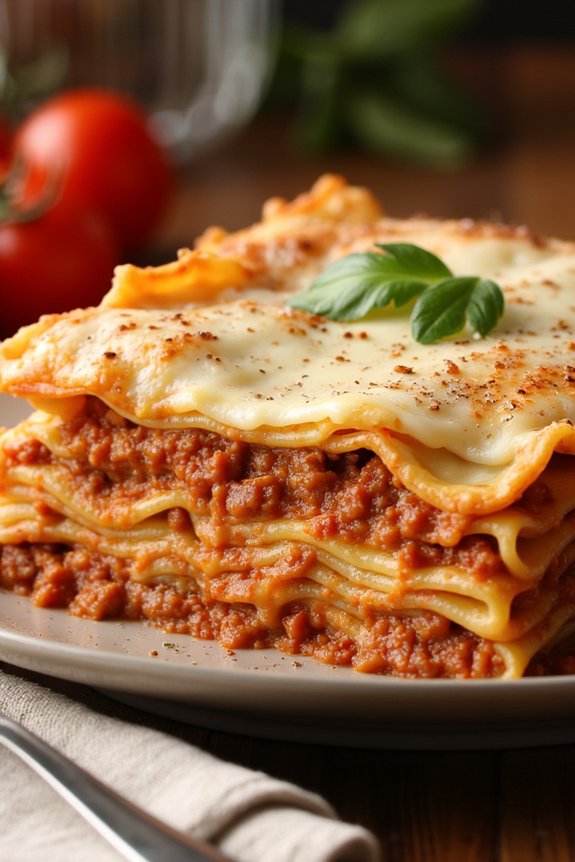
Homemade Lasagna Bolognese is a classic Italian dish that perfectly embodies the essence of Italian comfort food. The layers of rich, savory Bolognese sauce, creamy béchamel, and tender pasta sheets come together to create a mouthwatering culinary experience. Each bite is a harmonious blend of textures and flavors that transport you straight to a cozy Italian kitchen. The careful preparation and layering of ingredients are integral to attaining the authentic taste and structure of this beloved dish.
This recipe for Homemade Lasagna Bolognese serves 4-6 people and is perfect for a family gathering or a cozy dinner with friends. The key to a successful lasagna lies in the quality of its components, particularly the Bolognese sauce, which requires time and patience to develop its full flavor. Pair this dish with a simple green salad and a glass of red wine to complete your Italian feast.
Ingredients:
- 9 lasagna noodles
- 1 tablespoon olive oil
- 1 pound ground beef
- 1/2 pound ground pork
- 1 onion, finely chopped
- 2 carrots, finely chopped
- 2 celery stalks, finely chopped
- 3 cloves garlic, minced
- 1 can (28 ounces) crushed tomatoes
- 2 tablespoons tomato paste
- 1 cup beef broth
- 1/2 cup whole milk
- 1 teaspoon dried oregano
- 1 teaspoon dried basil
- Salt and pepper to taste
- 1/4 cup chopped fresh parsley
- 3 tablespoons butter
- 3 tablespoons all-purpose flour
- 2 cups whole milk (for béchamel)
- 1/4 teaspoon nutmeg
- 2 cups shredded mozzarella cheese
- 1 cup grated Parmesan cheese
Cooking Instructions:
- Prepare the Bolognese Sauce: In a large skillet over medium heat, add olive oil. Once hot, add the ground beef and pork, cooking until browned. Remove excess fat. Add onion, carrots, celery, and garlic, sautéing until vegetables are tender.
- Simmer the Sauce: Stir in crushed tomatoes, tomato paste, beef broth, whole milk, oregano, basil, salt, and pepper. Bring to a simmer, then reduce heat to low. Let the sauce cook for about 1.5 to 2 hours, stirring occasionally. Just before finishing, stir in fresh parsley.
- Cook the Noodles: While the sauce simmers, cook the lasagna noodles according to package instructions. Once cooked, drain and lay them flat on a towel.
- Make the Béchamel Sauce: In a saucepan, melt butter over medium heat. Stir in flour, cooking for 1 minute. Gradually whisk in 2 cups of whole milk. Continue to whisk until the sauce thickens. Season with nutmeg, salt, and pepper.
- Preheat the Oven: Preheat your oven to 375°F (190°C).
- Assemble the Lasagna: In a 9×13 inch baking dish, spread a thin layer of Bolognese sauce. Place a layer of noodles on top, followed by more Bolognese sauce, a layer of béchamel, and a sprinkle of mozzarella and Parmesan cheese. Repeat the layers, finishing with béchamel and a generous topping of cheeses.
- Bake the Lasagna: Cover the dish with foil and bake in the preheated oven for 25 minutes. Remove the foil and bake for an additional 15 minutes, or until the cheese is golden and bubbling. Let it cool for 10 minutes before serving.
Extra Tips:
For an even richer flavor, you can make the Bolognese sauce a day in advance, allowing the flavors to meld together overnight in the refrigerator. If you want to save time, prepare the béchamel sauce while the Bolognese is simmering.
Additionally, ascertain your lasagna noodles are slightly undercooked before baking, as they’ll continue to cook in the oven. Finally, let the lasagna rest for a few minutes after baking to make slicing and serving easier, maintaining the integrity of each layered piece. Enjoy your homemade Lasagna Bolognese with freshly grated Parmesan on top for an extra touch of Italian authenticity.
Timeless Pesto Alla Genovese
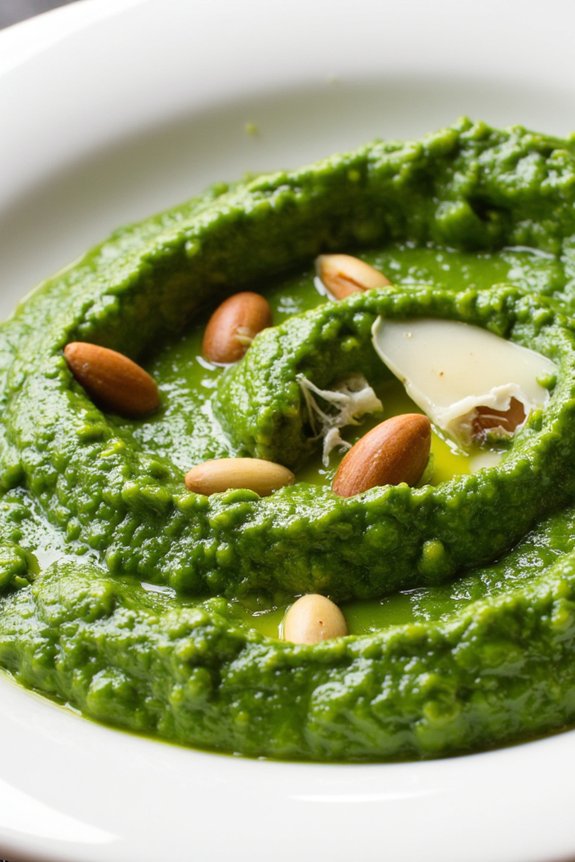
Pesto Alla Genovese is a quintessential Italian sauce hailing from the Liguria region, known for its vibrant green color and rich aromatic flavor. This classic sauce is made by blending fresh basil leaves with pine nuts, garlic, Parmesan cheese, and olive oil, resulting in a fragrant and versatile condiment that can elevate a variety of dishes.
Originally crafted using a marble mortar and pestle, this traditional method allows the ingredients to release their natural oils and aromas, creating a beautifully harmonious blend. In modern kitchens, a food processor can be used for convenience, though purists still prefer the manual method for its authentic texture and flavor.
Perfect for tossing with pasta, spreading on bread, or using as a dip, Pesto Alla Genovese offers endless culinary possibilities. This recipe serves 4-6 people and can be adjusted to suit your preferences, whether you like your pesto creamier with more cheese or nuttier with additional pine nuts.
While easy to make, the quality of the ingredients is paramount; choosing fresh basil, high-quality olive oil, and authentic Parmesan will guarantee the best results. With this timeless recipe, you can bring a piece of Italy to your table and enjoy the simple yet profound pleasures of traditional Italian cuisine.
Ingredients for 4-6 servings:
- 2 cups fresh basil leaves
- 1/2 cup extra-virgin olive oil
- 1/3 cup pine nuts
- 2 garlic cloves
- 1/2 cup grated Parmesan cheese
- Salt to taste
- Optional: 2 tablespoons Pecorino cheese
Cooking Instructions:
- Prepare the Ingredients: Begin by washing the basil leaves thoroughly under cold water. Pat them dry with a clean kitchen towel or paper towels, making sure all excess moisture is removed.
- Toast the Pine Nuts: In a small skillet over medium heat, add the pine nuts and toast them gently. Stir frequently until they turn golden brown, which should take about 3-5 minutes. Remove from heat and let them cool.
- Blend the Ingredients: In a food processor, combine the basil leaves, toasted pine nuts, and garlic cloves. Pulse until the mixture forms a coarse paste.
- Add the Cheese: Add the grated Parmesan cheese (and Pecorino if using) to the basil mixture. Pulse a few times to incorporate the cheese evenly.
- Incorporate the Olive Oil: With the food processor running, slowly drizzle in the olive oil. Continue blending until the pesto is smooth and emulsified. If you prefer a chunkier consistency, pulse the mixture until you reach your desired texture.
- Season the Pesto: Taste the pesto and add salt as needed. Blend again briefly to mix in the salt.
- Store or Serve: Transfer the pesto to a jar or airtight container. If not using immediately, cover the surface with a thin layer of olive oil to prevent oxidation. Refrigerate until ready to use.
Extra Tips:
When making Pesto Alla Genovese, the freshness and quality of your ingredients are key. Fresh basil should be bright green and aromatic, with no wilting.
If you’re using a food processor, be mindful of over-processing the ingredients, as this can lead to a bitter taste. For an authentic texture, consider using a mortar and pestle to grind the ingredients manually.
For storage, pesto can be frozen in ice cube trays for easy portioning; just remember to top each cube with a little olive oil before freezing to preserve its color and flavor.
Hearty Minestrone Soup
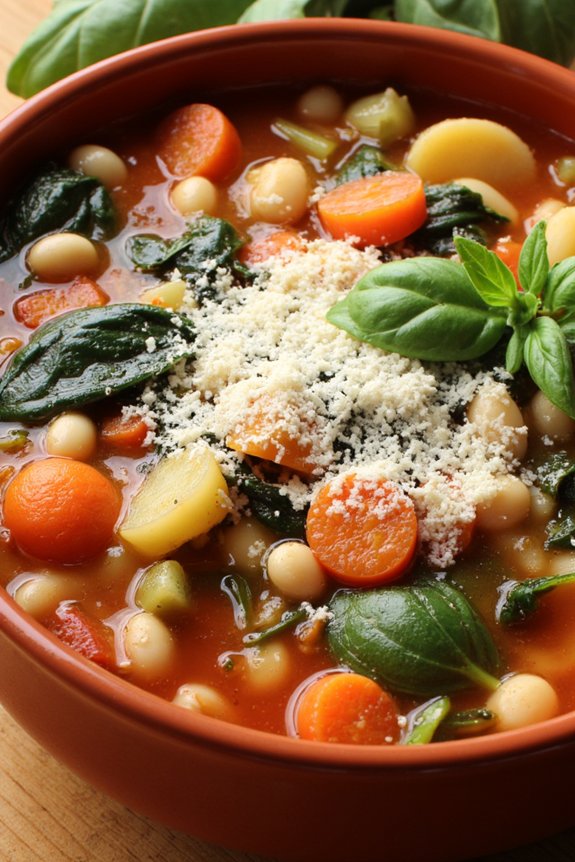
Minestrone soup is a traditional Italian dish that’s celebrated for its rich flavors and nourishing ingredients, making it a perfect choice for a hearty meal. Originating from Italy, this soup is characterized by its variety of vegetables, beans, and pasta, all simmered together in a flavorful broth.
This wholesome soup can be enjoyed as a starter or a main course, especially during the colder months when a warm, comforting bowl of soup is much appreciated. Each Italian region has its own variation of minestrone, but the essence remains the same: utilizing fresh, seasonal ingredients to create a dish that’s both nutritious and satisfying.
In this recipe, we’ll guide you through creating a classic Hearty Minestrone Soup that serves 4-6 people. This version includes a medley of vegetables such as carrots, celery, potatoes, and zucchini, complemented by the hearty addition of cannellini beans and small pasta. The soup is seasoned with aromatic herbs for an authentic Italian flavor.
Whether you’re a seasoned cook or a beginner, this recipe is straightforward and will fill your kitchen with the delightful aroma of Italian cuisine.
Ingredients:
- 2 tablespoons olive oil
- 1 onion, diced
- 2 cloves garlic, minced
- 2 carrots, diced
- 2 celery stalks, diced
- 1 medium potato, peeled and diced
- 1 zucchini, diced
- 1 can (14 oz) diced tomatoes
- 6 cups vegetable broth
- 1 can (15 oz) cannellini beans, drained and rinsed
- 1 cup small pasta (such as ditalini or elbow)
- 1 teaspoon dried oregano
- 1 teaspoon dried basil
- Salt and black pepper to taste
- 2 cups fresh spinach leaves
- Grated Parmesan cheese for serving (optional)
Cooking Instructions:
- Prepare the Vegetables: Begin by heating the olive oil in a large pot over medium heat. Add the diced onion and sauté for about 3 minutes until translucent. Stir in the minced garlic and continue to sauté for another minute until fragrant.
- Add the Vegetables: Add the diced carrots, celery, potato, and zucchini to the pot. Stir well and cook for about 5 minutes, allowing the vegetables to soften slightly.
- Incorporate Tomatoes and Broth: Pour in the diced tomatoes (with their juice) and the vegetable broth. Stir to combine all ingredients, then bring the mixture to a boil.
- Season the Soup: Once boiling, add the oregano, basil, salt, and black pepper. Reduce the heat to a simmer and let the soup cook for about 15 minutes, allowing the flavors to meld together.
- Add Beans and Pasta: Stir in the cannellini beans and pasta. Continue to simmer the soup for another 10-12 minutes, or until the pasta is cooked al dente.
- Finish with Spinach: Add the fresh spinach leaves into the pot and stir until wilted, which should take about 2 minutes.
- Serve: Ladle the hot minestrone soup into bowls and top with grated Parmesan cheese if desired. Serve immediately.
Extra Tips:
For an even richer flavor, consider adding a Parmesan rind to the soup while it’s simmering, then remove it before serving. If you prefer a thicker soup, mash some of the beans before adding them to the pot.
Minestrone is a flexible dish, so feel free to substitute or add seasonal vegetables that you have on hand. To make this soup gluten-free, use gluten-free pasta. Leftovers can be stored in the refrigerator for up to three days or frozen for up to three months. Enjoy this classic Italian soup with a slice of crusty bread for the ultimate comfort meal.
Iconic Risotto Alla Milanese

Risotto Alla Milanese is one of the most iconic dishes from Northern Italy, specifically the Lombardy region. Known for its vibrant golden color and rich flavor, this dish is a reflection of the elegance and simplicity of Italian cuisine. The star ingredient that gives Risotto Alla Milanese its distinctive hue is saffron, a luxurious spice that infuses the rice with both its color and a subtle, earthy aroma. This dish is traditionally served as a primo piatto, or first course, but its creamy texture and savory depth make it a comforting meal on its own.
The origins of Risotto Alla Milanese are steeped in tradition, dating back to the 16th century. The combination of Arborio rice, simmered slowly in a flavorful broth and enriched with butter and Parmesan cheese, creates a rich and creamy dish that perfectly encapsulates the essence of Milanese cooking. Perfect for a family dinner or a special occasion, Risotto Alla Milanese is a dish that brings both warmth and a touch of opulence to the table.
Ingredients (Serves 4-6):
- 2 cups Arborio rice
- 5 cups chicken or vegetable broth
- 1/2 cup dry white wine
- 1/2 teaspoon saffron threads
- 1 medium onion, finely chopped
- 1/2 cup grated Parmesan cheese
- 3 tablespoons unsalted butter
- 2 tablespoons olive oil
- Salt, to taste
- Freshly ground black pepper, to taste
Instructions:
1. Prepare the Broth and Saffron:
Begin by heating the chicken or vegetable broth in a saucepan over low heat. Once warm, add the saffron threads and let them steep in the broth for at least 5 minutes, allowing the saffron to infuse its color and flavor into the liquid.
2. Sauté the Onion:
In a large, heavy-bottomed pan, heat the olive oil over medium heat. Add the finely chopped onion and sauté until it becomes translucent and soft, about 5 minutes. Be careful not to brown the onion, as this can alter the flavor of the risotto.
3. Toast the Rice:
Stir in the Arborio rice with the sautéed onion, ensuring that each grain is coated with oil. Cook for 2-3 minutes until the edges of the rice grains start to look translucent. This step helps to create the perfect texture for the risotto.
4. Deglaze with Wine:
Pour in the dry white wine and stir continuously until the wine is absorbed by the rice. This adds a depth of flavor to the dish.
5. Add the Saffron Broth:
Begin adding the saffron-infused broth, one ladle at a time, to the rice. Stir frequently, allowing the broth to be fully absorbed before adding the next ladle. Continue this process until the rice is creamy and tender, which should take about 18-20 minutes.
6. Incorporate Butter and Cheese:
Once the rice is cooked, remove the pan from heat and stir in the butter and grated Parmesan cheese until melted and fully incorporated. Season with salt and freshly ground black pepper to taste.
7. Serve Immediately:
Risotto is best served immediately while it’s still creamy. Plate the risotto in shallow bowls, and if desired, sprinkle a little extra Parmesan cheese on top.
Extra Tips:
Achieving the perfect texture in Risotto Alla Milanese requires patience and attention. It’s essential to stir the risotto often as it cooks, which helps to release the starch from the rice, giving the dish its characteristic creaminess.
Additionally, make sure to use high-quality saffron and Parmesan cheese, as these ingredients greatly impact the overall flavor. If you find the risotto is too thick once it’s finished, you can loosen it with a little extra warm broth. Remember, risotto should have a flowing, almost soupy consistency when served.
Classic Tiramisu Dessert

Tiramisu is one of Italy’s most beloved desserts, a heavenly layering of coffee-soaked ladyfingers, rich mascarpone cream, and a dusting of cocoa powder. Its origins trace back to the Veneto region during the 1960s, and it has since gained worldwide popularity for its exquisite balance of flavors and textures.
The key to an authentic tiramisu lies in the quality of its ingredients, particularly the mascarpone cheese and espresso.
This recipe serves 4-6 people, providing a generous portion of this classic Italian treat. The process involves assembling the layers of coffee-drenched ladyfingers and creamy mascarpone mixture before allowing it to set in the refrigerator. This critical chilling step guarantees the flavors meld beautifully, delivering the signature taste and mouthfeel of a traditional tiramisu.
Ingredients:
- 6 large egg yolks
- 3/4 cup granulated sugar
- 2/3 cup milk
- 1 1/4 cups heavy cream
- 1/2 teaspoon pure vanilla extract
- 8 ounces mascarpone cheese
- 1 cup strong brewed espresso, cooled
- 1/4 cup coffee liqueur (optional)
- 24 ladyfingers (savoiardi)
- 2 tablespoons unsweetened cocoa powder
- Dark chocolate shavings (optional, for garnish)
Cooking Instructions:
1. Prepare the Custard Base: In a medium saucepan, whisk together the egg yolks and sugar until well blended. Whisk in the milk and cook over medium heat, stirring constantly, until the mixture thickens and coats the back of a spoon. This should take about 8-10 minutes.
Remove from heat and allow it to cool slightly before transferring to a bowl. Cover with plastic wrap and chill in the refrigerator for 1 hour.
2. Whip the Cream: In a large mixing bowl, combine the heavy cream and vanilla extract. Beat with an electric mixer on high speed until stiff peaks form. Gently fold in the mascarpone cheese until smooth and incorporated.
3. Combine the Coffee Mixture: In a shallow dish, mix the brewed espresso with the coffee liqueur (if using). Dip each ladyfinger into the coffee mixture for about 1-2 seconds, making sure they’re moist but not soaked.
4. Assemble the Tiramisu: In a 9×9 inch baking dish or a similarly sized serving dish, arrange a layer of coffee-dipped ladyfingers at the bottom. Spread half of the mascarpone mixture over the ladyfingers, smoothing the surface with a spatula.
Repeat with another layer of dipped ladyfingers and the remaining mascarpone mixture.
5. Chill the Dessert: Cover the dish with plastic wrap and refrigerate for at least 4 hours, or preferably overnight, allowing the flavors to meld together beautifully.
6. Finish and Serve: Just before serving, sift the unsweetened cocoa powder over the top of the tiramisu. Optionally, garnish with dark chocolate shavings for an extra touch of indulgence.
Extra Tips:
For the best results, always use high-quality mascarpone cheese, as it’s the cornerstone of tiramisu’s creamy texture. Confirm the espresso is well-cooled before dipping the ladyfingers to prevent them from becoming overly soggy.
If you prefer a more pronounced coffee flavor, consider adding an extra tablespoon of coffee liqueur to the espresso mixture. Finally, allowing the tiramisu to chill overnight enhances its taste and texture, making it even more delectable.
Traditional Sicilian Cannoli

Traditional Sicilian Cannoli is a classic Italian dessert that hails from the beautiful island of Sicily. Known for its crispy shell and creamy filling, this delightful treat has been cherished for centuries. The cannoli shell, traditionally made from rolled dough and then fried, creates a perfect vessel for the sweet and tangy filling made from ricotta cheese.
Sicilian Cannoli is often flavored with ingredients like citrus zest, chocolate chips, or candied fruits, providing a unique and satisfying contrast of textures and flavors.
The origins of cannoli date back to the Arab occupation of Sicily, where they were originally prepared as a celebration of the Carnival season. Over the years, this dessert has become a symbol of Sicilian culinary tradition, enjoyed by locals and visitors alike.
Whether served as a dessert at a festive gathering or enjoyed as a sweet indulgence on a quiet afternoon, Traditional Sicilian Cannoli is a masterpiece of Italian pastry that continues to captivate the taste buds of all who try it.
Ingredients for 4-6 servings:
- 2 cups all-purpose flour
- 2 tablespoons granulated sugar
- 1 teaspoon unsweetened cocoa powder
- 1/4 teaspoon ground cinnamon
- 1/4 teaspoon salt
- 3 tablespoons unsalted butter, cut into small pieces
- 1 egg, lightly beaten
- 1/4 cup Marsala wine or white wine
- 1 egg white, lightly beaten
- Vegetable oil, for frying
- 2 cups ricotta cheese
- 1 cup powdered sugar
- 1 teaspoon vanilla extract
- 1/4 cup mini chocolate chips
- 1/4 cup candied orange peel or zest of one orange
- 1/2 teaspoon ground cinnamon
- Powdered sugar, for dusting
Cooking Instructions:
1. Prepare the Dough: In a large bowl, combine the flour, granulated sugar, cocoa powder, ground cinnamon, and salt. Add the butter and mix until the mixture resembles coarse crumbs. Stir in the beaten egg and Marsala wine, mixing until the dough comes together.
Knead the dough on a lightly floured surface until smooth, about 5 minutes. Cover with plastic wrap and refrigerate for at least 1 hour.
2. Make the Filling: While the dough is chilling, prepare the filling by combining the ricotta cheese, powdered sugar, and vanilla extract in a medium bowl. Mix until smooth. Fold in the mini chocolate chips, candied orange peel, and ground cinnamon. Cover and refrigerate until ready to use.
3. Roll and Cut the Dough: After the dough has chilled, roll it out on a lightly floured surface to about 1/8-inch thickness. Using a round cutter (about 4 inches in diameter), cut out circles from the dough. Wrap each circle around a metal cannoli tube, sealing the edges with a little egg white.
4. Fry the Shells: In a deep saucepan, heat vegetable oil to 350°F (175°C). Carefully lower the cannoli tubes into the hot oil and fry until golden brown, about 3-4 minutes. Remove from the oil and drain on paper towels. Allow to cool slightly before carefully removing the shells from the tubes.
5. Fill the Shells: Once the shells are completely cooled, fill a piping bag with the ricotta mixture. Pipe the filling into each shell from both ends to guarantee it’s evenly filled. Dust with powdered sugar before serving.
Extra Tips:
For the best results, verify that the ricotta cheese is well-drained before preparing the filling to avoid a runny texture. If you don’t have metal cannoli tubes, you can use wooden dowels or fashion tubes out of aluminum foil.
To add a twist to your cannoli, try experimenting with different fillings such as pistachio, chocolate, or even coffee-flavored ricotta. Remember, the shells should be filled just before serving to maintain their crispiness.
Enjoy your Traditional Sicilian Cannoli with a cup of espresso for an authentic Italian experience!
