

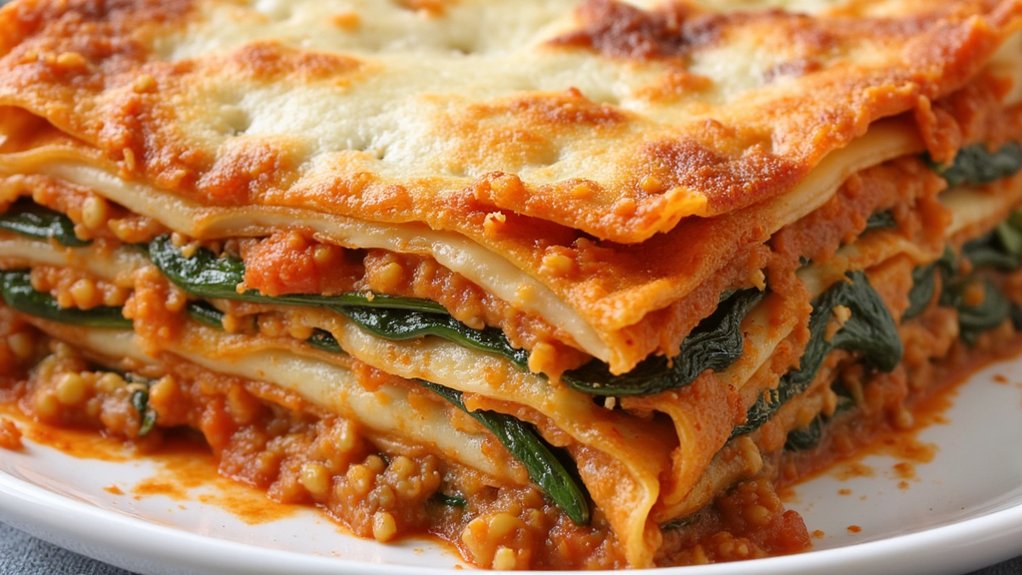
I’ve found a delightful collection of Italian vegan pasta recipes that will make your taste buds sing. Imagine creamy cashew Alfredo cascading over fettuccine or vibrant zucchini noodles twirling in pesto. These dishes transform simple plants into flavorful and nourishing meals. Whether you cherish classic pasta or love trying new flavors, these recipes are sure to please. Ready to discover some plant-based magic?
Creamy Cashew Alfredo Pasta
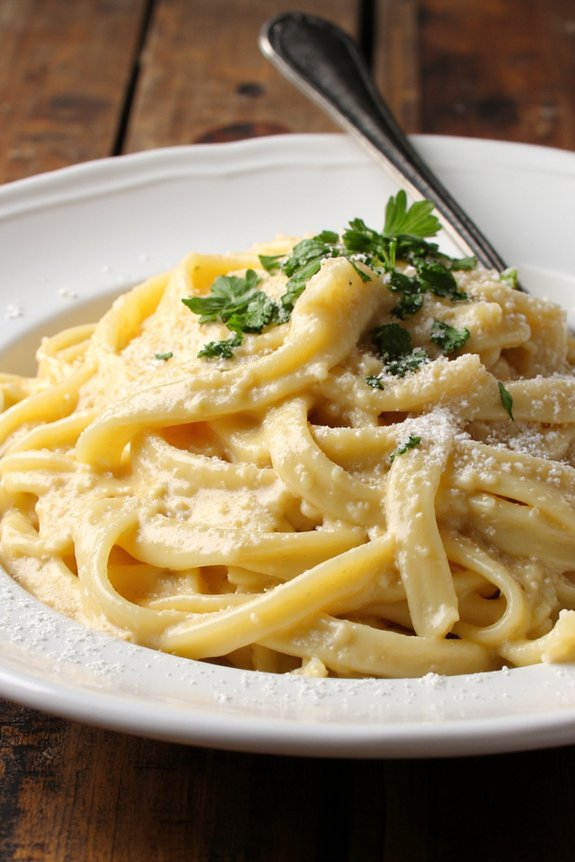
Creamy Cashew Alfredo Pasta is a delightful Italian vegan dish that combines the rich, nutty flavors of cashews with the comforting warmth of a classic Alfredo sauce. This dish is perfect for those seeking a plant-based alternative to traditional creamy pasta recipes.
By using soaked cashews blended with nutritional yeast and garlic, the sauce achieves a smooth and velvety texture that coats every strand of pasta beautifully. Whether you’re hosting a dinner party or simply craving a comforting meal, this dish is sure to impress both vegans and non-vegans alike.
This recipe isn’t only delicious but also simple to make, requiring only a few key ingredients that are easy to find. It serves 4-6 people, making it an ideal choice for family dinners or gatherings with friends.
The creamy cashew Alfredo sauce is tossed with your favorite pasta, then garnished with fresh herbs for a pop of color and flavor. By following these straightforward instructions, you’ll be able to create a dish that’s both satisfying and nourishing.
Ingredients for 4-6 servings:
- 2 cups raw cashews
- 1 cup water (for blending)
- 1/4 cup nutritional yeast
- 3 cloves garlic, minced
- 2 tablespoons lemon juice
- 1 teaspoon salt
- 1/2 teaspoon black pepper
- 1/4 teaspoon nutmeg (optional)
- 1 pound pasta of your choice (fettuccine or linguine recommended)
- 2 tablespoons olive oil
- Fresh parsley, chopped (for garnish)
- Vegan parmesan cheese (optional, for serving)
Cooking Instructions:
- Soak the Cashews: Begin by soaking the cashews in a bowl of water for at least 4 hours, or overnight if possible. This softens the cashews, making them easier to blend into a creamy sauce.
- Prepare the Sauce: Drain the soaked cashews and add them to a blender along with 1 cup of water, nutritional yeast, minced garlic, lemon juice, salt, black pepper, and optional nutmeg. Blend until the mixture is completely smooth and creamy. You may need to scrape down the sides of the blender a few times to guarantee even blending.
- Cook the Pasta: Bring a large pot of salted water to a boil. Add your chosen pasta and cook according to package instructions until al dente. Reserve about 1/2 cup of pasta water before draining the pasta.
- Combine the Sauce and Pasta: In a large skillet, heat the olive oil over medium heat. Pour the cashew Alfredo sauce into the skillet and gently heat it, stirring continuously. If the sauce is too thick, gradually add a little reserved pasta water until it reaches your desired consistency.
- Toss the Pasta: Add the cooked pasta to the skillet, tossing it with the sauce until fully coated. Make sure the pasta is heated through and well-mixed with the sauce.
- Serve and Garnish: Divide the creamy cashew Alfredo pasta among serving plates. Garnish with chopped fresh parsley and sprinkle with vegan parmesan cheese if desired.
Extra Tips:
When making this Creamy Cashew Alfredo Pasta, it’s essential to achieve the right consistency for the sauce. If your sauce is too thick, you can adjust it by adding more pasta water or a splash of plant-based milk.
Be sure to taste the sauce before serving and adjust seasoning as needed, adding more salt, pepper, or lemon juice to suit your taste. Additionally, this recipe is versatile; you can easily add sautéed vegetables like mushrooms, spinach, or broccoli to enhance the dish further.
Enjoy this creamy, comforting pasta with a side of crusty bread for a complete meal.
Zucchini Noodles With Pesto
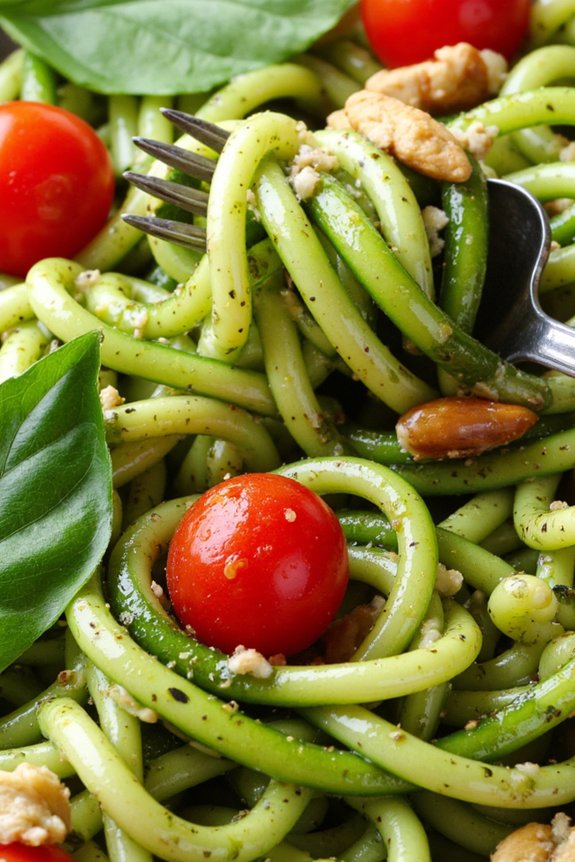
Zucchini Noodles with Pesto is a delightful Italian vegan dish that offers a fresh and healthy twist to traditional pasta. By substituting regular pasta with zucchini noodles, this recipe caters to those seeking a lighter meal without compromising on flavor.
The vibrant basil pesto, enriched with a nutty undertone, complements the mild taste of zucchini, making this dish a perfect choice for a summer meal or a light dinner. Ideal for people on a vegan diet or those looking to increase their vegetable intake, this dish is both nutritious and satisfying.
This recipe is quick and easy to prepare, requiring minimal cooking time, which helps retain the zucchini’s natural nutrients and crunch. The homemade pesto sauce can be made in advance, adding convenience for busy cooks.
Perfect for serving 4-6 people, this dish isn’t only visually appealing but also packed with flavors that will tantalize your taste buds. Whether you’re hosting a dinner party or looking for a quick weeknight meal, Zucchini Noodles with Pesto is sure to impress.
Ingredients (Serves 4-6)
- 4 medium zucchinis
- 1 cup fresh basil leaves
- 1/2 cup pine nuts
- 2 cloves garlic
- 1/2 cup nutritional yeast
- 3/4 cup extra virgin olive oil
- Salt and pepper to taste
- 1 tablespoon lemon juice
- Cherry tomatoes, halved (optional, for garnish)
Cooking Instructions
- Prepare the Zucchini Noodles: Wash the zucchinis thoroughly. Using a spiralizer, create zucchini noodles. If a spiralizer isn’t available, a julienne peeler can be used. Set the noodles aside in a large bowl.
- Make the Pesto Sauce: In a food processor, combine the basil leaves, pine nuts, garlic cloves, and nutritional yeast. Pulse until the ingredients are finely chopped.
- Add Olive Oil and Seasoning: With the processor running, slowly pour in the olive oil until the mixture becomes smooth and creamy. Add salt, pepper, and lemon juice, and pulse again to combine. Taste and adjust seasoning as needed.
- Combine Pasta and Sauce: Pour the pesto sauce over the zucchini noodles. Using tongs, gently toss the noodles until they’re evenly coated with the pesto. Confirm that the noodles are well mixed without breaking them.
- Serve: Transfer the zucchini noodles to a serving dish. If desired, garnish with halved cherry tomatoes for additional color and flavor. Serve immediately for the best texture.
Extra Tips
To enhance the flavor, lightly toast the pine nuts before adding them to the pesto. This will bring out their natural oils and add a richer taste to the sauce.
If you prefer warm zucchini noodles, you can lightly sauté them in a pan over medium heat for 1-2 minutes before tossing them with the pesto. Be careful not to overcook them, as they can become mushy.
Finally, store any leftover pesto in an airtight container in the refrigerator for up to a week, allowing you to quickly whip up another batch of this delicious dish.
Vegan Bolognese Spaghetti
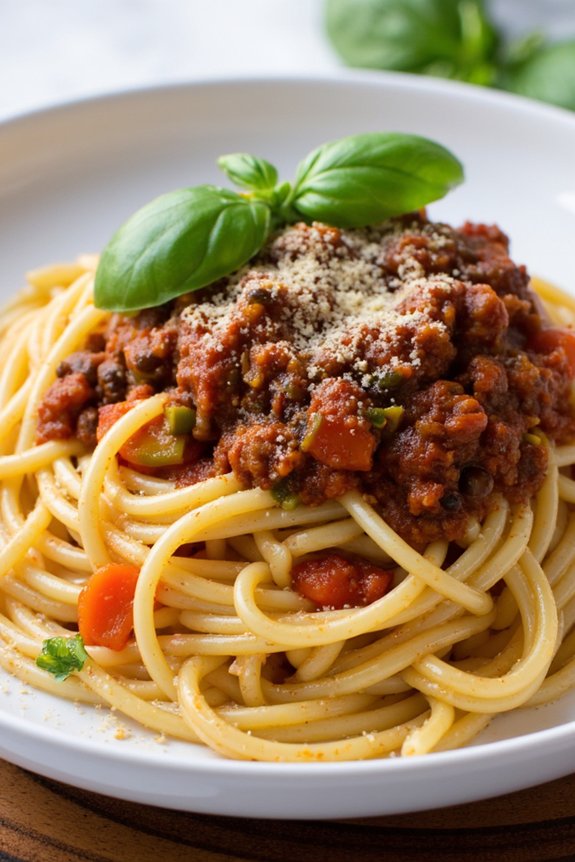
Vegan Bolognese Spaghetti is a delightful plant-based twist on the classic Italian pasta dish, traditionally made with meat. This vegan version substitutes meat with hearty and protein-rich lentils and mushrooms, delivering a rich and satisfying sauce that pairs perfectly with spaghetti. The dish is aromatic, thanks to a medley of Italian herbs and spices, and it’s both comforting and nutritious, making it a fantastic option for a family dinner or a cozy meal with friends.
The sauce is simmered to perfection, allowing the flavors to meld beautifully, resulting in a robust and savory experience. Not only does this recipe offer a delicious and hearty meal, but it’s also packed with nutrients from the vegetables and lentils. Whether you’re a seasoned vegan or just exploring plant-based options, Vegan Bolognese Spaghetti is a dish that everyone will love, full of flavor and completely satisfying.
Ingredients for 4-6 servings:
- 400g spaghetti
- 2 tablespoons olive oil
- 1 onion, finely chopped
- 2 cloves garlic, minced
- 2 carrots, diced
- 2 celery stalks, diced
- 250g mushrooms, chopped
- 1 cup green or brown lentils, cooked
- 1 can (400g) crushed tomatoes
- 2 tablespoons tomato paste
- 1 teaspoon dried oregano
- 1 teaspoon dried basil
- 1/2 teaspoon red pepper flakes (optional)
- Salt and pepper to taste
- Fresh basil for garnish
- Nutritional yeast or vegan parmesan (optional)
Cooking Instructions:
- Prepare the Spaghetti: Bring a large pot of salted water to a boil. Add the spaghetti and cook according to the package instructions until al dente. Drain and set aside.
- Sauté the Vegetables: In a large pan, heat the olive oil over medium heat. Add the chopped onion and garlic, and sauté for about 2-3 minutes, until the onion becomes translucent and aromatic.
- Add Carrots and Celery: Stir in the diced carrots and celery, and cook for another 5 minutes until they begin to soften.
- Cook the Mushrooms: Add the chopped mushrooms to the pan and cook for about 5 minutes, stirring occasionally, until they release their moisture and begin to brown.
- Combine with Lentils and Tomatoes: Add the cooked lentils, crushed tomatoes, and tomato paste to the pan. Stir well to combine all the ingredients.
- Season the Sauce: Sprinkle in the dried oregano, dried basil, and red pepper flakes (if using). Season with salt and pepper to taste. Mix everything together thoroughly.
- Simmer the Sauce: Reduce the heat to low and let the sauce simmer for about 20-25 minutes, stirring occasionally, until it thickens and the flavors meld together.
- Serve: Toss the cooked spaghetti with the Bolognese sauce until well coated. Serve hot, garnished with fresh basil and a sprinkle of nutritional yeast or vegan parmesan, if desired.
Extra Tips:
For an even richer flavor, consider adding a splash of red wine to the sauce while it simmers. You can also experiment with different types of mushrooms, such as portobello or shiitake, to vary the texture and taste.
If you prefer a spicier kick, feel free to increase the amount of red pepper flakes. Additionally, make certain your lentils are cooked but not mushy to maintain a nice texture in the sauce.
This Vegan Bolognese Spaghetti can be stored in an airtight container in the refrigerator for up to three days, making it perfect for meal prep. Enjoy!
Eggplant and Tomato Penne
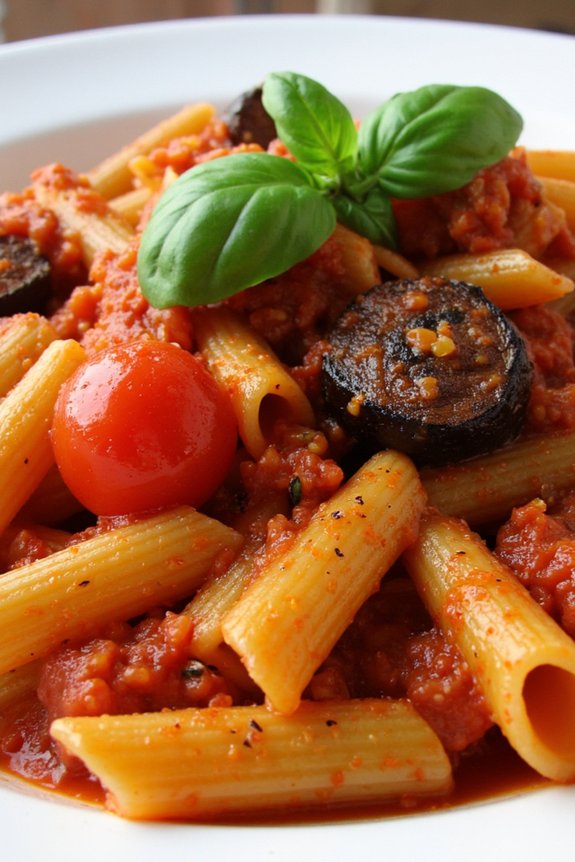
Eggplant and Tomato Penne is a delightful Italian vegan pasta recipe that brings together the rich, earthy flavors of eggplant with the tangy sweetness of ripe tomatoes. This dish is perfect for a cozy dinner at home, offering a hearty meal that’s both satisfying and nutritious. The combination of penne pasta with a savory tomato sauce, infused with aromatic herbs and spices, provides a delightful experience for the taste buds.
The eggplant adds a unique texture and absorbs the flavors beautifully, creating a harmonious blend that’s sure to please both vegans and non-vegans alike. This recipe isn’t only delicious but also incredibly easy to prepare, making it a great option for weeknight dinners or casual gatherings with friends and family.
With a few simple steps, you can have a wholesome and flavorful dish on the table that everyone will enjoy. Whether you’re a seasoned cook or a beginner in the kitchen, this Eggplant and Tomato Penne is a straightforward recipe that delivers on taste and presentation.
Ingredients (Serves 4-6 people):
- 500g penne pasta
- 2 medium-sized eggplants
- 4 ripe tomatoes
- 1 medium onion, finely chopped
- 3 cloves garlic, minced
- 1 tablespoon olive oil
- 1 teaspoon dried oregano
- 1 teaspoon dried basil
- Salt and pepper to taste
- Fresh basil leaves for garnish
- Optional: Nutritional yeast or vegan parmesan for topping
Cooking Instructions:
1. Prepare the Eggplant: Begin by washing the eggplants thoroughly. Cut them into bite-sized cubes and place them in a colander. Sprinkle a generous amount of salt over the cubes and allow them to sit for about 20 minutes. This process helps to remove any bitterness.
Afterward, rinse the eggplant cubes under cold water and pat them dry with a clean kitchen towel.
2. Cook the Pasta: Fill a large pot with water and bring it to a boil. Add a pinch of salt and the penne pasta. Cook according to the package instructions until al dente. Once cooked, drain the pasta and set it aside.
3. Sauté the Vegetables: In a large pan, heat the olive oil over medium heat. Add the chopped onion and minced garlic, sautéing until they become translucent and fragrant. Add the eggplant cubes to the pan, stirring occasionally, until they become soft and lightly browned.
4. Prepare the Tomato Sauce: While the eggplant is cooking, chop the tomatoes into small pieces. Once the eggplant is ready, add the tomatoes to the pan along with the dried oregano, dried basil, salt, and pepper. Stir well to combine all the ingredients.
Allow the mixture to simmer on low heat for about 15 minutes, or until the tomatoes break down and form a thick sauce.
5. Combine and Serve: Add the cooked penne pasta to the pan with the eggplant and tomato sauce. Gently toss everything together until the pasta is well coated with the sauce. Adjust the seasoning if necessary.
Serve hot, garnished with fresh basil leaves and a sprinkle of nutritional yeast or vegan parmesan if desired.
Extra Tips:
- For a richer flavor, consider roasting the eggplant cubes in the oven before adding them to the sauce. This can enhance the depth of flavor and add a slight smokiness to the dish.
- If fresh tomatoes aren’t available, you can substitute them with canned diced tomatoes or tomato puree, adjusting the seasoning to taste.
- To add a bit of heat, consider including a pinch of red pepper flakes while sautéing the onions and garlic.
- For a gluten-free version, simply use gluten-free penne pasta instead.
Spinach and Artichoke Stuffed Shells
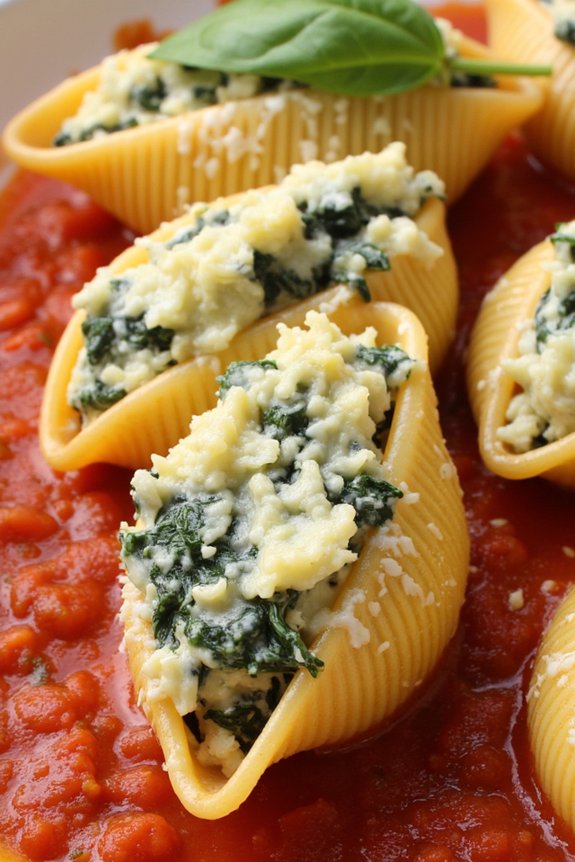
Spinach and Artichoke Stuffed Shells are a delightful twist on the classic Italian pasta dish, offering a flavorful and satisfying vegan alternative. These large pasta shells are stuffed with a creamy mixture of spinach and artichokes, combined with cashew ricotta for a rich and hearty filling. The dish is further enhanced by a robust marinara sauce, which adds a depth of flavor and a touch of acidity, complementing the richness of the filling.
Perfect for a family dinner or a gathering with friends, these stuffed shells are sure to impress both vegans and non-vegans alike. This dish isn’t only delicious but also relatively easy to prepare, making it an ideal choice for those looking to explore vegan cooking. The combination of spinach and artichokes guarantees a nutritious meal, packed with vitamins and minerals.
The use of cashew ricotta provides a creamy texture without the need for dairy, making this recipe suitable for those with dietary restrictions. With a little preparation and attention to detail, you can create a restaurant-quality meal right in your own kitchen.
Ingredients (serves 4-6):
- 20-24 jumbo pasta shells
- 2 cups fresh spinach, chopped
- 1 can (14 oz) artichoke hearts, drained and chopped
- 1 cup raw cashews, soaked for 2-4 hours
- 2 tablespoons nutritional yeast
- 1 tablespoon lemon juice
- 2 cloves garlic, minced
- 1 teaspoon salt
- 1/2 teaspoon black pepper
- 2 cups marinara sauce
- 1 tablespoon olive oil
- Fresh basil or parsley for garnish (optional)
Cooking Instructions:
- Preheat the oven: Start by preheating your oven to 375°F (190°C). This will make certain it’s ready to go once your stuffed shells are prepared.
- Cook the pasta shells: Bring a large pot of salted water to a boil. Add the jumbo pasta shells and cook until al dente, according to package instructions. Drain and set aside to cool slightly.
- Prepare the cashew ricotta: Drain the soaked cashews and add them to a food processor along with nutritional yeast, lemon juice, garlic, salt, and pepper. Blend until smooth and creamy, scraping down the sides as needed.
- Make the filling: In a large bowl, combine the chopped spinach, artichokes, and the prepared cashew ricotta. Mix well until all ingredients are fully incorporated.
- Stuff the shells: Carefully fill each cooked pasta shell with the spinach and artichoke mixture. Be gentle to avoid tearing the shells.
- Assemble the dish: Spread 1 cup of marinara sauce evenly on the bottom of a baking dish. Arrange the stuffed shells on top of the sauce in a single layer. Pour the remaining marinara sauce over the shells.
- Bake the shells: Cover the baking dish with aluminum foil and bake in the preheated oven for 25-30 minutes, or until the sauce is bubbly and the shells are heated through.
- Serve: Garnish with fresh basil or parsley if desired, and serve hot.
Extra Tips:
For best results, make sure to soak the cashews long enough to achieve a smooth ricotta texture; 2-4 hours is ideal, but you can also soak them overnight if preferred. If you’re short on time, a quick soak in boiling water for 30 minutes can work as well.
When draining the artichokes, press them gently to remove excess moisture, which helps prevent the filling from becoming too watery. Feel free to adjust the seasoning of the cashew ricotta to your taste, adding more lemon juice or nutritional yeast if desired.
Avocado Basil Pesto Linguine
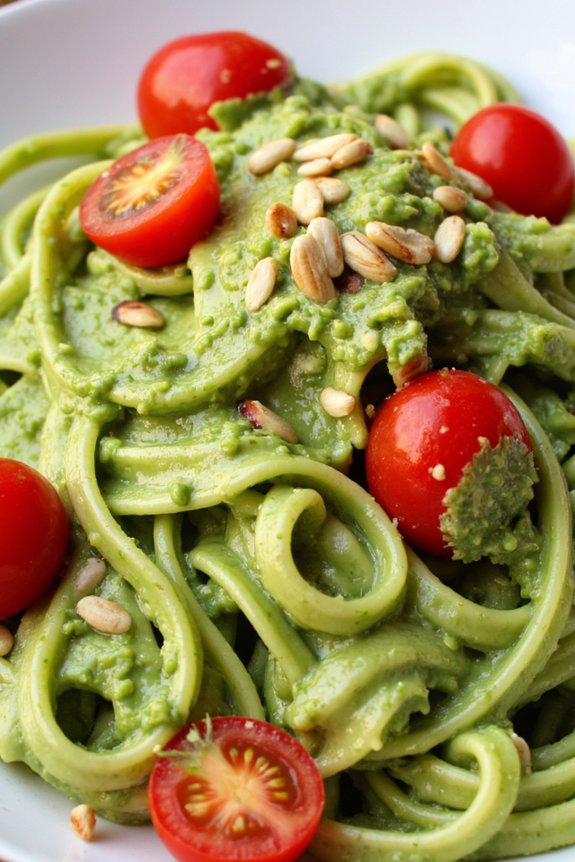
Avocado Basil Pesto Linguine is a delicious and creamy vegan pasta dish that brings together the rich flavors of fresh basil, ripe avocados, and zesty lemon. This dish is perfect for those who love a fresh, vibrant, and healthy meal that’s easy to prepare and full of flavor.
The creamy avocado basil pesto is a perfect match for linguine, creating a delightful, silky texture that coats each strand of pasta beautifully. Whether you’re looking for a quick weeknight dinner or an impressive dish for guests, this Avocado Basil Pesto Linguine is bound to satisfy.
The key to this dish is the creamy avocado basil pesto, which isn’t only dairy-free but also packed with nutrients. Avocados provide a luscious creaminess while basil adds a revitalizing herbal note. With the addition of garlic and lemon juice, the flavors are brightened and balanced, making each bite a delightful experience.
The combination of fresh ingredients creates a pesto that’s both rich and light, perfect for a comforting yet healthy pasta dish. Serve it with a side salad or some crusty bread for a complete meal that everyone will love.
Ingredients for 4-6 servings:
- 1 pound (450g) linguine
- 2 ripe avocados, peeled and pitted
- 2 cups fresh basil leaves
- 3 cloves garlic
- 1/2 cup pine nuts
- 1/4 cup lemon juice
- 1/3 cup olive oil
- Salt and pepper to taste
- Cherry tomatoes, halved (optional for garnish)
- Pine nuts, toasted (optional for garnish)
Cooking Instructions:
- Cook the Linguine: Begin by bringing a large pot of salted water to a boil. Add the linguine and cook according to the package instructions until al dente. Once cooked, reserve about 1 cup of pasta water and drain the rest. Set the pasta aside.
- Prepare the Pesto: In a food processor, combine the avocados, basil leaves, garlic, pine nuts, lemon juice, and olive oil. Blend until smooth and creamy. If the pesto is too thick, add a little reserved pasta water to reach your desired consistency. Season with salt and pepper to taste.
- Combine Pasta and Pesto: Return the drained linguine to the pot or a large mixing bowl. Add the avocado basil pesto and toss until the pasta is evenly coated. If necessary, add more reserved pasta water to help the pesto adhere to the pasta.
- Serve and Garnish: Transfer the pasta to serving plates. Garnish with halved cherry tomatoes and toasted pine nuts if desired. Serve immediately for the best flavor and texture.
Extra Tips:
For an extra burst of flavor, consider adding a sprinkle of nutritional yeast to the pesto for a cheesy taste without dairy. If you prefer a bit of spice, a pinch of red pepper flakes can add a nice kick.
Always taste the pesto before mixing it with pasta to adjust the seasoning as needed. Additionally, verify your avocados are ripe for the perfect creamy texture; they should give slightly when pressed.
Finally, if you have leftovers, store them in an airtight container in the refrigerator for up to two days, but keep in mind that the pesto might darken slightly due to oxidation.
Roasted Red Pepper Fettuccine
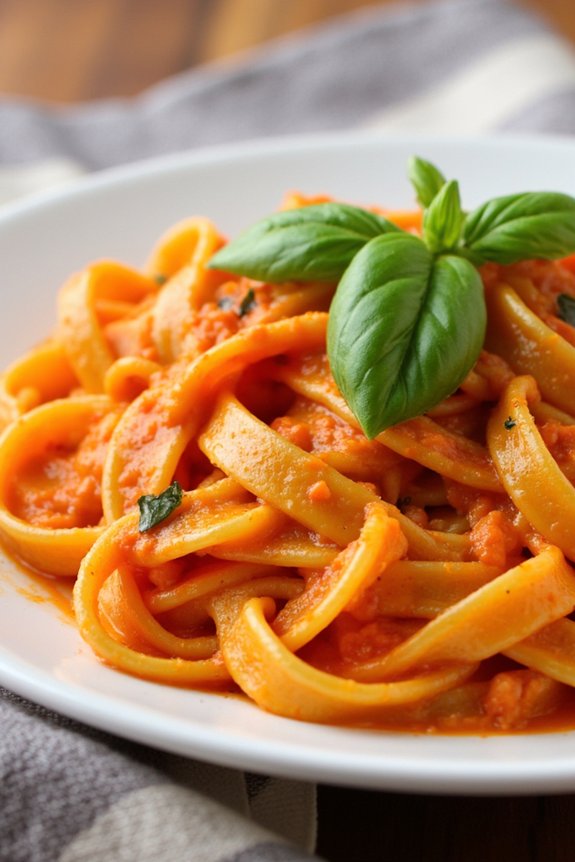
Roasted Red Pepper Fettuccine is a delightful Italian vegan pasta dish that brings vibrant flavors and creamy textures together in perfect harmony. This recipe is ideal for those seeking a plant-based meal that doesn’t compromise on taste or satisfaction. The roasted red peppers lend a smoky sweetness to the sauce, while the rich creaminess is achieved without the use of any dairy products, making it a wholesome and inclusive option for everyone at the dinner table.
Whether you’re a seasoned vegan or simply exploring new culinary horizons, this fettuccine dish is sure to become a favorite. The key to this dish is the combination of roasted red peppers and a few simple ingredients that come together to create a luscious sauce. Complemented by the tender fettuccine, this dish is both comforting and elegant, perfect for a weeknight dinner or a special occasion.
It’s a recipe that’s not only easy to prepare but also full of flavor, showcasing the versatility of plant-based cooking. With a serving size of 4-6, it’s perfect for family meals or entertaining guests.
Ingredients (Serves 4-6):
- 16 oz fettuccine pasta
- 2 large red bell peppers
- 3 cloves garlic
- 1/4 cup nutritional yeast
- 1/2 cup unsweetened almond milk (or any plant-based milk)
- 1 tablespoon olive oil
- 1 teaspoon lemon juice
- Salt and pepper, to taste
- Fresh basil leaves, for garnish (optional)
Instructions:
1. Roast the Red Peppers:
Preheat your oven to 400°F (200°C). Place the red bell peppers on a baking sheet and roast them for about 20-25 minutes, or until the skins are charred and blistered. Once done, remove them from the oven and place them in a bowl covered with a lid or plastic wrap to steam for about 10 minutes. This will make peeling easier.
2. Cook the Pasta:
While the peppers are steaming, cook the fettuccine according to the package instructions. Drain and set aside, reserving a cup of the pasta cooking water.
3. Prepare the Sauce:
Peel the charred skin off the roasted peppers, remove the seeds, and place the flesh into a blender. Add the garlic, nutritional yeast, almond milk, olive oil, lemon juice, and a pinch of salt and pepper. Blend until smooth and creamy.
4. Combine Pasta and Sauce:
In a large skillet over medium heat, pour the roasted red pepper sauce and bring it to a gentle simmer. Add the cooked fettuccine to the skillet and toss to coat the pasta evenly with the sauce. If the sauce is too thick, use the reserved pasta water to loosen it as needed.
5. Serve:
Taste and adjust the seasoning with more salt and pepper if necessary. Serve the fettuccine hot, garnished with fresh basil leaves if desired.
Extra Tips:
To enhance the flavor of this dish, consider adding a pinch of smoked paprika or a dash of cayenne pepper to the sauce for a subtle kick. If you prefer your sauce to have a richer consistency, you can add a tablespoon of vegan cream cheese or cashew cream.
For a gluten-free version, swap the fettuccine for your favorite gluten-free pasta. Remember, the key to this recipe is the quality of the ingredients, so opt for fresh peppers and high-quality pasta for the best results.
Mushroom and Garlic Tagliatelle
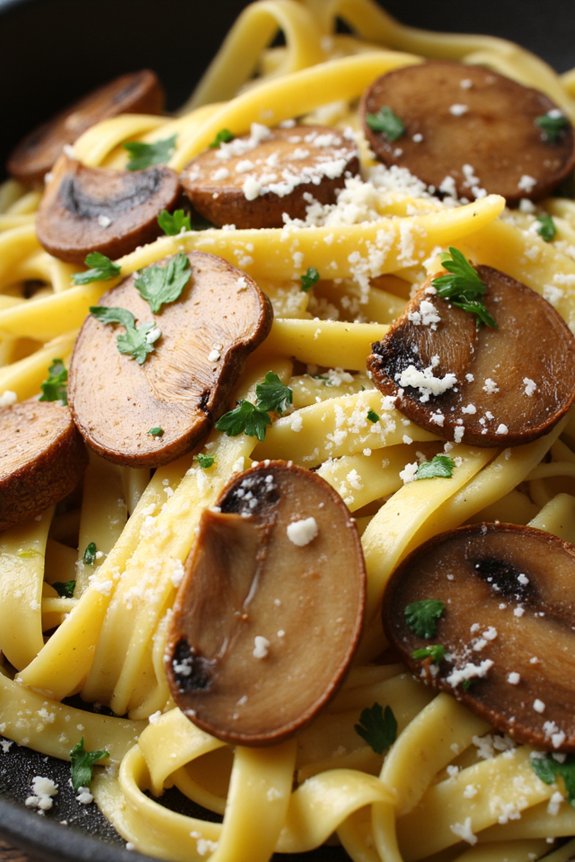
Mushroom and Garlic Tagliatelle is a delightful vegan pasta dish that brings together the earthy flavors of mushrooms and the aromatic allure of garlic. This dish is perfect for a cozy dinner and can be whipped up with ease, making it an excellent choice for both weeknight meals and special occasions. The rich, umami flavors of the mushrooms pair perfectly with the slightly al dente tagliatelle, all brought together with a simple yet flavorful sauce.
While the base of this dish is simple, the quality of the ingredients is what truly elevates it. Fresh mushrooms, preferably a mix of cremini and shiitake, bring a depth of flavor, while the garlic infuses the pasta with its robust aroma. Olive oil, a staple in Italian cooking, helps to bind the flavors together, and a touch of lemon juice adds a revitalizing zing. With just a handful of ingredients, this recipe proves that simplicity can lead to culinary excellence.
Ingredients (Serves 4-6)
- 500g tagliatelle pasta
- 2 tablespoons olive oil
- 4 cloves garlic, minced
- 400g fresh mushrooms (cremini and shiitake), sliced
- 1 teaspoon salt
- 1/2 teaspoon black pepper
- 1/4 cup fresh parsley, chopped
- Juice of 1 lemon
- Zest of 1 lemon
- Vegan Parmesan cheese (optional, for serving)
Instructions
- Cook the Pasta: Begin by bringing a large pot of salted water to a boil. Add the tagliatelle pasta and cook according to package instructions until it reaches an al dente texture. Once cooked, drain the pasta, reserving about 1 cup of the pasta water, and set aside.
- Prepare the Garlic and Mushrooms: In a large pan, heat the olive oil over medium heat. Add the minced garlic and sauté for about 1 minute until it becomes fragrant, being careful not to let it burn.
- Cook the Mushrooms: Add the sliced mushrooms to the pan with the garlic. Season with salt and pepper, and cook for about 5-7 minutes, or until the mushrooms are browned and tender. Stir occasionally to guarantee even cooking.
- Combine Pasta and Sauce: Add the cooked tagliatelle to the pan with the mushrooms and garlic. Pour in the reserved pasta water a little at a time, stirring to help the sauce coat the pasta evenly. Add the lemon juice and zest, then toss everything together to combine.
- Garnish and Serve: Remove the pan from heat and stir in the chopped parsley. Taste and adjust seasoning if necessary. Serve hot, with a sprinkle of vegan Parmesan cheese if desired.
Extra Tips
To enhance the flavor profile of this dish, consider using a mixture of different mushroom varieties like oyster or portobello along with cremini and shiitake.
If you prefer a creamier sauce, you can add a splash of unsweetened almond milk or a dollop of vegan cream cheese to the pan at the end of the cooking process. For an added kick, sprinkle some chili flakes over the top just before serving.
Lemon Asparagus Orzo
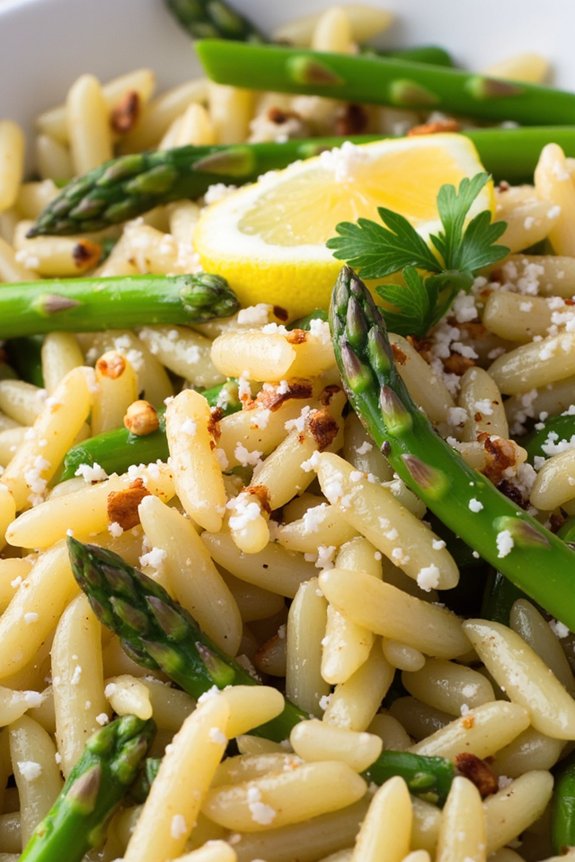
Lemon Asparagus Orzo is a delightful and invigorating Italian vegan pasta dish that combines the zesty flavors of lemon with the subtle earthiness of asparagus. This dish isn’t only delicious but also a feast for the eyes with its vibrant green and golden hues.
Perfect for spring or summer, Lemon Asparagus Orzo can be served warm or cold, making it an excellent choice for both a comforting dinner or a light lunch. The orzo pasta, resembling rice in shape, provides a unique texture that soaks up the tangy lemon dressing, while the asparagus adds a satisfying crunch.
This recipe is designed to serve 4-6 people, making it ideal for family meals or small gatherings. The ingredients are simple, wholesome, and easy to find, guaranteeing that you can whip up this dish without any hassle.
With a blend of fresh vegetables and fragrant herbs, Lemon Asparagus Orzo is a reflection of the versatility and creativity of vegan cooking. Whether you’re a seasoned vegan or just exploring plant-based dishes, this recipe is sure to become a favorite in your kitchen.
Ingredients for 4-6 servings:
- 2 cups orzo pasta
- 1 bunch asparagus, trimmed and cut into 2-inch pieces
- 1/4 cup olive oil
- Zest and juice of 2 lemons
- 2 cloves garlic, minced
- 1/4 cup fresh parsley, chopped
- Salt and pepper to taste
- 1/4 cup pine nuts, toasted
- 1/4 teaspoon red pepper flakes (optional)
Cooking Instructions:
- Cook the Orzo: Begin by bringing a large pot of salted water to a boil. Add the orzo pasta and cook according to package instructions until al dente, usually about 8-10 minutes. Drain and set aside.
- Prepare the Asparagus: While the orzo is cooking, heat 1 tablespoon of olive oil in a large skillet over medium heat. Add the asparagus pieces and sauté for about 3-4 minutes, until they’re bright green and tender-crisp. Remove from heat.
- Make the Dressing: In a small bowl, whisk together the remaining olive oil, lemon zest, lemon juice, minced garlic, salt, and pepper. Adjust seasoning to taste.
- Combine the Ingredients: In a large mixing bowl, combine the cooked orzo, sautéed asparagus, and the lemon dressing. Toss well to confirm everything is evenly coated.
- Add Finishing Touches: Stir in the fresh parsley and toasted pine nuts. If you like a bit of heat, add the red pepper flakes. Give the dish a final toss to mix all the ingredients thoroughly.
- Serve: Transfer the Lemon Asparagus Orzo to a serving dish or platter. Serve immediately while warm, or refrigerate for about an hour if you prefer to serve it cold.
Extra Tips:
For a richer flavor, consider adding a splash of white wine to the asparagus while sautéing. Be sure not to overcook the asparagus; it should remain slightly crisp to retain its nutritional value and texture.
If you want to add more depth to the dish, include a sprinkle of nutritional yeast for a cheesy flavor without dairy. Remember to taste and adjust the seasoning before serving, as the flavors can vary depending on the freshness of your ingredients.
Pumpkin Sage Rigatoni
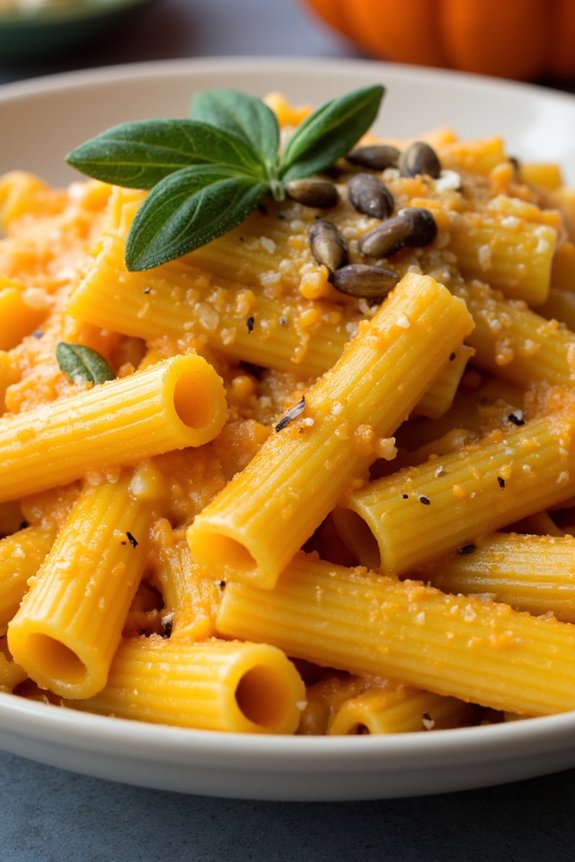
Pumpkin Sage Rigatoni is a delightful and comforting dish that combines the rich, creamy texture of pumpkin with the aromatic flavor of fresh sage. This vegan pasta recipe is perfect for autumn, showcasing seasonal ingredients that warm the spirit and satisfy the appetite. The rigatoni acts as a perfect vehicle for the velvety pumpkin sauce, capturing every bit of flavor in its hollow tubes.
Whether you’re serving this dish at a family dinner or a festive gathering, it’s sure to impress with its harmonious blend of tastes and textures. Creating this dish is surprisingly simple and requires minimal effort, making it an ideal choice for both experienced cooks and beginners.
The key to achieving the perfect Pumpkin Sage Rigatoni is to balance the sweetness of the pumpkin with the earthy tones of sage and the subtle heat of garlic and nutmeg. This recipe serves 4-6 people, making it great for small groups or for meal prepping. By following this straightforward recipe, you’ll have a delicious vegan pasta dish that’s ready to enjoy in no time.
Ingredients (serves 4-6):
- 500g rigatoni pasta
- 2 tablespoons olive oil
- 1 small onion, finely chopped
- 3 cloves garlic, minced
- 500g pumpkin puree
- 1 cup vegetable broth
- 1/2 cup unsweetened almond milk
- 10 fresh sage leaves, chopped
- 1/4 teaspoon ground nutmeg
- Salt and pepper to taste
- 1/4 cup nutritional yeast
- Optional: toasted pumpkin seeds for garnish
Cooking Instructions:
- Cook the Pasta: Bring a large pot of salted water to a boil. Add the rigatoni and cook according to package instructions until al dente. Drain and set aside.
- Prepare the Sauce Base: In a large skillet, heat the olive oil over medium heat. Add the chopped onion and sauté until translucent, about 5 minutes. Stir in the minced garlic and cook for an additional minute, being careful not to burn it.
- Make the Pumpkin Sauce: Add the pumpkin puree, vegetable broth, and almond milk to the skillet. Stir well to combine, then add the chopped sage, ground nutmeg, salt, and pepper. Let the sauce simmer for 10 minutes, stirring occasionally until it thickens slightly.
- Combine Pasta and Sauce: Add the cooked rigatoni to the skillet, tossing it in the pumpkin sauce until all the pasta is well-coated. Stir in the nutritional yeast for a cheesy flavor.
- Serve and Garnish: Transfer the pasta to a serving dish or individual plates. Garnish with toasted pumpkin seeds and additional sage leaves if desired. Serve immediately.
Extra Tips:
When preparing Pumpkin Sage Rigatoni, verify that the pumpkin puree is smooth and free of lumps for the best texture. You can make this dish more nutritious by adding a handful of spinach or kale to the sauce towards the end of cooking.
For an extra depth of flavor, try roasting the pumpkin puree with a bit of olive oil before adding it to the skillet. Additionally, if you prefer a spicier kick, a pinch of chili flakes can be added to the sauce. Enjoy your meal with a side of crusty bread to soak up every last drop of the savory sauce.
Broccoli Rabe Orecchiette
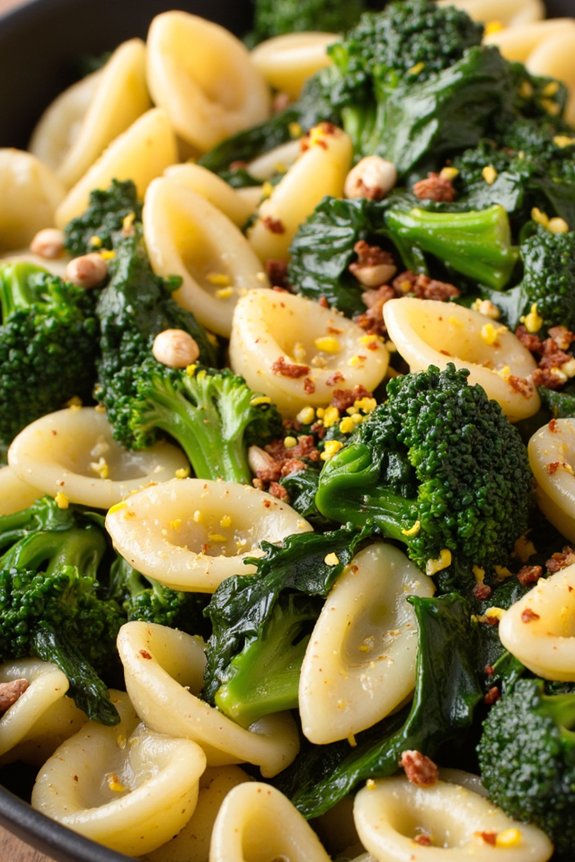
Broccoli Rabe Orecchiette is a delightful Italian vegan pasta recipe that marries the slightly bitter taste of broccoli rabe with the chewy texture of orecchiette pasta. This dish is a staple in Southern Italian cuisine, celebrated for its simplicity and robust flavors.
The combination of garlic, red pepper flakes, and olive oil enhances the natural taste of the broccoli rabe, making it a wholesome and satisfying meal. Whether you’re a seasoned vegan or just exploring plant-based options, this recipe promises to deliver a hearty dish that feels both indulgent and nutritious.
Traditionally, this recipe is served with orecchiette pasta, which is known for its little ear-like shape that perfectly cradles the sauce and bits of broccoli rabe. It’s an excellent choice for a weeknight dinner or a special occasion, offering a taste of Italy in every bite.
With minimal ingredients and a straightforward preparation process, Broccoli Rabe Orecchiette is both easy to make and impressive to serve. It’s a perfect dish for those who appreciate the harmonious blending of simple ingredients to create a flavorful and complete meal.
Ingredients (serves 4-6):
- 1 pound orecchiette pasta
- 1 bunch broccoli rabe, trimmed and chopped
- 4 tablespoons extra virgin olive oil
- 4 cloves garlic, thinly sliced
- 1/2 teaspoon red pepper flakes
- Salt to taste
- Freshly ground black pepper to taste
- Zest of 1 lemon
- Juice of 1 lemon
- 1/4 cup toasted pine nuts (optional)
Instructions:
- Prepare the Broccoli Rabe: Begin by bringing a large pot of salted water to a boil. Add the chopped broccoli rabe and blanch for about 2-3 minutes, until it turns bright green and tender. Use a slotted spoon to transfer the broccoli rabe to a bowl of ice water to stop the cooking process. Once cooled, drain and set aside.
- Cook the Orecchiette: In the same pot of boiling water, add the orecchiette pasta. Cook according to package instructions until al dente. Reserve 1 cup of the pasta cooking water, then drain the pasta.
- Prepare the Sauce: In a large skillet, heat the olive oil over medium heat. Add the sliced garlic and red pepper flakes, cooking until the garlic is golden and fragrant, about 1-2 minutes. Be careful not to burn the garlic.
- Combine Ingredients: Add the drained broccoli rabe to the skillet with the garlic and red pepper flakes. Cook for another 2-3 minutes, stirring occasionally. Add the cooked orecchiette to the skillet, along with the reserved pasta water. Toss everything together to combine.
- Season and Serve: Season the pasta mixture with salt, freshly ground black pepper, lemon zest, and lemon juice. Stir well to guarantee all the flavors are well distributed. If using, sprinkle the toasted pine nuts over the top. Serve immediately, garnished with additional lemon zest or a drizzle of olive oil if desired.
Extra Tips:
When cooking Broccoli Rabe Orecchiette, it’s important to watch the garlic closely to prevent it from burning, which can make it bitter. Blanching the broccoli rabe helps to reduce its bitterness and retain its vibrant color.
If you prefer a milder flavor, you can reduce the amount of red pepper flakes. Additionally, toasting the pine nuts before adding them to the dish enhances their flavor and provides a delightful crunch. Remember to taste the dish before serving and adjust the seasoning as needed to suit your palate.
Sun-Dried Tomato and Olive Penne
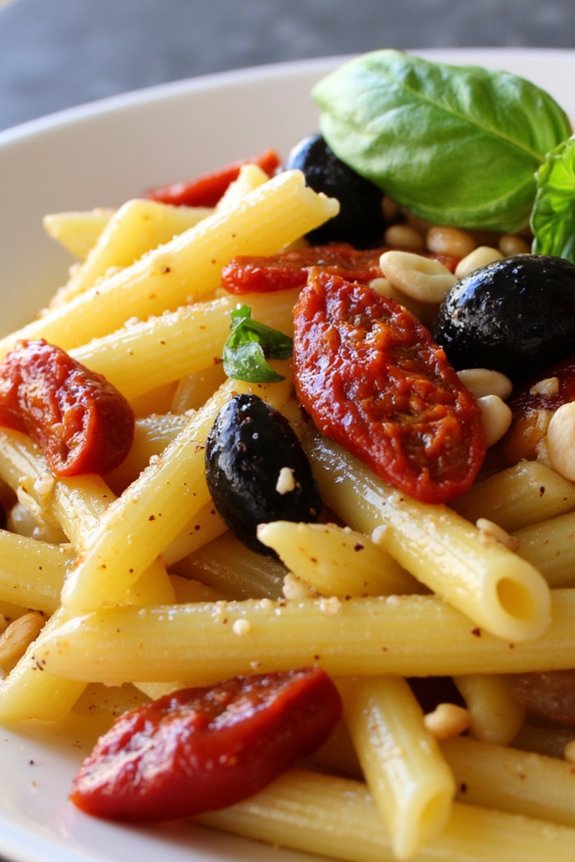
Sun-Dried Tomato and Olive Penne is a delightful Italian-inspired vegan dish that combines the rich, umami flavors of sun-dried tomatoes with the briny taste of olives, all tossed with perfectly al dente penne pasta. This recipe isn’t only delicious but also simple and quick to prepare, making it perfect for a weeknight dinner or a special occasion.
The dish is enhanced with fresh herbs and a touch of garlic, providing a robust flavor profile that’s sure to satisfy. The beauty of this Sun-Dried Tomato and Olive Penne lies in its adaptability. You can easily tailor it to your taste preferences by adjusting the amount of garlic or adding a splash of red pepper flakes for some heat.
The recipe is naturally vegan, and when paired with a side salad or crusty bread, it becomes a complete and hearty meal. Whether you’re a seasoned vegan or looking to explore plant-based meals, this dish serves as a wonderful introduction to Italian vegan cuisine.
Ingredients (Serves 4-6):
- 500g penne pasta
- 1 cup sun-dried tomatoes, julienned
- 1 cup Kalamata olives, pitted and sliced
- 2 tablespoons olive oil
- 3 cloves garlic, minced
- 1/4 cup fresh basil, chopped
- 1 teaspoon dried oregano
- Salt and pepper, to taste
- 1/4 cup pine nuts, toasted (optional)
- Juice of 1 lemon
Instructions:
- Cook the Penne: Begin by bringing a large pot of salted water to a boil. Add the penne pasta and cook according to package instructions until al dente. Once cooked, drain the pasta and set aside, reserving about 1 cup of pasta water.
- Prepare the Sauce: In a large skillet, heat the olive oil over medium heat. Add the minced garlic and sauté for about 1 minute until fragrant, being careful not to burn it.
- Combine Ingredients: Add the sun-dried tomatoes and olives to the skillet. Stir well to combine and allow the mixture to cook for 2-3 minutes, allowing the flavors to meld together.
- Mix with Pasta: Add the cooked penne to the skillet, tossing everything together. If the mixture seems dry, gradually add the reserved pasta water, a little at a time, until you reach the desired consistency.
- Season and Serve: Stir in the chopped basil, dried oregano, and lemon juice. Season with salt and pepper to taste. Continue tossing until everything is well combined and heated through. If using, mix in the toasted pine nuts for added texture and flavor.
- Plate and Garnish: Serve the pasta hot, garnishing with additional fresh basil if desired. Enjoy!
Extra Tips:
To enhance the flavor of this dish, consider using sun-dried tomatoes that are packed in oil, as they tend to be more flavorful and tender. If you prefer, you can also add a splash of white wine to the sauce for an extra depth of flavor.
For added freshness, serve the pasta with a sprinkle of vegan Parmesan cheese or nutritional yeast. Remember to taste as you cook, adjusting the seasoning as necessary to suit your personal preference.
Cauliflower Carbonara
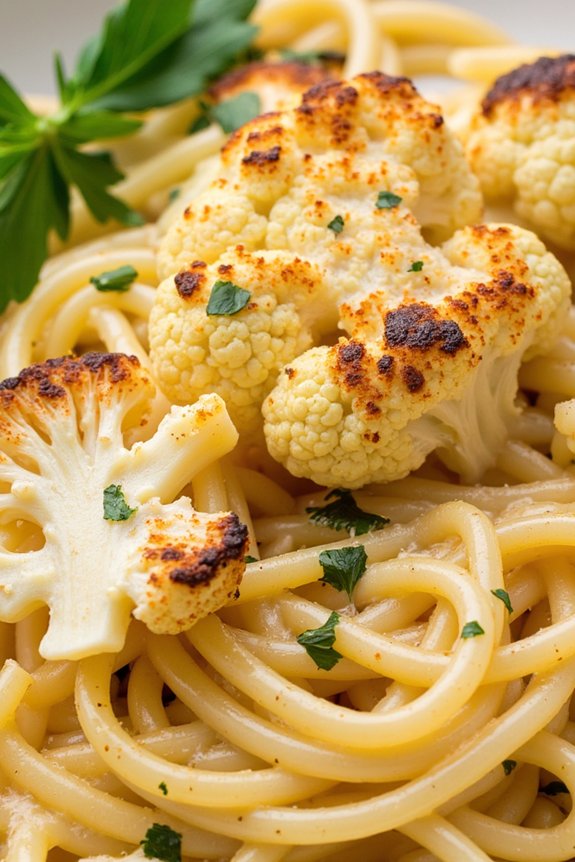
Cauliflower Carbonara is a delicious and creamy vegan twist on the classic Italian pasta dish, offering the rich flavors of a traditional carbonara without any meat or dairy. This dish features roasted cauliflower, which provides a satisfying texture and a slightly nutty flavor, while a silky sauce made from nutritional yeast and plant-based milk envelops the pasta. Perfect for vegans and anyone looking to try a fresh take on a beloved classic, this recipe is sure to impress and satisfy.
The heart of Cauliflower Carbonara lies in its ability to mimic the traditional carbonara’s creamy texture and savory taste using entirely plant-based ingredients. By replacing bacon with smoked paprika and roasted cauliflower, and using a combination of nutritional yeast and plant-based milk to create the sauce, this recipe maintains the essence of a carbonara while accommodating a vegan lifestyle. Ideal for serving 4-6 people, this dish is both nutritious and indulgent, making it a versatile addition to any meal plan.
Ingredients:
- 1 large head of cauliflower, cut into florets
- 2 tablespoons olive oil
- 1 teaspoon smoked paprika
- Salt and pepper, to taste
- 500g spaghetti (or any pasta of choice)
- 3 cloves garlic, minced
- 1 cup unsweetened plant-based milk (such as almond or soy milk)
- 1/4 cup nutritional yeast
- 1 tablespoon cornstarch
- 1/4 cup water
- 1 tablespoon lemon juice
- Fresh parsley, chopped, for garnish
- Vegan parmesan, for serving (optional)
Instructions:
- Roast the Cauliflower: Preheat your oven to 400°F (200°C). In a large mixing bowl, toss the cauliflower florets with olive oil, smoked paprika, salt, and pepper until evenly coated. Spread them out on a baking sheet lined with parchment paper. Roast in the preheated oven for about 25-30 minutes, or until the cauliflower is golden brown and tender. Stir halfway through for even roasting.
- Cook the Pasta: While the cauliflower is roasting, bring a large pot of salted water to a boil. Add the spaghetti and cook according to package instructions until al dente. Reserve 1 cup of pasta water, then drain the pasta and set aside.
- Prepare the Sauce: In a small bowl, whisk together the cornstarch and water until smooth. In a saucepan over medium heat, add the minced garlic and sauté for 1-2 minutes until fragrant. Stir in the plant-based milk, nutritional yeast, and cornstarch mixture. Bring the sauce to a gentle simmer, stirring constantly until it thickens, about 3-4 minutes. Add lemon juice, and season with salt and pepper to taste.
- Combine and Serve: In a large skillet or pot, combine the cooked pasta, roasted cauliflower, and sauce. Toss everything together over low heat, adding reserved pasta water a little at a time until you reach your desired consistency. The pasta should be well coated with the sauce. Taste and adjust seasoning if necessary.
- Garnish and Enjoy: Serve the Cauliflower Carbonara hot, garnished with fresh parsley and a sprinkle of vegan parmesan if desired.
Extra Tips:
To guarantee the cauliflower is evenly roasted, make sure the florets are similar in size. This will help them cook at the same rate. For a creamier sauce, you can substitute half of the plant-based milk with canned coconut milk. If you prefer a bit more heat, add a pinch of red pepper flakes to the sauce while it simmers. Finally, remember to adjust the seasoning to your taste, as the flavors can slightly vary depending on the ingredients used.
Vegan Lasagna With Tofu Ricotta
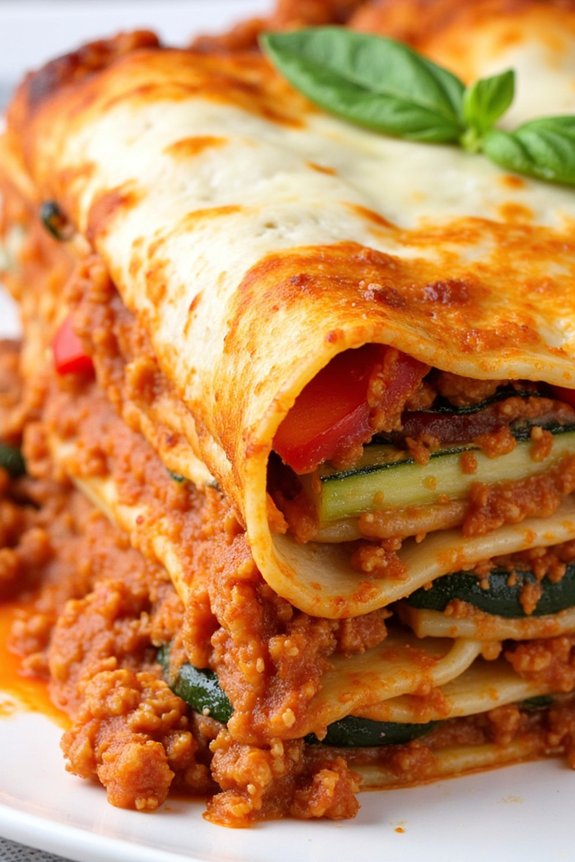
Vegan Lasagna With Tofu Ricotta is a delicious plant-based twist on the traditional Italian classic. This dish replaces the usual meat and dairy components with wholesome, flavorful alternatives, making it perfect for vegans and those looking to enjoy a healthier version of lasagna. The tofu ricotta is rich and creamy, providing the perfect complement to layers of tender lasagna noodles and hearty vegetable marinara sauce. This meal isn’t only satisfying and filling but also an excellent way to introduce more plant-based meals into your diet without compromising on taste.
This Vegan Lasagna With Tofu Ricotta recipe is designed to serve 4-6 people, making it an ideal choice for family dinners or gatherings with friends. The preparation involves creating a savory tofu ricotta mixture, a robust vegetable marinara sauce, and layering these with lasagna noodles to create a beautiful, baked masterpiece. Whether you’re a seasoned vegan or new to plant-based cooking, this recipe is simple enough to follow and sure to impress even the most skeptical eaters.
Ingredients (for 4-6 servings):
- 12 lasagna noodles
- 1 block (14 oz) firm tofu, drained and pressed
- 1/4 cup nutritional yeast
- 2 tablespoons lemon juice
- 1 teaspoon garlic powder
- 1 teaspoon onion powder
- Salt and pepper to taste
- 2 cups fresh spinach, chopped
- 1 large onion, chopped
- 4 cloves garlic, minced
- 1 red bell pepper, chopped
- 2 zucchinis, sliced
- 1 jar (24 oz) marinara sauce
- 1 teaspoon dried oregano
- 1 teaspoon dried basil
- Olive oil for sautéing
Cooking Instructions:
- Prepare the Tofu Ricotta: In a large bowl, crumble the drained and pressed tofu with your hands or a fork until it resembles ricotta cheese. Add nutritional yeast, lemon juice, garlic powder, onion powder, salt, and pepper. Mix well until all ingredients are combined. Stir in the chopped spinach and set aside.
- Cook the Vegetables: In a large skillet, heat a little olive oil over medium heat. Add the chopped onion and minced garlic, sautéing until the onion becomes translucent. Add the red bell pepper and zucchini, cooking until tender. Season with dried oregano, dried basil, salt, and pepper. Stir in the marinara sauce and let the mixture simmer for about 10 minutes.
- Cook the Lasagna Noodles: While the sauce is simmering, cook the lasagna noodles according to package instructions until al dente. Drain and set aside.
- Assemble the Lasagna: Preheat your oven to 375°F (190°C). In a 9×13 inch baking dish, spread a thin layer of the vegetable marinara sauce. Place a layer of cooked lasagna noodles over the sauce. Spread half of the tofu ricotta mixture over the noodles, followed by a layer of the vegetable sauce. Repeat with another layer of noodles, remaining tofu ricotta, and another layer of sauce. Finish with a final layer of noodles and the remaining sauce.
- Bake the Lasagna: Cover the baking dish with aluminum foil and bake in the preheated oven for 25 minutes. Remove the foil and bake for an additional 15 minutes, allowing the top to become slightly golden and crispy.
- Serve: Let the lasagna cool for a few minutes before slicing. Serve warm and enjoy!
Extra Tips:
For the best results, feel free to prepare the tofu ricotta and vegetable marinara sauce a day in advance. This allows the flavors to meld together, resulting in an even more flavorful dish.
You can also customize the vegetable layers by adding your favorite vegetables like mushrooms or eggplant. When assembling the lasagna, verify that the noodles are evenly layered and not overlapping too much. This will help the lasagna cook evenly and make it easier to serve. Enjoy experimenting with this versatile recipe!
