

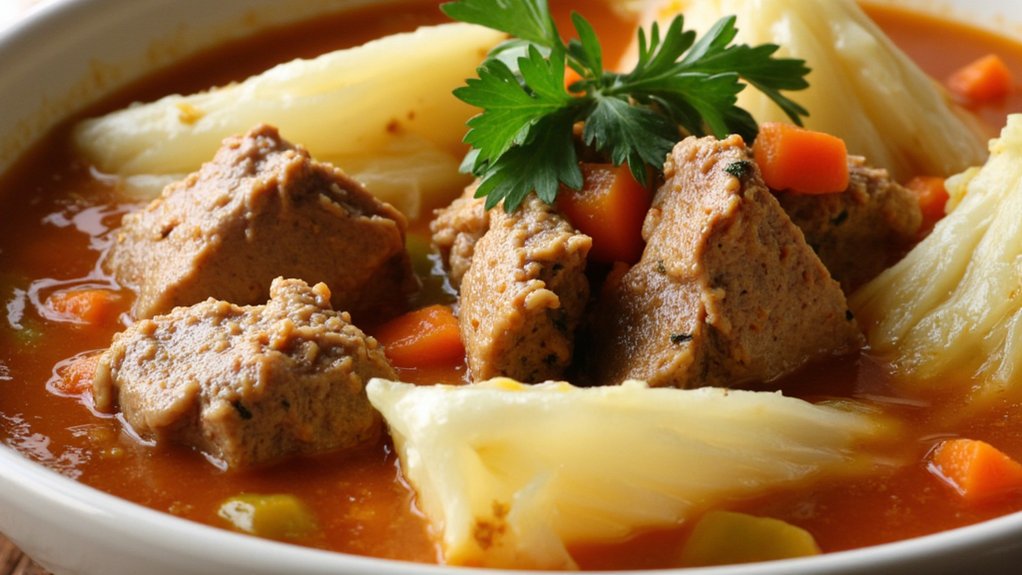
There’s something truly comforting about the rich flavors of Italian pork recipes. The aroma of herbs from a Classic Porchetta or the warmth of Tuscan-Style Pork Ragù can make any meal feel special. Each dish is a celebration of tradition and fresh ingredients. Let’s explore some hearty Italian pork recipes that bring joy and comfort to your table. Get ready to be inspired by these delicious ideas!
Classic Porchetta With Aromatic Herbs
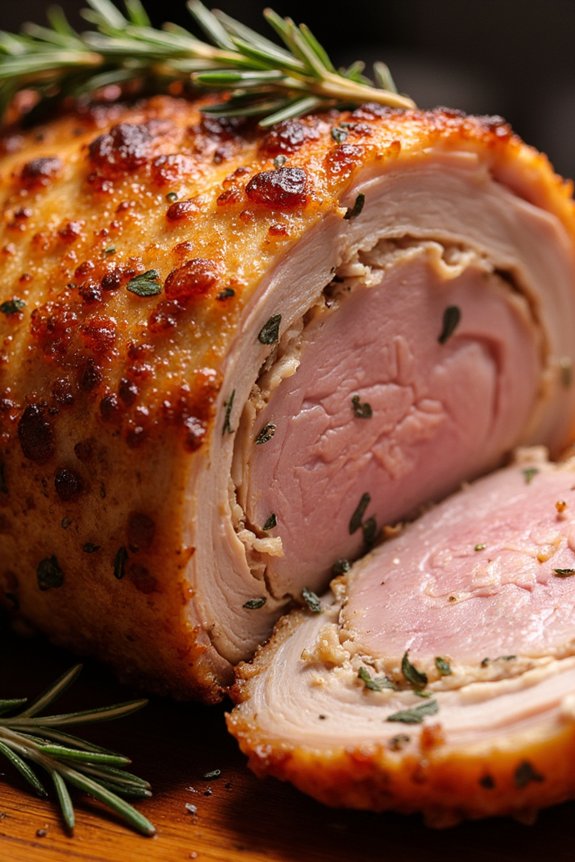
Porchetta is an Italian culinary masterpiece that involves rolling and roasting a whole, boneless pork roast with a plethora of aromatic herbs and spices. This dish, traditionally enjoyed during festive gatherings, is known for its irresistibly crispy skin and succulent meat. The recipe we’re sharing today is designed to serve 4-6 people, making it perfect for a family meal or a small dinner party. With a few simple ingredients and some patience, you can create an authentic Italian porchetta that will impress any guest.
The key to a delicious porchetta lies in the preparation of the pork and the selection of herbs. The pork is typically seasoned with rosemary, garlic, fennel seeds, and other aromatic herbs, then rolled tightly and tied with kitchen twine to guarantee even cooking. This process not only infuses the meat with robust flavors but also guarantees it remains moist and tender. The final result is a beautiful balance between crispy crackling and juicy, well-seasoned meat.
Ingredients (Serves 4-6):
- 4-5 pounds pork belly, skin-on and boneless
- 1 tablespoon kosher salt
- 2 tablespoons olive oil
- 6 cloves garlic, minced
- 1 tablespoon fennel seeds, crushed
- 2 teaspoons black pepper, freshly ground
- 1 tablespoon fresh rosemary, chopped
- 1 tablespoon fresh thyme, chopped
- Zest of 1 lemon
- 1/4 cup white wine
Cooking Instructions:
- Prepare the Pork Belly: Lay the pork belly skin-side down on a clean surface. Score the flesh lightly in a crisscross pattern to allow the seasonings to penetrate the meat.
- Season the Meat: In a small bowl, combine the kosher salt, olive oil, minced garlic, crushed fennel seeds, ground black pepper, chopped rosemary, chopped thyme, and lemon zest. Mix well to form a paste and spread it evenly over the scored side of the pork belly.
- Roll and Tie: Starting from one of the longer edges, roll the pork belly tightly into a log, ensuring the skin is on the outside. Use kitchen twine to tie the roll at 1-inch intervals to secure it firmly.
- Refrigerate: Transfer the rolled pork belly to a roasting pan, cover it loosely with plastic wrap, and refrigerate it overnight. This step allows the flavors to meld and the skin to dry, which is essential for a crispy finish.
- Roast the Porchetta: Preheat your oven to 325°F (165°C). Remove the porchetta from the refrigerator and let it come to room temperature. Pour the white wine into the roasting pan, and place the porchetta seam-side down.
- Initial Roast: Roast the porchetta for about 2-2.5 hours, or until an internal thermometer reads 145°F (63°C). Baste occasionally with the pan juices to keep it moist.
- Crisp the Skin: Increase the oven temperature to 450°F (230°C) and roast for an additional 20-30 minutes, or until the skin is golden brown and crispy. Keep a close eye to avoid burning.
- Rest and Serve: Remove the porchetta from the oven and let it rest for at least 15 minutes before slicing. This allows the juices to redistribute, guaranteeing a juicy and flavorful serving.
Extra Tips:
For the crispiest skin, make sure the pork skin is dry before roasting. You can achieve this by leaving the seasoned pork uncovered in the fridge overnight. If you prefer a spicier version, you can add a pinch of red pepper flakes to the seasoning mix.
Additionally, when tying the roll, guarantee it’s snug but not too tight to allow for even cooking. Serve your porchetta with roasted vegetables or a simple green salad to complement the rich flavors of the meat.
Tuscan-Style Pork Ragù
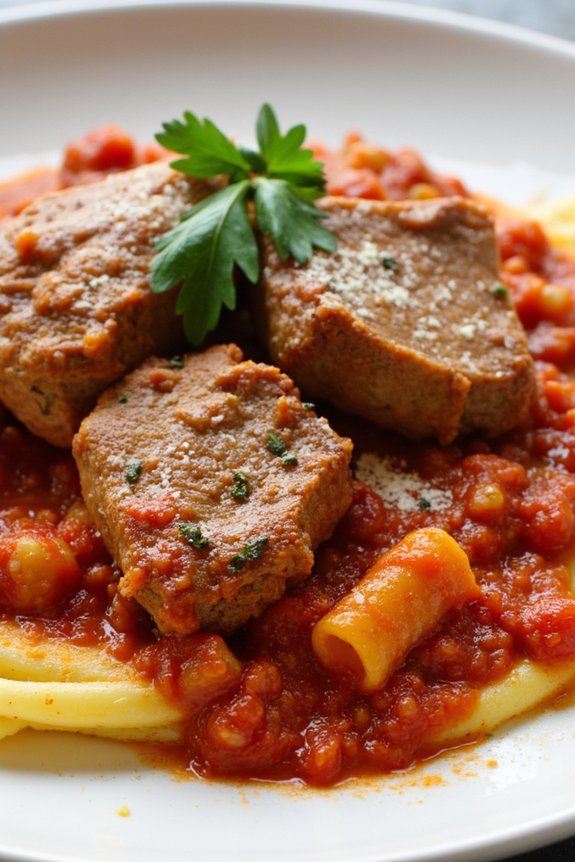
Tuscan-Style Pork Ragù is a rich and hearty Italian dish that brings the flavors of Tuscany directly to your kitchen. This comforting meal is perfect for family gatherings or a cozy dinner on a chilly evening. The slow-cooked pork becomes incredibly tender, absorbing the robust flavors of tomatoes, red wine, and aromatic herbs, which create a luxurious sauce that clings beautifully to pasta or polenta. The dish is a celebration of simple ingredients coming together to produce something truly special.
Rooted in traditional Tuscan cuisine, this ragù showcases pork as the star ingredient, complemented by a mirepoix of onions, carrots, and celery. The key to this recipe is its slow cooking process, allowing the flavors to meld and develop over time. While it may take a few hours to prepare, the results are well worth the effort, providing a deliciously satisfying meal for 4-6 people.
Ingredients for 4-6 servings:
- 2 lbs pork shoulder, cut into 2-inch cubes
- 1 large onion, finely chopped
- 2 carrots, finely chopped
- 2 celery stalks, finely chopped
- 4 cloves of garlic, minced
- 1 cup red wine
- 28 oz can of crushed tomatoes
- 2 tablespoons tomato paste
- 2 teaspoons dried oregano
- 2 teaspoons dried thyme
- 2 bay leaves
- Salt and pepper to taste
- 3 tablespoons olive oil
- Fresh parsley, chopped (for garnish)
- Grated Parmesan cheese (optional, for serving)
- Pasta or polenta (for serving)
Cooking Instructions:
- Prepare the Pork: Season the pork shoulder cubes generously with salt and pepper. Heat 2 tablespoons of olive oil in a large, heavy-bottomed pot over medium-high heat. Add the pork cubes in batches, making sure not to overcrowd the pot. Brown the meat on all sides, then remove and set aside.
- Sauté Vegetables: In the same pot, add the remaining tablespoon of olive oil. Add the onions, carrots, and celery, sautéing over medium heat for about 8-10 minutes, or until the vegetables are softened and lightly golden.
- Add Garlic and Tomato Paste: Stir in the minced garlic and tomato paste, cooking for an additional 1-2 minutes until fragrant.
- Deglaze with Wine: Pour in the red wine, scraping up any browned bits from the bottom of the pot. Allow the wine to simmer for 3-4 minutes until it has reduced by half.
- Combine Ingredients: Return the browned pork to the pot. Add the crushed tomatoes, oregano, thyme, and bay leaves. Stir to combine all ingredients.
- Simmer the Ragù: Bring the mixture to a gentle simmer. Reduce the heat to low, cover the pot, and let it cook for 2-3 hours, stirring occasionally, until the pork is tender and the sauce has thickened.
- Season and Serve: Adjust the seasoning with additional salt and pepper if needed. Remove the bay leaves before serving. Serve the ragù over pasta or polenta, garnished with fresh parsley and grated Parmesan cheese if desired.
Extra Tips:
For an even richer flavor, consider preparing the ragù a day in advance, as the flavors continue to develop as it sits. When reheating, you may need to add a splash of water or stock to loosen the sauce.
If you prefer a smoother texture, use a fork to shred the pork slightly once cooked. This dish pairs wonderfully with a robust red wine, such as Chianti, which enhances the existing flavors in the ragù.
Finally, be patient and allow the ingredients to simmer slowly—this is key to achieving the deep, savory taste that makes this Tuscan-Style Pork Ragù so delightful.
Braised Pork With Tomatoes and Garlic
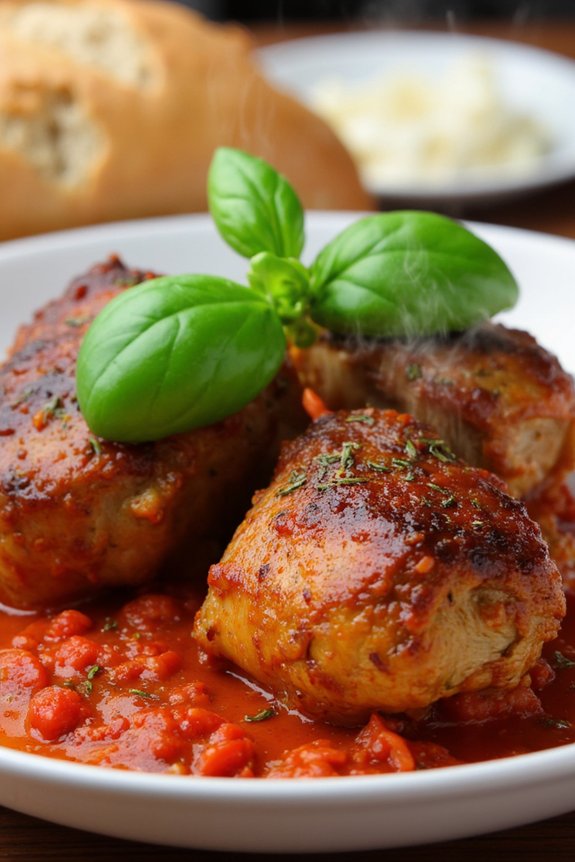
Braised Pork With Tomatoes and Garlic is a flavorful Italian dish that combines tender pork with rich tomato sauce and aromatic garlic. This hearty meal is perfect for a family dinner, offering a comforting and satisfying experience.
The slow-cooking process allows the pork to absorb the flavors of the tomatoes and garlic, resulting in a succulent and savory dish that pairs beautifully with pasta or crusty bread.
The dish is relatively simple to prepare but yields impressive results that are sure to impress your guests. By using high-quality ingredients and taking your time during the cooking process, you can create a meal that showcases the robust flavors of Italian cuisine.
The key to success with this dish is patience, as the braising technique requires a slow simmer to achieve the perfect texture and taste.
Ingredients (serves 4-6):
- 2 pounds pork shoulder, cut into large chunks
- 1 tablespoon olive oil
- 1 large onion, finely chopped
- 4 cloves garlic, minced
- 1 can (28 ounces) crushed tomatoes
- 1 cup chicken broth
- 1 teaspoon dried oregano
- 1 teaspoon dried basil
- Salt and pepper to taste
- Fresh basil leaves for garnish
Cooking Instructions:
- Prepare the Pork: Season the pork chunks with salt and pepper. Heat the olive oil in a large Dutch oven or heavy pot over medium-high heat. Add the pork in batches, searing each piece until browned on all sides. Remove the pork and set it aside.
- Sauté the Aromatics: In the same pot, add the chopped onion and sauté for about 5 minutes until translucent. Add the minced garlic and cook for an additional 1-2 minutes, stirring frequently to prevent burning.
- Combine Ingredients: Return the browned pork to the pot. Add the crushed tomatoes, chicken broth, oregano, and basil. Stir well to combine all ingredients.
- Braise the Pork: Bring the mixture to a gentle simmer. Cover the pot with a lid and reduce the heat to low. Allow the pork to braise for about 2 to 2.5 hours, or until the meat is tender and easily falls apart.
- Adjust Seasoning: Taste the sauce and adjust seasoning with additional salt and pepper if necessary.
- Serve: Once the pork is tender, garnish with fresh basil leaves before serving. Serve hot with your choice of pasta or crusty bread to soak up the delicious sauce.
Extra Tips:
For the best results, use a heavy, well-sealed pot to maintain moisture during the braising process. If you have the time, marinate the pork with the seasoning overnight for even deeper flavors.
You can also add a splash of red wine to the sauce for an extra layer of richness. Be sure to monitor the liquid levels while braising; if the sauce reduces too much, add a bit more chicken broth to maintain a nice consistency.
Sicilian Pork Meatballs in Tomato Sauce

Sicilian Pork Meatballs in Tomato Sauce is a flavorful and comforting dish that brings the rich culinary traditions of Sicily to your table. These tender and juicy meatballs are infused with a delightful blend of herbs and spices, giving them a distinctive, aromatic taste. Bathed in a robust tomato sauce, this dish is perfect for a cozy family dinner or a special occasion when you want to impress your guests with authentic Italian flavors.
The combination of high-quality pork, fresh ingredients, and slow cooking guarantees a delightful taste experience that captures the essence of Sicilian cuisine. The tomato sauce, simmered to perfection, provides a tangy and slightly sweet backdrop that complements the savory meatballs beautifully.
With each bite, you’ll experience the harmonious blend of garlic, onions, and tomatoes, enriched with a hint of red wine and basil. This dish is typically served with crusty bread or pasta, allowing you to savor every drop of the luscious sauce. Whether you’re a seasoned cook or a beginner, Sicilian Pork Meatballs in Tomato Sauce is a rewarding dish that brings warmth and joy to any meal.
Ingredients for 4-6 servings:
- 1 pound ground pork
- 1 cup breadcrumbs
- 1/2 cup grated Parmesan cheese
- 2 large eggs
- 4 cloves garlic, minced
- 1 small onion, finely chopped
- 1 tablespoon fresh parsley, chopped
- 1 teaspoon dried oregano
- Salt and pepper, to taste
- 3 tablespoons olive oil
- 1 can (28 ounces) crushed tomatoes
- 1/4 cup red wine
- 1 teaspoon sugar
- 1/2 teaspoon red pepper flakes (optional)
- Fresh basil leaves, for garnish
Instructions:
- Prepare the Meatball Mixture: In a large bowl, combine the ground pork, breadcrumbs, Parmesan cheese, eggs, minced garlic, chopped onion, parsley, oregano, salt, and pepper. Mix well until all ingredients are evenly distributed.
- Shape the Meatballs: Form the mixture into small, equal-sized balls, about 1-1.5 inches in diameter. Place the meatballs on a tray or plate and set aside.
- Brown the Meatballs: Heat 2 tablespoons of olive oil in a large skillet over medium heat. Add the meatballs in batches, being careful not to overcrowd the pan. Brown them on all sides until they develop a golden crust, about 5-7 minutes per batch. Remove the meatballs and set aside.
- Prepare the Tomato Sauce: In the same skillet, add the remaining tablespoon of olive oil. Sauté the remaining chopped onion until translucent, about 5 minutes. Add the crushed tomatoes, red wine, sugar, and red pepper flakes. Stir well and bring the sauce to a gentle simmer.
- Simmer the Meatballs in Sauce: Carefully place the browned meatballs into the tomato sauce. Cover the skillet and simmer on low heat for 25-30 minutes, allowing the flavors to meld and the meatballs to cook through.
- Finish and Serve: Once cooked, adjust the seasoning as needed. Garnish with fresh basil leaves before serving. Serve hot with crusty bread or over pasta.
Extra Tips:
To ascertain the meatballs remain moist and tender, avoid overmixing the meat mixture. Handling the meat gently while forming the balls will also help maintain their texture.
If you prefer a smoother sauce, you can blend the crushed tomatoes before adding them to the skillet. For an extra depth of flavor, consider using a combination of ground pork and beef. Adjust the red pepper flakes to your desired level of heat, or omit them altogether for a milder version of the dish.
Enjoy your Sicilian Pork Meatballs in Tomato Sauce with a glass of your favorite red wine for an authentic Italian dining experience.
Umbrian Wild Boar Stew
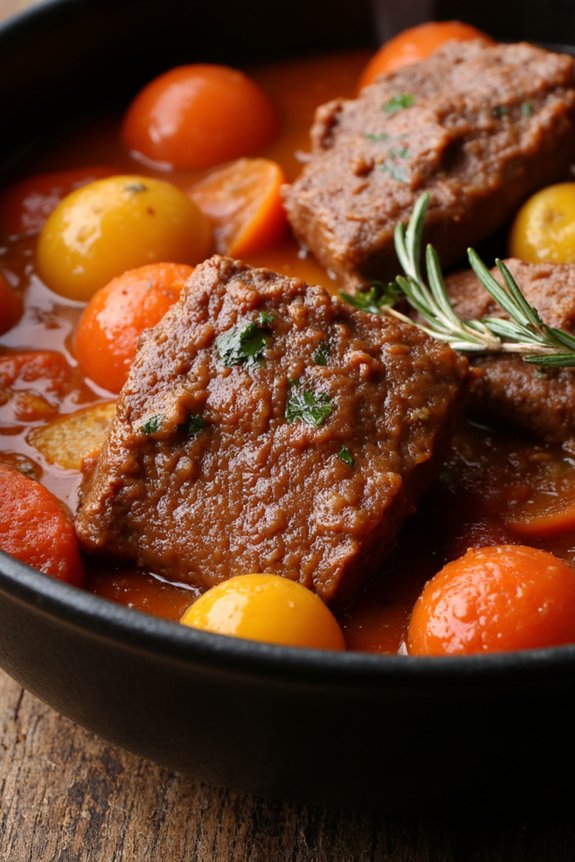
Umbrian Wild Boar Stew is a hearty and flavorful dish that captures the rustic charm of Italy’s Umbria region. This traditional recipe utilizes wild boar, a meat known for its rich taste and slightly gamey nature, making it a perfect centerpiece for a comforting stew. The dish is slow-cooked with a blend of aromatic herbs, red wine, and vegetables that enhance the natural flavors of the boar, resulting in a tender and succulent meal. Ideal for the colder months, this stew is a wonderful way to bring a taste of Italy’s countryside to your dining table.
The preparation of Umbrian Wild Boar Stew requires some time and patience, but the effort is well worth it. The process begins with marinating the boar in wine and herbs to tenderize the meat and infuse it with flavor. This is followed by a slow braise in a rich tomato-based sauce, allowing the flavors to meld together beautifully. Whether you’re hosting a dinner party or simply want to indulge in a comforting meal, this stew will impress with its depth of flavor and aroma.
Ingredients (serves 4-6):
- 2 pounds wild boar meat, cubed
- 2 cups red wine
- 1 onion, chopped
- 2 carrots, diced
- 2 celery stalks, diced
- 3 cloves garlic, minced
- 1 tablespoon olive oil
- 1 can (14 oz) crushed tomatoes
- 1 tablespoon tomato paste
- 1 cup beef or chicken stock
- 2 bay leaves
- 1 teaspoon rosemary, chopped
- 1 teaspoon thyme, chopped
- Salt and pepper to taste
Cooking Instructions:
- Marinate the Boar: Place the cubed wild boar meat in a large bowl. Pour in the red wine, add the rosemary, thyme, a pinch of salt, and pepper. Mix well, cover, and refrigerate for at least 4 hours or overnight to let the flavors meld.
- Prepare the Vegetables: Once the marination is complete, remove the boar from the marinade and pat dry with paper towels. Reserve the marinade for later use. In a large pot or Dutch oven, heat the olive oil over medium heat. Add the chopped onion, carrots, celery, and garlic. Sauté until the vegetables are softened, about 5-7 minutes.
- Brown the Boar: Increase the heat to medium-high. Add the wild boar pieces to the pot, browning them on all sides. This should take about 5 minutes. Confirm the meat is well-seared to lock in flavor.
- Deglaze and Simmer: Pour in the reserved marinade, stirring to deglaze the pot and scrape up any browned bits at the bottom. Add the crushed tomatoes, tomato paste, and stock. Stir to combine.
- Cooking the Stew: Add the bay leaves, and bring the stew to a boil. Once boiling, reduce the heat to low, cover the pot, and let it simmer for approximately 2-2.5 hours. Stir occasionally and check if the meat is tender.
- Final Seasoning: Once the boar is tender, taste the stew and adjust the seasoning with additional salt and pepper if needed. Remove the bay leaves before serving.
Extra Tips:
When cooking Umbrian Wild Boar Stew, it’s essential to allow adequate marinating time for the flavors to fully penetrate the meat. If wild boar is unavailable, you can substitute with pork shoulder, though it might lack the gamey flavor.
For a thicker stew, remove the lid during the last 30 minutes of cooking to allow some liquid to evaporate. Serving the stew with crusty bread or over creamy polenta can make for a complete and satisfying meal.
Pork Saltimbocca Alla Romana

Pork Saltimbocca Alla Romana is a classic Italian dish that beautifully combines tender pork cutlets, savory prosciutto, and aromatic sage leaves. This recipe originates from Rome and is well-loved for its simplicity and rich flavors. The term “saltimbocca” translates to “jump in the mouth,” which aptly describes how the flavors leap out with every bite.
Traditionally made with veal, this version uses pork, which provides a slightly more robust flavor while maintaining the dish’s delicate balance. The dish is typically pan-fried, allowing the prosciutto to crisp up and the sage to infuse the meat with its earthy aroma. The pan drippings are then transformed into a luscious wine sauce that perfectly complements the moist, flavorful pork.
This Pork Saltimbocca Alla Romana is perfect for a family dinner or a special occasion, offering a taste of Italy on your table. The recipe below serves 4-6 people, making it ideal for entertaining or a family meal.
Ingredients for 4-6 servings:
- 6 pork cutlets (about 1/4-inch thick)
- 6 slices of prosciutto
- 12 fresh sage leaves
- 1/2 cup all-purpose flour
- Salt and pepper to taste
- 4 tablespoons unsalted butter
- 2 tablespoons olive oil
- 1/2 cup white wine
- 1/2 cup chicken broth
- Lemon wedges (for serving)
Instructions:
- Prepare the Pork Cutlets: Place each pork cutlet between two pieces of plastic wrap and gently pound them with a meat mallet until they’re about 1/8-inch thick. Season both sides of the cutlets with salt and pepper.
- Assemble the Saltimbocca: On each cutlet, place a slice of prosciutto and two sage leaves. Secure the prosciutto and sage to the pork with toothpicks.
- Dredge in Flour: Lightly coat each assembled cutlet in flour, shaking off any excess. This will help create a slight crust and thicken the sauce later.
- Cook the Pork: In a large skillet, heat the olive oil and 2 tablespoons of butter over medium-high heat. Once hot, add the cutlets, prosciutto side down. Cook for about 2-3 minutes on each side until the prosciutto is crisp and the pork is cooked through. Remove the cutlets from the skillet and place them on a plate, keeping them warm.
- Make the Sauce: In the same skillet, add the white wine and chicken broth. Scrape up any browned bits from the bottom of the pan as these add flavor. Let the mixture simmer and reduce by half, about 3-4 minutes.
- Finish the Dish: Stir in the remaining 2 tablespoons of butter into the sauce, swirling the pan until the butter is melted and the sauce is smooth. Return the pork cutlets to the skillet to warm them through in the sauce.
- Serve: Transfer the pork saltimbocca to plates, spoon the sauce over the top, and serve immediately with lemon wedges on the side for squeezing over the dish.
Extra Tips:
When pounding the pork cutlets, make certain they’re of even thickness to promote uniform cooking. Be gentle when securing the prosciutto and sage so they don’t tear.
If you prefer a thicker sauce, allow it to reduce further before adding the pork back into the skillet. For an added touch of flavor, consider adding a splash of marsala wine to the sauce.
Be mindful of the salt content in the prosciutto when seasoning the pork, as it can be quite salty. Serve with a side of sautéed greens or roasted potatoes to complete the meal.
Milanese Breaded Pork Cutlets

Milanese Breaded Pork Cutlets are a classic Italian dish that combines the savory flavor of pork with a crispy, golden-brown crust. Originating from Milan, this dish is similar to the well-known veal Milanese, but uses pork cutlets for a more accessible and equally delicious alternative. The cutlets are tenderized, coated in a seasoned breadcrumb mixture, and pan-fried to perfection. This recipe is perfect for a family dinner or a special occasion, offering a delightful taste of Italy in your own home.
To attain the perfect Milanese Breaded Pork Cutlets, it’s important to use fresh ingredients and follow the steps carefully. The cutlets should be thinly sliced and pounded to guarantee even cooking and a tender texture. The breadcrumb coating should be well-seasoned and adhere tightly to the pork, creating a crisp exterior that contrasts beautifully with the juicy meat inside. Serve these cutlets with a simple green salad or roasted vegetables to complete the meal.
Ingredients (Serves 4-6):
- 4-6 boneless pork cutlets (about 1/2 inch thick)
- Salt and pepper, to taste
- 1 cup all-purpose flour
- 3 large eggs
- 1 1/2 cups Italian-style breadcrumbs
- 1/2 cup grated Parmesan cheese
- 1 tablespoon chopped fresh parsley
- 1 teaspoon garlic powder
- 1/2 cup olive oil or vegetable oil, for frying
- Lemon wedges, for serving
Cooking Instructions:
- Prepare the Pork Cutlets: Place each pork cutlet between two sheets of plastic wrap or wax paper. Use a meat mallet or rolling pin to gently pound the cutlets to about 1/4 inch thickness. Season both sides with salt and pepper.
- Set Up Breading Station: Place the flour in a shallow dish. In another shallow dish, beat the eggs until smooth. In a third dish, combine the breadcrumbs, Parmesan cheese, parsley, and garlic powder.
- Coat the Cutlets: Dredge each cutlet in the flour, shaking off any excess. Dip into the beaten eggs, ensuring the cutlet is fully coated. Finally, press the cutlet into the breadcrumb mixture, ensuring an even and thorough coating.
- Heat the Oil: In a large skillet, heat the olive oil over medium-high heat until shimmering but not smoking.
- Fry the Cutlets: Carefully place the breaded cutlets into the hot oil, working in batches if necessary to avoid overcrowding the pan. Fry for about 3-4 minutes per side, or until golden brown and cooked through.
- Drain and Serve: Transfer the cooked cutlets to a paper towel-lined plate to drain excess oil. Serve immediately with lemon wedges on the side.
Extra Tips:
For the best results, make sure the oil is hot enough before adding the cutlets; this guarantees a crispy crust without soaking up too much oil. If desired, you can add a bit of butter to the oil for extra flavor.
Additionally, try experimenting with different herbs in the breadcrumb mixture to suit your taste preferences. To keep the cutlets warm while cooking in batches, place them in a preheated oven at a low temperature.
Neapolitan Pork Sausages With Peppers

Neapolitan Pork Sausages With Peppers is a classic Italian dish that brings together the robust flavors of succulent sausages with the vibrant sweetness of bell peppers. This hearty meal is perfect for family dinners or gatherings, offering a taste of Naples with every bite.
The combination of juicy pork sausages and the colorful array of peppers creates a visually appealing and deliciously aromatic dish. Traditionally, this meal is cooked in a single pan, allowing the flavors to meld beautifully and making it a convenient choice for busy weeknights.
The key to achieving the authentic taste of Neapolitan Pork Sausages With Peppers lies in selecting high-quality Italian sausages and using fresh, ripe peppers. The dish typically features a mix of red, yellow, and green bell peppers, which not only adds color but also a subtle sweetness that balances the savory taste of the sausage.
This recipe serves 4-6 people, making it perfect for a family meal or a small dinner party. Enjoy it with a side of crusty bread to soak up the delightful juices.
Ingredients (Serves 4-6):
- 6 Italian pork sausages
- 3 tablespoons olive oil
- 1 large red bell pepper, sliced
- 1 large yellow bell pepper, sliced
- 1 large green bell pepper, sliced
- 1 large onion, sliced
- 3 cloves garlic, minced
- 1 teaspoon dried oregano
- 1 teaspoon dried basil
- Salt and pepper to taste
- 1/2 cup white wine (optional)
- Fresh parsley, chopped (for garnish)
Cooking Instructions:
- Prepare the Ingredients: Begin by slicing the bell peppers and onion. Mince the garlic cloves and set all the vegetables aside. This preparation guarantees a smooth cooking process.
- Brown the Sausages: In a large skillet, heat 2 tablespoons of olive oil over medium heat. Add the sausages and cook for about 8-10 minutes, turning occasionally, until they’re browned on all sides. Remove the sausages from the skillet and set them aside. They’ll finish cooking later.
- Sauté the Vegetables: In the same skillet, add the remaining tablespoon of olive oil. Add the sliced onion and bell peppers, and cook for about 5 minutes until they begin to soften. Stir occasionally to prevent burning.
- Add Garlic and Seasonings: Add the minced garlic, dried oregano, and dried basil to the skillet. Stir everything together and cook for another 2 minutes until the garlic is fragrant.
- Deglaze the Pan (Optional): If using white wine, pour it into the skillet to deglaze the pan, scraping up any browned bits from the bottom. This step adds depth to the flavor but can be skipped if preferred.
- Simmer the Dish: Return the sausages to the skillet, nestling them among the vegetables. Cover and reduce the heat to low. Let the dish simmer for 15-20 minutes, allowing the sausages to cook through and the flavors to meld.
- Season and Serve: Once the sausages are fully cooked, season the dish with salt and pepper to taste. Garnish with fresh parsley before serving.
Extra Tips:
For an added layer of flavor, try using a mix of sweet and spicy Italian sausages. Confirm the sausages are cooked through by slicing one open; there should be no pink inside.
If you prefer a thicker sauce, remove the lid during the last 5 minutes of cooking to allow some liquid to evaporate. This dish pairs beautifully with a side of polenta or over pasta for a more substantial meal.
Emilia-Romagna Pork and Fennel Risotto
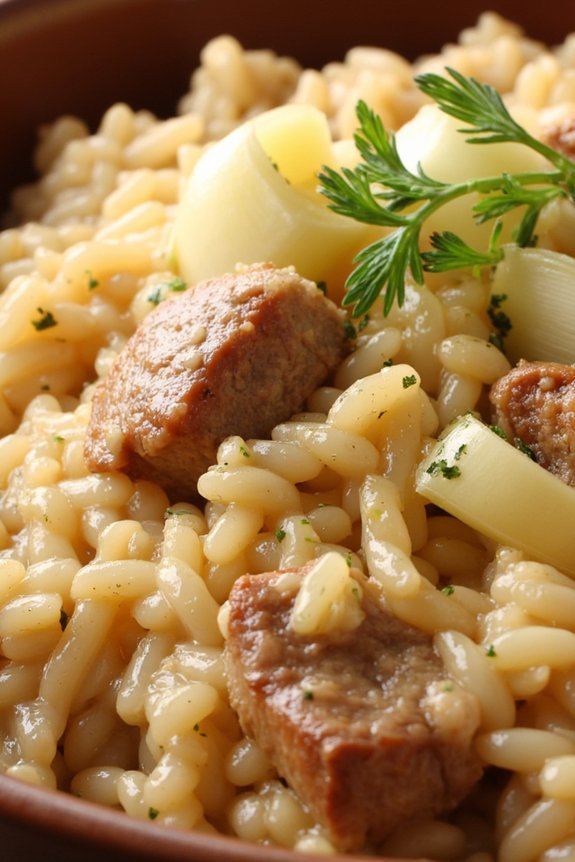
Emilia-Romagna Pork and Fennel Risotto is a comforting and flavorful dish that brings together the robust flavors of Italian pork and the aromatic essence of fennel. This traditional risotto hails from the Emilia-Romagna region, known for its rich culinary heritage. The dish perfectly balances the savory notes of tender pork with the delicate, anise-like taste of fennel, creating a harmonious medley that’s both hearty and elegant.
Risotto, a staple in Italian cuisine, is renowned for its creamy texture, achieved by slowly cooking arborio rice and gently stirring in broth until it reaches the perfect consistency.
This recipe is ideal for a family meal, serving 4-6 people, and can be a delightful addition to any dinner table. The cooking process requires patience and attention to detail, as risotto should be stirred consistently to attain the perfect creamy texture. As you cook, the aromas of the pork and fennel will fill your kitchen, making it a truly immersive culinary experience.
Whether you’re a seasoned chef or a home cook looking to explore Italian flavors, this dish offers a rewarding experience and a taste of Emilia-Romagna’s rich gastronomy.
Ingredients (serves 4-6):
- 1 pound pork shoulder, cubed
- 1 large fennel bulb, thinly sliced
- 1 large onion, finely chopped
- 2 cloves garlic, minced
- 2 cups arborio rice
- 1 cup dry white wine
- 6 cups chicken or vegetable broth, kept warm
- 1/2 cup grated Parmesan cheese
- 2 tablespoons olive oil
- 2 tablespoons unsalted butter
- Salt and pepper to taste
- Fresh fennel fronds for garnish
Cooking Instructions:
- Prepare the Ingredients: Begin by slicing the fennel bulb thinly and chopping the onion finely. Cube the pork shoulder into bite-sized pieces and mince the garlic cloves.
- Sauté the Pork: In a large pan, heat olive oil over medium-high heat. Add the cubed pork, season with salt and pepper, and sauté until browned on all sides. Remove the pork from the pan and set aside.
- Cook the Vegetables: In the same pan, add the sliced fennel and chopped onion. Cook until the vegetables are soft and the onion is translucent, about 5-7 minutes. Add the minced garlic and cook for an additional minute.
- Toast the Rice: Add the arborio rice to the pan, stirring constantly for about 2 minutes until the rice is lightly toasted and well-coated with the oil and vegetable mixture.
- Deglaze with Wine: Pour in the white wine and stir until it’s fully absorbed by the rice. This step adds depth and flavor to the risotto.
- Add the Broth Gradually: Begin adding the warm broth, one ladle at a time, allowing each addition to be absorbed before adding the next. Stir continuously to guarantee even cooking and to release the starches that create a creamy texture.
- Reintroduce the Pork: Once half of the broth has been added, return the browned pork cubes to the pan. Continue to add broth and stir until the rice is creamy and cooked to al dente, about 18-20 minutes.
- Finish with Butter and Cheese: Remove the pan from the heat and stir in the unsalted butter and grated Parmesan cheese until melted and well combined.
- Season and Serve: Taste the risotto and adjust seasoning with salt and pepper as needed. Garnish with fresh fennel fronds and serve immediately.
Extra Tips:
To ascertain your risotto has the perfect creamy consistency, it’s important to use warm broth and add it gradually, stirring constantly. This helps the rice release its starches, creating the signature creaminess of the dish.
Be careful not to rush the process; patience is key to achieving the best texture. Additionally, using a good quality Parmesan cheese will enhance the overall flavor of your risotto.
If you prefer a richer taste, you can add a splash of cream at the end, although this is optional. Enjoy your Emilia-Romagna Pork and Fennel Risotto with a glass of the same wine used in cooking to complement the flavors.
Venetian Pork Liver With Onions

Venetian Pork Liver With Onions, also known as Fegato alla Veneziana, is a classic Italian dish that beautifully showcases the rich flavors of pork liver combined with the sweetness of onions. This traditional recipe hails from Venice and is often served with creamy polenta or crusty bread to soak up the savory sauce.
The dish is known for its simplicity yet remarkable depth of flavor, making it a beloved choice for home cooks and professional chefs alike. Pork liver is an excellent source of nutrients, and when paired with onions, it creates a harmonious balance of taste and texture.
The onions are slowly caramelized, adding a silky sweetness that complements the robust flavor of the liver. This dish is perfect for those looking to explore authentic Italian cuisine and appreciate the art of transforming simple ingredients into a delicious meal.
Ingredients for 4-6 servings:
- 1.5 pounds pork liver
- 3 large onions
- 1/4 cup olive oil
- 1/2 cup white wine
- 2 tablespoons white wine vinegar
- Salt and pepper to taste
- Fresh parsley for garnish
Cooking Instructions:
- Prepare the Ingredients: Start by slicing the pork liver into thin strips, about 1/4 inch thick. Peel and thinly slice the onions. Set aside.
- Caramelize the Onions: In a large skillet, heat the olive oil over medium heat. Add the sliced onions and cook slowly, stirring frequently, until they become soft and golden brown, about 15-20 minutes. This process shouldn’t be rushed as it provides the sweetness that balances the dish.
- Cook the Liver: Once the onions are caramelized, push them to the side of the skillet. Increase the heat to medium-high and add the pork liver strips to the pan. Season with salt and pepper. Sauté the liver for about 3-4 minutes on each side until browned but still slightly pink in the center.
- Deglaze the Pan: Lower the heat to medium and pour in the white wine and white wine vinegar. Stir the liver and onions together, scraping up any browned bits from the bottom of the pan. Let the liquid reduce for about 5 minutes until it forms a light sauce that coats the liver and onions.
- Serve: Transfer the Venetian Pork Liver With Onions to a serving platter. Garnish with freshly chopped parsley for a burst of color and flavor. Serve hot with creamy polenta or crusty bread.
Extra Tips:
When selecting pork liver, verify it’s fresh and free from any strong odors. The liver’s freshness is vital for the best flavor and texture.
If you prefer a milder taste, you can soak the liver in milk for an hour before cooking; this will help mellow its flavor. Remember to avoid overcooking the liver as it can become tough and dry.
Finally, feel free to adjust the amount of onions according to your taste preference, as some may enjoy a slightly sweeter dish.
Calabrian Stuffed Pork Rolls

Calabrian Stuffed Pork Rolls, or “Involtini di Maiale Calabresi,” are a delightful and flavorful Italian dish that embodies the rich culinary traditions of Calabria. These succulent pork rolls are typically filled with a savory mixture of breadcrumbs, pecorino cheese, garlic, and aromatic herbs, then rolled, secured, and cooked to perfection. The result is a tender and juicy dish that bursts with flavors, making it a perfect centerpiece for any family gathering or special occasion.
This recipe serves 4-6 people and is a shining example of how simple ingredients can be transformed into a memorable meal. The use of fresh herbs and quality cheese enhances the natural flavors of the pork, while the slow cooking process guarantees that the rolls are tender and infused with the essence of the filling. Whether you’re a seasoned chef or a home cook looking to explore the flavors of Southern Italy, these Calabrian Stuffed Pork Rolls will surely impress.
Ingredients:
- 6 thin pork loin slices, about 1/4 inch thick
- 1 cup breadcrumbs
- 1/2 cup pecorino cheese, grated
- 3 cloves garlic, minced
- 1/4 cup fresh parsley, chopped
- 1/4 cup fresh basil, chopped
- 1/4 cup pine nuts, toasted
- 2 tablespoons olive oil
- Salt and pepper, to taste
- Kitchen twine or toothpicks for securing rolls
- 1 cup white wine
- 1 cup chicken broth
- 2 tablespoons tomato paste
- 1 tablespoon Calabrian chili paste (optional for heat)
Cooking Instructions:
- Prepare the Filling: In a bowl, combine breadcrumbs, pecorino cheese, minced garlic, chopped parsley, chopped basil, and toasted pine nuts. Season with salt and pepper. Drizzle olive oil over the mixture and stir until combined. The filling should be moist but not soggy.
- Fill and Roll the Pork: Lay the pork slices flat on a clean surface. Spoon a generous amount of the breadcrumb mixture onto each slice, spreading it evenly. Starting from one end, roll the pork tightly into a log, securing each roll with kitchen twine or toothpicks.
- Brown the Rolls: In a large skillet, heat olive oil over medium heat. Add the pork rolls and brown them on all sides, about 2-3 minutes per side. This step locks in the juices and adds a nice color to the rolls.
- Prepare the Sauce: In a separate bowl, mix the white wine, chicken broth, tomato paste, and Calabrian chili paste. Pour this mixture over the browned pork rolls in the skillet.
- Simmer: Reduce the heat to low, cover the skillet, and let the rolls simmer for about 30-40 minutes. Turn the rolls occasionally and baste them with the sauce to confirm they cook evenly and absorb the flavors.
- Serve: Once cooked through and tender, remove the pork rolls from the skillet. Cut the rolls into slices and serve them warm with a drizzle of sauce over the top.
Extra Tips:
For the best results, use fresh, high-quality pork loin and ascertain it’s sliced thinly and evenly for easy rolling. If you prefer a spicier dish, increase the amount of Calabrian chili paste or add some red pepper flakes to the filling for an extra kick.
Remember to allow the rolls to rest for a few minutes before slicing to keep all the delicious juices inside. Finally, these pork rolls pair wonderfully with a side of roasted vegetables or a fresh salad to balance out the richness of the dish.
Puglian Pork and Cabbage Soup

Puglian Pork and Cabbage Soup is a hearty and flavorful dish that reflects the rustic culinary traditions of Italy’s Puglia region. This comforting soup combines tender pieces of pork with the earthy sweetness of cabbage, creating a warm and satisfying meal perfect for cooler days. The depth of flavor is enhanced with a medley of aromatic herbs and vegetables, making it a nutritious option for any gathering or family dinner.
This dish isn’t only delicious but also straightforward to prepare, relying on fresh ingredients and traditional cooking techniques. The slow simmering of the pork allows the flavors to meld together, resulting in a rich and savory broth that’s bound to please any palate. Ideal for serving 4-6 people, this recipe provides a delightful taste of Southern Italian cuisine right in your own kitchen.
Ingredients (serving size: 4-6 people):
- 2 tablespoons olive oil
- 1 pound pork shoulder, cut into 1-inch cubes
- 1 large onion, chopped
- 2 carrots, diced
- 2 celery stalks, diced
- 3 cloves garlic, minced
- 1 small head of cabbage, cored and chopped
- 6 cups chicken broth
- 1 cup crushed tomatoes
- 1 teaspoon dried thyme
- 1 teaspoon dried oregano
- Salt and pepper to taste
- 1/4 cup chopped fresh parsley
- Bread for serving (optional)
Cooking Instructions:
- Prepare the Ingredients: Begin by preparing all the vegetables and pork. Chop the onion, dice the carrots and celery, mince the garlic, and chop the cabbage. Cut the pork shoulder into 1-inch cubes for even cooking.
- Brown the Pork: Heat the olive oil in a large soup pot or Dutch oven over medium-high heat. Add the pork cubes in a single layer, seasoning them with salt and pepper. Brown the pork on all sides, about 5 minutes. Remove the pork from the pot and set aside.
- Sauté the Vegetables: In the same pot, add the chopped onion, diced carrots, and celery. Sauté for about 5 minutes until the vegetables are softened. Add the minced garlic and cook for an additional minute until fragrant.
- Add Cabbage and Liquids: Add the chopped cabbage to the pot and stir to combine with the vegetables. Pour in the chicken broth and crushed tomatoes, stirring to guarantee all ingredients are well mixed.
- Season the Soup: Add the dried thyme and oregano to the pot. Return the browned pork to the pot, stirring to distribute evenly. Season with additional salt and pepper to taste.
- Simmer the Soup: Bring the mixture to a boil, then reduce the heat to low. Cover the pot and let the soup simmer gently for about 45 minutes to 1 hour, or until the pork is tender and the flavors have melded together.
- Finish and Serve: Once the soup is done, stir in the chopped fresh parsley. Taste and adjust seasoning if necessary. Ladle the soup into bowls and serve hot with slices of crusty bread on the side, if desired.
Extra Tips:
For a deeper flavor, consider browning the pork in batches to prevent overcrowding in the pot, which can result in steaming rather than browning. If you prefer a spicier kick, add a pinch of red pepper flakes along with the herbs.
The soup can also be made a day in advance, as the flavors will continue to develop when stored in the refrigerator overnight. Just reheat gently before serving, and add a splash of broth or water if the soup has thickened too much.
