

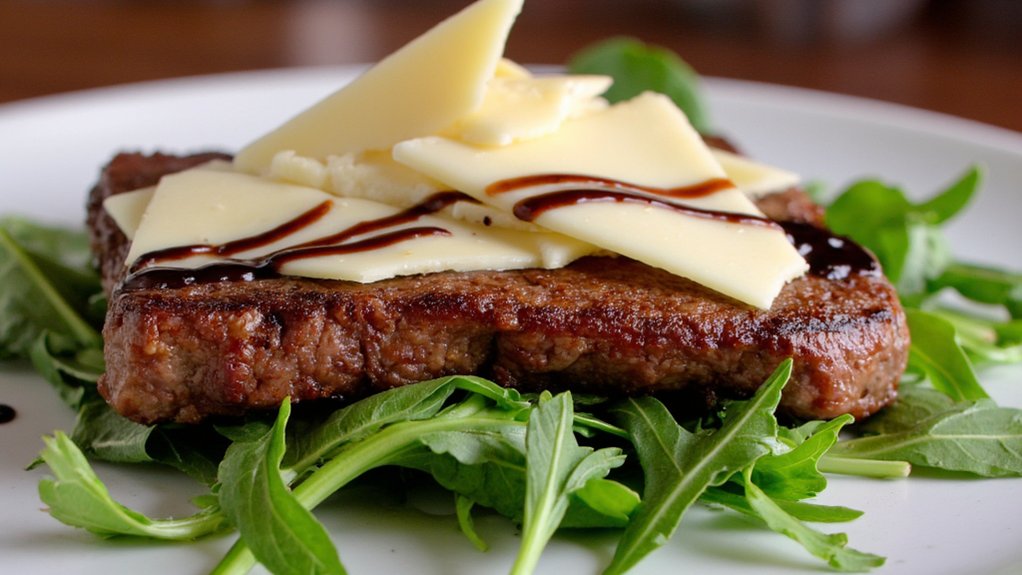
I still remember my Nonna’s kitchen, filled with laughter and the comforting aroma of her beef ragù alla Bolognese. Italian meat dishes have a way of wrapping you in warmth and nostalgia. From juicy meatballs to indulgent osso buco, these recipes bring that same cozy feeling to the table. Ready to bring some classic Nonna style warmth to your dinner? Let’s explore these 12 flavorful Italian meat dinner recipes together.
Classic Beef Ragù Alla Bolognese
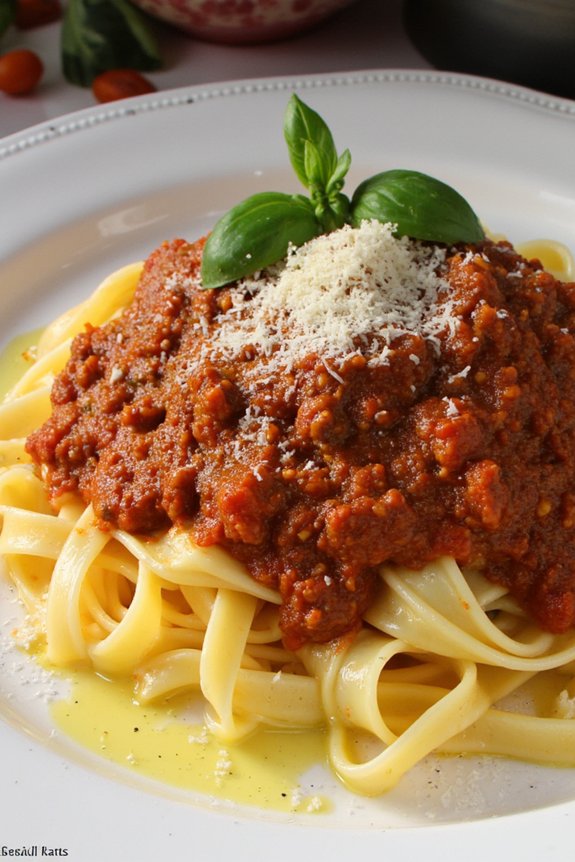
Indulge in the rich and savory flavors of Classic Beef Ragù Alla Bolognese, a timeless Italian dish that has won the hearts of food lovers across the globe. This hearty meat sauce is traditionally slow-cooked to perfection, allowing the flavors to meld and develop into a luscious, comforting meal that pairs beautifully with pasta.
Originating from the city of Bologna, this ragù is characterized by its use of ground beef, vegetables, and a touch of red wine, creating a sauce that’s both robust and deeply satisfying.
Creating a Classic Beef Ragù Alla Bolognese is a rewarding cooking experience that requires patience and attention to detail. The process involves carefully sautéing a blend of aromatic vegetables, browning the meat to build depth of flavor, and simmering the sauce gently for hours.
The end result is a thick, rich sauce with a complex taste that beautifully coats each strand of pasta, making it a perfect centerpiece for an Italian meat dinner. Serve this dish to a gathering of 4-6 people, and you’ll transport your guests straight to the heart of Italy with every bite.
Ingredients (Serves 4-6):
- 2 tablespoons olive oil
- 1 large onion, finely chopped
- 2 carrots, finely chopped
- 2 celery stalks, finely chopped
- 3 cloves garlic, minced
- 500g (1.1 lbs) ground beef
- 1 cup red wine
- 800g (28 oz) canned crushed tomatoes
- 2 tablespoons tomato paste
- 1 cup beef stock
- 1 teaspoon dried oregano
- 1 teaspoon dried basil
- Salt and pepper, to taste
- 1/2 cup whole milk
- Grated Parmesan cheese, for serving
- Fresh basil leaves, for garnish
- Cooked pasta of choice (such as tagliatelle or pappardelle)
Cooking Instructions:
- Prepare the Aromatics: Heat the olive oil in a large pot over medium heat. Add the onion, carrots, and celery, and sauté for about 5-7 minutes until the vegetables are soft and the onion is translucent. Stir in the garlic and cook for an additional minute until fragrant.
- Brown the Meat: Increase the heat to medium-high and add the ground beef to the pot. Cook, stirring frequently, until the beef is browned and cooked through, breaking up any large chunks with a spoon.
- Deglaze with Wine: Pour in the red wine, scraping up any browned bits from the bottom of the pot. Let it simmer for about 5 minutes until the wine has reduced by half.
- Add Tomatoes and Seasonings: Stir in the crushed tomatoes, tomato paste, beef stock, dried oregano, and dried basil. Season with salt and pepper to taste. Bring the mixture to a simmer.
- Simmer the Sauce: Reduce the heat to low, cover partially, and let the sauce simmer gently for about 2-3 hours, stirring occasionally. This slow cooking allows the flavors to deepen and meld together.
- Finish with Milk: About 15 minutes before serving, stir in the whole milk. This will add a creamy texture to the sauce. Adjust seasoning if necessary.
- Serve: Cook pasta according to package instructions. Serve the ragù over the pasta, topped with grated Parmesan cheese and fresh basil leaves.
Extra Tips:
For the best results, be patient and allow the sauce to simmer for the full duration. This slow cooking process is essential for developing the deep flavors characteristic of a classic Bolognese.
If you have time, consider preparing the sauce a day in advance; the flavors will continue to improve as they sit. Additionally, feel free to adjust the consistency of the sauce by adding more beef stock if it becomes too thick.
Remember to taste and adjust the seasoning just before serving for a perfectly balanced dish.
Hearty Osso Buco With Gremolata
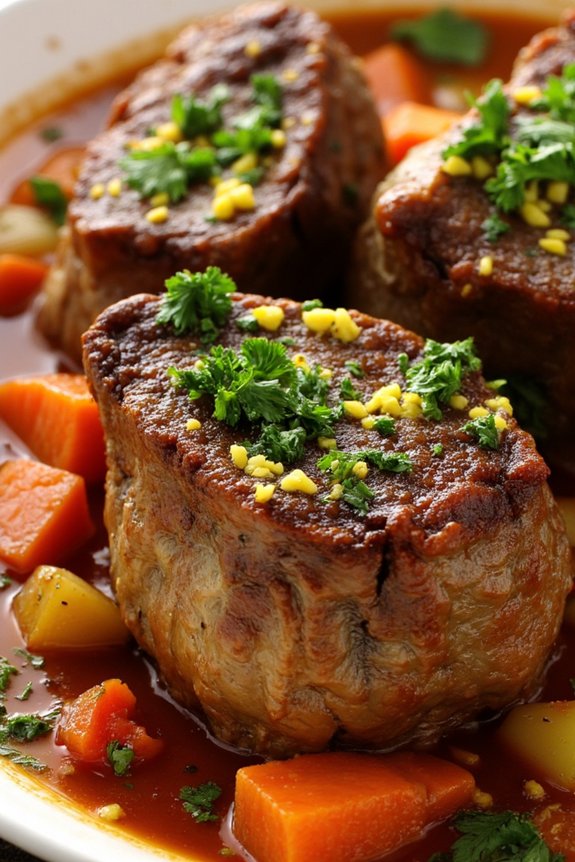
Hearty Osso Buco With Gremolata is a classic Italian dish that’s both rich and comforting, perfect for a family dinner or special occasion. This traditional recipe features tender braised veal shanks slowly cooked in a savory sauce of wine, broth, and aromatic vegetables.
The osso buco is finished with a sprinkle of gremolata, a zesty mix of lemon zest, garlic, and parsley, which adds a bright contrast to the rich flavors of the dish. Serve it with creamy risotto or crusty bread to soak up the delicious sauce.
The key to a successful Osso Buco is patience and quality ingredients. The dish requires a slow cooking process that allows the meat to become tender and the flavors to meld together beautifully. Using fresh herbs and good-quality veal shanks will enhance the overall taste of the dish.
This recipe serves 4-6 people, making it ideal for a cozy dinner gathering. Prepare to impress your guests with this hearty, flavorful Italian classic that will transport your taste buds straight to the heart of Italy.
Ingredients:
- 4-6 veal shanks (about 1.5 to 2 inches thick)
- Salt and freshly ground black pepper
- 1/4 cup all-purpose flour, for dusting
- 3 tablespoons olive oil
- 2 tablespoons unsalted butter
- 1 large onion, finely chopped
- 2 carrots, diced
- 2 celery stalks, diced
- 4 cloves garlic, minced
- 1 cup dry white wine
- 2 cups beef or chicken broth
- 1 can (14 ounces) diced tomatoes
- 2 teaspoons dried thyme
- 2 bay leaves
- Zest of 1 lemon
- 2 tablespoons fresh parsley, chopped
- 2 tablespoons fresh basil, chopped (optional)
Cooking Instructions:
- Prepare the Veal Shanks: Pat the veal shanks dry with paper towels. Season them generously with salt and pepper. Dust each shank lightly with flour, shaking off any excess.
- Brown the Shanks: In a large, heavy-bottomed pot or Dutch oven, heat the olive oil and butter over medium-high heat. Add the veal shanks and brown them on all sides, about 3-4 minutes per side. Once browned, remove the shanks from the pot and set them aside.
- Sauté the Vegetables: In the same pot, add the chopped onion, carrots, and celery. Cook for about 5 minutes, stirring occasionally, until the vegetables are soft. Add the minced garlic and cook for an additional 1 minute until fragrant.
- Deglaze the Pot: Pour in the white wine, scraping up any browned bits from the bottom of the pot. Let the wine simmer for about 2 minutes to reduce slightly.
- Add the Broth and Tomatoes: Stir in the broth, diced tomatoes, thyme, and bay leaves. Bring the mixture to a simmer.
- Braise the Veal Shanks: Return the browned veal shanks to the pot, nestling them into the sauce. Guarantee the liquid covers the shanks about two-thirds of the way. Cover the pot with a lid and reduce the heat to low. Let the osso buco simmer gently for about 1.5 to 2 hours, or until the meat is tender and falling off the bone.
- Prepare the Gremolata: In a small bowl, combine the lemon zest, parsley, and optional basil. Mix well and set aside.
- Finish and Serve: Once the osso buco is cooked, remove the bay leaves. Adjust seasoning with salt and pepper if necessary. Serve the osso buco hot, topped with a generous sprinkle of gremolata.
Extra Tips:
For the best flavor, choose veal shanks with marrow bones, as they add richness to the sauce. If you want a thicker sauce, you can remove the shanks once cooked and let the sauce reduce further on the stove. Confirm to taste and adjust seasoning before serving.
Pair this dish with a creamy risotto or polenta for a traditional Italian experience. If you don’t have fresh herbs, dried ones can be used, but fresh is always preferred for gremolata to maximize flavor.
Traditional Italian Meatballs in Marinara Sauce

Traditional Italian Meatballs in Marinara Sauce is a classic dish that captures the rich flavors and comforting nature of Italian cuisine. This dish features tender, juicy meatballs simmered in a robust marinara sauce, creating a savory and satisfying meal that’s perfect for family gatherings or an intimate dinner.
The meatballs are made using a combination of ground beef and pork, seasoned with aromatic herbs and spices, and bound together with breadcrumbs and eggs to guarantee they hold their shape during cooking. When paired with the homemade marinara sauce, these meatballs become a flavorful centerpiece to any Italian-inspired meal.
Crafting a delicious marinara sauce is just as important as the meatballs themselves. With a base of ripe tomatoes, garlic, onions, and a medley of herbs, the sauce develops a rich depth of flavor as it simmers gently, allowing the meatballs to absorb its essence.
This dish serves 4-6 people, making it ideal for a hearty family dinner. Serve it over a bed of spaghetti or alongside crusty garlic bread to soak up every bit of the luscious sauce. Here’s how you can make this delightful Italian dish at home.
Ingredients (Serves 4-6)
- For the Meatballs:
- 1 pound ground beef
- 1 pound ground pork
- 1 cup breadcrumbs
- 2 large eggs
- 1/4 cup grated Parmesan cheese
- 2 cloves garlic, minced
- 1 teaspoon dried oregano
- 1 teaspoon dried basil
- Salt and pepper, to taste
- For the Marinara Sauce:
- 2 tablespoons olive oil
- 1 onion, finely chopped
- 3 cloves garlic, minced
- 1 (28-ounce) can crushed tomatoes
- 1 (15-ounce) can tomato sauce
- 1 teaspoon dried oregano
- 1 teaspoon dried basil
- 1 tablespoon sugar
- Salt and pepper, to taste
- Fresh basil leaves, for garnish
Cooking Instructions
- Prepare the Meatball Mixture:
- In a large mixing bowl, combine the ground beef, ground pork, breadcrumbs, eggs, Parmesan cheese, minced garlic, oregano, basil, salt, and pepper. Mix until all ingredients are well combined, being careful not to overwork the meat mixture.
- Shape the Meatballs:
- Using your hands, shape the mixture into meatballs, about 1.5 inches in diameter. Place the formed meatballs on a baking sheet lined with parchment paper.
- Cook the Meatballs:
- In a large skillet over medium-high heat, add a splash of olive oil. Once hot, add the meatballs in batches, browning them on all sides. Transfer the browned meatballs to a plate while you prepare the sauce.
- Make the Marinara Sauce:
- In the same skillet, add olive oil and sauté the chopped onions until translucent. Add the minced garlic and cook for another minute. Stir in the crushed tomatoes, tomato sauce, oregano, basil, sugar, salt, and pepper. Bring the sauce to a simmer.
- Simmer the Meatballs:
- Carefully add the browned meatballs to the simmering sauce. Cover and let them cook for about 25-30 minutes, stirring occasionally, until the meatballs are cooked through and have absorbed the flavors of the sauce.
- Serve:
- Garnish with fresh basil leaves and serve the meatballs and sauce over spaghetti or with garlic bread.
Extra Tips
For the best flavor, let the meatballs rest for a few minutes after shaping to help them hold their form. When browning the meatballs, be gentle when turning them to prevent them from falling apart.
If you prefer a smoother sauce, use an immersion blender to puree the sauce before adding the meatballs. Adjust the seasoning of the sauce to your taste, and feel free to add a pinch of red pepper flakes for a hint of heat.
Enjoy your traditional Italian meatballs in marinara sauce with a glass of red wine for a true Italian experience.
Savory Porchetta Roast
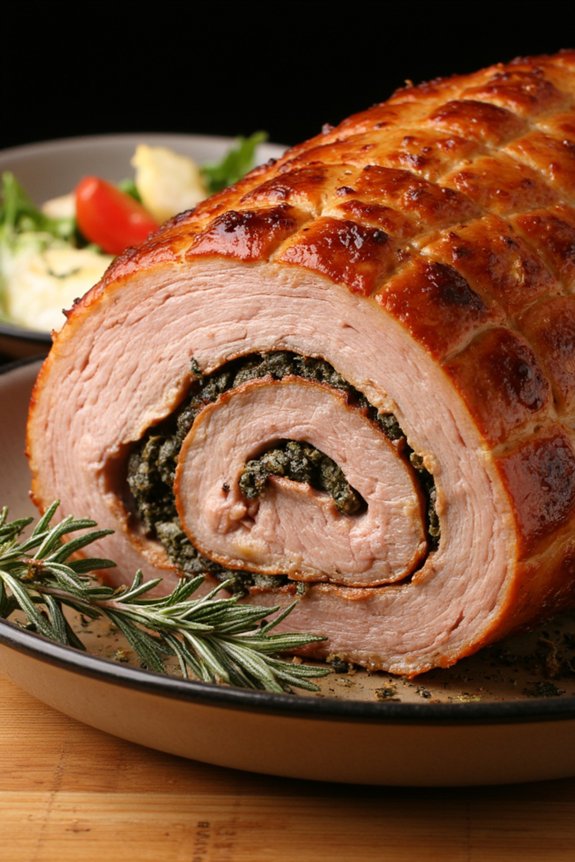
Porchetta is a classic Italian dish that features a savory and aromatic roast made with pork. Traditionally, porchetta is a whole deboned pig, stuffed with garlic, rosemary, fennel, and other herbs, then slow-roasted to perfection. In this recipe, we’ll simplify the process by using a pork belly or a pork shoulder, making it more accessible for home cooks while still delivering the rich, herby flavors that make porchetta so beloved.
The secret to a perfect porchetta lies in the seasoning and the cooking technique. The meat is rubbed with a mixture of herbs and spices, then rolled and tied to guarantee even cooking. The result is a succulent roast with crispy skin and tender, flavorful meat. This dish is perfect for a special dinner, impressing guests with its rustic, yet elegant presentation. Serve it with roasted vegetables or a simple Italian salad for a complete meal.
Ingredients (Serves 4-6):
- 4-5 pounds of pork belly or pork shoulder, skin on
- 1 tablespoon fennel seeds
- 1 tablespoon black peppercorns
- 1 tablespoon sea salt
- 4 cloves garlic, minced
- 2 tablespoons fresh rosemary, chopped
- 2 tablespoons fresh thyme, chopped
- 1 tablespoon fresh sage, chopped
- Zest of 1 lemon
- 2 tablespoons olive oil
- Kitchen twine
Cooking Instructions:
- Prepare the Pork: Lay the pork belly or shoulder skin-side down on a cutting board. Use a sharp knife to score the flesh in a crisscross pattern, being careful not to cut through to the skin.
- Make the Herb Mixture: In a mortar and pestle or a spice grinder, crush the fennel seeds and black peppercorns until coarse. Mix with sea salt, minced garlic, rosemary, thyme, sage, and lemon zest.
- Season the Pork: Rub the herb mixture evenly over the scored flesh of the pork, pressing it into the cuts. Drizzle with olive oil and massage the seasoning into the meat.
- Roll and Tie: Roll the pork tightly with the skin on the outside. Use kitchen twine to tie the roast at 1-inch intervals to hold its shape during cooking.
- Refrigerate: Place the tied pork in a roasting pan and let it marinate in the refrigerator for at least 4 hours or overnight for deeper flavor.
- Preheat the Oven: When ready to cook, preheat the oven to 450°F (230°C).
- Roast the Pork: Place the pork in the oven and roast for 30 minutes to crisp the skin. Then reduce the oven temperature to 325°F (160°C) and continue roasting for 2 to 2.5 hours, or until the internal temperature reaches 145°F (63°C).
- Rest and Serve: Remove the porchetta from the oven and let it rest for at least 20 minutes before slicing. This allows the juices to redistribute, resulting in more tender meat.
Extra Tips:
For extra crispy skin, make sure the pork skin is dry before roasting. You can achieve this by leaving the pork uncovered in the fridge overnight, allowing the skin to dry out.
If you notice the skin isn’t crisping up as desired, you can finish it off under the broiler for a few minutes, but watch closely to prevent burning.
When slicing the porchetta, use a sharp knife to guarantee clean cuts that showcase the beautiful layers of herbs and succulent meat.
Succulent Veal Saltimbocca
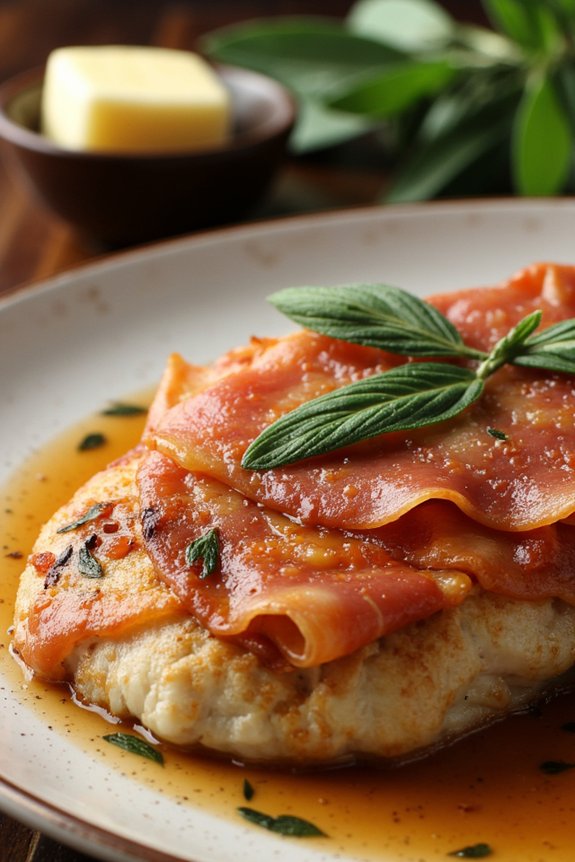
Veal Saltimbocca is a classic Italian dish that combines tender veal cutlets with the savory flavors of prosciutto and fresh sage. The name “saltimbocca” translates to “jump in the mouth,” which perfectly describes the burst of flavors you’ll experience with every bite.
This dish is renowned for its simplicity and elegance, making it an ideal choice for a special dinner or a delightful weeknight treat. Traditionally, veal saltimbocca is served with a side of sautéed spinach or a light salad, which complements its rich flavors beautifully.
The preparation of veal saltimbocca involves securing thin slices of veal with fresh sage leaves and prosciutto, then cooking them to perfection in a combination of butter and olive oil. The dish is finished with a splash of white wine or Marsala, which creates a delicious pan sauce that enhances the overall taste.
By following this recipe, you’ll be able to create a restaurant-quality meal in the comfort of your own kitchen, perfect for serving 4-6 people.
Ingredients:
- 6 veal cutlets, pounded to 1/4 inch thickness
- 12 fresh sage leaves
- 6 slices of prosciutto
- Salt and black pepper to taste
- 2 tablespoons olive oil
- 3 tablespoons unsalted butter
- 1/2 cup dry white wine or Marsala
- Toothpicks (for securing the prosciutto and sage)
Instructions:
1. Prepare the Veal Cutlets:
Start by laying each veal cutlet flat on a cutting board. Season both sides lightly with salt and black pepper. Place two fresh sage leaves on each cutlet and then cover with a slice of prosciutto. Use toothpicks to secure the prosciutto and sage to the veal, making sure they stay in place during cooking.
2. Heat the Pan:
In a large skillet, heat the olive oil and 2 tablespoons of butter over medium-high heat. Once the butter has melted and begins to sizzle, it’s ready for the veal.
3. Cook the Veal:
Place the prepared veal cutlets prosciutto-side down in the skillet. Cook for about 2-3 minutes on each side, until the prosciutto is crisp and the veal is browned. Be sure not to overcrowd the pan; if necessary, cook in batches to prevent steaming.
4. Deglaze the Pan:
Once all the cutlets are cooked, remove them from the skillet and set aside. Add the white wine or Marsala to the pan, scraping up any browned bits from the bottom. Let the wine simmer for about 1-2 minutes to reduce slightly.
5. Finish the Sauce:
Lower the heat and add the remaining tablespoon of butter to the pan. Stir until the butter is melted and the sauce is well combined. Return the veal cutlets to the pan and spoon the sauce over them. Let them simmer together for an additional 1-2 minutes to absorb the flavors.
6. Serve:
Remove the toothpicks before serving. Plate the veal cutlets and pour any remaining sauce over the top. Serve immediately for the best flavor.
Extra Tips:
For the best results, make sure your veal cutlets are uniformly thin to cook evenly. If you don’t have a meat tenderizer, you can place the cutlets between two pieces of plastic wrap and gently pound them with a rolling pin.
Additionally, when selecting the wine for the sauce, choose a dry variety that you enjoy drinking, as it will greatly impact the dish’s flavor. Finally, be mindful not to overcook the veal, as it can become tough quickly; it should remain tender and juicy.
Authentic Chicken Cacciatore

Chicken Cacciatore, also known as “hunter’s chicken,” is a classic Italian dish that combines the flavors of juicy chicken, hearty vegetables, and aromatic herbs, simmered to perfection in a rich tomato-based sauce.
Originating from Italy’s rustic countryside, this dish was traditionally prepared by hunters using the ingredients they’d on hand. Over time, it has become a beloved staple in Italian cuisine, cherished for its comforting and robust flavors.
It’s a perfect dish for family gatherings or a cozy dinner, offering warmth and heartiness in every bite.
This recipe serves 4-6 people, making it ideal for a medium-sized dinner party or a family meal. The beauty of Chicken Cacciatore lies in its simplicity and the melding of flavors as it slowly cooks.
The chicken becomes tender and flavorful, absorbing the rich sauce made with tomatoes, wine, and aromatic spices. Serve it over pasta, polenta, or with crusty bread to soak up the delicious sauce.
Let’s explore the list of ingredients and step-by-step instructions to create this authentic Italian delight.
Ingredients:
- 1 whole chicken (about 3-4 pounds), cut into 8 pieces
- Salt and black pepper, to taste
- 1/4 cup all-purpose flour, for dredging
- 3 tablespoons olive oil
- 1 large onion, chopped
- 1 red bell pepper, sliced
- 1 yellow bell pepper, sliced
- 3 cloves garlic, minced
- 1/2 cup dry white wine
- 1 can (28 ounces) crushed tomatoes
- 3/4 cup chicken broth
- 1/2 teaspoon dried oregano
- 1/2 teaspoon dried thyme
- 1/4 teaspoon red pepper flakes (optional)
- 1/4 cup chopped fresh basil
- 2 tablespoons capers
- 1/4 cup chopped fresh parsley
Cooking Instructions:
- Prepare the Chicken: Season the chicken pieces with salt and black pepper. Dredge each piece lightly in flour, shaking off any excess.
- Brown the Chicken: In a large skillet or Dutch oven, heat the olive oil over medium-high heat. Add the chicken pieces in batches and brown them on all sides. This should take about 5 minutes per batch. Transfer the browned chicken to a plate and set aside.
- Sauté the Vegetables: In the same skillet, add the chopped onion, red and yellow bell peppers, and garlic. Sauté for about 5 minutes or until the vegetables are softened.
- Deglaze the Pan: Pour in the white wine and let it simmer for 2-3 minutes, scraping the bottom of the pan to release any browned bits. This step adds depth to the sauce.
- Combine Ingredients: Stir in the crushed tomatoes, chicken broth, oregano, thyme, and red pepper flakes. Mix well to combine all the flavors.
- Simmer the Chicken: Return the browned chicken pieces to the skillet. Submerge them in the sauce, bring to a simmer, and cover with a lid. Reduce the heat to low and let it cook for about 25-30 minutes, or until the chicken is cooked through and tender.
- Add Final Touches: Stir in the fresh basil, capers, and half of the parsley. Let it simmer for another 5 minutes to allow the flavors to meld together.
- Serve: Garnish with the remaining parsley and serve the Chicken Cacciatore hot over your choice of pasta, polenta, or with crusty bread.
Extra Tips:
For an even richer flavor, consider marinating the chicken in herbs and garlic for a few hours before cooking.
If you prefer a thicker sauce, you can remove the lid during the last 10 minutes of cooking to allow some of the liquid to evaporate.
Feel free to adjust the spice level by increasing or omitting the red pepper flakes. This dish can also be made a day in advance, as the flavors intensify when reheated, making it even more delicious.
Flavorful Sausage and Pepper Skillet

The Flavorful Sausage and Pepper Skillet is a classic Italian-inspired dish that brings together the robust flavors of Italian sausage with the sweetness of bell peppers and onions. It’s a hearty and satisfying meal that can be whipped up in under an hour, making it perfect for a busy weeknight or a casual weekend gathering.
The combination of juicy sausages and colorful vegetables creates a visually appealing dish that’s as delicious as it’s nutritious. Serve it with crusty bread or over a bed of pasta or rice to soak up the savory juices.
This dish is versatile and can be customized to suit your tastes by adding different spices or incorporating additional vegetables. The key to achieving the perfect balance of flavors is to allow the sausages to caramelize and the vegetables to cook down until tender.
This recipe serves 4-6 people, making it an ideal choice for family dinners or small gatherings. The simplicity of the ingredients allows each component to shine, guaranteeing a delightful eating experience.
Ingredients:
- 1 1/2 pounds Italian sausage (mild or spicy)
- 3 tablespoons olive oil
- 3 mixed bell peppers (red, yellow, green), sliced
- 1 large onion, sliced
- 3 cloves garlic, minced
- 1 teaspoon Italian seasoning
- 1/2 teaspoon red pepper flakes (optional)
- Salt and pepper, to taste
- 1/4 cup chicken broth or white wine
- Fresh basil leaves, for garnish
Cooking Instructions:
- Prepare the Sausages: Begin by heating 1 tablespoon of olive oil in a large skillet over medium heat. Add the sausages to the skillet and cook them for about 7-10 minutes, turning occasionally, until they’re browned on all sides. Remove the sausages from the skillet and set them aside.
- Sauté the Veggies: In the same skillet, add the remaining 2 tablespoons of olive oil. Add the sliced onions and bell peppers to the skillet. Sauté for about 5-7 minutes until the vegetables start to soften. Stir in the minced garlic and continue to cook for an additional 1-2 minutes.
- Season and Simmer: Sprinkle the Italian seasoning, red pepper flakes (if using), salt, and pepper over the vegetables. Stir to combine the seasonings with the vegetables. Pour in the chicken broth or white wine, and then return the sausages to the skillet.
- Cook Together: Cover the skillet, reduce the heat to low, and let everything simmer together for about 10-15 minutes. This will allow the sausages to cook through completely and the flavors to meld together.
- Serve: Once the sausages are cooked through and the peppers and onions are tender, remove the skillet from the heat. Garnish with fresh basil leaves before serving.
Extra Tips:
To verify your sausages are cooked thoroughly, you can slice them into smaller pieces after browning if you prefer. This will also help them absorb more of the flavors from the peppers and onions.
For an extra depth of flavor, consider adding a splash of balsamic vinegar or a squeeze of lemon juice right before serving. If you’re looking to add more veggies, mushrooms or zucchini make great additions to this dish.
Remember to taste and adjust the seasoning to your preference before serving. Enjoy this dish with a side of warm, crusty bread to soak up the flavorful juices!
Delicious Braciole in Tomato Sauce
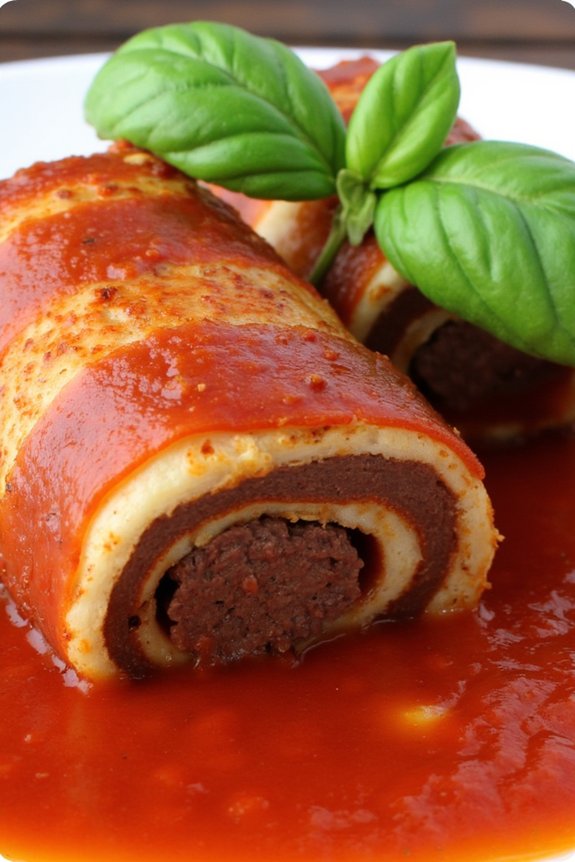
Braciole is a classic Italian dish that involves thin slices of beef rolled with a flavorful filling, simmered slowly in a rich tomato sauce. This hearty dish is perfect for family gatherings or a cozy dinner, showcasing the depth of flavor that comes from the combination of tender beef, herbs, and a robust tomato sauce.
The key to a successful braciole is allowing the meat to cook slowly, absorbing the enticing flavors of the sauce, resulting in a tender, melt-in-your-mouth experience.
This recipe for Braciole in Tomato Sauce is designed to serve 4-6 people, making it ideal for a small dinner party or a family meal. Each slice of rolled beef is packed with a savory filling of breadcrumbs, cheese, and herbs, which pairs perfectly with the tangy tomato sauce.
Follow these steps to recreate this Italian favorite in your own kitchen, and enjoy the comforting taste of homemade braciole.
Ingredients (Serves 4-6):
- 6 thin slices of beef top round or flank steak (about 1/4 inch thick)
- 1 cup Italian seasoned breadcrumbs
- 1/2 cup grated Parmesan cheese
- 1/4 cup chopped fresh parsley
- 2 cloves garlic, minced
- 1/2 teaspoon salt
- 1/4 teaspoon black pepper
- 6 slices of prosciutto
- 2 tablespoons olive oil
- 1 large onion, chopped
- 2 cloves garlic, sliced
- 1 can (28 oz) crushed tomatoes
- 1/2 cup red wine
- 1 teaspoon dried oregano
- 1/2 teaspoon crushed red pepper flakes (optional)
- Salt and pepper to taste
- Fresh basil leaves for garnish
Cooking Instructions:
- Prepare the Filling: In a bowl, combine the breadcrumbs, Parmesan cheese, chopped parsley, minced garlic, 1/2 teaspoon salt, and 1/4 teaspoon black pepper. Mix well to combine all ingredients evenly.
- Assemble the Braciole: Lay out the beef slices on a clean surface. Place one slice of prosciutto on each piece of beef. Spread a thin layer of the breadcrumb mixture over the prosciutto, leaving a small border around the edges. Roll each slice tightly and secure with kitchen twine or toothpicks.
- Brown the Braciole: Heat olive oil in a large skillet over medium-high heat. Add the braciole rolls and cook until browned on all sides, about 5-7 minutes. Remove the rolls from the skillet and set aside.
- Prepare the Sauce: In the same skillet, add the chopped onion and sliced garlic. Sauté until the onion is translucent, about 5 minutes. Pour in the red wine and let it reduce for about 2 minutes, scraping up any browned bits from the bottom of the pan.
- Simmer: Add the crushed tomatoes, dried oregano, and crushed red pepper flakes to the skillet. Stir well to combine. Return the braciole to the skillet, nestling them into the sauce. Cover and let simmer on low heat for about 1.5 to 2 hours, or until the meat is tender.
- Season and Serve: Taste the sauce and adjust seasoning with salt and pepper as needed. Remove the kitchen twine or toothpicks from the braciole before serving. Garnish with fresh basil leaves and serve hot over pasta or alongside a crusty bread.
Extra Tips:
For the best results, make sure to use thin cuts of beef that are uniform in thickness for even cooking. If possible, prepare the braciole a day ahead and let them sit in the refrigerator overnight to deepen the flavors.
When simmering, ascertain the sauce covers the rolls partially to keep them moist. Also, feel free to experiment with different cheeses or add ingredients like pine nuts or raisins to the filling for a unique twist.
Rich Pork Spareribs in Red Wine
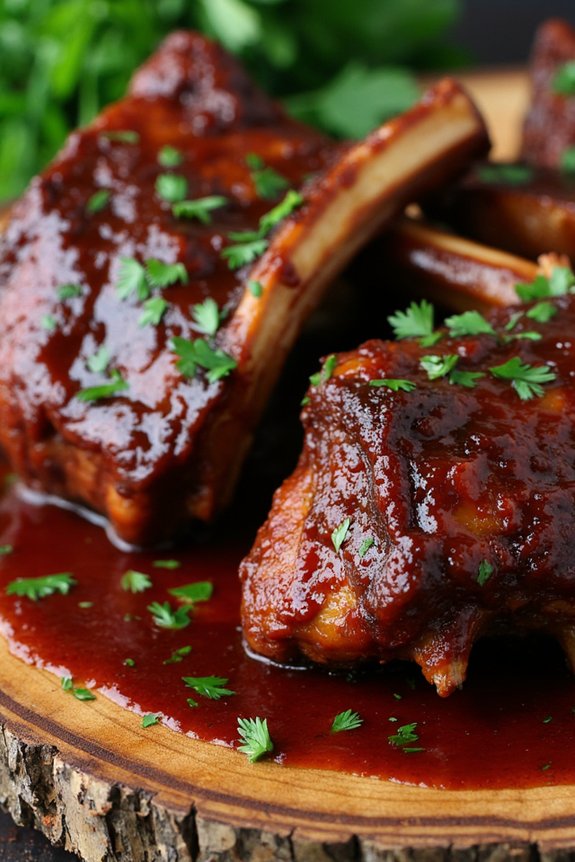
Rich Pork Spareribs in Red Wine is a sumptuous Italian dish that’s perfect for a cozy dinner with family or friends. The combination of tender pork spareribs and a rich, flavorful red wine sauce creates a meal that’s both hearty and elegant. This dish is ideal for those who enjoy a robust and savory meal, as the red wine adds depth and complexity to the rich pork flavor.
The slow cooking process allows the meat to become incredibly tender, while the sauce thickens and develops a deep, aromatic taste. This recipe serves 4-6 people, making it great for entertaining or for a special family dinner. The key to achieving the perfect dish is to use quality ingredients, including a good red wine and fresh herbs.
The cooking process is straightforward, but it does require some time and patience to allow the flavors to fully meld together. By following this recipe, you’ll create a dish that’s sure to impress and satisfy even the most discerning palates.
Ingredients:
- 3 pounds pork spareribs
- Salt and freshly ground black pepper
- 2 tablespoons olive oil
- 1 large onion, finely chopped
- 3 cloves garlic, minced
- 2 cups red wine (preferably Italian, such as Chianti)
- 1 cup beef broth
- 1 can (14 ounces) crushed tomatoes
- 2 tablespoons tomato paste
- 1 tablespoon sugar
- 2 teaspoons dried oregano
- 1 teaspoon dried thyme
- 2 bay leaves
- Fresh parsley, chopped, for garnish
Cooking Instructions:
- Prepare the Spareribs: Begin by seasoning the pork spareribs generously with salt and freshly ground black pepper. This will help to enhance the natural flavors of the meat.
- Sear the Ribs: In a large, heavy-bottomed pot or Dutch oven, heat the olive oil over medium-high heat. Once hot, add the spareribs in batches, ensuring not to overcrowd the pot. Sear the ribs on all sides until they’re browned, about 4-5 minutes per side. Remove the ribs and set them aside on a plate.
- Sauté the Aromatics: In the same pot, add the chopped onion and minced garlic. Sauté until the onion becomes translucent and the garlic is fragrant, about 3-4 minutes. This step is essential for building the base flavor of the dish.
- Deglaze the Pot: Pour the red wine into the pot to deglaze, scraping up any browned bits from the bottom. This will add depth to the sauce. Bring the wine to a simmer and let it reduce slightly, about 5 minutes.
- Build the Sauce: Add the beef broth, crushed tomatoes, tomato paste, sugar, oregano, thyme, and bay leaves to the pot. Stir well to combine all the ingredients. Return the seared spareribs to the pot, ensuring they’re submerged in the sauce.
- Simmer the Dish: Bring the mixture to a gentle simmer. Cover the pot and reduce the heat to low. Allow the ribs to cook slowly for about 2-2.5 hours, or until the meat is tender and falling off the bone. Stir occasionally and check the seasoning, adding more salt and pepper if needed.
- Finish and Serve: Once the ribs are tender, remove the bay leaves and discard. Transfer the ribs to a serving platter and spoon the sauce over the top. Garnish with freshly chopped parsley for a burst of color and flavor. Serve the dish hot with crusty bread or over a bed of creamy polenta.
Extra Tips: When selecting the red wine for this recipe, choose one that you enjoy drinking, as the flavor of the wine will be prominent in the dish. Additionally, if you prefer a thicker sauce, you can remove the ribs once they’re cooked and simmer the sauce uncovered for an additional 10-15 minutes to reduce it further.
This will concentrate the flavors and create a richer texture. To make the dish even more aromatic, consider adding a sprig of fresh rosemary or a pinch of red pepper flakes for a hint of spice. Enjoy your Rich Pork Spareribs in Red Wine with a glass of the same wine used in the cooking for a complete dining experience.
Tasty Lamb Chops With Rosemary and Garlic
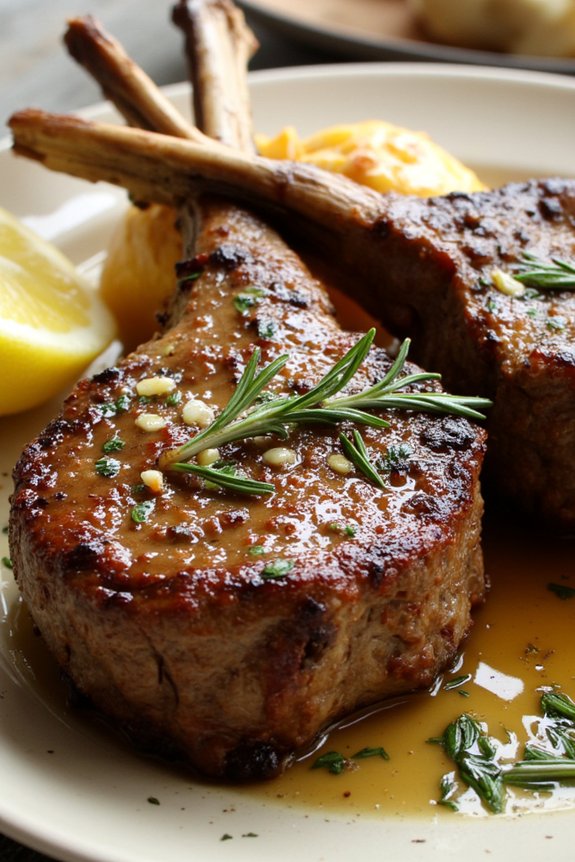
Experience the exquisite flavors of Italy with our Tasty Lamb Chops with Rosemary and Garlic recipe. This dish is a perfect representation of Italian cuisine’s ability to turn simple ingredients into a culinary delight. The combination of fresh rosemary and garlic infuses the lamb chops with a fragrant aroma and a tantalizing taste that’s both rustic and sophisticated.
Ideal for a family dinner or a special gathering, these lamb chops are sure to impress your guests with their succulent texture and rich flavor profile.
The preparation of this dish is straightforward, yet the result is nothing short of extraordinary. By allowing the lamb chops to marinate in a blend of rosemary, garlic, and olive oil, you enhance their natural flavor, while grilling or searing them to perfection locks in the juices, ensuring each bite is tender and juicy.
This recipe serves 4-6 people, making it a great choice for an intimate dinner or a small celebration. Pair it with a side of roasted vegetables or a fresh salad for a complete Italian-inspired meal.
Ingredients for 4-6 servings:
- 8 lamb chops (about 1 inch thick)
- 4 cloves garlic, minced
- 3 tablespoons fresh rosemary, finely chopped
- 1/4 cup extra virgin olive oil
- Salt and freshly ground black pepper to taste
- 1 lemon, cut into wedges
Cooking Instructions:
- Prepare the Marinade: In a small bowl, combine the minced garlic, chopped rosemary, and olive oil. Mix well to create a fragrant marinade.
- Season the Lamb Chops: Place the lamb chops in a large dish or a resealable plastic bag. Pour the marinade over the chops, ensuring they’re evenly coated. Season with salt and pepper to taste. Cover the dish with plastic wrap or seal the bag, and refrigerate for at least 1 hour, allowing the flavors to infuse the meat.
- Preheat the Grill or Pan: If using a grill, preheat it to medium-high heat. If using a skillet, heat it over medium-high heat until hot.
- Cook the Lamb Chops: Remove the lamb chops from the marinade and let any excess drip off. Place the chops on the grill or in the hot skillet. Cook for 4-5 minutes on each side for medium-rare, or until they reach your desired level of doneness. Use a meat thermometer to check the internal temperature, which should be 145°F (63°C) for medium-rare.
- Rest the Lamb Chops: Once cooked, transfer the lamb chops to a plate and let them rest for about 5 minutes. This allows the juices to redistribute throughout the meat, ensuring each bite is juicy and flavorful.
- Serve: Arrange the lamb chops on a serving platter, garnished with lemon wedges. The acidity of the lemon will complement the rich taste of the lamb, adding a revitalizing contrast.
Extra Tips:
To enhance the flavor of the lamb chops, consider adding a splash of balsamic vinegar to the marinade for a hint of sweetness.
When grilling, avoid flipping the chops too frequently, as this can prevent the formation of a nice crust. If using a skillet, a cast-iron one is ideal for achieving a perfect sear.
Remember to let the chops come to room temperature before cooking for more even cooking. Enjoy this dish with a glass of red wine, such as Chianti, to elevate your dining experience.
Juicy Pollo Alla Diavola
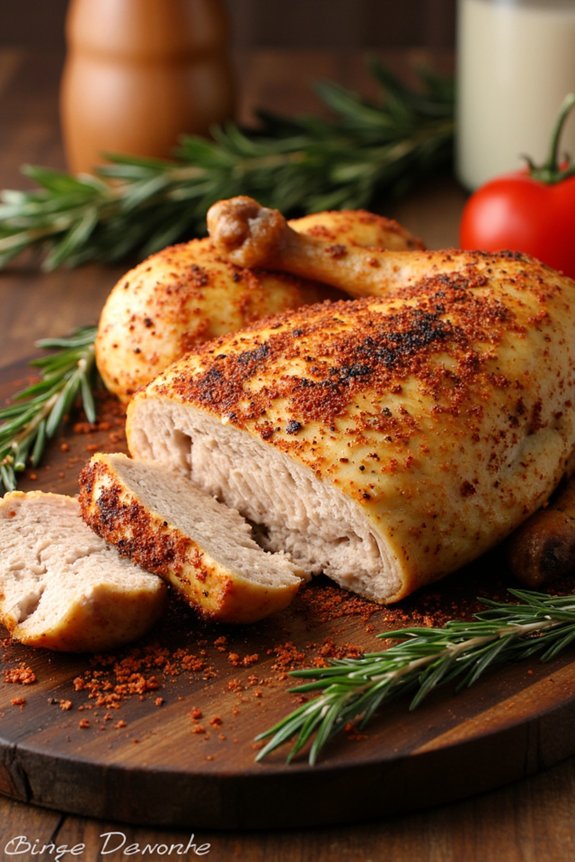
Pollo Alla Diavola, also known as “Devil’s Chicken,” is a classic Italian dish that packs a flavorful punch with its tantalizing blend of spices and a crispy, golden-brown skin. This fiery chicken dish gets its name from the liberal use of crushed red pepper and black pepper, which give the chicken its signature “devilish” heat.
The chicken is typically flattened, marinated, and then grilled or roasted to achieve a perfect balance of moist, tender meat and a spicy, aromatic crust. Pollo Alla Diavola is a favorite in Italian households, offering a delightful contrast of textures and flavors that will impress your dinner guests.
Preparing this dish allows you to experience the vibrant and robust flavors of Italian cooking with minimal ingredients. The key to this recipe is the marination process, which infuses the chicken with a harmonious blend of spices, herbs, and a hint of acidity from lemon juice.
Whether you choose to grill the chicken over an open flame or roast it in the oven, the result is a juicy and satisfying meal that pairs beautifully with side dishes like roasted vegetables or a simple green salad. This recipe serves 4-6 people, making it perfect for a family meal or a small gathering with friends.
Ingredients (Serves 4-6):
- 1 whole chicken (about 3-4 pounds), butterflied
- 3 tablespoons olive oil
- Juice of 2 lemons
- 1 tablespoon crushed red pepper flakes
- 1 tablespoon freshly ground black pepper
- 4 garlic cloves, minced
- 2 teaspoons salt
- 1 tablespoon fresh rosemary, chopped
- 1 tablespoon fresh thyme, chopped
Cooking Instructions:
- Prepare the Chicken: Start by butterflying the whole chicken. Use a sharp pair of kitchen shears to remove the backbone, then press down firmly on the breast to flatten the chicken. This will guarantee even cooking.
- Marinate the Chicken: In a large bowl, combine the olive oil, lemon juice, crushed red pepper flakes, black pepper, minced garlic, salt, rosemary, and thyme. Mix well. Place the butterflied chicken in the bowl and coat it thoroughly with the marinade. Cover the bowl with plastic wrap and refrigerate for at least 2 hours, preferably overnight, to allow the flavors to meld.
- Preheat the Grill or Oven: If grilling, preheat the grill to medium-high heat. If roasting, preheat your oven to 400°F (200°C).
- Cook the Chicken: For grilling, place the chicken skin-side down on the grill and cook for 15-20 minutes. Turn the chicken over and continue grilling for another 15-20 minutes, or until the internal temperature reaches 165°F (74°C). For roasting, place the chicken on a baking sheet and roast in the preheated oven for 40-50 minutes, or until cooked through and golden brown.
- Rest and Serve: Once cooked, remove the chicken from the grill or oven and let it rest for about 10 minutes before carving. This rest period allows the juices to redistribute, guaranteeing a moist and flavorful chicken. Carve the chicken into pieces and serve hot.
Extra Tips:
For an extra layer of flavor, consider adding a splash of white wine to the marinade. If you prefer a milder spice level, reduce the amount of crushed red pepper flakes.
Using fresh herbs is highly recommended for the best aroma and taste, but dried herbs can be substituted if necessary. To guarantee a crispy skin, make sure the chicken is patted dry with paper towels before marinating.
If you’re grilling, using a weight or a brick wrapped in foil to press the chicken down can help achieve a more even cook and beautiful grill marks.
Tender Beef Tagliata With Arugula
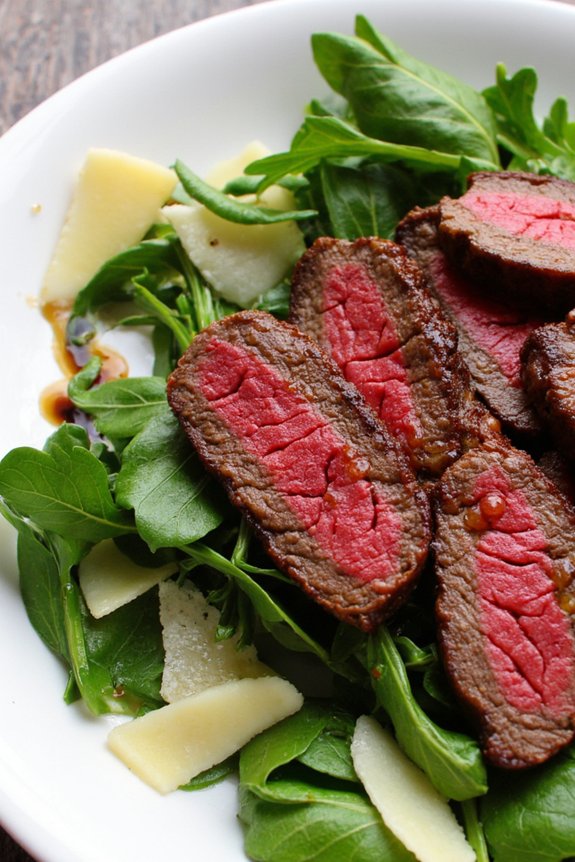
Tender Beef Tagliata With Arugula is a classic Italian dish that combines the richness of seared beef with the peppery freshness of arugula. This dish is perfect for a sophisticated dinner party or a special family gathering, offering a delightful balance of flavors and textures.
The beef is cooked to perfection, sliced thinly, and then served on a bed of vibrant arugula, drizzled with olive oil and lemon juice for a burst of freshness. The simplicity of the ingredients allows the high-quality beef to shine, guaranteeing a memorable dining experience.
This recipe is designed to serve 4-6 people, making it ideal for a small group. The preparation is straightforward, yet it delivers a dish that feels elegant and indulgent. By selecting fresh, high-quality ingredients and following the steps carefully, you can bring a taste of Italy to your table, impressing your guests with your culinary skills.
Pair with a glass of red wine, such as Chianti, to complement the flavors perfectly.
Ingredients:
- 2 pounds (about 1 kg) of beef sirloin or ribeye steak
- Salt and freshly ground black pepper, to taste
- 3 tablespoons extra virgin olive oil
- 2 sprigs of fresh rosemary
- 2 cloves of garlic, crushed
- Juice of 1 lemon
- 6 cups fresh arugula
- Shaved Parmesan cheese (optional)
- Balsamic glaze (optional)
Cooking Instructions:
- Prepare the Beef: Take the beef out of the refrigerator at least 30 minutes before cooking to allow it to come to room temperature. This allows for even cooking. Pat the beef dry with paper towels and season generously with salt and freshly ground black pepper on both sides.
- Heat the Skillet: In a large skillet or grill pan, heat 3 tablespoons of extra virgin olive oil over medium-high heat. Add the sprigs of rosemary and the crushed garlic cloves to infuse the oil with flavor.
- Sear the Beef: Once the oil is hot, add the beef to the pan. Sear the beef for about 3-4 minutes on each side for medium-rare, or adjust the cooking time according to your preference for doneness. Use tongs to flip the beef, guaranteeing a nice crust forms on both sides.
- Rest the Beef: Remove the beef from the skillet and let it rest on a cutting board for about 5-10 minutes. This allows the juices to redistribute, keeping the meat tender and juicy.
- Prepare the Arugula: While the beef is resting, place the fresh arugula in a large serving platter. Drizzle with a little olive oil and the juice of one lemon. Toss gently to coat the leaves evenly.
- Slice and Serve: Slice the rested beef thinly against the grain using a sharp knife. Arrange the slices over the bed of arugula. Optionally, add shaved Parmesan cheese on top and drizzle with balsamic glaze for extra flavor.
Extra Tips:
For the best results, choose high-quality beef and cook it to your preferred level of doneness. A meat thermometer can help verify accuracy—130°F (54°C) for medium-rare is ideal.
Letting the meat rest after cooking is essential for maintaining its juices and tenderness. For a more intense flavor, you can marinate the beef with olive oil, rosemary, and garlic for a few hours before cooking.
Feel free to add cherry tomatoes or toasted pine nuts to the arugula for added texture and flavor.
