

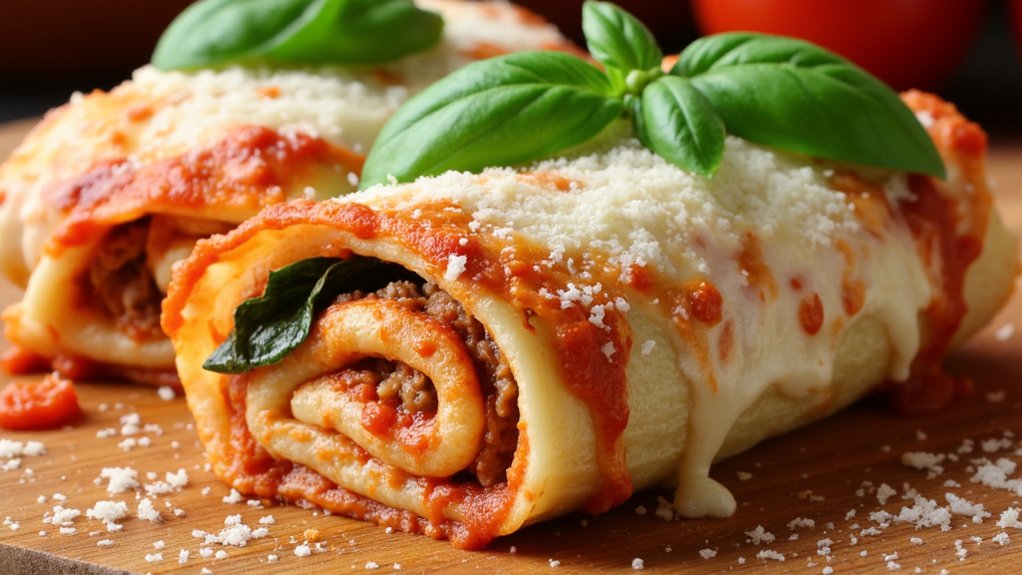
Weeknight dinners don’t have to be a hassle when you have the right recipes on hand. I’ve put together a list of 14 flavorful Italian pasta dishes that are both simple and delicious. Picture yourself enjoying classic spaghetti aglio e olio or rich fettuccine alfredo, all ready in a flash. Let’s explore these mouthwatering meals together. You might just find your new favorite dish to whip up in no time.
Spaghetti Aglio E Olio

Spaghetti Aglio E Olio is a classic Italian dish that’s both simple and delicious. This dish centers around the aromatic flavors of garlic and olive oil, with a touch of heat from red pepper flakes and the freshness of parsley. It’s a perfect example of how a few high-quality ingredients can come together to create a delightful meal. This recipe is ideal for a busy weeknight dinner or a quick meal when you’re short on time but still want to enjoy something homemade and satisfying.
Originating from Naples, Spaghetti Aglio E Olio is a staple in Italian cuisine, known for its straightforward preparation and robust flavor. The key to this dish lies in the quality of the ingredients, particularly the olive oil and the garlic, which provide the foundation of the sauce. The pasta absorbs the flavors beautifully, creating a harmonious blend that’s both comforting and elegant. This recipe is designed to serve 4-6 people, making it perfect for family dinners or small gatherings.
Ingredients (Serving Size: 4-6 people):
- 1 pound (450g) spaghetti
- 6 large garlic cloves, thinly sliced
- 1/2 cup (120ml) extra virgin olive oil
- 1 teaspoon red pepper flakes
- Salt, to taste
- 1/4 cup fresh parsley, chopped
- 1/2 cup grated Parmesan cheese (optional)
- Zest of 1 lemon (optional)
Cooking Instructions:
- Prepare the Pasta: Bring a large pot of salted water to a boil. Add the spaghetti and cook according to the package instructions until al dente. Reserve 1 cup of pasta water, then drain the spaghetti and set aside.
- Cook the Garlic: In a large skillet, heat the olive oil over medium heat. Add the sliced garlic and sauté gently until it becomes golden brown, about 2-3 minutes. Be careful not to burn the garlic, as it can become bitter.
- Add Red Pepper Flakes: Stir in the red pepper flakes and cook for an additional 30 seconds to a minute, allowing the flavors to infuse into the oil.
- Combine Pasta and Sauce: Add the cooked spaghetti to the skillet along with the reserved pasta water. Toss the spaghetti in the garlic and oil mixture, ensuring that each strand is well coated. Season with salt to taste.
- Finish with Fresh Ingredients: Remove the skillet from heat and stir in the chopped parsley. For added flavor, toss in the grated Parmesan cheese and lemon zest, if using.
- Serve: Transfer the pasta to a serving dish, ensuring an even distribution of garlic and sauce. Serve immediately, garnished with additional parsley and Parmesan cheese, if desired.
Extra Tips:
When making Spaghetti Aglio E Olio, it’s important to slice the garlic thinly and cook it gently to avoid burning. The garlic should be light golden in color, releasing its natural sweetness and aroma.
The choice of olive oil is also essential; use a high-quality extra virgin olive oil for the best flavor. If you prefer a milder dish, adjust the amount of red pepper flakes to suit your taste.
Additionally, if the pasta seems dry when combined with the sauce, add a bit more reserved pasta water to achieve the desired consistency.
Creamy Fettuccine Alfredo

Creamy Fettuccine Alfredo is a classic Italian dish that’s simple yet indulgent, perfect for a comforting meal. Originating from Rome, this dish traditionally consists of fettuccine pasta tossed with butter and Parmesan cheese, which melts to create a rich and creamy sauce.
Over time, the recipe has evolved, especially outside Italy, to include cream for an even silkier texture. This version of Fettuccine Alfredo is guaranteed to be a favorite for its velvety smoothness and rich flavor that coats every strand of pasta.
To attain the perfect Creamy Fettuccine Alfredo, the key is to use high-quality, fresh ingredients. The pasta should be cooked until just al dente to provide the ideal texture, and the sauce must be prepared with real butter, heavy cream, and freshly grated Parmesan cheese.
The dish is best served immediately after preparation to enjoy its full creamy richness. The following recipe serves 4-6 people and is sure to delight your family or guests with its authentic taste and comforting feel.
Ingredients (for 4-6 servings):
- 1 pound (450g) fettuccine pasta
- 1 cup (240ml) heavy cream
- 1/2 cup (115g) unsalted butter
- 1 cup (100g) freshly grated Parmesan cheese
- Salt to taste
- Freshly ground black pepper to taste
- Fresh parsley, chopped (optional, for garnish)
Cooking Instructions:
1. Cook the Pasta: Bring a large pot of salted water to a boil. Add the fettuccine pasta and cook according to package instructions until al dente. Reserve about 1 cup of pasta water, then drain the pasta and set it aside.
2. Prepare the Sauce: In a large saucepan over medium heat, melt the butter. Once melted, add the heavy cream and stir together until the mixture is well combined and slightly thickened, about 2-3 minutes.
3. Add the Cheese: Gradually add the grated Parmesan cheese to the cream mixture, stirring continuously. Allow the cheese to melt completely and integrate into the sauce, creating a smooth, creamy texture.
If the sauce is too thick, add a bit of reserved pasta water to reach your desired consistency.
4. Combine Pasta and Sauce: Add the cooked fettuccine to the saucepan with the Alfredo sauce. Use tongs to gently toss the pasta, ensuring each strand is well coated with the creamy sauce.
5. Season and Serve: Season the pasta with salt and freshly ground black pepper to taste. Transfer the pasta to serving plates, garnishing with freshly chopped parsley if desired. Serve immediately while hot and creamy.
Extra Tips:
For the best results, use freshly grated Parmesan cheese rather than pre-shredded varieties, as it melts more smoothly into the sauce. If you find the sauce too thick, gradually add more reserved pasta water until you reach the perfect consistency.
Stirring continuously while melting the cheese helps prevent clumping and guarantees a silky sauce. Remember to serve the Fettuccine Alfredo immediately to enjoy its creamy texture before it thickens as it cools.
Penne Arrabbiata
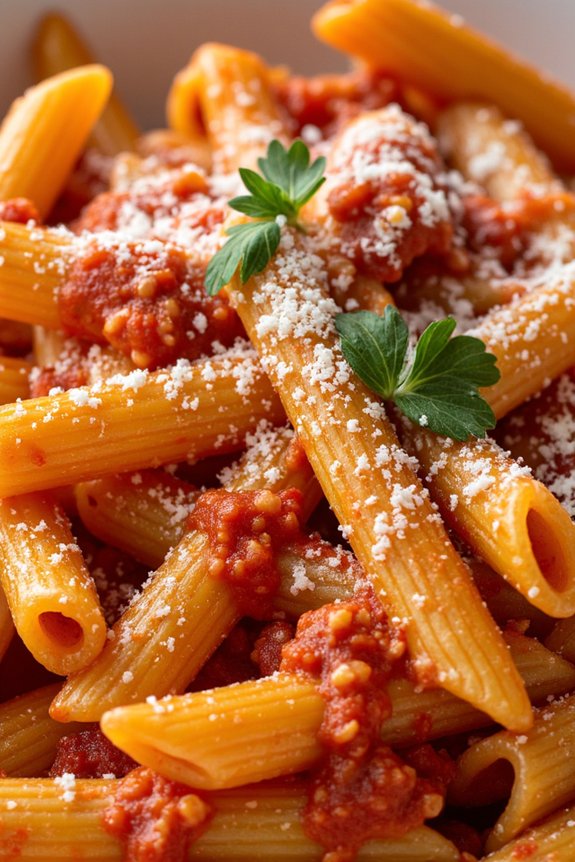
Penne Arrabbiata is a classic Italian pasta dish known for its spicy and robust flavor. The name “arrabbiata” translates to “angry” in Italian, referring to the fiery heat of the red chili peppers used in the sauce. This dish is a staple in Roman cuisine and is loved for its simplicity and bold taste.
It’s perfect for those who enjoy a little spice in their meals and is often served as a comforting dinner option.
The sauce for Penne Arrabbiata is typically made with a few basic ingredients, allowing the flavors to shine through without being overpowered by complexity. This recipe is ideal for a serving size of 4-6 people, making it a great choice for family dinners or small gatherings.
By following the simple steps below, you’ll be able to create an authentic Italian pasta dish that’s sure to impress your guests.
Ingredients:
- 500g penne pasta
- 4 tablespoons olive oil
- 4 garlic cloves, minced
- 2-3 red chili peppers, deseeded and finely chopped
- 800g canned whole tomatoes (preferably San Marzano)
- Salt, to taste
- Freshly ground black pepper, to taste
- A handful of fresh parsley, chopped
- Grated Pecorino Romano cheese, for serving
Cooking Instructions:
- Cook the Pasta: Bring a large pot of salted water to a boil. Add the penne pasta and cook according to the package instructions until al dente. Reserve a cup of pasta water, then drain and set aside.
- Prepare the Sauce Base: In a large skillet, heat the olive oil over medium heat. Add the minced garlic and chopped chili peppers, sautéing until the garlic is golden and fragrant, about 2 minutes. Be cautious not to burn the garlic.
- Add Tomatoes: Crush the canned tomatoes by hand or with a fork, then add them to the skillet. Stir in the salt and pepper. Let the sauce simmer for about 15-20 minutes, stirring occasionally, until it thickens and the flavors meld.
- Combine Pasta and Sauce: Add the cooked penne to the sauce, tossing to coat the pasta evenly. If the sauce is too thick, add some reserved pasta water a little at a time until the desired consistency is reached.
- Finish with Parsley and Cheese: Remove the skillet from heat and stir in the chopped parsley. Serve the pasta immediately, topped with grated Pecorino Romano cheese.
Extra Tips:
When making Penne Arrabbiata, feel free to adjust the level of spiciness according to your preference by using more or fewer chili peppers.
For an authentic taste, try to use high-quality canned tomatoes such as San Marzano, which are sweeter and more flavorful. If you prefer a smoother sauce, you can blend the tomatoes before adding them to the skillet.
Finally, remember that the pasta will continue to absorb the sauce as it sits, so it’s best served right after tossing to retain the perfect texture.
Cacio E Pepe
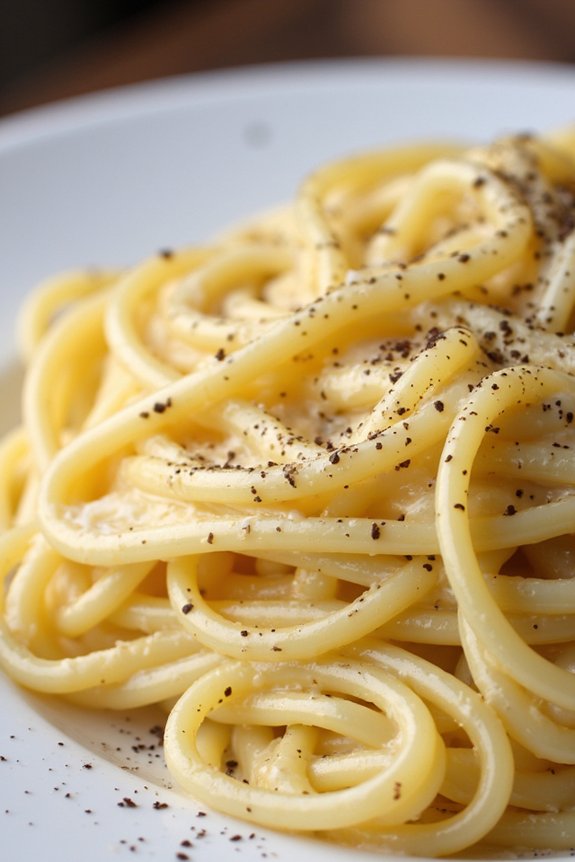
Cacio e Pepe is a classic Roman pasta dish that highlights the simplistic beauty of Italian cuisine. Translated as “cheese and pepper,” this dish relies on just a few high-quality ingredients to create a rich, creamy sauce that coats each strand of pasta. The beauty of Cacio e Pepe lies in its simplicity and the bold flavors of Pecorino Romano cheese and freshly cracked black pepper, which meld together with the pasta water to form a silky sauce.
Perfect for a quick weeknight dinner or an elegant meal with friends, this dish showcases the brilliance of traditional Italian cooking.
To achieve the perfect Cacio e Pepe, it’s vital to use the right techniques and ingredients. The key is to create an emulsion between the pasta water, cheese, and pepper, guaranteeing the sauce clings to the pasta without clumping. Using freshly grated Pecorino Romano and freshly cracked black pepper will provide the best flavor and texture.
This recipe serves 4-6 people, offering a taste of Rome in the comfort of your own home.
Ingredients (Serves 4-6):
- 400g spaghetti or tonnarelli
- 200g Pecorino Romano cheese, finely grated
- Freshly cracked black pepper, to taste
- Salt, for pasta water
Cooking Instructions:
- Boil the Pasta:
- Fill a large pot with water, add a generous amount of salt, and bring it to a boil. Once boiling, add the spaghetti and cook until just shy of al dente, as per package instructions. Reserve about 1.5 cups of the pasta cooking water before draining.
- Prepare the Cheese and Pepper:
- While the pasta is cooking, finely grate the Pecorino Romano cheese and set aside. In a large skillet or saucepan, toast the freshly cracked black pepper over medium heat for about 1-2 minutes until fragrant.
- Combine Ingredients:
- Add about 1 cup of the reserved pasta water to the skillet with the toasted pepper. Reduce the heat to low and gradually add the grated Pecorino Romano cheese, stirring continuously to create a smooth sauce. The cheese should melt and emulsify with the water to create a creamy consistency.
- Mix with Pasta:
- Add the drained pasta to the skillet with the cheese and pepper sauce. Toss the pasta continuously to coat evenly, adding additional reserved pasta water as needed to maintain a creamy texture.
- Serve:
- Once the pasta is well-coated and creamy, remove from heat and serve immediately. Optionally, garnish with additional Pecorino Romano and freshly cracked black pepper for extra flavor.
Extra Tips:
When making Cacio e Pepe, it’s vital to use high-quality Pecorino Romano and freshly cracked black pepper for the most authentic taste. Grating the cheese finely ensures it melts smoothly into the sauce.
It’s also important to reserve enough pasta water, as the starch in the water helps the cheese emulsify and adhere to the pasta. If the sauce becomes too thick, simply add more pasta water to reach the desired consistency.
Finally, remember that timing is key; work quickly to combine the ingredients while the pasta is hot, which assists in forming the creamy sauce.
Pasta Carbonara
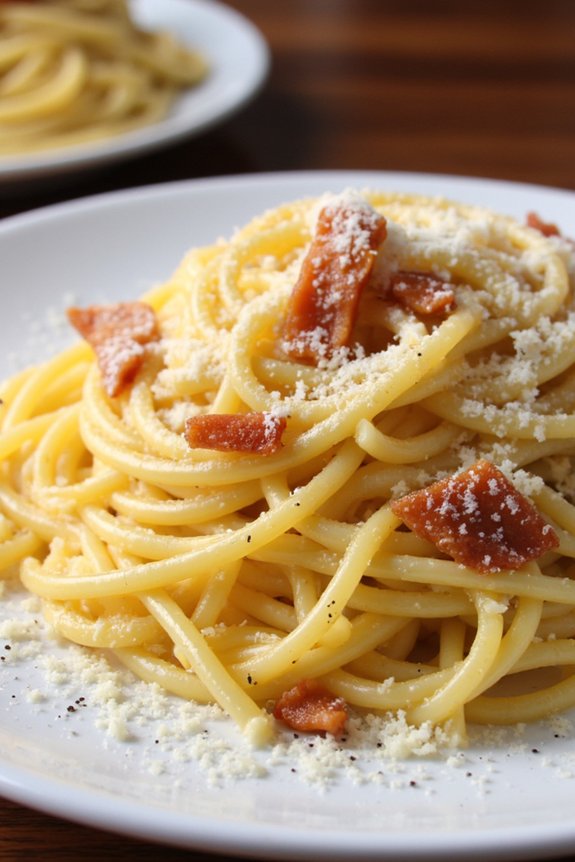
Pasta Carbonara is a classic Italian dish that’s both simple and delicious, making it a favorite among pasta lovers. This creamy and savory recipe originates from Rome and is traditionally made with eggs, Pecorino Romano cheese, guanciale (cured pork cheek), and freshly ground black pepper.
The beauty of pasta carbonara lies in its simplicity and the freshness of its ingredients, allowing the natural flavors to shine through without the need for any cream or additional sauces. When done correctly, the eggs form a silky, rich sauce that clings to the pasta, creating a delightful experience with each bite.
To achieve the perfect Pasta Carbonara, it’s crucial to use high-quality ingredients and follow the cooking process carefully. The dish is best enjoyed immediately after preparation, guaranteeing the sauce remains lusciously smooth and the pasta perfectly al dente.
The marriage of the salty guanciale and the sharpness of the Pecorino Romano creates a harmonious balance that’s irresistible. Whether you’re cooking for a family dinner or a special occasion, this recipe serves 4 to 6 people and will surely impress everyone at the table.
Ingredients for 4-6 servings:
- 400g (14 oz) spaghetti or rigatoni
- 150g (5 oz) guanciale or pancetta, diced
- 4 large eggs
- 100g (3.5 oz) Pecorino Romano cheese, grated
- Freshly ground black pepper
- Salt
Cooking Instructions:
- Boil the Pasta: Bring a large pot of salted water to a boil. Add the spaghetti and cook until al dente, according to package instructions. Reserve about 1 cup of pasta cooking water before draining the pasta.
- Cook the Guanciale: In a large skillet over medium heat, cook the guanciale or pancetta until it’s crispy and golden brown, about 5-7 minutes. Remove the skillet from heat and set it aside.
- Prepare the Egg Mixture: In a mixing bowl, whisk together the eggs, grated Pecorino Romano cheese, and a generous amount of freshly ground black pepper until well combined.
- Combine Ingredients: Add the drained pasta to the skillet with the guanciale. Toss the pasta to coat it in the rendered fat from the guanciale.
- Create the Sauce: Quickly pour the egg and cheese mixture over the pasta, tossing vigorously to combine. The heat from the pasta will cook the eggs, creating a creamy sauce. If the sauce is too thick, add a little reserved pasta water to reach the desired consistency.
- Serve: Divide the pasta among serving plates and sprinkle additional Pecorino Romano cheese and black pepper on top before serving.
Extra Tips:
For the best results, make sure that the pasta is freshly cooked and hot when you add the egg mixture, as the heat is essential for creating the sauce.
If possible, use guanciale as it provides a distinct flavor, but pancetta is a suitable substitute if unavailable. Additionally, be mindful not to overcook the pasta; it should be al dente to maintain the perfect texture in the dish.
Finally, resist the temptation to add cream; the magic of carbonara lies in its traditional ingredients and technique.
Orecchiette With Broccoli Rabe
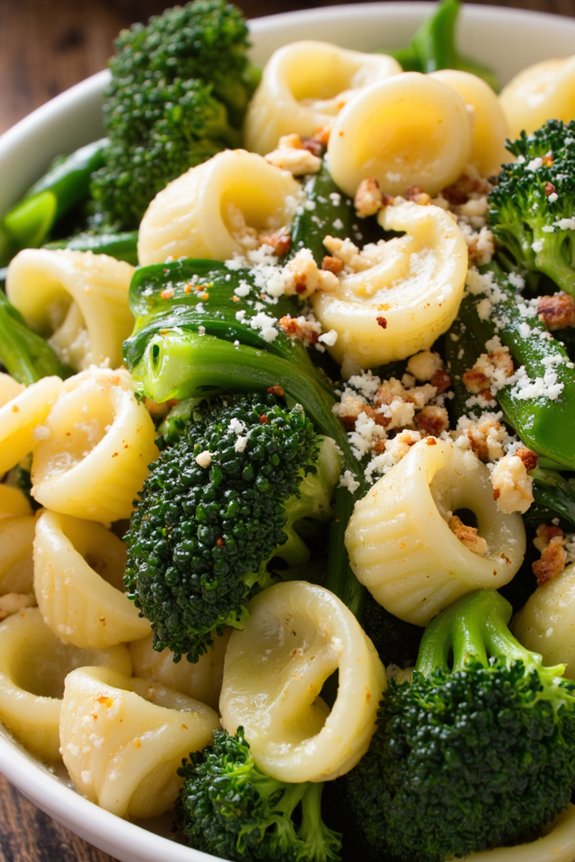
Orecchiette with Broccoli Rabe is a classic Italian pasta dish that combines the delightful textures of orecchiette pasta with the slightly bitter and earthy flavor of broccoli rabe. This dish hails from the Puglia region in Southern Italy, where orecchiette, meaning “little ears” in Italian, is a staple. The small, ear-shaped pasta is perfect for capturing the robust flavors of garlic, olive oil, and red pepper flakes that often accompany this vibrant green vegetable.
The dish isn’t only delicious but also quick and easy to prepare, making it a perfect weeknight meal. While the combination of orecchiette and broccoli rabe is the star, the addition of grated Pecorino Romano cheese and toasted pine nuts elevates this simple recipe to a satisfying and well-rounded meal. Whether you’re new to Italian cuisine or an experienced pasta lover, this recipe will surely become a favorite in your household.
Ingredients (for 4-6 servings):
- 1 pound orecchiette pasta
- 1 bunch broccoli rabe, trimmed and washed
- 4 cloves garlic, thinly sliced
- 1/4 teaspoon red pepper flakes
- 1/4 cup extra virgin olive oil
- Salt to taste
- Black pepper to taste
- 1/2 cup grated Pecorino Romano cheese
- 1/4 cup toasted pine nuts
- 1 lemon, zested and juiced
Cooking Instructions:
- Prepare the Broccoli Rabe: Bring a large pot of salted water to a boil. Add the broccoli rabe and blanch for about 2-3 minutes until tender but still vibrant green. Use a slotted spoon to transfer the broccoli rabe to a bowl of ice water to stop the cooking process. Once cooled, drain and roughly chop the broccoli rabe.
- Cook the Pasta: In the same pot of boiling water, add the orecchiette pasta and cook according to package instructions until al dente. Reserve 1 cup of pasta cooking water and drain the rest.
- Sauté the Aromatics: In a large skillet, heat the olive oil over medium heat. Add the garlic and red pepper flakes, stirring occasionally until the garlic is fragrant and golden brown, about 2 minutes.
- Combine Pasta and Broccoli Rabe: Add the chopped broccoli rabe to the skillet and toss to combine with the garlic and oil. Season with salt and black pepper.
- Toss the Pasta: Add the cooked orecchiette to the skillet, along with the reserved pasta water, a little at a time, to help create a sauce. Mix well to coat the pasta in the flavorful oil and broccoli rabe mixture.
- Finish the Dish: Stir in the grated Pecorino Romano cheese and lemon zest, tossing until everything is well combined. Adjust seasoning with more salt and pepper if needed.
- Serve: Plate the pasta, and garnish with additional grated Pecorino Romano, toasted pine nuts, and a squeeze of lemon juice if desired.
Extra Tips:
When choosing broccoli rabe, look for firm, bright green stalks with small, tight flower heads and no yellowing. If you prefer a less bitter taste, you can blanch the broccoli rabe for a slightly longer time.
Toast the pine nuts in a dry skillet over medium heat for a few minutes until they’re golden brown, which enhances their nutty flavor. If you want to add a protein to the dish, Italian sausage is a popular choice and pairs well with the flavors of the dish.
Pesto Genovese With Linguine

The beauty of Pesto Genovese With Linguine lies in its simplicity and the quality of its ingredients. This recipe is ideal for a quick weeknight dinner or a sophisticated meal to impress your guests. The key to success is using fresh basil leaves and high-quality olive oil, as these ingredients form the backbone of the dish’s flavor profile.
Whether you’re a seasoned cook or a beginner in the kitchen, this recipe will guide you to create an authentic Italian pasta dish that’s both delicious and satisfying.
Ingredients (Serves 4-6):
- 1 lb (450g) linguine pasta
- 2 cups fresh basil leaves, packed
- 1/2 cup grated Parmesan cheese
- 1/3 cup pine nuts
- 2 garlic cloves
- 1/2 cup extra virgin olive oil
- Salt to taste
- Freshly ground black pepper to taste
- Optional: 1/4 cup pasta cooking water
Cooking Instructions:
- Prepare the Basil Pesto: Begin by placing the fresh basil leaves, grated Parmesan cheese, pine nuts, and garlic cloves in a food processor. Pulse until the ingredients are finely chopped and well combined.
- Add the Olive Oil: With the food processor running, slowly drizzle in the extra virgin olive oil until the mixture is smooth and emulsified. Scrape down the sides of the processor as needed to guarantee all ingredients are incorporated. Season the pesto with salt and freshly ground black pepper to taste.
- Cook the Linguine: Bring a large pot of salted water to a boil. Add the linguine and cook according to the package instructions until al dente. Reserve about 1/4 cup of the pasta cooking water before draining the pasta.
- Combine Pasta and Pesto: Return the cooked linguine to the pot. Add the pesto sauce and toss to coat the pasta evenly. If the sauce is too thick, gradually add the reserved pasta cooking water to reach the desired consistency.
- Serve: Divide the pesto-coated linguine among serving plates. Optionally, garnish with additional grated Parmesan cheese and a sprinkle of pine nuts for extra texture and flavor.
Extra Tips:
For the best results, use young, fresh basil leaves as they’re less bitter and more aromatic than older leaves.
If pine nuts aren’t available or are too expensive, you can substitute them with walnuts or almonds for a slightly different flavor profile.
It’s important to blend the pesto sauce just until the ingredients are combined to prevent overheating and maintain its vibrant green color.
Additionally, storing any leftover pesto in an airtight container with a thin layer of olive oil on top can help preserve its freshness.
Enjoy your homemade Pesto Genovese With Linguine with a side of garlic bread or a fresh green salad for a complete meal.
Baked Ziti With Marinara Sauce

Baked Ziti with Marinara Sauce is a classic Italian-American dish that combines hearty pasta with a rich, flavorful tomato sauce and melted cheese. This comforting meal is perfect for family dinners or gatherings, offering a delightful blend of textures and tastes. The combination of tender ziti pasta, robust marinara sauce, and gooey cheese makes it a favorite for both adults and children alike.
The dish isn’t only delicious but also versatile, allowing you to add your favorite ingredients or make it vegetarian by simply omitting the meat. This recipe serves 4-6 people and is perfect for a cozy night in or when you need to prepare a meal in advance. The marinara sauce can be made from scratch or you can use your favorite store-bought version to save time.
The baked ziti can be customized with additional ingredients like spinach, mushrooms, or ground meat, depending on your preference. This recipe will guide you through creating a mouthwatering Baked Ziti with Marinara Sauce that will have everyone coming back for seconds.
Ingredients:
- 1 pound ziti pasta
- 2 cups marinara sauce
- 1 cup ricotta cheese
- 2 cups shredded mozzarella cheese
- 1/2 cup grated Parmesan cheese
- 1 tablespoon olive oil
- 2 cloves garlic, minced
- 1 teaspoon dried oregano
- 1 teaspoon dried basil
- Salt and pepper to taste
Cooking Instructions:
- Preheat the Oven: Start by preheating your oven to 375°F (190°C). This guarantees the oven is at the right temperature when you’re ready to bake the dish.
- Cook the Pasta: Bring a large pot of salted water to a boil. Add the ziti pasta and cook according to the package instructions until al dente. Drain the pasta and set aside.
- Prepare the Marinara Sauce: In a large skillet, heat the olive oil over medium heat. Add the minced garlic and sauté for about 1 minute until fragrant. Pour in the marinara sauce, and add the dried oregano and basil. Stir well and let it simmer for about 5 minutes. Season with salt and pepper to taste.
- Combine Ingredients: In a large mixing bowl, combine the cooked pasta, marinara sauce, ricotta cheese, and half of the mozzarella cheese. Mix until the pasta is evenly coated with sauce and cheese.
- Assemble the Dish: Lightly grease a 9×13-inch baking dish. Pour the pasta mixture into the dish, spreading it out evenly. Sprinkle the remaining mozzarella cheese and grated Parmesan cheese on top.
- Bake the Ziti: Place the baking dish in the preheated oven and bake for 20-25 minutes, or until the cheese is bubbly and golden brown on top.
- Serve and Enjoy: Remove the baked ziti from the oven and let it cool for a few minutes before serving. Enjoy the dish hot with a side of garlic bread or a fresh salad.
Extra Tips:
For a richer flavor, consider adding cooked ground beef or Italian sausage to the marinara sauce before mixing it with the pasta. If you prefer a creamier consistency, substitute half of the ricotta with cream cheese.
For an added touch, garnish the baked ziti with fresh basil leaves or parsley before serving. If you have leftovers, Baked Ziti with Marinara Sauce can be stored in the refrigerator for up to 3 days or frozen for up to a month. When reheating, cover with foil to prevent the cheese from drying out.
Pasta Primavera
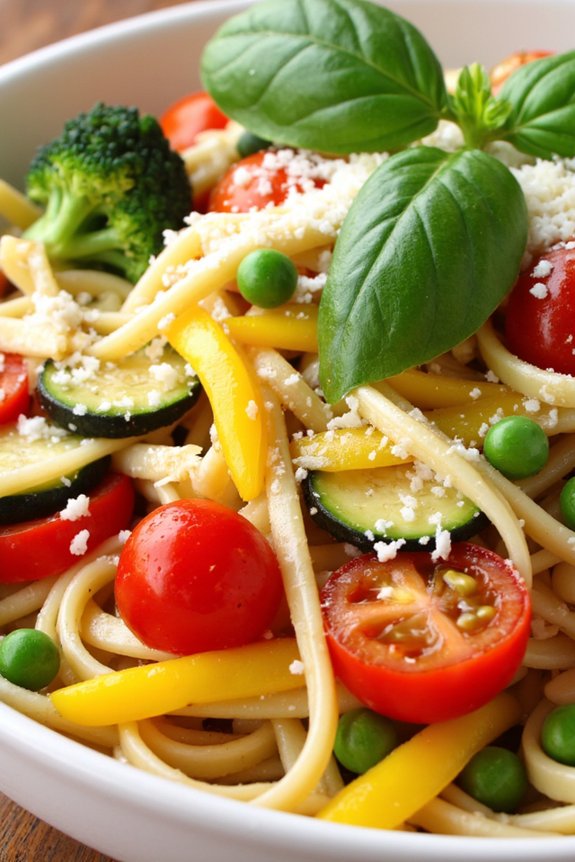
Pasta Primavera is a delightful and colorful Italian dish that celebrates the freshness of seasonal vegetables. This recipe is perfect for a light yet satisfying meal, ideal for spring and summer when fresh produce is at its peak. The combination of vibrant vegetables such as bell peppers, zucchini, and cherry tomatoes paired with a light garlic and olive oil sauce creates a harmonious balance of flavors. The dish is both nutritious and visually appealing, making it a great choice for family dinners or entertaining guests.
Originating from the Italian word “primavera,” meaning spring, Pasta Primavera is meant to highlight the bright, fresh flavors of the season. The dish is versatile and can easily be adapted to include your choice of vegetables, making it a great way to use up produce from your garden or local farmer’s market. Traditionally served with linguine or spaghetti, this recipe can also be made with gluten-free pasta if desired.
Whether you’re a seasoned chef or a beginner in the kitchen, Pasta Primavera is a straightforward dish that promises to deliver a burst of flavor with every bite.
Ingredients for 4-6 servings:
- 1 pound (450g) of linguine or spaghetti
- 2 tablespoons olive oil
- 3 cloves garlic, minced
- 1 red bell pepper, thinly sliced
- 1 yellow bell pepper, thinly sliced
- 1 zucchini, sliced into half-moons
- 1 cup cherry tomatoes, halved
- 1 cup broccoli florets
- 1 cup frozen peas, thawed
- 1/4 cup grated Parmesan cheese
- Salt and pepper to taste
- 1/4 cup fresh basil leaves, torn
- 1 lemon, juiced
Cooking Instructions:
- Cook the Pasta: In a large pot, bring salted water to a boil. Add the linguine or spaghetti and cook according to package instructions until al dente. Reserve 1 cup of pasta water, then drain the rest and set the pasta aside.
- Sauté the Vegetables: In a large skillet, heat the olive oil over medium heat. Add the minced garlic and sauté for about 1 minute until fragrant. Add the red and yellow bell peppers, zucchini, and broccoli florets. Cook for 5-7 minutes, stirring occasionally, until the vegetables are tender but still crisp.
- Add Remaining Vegetables: Stir in the cherry tomatoes, thawed peas, and season with salt and pepper to taste. Cook for an additional 2-3 minutes until the tomatoes start to soften.
- Combine Pasta and Vegetables: Add the cooked pasta to the skillet with the vegetables. Pour in the reserved pasta water a little at a time, stirring to combine, until you reach the desired consistency.
- Finishing Touches: Remove the skillet from heat and stir in the grated Parmesan cheese and lemon juice. Toss to confirm the pasta is evenly coated. Add the torn basil leaves and mix gently.
- Serve: Transfer the Pasta Primavera to a serving platter or individual plates. Garnish with additional Parmesan cheese and fresh basil if desired.
Extra Tips:
For the best flavor, use the freshest vegetables you can find. Feel free to substitute or add other vegetables like asparagus, snap peas, or mushrooms based on availability and preference.
Be mindful of the cooking time for each vegetable to maintain their crispness. If you prefer a bit of heat, add a pinch of red pepper flakes along with the garlic.
Finally, remember that the reserved pasta water helps create a silky sauce, so add it gradually to achieve the perfect consistency. Enjoy your Pasta Primavera as a standalone dish or serve it with a side salad for a complete meal.
Rigatoni Alla Vodka
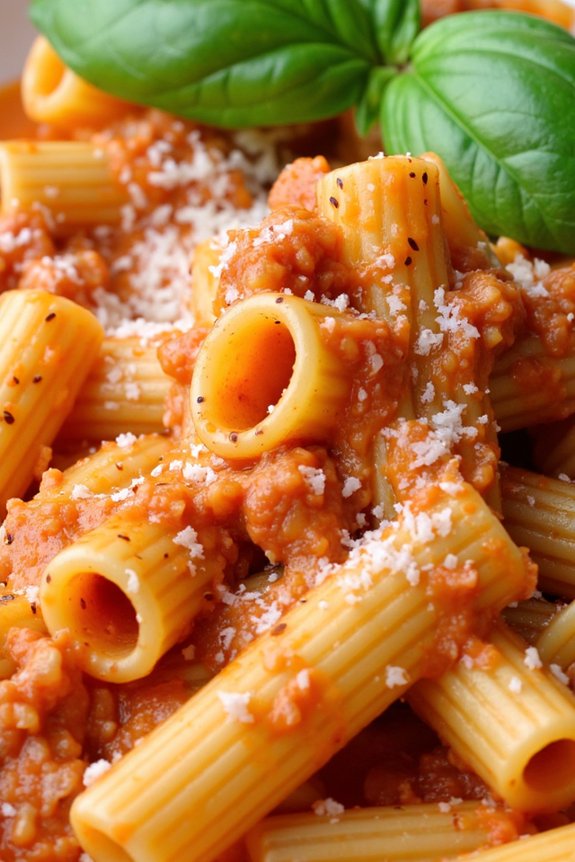
Rigatoni Alla Vodka is a classic Italian pasta dish known for its creamy, tomato-based sauce infused with the subtle yet distinct flavor of vodka. This dish combines the richness of heavy cream with the tangy sweetness of tomatoes, enhanced by aromatic garlic and a hint of spice from red pepper flakes. The vodka not only helps to meld the flavors but also gives the sauce a silky texture, while the rigatoni’s hollow shape captures the sauce perfectly, guaranteeing each bite is loaded with flavor.
Ideal for a cozy dinner at home, this dish is both comforting and elegant, making it a favorite among pasta lovers. Originating from Italian-American cuisine, Rigatoni Alla Vodka has become a beloved staple for its simplicity and depth of flavor. While the vodka may seem like an unusual addition, it plays an essential role in balancing the creaminess and acidity of the sauce.
This recipe is perfect for a family meal or a dinner party, serving 4-6 people. With just a handful of ingredients and straightforward steps, you can recreate this restaurant-quality dish in your own kitchen, impressing guests with minimal effort.
Ingredients (serving size: 4-6 people):
- 1 pound rigatoni pasta
- 2 tablespoons olive oil
- 1 small onion, finely chopped
- 3 cloves garlic, minced
- 1/4 teaspoon red pepper flakes
- 1/2 cup vodka
- 1 can (28 ounces) crushed tomatoes
- 1 cup heavy cream
- Salt and pepper to taste
- 1 cup grated Parmesan cheese
- Fresh basil leaves, for garnish
Cooking Instructions:
- Cook the Pasta: Bring a large pot of salted water to a boil. Add the rigatoni and cook according to package instructions until al dente. Drain and set aside, reserving about 1 cup of pasta water.
- Sauté Aromatics: In a large skillet or saucepan, heat the olive oil over medium heat. Add the chopped onion and sauté until translucent, about 3-4 minutes. Add the minced garlic and red pepper flakes, and cook for an additional 1 minute until fragrant.
- Deglaze with Vodka: Carefully pour in the vodka, stirring to deglaze the pan. Let it simmer for about 2-3 minutes until the alcohol has mostly evaporated, leaving a smooth, enriched base.
- Add Tomatoes: Pour in the crushed tomatoes, stirring to combine. Let the mixture simmer for about 10 minutes, allowing the flavors to meld together.
- Incorporate Cream: Lower the heat and slowly stir in the heavy cream. Allow the sauce to simmer for another 5-8 minutes, stirring occasionally until it thickens slightly.
- Season and Combine: Season the sauce with salt and pepper to taste. Add the cooked rigatoni to the sauce, tossing to coat evenly. If the sauce is too thick, add reserved pasta water a little at a time until desired consistency is reached.
- Finish with Parmesan: Stir in the grated Parmesan cheese until melted and well incorporated into the sauce.
- Serve: Transfer the pasta to serving bowls, garnishing with fresh basil leaves. Serve hot and enjoy!
Extra Tips:
When cooking Rigatoni Alla Vodka, be sure to use a good quality vodka, as this will impact the overall flavor of the dish. If you prefer a thicker sauce, reduce the amount of pasta water added, or conversely, use more for a looser consistency.
Adjust the red pepper flakes to your desired level of heat, and for a vegetarian version, confirm the Parmesan cheese is suitable for vegetarians. Finally, always taste and adjust the seasoning as needed before serving to guarantee the flavors are balanced.
Capellini With Lemon and Capers

Capellini with Lemon and Capers is a light and invigorating Italian pasta dish that combines the delicate strands of capellini pasta with the zesty flavors of lemon and the briny, tangy taste of capers. This dish is perfect for a quick weeknight dinner or a sophisticated lunch, as it’s both simple to prepare and delightfully flavorful.
The subtle nuances of the lemon and capers are complemented by the richness of olive oil and a hint of garlic, creating a harmonious balance that satisfies the palate without overpowering it. This recipe is ideal for serving 4-6 people and can be paired with a crisp white wine or a simple green salad for a complete meal.
The preparation involves minimal ingredients and effort, making it accessible for both novice and experienced cooks. Whether you’re looking for a dish to impress guests or a comforting meal to enjoy with family, Capellini with Lemon and Capers is a versatile choice that embodies the essence of Italian cuisine.
Ingredients for 4-6 servings:
- 1 pound capellini pasta
- 1/4 cup extra-virgin olive oil
- 3 cloves garlic, minced
- 1/2 cup capers, drained and rinsed
- Zest and juice of 2 lemons
- Salt and freshly ground black pepper, to taste
- 1/4 cup freshly grated Parmesan cheese
- 1/4 cup fresh parsley, chopped
Cooking Instructions:
- Prepare the Pasta: Bring a large pot of salted water to a boil. Add the capellini pasta and cook according to package instructions until al dente, about 3-4 minutes. Reserve 1 cup of pasta water, then drain the pasta and set aside.
- Heat the Olive Oil: In a large skillet over medium heat, warm the olive oil. Add the minced garlic and sauté for 1-2 minutes until fragrant, being careful not to burn it.
- Add Capers and Lemon: Stir in the capers, lemon zest, and lemon juice. Cook for another 1-2 minutes to allow the flavors to meld together.
- Combine the Ingredients: Add the cooked capellini to the skillet, tossing to coat the pasta evenly with the lemon-caper mixture. If the pasta seems dry, add some of the reserved pasta water a little at a time until the desired consistency is reached.
- Season and Serve: Season the pasta with salt and freshly ground black pepper to taste. Remove from heat and sprinkle with freshly grated Parmesan cheese and chopped parsley. Serve immediately.
Extra Tips:
When cooking Capellini with Lemon and Capers, it’s important not to overcook the pasta, as capellini is very fine and can become mushy quickly.
Be sure to monitor the garlic closely while sautéing to prevent it from burning, which can impart a bitter taste to the dish. If you prefer a more robust flavor, consider adding a pinch of red pepper flakes when cooking the garlic.
Finally, always taste the dish before serving and adjust seasoning as needed, keeping in mind that capers are naturally salty.
Tortellini in Brodo

Tortellini in Brodo is a classic Italian dish that combines delicate, meat-filled pasta with a savory broth for a comforting meal. This dish, originating from the Emilia-Romagna region of Italy, is traditionally served as a first course during festive meals but can be enjoyed any time you crave a warm, satisfying bowl of Italian goodness.
The key to a perfect Tortellini in Brodo lies in the quality of the broth and the tenderness of the tortellini, both of which should come together harmoniously.
To prepare this dish for 4-6 people, you’ll need to dedicate some time to guarantee that every element is crafted to perfection. The broth is the soul of the dish, typically made from a rich mixture of beef, veal, and chicken bones, simmered slowly to extract deep flavors.
The tortellini, often filled with a mixture of meats and cheese, should be tender but not overcooked, maintaining its delightful texture and taste. This recipe will guide you through the steps to create a comforting bowl of Tortellini in Brodo that embodies the warmth and tradition of Italian cuisine.
Ingredients for 4-6 servings:
- 1 lb (450g) store-bought or homemade tortellini
- 1 lb (450g) beef bones
- 1 lb (450g) chicken bones (or whole chicken)
- 1 onion, halved
- 1 large carrot, roughly chopped
- 1 celery stalk, roughly chopped
- 2 cloves garlic
- 4 quarts (3.8 liters) water
- Salt, to taste
- Parmesan cheese, grated (for serving)
- Fresh parsley, chopped (optional, for garnish)
Cooking Instructions:
- Prepare the Broth: In a large stockpot, combine the beef and chicken bones, onion, carrot, celery, and garlic. Add water and bring to a boil over medium-high heat. Once boiling, reduce the heat to low and let it simmer for 3-4 hours.
- Skim off any foam or impurities that rise to the surface.
- Strain the Broth: After the broth has simmered, strain it through a fine-mesh sieve, discarding the solids. Return the clear broth to the pot and season with salt to taste. Keep the broth warm over low heat.
- Cook the Tortellini: Bring a separate pot of salted water to a boil. Add the tortellini and cook according to the package instructions or until they float to the surface and are tender. Drain the tortellini and set aside.
- Combine and Serve: Add the cooked tortellini to the warm broth and gently stir to combine. Allow the tortellini to heat through for a few minutes. Ladle the tortellini and broth into bowls.
- Garnish and Serve: Sprinkle each serving with grated Parmesan cheese and chopped fresh parsley, if desired. Serve immediately while hot.
Extra Tips:
For an even richer flavor, consider roasting the bones and vegetables before adding them to the broth. This step will enhance the depth of flavor in your soup.
If you prefer a clearer broth, you can clarify it by using egg whites, but this is optional. Additionally, homemade tortellini can elevate the dish, but high-quality store-bought tortellini will also yield excellent results.
Remember to adjust the salt level to your preference and to taste-test the broth before serving.
Bucatini All’amatriciana

Bucatini All’amatriciana is a classic Italian pasta dish hailing from the town of Amatrice, in the Lazio region. Known for its robust and savory flavors, this dish beautifully combines the richness of guanciale (cured pork cheek) with the mild acidity of tomatoes and the sharpness of Pecorino Romano cheese. The bucatini pasta, with its thick, hollow strands, perfectly captures the luscious sauce, ensuring every bite is a delightful blend of textures and tastes.
Simple yet satisfying, Bucatini All’amatriciana is a demonstration of the elegance of traditional Italian cooking. To truly honor this dish, it’s important to use high-quality ingredients, as each component plays an essential role in the overall flavor profile. The guanciale provides a unique depth of flavor that’s unmatched by other cured meats, while the Pecorino Romano adds a salty, tangy finish that complements the sweetness of the tomatoes. Freshly ground black pepper ties everything together with its subtle heat.
Whether you’re preparing a family meal or entertaining guests, Bucatini All’amatriciana is sure to impress with its bold and authentic Italian flavors.
Ingredients for 4-6 servings:
- 500g bucatini pasta
- 200g guanciale, diced
- 400g canned whole peeled tomatoes
- 1 medium onion, finely chopped
- 100g Pecorino Romano cheese, grated
- 1 tablespoon extra-virgin olive oil
- 1/2 teaspoon red pepper flakes (optional)
- Salt, to taste
- Freshly ground black pepper, to taste
Cooking Instructions:
- Prepare the Sauce Base:
- Heat the extra-virgin olive oil in a large skillet over medium heat. Add the diced guanciale and cook until it turns golden and crispy, about 5-7 minutes. Remove the guanciale from the skillet and set aside, leaving the rendered fat in the pan.
- Sauté the Aromatics:
- In the same skillet, add the finely chopped onion and sauté until it becomes translucent, about 3-4 minutes. If using, add the red pepper flakes and stir for an additional 30 seconds to release their flavor.
- Cook the Tomatoes:
- Crush the canned whole peeled tomatoes with your hands or a fork and add them to the skillet. Stir well and bring the mixture to a simmer. Cook for about 15-20 minutes, allowing the sauce to thicken and the flavors to meld.
- Boil the Pasta:
- While the sauce is simmering, bring a large pot of salted water to a boil. Add the bucatini pasta and cook until al dente, according to package instructions. Reserve 1 cup of the pasta cooking water, then drain the pasta.
- Combine Pasta and Sauce:
- Add the cooked bucatini to the skillet with the tomato sauce. Toss to coat the pasta evenly, adding reserved pasta water as needed to achieve the desired sauce consistency. Stir in the crispy guanciale and half of the grated Pecorino Romano cheese. Season with salt and freshly ground black pepper to taste.
- Serve:
- Divide the Bucatini All’amatriciana among serving plates and sprinkle the remaining Pecorino Romano cheese on top. Serve immediately.
Extra Tips:
For the best results, use authentic guanciale and Pecorino Romano cheese, as they contribute greatly to the dish’s traditional flavor. If guanciale is unavailable, pancetta can be used as a substitute, though it will alter the flavor slightly.
Be mindful of the salt content, as both the guanciale and Pecorino are naturally salty. Remember to reserve some pasta water—it is a valuable ingredient that helps emulsify the sauce and pasta, ensuring a silky finish. Finally, serve the dish immediately to enjoy the pasta’s perfect texture and the sauce’s vibrant flavors.
Lasagna Roll-Ups
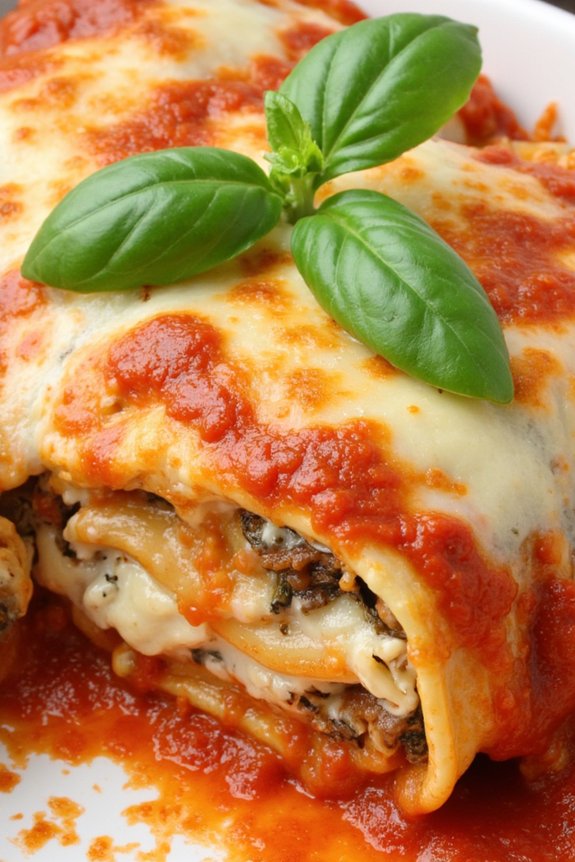
Lasagna Roll-Ups are a delightful twist on traditional lasagna, offering individual servings that are both fun to prepare and serve. These roll-ups combine the classic flavors of lasagna with a modern presentation, where lasagna noodles are filled with a rich ricotta mixture, rolled up, and baked in a savory tomato sauce. Perfect for family dinners or entertaining guests, this dish is sure to impress with its flavorful layers and elegant appearance.
The preparation of Lasagna Roll-Ups is straightforward, making it a fantastic option for both novice and experienced cooks. The key to this dish is in the quality of ingredients, as each component plays a significant role in the overall taste. With the combination of creamy ricotta, hearty meat or vegetarian filling, and rich tomato sauce, these roll-ups deliver a satisfying meal that everyone will love.
Ingredients for 4-6 servings:
- 12 lasagna noodles
- 2 cups ricotta cheese
- 1 egg
- 1 cup grated Parmesan cheese
- 2 cups shredded mozzarella cheese
- 1 pound ground beef or Italian sausage (or spinach for a vegetarian option)
- 3 cups marinara sauce
- 1 tablespoon olive oil
- 2 cloves garlic, minced
- 1 teaspoon dried oregano
- 1 teaspoon dried basil
- Salt and pepper to taste
- Fresh basil leaves for garnish (optional)
Cooking Instructions:
- Prepare the noodles: Cook the lasagna noodles according to package instructions until al dente. Drain and lay them flat on a baking sheet or parchment paper to prevent sticking.
- Cook the filling: In a skillet over medium heat, add olive oil and cook the ground beef or Italian sausage until browned. If using spinach, sauté it until wilted. Add minced garlic, oregano, basil, salt, and pepper, and cook for another 2 minutes. Remove from heat and set aside.
- Mix the ricotta filling: In a mixing bowl, combine ricotta cheese, egg, and half of the Parmesan cheese. Add salt and pepper to taste.
- Assemble the roll-ups: Preheat your oven to 375°F (190°C). Spread a thin layer of marinara sauce on the bottom of a baking dish. On each lasagna noodle, spread an even layer of the ricotta mixture, followed by a layer of the meat or spinach filling. Roll the noodle up and place it seam-side down in the baking dish.
- Cover with sauce and cheese: Once all roll-ups are in the dish, cover them with the remaining marinara sauce. Sprinkle the shredded mozzarella cheese and the remaining Parmesan cheese evenly over the top.
- Bake the roll-ups: Cover the baking dish with foil and bake for 25 minutes. Remove the foil and bake for an additional 10 minutes, or until the cheese is bubbly and golden brown.
- Serve and garnish: Let the roll-ups cool slightly before serving. Garnish with fresh basil leaves if desired.
Extra Tips:
When making Lasagna Roll-Ups, verify the noodles are cooked just until al dente, as they’ll continue to cook in the oven. If you prefer a richer sauce, consider adding a splash of red wine to the marinara before spreading it over the roll-ups.
For added depth of flavor, experiment with different cheeses like Asiago or Fontina mixed in with the mozzarella. Finally, these roll-ups can be prepared ahead of time and stored in the refrigerator until you’re ready to bake, making them a convenient option for busy weeknights or special occasions.
