

There’s something so comforting about bringing the vibrant flavors of Italy into my kitchen. When I first made a Classic Margherita Pizza, the aroma of fresh basil and melting mozzarella took me right to a sunlit Italian piazza. Every recipe, from creamy Risotto Milanese to bold Bolognese Sauce, carries a story filled with tradition and passion. I’m excited to share these culinary treasures with you. Let’s embark on this flavorful journey together.
Classic Margherita Pizza
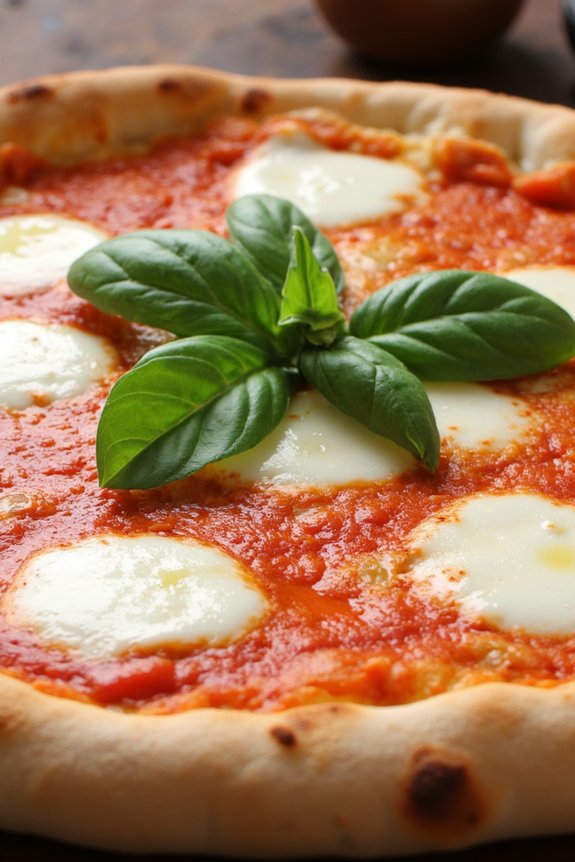
The Classic Margherita Pizza is a quintessential Italian dish that embodies simplicity and freshness. Originating from Naples, Italy, this pizza is a tribute to Queen Margherita of Savoy, who visited the city in 1889. It features a harmonious blend of fresh tomato sauce, creamy mozzarella cheese, and fragrant basil leaves atop a thin, crispy crust.
This pizza isn’t only a celebration of colors reminiscent of the Italian flag but also a reflection of the philosophy of using a few high-quality ingredients to create an extraordinary meal.
To craft the perfect Classic Margherita Pizza, attention to detail is key, from selecting ripe tomatoes for the sauce to ensuring the dough is kneaded to perfection. The beauty of this dish lies in its balance; each ingredient complements the other, creating a symphony of flavors.
Whether you’re hosting a dinner party or simply craving an authentic taste of Italy, this pizza promises to deliver a delightful experience that can please any palate.
Ingredients (Serves 4-6):
- 500g all-purpose flour
- 325ml warm water
- 7g active dry yeast
- 10g salt
- 3 tablespoons olive oil
- 400g canned whole peeled tomatoes
- 250g fresh mozzarella cheese
- A handful of fresh basil leaves
- Salt and pepper, to taste
- Extra virgin olive oil, for drizzling
Cooking Instructions:
- Prepare the Dough:
- In a bowl, combine the warm water and yeast, stirring gently. Allow it to sit for about 5 minutes until the mixture is frothy.
- In a large mixing bowl, combine the flour and salt. Make a well in the center and pour in the yeast mixture and olive oil.
- Mix until a cohesive dough forms, then transfer it to a floured surface and knead for about 10 minutes until smooth and elastic.
- Place the dough in a lightly oiled bowl, cover with a damp cloth, and let it rise in a warm place for about 1-2 hours, or until doubled in size.
- Prepare the Tomato Sauce:
- While the dough is rising, prepare the sauce. In a blender, puree the canned tomatoes with a pinch of salt and pepper until smooth. Adjust seasoning as needed.
- Preheat the Oven:
- Preheat your oven to its highest setting, around 250°C (482°F), and place a pizza stone or baking tray inside to heat up.
- Shape the Dough:
- Once the dough has risen, punch it down to release the air and divide it into 2-3 equal portions.
- Roll each portion into a ball and then flatten it into a disc on a floured surface, stretching it to your desired thinness.
- Assemble the Pizza:
- Spread a thin layer of tomato sauce over the dough, leaving a small border around the edges.
- Tear the mozzarella into small pieces and distribute evenly over the sauce.
- Add fresh basil leaves and a drizzle of extra virgin olive oil on top.
- Bake the Pizza:
- Carefully transfer the pizza onto the preheated pizza stone or baking tray.
- Bake for 8-10 minutes, or until the crust is golden brown and the cheese is bubbling and slightly browned.
- Serve:
- Remove from the oven, let it cool slightly, and then slice and serve with additional fresh basil if desired.
Extra Tips:
For the best results, use high-quality ingredients, especially the mozzarella and tomatoes, as they greatly impact the flavor of the pizza.
If possible, use a pizza stone, as it helps achieve a crispier crust by mimicking the heat distribution of a traditional pizza oven.
Remember not to overload the pizza with toppings, as the Margherita Pizza is meant to be simple and highlight the natural flavors of each ingredient.
Traditional Bolognese Sauce
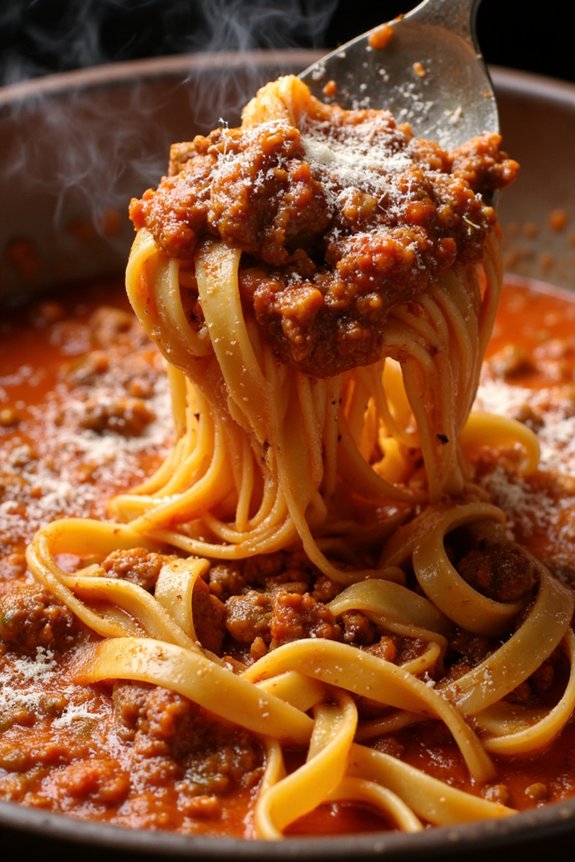
Bolognese sauce, or “Ragù alla Bolognese,” is a classic Italian sauce that originates from the city of Bologna. This rich and hearty sauce is traditionally served with tagliatelle pasta, but it also pairs beautifully with other types of pasta such as pappardelle or fettuccine.
The sauce is known for its depth of flavor, achieved by slow-cooking a mixture of meats, vegetables, and tomatoes, often enriched with red wine and milk for a velvety texture. The result is a sumptuous dish that embodies the essence of Italian comfort food, perfect for a family meal or a special occasion.
Preparing an authentic Bolognese sauce requires patience and attention to detail to allow the flavors to develop fully. The key to success lies in using high-quality ingredients and taking the time to properly sauté the vegetables and brown the meats before simmering the sauce for several hours.
This recipe will guide you through each step of the process, ensuring that you achieve a traditional Bolognese sauce that’s as authentic and flavorful as possible.
Ingredients for 4-6 servings:
- 2 tablespoons olive oil
- 1 onion, finely chopped
- 1 carrot, finely chopped
- 1 celery stalk, finely chopped
- 2 cloves garlic, minced
- 500g ground beef
- 250g ground pork
- 1 cup dry red wine
- 1 can (400g) crushed tomatoes
- 2 tablespoons tomato paste
- 1 cup beef stock
- 1 cup whole milk
- 1 teaspoon dried oregano
- 1 teaspoon dried basil
- Salt and pepper to taste
- Freshly grated Parmesan cheese, for serving
- Pasta of choice (tagliatelle recommended) for serving
Cooking Instructions:
- Prepare the Base: Heat olive oil in a large, heavy-bottomed pot over medium heat. Add the chopped onion, carrot, celery, and garlic. Sauté for about 5-7 minutes until the vegetables are softened and the onion is translucent.
- Cook the Meats: Increase the heat to medium-high and add the ground beef and pork to the pot. Cook, stirring occasionally, until the meats are browned and crumbled, about 10 minutes. Be sure to break up any large chunks of meat with a wooden spoon.
- Deglaze the Pot: Pour in the red wine, scraping up any browned bits from the bottom of the pot. Allow the wine to simmer and reduce by half, which should take about 5 minutes.
- Build the Sauce: Stir in the crushed tomatoes, tomato paste, and beef stock. Add the oregano, basil, salt, and pepper. Bring the mixture to a gentle boil.
- Simmer the Sauce: Reduce the heat to low, cover the pot partially, and let the sauce simmer for at least 2 hours. Stir occasionally, ensuring the sauce doesn’t stick to the bottom of the pan.
- Finish with Milk: About 15 minutes before the sauce is done, stir in the whole milk. This will give the sauce a creamy texture and help mellow the acidity of the tomatoes.
- Serve: Cook your pasta according to package instructions. Serve the Bolognese sauce over the pasta, topped with freshly grated Parmesan cheese.
Extra Tips:
For an even richer flavor, consider adding a small piece of Parmesan rind to the sauce while it simmers, and remove it before serving.
If you have the time, allowing the sauce to simmer longer can develop the flavors even more. Be sure to adjust the seasoning towards the end of cooking, as the flavors will concentrate.
Also, the sauce can be made a day in advance, as it often tastes better the next day when the flavors have had more time to meld. Enjoy your Bolognese sauce with a glass of the same red wine used in the recipe for a complete dining experience.
Authentic Carbonara Pasta
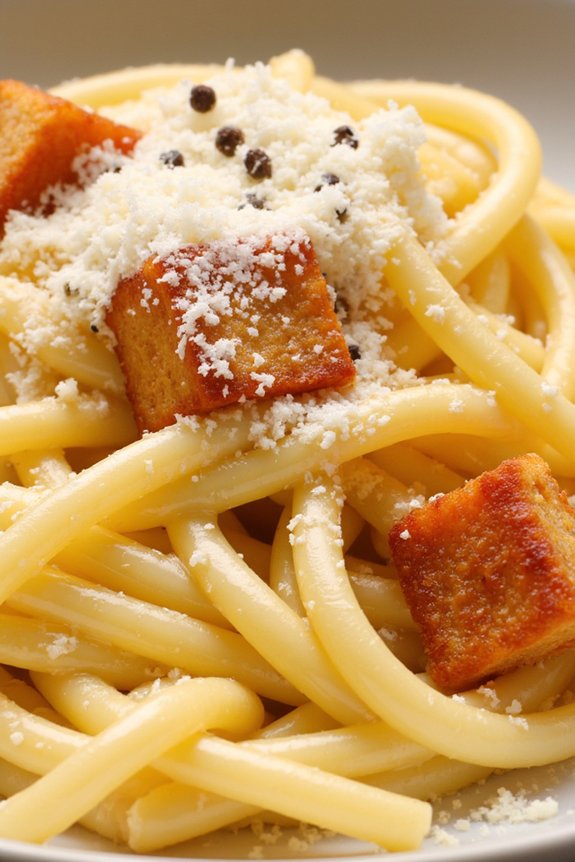
Carbonara is a classic Italian dish originating from Rome, renowned for its creamy texture and rich flavors. The magic of an authentic Carbonara lies in its simplicity and the quality of its ingredients. Traditionally, it’s made with just a few key ingredients: pasta, guanciale (cured pork cheek), Pecorino Romano cheese, and eggs. The true beauty of this dish is in the way the heat from the freshly cooked pasta gently cooks the eggs, creating a silky sauce that clings to each strand of spaghetti. Unlike its Americanized versions, authentic Carbonara doesn’t include cream, garlic, or onions.
To achieve the perfect Carbonara, it’s vital to use the right pasta; spaghetti is the most traditional choice, though other long pasta like fettuccine or bucatini can also be used. The use of guanciale is significant, as it provides a unique depth of flavor, though pancetta can be a substitute if necessary. Pecorino Romano cheese adds a sharp, salty element that balances the richness of the dish. Freshly cracked black pepper enhances the overall taste, offering a spicy contrast to the creamy sauce. Below is a recipe to serve 4-6 people.
Ingredients:
- 500g spaghetti
- 150g guanciale (or pancetta as a substitute)
- 4 large eggs
- 100g Pecorino Romano cheese, finely grated
- Freshly cracked black pepper
- Salt (for pasta water)
Cooking Instructions:
- Prepare the Ingredients: Begin by cutting the guanciale into small cubes or strips. Grate the Pecorino Romano cheese finely and crack the eggs into a mixing bowl, beating them lightly until smooth. Set these aside.
- Cook the Pasta: Bring a large pot of salted water to a boil. Add the spaghetti and cook it according to the package instructions until it’s al dente. Reserve about a cup of the pasta cooking water before draining the pasta.
- Cook the Guanciale: While the pasta is cooking, place a large pan over medium heat. Add the guanciale and cook it until it becomes golden and crispy. This should take about 5-7 minutes. Remove the pan from the heat once done.
- Mix the Sauce: Add the grated Pecorino Romano and a generous amount of freshly cracked black pepper to the bowl with the beaten eggs. Mix until combined.
- Combine: Once the pasta is cooked, add it directly to the pan with the guanciale. Toss the pasta in the rendered fat to coat it well. Then, remove the pan from heat and immediately add the egg and cheese mixture, stirring quickly. The residual heat from the pasta will cook the eggs just enough to create a creamy sauce. If the sauce is too thick, add some reserved pasta water, a little at a time, until you reach the desired consistency.
- Serve: Serve immediately, topped with extra Pecorino Romano and a sprinkle of black pepper.
Extra Tips:
For the best results, make sure that your eggs are at room temperature before starting the recipe. This helps them mix smoothly into the sauce. Be cautious not to overheat the egg mixture, as this can cause it to scramble.
If you’re substituting pancetta for guanciale, be aware that pancetta is less fatty, so you may need to add a little olive oil to the pan. Finally, always reserve some pasta water before draining, as it’s a key component in adjusting the sauce’s consistency.
Rich and Creamy Risotto Milanese

Rich and Creamy Risotto Milanese is a classic Italian dish that hails from the vibrant city of Milan. This luxurious dish is known for its rich, creamy texture and its distinctive golden hue, which comes from the addition of saffron.
Risotto Milanese is a perfect example of how simple ingredients can come together to create a truly sumptuous meal. The key to a perfect risotto is the slow and steady process of adding broth and stirring, which releases the starches from the rice, resulting in a creamy consistency without the need for cream.
This dish is traditionally enjoyed as a primo (first course) in Italian meals but is substantial enough to stand alone as a main course. The combination of Arborio rice, saffron, white wine, and broth creates a depth of flavor that’s both comforting and sophisticated.
While Risotto Milanese is often paired with Osso Buco, it can also be enjoyed with a variety of other main dishes or simply on its own. This recipe serves 4-6 people, making it perfect for a family dinner or a small gathering.
Ingredients (Serves 4-6):
- 2 cups Arborio rice
- 5 cups chicken or vegetable broth
- 1 cup dry white wine
- 1/2 teaspoon saffron threads
- 1 medium onion, finely chopped
- 4 tablespoons unsalted butter
- 1/2 cup grated Parmesan cheese
- Salt and pepper to taste
Cooking Instructions:
- Prepare the Saffron Infusion: Start by heating the broth in a saucepan over low heat. Add the saffron threads to the warm broth to allow them to steep and infuse their color and flavor into the liquid. Keep the broth warm throughout the cooking process.
- Sauté the Onions: In a large, heavy-bottomed saucepan or a deep skillet, melt 2 tablespoons of butter over medium heat. Add the finely chopped onion and sauté until it becomes translucent, about 5 minutes.
- Toast the Rice: Add the Arborio rice to the pan with the onions and stir to coat the rice with the butter. Continue to cook, stirring frequently, for about 2-3 minutes until the rice is lightly toasted and slightly translucent around the edges.
- Deglaze with Wine: Pour in the white wine and stir constantly until the liquid is mostly absorbed by the rice. This step adds a layer of flavor to the risotto and helps to balance the richness of the dish.
- Gradually Add Broth: Begin adding the saffron-infused broth, one ladleful at a time, stirring constantly and allowing each addition to be absorbed before adding the next. This process should take about 18-20 minutes. The rice should be creamy and tender, but still have a slight bite at the center.
- Finish with Butter and Cheese: Once the rice has reached the desired consistency, remove the pan from the heat. Stir in the remaining 2 tablespoons of butter and the grated Parmesan cheese until both are fully melted and the risotto is creamy. Season with salt and pepper to taste.
Extra Tips:
For the best results, use high-quality Arborio rice, which is specifically suited for risotto due to its high starch content.
Verify that the broth is kept warm during the cooking process as adding cold broth can disrupt the cooking temperature. If you prefer a richer flavor, you can substitute some of the broth with beef stock.
Tuscan Ribollita Soup
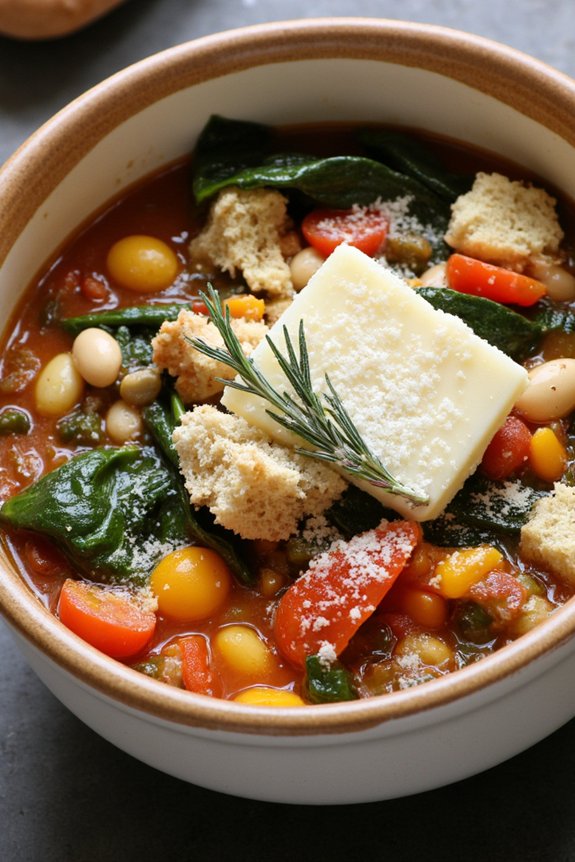
Tuscan Ribollita Soup is a classic Italian dish rooted in the traditions of Tuscany. This hearty and comforting soup is known for its rich flavors derived from simple, rustic ingredients. Originating as a way to use up stale bread and leftover vegetables, Ribollita has become a beloved staple in Italian cuisine, celebrated for its wholesome and nourishing qualities.
The name “Ribollita” means “reboiled,” as it was traditionally made by reheating leftover minestrone or vegetable soup and thickening it with bread.
This Tuscan delight is characterized by its thick, stew-like consistency and its combination of earthy vegetables, beans, and hearty bread. A true Ribollita captures the essence of Tuscany, bringing together flavors of olive oil, garlic, and the fragrance of fresh herbs. It’s a dish that warms the soul and is perfect for chilly days, making it an ideal choice for family gatherings or a comforting weeknight meal.
Now, let’s explore the ingredients and steps needed to create this delicious soup.
Ingredients (Serves 4-6):
- 1/2 cup extra virgin olive oil
- 1 large onion, diced
- 2 carrots, peeled and diced
- 2 celery stalks, diced
- 4 cloves of garlic, minced
- 1 tsp salt
- 1/2 tsp black pepper
- 1 bunch of kale or Swiss chard, roughly chopped
- 1 can (15 oz) of cannellini beans, drained and rinsed
- 1 can (15 oz) of diced tomatoes
- 1/4 tsp red pepper flakes (optional)
- 4 cups vegetable broth
- 1 cup water
- 4 cups stale country-style bread, torn into pieces
- 1 tbsp fresh thyme
- 1 tbsp fresh rosemary, chopped
- Parmesan cheese, grated, for serving
Cooking Instructions:
- Prepare the Vegetables: In a large pot, heat the olive oil over medium heat. Add the diced onion, carrots, and celery. Sauté for about 8-10 minutes until the vegetables are softened and the onions are translucent.
- Add Garlic and Seasonings: Stir in the minced garlic, salt, black pepper, and red pepper flakes (if using). Cook for an additional 2 minutes until the garlic is fragrant.
- Incorporate Greens and Beans: Add the chopped kale or Swiss chard to the pot, stirring until the greens begin to wilt. Then, add the drained cannellini beans and diced tomatoes, mixing well to combine all ingredients.
- Simmer the Soup: Pour in the vegetable broth and water, stirring to combine. Bring the mixture to a boil, then reduce the heat to low. Cover the pot and let the soup simmer for 30 minutes, allowing the flavors to meld together.
- Thicken with Bread: Stir in the torn bread pieces, fresh thyme, and rosemary. Allow the bread to absorb the liquid and break down, thickening the soup to a stew-like consistency. Continue to cook for another 10-15 minutes.
- Serve and Garnish: Ladle the Ribollita into bowls and top with grated Parmesan cheese. Drizzle with a bit more olive oil if desired and serve hot.
Extra Tips:
For an authentic Ribollita experience, make the soup a day ahead and reheat it the next day, as the flavors deepen over time.
Feel free to experiment with different types of greens, like spinach or cabbage, based on availability and preference. If you prefer a thicker consistency, use more bread or let the soup simmer longer to reduce the liquid.
Homemade Gnocchi With Sage Butter
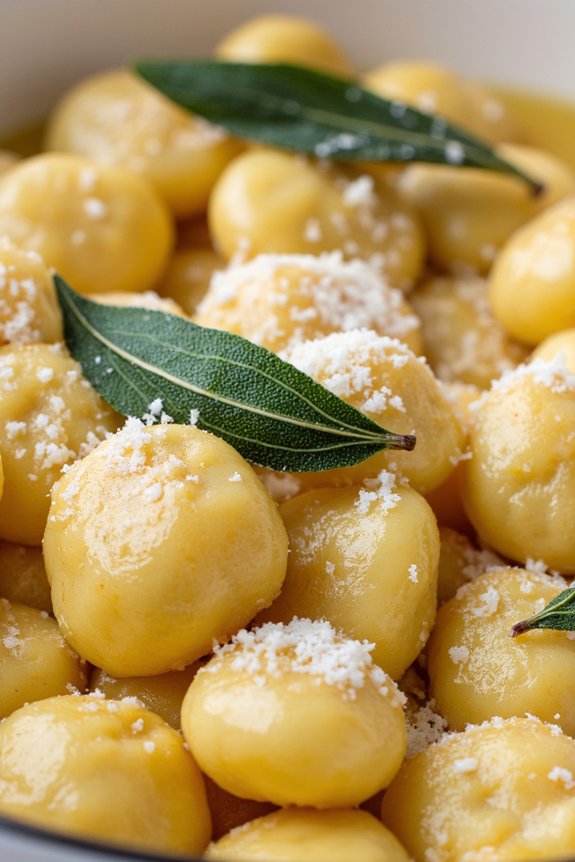
Homemade Gnocchi with Sage Butter is a classic Italian dish that brings the rich flavors of fresh, handmade pasta and savory sage together in perfect harmony. This dish is a delightful combination of soft, pillowy gnocchi coated in a fragrant butter sauce infused with the earthy aroma of fresh sage leaves.
It’s a comforting, elegant dish that’s sure to impress anyone at your dinner table. Making gnocchi from scratch might seem intimidating, but with a little patience and practice, you’ll find it’s a rewarding culinary experience that captures the essence of Italian home cooking.
The key to perfect gnocchi is striking the right balance between the potatoes and flour, ensuring the pasta is light and tender without being too dense. The sage butter sauce adds a luxurious touch, providing a nutty, aromatic finish that complements the delicate gnocchi.
Whether you’re hosting a dinner party or simply want to treat your family to a special meal, this Homemade Gnocchi with Sage Butter is an excellent choice for showcasing authentic Italian flavors in your kitchen.
Ingredients (Serves 4-6):
- 2 pounds of russet potatoes
- 1 ½ cups all-purpose flour, plus extra for dusting
- 1 large egg
- 1 teaspoon salt
- 1/2 cup unsalted butter
- 10-12 fresh sage leaves
- Freshly grated Parmesan cheese, for serving
- Salt and pepper, to taste
Cooking Instructions:
1. Prepare the Potatoes: Begin by boiling the potatoes in their skins until they’re fork-tender, approximately 20-25 minutes. Drain and allow them to cool slightly. Once cool enough to handle, peel the skins off.
2. Make the Gnocchi Dough: Pass the peeled potatoes through a potato ricer or mash them thoroughly in a large bowl. Create a well in the center of the potatoes, add the flour, salt, and crack the egg into the well. Gently mix until all ingredients are incorporated and form a soft dough.
Be cautious not to overwork the dough to avoid making it too heavy.
3. Shape the Gnocchi: Lightly flour a clean surface and divide the dough into 4 portions. Roll each portion into a long rope about ½ inch in diameter. Cut each rope into 1-inch pieces. If desired, roll each piece over the back of a fork to create ridges that help the sauce cling better.
4. Cook the Gnocchi: Bring a large pot of salted water to a gentle boil. Add the gnocchi in batches, cooking them until they float to the surface, which should take about 2-3 minutes. Remove them with a slotted spoon and set aside.
5. Prepare the Sage Butter Sauce: In a large skillet, melt the butter over medium heat. Add the fresh sage leaves and cook until the butter turns golden brown and the leaves become crispy, about 3-4 minutes.
Be careful not to burn the butter.
6. Combine and Serve: Add the cooked gnocchi to the skillet with the sage butter. Toss gently to coat the gnocchi evenly in the sauce. Season with salt and pepper to taste. Serve immediately with freshly grated Parmesan cheese.
Extra Tips:
When making gnocchi, it’s important to use a light hand with the dough to keep it tender. The key is to incorporate just enough flour to hold the dough together without making it dense.
Additionally, using a potato ricer helps achieve a smooth texture, making it easier to form the gnocchi. If you find your dough is too sticky, dust it lightly with more flour until it’s manageable.
Finally, keep an eye on the butter while making the sage butter sauce, as it can quickly go from golden brown to burnt. Enjoy your homemade gnocchi fresh, as reheating can alter its delicate texture.
Sicilian Caponata
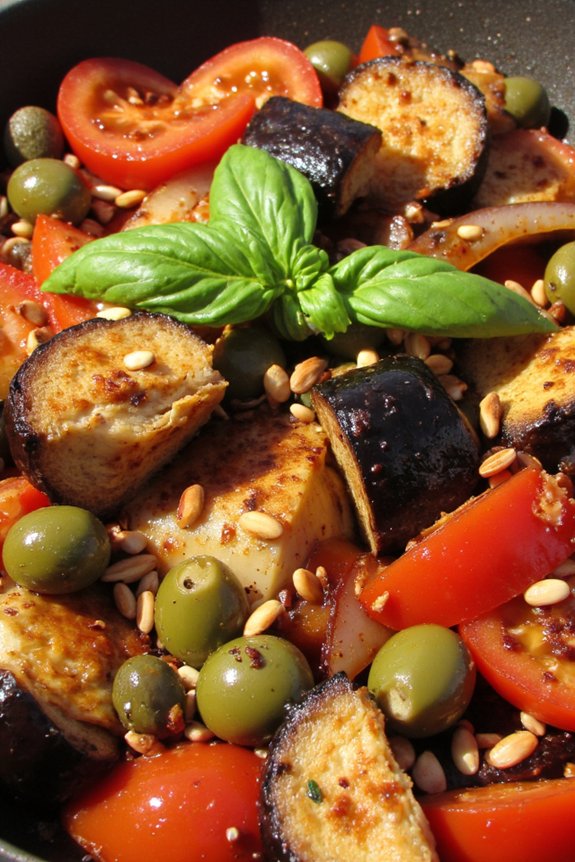
Sicilian Caponata is a classic Italian dish that embodies the rich and diverse flavors of Sicily. Known for its sweet and sour taste, Caponata is a traditional eggplant-based dish that features a delightful mix of vegetables, herbs, and a tangy vinegar dressing. It’s typically served as an appetizer or side dish, but it can also be enjoyed as a main course with some crusty bread. This dish is perfect for those who appreciate the depth of Mediterranean flavors and prefer meals that are both nutritious and satisfying.
Originating from the island of Sicily, Caponata has a history that reflects the region’s cultural influences, including Greek, Arab, and Spanish cuisines. The combination of eggplant, tomatoes, olives, and capers with a sweet and sour sauce creates a vibrant and complex taste profile that’s both invigorating and comforting. This recipe for Sicilian Caponata serves 4-6 people, making it ideal for family gatherings or as a part of a larger Italian feast.
Ingredients (serving size: 4-6 people):
- 2 medium eggplants, diced
- 4 tablespoons olive oil
- 1 large onion, chopped
- 2 celery stalks, chopped
- 1 red bell pepper, chopped
- 3 cloves garlic, minced
- 4 large tomatoes, peeled and chopped
- 1/4 cup green olives, pitted and sliced
- 2 tablespoons capers, rinsed
- 1/4 cup red wine vinegar
- 1 tablespoon sugar
- Salt and pepper to taste
- Fresh basil leaves, for garnish
- Pine nuts, toasted (optional)
Cooking Instructions:
- Prepare the Eggplant: Start by dicing the eggplants into bite-sized pieces. Sprinkle them with salt and let them sit in a colander for about 30 minutes. This helps remove any bitterness. Rinse and pat them dry with a paper towel.
- Cook the Eggplant: In a large skillet, heat 2 tablespoons of olive oil over medium-high heat. Add the eggplant and sauté until golden brown and tender, about 8-10 minutes. Remove from the skillet and set aside.
- Sauté the Vegetables: In the same skillet, add the remaining olive oil. Sauté the onion, celery, and red bell pepper until the onion becomes translucent and the vegetables are softened, about 5 minutes. Add the minced garlic and continue to cook for another 1-2 minutes until fragrant.
- Add Tomatoes and Seasonings: Stir in the chopped tomatoes, olives, and capers. Cook for about 5 minutes until the tomatoes start to break down. Mix in the red wine vinegar and sugar, stirring well to combine all the ingredients.
- Combine and Simmer: Return the cooked eggplant to the skillet and gently mix with the other vegetables. Season with salt and pepper to taste. Let the Caponata simmer on low heat for about 15-20 minutes, allowing all the flavors to meld together.
- Serve: Once cooked, remove from heat and let it cool slightly. Garnish with fresh basil leaves and toasted pine nuts if desired. Serve warm, at room temperature, or chilled, alongside crusty bread or as a topping for grilled meats or fish.
Extra Tips: For an authentic Sicilian touch, try using Sicilian olives, which are known for their distinct flavor. If you prefer a slightly sweeter Caponata, adjust the sugar to your taste. The dish can be made a day in advance, as the flavors deepen and improve with time. Store it in an airtight container in the fridge and serve it the next day for an even tastier experience. Caponata can also be frozen in portions for up to three months, making it a convenient dish to have on hand for quick meals.
Roman Cacio E Pepe
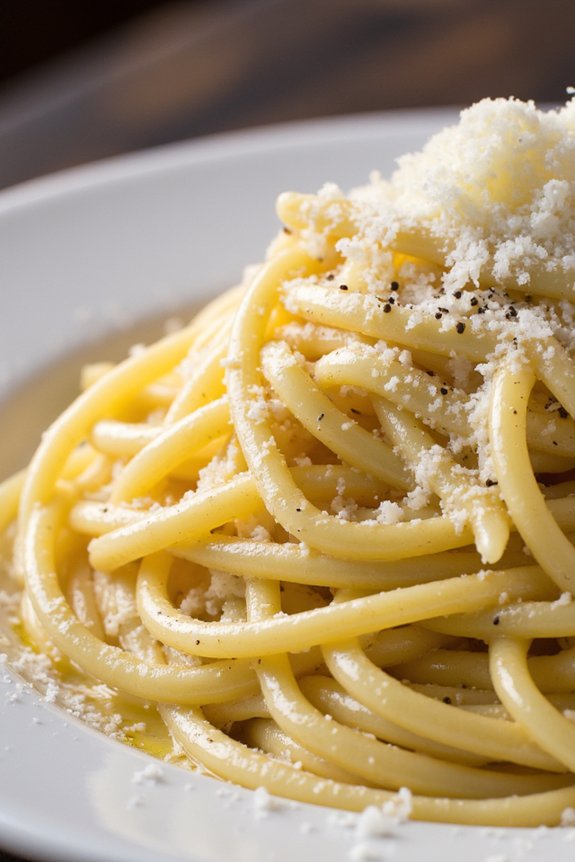
Cacio e Pepe is a classic Roman pasta dish that translates to “cheese and pepper.” This simple yet flavorful dish has been a staple in Roman cuisine for centuries, cherished for its rich and creamy sauce that perfectly coats the pasta. The beauty of Cacio e Pepe lies in its simplicity—using only a few high-quality ingredients to create an elegant and satisfying meal. It’s an excellent choice for a quick weeknight dinner or a sophisticated dish to impress guests.
Traditionally, Cacio e Pepe is made with tonnarelli pasta, but spaghetti or bucatini are common alternatives. The sauce is created by emulsifying Pecorino Romano cheese with pasta water and freshly cracked black pepper. The key to a successful Cacio e Pepe is mastering the technique of combining the ingredients to form a creamy sauce without any clumps. This recipe serves 4-6 people, making it perfect for a family meal or a small gathering.
Ingredients for 4-6 people:
- 500g (1 lb) spaghetti or tonnarelli
- 200g (about 2 cups) Pecorino Romano cheese, finely grated
- 2 teaspoons freshly ground black pepper (adjust to taste)
- Salt (for pasta water)
- 1 tablespoon olive oil (optional)
Cooking Instructions:
- Prepare the Pasta: Bring a large pot of salted water to a boil. Add the pasta and cook until just under al dente, about 2 minutes less than the package instructions. Reserve 2 cups of pasta water, then drain the pasta.
- Toast the Pepper: In a large skillet or pan, toast the freshly ground black pepper over medium heat for about 1 minute, or until fragrant. This step enhances the pepper’s flavor.
- Create the Sauce Base: Add a ladleful (about 1 cup) of the reserved hot pasta water to the skillet with the pepper. Allow it to simmer briefly, then reduce the heat to low.
- Combine Cheese and Pasta Water: In a separate bowl, mix the grated Pecorino Romano with half a cup of the reserved pasta water to form a thick paste. The water should be hot but not boiling to prevent the cheese from clumping.
- Emulsify the Sauce: Add the drained pasta to the skillet with the pepper and pasta water. Stir well to coat the pasta, then gradually add the cheese mixture, stirring continuously to create a smooth, creamy sauce. If the sauce is too thick, add more pasta water a little at a time until the desired consistency is reached.
- Finish and Serve: If desired, add a tablespoon of olive oil to enhance the sauce’s creaminess. Serve immediately, garnished with additional Pecorino Romano and a sprinkle of black pepper.
Extra Tips:
For a perfect Cacio e Pepe, the quality of the Pecorino Romano and freshly cracked black pepper is essential. Grate the cheese finely to guarantee it melts smoothly.
Be patient when combining the cheese with pasta water, as this step is vital for a creamy emulsification. If you find the sauce starts to clump, adding a bit more pasta water and stirring vigorously usually remedies the issue.
Additionally, using a large skillet allows for even distribution of heat and ingredients, guaranteeing the pasta is well coated with the sauce.
Neapolitan Eggplant Parmigiana
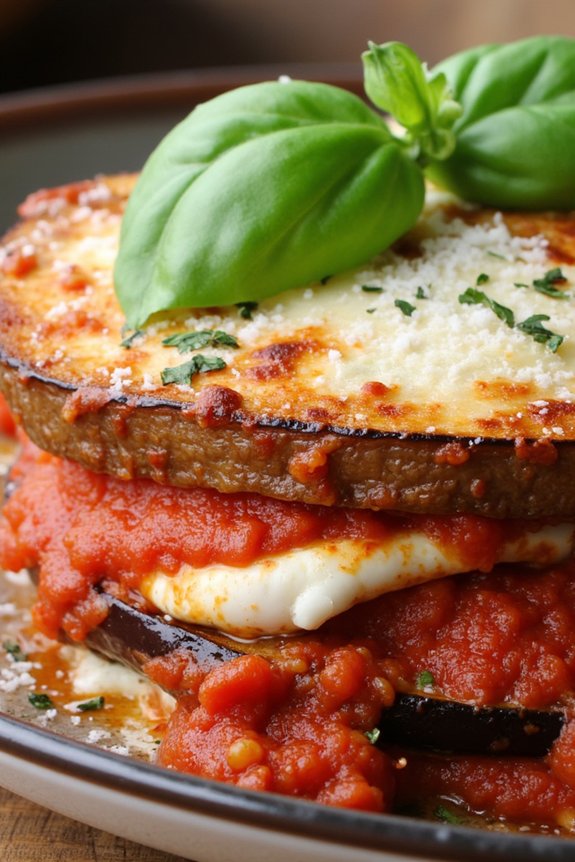
Neapolitan Eggplant Parmigiana is a classic Italian dish that embodies the essence of comfort food with its layers of tender eggplant, rich tomato sauce, and gooey mozzarella cheese. Originating from the region of Campania, this dish is a staple in Neapolitan cuisine and is often enjoyed as a hearty main course or a flavorful side dish. The key to this recipe is the perfect balance of flavors and the use of high-quality ingredients, including ripe tomatoes, fresh mozzarella, and basil, which contribute to its authentic taste.
Eggplant Parmigiana is known for its simplicity and rustic appeal. The eggplants are typically sliced, salted, and fried to achieve a golden brown texture before being layered with homemade tomato sauce and cheese. The dish is then baked to perfection, allowing the flavors to meld together, resulting in a comforting and satisfying meal.
Whether you’re hosting a dinner party or simply craving a taste of Italy, Neapolitan Eggplant Parmigiana is sure to impress with its savory flavors and comforting warmth.
Ingredients for 4-6 servings:
- 3 large eggplants
- Salt
- Olive oil, for frying
- 2 cups tomato sauce (preferably homemade)
- 400g fresh mozzarella cheese, sliced
- 1 cup grated Parmesan cheese
- Fresh basil leaves
- Black pepper
- 2 eggs (optional, for coating)
Cooking Instructions:
- Prepare the Eggplants: Wash the eggplants and slice them into 1/4 inch thick rounds. Lay them on a tray and sprinkle generously with salt. Let them sit for about 30 minutes to draw out excess moisture and bitterness, then rinse and pat them dry with a paper towel.
- Fry the Eggplants: In a large skillet, heat enough olive oil to cover the base of the pan over medium-high heat. Optionally, dip the eggplant slices into beaten eggs before frying. Fry the eggplant slices in batches until they’re golden brown on each side, about 2-3 minutes per side. Remove from the pan and drain on paper towels to remove excess oil.
- Preheat the Oven: Preheat your oven to 375°F (190°C).
- Assemble the Dish: In a baking dish, spread a thin layer of tomato sauce at the bottom. Layer the fried eggplant slices over the sauce, slightly overlapping them. Top with slices of mozzarella, a sprinkle of Parmesan cheese, and some basil leaves. Season with black pepper.
- Repeat Layers: Continue layering with more tomato sauce, eggplant slices, mozzarella, Parmesan, and basil until all ingredients are used, finishing with a generous layer of tomato sauce and Parmesan on top.
- Bake: Cover the baking dish with foil and bake in the preheated oven for 25 minutes. Remove the foil and bake for an additional 15-20 minutes, or until the cheese is bubbly and golden brown.
- Rest and Serve: Allow the Parmigiana to rest for about 10 minutes before serving. This will help the layers set and make it easier to slice.
Extra Tips:
For an even richer flavor, you can roast the eggplants instead of frying them by brushing them with olive oil and baking them at 400°F (200°C) until tender and golden. Additionally, using a combination of different types of tomatoes for the sauce, such as San Marzano and Roma, can enhance the flavor profile.
It’s also important to let the dish rest after baking to allow the ingredients to meld together, making it easier to serve and enjoy the complex flavors of this classic Italian dish.
Tiramisu With Mascarpone Cream

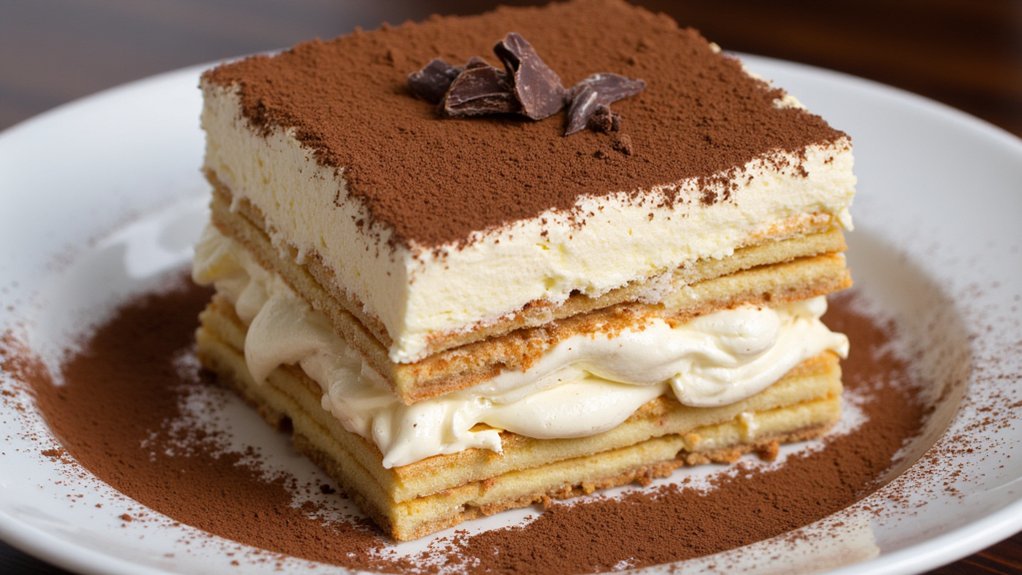
Tiramisu is a classic Italian dessert that embodies the perfect balance of rich flavors and creamy textures. Originating from the Veneto region, this delectable treat combines layers of coffee-soaked ladyfingers with a luscious mascarpone cream. The name “Tiramisu” translates to “pick me up,” which is fitting given the energizing combination of espresso and cocoa.
The traditional recipe relies on high-quality ingredients and a no-bake method, making it an elegant yet simple dessert to prepare for family and friends. The mascarpone cream is the heart of this dessert, providing a silky texture that perfectly complements the coffee and cocoa.
This recipe serves 4-6 people and maintains the authenticity of the Italian version by using fresh eggs, rich mascarpone cheese, and a touch of rum or Marsala wine for added depth. The key to a perfect Tiramisu is to let it chill for several hours, allowing the flavors to meld together and the ladyfingers to soften just right. With these steps, you’ll create a Tiramisu that’s truly an indulgence.
Ingredients for 4-6 servings:
- 4 large eggs, separated
- 1 cup granulated sugar
- 1 cup mascarpone cheese
- 1 cup heavy cream
- 2 cups strong brewed espresso, cooled
- 2 tablespoons rum or Marsala wine
- 24-30 ladyfingers (savoiardi)
- Unsweetened cocoa powder, for dusting
- Dark chocolate shavings, for garnish (optional)
Instructions:
1. Prepare the Mascarpone Cream:
Begin by separating the egg yolks from the whites. In a large bowl, beat the egg yolks with the sugar until the mixture becomes pale and creamy. This will guarantee a smooth and rich mascarpone mixture. Gently fold in the mascarpone cheese, ensuring there are no lumps. Set aside.
2. Whip the Cream:
In a separate bowl, whip the heavy cream until stiff peaks form. Carefully fold the whipped cream into the mascarpone mixture, creating a light and airy texture. Be gentle to maintain the volume of the whipped cream.
3. Prepare the Coffee Mixture:
Combine the cooled espresso with the rum or Marsala wine in a shallow dish. This will be used to soak the ladyfingers, so confirm the mixture is well blended.
4. Assemble the Tiramisu:
Quickly dip each ladyfinger into the coffee mixture, ensuring they’re soaked but not too soggy. Arrange a layer of soaked ladyfingers in the bottom of your serving dish. Spread half of the mascarpone cream over the ladyfingers, smoothing it out evenly. Repeat with another layer of soaked ladyfingers, then top with the remaining mascarpone cream.
5. Chill and Serve:
Cover the dish with plastic wrap and refrigerate for at least 4 hours, or overnight if possible, to allow the flavors to develop. Before serving, dust the top with cocoa powder and garnish with chocolate shavings if desired.
Extra Tips:
To achieve the best results, verify all ingredients are at room temperature before starting. This helps in creating a smooth mascarpone cream. When soaking the ladyfingers, be quick to prevent them from becoming too soggy.
If you prefer a non-alcoholic version, simply omit the rum or Marsala wine. Finally, for an added touch of elegance, consider serving the Tiramisu in individual glasses, which also helps in controlling portion sizes. Enjoy your homemade Tiramisu with a cup of espresso for the ultimate Italian experience!
