

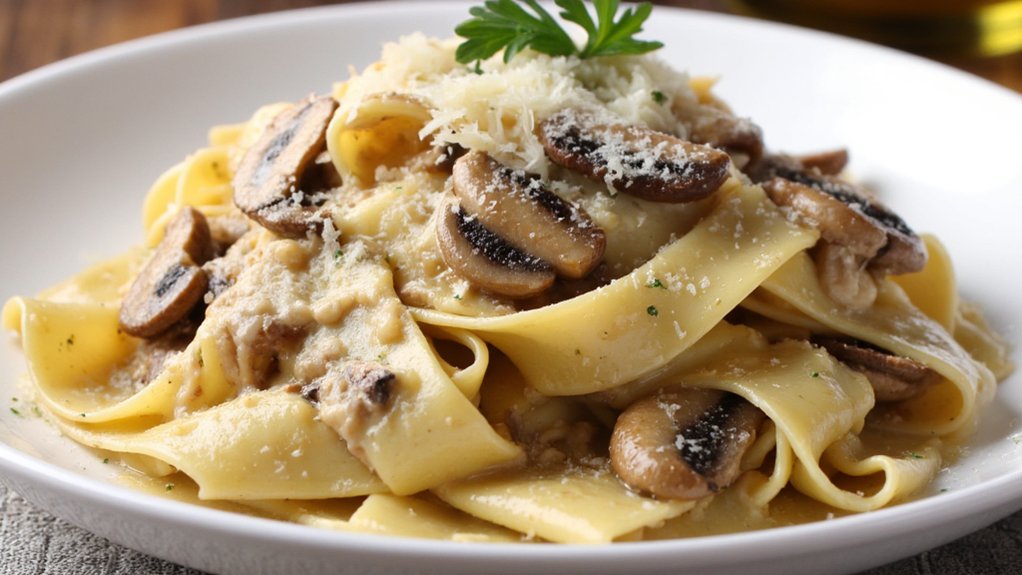
When the frost sneaks in and the days grow shorter, there’s nothing quite like the warmth of the kitchen filled with the aroma of Italian dishes. A steaming bowl of minestrone or a creamy mushroom risotto can boost our spirits and bring comfort. These recipes are more than just meals; they’re a celebration of flavor and togetherness. Let’s explore the heart of Italy’s winter cuisine with these delightful recipes. Each one promises to make those chilly days a bit cozier.
Classic Minestrone Soup
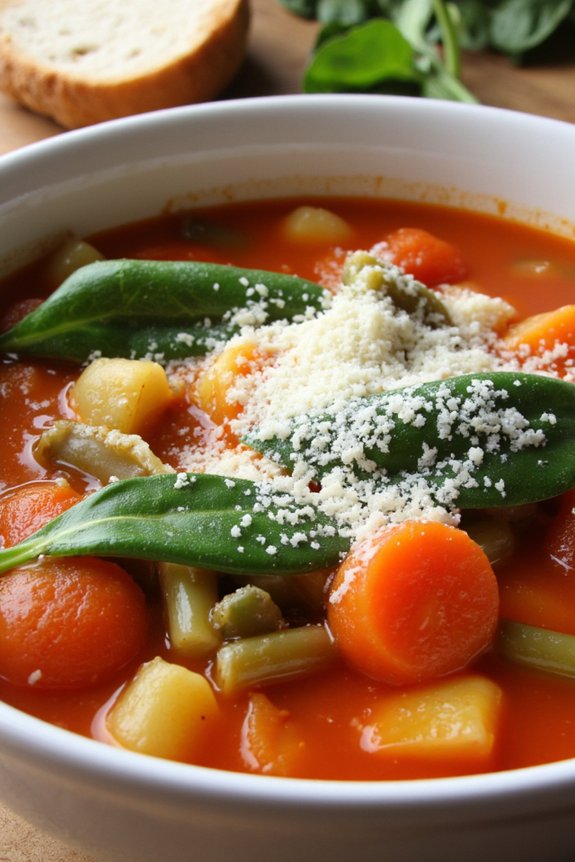
Minestrone soup is a hearty and wholesome Italian classic, ideal for warming up on a cold winter’s day. Rooted deeply in Italian cuisine, this soup is a celebration of seasonal vegetables, beans, and pasta, creating a dish that’s both nutritious and comforting.
The beauty of minestrone lies in its versatility; you can easily adapt it to incorporate whatever vegetables you have on hand, making it the perfect dish to clear out your fridge while still delivering a rich and satisfying meal.
Traditionally, minestrone is a thick soup, and its thickness can be adjusted to your preference. The base starts with a mirepoix of onions, carrots, and celery, which provides a delicious depth of flavor. The addition of tomatoes, beans, and seasonal vegetables guarantees a rich texture and taste, while the pasta adds substance that turns this soup into a complete meal. Serve it with a slice of crusty bread, and you have a cozy dinner fit for any winter evening.
Ingredients (Serves 4-6):
- 2 tablespoons olive oil
- 1 onion, chopped
- 2 carrots, chopped
- 2 celery stalks, chopped
- 3 cloves garlic, minced
- 1 zucchini, chopped
- 1 potato, peeled and diced
- 1 cup green beans, cut into 1-inch pieces
- 1 can (14 oz) diced tomatoes
- 1 can (14 oz) cannellini beans, drained and rinsed
- 6 cups vegetable broth
- 1 teaspoon dried oregano
- 1 teaspoon dried basil
- Salt and pepper to taste
- 1 cup small pasta (e.g., ditalini or elbow macaroni)
- 2 cups fresh spinach
- Grated Parmesan cheese for serving
- Fresh basil leaves for garnish (optional)
Instructions:
- Prepare the Base: In a large pot, heat the olive oil over medium heat. Add the chopped onion, carrots, and celery. Sauté for about 5 minutes until the vegetables begin to soften. Stir in the minced garlic and cook for an additional minute until fragrant.
- Add Vegetables and Broth: Add the zucchini, potato, and green beans to the pot. Stir in the diced tomatoes (with their juice), cannellini beans, and vegetable broth. Season the mixture with oregano, basil, salt, and pepper.
- Simmer the Soup: Bring the soup to a boil, then reduce the heat to a simmer. Cover the pot and let it cook for about 20-25 minutes, or until the vegetables are tender.
- Cook the Pasta: While the soup is simmering, cook the pasta in a separate pot according to the package instructions until al dente. Drain and set aside.
- Combine and Finish: Once the vegetables are tender, add the cooked pasta and fresh spinach to the soup. Stir well and cook for another 5 minutes until the spinach wilts and the pasta is heated through.
- Serve: Ladle the soup into bowls and top with grated Parmesan cheese. Garnish with fresh basil leaves if desired. Serve hot with crusty bread.
Extra Tips:
For an even richer flavor, consider adding a Parmesan rind to the soup while it simmers, then remove it before serving. If you prefer a thicker soup, you can mash some of the beans or potatoes using the back of a spoon against the side of the pot.
Feel free to customize the vegetables based on what’s in season or what you have at home; kale or cabbage can be great substitutes for spinach. Finally, if you have leftovers, the soup will thicken as it sits, so you might need to add a bit more broth or water when reheating.
Hearty Osso Buco
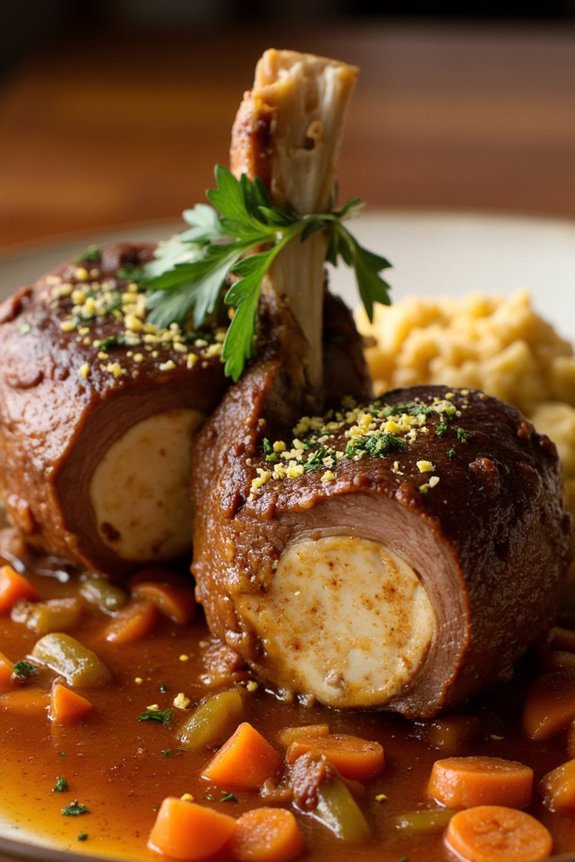
Osso Buco, a classic Italian dish from the Lombardy region, is renowned for its rich, savory flavors and melt-in-your-mouth texture. Traditionally made with veal shanks, the dish is slow-cooked to perfection, allowing the meat to absorb the aromatic blend of vegetables, wine, and stock. This hearty recipe is perfect for winter, offering a comforting warmth that’s sure to please any palate.
The marrow from the veal shanks adds a luxurious, creamy depth to the sauce, making it a true indulgence. To accompany the Osso Buco, a classic gremolata—a mix of lemon zest, garlic, and parsley—adds a fresh, zesty contrast to the richness of the dish. Serve it over a bed of risotto or alongside some creamy polenta to soak up every bit of the flavorful sauce.
Whether you’re hosting a dinner party or simply looking to enjoy a cozy meal with family, this recipe, serving 4-6 people, is bound to impress.
Ingredients:
- 4 veal shanks, about 1.5 inches thick
- Salt and pepper, to taste
- 1/4 cup all-purpose flour
- 1/4 cup olive oil
- 1 onion, finely chopped
- 2 carrots, diced
- 2 celery stalks, diced
- 3 cloves garlic, minced
- 1 cup dry white wine
- 2 cups beef or veal stock
- 1 can (14 oz) crushed tomatoes
- 2 sprigs fresh thyme
- 2 bay leaves
- Zest of 1 lemon
- 1/4 cup fresh parsley, chopped
- Additional lemon zest and parsley for gremolata
Instructions:
- Preparation: Season the veal shanks with salt and pepper, then dredge each shank in flour, shaking off any excess. This will help to thicken the sauce as it cooks and add a lovely golden crust to the meat.
- Browning the Shanks: In a large Dutch oven or heavy-bottomed pot, heat the olive oil over medium-high heat. Add the veal shanks and brown them on all sides, about 8-10 minutes. Remove the shanks and set them aside.
- Cooking the Vegetables: In the same pot, add the onion, carrots, and celery. Sauté until the vegetables are softened and beginning to brown, about 5-7 minutes. Add the minced garlic and cook for another minute until fragrant.
- Deglazing: Pour in the white wine to deglaze the pot, scraping up any browned bits from the bottom. Let the wine simmer for about 3 minutes to allow the alcohol to evaporate.
- Simmering the Osso Buco: Return the veal shanks to the pot. Add the beef stock, crushed tomatoes, thyme, and bay leaves. Bring the mixture to a gentle boil, then reduce the heat to low, cover, and simmer for 1.5 to 2 hours. The meat should be tender and almost falling off the bone.
- Finishing Touches: Once cooked, remove the thyme sprigs and bay leaves from the pot. Stir in lemon zest and chopped parsley to brighten the flavors.
- Gremolata: For the gremolata, combine additional lemon zest and parsley in a small bowl. Sprinkle over the Osso Buco just before serving for a vibrant finish.
Extra Tips:
To enhance the flavor of your Osso Buco, consider marinating the veal shanks in the refrigerator with olive oil, garlic, and herbs for a few hours before cooking.
When browning the shanks, verify the oil is hot enough to sear the meat, creating a flavorful crust. If you prefer a thicker sauce, remove the lid for the last 30 minutes of cooking to allow the liquid to reduce.
Finally, don’t skip the gremolata; its fresh, citrusy notes perfectly complement the rich, hearty flavors of the dish.
Creamy Mushroom Risotto
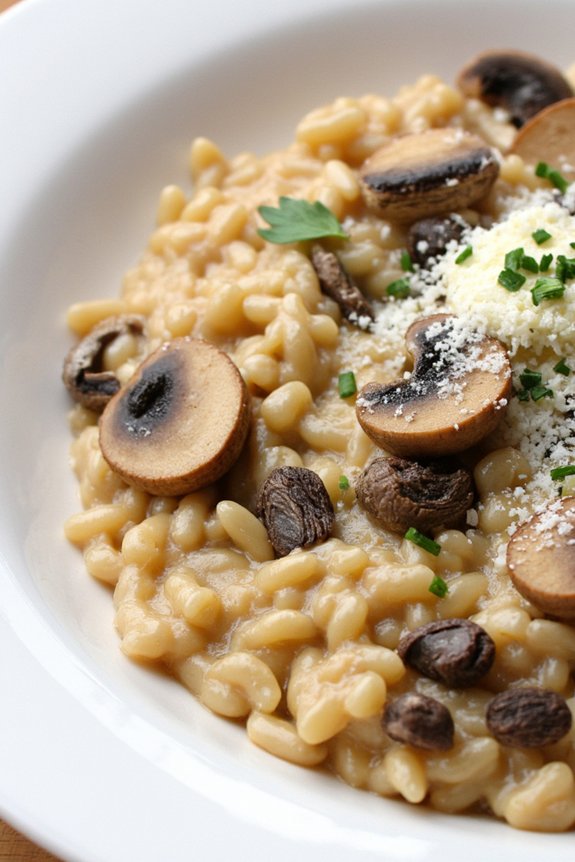
When the temperature starts to drop, there’s nothing quite like a warm, comforting bowl of risotto to soothe the soul. Creamy Mushroom Risotto is a classic Italian dish that perfectly embodies the essence of cozy winter meals. This luscious dish combines the earthy flavors of mushrooms with the rich creaminess of risotto, creating a harmonious blend that’s both satisfying and elegant.
Whether served as a main course or a side dish, its creamy texture and depth of flavor make it a favorite for family dinners or special occasions.
The key to a perfect Creamy Mushroom Risotto lies in the selection of ingredients and the patience required to achieve its signature creaminess. Arborio rice, known for its high starch content, is essential for creating that velvety texture. The mushrooms, often a mix of button, cremini, and porcini, add a robust flavor profile that elevates the dish.
Cooking a good risotto is a labor of love, requiring constant stirring and gradual incorporation of broth to allow the rice to absorb the liquid and release its starches. Once you master the technique, you’ll find it’s well worth the effort for this hearty, comforting dish.
Ingredients (Serves 4-6):
- 2 tablespoons olive oil
- 1 small onion, finely chopped
- 2 cloves garlic, minced
- 1 cup Arborio rice
- 1/2 cup dry white wine
- 4 cups chicken or vegetable broth
- 1 cup cremini mushrooms, sliced
- 1 cup button mushrooms, sliced
- 1/2 cup dried porcini mushrooms, rehydrated
- 1/2 cup Parmesan cheese, grated
- 2 tablespoons unsalted butter
- Salt and pepper to taste
- Fresh parsley, chopped, for garnish
Cooking Instructions:
1. Prepare the Broth and Mushrooms:
Begin by heating the chicken or vegetable broth in a saucepan over low heat until it’s warm but not boiling. In a separate bowl, rehydrate the dried porcini mushrooms in hot water for about 15 minutes, then drain and chop them. Reserve the soaking liquid by straining it through a fine sieve to remove any grit.
2. Sauté the Aromatics:
In a large skillet or saucepan, heat the olive oil over medium heat. Add the chopped onion and cook until it becomes translucent, about 3-4 minutes. Stir in the minced garlic and cook for an additional minute, taking care not to let it burn.
3. Cook the Mushrooms:
Add the sliced cremini and button mushrooms to the pan. Sauté them together with the onions and garlic until the mushrooms release their moisture and begin to brown, about 5-7 minutes. Add the chopped porcini mushrooms and stir to combine.
4. Toast the Rice:
Stir the Arborio rice into the mushroom mixture, making certain each grain is coated with oil and begins to toast lightly. This should take about 2 minutes, and it will give the risotto a nutty flavor.
5. Deglaze and Begin Cooking the Risotto:
Pour in the white wine and cook, stirring constantly, until it’s fully absorbed by the rice. Begin adding the warm broth one ladle at a time, along with a little of the reserved porcini soaking liquid, allowing the rice to absorb each addition before adding more. This process will take about 18-20 minutes. Stir frequently to guarantee even cooking and prevent sticking.
6. Finish the Risotto:
Once the rice is creamy and al dente, remove the pan from the heat. Stir in the grated Parmesan cheese and unsalted butter until they’re fully melted and incorporated. Season with salt and pepper to taste.
7. Serve:
Serve the risotto immediately, garnished with freshly chopped parsley for a hint of freshness.
Extra Tips:
When making risotto, patience is key. Keep the heat at a medium level to avoid cooking the rice too quickly, which can lead to uneven texture. It’s important to stir frequently to release the starches that give risotto its creamy texture.
If you prefer a vegetarian version, simply use vegetable broth instead of chicken broth. For added depth of flavor, consider adding a splash of truffle oil before serving. Remember, practice makes perfect, and with each attempt, you’ll refine your technique for a perfect risotto every time.
Rich Beef Braciole
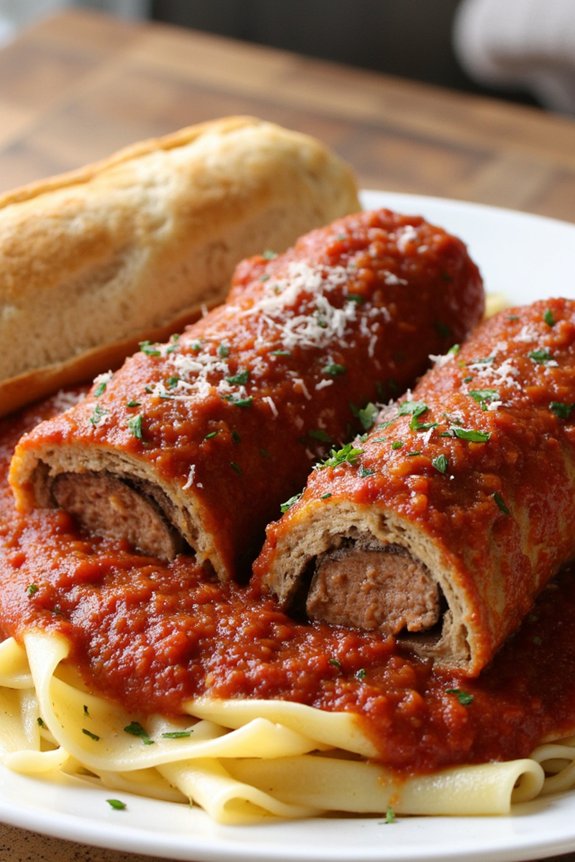
Rich Beef Braciole is a comforting Italian dish that’s perfect for warming up on a chilly winter evening. This classic recipe features thin slices of beef rolled with a flavorful filling, then simmered in a rich tomato sauce until tender. The combination of savory beef, aromatic herbs, and a luscious sauce creates a meal that’s both satisfying and full of depth. Often served with pasta or a side of crusty bread, Beef Braciole is an inviting dish that’s ideal for family gatherings or cozy dinners.
Preparing Beef Braciole requires a bit of time and patience, but the results are well worth the effort. The dish begins with preparing a stuffing mixture that typically includes breadcrumbs, cheese, herbs, and sometimes cured meats or hard-boiled eggs. This filling is rolled inside the beef, which is then seared to lock in the flavors before being slowly cooked in a tomato-based sauce.
The slow cooking process allows the beef to become tender and the flavors to meld beautifully, resulting in a hearty and delicious meal that will have everyone asking for seconds.
Ingredients (Serves 4-6):
- 2 pounds of flank steak, sliced thinly
- 1 cup of Italian breadcrumbs
- 1/2 cup of grated Parmesan cheese
- 1/4 cup of chopped fresh parsley
- 2 cloves of garlic, minced
- 4 slices of prosciutto
- 2 large eggs, hard-boiled and chopped (optional)
- Salt and pepper, to taste
- 1/4 cup of olive oil
- 1 cup of dry red wine
- 2 cans (28 ounces each) of crushed tomatoes
- 1 teaspoon of dried oregano
- 1 teaspoon of dried basil
- Kitchen twine or toothpicks
Cooking Instructions:
- Prepare the Filling: In a mixing bowl, combine the breadcrumbs, Parmesan cheese, parsley, minced garlic, and chopped hard-boiled eggs (if using). Season with salt and pepper, then mix well to create an even filling.
- Assemble the Braciole: Lay the thin slices of flank steak out flat. Place a slice of prosciutto on each piece, then spread an even layer of the breadcrumb mixture over the top. Carefully roll each slice of beef tightly and secure with kitchen twine or toothpicks to hold the shape.
- Sear the Beef Rolls: Heat olive oil in a large skillet over medium-high heat. Add the rolled beef pieces and sear each side until browned, about 3-4 minutes per side. This step enhances the flavor and helps the rolls hold their shape.
- Deglaze the Pan: Remove the beef rolls from the skillet and set aside. Pour the red wine into the skillet to deglaze, scraping up any browned bits from the bottom of the pan. Let the wine simmer for about 2 minutes.
- Prepare the Sauce: Add the crushed tomatoes, oregano, and basil to the skillet. Stir well to combine with the wine and bring the sauce to a gentle simmer.
- Simmer the Braciole: Return the beef rolls to the skillet, nestling them into the sauce. Cover the pan and let the Braciole simmer on low heat for 1.5 to 2 hours, or until the beef is tender and the flavors are well developed. Stir occasionally and adjust seasoning if necessary.
- Serve: Once cooked, remove the kitchen twine or toothpicks from the beef rolls. Serve the Braciole hot, topped with the rich tomato sauce, alongside your choice of pasta or bread.
Extra Tips:
When selecting the beef, make sure it’s sliced thin enough to roll but still sturdy enough to hold the filling. Flank steak is ideal, but you can also ask your butcher to slice it for you if necessary.
Additionally, the slow simmering process is vital for achieving tender meat, so resist the urge to rush it. If you find the sauce becoming too thick, you can add a bit of beef stock or water to maintain the desired consistency. Enjoy this dish fresh, or consider making it a day ahead to allow the flavors to deepen even more.
Tuscan White Bean and Sausage Stew

As the chill of winter envelops us, there’s nothing quite like a hearty stew to provide warmth and comfort. The Tuscan White Bean and Sausage Stew is a classic Italian dish that embodies the essence of rustic cooking with its simple yet robust flavors. This dish combines creamy white beans and savory Italian sausage, simmered gently in a rich tomato broth with aromatic herbs.
It’s the perfect one-pot wonder to enjoy on a cozy night, offering a satisfying blend of textures and tastes that are sure to please your family and friends. The beauty of this stew lies in its versatility and depth of flavor, making it an ideal choice for both casual dinners and special occasions.
The use of fresh ingredients like garlic, rosemary, and Parmesan adds a burst of flavor to each bite, while the sausage introduces a delightful touch of spice. This substantial dish isn’t only filling but also nutritious, thanks to the inclusion of protein-rich beans and vegetables. Pair it with a crusty loaf of bread to soak up every final drop, and you’ll have a meal that warms the soul.
Ingredients (serves 4-6):
- 1 pound Italian sausage, casings removed
- 2 tablespoons olive oil
- 1 large onion, diced
- 3 cloves garlic, minced
- 2 carrots, peeled and chopped
- 2 celery stalks, chopped
- 1 teaspoon dried rosemary
- 1 teaspoon dried thyme
- 1 bay leaf
- Salt and pepper to taste
- 1 (28-ounce) can crushed tomatoes
- 4 cups chicken broth
- 2 (15-ounce) cans cannellini beans, drained and rinsed
- 1/2 cup grated Parmesan cheese
- Fresh parsley, chopped (for garnish)
Cooking Instructions:
- Prepare the Sausage: In a large pot or Dutch oven, heat the olive oil over medium heat. Add the Italian sausage, breaking it apart with a spoon, and cook until browned and fully cooked, approximately 5-7 minutes. Remove the sausage from the pot and set it aside.
- Sauté the Vegetables: In the same pot, add the diced onion, garlic, carrots, and celery. Cook until the vegetables are tender and the onion is translucent, about 5 minutes. Stir occasionally to prevent sticking.
- Add Herbs and Seasonings: Stir in the dried rosemary, dried thyme, bay leaf, salt, and pepper. Cook for an additional minute to allow the herbs to release their fragrance.
- Incorporate the Tomatoes and Broth: Pour in the crushed tomatoes and chicken broth. Bring the mixture to a simmer, and let it cook for about 10 minutes, allowing the flavors to meld together.
- Add Beans and Sausage: Add the drained cannellini beans and the cooked sausage back into the pot. Stir to combine all the ingredients, and let the stew simmer for another 15-20 minutes, stirring occasionally.
- Finish with Parmesan: Remove the bay leaf, and stir in the grated Parmesan cheese until it melts into the stew, creating a creamy texture.
- Serve and Garnish: Ladle the stew into bowls, and garnish with freshly chopped parsley. Serve hot with crusty bread for dipping.
Extra Tips:
For an even richer flavor, consider using a splash of white wine to deglaze the pot after sautéing the vegetables, scraping up any browned bits from the bottom. If you prefer a thicker stew, you can mash some of the beans with a fork before adding them to the pot.
This dish can be made ahead of time and reheats beautifully, allowing the flavors to deepen overnight. Finally, feel free to customize with additional vegetables or spices based on your preference, making this stew truly your own.
Saffron Risotto With Roasted Squash

Saffron Risotto With Roasted Squash is a comforting and luxurious dish perfect for cozy winter nights. This classic Italian recipe combines the rich, earthy flavors of roasted squash with the aromatic and distinctive taste of saffron-infused risotto. The creamy texture of the risotto perfectly complements the sweet and nutty notes of the squash, creating a dish that’s both satisfying and elegant.
Ideal for a family gathering or a dinner party, this recipe serves 4-6 people and is sure to impress your guests with its vibrant color and complex flavor profile.
To prepare this delicious dish, you’ll start by roasting the squash to enhance its natural sweetness. Meanwhile, the risotto will be cooked slowly, allowing the saffron to infuse each grain of rice with its golden hue and unique aroma. The addition of Parmesan cheese at the end of the cooking process adds a rich, savory element that ties all the flavors together.
Whether you’re a seasoned cook or a beginner, this recipe is straightforward and rewarding, making it a delightful addition to your winter menu.
Ingredients (serves 4-6):
- 1 medium-sized butternut squash, peeled and diced
- 2 tablespoons olive oil
- Salt and pepper to taste
- 5 cups chicken or vegetable stock
- 1/2 teaspoon saffron threads
- 2 tablespoons unsalted butter
- 1 small onion, finely chopped
- 2 cloves garlic, minced
- 1 1/2 cups Arborio rice
- 1/2 cup dry white wine
- 1/2 cup grated Parmesan cheese
- 2 tablespoons chopped fresh parsley (optional)
Instructions:
- Prepare the Squash: Preheat your oven to 400°F (200°C). Toss the diced butternut squash with olive oil, salt, and pepper. Spread it evenly on a baking sheet and roast in the oven for about 25-30 minutes, or until tender and slightly caramelized. Remove from oven and set aside.
- Infuse the Saffron: In a small saucepan, heat the chicken or vegetable stock over low heat. Add the saffron threads to the warm stock and let them steep while you prepare the risotto.
- Sauté the Aromatics: In a large saucepan, melt the butter over medium heat. Add the chopped onion and garlic, sautéing until the onion becomes translucent and the garlic is fragrant, about 3-4 minutes.
- Toast the Rice: Add the Arborio rice to the saucepan with the onions and garlic. Stir well to coat the rice with the butter and sauté for about 2 minutes until the rice edges become translucent.
- Deglaze with Wine: Pour in the white wine and stir continuously until the wine is almost fully absorbed by the rice.
- Cook the Risotto: Begin adding the saffron-infused stock, one ladleful at a time, to the rice. Stir frequently, allowing the liquid to be absorbed before adding more. Continue this process until the rice is creamy and al dente, which should take about 18-20 minutes.
- Combine and Finish: Once the risotto is cooked, gently fold in the roasted squash and grated Parmesan cheese. Stir until the cheese is melted and the squash is well incorporated. Adjust seasoning with salt and pepper to taste.
- Garnish and Serve: If desired, sprinkle chopped fresh parsley over the risotto before serving. Serve immediately while hot.
Extra Tips:
When making Saffron Risotto With Roasted Squash, patience is key. Stirring the risotto frequently helps release the starches from the rice, resulting in a creamy consistency.
It’s important to keep the stock warm as you add it to the rice; cold stock can slow the cooking process. If you don’t have saffron on hand, a pinch of turmeric can be a budget-friendly alternative for color, though it won’t replicate the unique flavor of saffron.
Ultimately, feel free to experiment with different types of squash or even add toasted nuts for an extra layer of texture and flavor.
Traditional Lasagna Bolognese
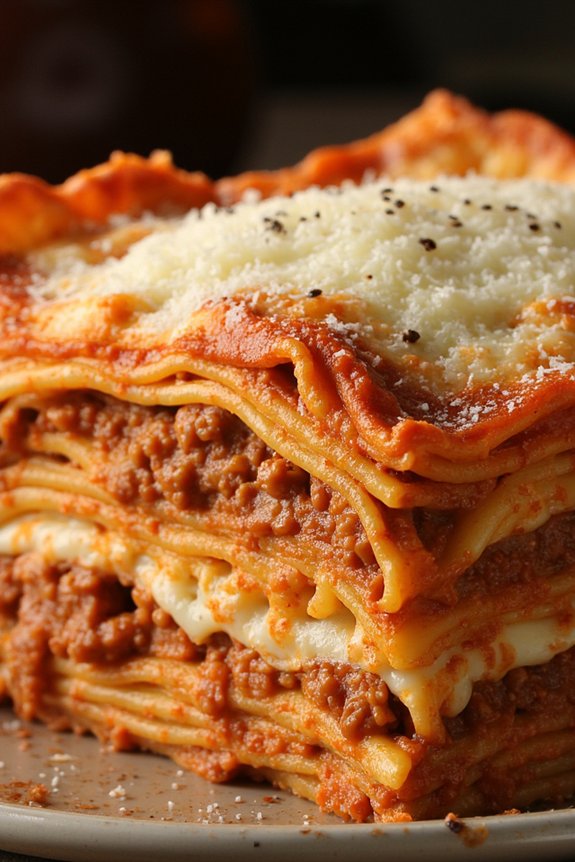
Traditional Lasagna Bolognese is a classic Italian dish that combines layers of rich meat sauce, creamy béchamel, and tender pasta sheets to create a heartwarming and indulgent meal. This dish is perfect for the colder months, as it offers a comforting and satisfying experience with every bite.
The Bolognese sauce, traditionally simmered for hours to develop its deep, robust flavors, pairs beautifully with the silky béchamel sauce, creating a perfect balance of textures and tastes.
Originating from the region of Emilia-Romagna in Italy, Lasagna Bolognese is a staple in many Italian households and is often enjoyed during family gatherings and festive occasions. While it may seem challenging to prepare, breaking down the steps can make the process manageable and rewarding.
With a little patience and care, you can create a lasagna that’s both authentic and delicious, sure to impress your family and friends.
Ingredients for serving size of 4-6:
- 12 lasagna noodles
- 1 tablespoon olive oil
- 1 onion, finely chopped
- 2 carrots, finely chopped
- 2 celery stalks, finely chopped
- 2 cloves garlic, minced
- 1 pound ground beef
- 1/2 pound ground pork
- 1 cup dry red wine
- 1 can (28 ounces) crushed tomatoes
- 2 tablespoons tomato paste
- 1 teaspoon dried oregano
- 1 teaspoon dried basil
- Salt and pepper to taste
- 2 cups whole milk
- 4 tablespoons unsalted butter
- 1/4 cup all-purpose flour
- 1/4 teaspoon nutmeg
- 2 cups shredded mozzarella cheese
- 1 cup grated Parmesan cheese
Cooking Instructions:
- Prepare the Bolognese Sauce: In a large skillet, heat olive oil over medium heat. Add onions, carrots, and celery, cooking until soft, about 10 minutes. Add garlic and cook for an additional minute. Increase heat to medium-high, add ground beef and pork, and cook until browned, breaking up with a spoon.
- Simmer the Sauce: Pour in the red wine and allow it to reduce for about 5 minutes. Stir in crushed tomatoes, tomato paste, oregano, basil, and season with salt and pepper. Lower the heat to a simmer and let the sauce cook for at least 1.5 to 2 hours, stirring occasionally, until thickened and flavors have melded.
- Prepare the Béchamel Sauce: In a saucepan, melt butter over medium heat. Whisk in flour and cook for 1-2 minutes until golden. Gradually whisk in milk, continuing to whisk until the sauce thickens. Add nutmeg and season with salt and pepper to taste. Allow the sauce to simmer gently for another 5 minutes.
- Cook the Lasagna Noodles: In a large pot of salted boiling water, cook lasagna noodles according to package instructions until al dente. Drain and lay flat on a baking sheet.
- Assemble the Lasagna: Preheat the oven to 375°F (190°C). In a 9×13 inch baking dish, spread a thin layer of Bolognese sauce. Arrange a layer of noodles over the sauce. Top with more Bolognese sauce, a layer of béchamel, and a sprinkle of mozzarella and Parmesan cheese. Repeat layers, finishing with a generous amount of béchamel and cheese on top.
- Bake the Lasagna: Cover the dish with foil and bake for 25 minutes. Then remove the foil and bake for another 15 minutes, or until the top is golden and bubbly. Let the lasagna rest for at least 10 minutes before serving.
Extra Tips:
For the best flavor, prepare the Bolognese sauce a day in advance to allow the flavors to deepen overnight.
When assembling the lasagna, make sure each pasta layer is completely covered with sauce to prevent the noodles from drying out during baking.
If you prefer a richer béchamel, you can substitute part of the milk with cream.
Feel free to customize the cheese blend by adding Pecorino Romano or any of your favorite cheeses for a unique twist.
Chicken Cacciatore With Polenta

Chicken Cacciatore With Polenta is a classic Italian dish that embodies the warmth and comfort of home-cooked meals, making it perfect for chilly winter days. This hearty recipe combines tender chicken pieces braised in a rich, flavorful tomato sauce with earthy mushrooms and bell peppers, served over creamy polenta, which acts as a perfect base to soak up all the delicious sauce.
The slow-cooked nature of the dish allows the flavors to meld beautifully, creating a satisfying meal that’s both rustic and elegant. Originating from the Italian word “cacciatore,” meaning “hunter,” this dish traditionally uses ingredients that a hunter might gather—such as onions, herbs, peppers, and wine.
The polenta, a staple in Northern Italian cuisine, complements the cacciatore perfectly with its smooth, buttery texture. This recipe is designed to serve 4-6 people, making it ideal for family dinners or gatherings with friends. Preparing Chicken Cacciatore With Polenta is a delightful way to bring a touch of Italy into your kitchen during the winter months.
Ingredients (Serves 4-6):
- 4-6 chicken thighs, bone-in and skin-on
- Salt and pepper, to taste
- 2 tablespoons olive oil
- 1 onion, chopped
- 2 cloves garlic, minced
- 1 red bell pepper, sliced
- 1 green bell pepper, sliced
- 8 ounces mushrooms, sliced
- 1 teaspoon dried oregano
- 1 teaspoon dried thyme
- 1/2 teaspoon chili flakes (optional)
- 1 cup dry white wine
- 1 can (28 ounces) crushed tomatoes
- 1/4 cup chicken broth
- 1/4 cup capers, drained
- 1/4 cup black olives, pitted and sliced
- Fresh basil or parsley, for garnish
- 1 cup polenta
- 4 cups water or chicken broth
- 2 tablespoons butter
- 1/4 cup grated Parmesan cheese
Cooking Instructions:
- Prepare the Chicken: Season the chicken thighs generously with salt and pepper on both sides.
- Brown the Chicken: In a large skillet or Dutch oven, heat olive oil over medium-high heat. Add the chicken thighs, skin-side down, and cook until golden brown, about 5 minutes per side. Remove the chicken from the pan and set aside.
- Sauté the Vegetables: In the same pan, add the chopped onion and garlic, and sauté until the onion becomes translucent, about 3 minutes. Add in the sliced bell peppers and mushrooms, and cook for another 5 minutes until softened.
- Add Herbs and Wine: Stir in the dried oregano, thyme, and chili flakes. Pour in the white wine to deglaze the pan, scraping up any browned bits from the bottom. Allow the wine to reduce by half, about 3 minutes.
- Simmer the Sauce: Add the crushed tomatoes, chicken broth, capers, and olives to the pan. Bring the mixture to a simmer and then return the chicken thighs to the pan, nestling them into the sauce. Cover and let it simmer gently for 30-40 minutes, until the chicken is cooked through and tender.
- Cook the Polenta: While the cacciatore is simmering, bring 4 cups of water or chicken broth to a boil in a medium saucepan. Gradually whisk in the polenta, reducing the heat to low. Cook, stirring frequently, until the polenta is thick and creamy, about 20-25 minutes. Stir in the butter and Parmesan cheese, and season with salt to taste.
- Serve: Spoon the creamy polenta onto plates and top with the chicken cacciatore. Garnish with fresh basil or parsley before serving.
Extra Tips:
For an even deeper flavor, marinate the chicken thighs in garlic, olive oil, and herbs for a few hours before cooking. If you prefer a thicker sauce, remove the chicken once it’s cooked, and let the sauce reduce further before returning the chicken to the pan.
For a spicier kick, increase the amount of chili flakes according to your taste. Leftovers can be stored in the refrigerator for up to 3 days and are perfect for reheating, as the flavors continue to develop over time.
Spinach and Ricotta Cannelloni
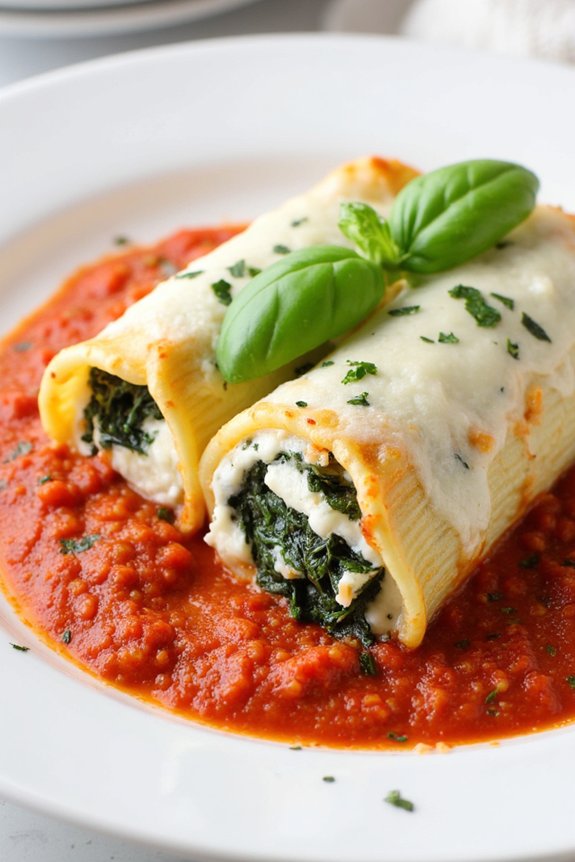
Spinach and Ricotta Cannelloni is a comforting and classic Italian dish perfect for cozy winter evenings. This delicious recipe features tender pasta tubes filled with a creamy spinach and ricotta mixture, all baked in a rich tomato sauce topped with bubbly melted cheese. It’s a dish that combines textures and flavors beautifully, providing a warm and satisfying meal for the whole family. The combination of fresh spinach, creamy ricotta, and tangy tomato sauce delivers a savory delight that’s both nutritious and indulgent.
Preparing Spinach and Ricotta Cannelloni isn’t only about the flavors but also about the process of assembling and baking, which can be a fun and rewarding experience. As you make this dish, the comforting aroma that fills your kitchen will surely make the effort worthwhile. Whether it’s a family dinner or a special occasion, this recipe is bound to impress.
Ingredients for 4-6 servings:
- 12-16 cannelloni tubes
- 2 tablespoons olive oil
- 2 cloves garlic, minced
- 10 ounces fresh spinach, washed and chopped
- 15 ounces ricotta cheese
- 1/2 cup grated Parmesan cheese
- 1 large egg, beaten
- Salt and pepper to taste
- 2 cups tomato sauce
- 1 cup shredded mozzarella cheese
- 1/4 teaspoon nutmeg (optional)
- Fresh basil leaves for garnish (optional)
Cooking Instructions:
- Preheat the oven: Begin by preheating your oven to 375°F (190°C) to guarantee it’s ready for baking once the cannelloni is assembled.
- Prepare the spinach: Heat the olive oil in a large skillet over medium heat. Add the minced garlic and sauté for about 1 minute until fragrant. Add the chopped spinach and cook until wilted, about 3-4 minutes. Remove from heat and let it cool slightly.
- Make the filling: In a large mixing bowl, combine the cooked spinach, ricotta cheese, Parmesan cheese, beaten egg, nutmeg, salt, and pepper. Mix well until all ingredients are thoroughly incorporated.
- Fill the cannelloni tubes: Using a small spoon or piping bag, fill each cannelloni tube with the spinach and ricotta mixture. Be sure to fill them generously but without breaking the tubes.
- Assemble the dish: Spread a thin layer of tomato sauce on the bottom of a baking dish. Place the filled cannelloni tubes on top of the sauce in a single layer. Pour the remaining tomato sauce over the top of the cannelloni, ensuring all tubes are covered.
- Add cheese and bake: Sprinkle the shredded mozzarella cheese evenly over the top. Cover the baking dish with aluminum foil and bake in the preheated oven for 25 minutes. Remove the foil and bake for an additional 10-15 minutes, or until the cheese is golden and bubbly.
- Serve: Remove the cannelloni from the oven and let it rest for a few minutes before serving. Garnish with fresh basil leaves if desired, and enjoy!
Extra Tips:
To enhance the flavors, you can add a pinch of crushed red pepper flakes to the tomato sauce for a spicy kick. If you prefer a more robust tomato flavor, consider using a homemade marinara sauce.
For a lighter version, you can substitute half of the ricotta with cottage cheese. When filling the cannelloni tubes, make sure they’re not overstuffed to prevent them from splitting during baking. If you have leftover filling, it can be used as a delicious dip or spread.
Enjoy your Spinach and Ricotta Cannelloni with a side of garlic bread or a fresh salad to complete the meal.
Ribollita – Tuscan Bread Soup
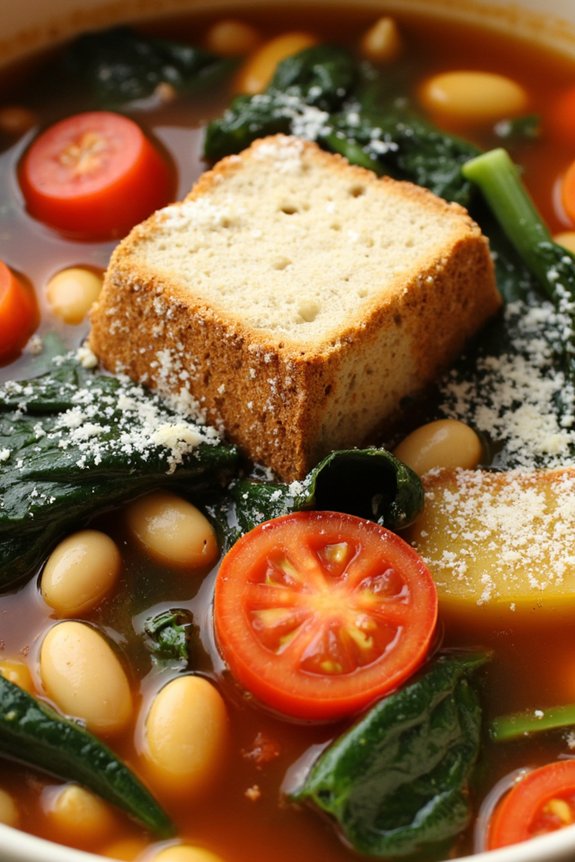
Ribollita, a traditional Tuscan bread soup, is the epitome of comfort food, perfect for the chilly winter months. This hearty soup is a staple in many Italian households, known for its rich flavors and rustic charm. Originating from Tuscany, ribollita translates to “reboiled,” highlighting its nature as a leftover dish that’s even better the next day. It’s a wonderful way to use up stale bread, vegetables, and beans, creating a meal that’s both satisfying and nutritious.
The beauty of ribollita lies in its simplicity and the ease with which it can be adapted to suit personal tastes and available ingredients. Typically, this dish includes cannellini beans, kale or cavolo nero, carrots, celery, and onions, simmered together to create a thick, stew-like consistency. The addition of day-old bread soaks up the rich broth, making each bite a delightful combination of textures and flavors. This recipe will guide you through the steps to create a ribollita that serves 4-6 people, ensuring you have enough to savor the following day.
Ingredients (Serves 4-6):
- 1 cup dried cannellini beans (or 2 cans, drained and rinsed)
- 2 tablespoons olive oil
- 1 large onion, chopped
- 2 carrots, chopped
- 2 celery stalks, chopped
- 3 cloves garlic, minced
- 1 bunch kale or cavolo nero, stemmed and chopped
- 1 14-ounce can of diced tomatoes
- 4 cups vegetable broth
- 2 cups water
- 1 teaspoon dried thyme
- 1 teaspoon dried rosemary
- Salt and pepper to taste
- 4 slices of stale country bread, torn into pieces
- Grated Parmesan cheese for serving
- Extra virgin olive oil for drizzling
Cooking Instructions:
- Prepare the Beans: If using dried cannellini beans, soak them overnight in a bowl of water. Drain and rinse before cooking. Place the beans in a pot, cover with water, and bring to a boil. Lower the heat and simmer until tender, about 1 hour. Drain and set aside.
- Sauté the Vegetables: In a large soup pot, heat the olive oil over medium heat. Add the chopped onion, carrots, and celery, and cook until the vegetables are soft, about 8 minutes. Stir in the minced garlic and cook for an additional minute until fragrant.
- Add Greens and Tomatoes: Stir in the chopped kale or cavolo nero until it begins to wilt. Add the diced tomatoes with their juice, and cook for another 5 minutes.
- Simmer the Soup: Pour in the vegetable broth and water. Add the thyme, rosemary, salt, and pepper. Bring the mixture to a boil, then reduce the heat and let it simmer for 20 minutes, allowing the flavors to meld together.
- Incorporate the Bread: Stir the cooked cannellini beans and the torn bread pieces into the soup. Continue to simmer for another 10 minutes, or until the bread has absorbed most of the liquid and the soup has thickened.
- Season and Serve: Taste the soup and adjust the seasoning with more salt and pepper if needed. Serve hot, drizzled with extra virgin olive oil and a sprinkle of grated Parmesan cheese.
Extra Tips:
For the best ribollita, use a sturdy, country-style bread that has had a chance to become slightly stale, as it will better absorb the soup’s flavors without turning too mushy. If the soup becomes too thick after reheating, simply add a bit more broth or water to reach your desired consistency.
Ribollita is an ideal make-ahead dish, as the flavors deepen overnight, making it even more delicious when reheated the next day. Enjoy this robust soup with a glass of red wine for a truly authentic Tuscan experience.
Gnocchi With Gorgonzola Sauce
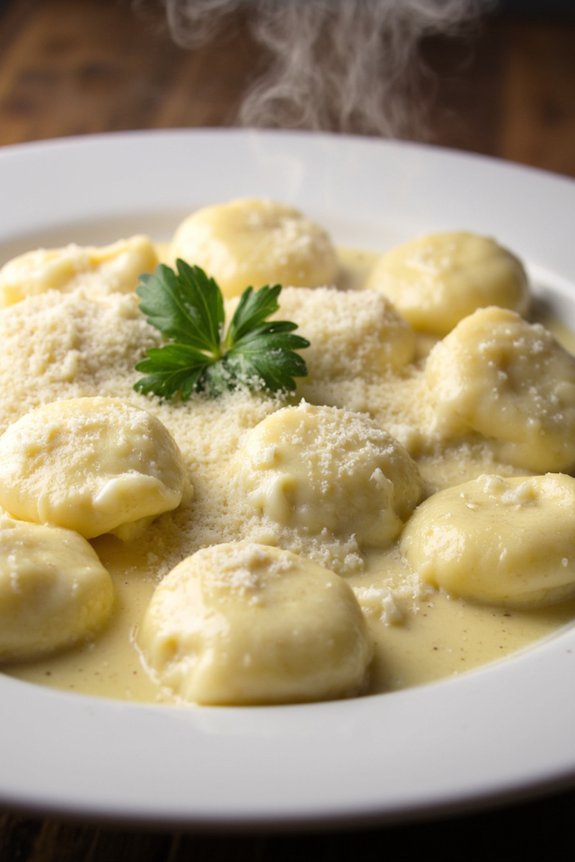
Gnocchi With Gorgonzola Sauce is a delightful winter comfort food that combines soft, pillowy dumplings with a rich and creamy cheese sauce. This dish is perfect for a cozy evening at home or for serving guests during the holiday season. The gnocchi, made from potatoes, flour, and eggs, offers a delicate texture that pairs beautifully with the bold flavors of gorgonzola cheese. The sauce, enriched with cream and butter, envelops each piece of gnocchi, creating a luxurious and indulgent experience.
This recipe serves 4-6 people and is a wonderful way to showcase the versatility and richness of Italian cuisine. The key to this dish is balancing the strong, tangy flavors of the gorgonzola with the soft, neutral taste of the gnocchi. Whether you’re a seasoned chef or a novice in the kitchen, this recipe is straightforward and satisfying, ensuring you can enjoy a taste of Italy in your own home.
Ingredients:
- 2 pounds potatoes
- 1 1/2 cups all-purpose flour (plus extra for dusting)
- 1 large egg
- 1 teaspoon salt
- 1 cup gorgonzola cheese, crumbled
- 1 cup heavy cream
- 1/4 cup unsalted butter
- Salt and pepper to taste
- Freshly grated Parmesan cheese (optional, for garnish)
- Fresh parsley, chopped (optional, for garnish)
Instructions:
- Prepare the Potatoes: Begin by boiling the potatoes with their skins on in a large pot of salted water until they’re tender, about 20-30 minutes. Drain and let them cool slightly. Peel the potatoes and pass them through a potato ricer or mash them until smooth.
- Make the Gnocchi Dough: On a clean work surface, form a mound with the mashed potatoes. Create a well in the center and add the flour, egg, and salt. Gently mix the ingredients together with your hands until a soft dough forms, being careful not to overwork it.
- Shape the Gnocchi: Divide the dough into 4 pieces. Roll each piece into a long rope about 1/2 inch in diameter. Cut the rope into 1-inch pieces. If desired, you can roll each piece over the tines of a fork to create ridges that will help hold the sauce.
- Cook the Gnocchi: Bring a large pot of salted water to a boil. Add the gnocchi in batches and cook until they float to the surface, about 2-3 minutes. Use a slotted spoon to transfer them to a plate.
- Prepare the Gorgonzola Sauce: In a large skillet, melt the butter over medium heat. Add the heavy cream and bring it to a gentle simmer. Stir in the gorgonzola cheese until it melts and the sauce becomes smooth. Season with salt and pepper to taste.
- Combine and Serve: Add the cooked gnocchi to the skillet with the gorgonzola sauce. Toss gently to coat the gnocchi evenly with the sauce. If the sauce is too thick, you can add a bit of the pasta cooking water to reach the desired consistency. Serve immediately, garnished with freshly grated Parmesan cheese and chopped parsley if desired.
Extra Tips:
When making gnocchi, it’s important to use starchy potatoes like Russets, as they create a lighter, fluffier texture. If the dough feels too sticky, gradually add more flour, but be cautious not to add too much, or the gnocchi will become dense.
If you prefer a milder cheese flavor, you can substitute part of the gorgonzola with a milder blue cheese or even mascarpone. Additionally, the gnocchi can be made ahead of time and frozen; simply freeze them in a single layer on a baking sheet before transferring to a freezer bag. Cook them straight from the freezer without thawing, adding a minute or two to the cooking time.
Slow-Cooked Beef Ragu
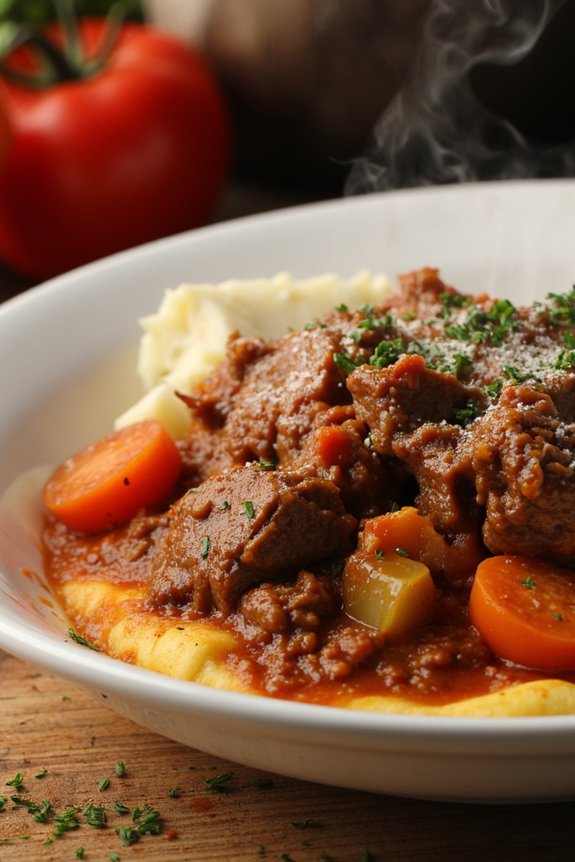
As the chill of winter sets in, nothing warms the soul quite like a hearty, slow-cooked beef ragu. This Italian classic is a rich and comforting dish that brings together the robust flavors of tender, fall-apart beef, aromatic vegetables, and a luscious tomato-based sauce. The long, slow cooking process allows the ingredients to meld into a symphony of flavors—perfect for a cozy family dinner or a special occasion with friends.
Served over a bed of pasta, polenta, or even creamy mashed potatoes, this beef ragu is sure to be a comforting favorite during the colder months.
This recipe is designed to serve 4-6 people, making it ideal for gatherings or for ensuring you have some delicious leftovers. The beauty of a slow-cooked beef ragu is that it can be prepared in advance, with the flavors only improving over time. The following ingredients and steps will guide you to create this classic Italian dish that’s both satisfying and full of depth.
Ingredients:
- 2 tablespoons olive oil
- 2 pounds beef chuck roast, cut into 2-inch cubes
- Salt and freshly ground black pepper
- 1 large onion, finely chopped
- 2 carrots, finely chopped
- 2 celery stalks, finely chopped
- 4 cloves garlic, minced
- 2 tablespoons tomato paste
- 1 cup red wine
- 1 can (28 ounces) crushed tomatoes
- 1 cup beef broth
- 2 teaspoons dried oregano
- 2 teaspoons dried basil
- 2 bay leaves
- 1/4 teaspoon crushed red pepper flakes (optional)
- 1/4 cup fresh parsley, chopped
- Cooked pasta, polenta, or mashed potatoes, for serving
- Grated Parmesan cheese, for serving
Cooking Instructions:
- Brown the Beef: Heat olive oil in a large heavy-bottomed pot or Dutch oven over medium-high heat. Season the beef cubes with salt and pepper. Add the beef to the pot in batches, making sure not to overcrowd, and brown on all sides. This will take about 5-7 minutes per batch. Transfer browned beef to a plate and set aside.
- Sauté the Vegetables: In the same pot, add the chopped onion, carrots, and celery. Cook for about 5 minutes or until the vegetables are softened and the onion is translucent. Add the minced garlic and cook for an additional minute until fragrant.
- Add Tomato Paste and Wine: Stir in the tomato paste and cook for 2 minutes. Pour in the red wine, scraping up any browned bits from the bottom of the pot. Let the wine simmer for about 3 minutes, allowing it to reduce slightly.
- Combine Ingredients: Return the browned beef to the pot. Add the crushed tomatoes, beef broth, oregano, basil, bay leaves, and crushed red pepper flakes (if using). Stir to combine all ingredients.
- Simmer the Ragu: Bring the mixture to a boil, then reduce the heat to low. Cover the pot and let the ragu simmer gently for 2.5 to 3 hours, stirring occasionally, until the beef is tender and the sauce is thickened. Remove the bay leaves before serving.
- Finish and Serve: Stir in the chopped fresh parsley. Taste and adjust seasoning with salt and pepper, if needed. Serve the beef ragu over your choice of pasta, polenta, or mashed potatoes. Garnish with grated Parmesan cheese.
Extra Tips:
For the best results, select a well-marbled beef chuck roast, which will become tender and flavorful with slow cooking. If you prefer a smoother sauce, use an immersion blender to blend some of the sauce before adding the beef back in. This will create a thicker, velvety texture.
For a deeper flavor, prepare the ragu a day in advance, allowing the flavors to meld overnight. Reheat gently before serving. If you have leftovers, this dish freezes well and can be enjoyed on another chilly day.
Sicilian Eggplant Caponata
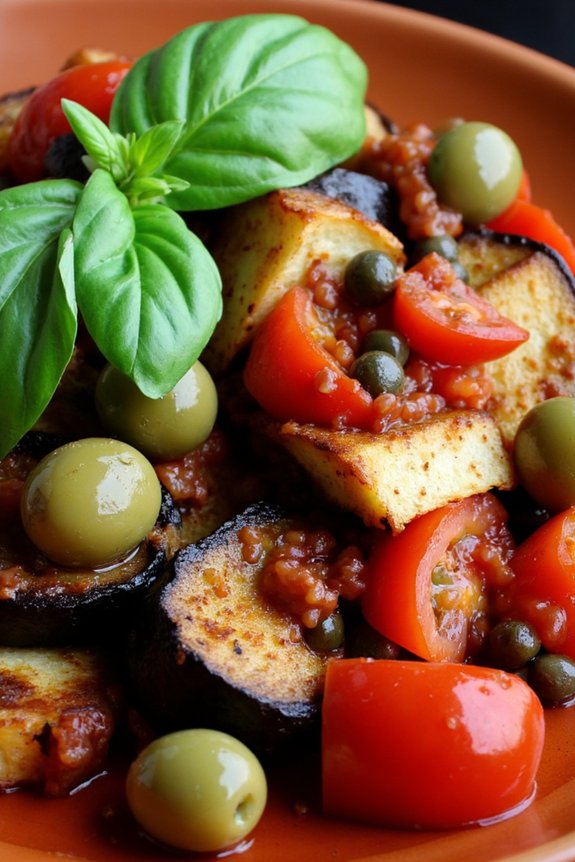
Sicilian Eggplant Caponata is a delightful and hearty dish perfect for the winter months. This traditional Sicilian dish combines the bold flavors of eggplant, tomatoes, olives, and capers, simmered to create a rich and savory medley.
Caponata is versatile and can be served as a side dish, appetizer, or even as a main course. Its sweet and sour flavor profile, thanks to the addition of vinegar and sugar, makes it a unique and enticing dish that warms the soul during chilly weather.
The key to a great Sicilian Eggplant Caponata is the balance of flavors and the proper cooking of the eggplant, which should be tender but not mushy. The dish is a celebration of Mediterranean ingredients and is best served at room temperature, allowing the flavors to meld together beautifully.
It can be prepared ahead of time, making it an excellent option for gatherings or a cozy family dinner. Let’s plunge into creating this comforting Italian classic.
Ingredients (Serves 4-6):
- 2 large eggplants, diced
- 1 large onion, chopped
- 3 ribs of celery, diced
- 3 cloves garlic, minced
- 1 red bell pepper, diced
- 1 cup canned diced tomatoes
- 1/2 cup green olives, pitted and sliced
- 2 tablespoons capers, rinsed
- 1/4 cup red wine vinegar
- 2 tablespoons sugar
- 1/4 cup olive oil
- Salt and pepper to taste
- Fresh basil leaves for garnish
Cooking Instructions:
- Prepare the Eggplant: Start by dicing the eggplants into bite-sized cubes. Sprinkle them with salt and let them sit in a colander for about 30 minutes to draw out excess moisture. Rinse and pat them dry with paper towels.
- Cook the Eggplant: In a large skillet, heat olive oil over medium heat. Add the eggplant cubes in batches, cooking until they’re golden brown and tender. Remove them from the skillet and set aside.
- Sauté Vegetables: In the same skillet, add a bit more olive oil if necessary. Sauté the chopped onions, diced celery, and red bell pepper until they’re soft, about 5-7 minutes. Add minced garlic and cook for an additional minute.
- Combine Ingredients: Return the eggplant to the skillet with the sautéed vegetables. Add the canned diced tomatoes, sliced olives, and capers. Stir to combine.
- Season and Simmer: Pour in the red wine vinegar and sprinkle the sugar over the mixture. Stir well, then season with salt and pepper to taste. Allow the caponata to simmer on low heat for about 15-20 minutes, stirring occasionally, until the flavors meld together.
- Serve: Remove from heat and let the caponata cool to room temperature. Garnish with fresh basil leaves before serving.
Extra Tips:
For an authentic Sicilian experience, prepare the caponata a day in advance. This allows the flavors to develop even more, making it taste even better the next day.
Feel free to adjust the sugar and vinegar to your taste preference for a perfect balance of sweet and sour. Additionally, if you prefer a bit of heat, add a pinch of red pepper flakes to the sautéed vegetables.
Caponata can be served with crusty bread, over pasta, or as a topping for grilled meats. Enjoy this versatile dish as part of your cozy Italian winter menu.
Porcini Mushroom and Truffle Oil Tagliatelle
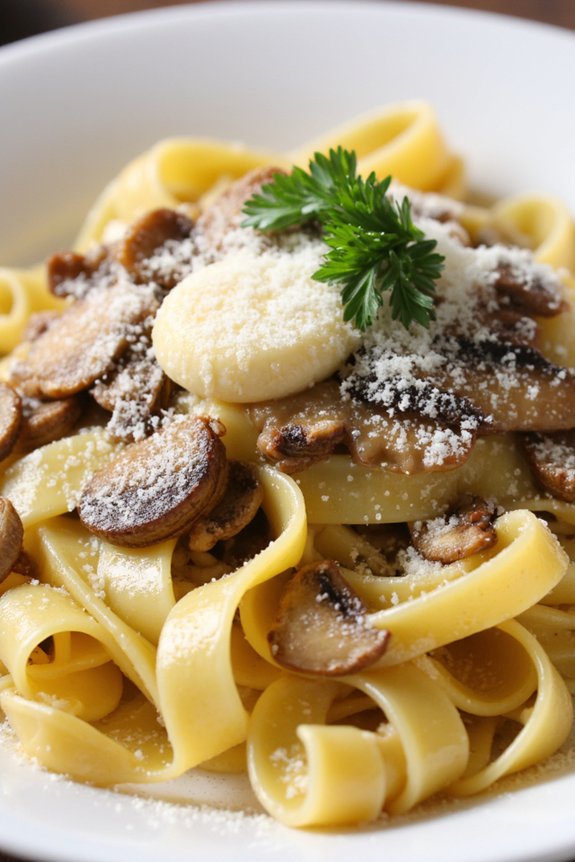
Porcini Mushroom and Truffle Oil Tagliatelle is a luxurious Italian pasta dish that’s perfect for cozy winter nights. The earthy flavors of porcini mushrooms combined with the rich aroma of truffle oil create a decadent sauce that clings beautifully to the ribbons of tagliatelle. This dish is both elegant and comforting, making it ideal for a family dinner or a special occasion.
The key to this recipe is in the quality of the ingredients. Fresh tagliatelle provides the perfect texture, and if you can find fresh porcini mushrooms, they’ll elevate the dish to a whole new level. However, dried porcini mushrooms rehydrated in warm water work wonderfully too. Truffle oil, used sparingly, adds a fragrant depth that makes the dish feel indulgent. Follow this recipe to serve 4-6 people.
Ingredients:
- 500g fresh tagliatelle pasta
- 40g dried porcini mushrooms
- 2 tablespoons olive oil
- 3 cloves garlic, minced
- 200g fresh button mushrooms, sliced
- 150ml heavy cream
- 50ml white wine
- 1 tablespoon truffle oil
- Salt and freshly ground black pepper to taste
- 50g grated Parmesan cheese
- Fresh parsley, chopped, for garnish
Cooking Instructions:
- Prepare the Porcini Mushrooms: Begin by rehydrating the dried porcini mushrooms. Place them in a bowl and cover with hot water. Let them soak for about 20 minutes until softened. Once rehydrated, drain and reserve the soaking liquid. Chop the porcini mushrooms finely and set aside.
- Cook the Tagliatelle: Bring a large pot of salted water to a boil. Add the tagliatelle and cook according to the package instructions until al dente. Reserve 1 cup of pasta water, then drain and set aside.
- Sauté the Garlic and Mushrooms: In a large skillet, heat the olive oil over medium heat. Add the minced garlic and sauté for about 1 minute, until fragrant. Add the fresh button mushrooms and chopped porcini mushrooms to the skillet. Cook for about 5-7 minutes, stirring occasionally, until the mushrooms are golden and tender.
- Deglaze and Simmer: Pour the white wine into the skillet to deglaze, scraping up any browned bits from the bottom. Allow the wine to reduce by half. Then, add the reserved porcini soaking liquid (strained to remove any grit) and the heavy cream to the skillet. Stir to combine and let it simmer for another 5 minutes until the sauce thickens slightly.
- Combine with Pasta: Add the cooked tagliatelle to the skillet with the sauce. Toss the pasta gently to guarantee each strand is coated. If the sauce is too thick, add reserved pasta water a little at a time until the desired consistency is achieved.
- Finish with Truffle Oil and Cheese: Drizzle the truffle oil over the pasta and season with salt and freshly ground black pepper to taste. Add the grated Parmesan cheese and toss everything together until well mixed.
- Garnish and Serve: Transfer the pasta to serving plates. Garnish with freshly chopped parsley and an extra sprinkle of Parmesan cheese. Serve immediately.
Extra Tips:
When preparing Porcini Mushroom and Truffle Oil Tagliatelle, it’s crucial not to overpower the dish with truffle oil. A little goes a long way in imparting its distinctive aroma.
Additionally, if using fresh porcini mushrooms, sauté them along with the button mushrooms for the best flavor. Be sure to taste and adjust the seasoning before serving, as the soaking liquid from the porcini mushrooms can vary in saltiness.
Enjoy this delightful dish with a crisp white wine for a complete meal experience.
