


Whenever I prepare a classic Italian dish, it’s like bringing a touch of Italy into my kitchen. The aroma of simmering Bolognese sauce and the sight of a perfectly layered Eggplant Parmesan are simply delightful. These recipes have a way of turning an ordinary weeknight into something special. There’s so much more to explore and taste with Italian cuisine. Let’s uncover some comforting Italian family dinner recipes that are perfect for any night.
Classic Spaghetti Carbonara
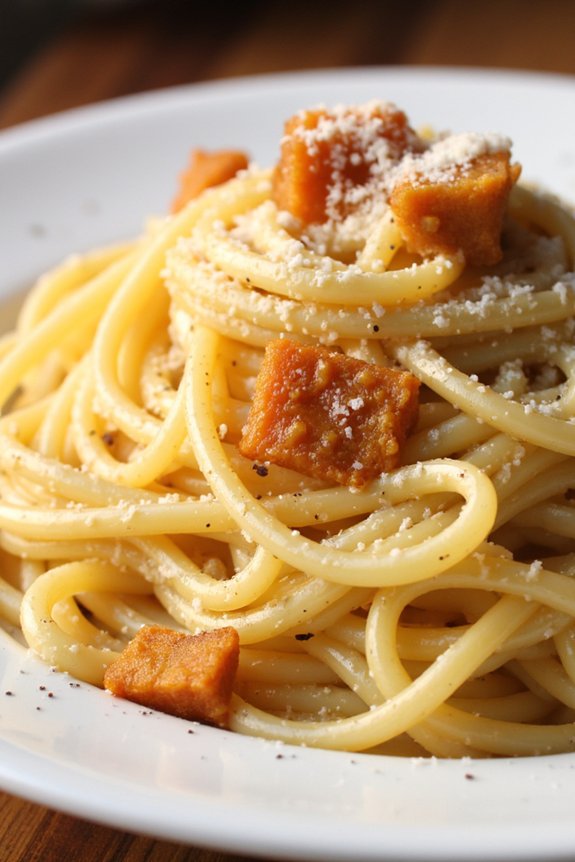
Spaghetti Carbonara is a traditional Italian pasta dish that perfectly combines simplicity with rich flavors. Originating from Rome, this classic dish is made with just a handful of ingredients but delivers a creamy and satisfying experience that has been loved for generations.
The key to a perfect carbonara lies in its creamy sauce, which is created not with cream, but with eggs, cheese, and reserved pasta water. The heat from the freshly cooked spaghetti gently cooks the eggs, creating a silky, luscious coating that clings to every strand of pasta.
The dish is elevated with the addition of pancetta or guanciale, which adds a savory, umami depth to the sauce, complemented by the sharpness of Pecorino Romano or Parmesan cheese. This recipe serves 4-6 people, making it an ideal choice for a family dinner or a gathering of friends. It’s a demonstration of the beauty of Italian cooking, where high-quality ingredients and straightforward techniques come together to create something truly memorable.
Ingredients:
- 400g spaghetti
- 150g pancetta or guanciale, diced
- 4 large eggs
- 100g Pecorino Romano cheese, grated
- Salt, to taste
- Freshly ground black pepper, to taste
Cooking Instructions:
- Prepare the Ingredients: Begin by bringing a large pot of salted water to a boil. Once boiling, add the spaghetti and cook according to the package instructions until al dente. Reserve about 1 cup of pasta water before draining the spaghetti.
- Cook the Pancetta: While the pasta is cooking, heat a large skillet over medium heat. Add the diced pancetta or guanciale and cook, stirring occasionally, until it becomes golden and crispy. This should take about 4-5 minutes. Remove the skillet from heat and set aside.
- Make the Sauce: In a mixing bowl, whisk together the eggs, grated Pecorino Romano cheese, and a generous amount of freshly ground black pepper until well combined.
- Combine Pasta and Sauce: Add the cooked spaghetti to the skillet with the pancetta. Toss to combine, making sure the pasta is well-coated with the rendered fat. Remove from direct heat and gradually add the egg mixture, tossing quickly and continuously. The residual heat from the pasta will gently cook the eggs, creating a creamy sauce. If the sauce is too thick, gradually add a bit of reserved pasta water until the desired consistency is reached.
- Season and Serve: Taste and adjust seasoning with salt and additional pepper if needed. Serve immediately, with extra grated Pecorino Romano on the side for those who like an extra cheesy kick.
Extra Tips:
For the best results, use fresh eggs and high-quality cheese, as these are the stars of the dish. Be careful not to scramble the eggs when adding them to the pasta. The key is to remove the skillet from the heat before tossing the eggs with the pasta.
If you’re concerned about the eggs cooking properly, let the pasta cool slightly before adding them. A little patience and gentle stirring will guarantee a perfectly creamy sauce without any curdling. Finally, feel free to customize your carbonara by adding a sprinkle of fresh herbs, like parsley, for a touch of freshness.
Hearty Lasagna Bolognese
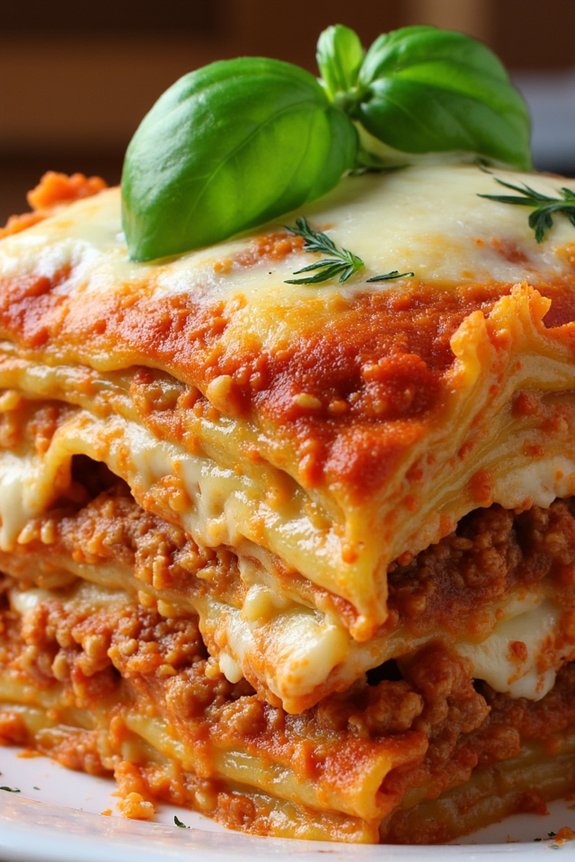
Lasagna Bolognese is a quintessential Italian family dinner recipe that brings together layers of rich, meaty Bolognese sauce, creamy béchamel, and delicate pasta sheets, all topped with a generous sprinkle of cheese. This hearty dish is perfect for a comforting family meal, offering both warmth and depth of flavor.
Originating from the region of Emilia-Romagna, this lasagna variation showcases the traditional Italian culinary prowess in creating complex flavors through simple, quality ingredients.
The preparation of Lasagna Bolognese involves multiple components that come together to create a harmonious balance of taste and texture. The Bolognese sauce, with its slow-cooked meat and tomatoes, offers a robust and savory base. The béchamel sauce adds a creamy, velvety texture that complements the richness of the meat sauce.
When layered between sheets of pasta and topped with melted cheese, these elements create a dish that’s as satisfying as it’s delicious. This recipe will guide you through the steps to create a Lasagna Bolognese serving 4-6 people.
Ingredients:
- 500g ground beef
- 250g ground pork
- 1 onion, finely chopped
- 2 carrots, finely chopped
- 2 celery stalks, finely chopped
- 2 cloves garlic, minced
- 800g canned tomatoes
- 2 tablespoons tomato paste
- 1 cup red wine
- 2 tablespoons olive oil
- Salt and pepper to taste
- 3 tablespoons butter
- 3 tablespoons all-purpose flour
- 3 cups milk
- 1/4 teaspoon nutmeg
- 12 sheets of lasagna noodles
- 150g grated Parmesan cheese
- 200g shredded mozzarella cheese
- Fresh basil leaves for garnish
Cooking Instructions:
1. Prepare the Bolognese Sauce: In a large pot, heat olive oil over medium heat. Add chopped onions, carrots, and celery; sauté until they’re soft and the onions are translucent. Stir in minced garlic and cook for another minute.
2. Cook the Meat: Add ground beef and pork to the pot, breaking it up with a spoon. Cook until the meat is browned. Stir in tomato paste and cook for another 2 minutes.
3. Simmer the Sauce: Pour in the red wine and let it simmer until it reduces by half. Add canned tomatoes, salt, and pepper. Reduce the heat to low, cover, and let it simmer for about 1.5 to 2 hours, stirring occasionally.
4. Make the Béchamel Sauce: In a separate saucepan, melt butter over medium heat. Stir in flour and cook for about 1 minute to form a roux. Gradually whisk in milk, making certain there are no lumps. Continue to whisk until the sauce thickens. Add nutmeg and season with salt to taste.
5. Cook the Lasagna Noodles: While the sauces are simmering, cook the lasagna noodles in a large pot of salted boiling water until al dente. Drain and set aside.
6. Assemble the Lasagna: Preheat your oven to 180°C (350°F). In a baking dish, spread a thin layer of Bolognese sauce at the bottom. Place a layer of lasagna noodles over the sauce. Follow with a layer of béchamel sauce, then a sprinkle of Parmesan cheese and mozzarella.
Repeat the layers until all ingredients are used, finishing with a layer of béchamel and a generous topping of cheese.
7. Bake the Lasagna: Cover the dish with foil and bake for 25 minutes. Remove the foil and bake for an additional 15 minutes, until the top is golden and bubbly.
8. Rest and Serve: Let the lasagna rest for about 10 minutes before slicing. Garnish with fresh basil leaves before serving.
Extra Tips:
To enhance the flavor of your Bolognese sauce, consider making it a day in advance. This allows the flavors to meld together, creating a richer taste.
Confirm the béchamel sauce is smooth and lump-free by adding the milk gradually and whisking continuously. For added flavor, use freshly grated nutmeg instead of pre-ground.
When assembling the lasagna, verify the noodles are well coated with sauce to prevent them from drying out during baking. Finally, always allow the lasagna to rest before serving to guarantee neat slices.
Creamy Fettuccine Alfredo
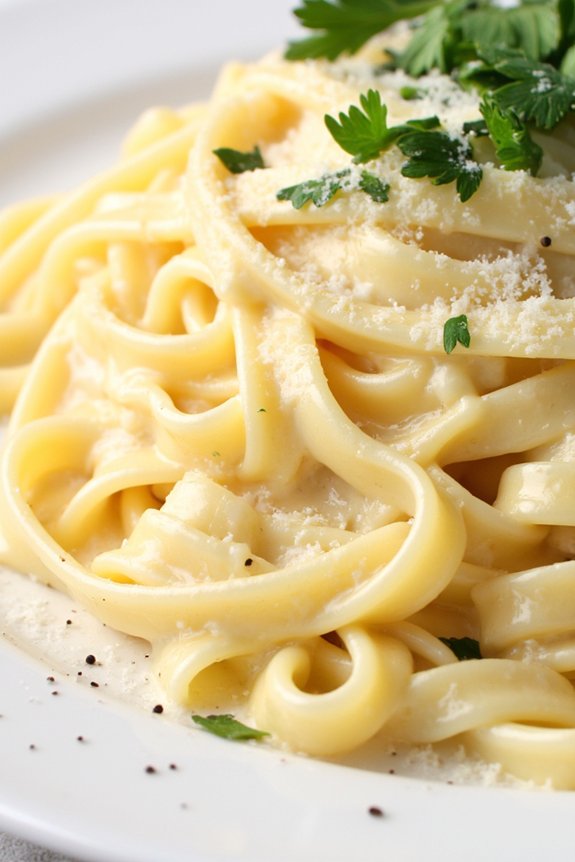
Fettuccine Alfredo is a classic Italian dish known for its simplicity and rich, creamy texture. Traditionally, this dish uses just a few ingredients to create a sauce that beautifully coats the pasta, emphasizing the importance of quality components.
Originating from Rome, Fettuccine Alfredo has become a staple in many households around the world, often served as a comforting meal that can be whipped up quickly yet feels indulgent and satisfying.
This recipe for Creamy Fettuccine Alfredo serves 4-6 people, making it ideal for a family dinner or a small gathering. The key to a perfect Alfredo sauce lies in using fresh ingredients and allowing the flavors to meld together harmoniously. With just a few steps, you can create a restaurant-quality dish right in your own kitchen.
Ingredients:
- 1 pound fettuccine pasta
- 1 cup unsalted butter
- 1 1/2 cups heavy cream
- 2 cups freshly grated Parmesan cheese
- 3 cloves garlic, minced
- Salt and freshly ground black pepper to taste
- Fresh parsley, chopped (for garnish)
Cooking Instructions:
- Prepare the Pasta: Bring a large pot of salted water to a boil. Add the fettuccine and cook according to the package instructions until al dente. Reserve 1 cup of the pasta water, then drain the pasta and set it aside.
- Make the Alfredo Sauce: In a large skillet over medium heat, melt the butter. Add the minced garlic and sauté for about 1 minute until fragrant, being careful not to burn it.
- Add Cream: Pour in the heavy cream, stirring continuously. Let the mixture simmer for about 5 minutes to thicken slightly.
- Incorporate Cheese: Gradually add the grated Parmesan cheese to the skillet, stirring constantly until it melts completely and the sauce becomes smooth and creamy.
- Combine with Pasta: Add the cooked fettuccine to the skillet, tossing it with the sauce. If the sauce is too thick, gradually add some of the reserved pasta water until you reach the desired consistency.
- Season and Serve: Season with salt and freshly ground black pepper to taste. Garnish with chopped parsley before serving.
Extra Tips:
For the best results, use freshly grated Parmesan cheese as pre-grated cheese can make the sauce grainy.
If you’re looking to add more depth to the flavor, consider incorporating a pinch of nutmeg into the sauce.
To enhance the dish, you might also add cooked chicken or shrimp for added protein.
Remember to keep the heat on medium to avoid scorching the cream, and stir constantly to achieve a smooth, velvety sauce.
Rustic Chicken Cacciatore
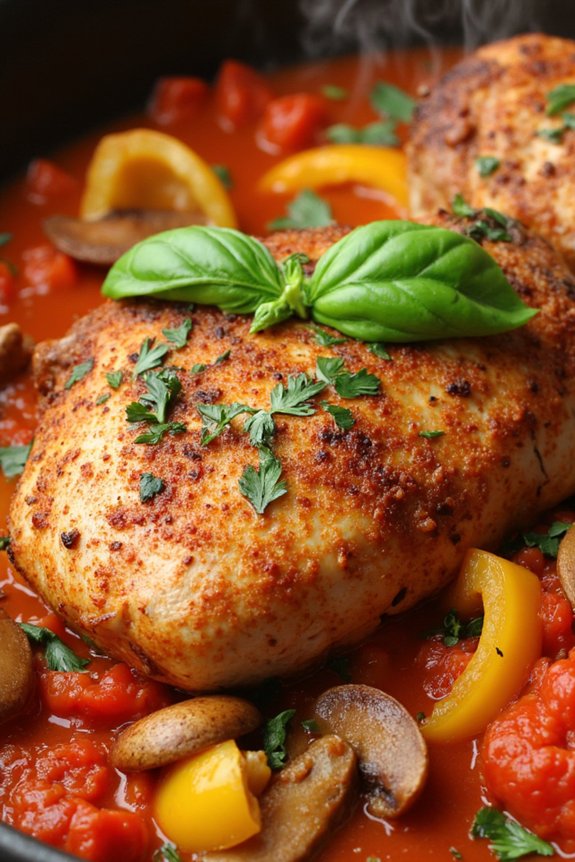
Rustic Chicken Cacciatore is a classic Italian dish that beautifully combines the flavors of tender chicken, earthy mushrooms, sweet bell peppers, and tangy tomatoes. This hearty and aromatic stew is traditionally cooked over a slow flame, allowing the ingredients to meld together, creating a deeply satisfying meal that brings the essence of Italian countryside cooking to your table.
Perfect for family dinners or gatherings, this dish is best enjoyed with a side of crusty bread or over a bed of pasta to soak up the rich and savory sauce.
In this recipe, we focus on using fresh and high-quality ingredients to enhance the natural flavors of the dish. The chicken is first browned to develop a robust flavor and then simmered in a fragrant tomato-based sauce with a hint of wine, herbs, and spices. The result is a comforting and soul-warming meal that’s sure to please everyone at the table.
This recipe serves 4-6 people and is easy enough for weeknight dinners while being impressive enough for special occasions.
Ingredients:
- 4-6 bone-in, skin-on chicken thighs
- Salt and pepper, to taste
- 2 tablespoons olive oil
- 1 onion, finely chopped
- 2 cloves garlic, minced
- 1 red bell pepper, sliced
- 1 yellow bell pepper, sliced
- 8 ounces mushrooms, sliced
- 1/2 cup dry white wine
- 1 can (28 ounces) crushed tomatoes
- 1 teaspoon dried oregano
- 1 teaspoon dried thyme
- 1 bay leaf
- 1/4 cup chopped fresh parsley
- Optional: 1/4 teaspoon red pepper flakes
- Fresh basil leaves, for garnish
Cooking Instructions:
- Prepare the Chicken: Season the chicken thighs generously with salt and pepper on both sides.
- Brown the Chicken: In a large Dutch oven or deep skillet, heat the olive oil over medium-high heat. Add the chicken thighs to the pan, skin side down. Cook until the skin is golden brown and crispy, about 5-7 minutes. Flip and brown the other side for another 4-5 minutes. Remove the chicken from the pan and set aside.
- Sauté the Vegetables: In the same pan, add the chopped onion and garlic, sautéing until the onion becomes translucent, about 3 minutes. Add the sliced bell peppers and mushrooms, cooking for an additional 5 minutes until softened.
- Deglaze with Wine: Pour in the white wine to deglaze the pan, scraping up any browned bits from the bottom. Let it simmer for 2-3 minutes to reduce slightly.
- Make the Sauce: Stir in the crushed tomatoes, dried oregano, dried thyme, and bay leaf. If desired, add red pepper flakes for a bit of heat. Mix well to combine all the ingredients.
- Simmer the Cacciatore: Return the browned chicken thighs to the pan, nestling them into the sauce. Reduce the heat to low, cover, and let the dish simmer gently for about 30-40 minutes, or until the chicken is cooked through and tender.
- Finish and Serve: Once cooked, remove the bay leaf, sprinkle fresh parsley over the top, and garnish with basil leaves. Serve hot with crusty bread or over your choice of pasta.
Extra Tips:
For the best flavor, allow the Chicken Cacciatore to sit for a few minutes before serving, as this helps the flavors to meld together even further.
If you prefer a thicker sauce, remove the chicken after cooking and let the sauce simmer uncovered for an additional 10 minutes.
You can also substitute bone-in chicken thighs with drumsticks or a combination of both for variety.
For a more intense flavor, consider adding a splash of balsamic vinegar or a few olives during the last 10 minutes of cooking. Enjoy this dish with a glass of your favorite Italian red wine to enhance the dining experience.
Savory Eggplant Parmesan
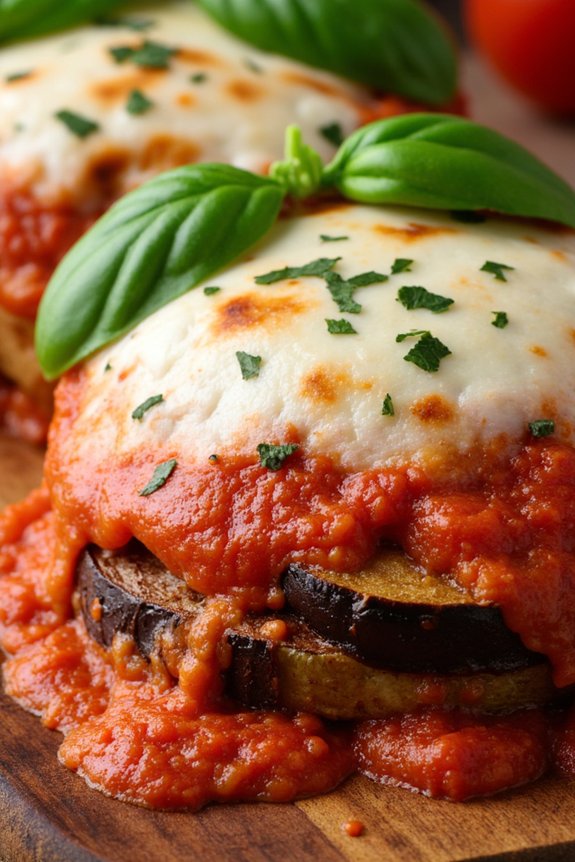
Savory Eggplant Parmesan is a classic Italian dish that brings layers of flavor and texture to your family dinner table. This hearty meal combines tender slices of eggplant, coated in a crispy breadcrumb crust, with rich marinara sauce and gooey melted cheese.
Whether served as a main course or a side dish, this comforting recipe is bound to be a hit with both vegetarians and meat-lovers alike. It’s perfect for those who enjoy the robust flavors of garlic, basil, and oregano paired with the earthiness of eggplant.
This version of Eggplant Parmesan is designed to serve 4-6 people, making it an ideal choice for family gatherings or dinner parties. The preparation involves salting the eggplant slices to remove excess moisture, guaranteeing that each slice remains firm and flavorful after baking.
The eggplants are then dipped in a seasoned breadcrumb mixture before being layered with marinara sauce and cheese. Baking the dish allows the flavors to meld beautifully, resulting in a satisfying and delicious experience.
Ingredients:
- 2 large eggplants
- Salt
- 2 cups all-purpose flour
- 4 large eggs
- 2 cups Italian-style breadcrumbs
- 1 cup grated Parmesan cheese
- 1 tablespoon dried oregano
- 1 tablespoon dried basil
- 4 cups marinara sauce
- 3 cups shredded mozzarella cheese
- Olive oil
- Fresh basil leaves (optional, for garnish)
Instructions:
1. Prepare the Eggplant: Slice the eggplants into 1/2-inch thick rounds. Lay them on a baking sheet and sprinkle both sides generously with salt. Let them sit for about 30 minutes to draw out excess moisture, then rinse and pat dry with paper towels.
2. Set Up Breading Station: Place the flour in a shallow dish. Beat the eggs in a separate shallow bowl. In another dish, combine breadcrumbs, Parmesan cheese, oregano, and basil.
3. Bread the Eggplant: Dip each eggplant slice in flour, shaking off excess, then into the beaten eggs, and finally coat with the breadcrumb mixture. Press lightly to confirm the breadcrumbs adhere.
4. Fry the Eggplant: Heat a layer of olive oil in a large skillet over medium heat. Fry the eggplant slices in batches until golden brown on both sides, about 3-4 minutes per side. Drain on paper towels to remove excess oil.
5. Preheat the Oven: While frying, preheat your oven to 375°F (190°C).
6. Assemble the Dish: Spread a thin layer of marinara sauce on the bottom of a 9×13-inch baking dish. Place a layer of fried eggplant slices on top, followed by more marinara sauce and a layer of mozzarella cheese.
Repeat the layers until all ingredients are used, finishing with a generous layer of mozzarella cheese.
7. Bake: Cover the dish with aluminum foil and bake for 25 minutes. Remove the foil and bake for an additional 15 minutes, or until the cheese is bubbly and golden.
8. Garnish and Serve: Allow the dish to cool for a few minutes before serving. Garnish with fresh basil leaves if desired.
Extra Tips:
When selecting eggplants, look for ones that are firm and have smooth, shiny skin, as these will yield the best texture. If you prefer a lighter version, you can bake the breaded eggplant slices instead of frying them.
To do this, place them on a baking sheet lined with parchment paper, drizzle with a little olive oil, and bake at 400°F (200°C) for about 20 minutes, flipping halfway through. This method reduces the amount of oil used while still providing a crispy texture.
Additionally, homemade marinara sauce can enhance the flavor, but store-bought works well too for a quicker preparation.
Traditional Osso Buco
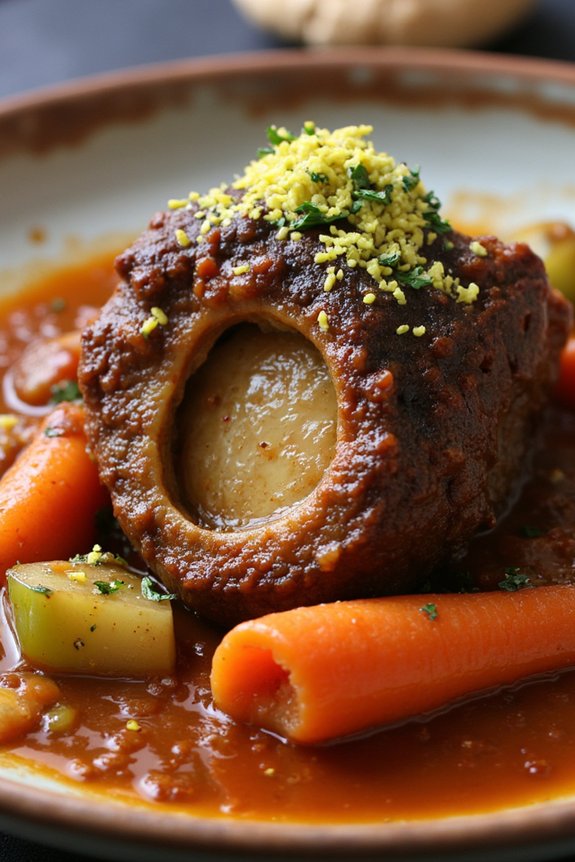
Osso Buco, a classic Italian dish, is renowned for its rich, hearty flavors that bring warmth to any family dinner. Originating from Milan, this dish features tender braised veal shanks infused with a medley of aromatic vegetables, wine, and broth, creating a savory and comforting meal. The marrow in the middle of the bone is a prized component, adding a unique depth of flavor that makes this dish truly special.
Traditionally, Osso Buco is served with a side of risotto or mashed potatoes, making it ideal for a cozy gathering with loved ones.
Preparing Osso Buco requires a slow cooking process that allows the flavors to meld beautifully, resulting in meat that’s fall-off-the-bone tender. The finishing touch is a sprinkle of gremolata, a zesty mix of lemon zest, garlic, and parsley, which adds a fresh contrast to the rich sauce. Whether you’re new to cooking Italian cuisine or a seasoned chef, this recipe is sure to bring a taste of Italy to your table.
Ingredients for 4-6 servings:
- 4 veal shanks (about 1 1/2 to 2 inches thick)
- Salt and black pepper to taste
- All-purpose flour, for dusting
- 3 tablespoons olive oil
- 2 tablespoons butter
- 1 onion, finely chopped
- 1 carrot, finely chopped
- 1 celery stalk, finely chopped
- 3 cloves garlic, minced
- 1 cup dry white wine
- 1 1/2 cups chicken or beef broth
- 1 can (14 oz) diced tomatoes, with juice
- 2 tablespoons tomato paste
- 2 bay leaves
- 1 teaspoon dried thyme
- 1 teaspoon dried rosemary
- Zest of 1 lemon
- 2 tablespoons fresh parsley, chopped
Cooking Instructions:
- Prepare the Veal Shanks: Season the veal shanks generously with salt and black pepper. Lightly dust them with flour, shaking off any excess.
- Brown the Shanks: In a large Dutch oven or heavy-bottomed pot, heat the olive oil and butter over medium-high heat. Add the veal shanks in batches if necessary, and brown them on all sides for about 5 minutes per side. Remove the shanks from the pot and set aside.
- Sauté the Vegetables: In the same pot, add the chopped onion, carrot, and celery. Sauté until the vegetables are soft and the onion is translucent, about 5-7 minutes. Stir in the minced garlic and cook for an additional minute.
- Deglaze the Pot: Pour in the white wine, stirring to scrape up any browned bits from the bottom of the pot. Let the wine simmer and reduce by half, which should take about 3-4 minutes.
- Combine Ingredients: Return the veal shanks to the pot. Add the broth, diced tomatoes with their juice, tomato paste, bay leaves, thyme, and rosemary. Stir to combine all the ingredients.
- Simmer the Osso Buco: Bring the mixture to a gentle simmer. Cover the pot and reduce the heat to low. Let the Osso Buco cook for about 1 1/2 to 2 hours, or until the meat is tender and easily pulls away from the bone.
- Prepare the Gremolata: While the Osso Buco is cooking, mix together the lemon zest and chopped parsley in a small bowl. Set aside for garnishing.
- Finish and Serve: Once the meat is tender, remove the bay leaves from the pot. Serve the Osso Buco hot, garnished with the gremolata. Pair with risotto or mashed potatoes for a complete meal.
Extra Tips:
For the best flavor, use high-quality veal shanks and make sure they’re properly browned to develop a rich, deep flavor in the dish.
If you prefer a thicker sauce, remove the lid during the final 30 minutes of cooking to allow the liquid to reduce further.
The gremolata is an essential element, providing a fresh, vibrant contrast to the rich sauce, so don’t skip it.
Finally, if time allows, prepare the dish a day ahead and reheat it gently before serving; this allows the flavors to deepen and meld even more.
Flavorful Pesto Genovese
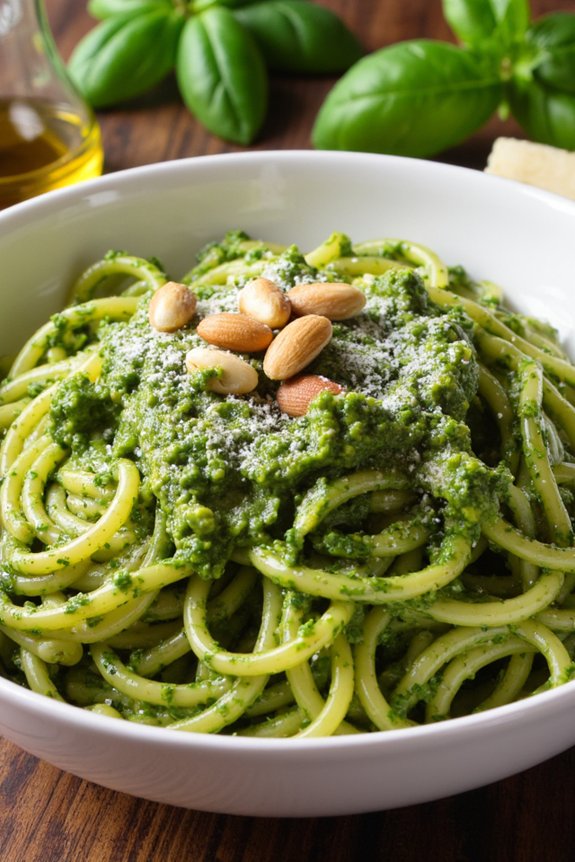
When preparing Pesto Genovese, it’s important to use a mortar and pestle to achieve the authentic texture that characterizes this classic sauce. However, if you’re short on time or don’t have access to a mortar and pestle, a food processor can be used as a modern alternative, though it may slightly alter the texture.
This recipe serves 4-6 people, making it perfect for a cozy family dinner or a small gathering of friends. Be sure to make a little extra, as this delectable sauce is sure to have everyone coming back for seconds.
Ingredients (serves 4-6):
- 2 cups fresh basil leaves, packed
- 2 cloves garlic
- 1/4 cup pine nuts
- 1/2 cup freshly grated Parmesan cheese
- 1/2 cup extra virgin olive oil
- Salt to taste
- Freshly ground black pepper to taste
Cooking Instructions:
- Prepare the Basil: Rinse the basil leaves under cold water to remove any dirt or impurities. Pat them dry gently with a kitchen towel or use a salad spinner to make sure they’re completely dry.
- Toast the Pine Nuts: In a small skillet over medium heat, toast the pine nuts until they’re golden brown and fragrant. This should take about 3-5 minutes. Stir frequently to prevent burning. Remove from heat and let them cool.
- Crush the Garlic and Pine Nuts: In a mortar, place the garlic cloves and a pinch of salt. Crush them into a paste using the pestle. Add the toasted pine nuts and continue to crush until you achieve a coarse mixture.
- Add the Basil: Add the basil leaves to the mortar a handful at a time, crushing and grinding them into a paste with the pestle. Be gentle but firm to make sure the leaves release their oils and flavors.
- Incorporate the Cheese: Add the grated Parmesan cheese to the basil mixture, continuing to mix and grind until well combined.
- Drizzle in the Olive Oil: Slowly add the olive oil to the mixture, stirring continuously with the pestle to emulsify the ingredients. The consistency should be smooth yet slightly chunky.
- Season to Taste: Add salt and freshly ground black pepper to taste, mixing well to incorporate the flavors.
- Serve with Pasta: Cook your pasta of choice according to package instructions. Drain and toss with the freshly made Pesto Genovese. Serve immediately with an additional sprinkle of Parmesan cheese on top if desired.
Extra Tips: For the best results, use fresh, high-quality ingredients. Good olive oil and freshly grated Parmesan make a significant difference in flavor.
If you’re using a food processor instead of a mortar and pestle, pulse the ingredients gently to avoid overheating and bruising the basil, which can lead to a bitter taste. If you have leftover pesto, store it in an airtight container in the refrigerator for up to a week, covering the top with a thin layer of olive oil to prevent oxidation.
Enjoy your Pesto Genovese with a glass of crisp white wine for the perfect Italian dining experience.
Zesty Shrimp Scampi
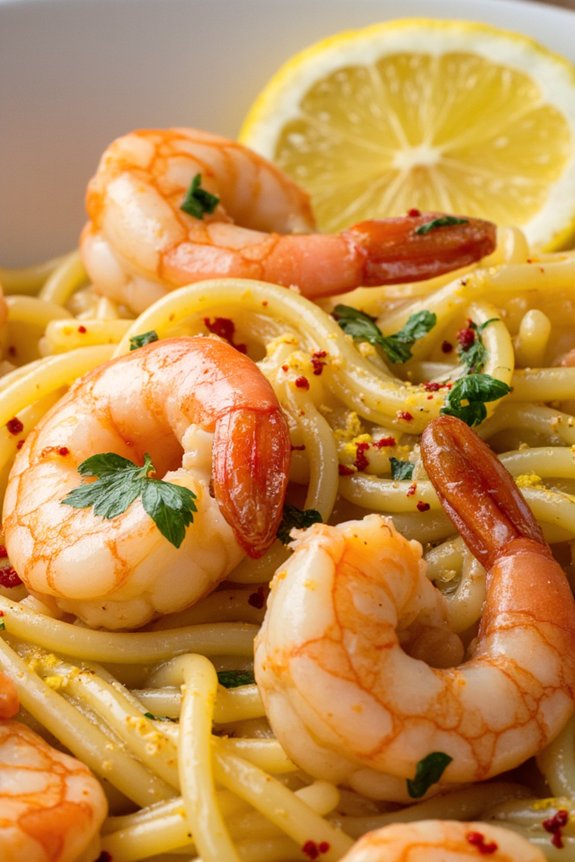
Zesty Shrimp Scampi is a delightful Italian-American dish that combines succulent shrimp with a rich, buttery garlic sauce, perfectly complemented by a hint of lemon and a dash of white wine. This dish is a fantastic choice for a family dinner, offering a balance of flavors that are both light and satisfying. The shrimp are cooked until tender, then tossed with al dente pasta to absorb all the vibrant flavors.
Whether you’re serving it for a casual weeknight meal or a special occasion, Zesty Shrimp Scampi is bound to impress your family and friends with its combination of freshness and richness.
The beauty of this dish lies in its simplicity and the quality of its ingredients. Fresh shrimp are vital for a firm, sweet bite, while the garlic and lemon zest add a revitalizing zing that awakens the palate. The white wine contributes depth and complexity, melding seamlessly with the creamy butter sauce.
With just a few ingredients and minimal preparation time, you can bring the taste of Italy to your table and enjoy a meal that feels both luxurious and comforting. Serve it with a side of crusty bread to soak up any leftover sauce, and you’ve got a meal that’s sure to be a hit.
Ingredients (Serves 4-6):
- 1 pound large shrimp, peeled and deveined
- 8 ounces linguine or spaghetti
- 4 tablespoons unsalted butter
- 3 tablespoons olive oil
- 4 garlic cloves, minced
- 1/4 cup dry white wine
- Zest of 1 lemon
- Juice of 1 lemon
- 1/4 teaspoon red pepper flakes
- Salt and pepper to taste
- 1/4 cup chopped fresh parsley
- Lemon wedges for serving
Cooking Instructions:
- Prepare the Pasta: Begin by bringing a large pot of salted water to a boil. Add the linguine or spaghetti and cook according to package instructions until al dente. Reserve 1/2 cup of pasta water and then drain the pasta.
- Cook the Shrimp: While the pasta is cooking, heat 2 tablespoons of olive oil and 2 tablespoons of butter in a large skillet over medium-high heat. Add the shrimp, season with salt and pepper, and cook for about 2-3 minutes on each side, until they turn pink and opaque. Remove the shrimp from the skillet and set aside.
- Make the Sauce: In the same skillet, add the remaining olive oil and butter. Add the minced garlic and sauté for about 1 minute until fragrant. Pour in the white wine and let it simmer for about 2 minutes, allowing the alcohol to evaporate.
- Combine Everything: Add the lemon zest, lemon juice, and red pepper flakes to the sauce. Return the cooked shrimp to the skillet, and toss to coat them in the sauce. Add the drained pasta to the skillet, and gently toss everything together, adding reserved pasta water as needed to achieve your desired consistency.
- Finish and Serve: Remove the skillet from heat and stir in the chopped parsley. Serve immediately with lemon wedges on the side for an extra burst of citrus flavor.
Extra Tips:
When cooking Zesty Shrimp Scampi, it’s important not to overcook the shrimp, as they can become rubbery. They should be cooked just until they turn pink and opaque.
Using fresh lemon juice and zest is essential for achieving that bright, zesty flavor. If you prefer a bit more heat, feel free to adjust the amount of red pepper flakes to your taste.
Also, make sure that the pasta is added to the sauce while it’s still hot, so it can absorb the flavors better. Enjoy your scampi with a glass of the same white wine you used in cooking for a perfectly paired meal.
Authentic Margherita Pizza
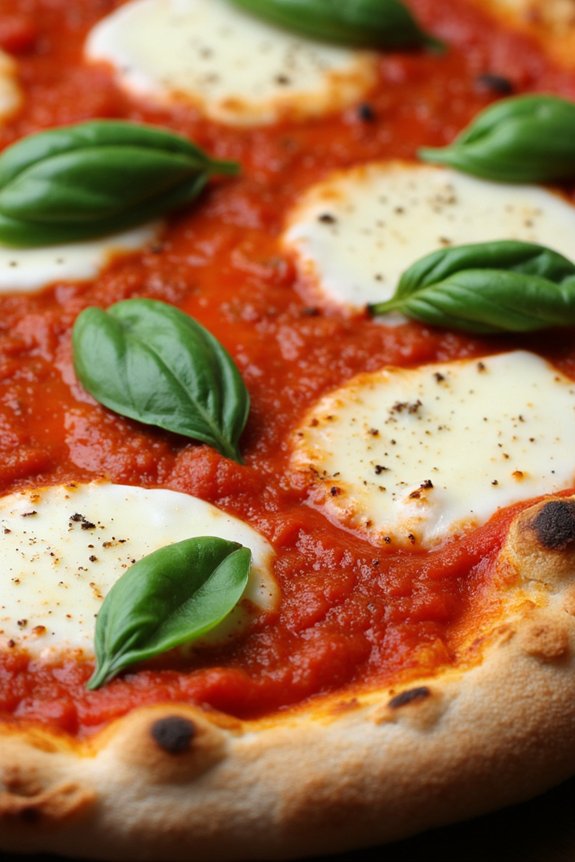
Margherita Pizza is a classic Italian dish that epitomizes simplicity and flavor, originally created to honor Queen Margherita of Savoy. This pizza is renowned for its fresh ingredients, including ripe tomatoes, creamy mozzarella cheese, and aromatic basil leaves, all layered on a thin, crispy crust. The vibrant colors of the toppings are said to represent the Italian flag, making this dish not only a culinary delight but also a symbol of national pride. When made with high-quality ingredients and a bit of love, Margherita Pizza becomes a delightful centerpiece for any family dinner.
To create an authentic Margherita Pizza at home, it’s vital to use the freshest ingredients you can find. This will guarantee that each bite is a burst of flavor and that the pizza remains true to its origins. The dough should be thin and airy, allowing the toppings to shine without overpowering them. The sauce should be a simple blend of tomatoes and seasoning, allowing the natural sweetness of the tomatoes to complement the creamy mozzarella and fragrant basil. With this approach, you can replicate the taste of a traditional Italian pizzeria in your own kitchen.
Ingredients (Serves 4-6):
- 500g pizza dough (homemade or store-bought)
- 400g canned San Marzano tomatoes
- 2 tablespoons extra virgin olive oil
- 1 teaspoon sea salt
- 250g fresh mozzarella cheese
- Fresh basil leaves
- 1 teaspoon dried oregano (optional)
- 1 tablespoon all-purpose flour (for dusting)
- Cornmeal (for dusting)
- Balsamic glaze (optional, for drizzling)
Cooking Instructions:
- Prepare the Dough: If using homemade dough, prepare it ahead of time according to your recipe of choice, allowing it to rise. If using store-bought dough, allow it to come to room temperature before using.
- Preheat the Oven: Preheat your oven to its highest setting, typically around 475-500°F (245-260°C). Place a pizza stone or an inverted baking sheet in the oven to heat up as the oven preheats.
- Make the Tomato Sauce: In a bowl, crush the canned San Marzano tomatoes with your hands or a fork. Add extra virgin olive oil and sea salt. Mix well to combine. If desired, add the dried oregano for extra flavor.
- Shape the Pizza: Lightly flour your working surface with all-purpose flour. Take a portion of the dough and gently stretch it out using your hands, aiming for a thin, round shape. Transfer the stretched dough onto a cornmeal-dusted pizza peel or flat baking sheet.
- Add the Toppings: Spread a thin layer of the tomato sauce over the dough, leaving a small border for the crust. Tear the mozzarella cheese into pieces and distribute evenly over the sauce. Add fresh basil leaves generously across the pizza.
- Bake the Pizza: Carefully slide the pizza onto the preheated pizza stone or baking sheet. Bake for 7-10 minutes, or until the crust is golden brown and the cheese is bubbly and slightly browned.
- Finish and Serve: Remove the pizza from the oven. Let it cool for a minute or two before slicing. Optionally, drizzle with balsamic glaze for extra flavor. Serve immediately.
Extra Tips:
For a truly authentic taste, use San Marzano tomatoes as they’ve a distinct sweetness and low acidity, perfect for pizza sauce. Fresh mozzarella cheese is essential for achieving the creamy texture and flavor, and it’s best to drain any excess moisture from the cheese before using to prevent a soggy crust.
Preheating the oven with a pizza stone or inverted baking sheet is vital for achieving that perfect crispy crust. Finally, be generous with the fresh basil – it’s what gives the Margherita Pizza its iconic aroma and taste.
Rich Risotto Milanese

Rich Risotto Milanese is a classic Italian dish that originates from the bustling city of Milan. Known for its vibrant yellow hue, this luxurious risotto gets its rich color from saffron, one of the most expensive spices in the world. Traditionally, Risotto Milanese is served as a primo piatto, or first course, but its creamy texture and aromatic flavors make it a versatile dish that can also stand alone as a comforting main course.
The key to a perfect Risotto Milanese lies in the slow cooking process, which allows the rice to absorb the broth gradually, resulting in a creamy yet al dente texture.
This recipe for Rich Risotto Milanese is designed to serve 4-6 people, making it ideal for a family dinner or a gathering of friends. The combination of high-quality ingredients, such as Arborio rice, saffron, and grated Parmigiano-Reggiano cheese, guarantees each bite is packed with authentic Italian flavor.
With patience and careful attention to detail, you can recreate this iconic dish in your own kitchen, bringing a taste of Milan to your table.
Ingredients for 4-6 people:
- 2 cups Arborio rice
- 5 cups chicken or vegetable broth
- 1/2 cup dry white wine
- 1/2 cup grated Parmigiano-Reggiano cheese
- 1/4 cup unsalted butter
- 1 small onion, finely chopped
- 1 pinch saffron threads
- 2 tablespoons olive oil
- Salt, to taste
- Freshly ground black pepper, to taste
Cooking Instructions:
- Prepare the Broth: In a small saucepan, heat the chicken or vegetable broth over low heat. Once warm, add the saffron threads to the broth and let them steep. This will allow the saffron to release its color and flavor into the broth.
- Sauté the Onion: In a large, heavy-bottomed pan, heat the olive oil and half of the butter over medium heat. Add the finely chopped onion and sauté until it becomes translucent, about 5 minutes. Be careful not to brown the onion.
- Toast the Rice: Add the Arborio rice to the pan with the sautéed onion. Stir the rice constantly for about 2 minutes, making sure each grain is coated with the oil and butter. This step is essential as it helps the rice maintain its shape during cooking.
- Deglaze with Wine: Pour in the dry white wine, stirring continuously until the wine has been fully absorbed by the rice. This deglazing process adds depth of flavor to the risotto.
- Cook the Risotto: Begin adding the saffron-infused broth to the rice, one ladleful at a time. Stir constantly and allow each addition of broth to be absorbed before adding the next. Continue this process until the rice is creamy and al dente, about 18-20 minutes.
- Finish the Dish: Once the rice is cooked, remove the pan from the heat. Stir in the remaining butter and grated Parmigiano-Reggiano cheese. Season with salt and freshly ground black pepper to taste. Cover the pan and let the risotto rest for a couple of minutes before serving.
Extra Tips:
When making Risotto Milanese, patience is key. The slow addition of broth and constant stirring guarantees the rice releases its starch, resulting in the creamy texture that makes risotto so beloved.
If you prefer a slightly looser consistency, simply add a bit more broth at the end. Always use high-quality ingredients, such as authentic Parmigiano-Reggiano and good-quality saffron, to elevate the dish’s flavor.
Homemade Meatballs in Marinara Sauce
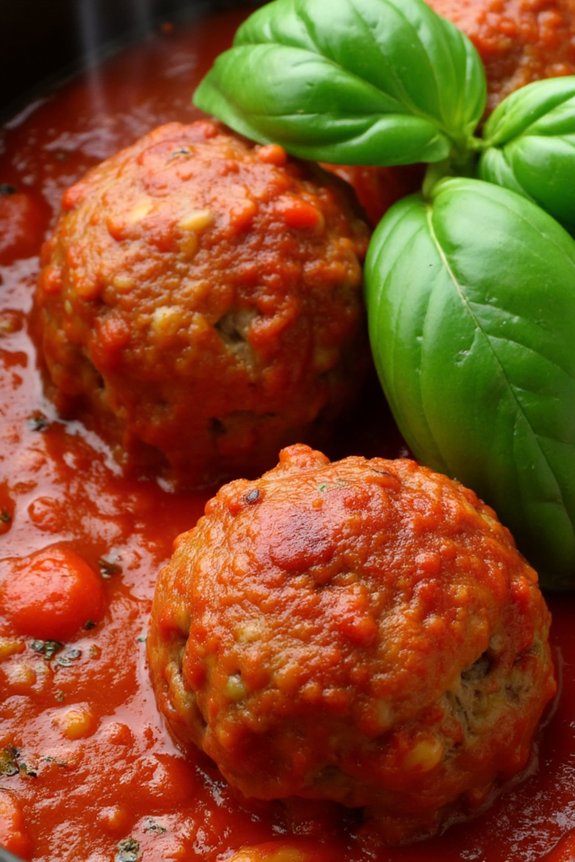
Homemade Meatballs in Marinara Sauce is a quintessential Italian family dinner recipe that brings warmth and flavor to the dining table. This classic dish combines tender, juicy meatballs with a rich and savory marinara sauce, creating a comforting meal that’s perfect for any occasion.
Whether you’re hosting a family gathering or simply looking for a hearty dinner, this recipe promises to delight with its authentic Italian taste. The key to perfect meatballs lies in the balance of ingredients and the gentle cooking process that guarantees they’re cooked through without becoming dry.
Combined with a homemade marinara sauce that simmers to perfection, this dish is both satisfying and delicious. The following recipe is designed for a serving size of 4-6 people, making it ideal for family meals or small dinner parties.
Ingredients:
For the Meatballs:
- 1 pound ground beef
- 1/2 pound ground pork
- 1/2 cup breadcrumbs
- 1/4 cup grated Parmesan cheese
- 2 cloves garlic, minced
- 1/4 cup chopped fresh parsley
- 1/4 cup milk
- 1 egg
- 1 teaspoon salt
- 1/2 teaspoon black pepper
- 1/2 teaspoon dried oregano
- Olive oil for frying
For the Marinara Sauce:
- 2 tablespoons olive oil
- 1 small onion, finely chopped
- 3 cloves garlic, minced
- 1 can (28 ounces) crushed tomatoes
- 1 tablespoon tomato paste
- 1 teaspoon sugar
- 1/2 teaspoon dried basil
- 1/2 teaspoon dried oregano
- Salt and pepper to taste
- Fresh basil leaves for garnish
Instructions:
- Prepare the Meatballs:
- In a large mixing bowl, combine ground beef, ground pork, breadcrumbs, Parmesan cheese, minced garlic, chopped parsley, milk, egg, salt, pepper, and dried oregano. Mix everything together gently using your hands until well combined.
- Form the mixture into meatballs, about 1.5 inches in diameter. Place them on a tray and set aside.
- Cook the Meatballs:
- In a large skillet, heat olive oil over medium heat. Add the meatballs in batches, avoiding overcrowding the pan. Fry the meatballs, turning occasionally, until they’re browned on all sides. This should take about 7-10 minutes. Remove the meatballs and set them aside on a plate lined with paper towels.
- Prepare the Marinara Sauce:
- In the same skillet, add olive oil and heat over medium heat. Add the chopped onion and sauté until translucent, about 5 minutes. Stir in minced garlic and cook for another minute.
- Add crushed tomatoes, tomato paste, sugar, dried basil, and dried oregano. Stir to combine. Season with salt and pepper to taste. Let the sauce simmer for about 10 minutes, allowing the flavors to meld together.
- Combine Meatballs with Sauce:
- Gently place the browned meatballs into the simmering marinara sauce. Cover and let them cook in the sauce for 15-20 minutes, making sure they’re cooked through and infused with the sauce’s flavors.
- Serve:
- Once the meatballs are cooked, garnish with fresh basil leaves. Serve hot over pasta or with crusty bread, as desired.
Extra Tips:
For the best flavor, use a combination of beef and pork in your meatballs, as this provides a juicy and tender texture. Be careful not to overmix the meatball ingredients, as this can lead to tough meatballs.
When frying the meatballs, make sure the oil is hot enough to sear the outside quickly. This helps to lock in the juices and create a delicious crust. If you prefer a spicier kick, consider adding a pinch of red pepper flakes to the marinara sauce.
Enjoying this dish with a side salad and a glass of Italian red wine can elevate your dining experience to new heights.
Decadent Tiramisu

Tiramisu is a classic Italian dessert that combines layers of coffee-soaked ladyfingers with a rich, creamy mascarpone filling. This decadent tiramisu recipe offers a delightful combination of flavors that will transport you to an authentic Italian dining experience. The sweetness of the mascarpone cheese, the bitterness of the espresso, and the hint of cocoa all come together to create a dessert that’s both elegant and indulgent.
This recipe serves 4-6 people and is perfect for a family dinner or a cozy gathering. The preparation involves a few simple steps, but the end result is a deliciously creamy dessert that leaves a lasting impression on your taste buds. Whether you’re a seasoned chef or a novice in the kitchen, this tiramisu recipe is straightforward and rewarding, guaranteeing you can enjoy a taste of Italy with minimal fuss.
Ingredients:
- 6 egg yolks
- 3/4 cup granulated sugar
- 2/3 cup milk
- 1 1/4 cups heavy cream
- 1/2 teaspoon pure vanilla extract
- 8 ounces mascarpone cheese
- 1 cup strong brewed espresso, cooled
- 1/2 cup coffee liqueur (optional)
- 24 ladyfingers (Savoiardi)
- Unsweetened cocoa powder, for dusting
- Dark chocolate shavings or cocoa powder, for garnish
Instructions:
- Prepare the Custard Base: In a medium saucepan, whisk together the egg yolks and sugar until well combined. Add the milk and cook over medium heat, stirring constantly, until the mixture comes to a gentle boil. Continue to cook for another minute, then remove from heat. Transfer the mixture to a bowl, cover with plastic wrap, and refrigerate until completely cooled.
- Whip the Cream: In a large mixing bowl, whip the heavy cream and vanilla extract until stiff peaks form. Be careful not to overbeat the cream; it should be soft and fluffy. Set aside.
- Combine the Mascarpone: Once the custard base has cooled, gently fold in the mascarpone cheese until smooth. Then, gently fold in the whipped cream until the mixture is well combined and creamy.
- Prepare the Coffee Mixture: In a shallow dish, combine the espresso and coffee liqueur (if using). Quickly dip each ladyfinger into the coffee mixture, ensuring they’re moistened but not soggy.
- Assemble the Tiramisu: In a 9×9-inch dish, arrange a layer of coffee-dipped ladyfingers. Spread half of the mascarpone mixture over the ladyfingers. Repeat the layers with the remaining ladyfingers and mascarpone mixture.
- Chill and Serve: Dust the top layer with unsweetened cocoa powder. Cover the dish and refrigerate for at least 4-6 hours, allowing the flavors to meld together. Before serving, garnish with chocolate shavings or additional cocoa powder if desired.
Extra Tips:
To guarantee a perfect tiramisu, use fresh, high-quality ingredients, especially the mascarpone cheese, as it’s the star of the dish.
Be cautious not to over-soak the ladyfingers in the coffee mixture to prevent a soggy texture. For a more intense flavor, let the tiramisu chill overnight, as this allows the flavors to fully develop.
Finally, when slicing and serving, use a sharp knife to maintain the beautiful layers intact.
