


As the holiday season approaches, there’s something so heartwarming about embracing the tradition of Italian feasts. Picture starting with a vibrant antipasto platter, moving on to a rich lasagna Bolognese, and finishing with a delicate tiramisu. Each dish is a celebration of love and family, with flavors that linger in memory. Curious about how these recipes can transform your gatherings? Let’s explore these timeless delights together.
Antipasto Platter
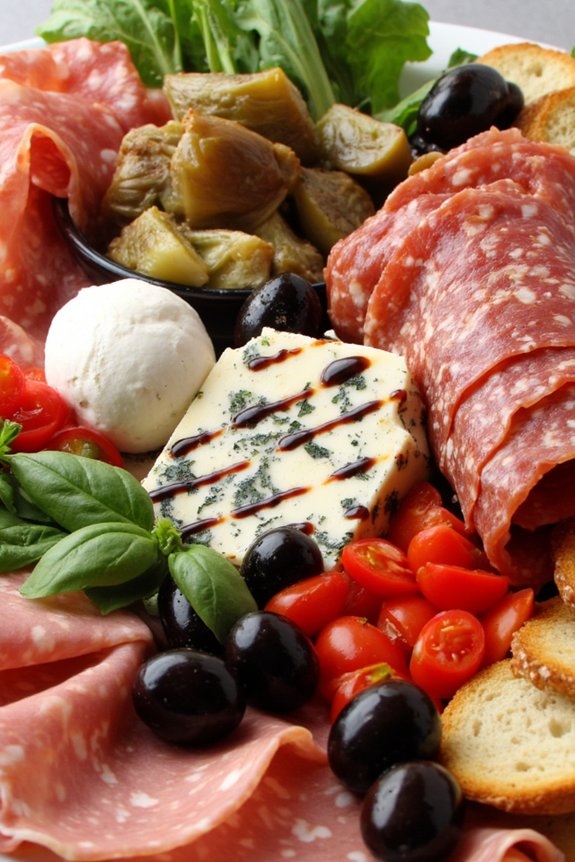
An antipasto platter is a quintessential Italian starter that perfectly captures the essence of the country’s rich culinary tradition. This festive and visually appealing dish is a harmonious blend of flavors, textures, and colors that whets the appetite and sets the stage for the meal to come.
Traditionally, an antipasto platter includes a selection of cured meats, cheeses, olives, marinated vegetables, and often some seafood, arranged artfully on a large platter or board. It’s an ideal dish for holiday gatherings, as it allows guests to sample a variety of flavors, engage in conversation over shared bites, and customize their own perfect plate.
Creating an antipasto platter is less about strict measurements and more about balance and variety. The key is to offer a range of flavors and textures, from salty to sweet, creamy to crunchy. This recipe will guide you in selecting the right components for a serving size of 4-6 people, guaranteeing that your platter isn’t only delicious but also visually stunning.
The beauty of the antipasto platter is its flexibility; feel free to mix and match according to your preferences or what’s readily available.
Ingredients for a Serving Size of 4-6 People:
- 200g Prosciutto
- 200g Salami
- 200g Mortadella
- 150g Fresh mozzarella balls (bocconcini)
- 150g Aged provolone cheese, sliced
- 150g Gorgonzola cheese
- 1 jar (about 300g) mixed olives, drained
- 1 jar (about 300g) marinated artichoke hearts, drained
- 1 jar (about 300g) roasted red peppers, drained and sliced
- 200g Cherry tomatoes
- 1 small bunch of arugula
- 1 small loaf of crusty bread or a baguette, sliced
- Olive oil and balsamic glaze for drizzling
- Fresh basil leaves for garnish
Cooking Instructions:
- Prepare the Ingredients: Begin by slicing the meats and cheeses if they aren’t pre-sliced. Arrange them on a large platter or board, starting with the meats. Roll the prosciutto and salami into loose cylinders for a neat presentation.
- Assemble the Cheeses: Place the mozzarella balls in a small dish and drizzle with olive oil. Scatter slices of provolone and chunks of Gorgonzola around the platter. Confirm the cheeses are spread out to balance the meat arrangements.
- Add the Vegetables: Drain and slice the marinated artichoke hearts and roasted red peppers. Add them to the platter, incorporating them between the meats and cheeses. Include a small bowl of mixed olives for easy serving.
- Incorporate Fresh Elements: Scatter cherry tomatoes and arugula around the platter, adding a pop of color and freshness. Arrange the sliced bread or baguette around the edges of the platter for easy access.
- Finish with Garnishes: Drizzle some olive oil and balsamic glaze over the platter for added flavor. Garnish with fresh basil leaves for an aromatic touch.
Extra Tips:
When assembling your antipasto platter, remember that balance is key. Consider using a variety of shapes and colors to make the platter visually appealing.
If possible, use a wooden board or a large, flat serving dish for a rustic look. You can also add small forks or toothpicks to make it easier for guests to pick up items.
Finally, feel free to customize the platter with additional items like nuts, dried fruits, or different cheeses based on your personal preferences or dietary restrictions. Enjoy the process, and let your creativity shine!
Baccalà Alla Vicentina
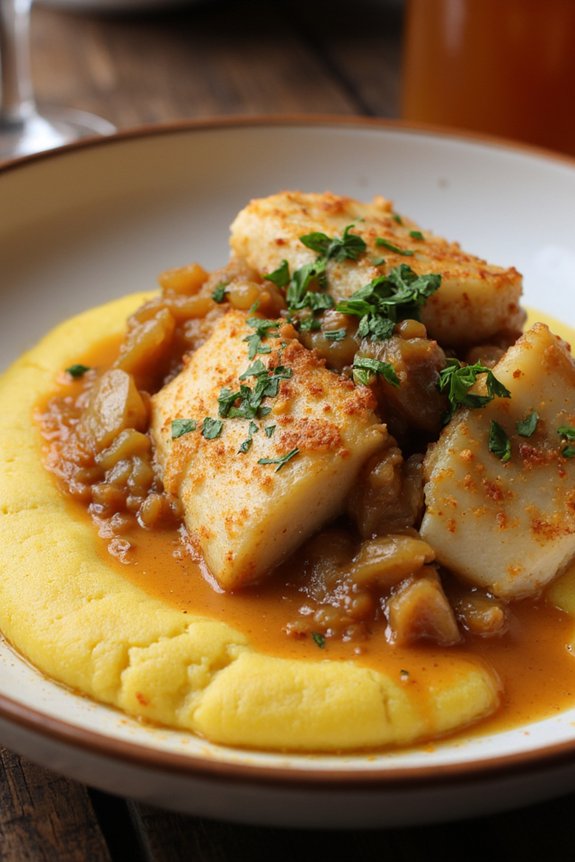
Baccalà Alla Vicentina is a celebrated Italian dish, originating from the Veneto region, that showcases the rich and savory flavors of salt cod. This classic recipe has been passed down through generations, and it’s particularly popular during the holiday season. The dish is known for its creamy texture and the way it balances the flavors of the fish with aromatic seasonings.
When prepared properly, Baccalà Alla Vicentina becomes a staple on the holiday table, offering a true taste of Italian tradition. The preparation of this dish requires some advanced planning due to the need to soak the salt cod and allow the flavors to meld together over time. However, once you taste the final result, you’ll see that the effort is well worth it.
This comforting and flavorful dish is perfect for serving at holiday gatherings, providing warmth and satisfaction to family and friends. Here is a recipe for Baccalà Alla Vicentina, perfect for serving 4-6 people.
Ingredients:
- 1 kg (2.2 lbs) salt cod (baccalà), soaked and desalted
- 200 ml (0.85 cups) extra virgin olive oil
- 2 large onions, thinly sliced
- 2 cloves garlic, minced
- 4 anchovy fillets, chopped
- 2 cups whole milk
- 1 cup all-purpose flour
- 1/2 cup grated Parmesan cheese
- Salt and freshly ground black pepper, to taste
- Fresh parsley, chopped, for garnish
- Polenta, for serving
Cooking Instructions:
- Preparing the Salt Cod: Start by soaking the salt cod in cold water for 48 hours, changing the water every 8 hours to remove the excess salt. After soaking, pat the cod dry with paper towels and cut it into equal-sized pieces.
- Prepping the Ingredients: While the cod is soaking, slice the onions thinly and mince the garlic. Chop the anchovy fillets finely. Have your flour, milk, and Parmesan cheese measured and ready.
- Cooking the Onions and Garlic: In a large skillet, heat the olive oil over medium heat. Add the sliced onions and minced garlic, cooking until the onions are soft and translucent. This usually takes about 10 minutes. Stir occasionally to prevent burning.
- Adding the Anchovies: Incorporate the chopped anchovies into the onion mixture. Stir well until the anchovies are dissolved and integrated into the oil and onions.
- Coating the Cod: Dust the pieces of soaked cod lightly with flour, shaking off any excess. This will help thicken the sauce and give the fish a nice texture.
- Simmering the Cod: Place the floured cod pieces into the skillet with the onion mixture. Pour in the milk, making sure the cod is mostly submerged. Sprinkle the grated Parmesan cheese over the top.
- Cooking the Dish: Reduce the heat to low, cover the skillet, and let the cod simmer gently for about 2 hours. Don’t stir during this time to prevent breaking the pieces of cod. Instead, occasionally shake the skillet gently to prevent sticking.
- Finishing Touches: Once the cod is tender and the sauce has thickened, season with salt and freshly ground black pepper to taste. Garnish with chopped fresh parsley before serving.
- Serving: Serve the Baccalà Alla Vicentina hot, accompanied by polenta to soak up the delicious sauce.
Extra Tips:
For the best results, verify that the salt cod is fully desalted by tasting a small piece before cooking. If it’s still too salty, continue soaking it in fresh water.
When cooking the dish, maintain a gentle simmer to prevent the sauce from curdling or the cod from breaking apart. Baccalà Alla Vicentina improves in flavor when made a day ahead and reheated, making it a convenient dish for holiday preparation. Enjoy this comforting and traditional Italian dish with a side of creamy polenta to complete the meal.
Lasagna Bolognese
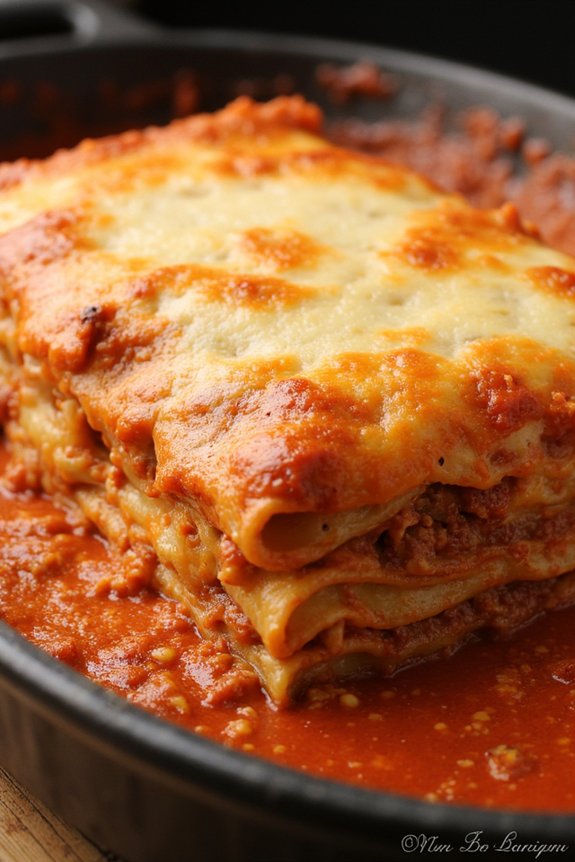
Lasagna Bolognese is a quintessential Italian dish that combines layers of rich meat sauce, creamy béchamel, and tender pasta sheets to create a comforting and hearty meal. Originating from the Emilia-Romagna region, this dish is perfect for holiday gatherings or special occasions, offering a taste of Italy’s vibrant culinary heritage.
The secret to a memorable Lasagna Bolognese lies in its slow-cooked meat sauce, known as ragù, which is lovingly simmered to develop deep, savory flavors, and the smooth béchamel sauce that adds a velvety texture to each bite.
To prepare this classic Italian holiday recipe, you’ll need to dedicate some time to allow the flavors to meld, but the effort is well worth it. The combination of the ragù Bolognese, béchamel, and Parmesan cheese creates a luscious, layered delight that’s both satisfying and indulgent.
Serve it with a simple green salad and a crusty loaf of bread for a complete Italian feast that will surely impress your family and friends.
Ingredients (Serves 4-6):
- 9-12 lasagna sheets
- 2 tablespoons olive oil
- 1 onion, finely chopped
- 1 carrot, finely chopped
- 1 celery stalk, finely chopped
- 2 cloves garlic, minced
- 500g ground beef
- 250g ground pork
- 1 cup red wine
- 1 can (400g) crushed tomatoes
- 2 tablespoons tomato paste
- 1 cup beef broth
- 1 teaspoon dried oregano
- Salt and pepper to taste
- 3 tablespoons butter
- 3 tablespoons all-purpose flour
- 2 cups milk
- Nutmeg, a pinch
- 1 ½ cups grated Parmesan cheese
Cooking Instructions:
- Prepare the Ragù Bolognese: Heat olive oil in a large saucepan over medium heat. Add the onion, carrot, and celery, and sauté until softened, about 5 minutes. Stir in the garlic and cook for another minute.
- Cook the Meat: Add the ground beef and pork to the pan, breaking it up with a spoon. Cook until browned, about 8-10 minutes. Drain any excess fat.
- Simmer the Sauce: Pour in the red wine and let it simmer until reduced by half. Stir in the crushed tomatoes, tomato paste, beef broth, oregano, salt, and pepper. Reduce heat to low, cover, and let the sauce simmer gently for at least 1 hour, stirring occasionally.
- Make the Béchamel Sauce: In a separate saucepan, melt the butter over medium heat. Stir in the flour and cook for 1-2 minutes until golden. Gradually whisk in the milk until smooth. Cook, stirring constantly, until the sauce thickens, about 5 minutes. Season with salt, pepper, and nutmeg.
- Preheat the Oven: Preheat your oven to 180°C (350°F).
- Assemble the Lasagna: Spread a thin layer of ragù on the bottom of a 9×13-inch baking dish. Place a layer of lasagna sheets over the sauce. Spread a layer of béchamel over the pasta, followed by more ragù and a sprinkle of Parmesan. Repeat the layers, finishing with béchamel and Parmesan on top.
- Bake: Cover with foil and bake in the preheated oven for 25 minutes. Remove the foil and bake for an additional 15 minutes, or until the top is golden and bubbly.
- Rest and Serve: Allow the lasagna to rest for at least 10 minutes before slicing and serving.
Extra Tips:
For an even deeper flavor, consider making the ragù Bolognese a day ahead; the flavors will continue to develop overnight in the refrigerator.
If you prefer a richer béchamel, you can substitute half of the milk with cream. When assembling, make certain the lasagna sheets are well covered with sauce to prevent them from drying out.
Finally, let the lasagna rest before serving to guarantee clean slices and better texture. Enjoy your authentic Italian Lasagna Bolognese!
Tortellini in Brodo
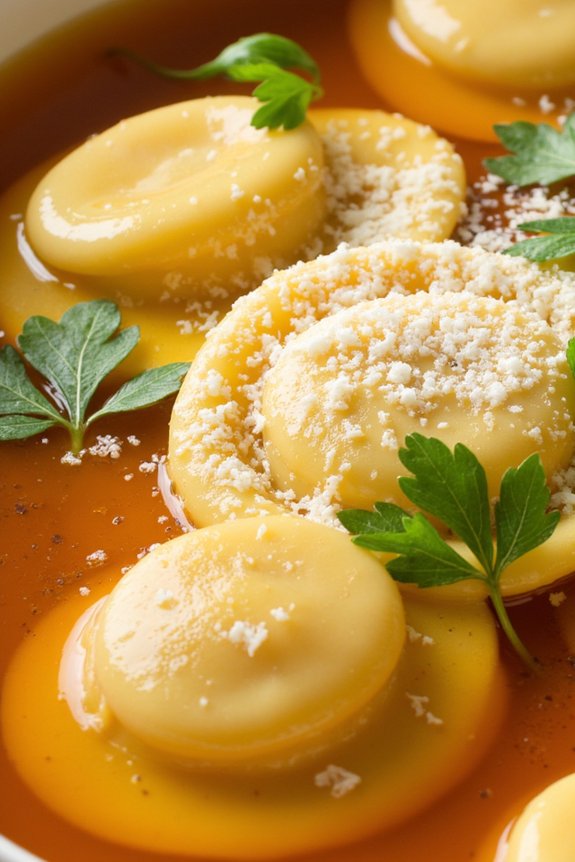
Tortellini in Brodo is a quintessential Italian comfort food, perfect for warming up during the holiday season. This traditional dish consists of delicate, meat-filled tortellini immersed in a savory and aromatic broth, creating a harmonious blend of flavors that epitomizes Italian cuisine. With its roots in the Emilia-Romagna region, this dish isn’t only a staple on festive tables but also a reflection of the rich culinary heritage of Italy.
Whether you’re hosting a holiday dinner or simply craving a taste of Italian tradition, Tortellini in Brodo is sure to delight your guests and transport them to the heart of Italy.
Crafting this exquisite dish requires attention to detail and high-quality ingredients, ensuring each component shines. The tortellini, traditionally filled with a mixture of pork, prosciutto, and parmesan, are best enjoyed when paired with a homemade broth that has been simmered to perfection.
By following the steps below, you can create a serving size suitable for 4-6 people, allowing everyone at your table to experience the comforting and satisfying nature of Tortellini in Brodo.
Ingredients for 4-6 servings:
- 1 pound fresh tortellini (preferably meat-filled)
- 8 cups chicken or beef broth (preferably homemade)
- 1 medium onion, halved
- 2 carrots, peeled and cut into large chunks
- 2 celery stalks, cut into large chunks
- 2 cloves of garlic, crushed
- 1 bay leaf
- 1 sprig fresh rosemary
- Salt and pepper to taste
- Grated Parmesan cheese, for serving
- Fresh parsley, chopped, for garnish
Cooking Instructions:
- Prepare the Broth:
- In a large pot, combine the chicken or beef broth with the onion, carrots, celery, garlic, bay leaf, and rosemary.
- Bring the mixture to a boil over medium-high heat. Then, reduce the heat to low and let it simmer for about 30-40 minutes, allowing the flavors to meld together.
- Once simmered, carefully strain the broth into another pot, discarding the vegetables and herbs. Season the strained broth with salt and pepper to taste.
- Cook the Tortellini:
- Bring the strained broth back to a gentle boil.
- Add the fresh tortellini to the boiling broth and cook according to the package instructions, typically about 3-5 minutes, until the tortellini are tender and cooked through.
- Serve the Dish:
- Ladle the tortellini and broth into serving bowls.
- Garnish with a generous sprinkle of grated Parmesan cheese and fresh parsley.
- Serve hot, ensuring each bowl has plenty of tortellini and enough broth to enjoy the full flavors.
Extra Tips:
For an even richer flavor, consider making your own tortellini from scratch, using a blend of ground pork, mortadella, and Parmesan for the filling.
When preparing the broth, you can use a combination of chicken and beef bones for a deeper taste, and roasting the bones and vegetables before simmering them in water will enhance the broth’s depth.
If you’re short on time, a high-quality store-bought broth works well too. Remember, the key to a perfect Tortellini in Brodo is in the balance of flavors, so adjust the seasoning as needed and enjoy this comforting Italian classic.
Osso Buco
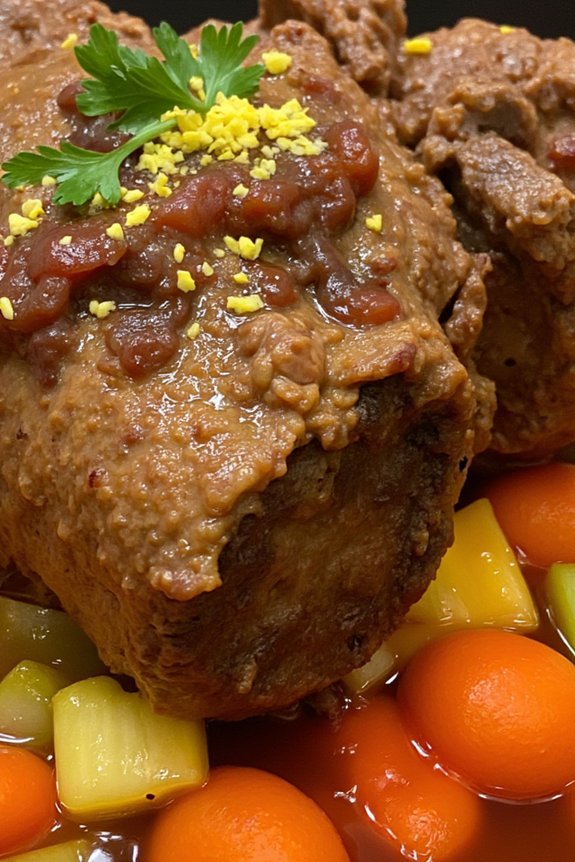
Osso Buco is a traditional Italian dish that originates from Milan, featuring braised veal shanks cooked slowly with vegetables and broth until the meat becomes tender and flavorful. This dish is often served with risotto or polenta, making it a hearty and satisfying meal perfect for the holiday season.
The rich, savory flavors of the veal, combined with the aromatic vegetables and white wine, create a comforting and elegant dish that’s sure to impress your family and guests.
The name “Osso Buco” translates to “bone with a hole,” which refers to the marrow-filled center of the veal shank that enhances the dish’s robust flavor. Preparing Osso Buco requires patience, but the result is well worth the effort. As the shanks slowly cook, they absorb the flavors of the broth and vegetables, resulting in a melt-in-your-mouth texture.
This recipe serves 4-6 people, making it ideal for a small gathering or festive dinner.
Ingredients:
- 4-6 veal shanks, about 1 1/2 to 2 inches thick
- Salt and freshly ground black pepper
- All-purpose flour, for dusting
- 3 tablespoons olive oil
- 2 tablespoons unsalted butter
- 1 onion, finely chopped
- 2 carrots, finely chopped
- 2 celery stalks, finely chopped
- 3 cloves garlic, minced
- 1 cup dry white wine
- 1 1/2 cups chicken or beef broth
- 1 can (14 ounces) diced tomatoes
- 1 teaspoon dried thyme
- 1 bay leaf
- Zest of 1 lemon
- 2 tablespoons fresh parsley, chopped
Cooking Instructions:
- Prepare the Veal Shanks: Season the veal shanks generously with salt and pepper. Lightly dust each shank with all-purpose flour, shaking off any excess.
- Brown the Shanks: In a large, heavy-bottomed pot or Dutch oven, heat the olive oil and butter over medium-high heat. Add the veal shanks to the pot and brown them on all sides, about 3-4 minutes per side. Remove the browned shanks from the pot and set them aside.
- Sauté the Vegetables: In the same pot, add the chopped onion, carrots, and celery. Sauté the vegetables over medium heat until they’re softened, about 5-7 minutes. Add the minced garlic and cook for an additional minute.
- Deglaze and Add Liquids: Pour in the white wine to deglaze the pot, scraping up any browned bits from the bottom. Let the wine simmer until it’s reduced by half. Add the chicken or beef broth, diced tomatoes, thyme, and bay leaf. Stir to combine.
- Simmer the Shanks: Return the browned veal shanks to the pot, nestling them into the vegetable and liquid mixture. Bring the pot to a gentle simmer, then cover with a tight-fitting lid.
- Cook Until Tender: Reduce the heat to low and let the Osso Buco cook slowly for 1 1/2 to 2 hours, or until the veal is fork-tender. Turn the shanks occasionally and check for doneness.
- Finish and Serve: Before serving, sprinkle the lemon zest and chopped parsley over the shanks. Serve the Osso Buco hot with risotto, polenta, or crusty bread to soak up the delicious sauce.
Extra Tips:
For the best flavor, try to use bone-in veal shanks as the marrow adds richness to the dish. If you can, prepare the Osso Buco a day in advance, as the flavors will develop further overnight.
When reheating, do so gently over low heat to maintain the tenderness of the meat. If veal shanks are unavailable, beef shanks can be used as an alternative, although the cooking time may need to be adjusted.
Risotto Alla Milanese

Risotto Alla Milanese is a classic Italian dish hailing from the northern region of Italy, specifically Milan. Known for its rich, creamy texture and vibrant golden color, this dish is a quintessential representation of Italian comfort food. The golden hue comes from the addition of saffron, a luxurious spice that not only adds color but also imparts a subtle, earthy flavor to the dish.
Traditionally served as a primo (first) course, Risotto Alla Milanese is a perfect choice for holiday gatherings, as it embodies warmth and indulgence.
The key to mastering Risotto Alla Milanese lies in the technique of gradually adding hot broth to the rice, allowing the starches to release and create a creamy consistency. The choice of rice is also important, with Arborio or Carnaroli being the preferred varieties due to their high starch content and ability to absorb flavors.
This dish isn’t only delicious but also a wonderful way to bring a taste of Italy to your holiday table. Below is a recipe to serve 4-6 people, ensuring everyone can enjoy this delightful Italian classic.
Ingredients (serving size: 4-6 people):
- 2 cups Arborio or Carnaroli rice
- 1 small onion, finely chopped
- 4 tablespoons unsalted butter
- 1/2 cup dry white wine
- 4 cups chicken or vegetable broth
- 1/2 teaspoon saffron threads
- 1/2 cup grated Parmesan cheese
- Salt and pepper to taste
Cooking Instructions:
- Prepare the Saffron: Begin by placing the saffron threads in a small bowl with a couple of tablespoons of warm water. Allow it to steep for at least 10 minutes to release its color and flavor.
- Heat the Broth: In a saucepan, heat the chicken or vegetable broth over low heat. Keep the broth warm, but not boiling, as you’ll be adding it gradually to the rice.
- Sauté the Onion: In a large pot or deep skillet, melt 2 tablespoons of butter over medium heat. Add the chopped onion and sauté until it becomes translucent, about 5 minutes.
- Toast the Rice: Add the Arborio rice to the pot with the onions. Stir the rice continuously for about 2 minutes until it’s slightly translucent around the edges. This step helps to seal the rice and enhances its flavor.
- Deglaze with Wine: Pour in the white wine and let it simmer, stirring frequently, until the wine has mostly evaporated. This will infuse the rice with additional flavor.
- Add Saffron and Broth: Stir in the saffron and its soaking water. Begin adding the warm broth, one ladleful at a time. Stir often and allow each addition of broth to be absorbed before adding the next. Continue this process for about 18-20 minutes until the rice is creamy and just tender.
- Finish with Butter and Parmesan: Once the rice is cooked to your liking, remove the pot from the heat. Stir in the remaining butter and the grated Parmesan cheese until melted and well combined. Season with salt and pepper to taste.
- Rest and Serve: Let the risotto sit for a minute or two before serving. This allows the flavors to meld together beautifully.
Extra Tips:
When cooking Risotto Alla Milanese, patience is key. Stirring the rice often during the addition of broth helps release the starches, which is essential for achieving the desired creamy texture.
If you find your risotto becoming too thick, simply add a bit more broth to loosen it up. Also, remember to taste and adjust the seasoning towards the end of cooking, as the flavors will concentrate as the liquid reduces.
Finally, for an extra touch of luxury, consider garnishing with a few additional saffron threads or a sprinkle of freshly grated Parmesan just before serving. Enjoy your Risotto Alla Milanese with a glass of the same dry white wine used in cooking for a harmonious dining experience.
Porchetta
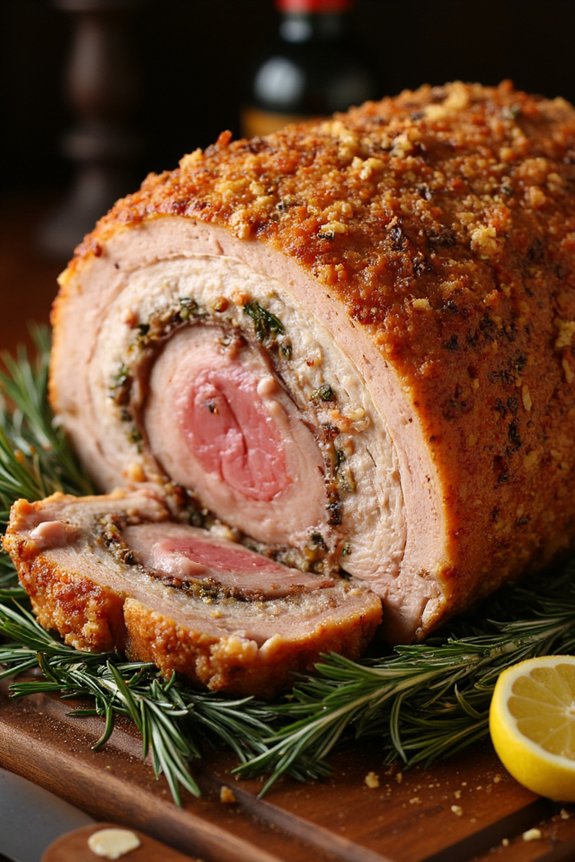
Porchetta is a traditional Italian roast that embodies the essence of festive gatherings with its rich flavors and enticing aroma. Originating from central Italy, this dish features a savory and aromatic pork roast, which is seasoned with an enticing blend of herbs, garlic, and spices. The pork is typically rolled and roasted to perfection, resulting in a crispy outer layer and a tender, juicy interior. Often served during the holiday season, porchetta is a show-stopping centerpiece that brings family and friends together around the table.
The beauty of porchetta lies in its simplicity and the depth of flavor achieved through a carefully curated blend of seasonings. This recipe is designed to serve 4-6 people, making it ideal for a holiday gathering or a special occasion. The pork is infused with the robust flavors of garlic, rosemary, and fennel seeds, which create a fragrant and mouth-watering dish. When cooked properly, the crispy skin and succulent meat make each bite a delightful experience.
Ingredients:
- 1 boneless pork belly (about 4-5 pounds), with skin on
- 1 pork tenderloin (about 1 pound)
- 2 tablespoons olive oil
- 8 cloves garlic, minced
- 2 tablespoons fresh rosemary, chopped
- 1 tablespoon fennel seeds
- 1 tablespoon salt
- 1 tablespoon black pepper
- 1 teaspoon red pepper flakes
- Zest of 1 lemon
- Kitchen twine
Cooking Instructions:
- Prepare the Pork: Lay the pork belly skin-side down on a clean surface. Score the flesh lightly with a sharp knife. In a small bowl, combine the garlic, rosemary, fennel seeds, salt, black pepper, red pepper flakes, and lemon zest. Rub this mixture evenly over the pork belly, ensuring it’s well coated.
- Assemble the Porchetta: Place the pork tenderloin in the center of the seasoned pork belly. Carefully roll the pork belly around the tenderloin to form a tight roll. Use kitchen twine to tie the roll at 1-inch intervals, securing the shape.
- Chill the Roll: Place the rolled porchetta on a baking sheet and refrigerate uncovered for at least 2 hours, or overnight. This step helps to dry out the skin, which will result in a crispier finish.
- Preheat the Oven: When ready to cook, preheat your oven to 350°F (175°C).
- Roast the Porchetta: Remove the porchetta from the refrigerator and allow it to come to room temperature. Brush the skin with olive oil. Place the porchetta on a roasting rack set inside a roasting pan. Roast in the preheated oven for about 2.5 to 3 hours, or until the internal temperature of the meat reaches 145°F (63°C).
- Crisp the Skin: Increase the oven temperature to 450°F (230°C) for the final 20-30 minutes of cooking to crisp up the skin. Keep a close eye to prevent burning.
- Rest the Meat: Once cooked, let the porchetta rest for 15-20 minutes before slicing. This allows the juices to redistribute, ensuring a moist and tender roast.
- Serve: Slice the porchetta into 1/2-inch thick slices and serve warm. It pairs well with roasted vegetables or a fresh salad.
Extra Tips:
To achieve the crispiest skin, make sure the pork skin is as dry as possible before roasting. You can also pat it dry with paper towels after removing it from the refrigerator.
If you don’t have a roasting rack, you can use a bed of roughly chopped vegetables like carrots and onions to elevate the porchetta in the pan. This not only prevents the bottom from becoming soggy but also creates a delicious base for a potential gravy.
Finally, using a sharp knife to score the skin in a crosshatch pattern before seasoning can help the flavors penetrate deeper and aid in achieving a crispy texture.
Panettone
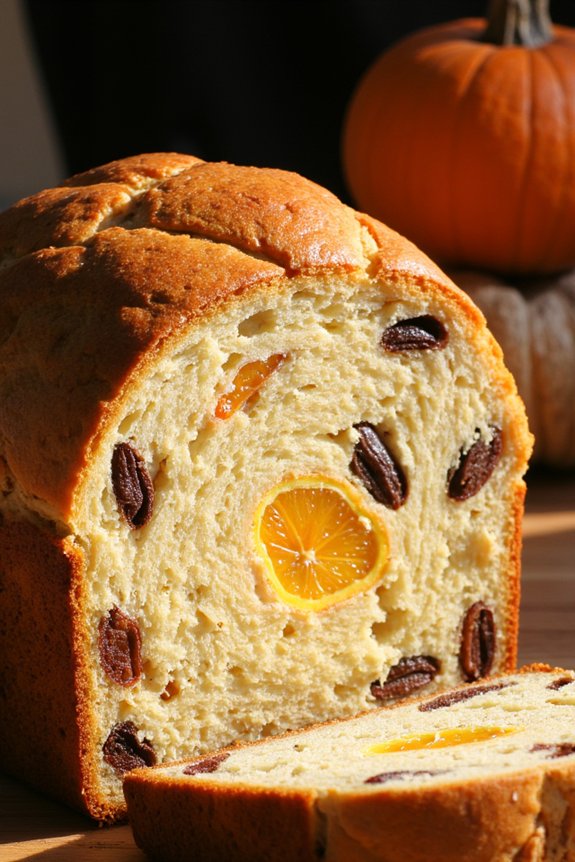
Panettone is a delightful Italian sweet bread that has become synonymous with the holiday season. Originating from Milan, this festive bread is known for its tall, domed shape, and is studded with a variety of dried fruits and sometimes chocolate chips. Its light and airy texture, combined with the rich, buttery flavor, make it a quintessential treat enjoyed by families across Italy and around the world during Christmas and New Year celebrations.
Making panettone at home requires time and patience, as it involves a long fermentation process to achieve its characteristic fluffy texture. This recipe provides a detailed guide to creating your own homemade panettone that serves 4-6 people. While it may seem intimidating at first, the end result is a deliciously aromatic bread that’s well worth the effort. Enjoy a slice with a glass of sweet wine or a warm cup of coffee for a truly festive experience.
Ingredients:
- 1/2 cup warm milk
- 2 1/4 teaspoons active dry yeast
- 1/2 cup granulated sugar
- 4 large eggs
- 1 teaspoon vanilla extract
- 1 teaspoon grated lemon zest
- 1 teaspoon grated orange zest
- 3 1/2 cups all-purpose flour
- 1/2 teaspoon salt
- 1/2 cup unsalted butter, softened
- 1/2 cup raisins
- 1/2 cup candied orange peel
- 1/2 cup candied lemon peel
- 1/2 cup chopped almonds
- Butter and flour for the mold
Cooking Instructions:
- Activate the Yeast: In a small bowl, combine warm milk and active dry yeast. Stir gently and let it sit for about 5-10 minutes until it becomes frothy, indicating that the yeast is active.
- Prepare the Dough: In a large mixing bowl, beat together the sugar and eggs until light and fluffy. Add the vanilla extract, lemon zest, and orange zest, and mix until well incorporated.
- Combine Ingredients: Gradually add the flour and salt to the egg mixture, alternating with the yeast mixture. Mix until a dough begins to form.
- Incorporate the Butter: Add the softened butter to the dough in small pieces, mixing well after each addition until fully incorporated.
- Add the Fruits and Nuts: Gently fold in the raisins, candied orange peel, candied lemon peel, and chopped almonds into the dough.
- First Rise: Cover the bowl with a clean cloth and let the dough rise in a warm place for about 2 hours, or until it has doubled in size.
- Prepare the Mold: Butter and flour a panettone mold or a tall cake pan. Preheat your oven to 350°F (175°C).
- Shape and Second Rise: Punch down the risen dough and transfer it to the prepared mold. Cover and let it rise again until it reaches the top of the mold, about 1 hour.
- Bake the Panettone: Place the mold in the preheated oven and bake for 40-45 minutes, or until the top is golden brown and a skewer inserted into the center comes out clean.
- Cool and Serve: Let the panettone cool in the mold for about 10 minutes, then carefully remove it and allow it to cool completely on a wire rack before serving.
Extra Tips:
When making panettone, be sure to use high-quality ingredients, especially the dried fruits and candied peels, as they contribute greatly to the flavor of the bread.
If you prefer a slightly different flavor profile, feel free to experiment with different combinations of dried fruits and nuts. Additionally, be patient with the rising process; the long fermentation is key to developing the bread’s light texture.
Finally, if you find the top browning too quickly during baking, tent it with aluminum foil to prevent over-browning. Enjoy your homemade panettone as a centerpiece for your holiday celebrations!
Tiramisu

Tiramisu, a beloved Italian dessert, is the perfect indulgence for your holiday gatherings. This classic treat is known for its creamy layers of mascarpone cheese, coffee-soaked ladyfingers, and a dusting of cocoa powder. Originating from the Veneto region of Italy, Tiramisu, which translates to “pick me up,” owes its name to its invigorating combination of espresso and cocoa, making it an ideal end to a festive meal.
Its luxurious texture and balance of flavors make it a crowd-pleaser that’s both sophisticated and comforting. The beauty of Tiramisu lies in its simplicity and the harmonious blend of its ingredients. Preparing this dessert requires no baking, making it a convenient choice for holiday entertaining.
The key to a perfect Tiramisu is using high-quality ingredients, such as fresh mascarpone cheese and strong espresso. As you assemble the layers, each component melds together, creating a dessert that’s both rich and airy. With a little time and patience, you can whip up this Italian classic and impress your guests with a dessert that’s as delicious as it’s beautiful.
Ingredients (Serves 4-6):
- 1 cup (240 ml) strong brewed espresso, cooled
- 3 tablespoons coffee liqueur (optional)
- 3 large eggs, separated
- 1/2 cup (100 g) granulated sugar
- 1 cup (227 g) mascarpone cheese
- 1 teaspoon vanilla extract
- 1 1/2 cups (360 ml) heavy cream
- 24-30 ladyfingers (savoiardi)
- Unsweetened cocoa powder, for dusting
- Dark chocolate shavings, for garnish (optional)
Cooking Instructions:
- Prepare the Coffee Mixture: In a shallow dish, combine the cooled espresso with the coffee liqueur (if using). Stir well and set aside.
- Make the Mascarpone Cream: In a large mixing bowl, beat the egg yolks and granulated sugar together until the mixture becomes thick and pale. Add the mascarpone cheese and vanilla extract, and beat until smooth and creamy.
- Whip the Cream: In a separate bowl, whip the heavy cream until stiff peaks form. Gently fold the whipped cream into the mascarpone mixture, taking care not to deflate the cream.
- Whip the Egg Whites: In another clean bowl, beat the egg whites until stiff peaks form. Gently fold the egg whites into the mascarpone mixture, ensuring a light and airy consistency.
- Assemble the Tiramisu: Quickly dip each ladyfinger into the espresso mixture, ensuring they’re soaked but not soggy. Arrange a layer of soaked ladyfingers at the bottom of a 9×9-inch (23×23 cm) dish. Spread half of the mascarpone cream over the ladyfingers, smoothing the surface with a spatula.
- Repeat Layers: Add a second layer of soaked ladyfingers on top of the mascarpone cream. Spread the remaining mascarpone cream over the second layer of ladyfingers, smoothing the top.
- Chill and Set: Cover the dish with plastic wrap and refrigerate for at least 4 hours, or ideally overnight, to allow the flavors to meld and the dessert to set.
- Finish and Serve: Just before serving, dust the top of the Tiramisu with unsweetened cocoa powder. Optionally, add dark chocolate shavings for an extra touch of decadence. Serve chilled.
Extra Tips:
For the best results, use fresh, high-quality espresso to impart a rich coffee flavor to the dessert. If you prefer a non-alcoholic version, simply omit the coffee liqueur—the Tiramisu will still be delicious.
Make sure to give the dessert enough time to chill and set in the refrigerator, as this enhances the flavors and improves the texture. When folding the whipped cream and egg whites into the mascarpone mixture, be gentle to maintain the airy consistency that makes Tiramisu so delightful.
Finally, for a creative twist, consider adding a layer of fresh berries or a hint of cinnamon to complement the classic flavors.
Struffoli

Struffoli is a beloved Italian holiday dessert that’s especially popular in the southern regions of Italy. These delightful little honey balls, often compared to sweet fritters, are traditionally enjoyed during Christmas time. Struffoli are small, deep-fried dough balls that are crispy on the outside and soft on the inside, typically coated in honey and festively decorated with colorful sprinkles or candied fruit. The sweet, sticky nature of Struffoli makes them a perfect treat for festive gatherings, where they’re often presented in the shape of a wreath or pyramid to add a touch of holiday cheer to the table.
The origins of Struffoli can be traced back to ancient Greek times, but they’ve since become a staple in Italian cuisine, particularly in Naples. Making Struffoli is an engaging and rewarding process, as it involves creating a dough from scratch, rolling it into small balls, and frying them to golden perfection. The final touch is coating them with a generous amount of honey and adding a sprinkle of decorative toppings. This recipe for Struffoli serves 4-6 people and will bring a taste of Italian tradition to your holiday celebrations.
Ingredients:
- 3 cups all-purpose flour
- 4 large eggs
- 1/4 cup granulated sugar
- 1/4 cup unsalted butter, melted
- Zest of 1 lemon
- 1/4 teaspoon salt
- Vegetable oil for frying
- 1 cup honey
- 1/4 cup sugar (for honey coating)
- Colorful sprinkles for decoration
- Candied fruit (optional)
Instructions:
- Prepare the Dough: In a large mixing bowl, combine the flour, sugar, melted butter, lemon zest, and salt. Create a well in the center and add the eggs. Mix together with a fork until the dough comes together, then knead it on a lightly floured surface until it’s smooth and elastic, about 10 minutes.
- Rest the Dough: Wrap the dough in plastic wrap and let it rest at room temperature for at least 30 minutes. This resting period will relax the gluten, making it easier to roll out.
- Shape the Struffoli: After resting, divide the dough into 6 equal pieces. Roll each piece into a long rope, about 1/2-inch thick. Cut the ropes into small pieces, approximately 1/2-inch in length, forming tiny balls.
- Fry the Struffoli: In a deep saucepan, pour enough vegetable oil to reach about 2 inches in depth. Heat the oil to 350°F (175°C). Fry the dough balls in batches, making sure they aren’t overcrowded, until they’re golden brown, about 2-3 minutes per batch. Remove with a slotted spoon and drain on paper towels.
- Coat with Honey: In another saucepan, heat the honey with the additional sugar over low heat until the sugar dissolves and the mixture is smooth. Add the fried Struffoli to the honey mixture, gently stirring to confirm they’re well coated.
- Decorate and Serve: Transfer the honey-coated Struffoli to a serving platter, shaping them into a wreath or pyramid. Sprinkle with colorful sprinkles and candied fruit if desired. Allow them to cool and set before serving.
Extra Tips:
When making Struffoli, it’s important to maintain a consistent oil temperature to guarantee even frying. Using a thermometer can help with accuracy. Additionally, be cautious not to overcrowd the pan while frying, as this can lower the oil temperature and result in uneven cooking.
If you prefer a less sweet version, you can adjust the amount of honey to your taste. Struffoli can be made a day in advance and stored at room temperature, but it’s best to add the decorations just before serving to maintain their vibrant appearance.
