


I have a soft spot for Italian cuisine, especially when it brings the comfort of homestyle flavors to the table.
Picture savoring a creamy Risotto Alla Milanese or a slice of perfect Margherita Pizza.
These dishes capture the heart of Italy, where fresh ingredients and simple recipes create magic.
If you’re craving a culinary journey that’s both authentic and easy to recreate, these classic recipes might just be your perfect guide.
Risotto Alla Milanese

Risotto Alla Milanese is a classic Italian dish that hails from the city of Milan, renowned for its rich, creamy texture and luxurious saffron flavor. This dish is a staple in Lombard cuisine and is known for its vibrant yellow color, which comes from the saffron threads.
The key to a perfect Risotto Alla Milanese is patience and attention to detail, ensuring the rice is perfectly cooked to a creamy consistency while maintaining a slight bite. Traditionally, Risotto Alla Milanese is served as a primo piatto, or first course, and is often enjoyed alongside ossobuco, another Lombard specialty.
The dish’s simplicity allows the flavors of the few ingredients to shine through. The creamy texture of the risotto, combined with the rich taste of beef stock and the aromatic saffron, creates a comforting and elegant dish that embodies the essence of Milanese cuisine.
Ingredients (Serves 4-6):
- 2 cups Arborio rice
- 1 small onion, finely chopped
- 1/4 cup unsalted butter
- 1/2 cup dry white wine
- 5 cups beef stock, kept warm
- 1/4 teaspoon saffron threads
- 1/2 cup grated Parmesan cheese
- Salt to taste
- Freshly ground black pepper to taste
Cooking Instructions:
- Prepare the Saffron: In a small bowl, combine the saffron threads with a ladle of warm beef stock. Allow the saffron to steep, releasing its color and aroma, while you prepare the other ingredients.
- Sauté the Onion: In a large, heavy-bottomed pan, melt half of the butter over medium heat. Add the finely chopped onion and sauté until it becomes translucent, taking care not to brown it, which should take about 5 minutes.
- Toast the Rice: Add the Arborio rice to the pan with the onions. Stir well to coat the rice with the butter and sauté for about 2-3 minutes until the rice becomes slightly translucent around the edges.
- Deglaze with Wine: Pour in the white wine and stir continuously until the wine has evaporated, leaving behind a fragrant aroma. This step adds depth to the flavor of the risotto.
- Add the Stock Gradually: Begin adding the warm beef stock, one ladle at a time, to the rice. Stir constantly and allow each ladleful of stock to be absorbed before adding the next. This process will take about 18-20 minutes.
- Incorporate Saffron: After about 10 minutes of cooking, add the saffron-infused stock to the pan, stirring well to incorporate the beautiful color and flavor throughout the risotto.
- Finish the Risotto: Once the rice is al dente and the texture creamy, remove the pan from the heat. Stir in the remaining butter and grated Parmesan cheese. Season with salt and freshly ground black pepper to taste. Allow the risotto to rest for a minute or two before serving.
Extra Tips:
For the best results, use high-quality saffron and Arborio rice, as these are essential to achieving the authentic flavor and texture of Risotto Alla Milanese.
Be sure to stir the risotto consistently to release the starches from the rice, which contributes to its creamy texture. Adjust the seasoning at the end, as the Parmesan cheese can add a saltiness to the dish. If you prefer a richer flavor, you can substitute chicken stock for beef stock.
Serve immediately for the best taste and texture.
Pasta Al Pomodoro
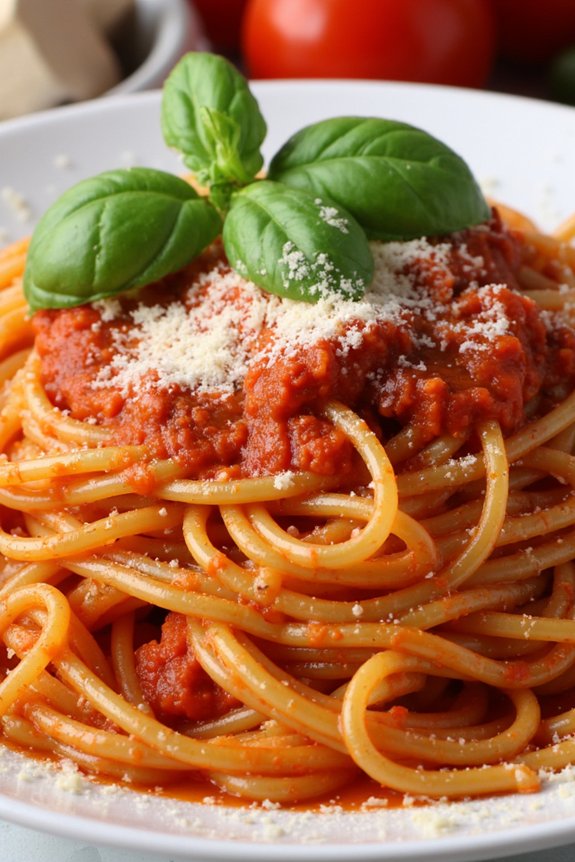
Pasta Al Pomodoro is a classic Italian dish that celebrates the simplicity and freshness of its ingredients. This delightful recipe highlights the natural sweetness of ripe tomatoes, the aromatic essence of fresh basil, and the rich, comforting texture of perfectly cooked pasta. Ideal for a quick weeknight meal or a leisurely weekend dinner, Pasta Al Pomodoro is both comforting and elegant, capturing the essence of Italian cuisine.
Preparing Pasta Al Pomodoro requires minimal effort and results in a dish that’s both satisfying and flavorful. The key to this recipe is using high-quality, fresh ingredients that bring out the best in each component of the dish. With just a handful of ingredients and a few easy steps, you can create a delicious, authentic Italian meal that will impress family and friends alike.
Ingredients (Serves 4-6):
- 500g spaghetti or your choice of pasta
- 800g ripe tomatoes, diced (or use canned whole tomatoes)
- 4 cloves garlic, minced
- 1/4 cup extra virgin olive oil
- Salt, to taste
- Freshly ground black pepper, to taste
- 1/4 cup fresh basil leaves, torn by hand
- Grated Parmesan cheese, for serving
Cooking Instructions:
- Prepare the Tomatoes: If using fresh tomatoes, bring a large pot of water to a boil. Score the tomatoes with a small ‘X’ at the bottom, and blanch them in the boiling water for 30 seconds. Transfer them to an ice bath to cool, then peel and dice. If using canned tomatoes, simply crush them with your hands or a fork.
- Cook the Pasta: In a large pot, bring salted water to a boil. Add the pasta and cook according to package instructions until al dente. Reserve about 1 cup of pasta water, then drain the pasta.
- Sauté the Garlic: In a large skillet, heat the olive oil over medium heat. Add the minced garlic and sauté for about 1 minute, or until fragrant and lightly golden. Be careful not to burn the garlic as it can become bitter.
- Make the Sauce: Add the diced (or crushed) tomatoes to the skillet with the garlic. Season with salt and pepper. Let the mixture simmer for 10-15 minutes, stirring occasionally, until the sauce thickens and the flavors meld together.
- Combine Pasta and Sauce: Add the cooked pasta to the skillet with the tomato sauce. Toss well to coat the pasta evenly. If the sauce is too thick, add a splash of the reserved pasta water to reach your desired consistency.
- Finish with Basil: Remove the skillet from heat and stir in the torn basil leaves. The residual heat will wilt the basil just enough to release its aroma without losing its vibrant color.
- Serve: Plate the Pasta Al Pomodoro immediately, garnishing with grated Parmesan cheese. Serve hot and enjoy the fresh, simple flavors.
Extra Tips: For the best results, use the freshest tomatoes you can find; their flavor will greatly enhance the dish. If you prefer a smoother sauce, you can blend the tomatoes before adding them to the skillet.
Also, don’t skip the step of reserving pasta water, as it can help adjust the sauce’s consistency and make it cling better to the pasta. Remember to taste and adjust seasoning as needed, and add a dash of red pepper flakes for a bit of heat if desired.
Margherita Pizza

Margherita Pizza is a quintessential Italian dish that beautifully combines simplicity with rich flavors, making it a favorite worldwide. Originating from Naples, this pizza is traditionally topped with fresh tomatoes, mozzarella cheese, and basil, representing the colors of the Italian flag. The key to a perfect Margherita Pizza lies in using high-quality ingredients, as each component’s flavor must stand out yet harmonize with the others.
This dish is perfect for casual gatherings or a cozy homemade meal, bringing a slice of Italy to your table. The balance of a crisp and chewy crust, alongside the freshness of the basil and the creaminess of the mozzarella, creates an experience that’s both satisfying and invigorating. Making Margherita Pizza from scratch allows you to appreciate the artistry involved in crafting this iconic dish.
Whether you’re an experienced cook or a beginner, this recipe will guide you through each step to guarantee a delicious result every time. Suitable for serving 4-6 people, this recipe promises to deliver a taste of authentic Italian cuisine right in your kitchen.
Ingredients (Serving Size: 4-6 people):
- 500g all-purpose flour
- 325ml warm water
- 1 packet (7g) active dry yeast
- 1 tablespoon olive oil
- 1 teaspoon salt
- 400g canned whole tomatoes
- 200g fresh mozzarella cheese
- Fresh basil leaves
- Salt and pepper to taste
- Extra virgin olive oil for drizzling
Cooking Instructions:
1. Prepare the Dough: In a large bowl, combine the warm water and yeast, stirring gently until the yeast dissolves. Let it sit for about 5 minutes until it becomes foamy. Add the flour, salt, and olive oil to the yeast mixture and mix until a dough begins to form.
Transfer the dough to a floured surface and knead for about 10 minutes until smooth and elastic. Place the dough in a lightly oiled bowl, cover with a damp cloth, and let it rise in a warm place for about 1-2 hours, or until it doubles in size.
2. Prepare the Tomato Sauce****: While the dough is rising, prepare the tomato sauce. Drain the canned tomatoes and crush them by hand in a medium mixing bowl. Season with salt and pepper to taste. Set aside.
3. Preheat the Oven: Preheat your oven to its highest setting, usually around 250°C (482°F), and place a pizza stone or baking sheet inside to heat up.
4. Shape the Dough: Once the dough has risen, punch it down and divide it into two equal pieces for two pizzas. On a floured surface, roll out each piece into a circle, about 0.5cm thick, making sure the edges are slightly thicker to form a crust.
5. Assemble the Pizza: Spread a thin layer of the tomato sauce onto each pizza base, leaving a small border for the crust. Tear the mozzarella into pieces and distribute evenly over the sauce. Add fresh basil leaves on top.
6. Bake the Pizza: Carefully transfer the pizzas onto the preheated pizza stone or baking sheet. Bake for about 8-10 minutes or until the crust is golden and the cheese is bubbling and slightly browned.
7. Serve: Remove the pizzas from the oven. Drizzle with a little extra virgin olive oil and garnish with additional fresh basil leaves if desired. Slice and Serve immediately.
Extra Tips:
For peak flavor, use fresh mozzarella and high-quality canned tomatoes. Avoid overloading the pizza with toppings to prevent a soggy crust. If you don’t have a pizza stone, use an inverted baking sheet preheated in the oven to achieve a similar effect.
Letting the dough rest overnight in the refrigerator can enhance the flavor and texture, making your Margherita Pizza even more delicious.
Eggplant Parmigiana
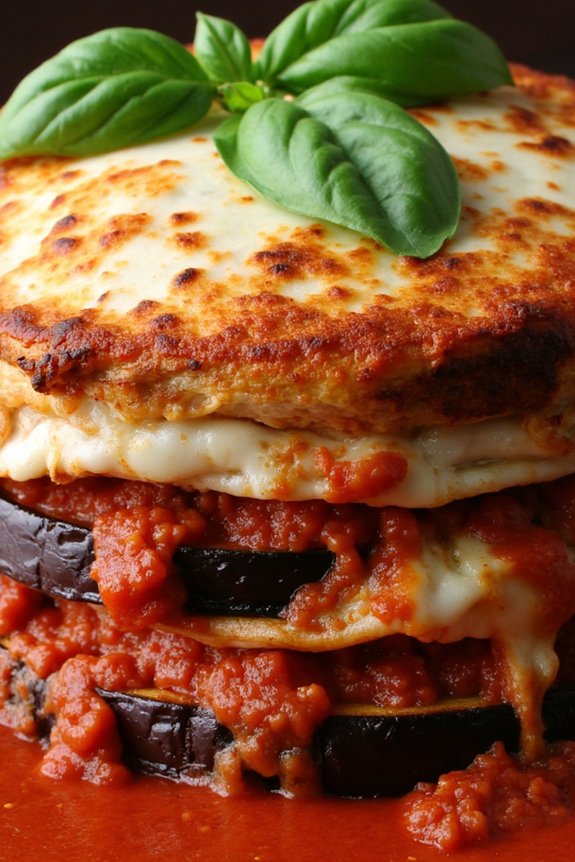
Eggplant Parmigiana is a classic Italian dish that showcases the robust flavors of fresh eggplants layered with savory tomato sauce and melted cheese. This dish is a beloved staple in Italian cuisine, celebrated for its comforting and rich taste. Typically served as a hearty main course or a substantial side dish, Eggplant Parmigiana has become a favorite around the world, perfect for family gatherings or special occasions.
The origins of Eggplant Parmigiana are often debated, with some attributing it to the region of Emilia-Romagna and others to Campania or Sicily. Regardless of its roots, this dish embodies the essence of Italian cooking—simple ingredients combined to create a dish that’s greater than the sum of its parts. The key to a delicious Eggplant Parmigiana lies in the quality of the ingredients, particularly the eggplants, tomatoes, and cheese, which should be fresh and flavorful.
Ingredients for 4-6 servings:
- 3 medium-sized eggplants
- Salt (for salting eggplants)
- Olive oil (for frying)
- 4 cups tomato sauce (homemade or store-bought)
- 1 cup grated Parmesan cheese
- 2 cups shredded mozzarella cheese
- 1 cup all-purpose flour
- 4 eggs
- Fresh basil leaves (for garnish)
Cooking Instructions:
- Prepare the Eggplants: Wash and slice the eggplants into 1/4-inch thick rounds. Sprinkle salt on both sides of the slices and place them in a colander. Let them sit for about 30 minutes to draw out excess moisture and bitterness. Rinse the slices under cold water to remove the salt and pat them dry with a paper towel.
- Preheat and Prepare: Preheat your oven to 375°F (190°C). Set up a breading station with two shallow dishes—one with flour and the other with beaten eggs.
- Bread the Eggplants: Dredge each eggplant slice in flour, shaking off any excess. Dip the floured slice into the beaten eggs, making sure it’s fully coated.
- Fry the Eggplants: Heat olive oil in a large skillet over medium heat. Fry the eggplant slices in batches until they’re golden brown on both sides. Place the fried slices on a paper towel-lined plate to drain excess oil.
- Layer the Ingredients: In a baking dish, spread a thin layer of tomato sauce on the bottom. Layer some fried eggplant slices over the sauce. Sprinkle a layer of Parmesan cheese and mozzarella over the eggplants. Repeat the layers until all ingredients are used, finishing with a layer of tomato sauce and a generous topping of mozzarella and Parmesan cheese.
- Bake the Dish: Cover the baking dish with aluminum foil and bake in the preheated oven for 25 minutes. Remove the foil and bake for another 15-20 minutes, or until the cheese is bubbly and golden brown.
- Let it Rest: Once baked, remove the Eggplant Parmigiana from the oven and let it rest for about 10 minutes before serving. This allows the layers to set and makes serving easier.
Extra Tips:
To enhance the flavor of your Eggplant Parmigiana, consider making your own tomato sauce using fresh tomatoes, garlic, and herbs. Confirm the eggplants are thoroughly dried after rinsing to avoid sogginess. If you prefer a lighter version, you can bake the eggplant slices instead of frying them.
Finally, don’t be afraid to experiment with cheese varieties; adding a bit of pecorino or provolone can add an extra depth of flavor.
Osso Buco
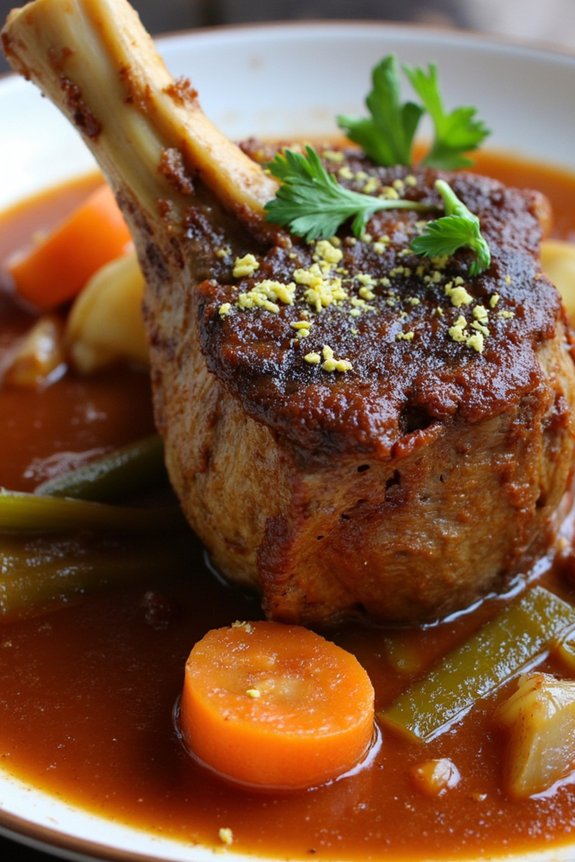
Osso Buco is a classic Italian dish that hails from the region of Lombardy. This hearty, comforting meal is made with braised veal shanks, slow-cooked to perfection with white wine, broth, and aromatic vegetables. The term “Osso Buco” translates to “bone with a hole,” which refers to the marrow-filled bone at the center of the veal shank. This dish is traditionally served with risotto or polenta, and it’s often garnished with a zesty gremolata, a mixture of lemon zest, garlic, and parsley, which adds a bright finishing touch to the rich flavors.
The key to a successful Osso Buco is in the slow cooking process, which allows the meat to become tender and fall off the bone while infusing the dish with deep, savory flavors. The combination of vegetables, wine, and broth creates a rich, flavorful sauce that perfectly complements the delicate veal. This recipe is perfect for a cozy dinner party or a special family meal, as it’s both impressive and relatively simple to prepare.
With its rich history and robust flavors, Osso Buco is sure to become a favorite in your repertoire of Italian traditional recipes.
Ingredients (Serves 4-6):
- 4 veal shanks (about 1.5 inches thick)
- Salt and freshly ground black pepper
- 1/4 cup all-purpose flour
- 3 tablespoons olive oil
- 2 tablespoons unsalted butter
- 1 large onion, finely chopped
- 2 carrots, finely chopped
- 2 celery stalks, finely chopped
- 3 cloves garlic, minced
- 1 cup dry white wine
- 1 cup chicken or beef broth
- 1 (14-ounce) can crushed tomatoes
- 1 bay leaf
- 1 teaspoon dried thyme
- 1 teaspoon dried oregano
- Zest of 1 lemon
- 1/4 cup fresh parsley, chopped
Cooking Instructions:
- Prepare the Veal Shanks: Season the veal shanks generously with salt and pepper. Lightly dust them with flour, shaking off the excess. This helps in forming a rich, caramelized crust when seared.
- Sear the Shanks: In a large, heavy-bottomed pot or Dutch oven, heat the olive oil and butter over medium-high heat. Add the veal shanks and sear on both sides until well-browned, about 5 minutes per side. Remove the shanks from the pot and set them aside.
- Sauté the Vegetables: Lower the heat to medium. In the same pot, add the onions, carrots, and celery. Cook, stirring occasionally, until the vegetables are softened, about 5-7 minutes. Add the garlic and cook for an additional minute until fragrant.
- Deglaze the Pot: Pour in the white wine, scraping up any browned bits from the bottom of the pot. Let the wine simmer for about 2-3 minutes to reduce slightly.
- Build the Sauce: Add the broth, crushed tomatoes, bay leaf, thyme, and oregano to the pot. Stir well to combine all the ingredients.
- Braise the Shanks: Return the veal shanks to the pot, arranging them in a single layer. Guarantee they’re partially submerged in the liquid. Bring the mixture to a gentle simmer, then cover the pot and transfer it to a preheated oven at 325°F (160°C). Let it cook for about 2 to 2.5 hours, or until the meat is tender and easily pulls away from the bone.
- Prepare the Gremolata: While the Osso Buco is cooking, prepare the gremolata by combining the lemon zest, minced garlic, and chopped parsley in a small bowl.
- Finish the Dish: Once the veal is cooked, remove the bay leaf and adjust the seasoning of the sauce with salt and pepper as needed. Serve the Osso Buco with the rich sauce spooned over the top, garnished with the fresh gremolata.
Extra Tips:
When making Osso Buco, it’s important not to rush the browning process of the veal shanks, as this step builds the foundation of flavor for the entire dish. Additionally, using a good quality wine will enhance the depth of the sauce considerably.
If you prefer a thicker sauce, you can remove the lid for the last 30 minutes of cooking to allow the liquid to reduce further. Osso Buco can be prepared a day in advance, as the flavors only improve with time, making it an ideal dish for entertaining.
Serve with a side of creamy polenta or risotto alla Milanese for a truly authentic Italian dining experience.
Caprese Salad
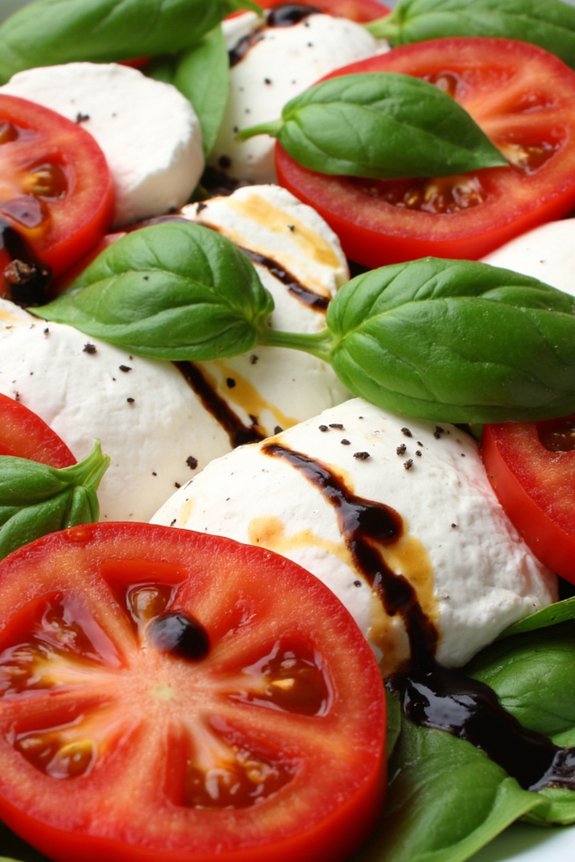
Caprese Salad is a classic Italian dish that beautifully showcases the colors of the Italian flag with its vibrant red tomatoes, white mozzarella, and green basil. Originating from the island of Capri, this salad embodies simplicity and freshness, making it a perfect starter or side dish for any meal.
This recipe will guide you through creating a Caprese Salad that serves 4-6 people, ideal for a family gathering or a dinner with friends.
The key to an exceptional Caprese Salad lies in the quality of its ingredients. Opt for ripe, juicy tomatoes, preferably heirloom or vine-ripened, as they bring a sweet, robust flavor to the dish. Fresh mozzarella is a must, offering a soft, creamy texture that pairs beautifully with the tomatoes. Basil leaves add a fragrant aroma and a burst of freshness, while a drizzle of extra virgin olive oil and balsamic glaze brings the dish together with a rich, tangy finish.
Ingredients (Serves 4-6):
- 4 large ripe tomatoes
- 400 grams fresh mozzarella cheese
- 1 cup fresh basil leaves
- 4 tablespoons extra virgin olive oil
- 2 tablespoons balsamic glaze
- Salt and freshly ground black pepper to taste
Instructions:
- Prepare the Tomatoes: Wash the tomatoes thoroughly and slice them into 1/4-inch thick rounds. Arrange them on a large serving platter or individual plates, slightly overlapping each slice.
- Slice the Mozzarella: Drain the mozzarella from its packaging and pat it dry with a paper towel. Slice the mozzarella into similar thickness as the tomatoes and place each slice in between the tomato slices on the platter.
- Add Basil Leaves: Wash and pat dry the basil leaves. Tuck whole basil leaves between the tomato and mozzarella slices, distributing them evenly across the salad.
- Season the Salad: Drizzle the extra virgin olive oil evenly over the salad. Follow up with a drizzle of balsamic glaze for a touch of sweetness and acidity. Sprinkle salt and freshly ground black pepper to taste, enhancing the natural flavors of the ingredients.
- Final Touch: Allow the salad to sit for a few minutes at room temperature before serving, allowing the flavors to meld together.
Extra Tips:
When choosing mozzarella, buffalo mozzarella (mozzarella di bufala) is recommended for its superior creaminess and authentic taste. If you can find it, use it for an elevated version of the salad.
Additionally, if you’d like more complexity, consider adding a sprinkle of dried oregano or a handful of arugula for a peppery kick. For a more decorative presentation, alternate the layers of tomato, mozzarella, and basil in a circular or spiral pattern.
Ultimately, avoid refrigerating the salad before serving as it can dull the flavors; it’s best enjoyed fresh and at room temperature.
Carbonara
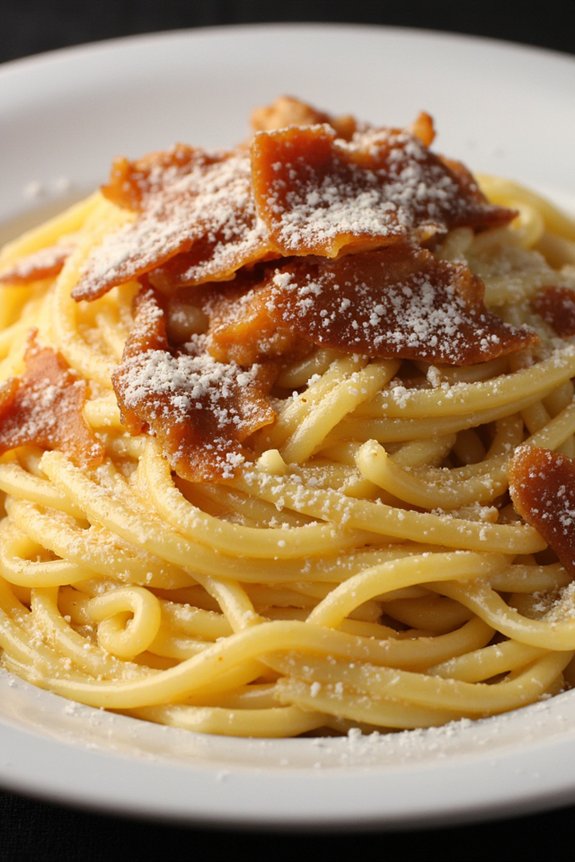
Spaghetti alla Carbonara is a classic Italian pasta dish that has won the hearts of food lovers around the world. Originating from Rome, this creamy and savory dish is characterized by its rich sauce made from eggs, cheese, and pancetta or guanciale. The simplicity of the ingredients allows the flavors to shine, creating a comforting and satisfying meal. The key to a perfect Carbonara is in the timing and technique, ensuring the sauce is creamy without scrambling the eggs.
Traditionally, Carbonara is made with guanciale, which is cured pork jowl, but pancetta or even bacon can be used if guanciale isn’t available. The dish uses Pecorino Romano cheese to impart a sharp and tangy flavor, although Parmesan can also be used as a substitute. The eggs and cheese are combined to create a silky sauce that coats the hot pasta, with a touch of black pepper adding a subtle kick. This dish is perfect for a quick dinner, and it brings a taste of Italy right to your home.
Ingredients (for 4-6 servings):
- 1 lb (450g) spaghetti
- 4 large eggs
- 1 cup (100g) grated Pecorino Romano cheese
- 4 oz (115g) guanciale or pancetta, diced
- Freshly ground black pepper
- Salt (for pasta water)
Cooking Instructions:
- Boil the Pasta: Fill a large pot with water, add a generous amount of salt, and bring it to a boil. Add the spaghetti and cook until al dente, following the package instructions. Reserve 1 cup of pasta water and then drain the spaghetti.
- Prepare the Sauce: In a bowl, whisk together the eggs and grated Pecorino Romano cheese until smooth. Add a generous amount of freshly ground black pepper to the mixture.
- Cook the Guanciale: In a large skillet over medium heat, cook the guanciale or pancetta until crispy and the fat has rendered. This should take about 5-7 minutes. Remove the skillet from the heat.
- Combine with Pasta: Add the hot, drained spaghetti to the skillet with the guanciale and toss to combine, ensuring the pasta is well coated with the rendered fat.
- Create the Sauce: Slowly pour the egg and cheese mixture over the hot pasta, tossing quickly to prevent the eggs from scrambling. The heat from the pasta will cook the eggs gently, creating a creamy sauce. If necessary, add reserved pasta water a little at a time to reach your desired sauce consistency.
- Serve: Serve immediately, garnished with additional grated Pecorino Romano and freshly ground black pepper as desired.
Extra Tips:
For the best results, use high-quality ingredients such as fresh eggs, authentic Pecorino Romano cheese, and guanciale if available. The key to a creamy Carbonara is the timing of mixing the eggs with the hot pasta; make sure the pasta is hot enough to cook the eggs but not so hot that it scrambles them.
Keep the pasta water handy, as it can be used to adjust the sauce’s consistency. Ultimately, serve the Carbonara immediately after preparing for the best flavor and texture.
Minestrone Soup
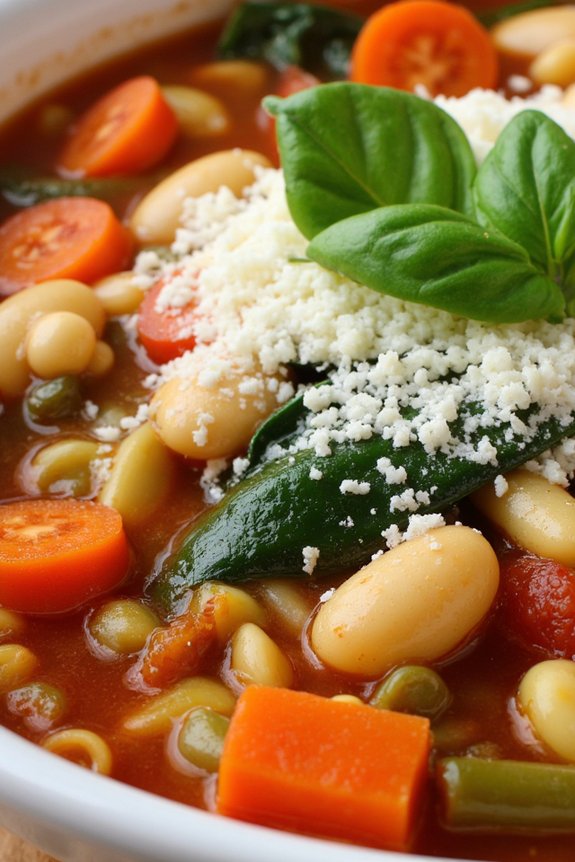
Minestrone Soup is a classic Italian dish that embodies the essence of comfort food. This hearty soup is known for its rich flavor and versatility, making it a staple in Italian cuisine. Filled with an abundance of vegetables, beans, and pasta, Minestrone Soup is both nutritious and satisfying. It’s an excellent choice for a family dinner, providing a warm and filling meal that delights the palate. The dish can be adapted according to the seasonal vegetables available, making it a year-round favorite.
Originating from Italy, Minestrone Soup is celebrated for its ability to bring together a variety of ingredients into one harmonious dish. Traditionally, it was a way to use up leftover vegetables and pantry staples, ensuring nothing went to waste. Today, it’s a beloved dish that showcases the vibrancy and diversity of Italian cooking. The soup is typically served as a first course in Italian meals, but its hearty nature also makes it perfect as a main dish, especially during the colder months. This recipe serves 4-6 people, making it ideal for family gatherings or meal prep for the week.
Ingredients:
- 2 tablespoons olive oil
- 1 large onion, diced
- 2 cloves garlic, minced
- 2 carrots, diced
- 2 celery stalks, diced
- 1 zucchini, diced
- 1 potato, peeled and diced
- 1 cup green beans, trimmed and cut into 1-inch pieces
- 1 can (14 oz) diced tomatoes
- 6 cups vegetable broth
- 1 teaspoon dried oregano
- 1 teaspoon dried basil
- Salt and pepper to taste
- 1 can (15 oz) cannellini beans, drained and rinsed
- 1 cup small pasta (such as ditalini or elbow macaroni)
- 2 cups fresh spinach
- Grated Parmesan cheese, for serving
- Fresh basil leaves, for garnish
Instructions:
- Begin by Heating the Olive Oil: In a large pot, heat 2 tablespoons of olive oil over medium heat. Add the diced onion and minced garlic, sautéing until the onion becomes translucent and the garlic is fragrant, about 3-4 minutes.
- Add the Vegetables: Stir in the diced carrots, celery, zucchini, potato, and green beans. Cook the mixture for about 5-7 minutes, stirring occasionally until the vegetables begin to soften.
- Incorporate the Tomatoes and Broth: Add the can of diced tomatoes and 6 cups of vegetable broth to the pot. Stir in the dried oregano, dried basil, salt, and pepper. Bring the mixture to a gentle boil.
- Simmer the Soup: Once boiling, reduce the heat to low and let the soup simmer uncovered for about 20 minutes. This allows the flavors to meld and the vegetables to cook through.
- Add the Beans and Pasta: Stir in the cannellini beans and pasta. Continue to cook for another 10-12 minutes, or until the pasta is al dente.
- Finish with Spinach: Just before serving, stir in the fresh spinach and allow it to wilt into the soup. This should take about 2-3 minutes.
- Serve the Soup: Ladle the Minestrone Soup into bowls and sprinkle with grated Parmesan cheese. Garnish with fresh basil leaves for an extra burst of flavor.
Extra Tips:
For the best flavor, use fresh, in-season vegetables, and feel free to swap in any favorites or what you have on hand. Adjust the consistency by adding more broth if you prefer a thinner soup.
If making the soup ahead of time, cook the pasta separately and add it when reheating to prevent it from becoming mushy. Minestrone Soup also freezes well; just omit the pasta until reheating.
Ultimately, for a deeper flavor, consider adding a Parmesan rind to the soup as it simmers, removing it before serving.
Bruschetta Al Pomodoro
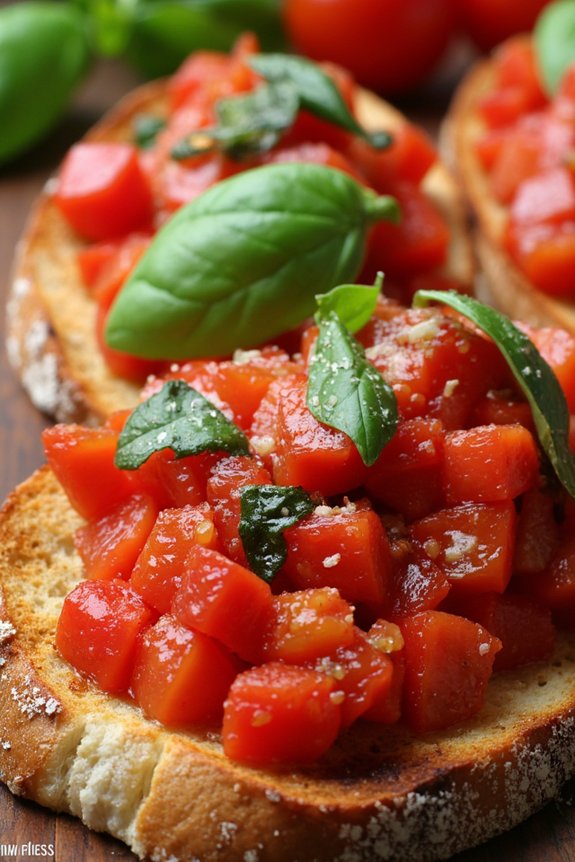
Bruschetta Al Pomodoro is a classic Italian appetizer that perfectly captures the essence of simple, fresh ingredients. Originating from central Italy, this dish highlights the natural flavors of ripe tomatoes, aromatic basil, and robust olive oil all served atop a slice of crispy, toasted bread. Ideal for a summer gathering or as a starter for any Italian meal, Bruschetta Al Pomodoro is both easy to prepare and incredibly satisfying, balancing the sweetness of tomatoes with the slight tang of balsamic vinegar and the savory crunch of toasted bread.
This recipe showcases the best of Italian cuisine, relying on high-quality ingredients to make each bite a delightful experience. The key to a truly remarkable Bruschetta Al Pomodoro lies in choosing the freshest tomatoes and a good quality extra virgin olive oil. This dish serves approximately 4-6 people, making it perfect for a small dinner party or a family meal. Whether you’re a novice cook or a seasoned chef, this recipe is sure to impress your guests with its vibrant flavors and beautiful presentation.
Ingredients for Bruschetta Al Pomodoro (serves 4-6):
- 6 ripe tomatoes
- 1 loaf of Italian or French baguette
- 2 cloves of garlic
- 1/4 cup extra virgin olive oil
- 1 tablespoon balsamic vinegar
- Salt and pepper to taste
- Fresh basil leaves (about 10-15 leaves)
- Optional: grated Parmesan cheese for garnish
Cooking Instructions:
- Prepare the Tomatoes: Start by washing the tomatoes thoroughly. Remove the core and dice them into small cubes. Place the diced tomatoes in a bowl.
- Season the Tomato Mixture: Add the balsamic vinegar, salt, and pepper to the tomatoes. Tear the fresh basil leaves into smaller pieces and mix them into the tomato mixture. Let this sit for about 15-20 minutes to allow the flavors to meld.
- Prepare the Bread: While the tomato mixture marinates, preheat your oven to 400°F (200°C). Slice the baguette into 1/2-inch thick slices and place them on a baking sheet.
- Toast the Bread: Drizzle each slice with a bit of extra virgin olive oil. Place the baking sheet in the oven and toast the bread for about 5-7 minutes until golden brown and crispy.
- Rub with Garlic: Once toasted, remove the bread from the oven and let it cool slightly. Cut the garlic cloves in half and rub the cut side onto each slice of bread. This will infuse the bread with a subtle garlic flavor.
- Assemble the Bruschetta: Spoon a generous amount of the tomato mixture onto each slice of bread. Drizzle a little more olive oil over the top and, if desired, sprinkle with grated Parmesan cheese for extra flavor.
- Serve Immediately: Arrange the Bruschetta Al Pomodoro on a serving platter and serve immediately to enjoy the dish at its freshest.
Extra Tips:
To enhance the flavor and presentation of your Bruschetta Al Pomodoro, consider using heirloom tomatoes, as they offer a variety of colors and a rich taste. If fresh basil is unavailable, you can substitute with dried basil, though it won’t provide the same vibrant aroma.
Additionally, for a more rustic touch, grill the bread slices instead of toasting them in the oven. Always serve the bruschetta right after assembling to maintain the bread’s crispiness and the freshness of the topping.
Tiramisu

Tiramisu is a classic Italian dessert that perfectly balances the rich flavors of coffee, cocoa, and creamy mascarpone cheese. It’s a beloved treat, often enjoyed at the end of a meal, and its name translates to “pick me up” in Italian, a nod to its espresso-infused layers.
The dish is known for its light, yet indulgent texture, and the harmonious blending of its components creates a taste sensation that’s both comforting and sophisticated.
This Tiramisu recipe is intended to serve 4-6 people, making it perfect for a family dinner or a small gathering. The preparation involves layering espresso-soaked ladyfingers with a velvety mascarpone mixture, then topping it all with a dusting of cocoa powder. The result is a dessert that’s both elegant and easy to make, allowing you to bring a touch of Italy into your home.
Ingredients for 4-6 servings:
- 3 large eggs, separated
- 1 cup granulated sugar
- 8 oz mascarpone cheese
- 1 cup heavy cream
- 2 cups brewed espresso, cooled
- 2 tablespoons coffee liqueur (optional)
- 24-30 ladyfinger biscuits (savoiardi)
- Unsweetened cocoa powder, for dusting
- Dark chocolate shavings (optional)
Cooking Instructions:
- Prepare the Mascarpone Mixture: In a medium bowl, beat the egg yolks and sugar together until thick and pale. Add the mascarpone cheese to the mixture and continue to beat until smooth.
- Whip the Cream: In a separate bowl, whip the heavy cream until stiff peaks form. Gently fold the whipped cream into the mascarpone mixture, taking care not to deflate the cream.
- Beat the Egg Whites: In another clean bowl, beat the egg whites until they form stiff peaks. Carefully fold the egg whites into the mascarpone and cream mixture to create a light and airy filling.
- Prepare the Espresso Bath: Combine the cooled espresso and coffee liqueur in a shallow dish. Quickly dip each ladyfinger into the espresso mixture, making sure they’re soaked but not soggy.
- Assemble the Tiramisu: In a 9×9-inch or similar-sized dish, arrange a layer of espresso-soaked ladyfingers. Spread half of the mascarpone mixture over the ladyfingers, smoothing it with a spatula. Repeat with another layer of soaked ladyfingers and the remaining mascarpone mixture.
- Chill and Serve: Cover the dish with plastic wrap and refrigerate for at least 4 hours, or overnight, to allow the flavors to meld and the dessert to set. Before serving, dust the top with cocoa powder and garnish with dark chocolate shavings if desired.
Extra Tips: When making Tiramisu, it’s vital to use fresh, high-quality ingredients, especially the mascarpone cheese and espresso. Verify the espresso is completely cooled before dipping the ladyfingers to prevent them from becoming too soft.
The dessert improves with time, so preparing it a day in advance will enhance the flavors. Finally, using a serrated knife to cut the Tiramisu guarantees clean slices, preserving the integrity of the layers.
Panna Cotta

Panna Cotta, which translates to “cooked cream” in Italian, is a classic dessert hailing from the northern region of Italy. This silky, smooth, and creamy dessert is often described as delicate and elegant, making it a perfect light dessert to finish any meal. Traditionally, Panna Cotta is simply flavored with vanilla, but it can also be infused with various flavors such as coffee, chocolate, or fruit for a modern twist. Its simplicity and versatility have made it a beloved dessert, not just in Italy but around the world.
The beauty of Panna Cotta lies in its texture, which is achieved by setting sweetened cream with gelatin. It’s usually served with a topping or sauce such as caramel, berry coulis, or fresh fruit to complement its richness. The preparation is surprisingly straightforward, requiring minimal ingredients and effort. This recipe will guide you through the process of making a classic vanilla Panna Cotta, serving 4-6 people, with a few tips to guarantee your dessert is nothing short of perfection.
Ingredients (Serves 4-6)
- 2 cups heavy cream
- 1 cup whole milk
- 1/2 cup granulated sugar
- 2 teaspoons vanilla extract
- 1 packet (about 2 1/4 teaspoons) unflavored gelatin
- 3 tablespoons cold water
- Fresh berries or berry sauce (optional, for serving)
- Mint leaves (optional, for garnish)
Cooking Instructions
- Prepare the Gelatin: In a small bowl, combine the gelatin and cold water. Stir gently and let it sit for about 5-10 minutes, allowing the gelatin to bloom. This step guarantees the gelatin dissolves easily in the cream mixture later.
- Heat the Cream Mixture: In a medium saucepan, combine the heavy cream, whole milk, and granulated sugar. Place the saucepan over medium heat and stir occasionally until the sugar is completely dissolved and the mixture is hot but not boiling (around 170°F). Remove from heat.
- Add Gelatin to Cream: Once the cream mixture is hot, add the bloomed gelatin. Stir continuously until the gelatin is fully dissolved. This step is vital for achieving the smooth texture of the Panna Cotta.
- Flavor with Vanilla: Stir in the vanilla extract. Guarantee it’s evenly distributed throughout the mixture to infuse the Panna Cotta with a delightful vanilla flavor.
- Strain the Mixture: For a perfectly smooth texture, strain the mixture through a fine mesh sieve into a large measuring cup or a bowl with a pour spout. This step removes any undissolved gelatin or clumps.
- Pour and Chill: Carefully pour the mixture into individual serving dishes or ramekins. Allow them to cool to room temperature, then cover with plastic wrap and refrigerate for at least 4 hours, or until set.
- Serve: Once set, you can serve the Panna Cotta directly in the ramekins, or for a more elegant presentation, gently loosen the edges with a knife and invert onto serving plates. Top with fresh berries, berry sauce, and a sprig of mint if desired.
Extra Tips
For the best results, guarantee the gelatin is completely dissolved in the hot cream mixture; any undissolved gelatin can affect the texture of your Panna Cotta.
If you’re planning to unmold the Panna Cotta, lightly greasing the ramekins with a neutral oil can help with easy release.
You can also experiment with different flavors by infusing the cream with ingredients like coffee beans or citrus zest while heating it, then straining them out before adding the gelatin.
Adjust the sweetness and flavoring to your preference, keeping in mind that less sugar or more flavorings can alter the set and taste.
