


As I think back to Italian Easter celebrations, the vibrant colors and rich aromas of traditional dishes fill my mind. Picture a table with Torta Pasqualina‘s flaky layers and the savory taste of Lamb Alla Romana. Every dish carries a story of renewal and joy, passed down through generations. With sweet treats like Colomba Di Pasqua and the comforting Minestra Di Pasqua, there’s a feast of flavors ready to be explored. Curious to see what’s next?
Torta Pasqualina: Savory Spinach and Ricotta Pie

Torta Pasqualina is a traditional Italian Easter dish that combines the earthy flavors of spinach with the creamy richness of ricotta cheese, all encased in a flaky pastry crust. Originating from Liguria, this savory pie is a symbol of spring and rebirth, often enjoyed during the Easter season. The layers of pastry and filling create a delightful contrast in texture, while the inclusion of whole eggs baked into the pie adds an element of surprise and symbolism, representing new life.
Not only is it a feast for the eyes, with its golden crust and vibrant green filling, but it also delivers a satisfying and wholesome meal.
While Torta Pasqualina is traditionally made with homemade pastry, you can simplify the process by using store-bought puff pastry, making it more accessible for home cooks. This savory pie is perfect for a festive Easter brunch or as a part of a celebratory meal with family and friends. The recipe is versatile and can be adapted with different greens or cheese to suit your personal taste. Below is a recipe that serves 4-6 people, offering a generous slice of this delightful dish to everyone at your table.
Ingredients:
- 1 package of puff pastry (enough for top and bottom crust)
- 500g fresh spinach, washed and chopped
- 1 tablespoon olive oil
- 1 onion, finely chopped
- 250g ricotta cheese
- 100g grated Parmesan cheese
- 5 large eggs
- Salt and pepper to taste
- Nutmeg, a pinch
- Butter for greasing
Cooking Instructions:
- Preheat and Prepare: Preheat your oven to 180°C (350°F). Grease a 9-inch pie dish with butter to prevent sticking.
- Cook Spinach: Heat olive oil in a large skillet over medium heat. Add the chopped onion and sauté until translucent. Add the spinach and cook until wilted. Remove from heat and let it cool slightly.
- Mix Filling: In a large bowl, combine the ricotta, Parmesan, and 2 of the eggs. Season with salt, pepper, and a pinch of nutmeg. Stir in the cooled spinach and onion mixture until well combined.
- Prepare Pastry: Roll out half of the puff pastry and line the bottom of the prepared pie dish, leaving some overhang. Pour the spinach and ricotta mixture into the pastry-lined dish.
- Add Eggs: Make three small wells in the filling and crack an egg into each well, being careful not to break the yolks.
- Top with Pastry: Roll out the remaining puff pastry and cover the pie. Seal the edges by crimping the pastry together and trim any excess. Make a few slits on top to allow steam to escape.
- Bake: Beat the remaining egg and brush it over the top of the pastry for a golden finish. Place the pie in the preheated oven and bake for 45-50 minutes, or until the pastry is puffed and golden brown.
- Cool and Serve: Allow the pie to cool slightly before slicing. Serve warm or at room temperature.
Extra Tips:
For an even richer flavor, you can add a variety of herbs such as parsley or marjoram to the filling. If you want a more rustic appearance, try using filo pastry instead of puff pastry, layering several sheets for the top and bottom crust.
Be sure to thaw frozen puff pastry in the refrigerator overnight to make it easier to handle. Ultimately, if fresh spinach isn’t available, frozen spinach can be used as a substitute—just be sure to drain it thoroughly to prevent excess moisture in the pie.
Lamb Alla Romana: Roman-Style Roast Lamb

Lamb Alla Romana, also known as Roman-Style Roast Lamb, is a traditional Italian dish that brings a taste of Rome to your Easter table. This flavorful dish features tender lamb, infused with garlic, rosemary, and a touch of white wine, capturing the essence of Italian cooking.
The lamb is slowly roasted to perfection, resulting in a succulent and aromatic centerpiece that’s certain to impress your guests. Perfect for serving a group, this recipe is designed to delight family and friends gathered for an Easter celebration.
The combination of herbs and wine creates a rich sauce that enhances the natural flavors of the lamb. With its straightforward preparation and delicious results, Lamb Alla Romana is an ideal choice for both seasoned cooks and those new to creating Italian cuisine.
Ingredients for 4-6 people:
- 4 pounds leg of lamb, bone-in
- 3 cloves garlic, thinly sliced
- 2 tablespoons fresh rosemary, chopped
- 2 tablespoons olive oil
- Salt and freshly ground black pepper, to taste
- 1 cup dry white wine
- 1 cup chicken or vegetable broth
- 1 lemon, sliced
Cooking Instructions:
- Preheat the Oven: Preheat your oven to 375°F (190°C) to guarantee it reaches the right temperature for roasting.
- Prepare the Lamb: Using a sharp knife, make small incisions all over the surface of the lamb leg. Insert a slice of garlic and a bit of rosemary into each incision to infuse the meat with flavor.
- Season the Lamb: Rub the lamb with olive oil, then season generously with salt and black pepper. Confirm the seasoning is evenly distributed.
- Sear the Lamb: In a large roasting pan or oven-safe skillet, sear the lamb over medium-high heat on the stovetop until browned on all sides, about 5 minutes per side. This step helps to lock in the juices and enhance the flavor.
- Add Liquids and Lemon: Pour the white wine and broth into the roasting pan with the lamb. Scatter the lemon slices around the lamb.
- Roast the Lamb: Place the roasting pan in the preheated oven and roast for approximately 1.5 to 2 hours, or until the internal temperature reaches 145°F (63°C) for medium-rare. Baste the lamb occasionally with the pan juices to keep it moist.
- Rest the Lamb: Remove the lamb from the oven and let it rest for about 15 minutes before carving. This allows the juices to redistribute, guaranteeing a tender result.
- Carve and Serve: Carve the lamb into slices and serve with the pan juices drizzled over the top. The lamb pairs beautifully with roasted potatoes or seasonal vegetables.
Extra Tips: For even more flavor, marinate the lamb overnight with the garlic, rosemary, olive oil, salt, and pepper. This will allow the lamb to absorb the flavors more deeply.
If you’re short on time, you can use dried rosemary, but fresh herbs offer a more vibrant taste. Additionally, using a meat thermometer is recommended to achieve your desired level of doneness, guaranteeing the lamb is cooked to perfection.
Colomba Di Pasqua: Italian Easter Dove Bread

Colomba Di Pasqua, also known as Italian Easter Dove Bread, is a traditional Italian dessert that’s synonymous with the Easter celebration. This sweet, yeasted bread is similar in texture to panettone and pandoro, but the defining feature is its shape, which resembles a dove—a symbol of peace and renewal.
The bread is rich in flavor, with a delightful mix of candied orange peels and almonds, and is topped with a sugar-almond crust that adds a crunchy texture to the soft, flavorful crumb. It’s a labor of love that requires patience for proper rising and baking, but the end result is a stunning centerpiece for your Easter table.
Creating Colomba Di Pasqua at home allows you to experience the authentic taste of this Italian delicacy, and it’s an opportunity to bring a piece of Italian culture into your kitchen. While the process may seem intricate, with careful attention to detail and the right ingredients, you can achieve bakery-quality results.
This recipe is designed for a serving size of 4-6 people, making it perfect for family gatherings or small get-togethers. The key to success lies in the precision of the dough preparation and the thoughtful layering of flavors.
Ingredients for 4-6 servings:
- 500g all-purpose flour
- 100g unsalted butter, softened
- 100g sugar
- 3 large eggs
- 1 egg yolk
- 150ml warm milk
- 10g active dry yeast
- 1 teaspoon vanilla extract
- Zest of 1 lemon
- Zest of 1 orange
- 100g candied orange peel
- 50g almonds, chopped
- 50g pearl sugar
- A pinch of salt
Instructions:
- Prepare the Yeast Mixture: Begin by dissolving the active dry yeast in the warm milk. Stir gently until the yeast is fully dissolved and let it sit for about 5-10 minutes until it becomes frothy. This indicates that the yeast is activated and ready to use.
- Make the Dough: In a large mixing bowl, combine the flour, sugar, salt, lemon zest, and orange zest. Create a well in the center and add the eggs, egg yolk, vanilla extract, and the yeast mixture. Mix until the dough starts to come together.
- Knead and Incorporate Butter: Transfer the dough onto a lightly floured surface and begin kneading. Gradually add the softened butter, a little at a time, kneading continuously until the butter is fully incorporated and the dough is smooth and elastic. This should take about 10-15 minutes.
- First Rise: Place the dough in a lightly oiled bowl, cover it with a damp cloth, and let it rise in a warm place for about 2 hours, or until it has doubled in size.
- Add Candied Orange Peel and Shape: Once the dough has risen, gently deflate it and knead in the candied orange peel. Divide the dough into two parts—one slightly larger for the body of the dove and the smaller for the wings. Shape the dough into a dove shape on a baking tray lined with parchment paper.
- Second Rise: Cover the shaped dough with a cloth and let it rise again for 1 hour, or until it has puffed up.
- Prepare the Topping: Preheat your oven to 180°C (350°F). In a small bowl, mix the chopped almonds and pearl sugar. Sprinkle this mixture generously over the top of the dough for the signature crunchy crust.
- Bake: Bake the Colomba Di Pasqua in the preheated oven for 35-40 minutes, or until it’s golden brown and a skewer inserted into the center comes out clean. Let it cool completely on a wire rack before serving.
Extra Tips:
Patience is key when making Colomba Di Pasqua. Confirm that all your ingredients are at room temperature before you start, as this helps the dough rise more effectively.
When kneading, be patient and don’t rush the process; a well-kneaded dough is essential for the soft and airy texture of the bread. If your kitchen is on the cooler side, consider letting the dough rise in a slightly warm oven (turned off) to create the ideal environment for yeast activity.
Finally, remember that this bread is best enjoyed fresh, though it can be stored in an airtight container for a few days or frozen for longer keeping. Enjoy your homemade Colomba Di Pasqua with a cup of coffee or tea for a delightful Easter treat!
Pastiera Napoletana: Neapolitan Wheat and Ricotta Cake

Pastiera Napoletana is a classic Italian dessert traditionally served during Easter, originating from Naples. This fragrant and sweet cake combines the richness of ricotta cheese with the hearty texture of cooked wheat, all enveloped in a buttery shortcrust pastry. The blend of citrus zest and floral orange blossom water adds a unique flavor, making it a centerpiece of celebration on the Easter table.
The preparation of Pastiera Napoletana is a labor of love that requires some time and patience, but the result is a delectable cake that’s well worth the effort.
The origins of Pastiera Napoletana are rooted in ancient traditions, where it was made to celebrate the arrival of spring. The combination of ingredients symbolizes renewal and fertility, with the ricotta and wheat representing the bounty of the land.
Today, it remains a beloved part of Italian Easter festivities, often prepared a few days in advance to allow the flavors to meld. Whether you’re a seasoned baker or trying your hand at this classic for the first time, the Pastiera Napoletana is a delightful addition to your Easter menu, offering a taste of Italian heritage and warmth.
Ingredients (serves 4-6):
- 200g cooked wheat berries or pre-cooked wheat
- 250g ricotta cheese
- 200g sugar
- 3 large eggs
- 50g candied citrus peel, diced
- Zest of 1 orange
- Zest of 1 lemon
- 1 tablespoon orange blossom water
- 1 teaspoon vanilla extract
- 500g shortcrust pastry
- 1 pinch of cinnamon
- Powdered sugar for dusting
Cooking Instructions:
- Prepare the Wheat: If using uncooked wheat berries, soak them overnight, then cook in water until tender. If using pre-cooked wheat, rinse and drain well.
- Make the Filling: In a large mixing bowl, combine the ricotta cheese and sugar. Mix until smooth. Add the beaten eggs, one at a time, making sure each is fully incorporated before adding the next.
- Add Flavors: Stir in the cooked wheat, candied citrus peel, orange zest, lemon zest, orange blossom water, vanilla extract, and cinnamon. Mix until all ingredients are evenly distributed.
- Prepare the Pastry: Roll out the shortcrust pastry to fit a 9-inch round tart pan, pressing it into the sides and trimming any excess. Save some pastry for the lattice top.
- Assemble the Cake: Pour the ricotta and wheat filling into the prepared pastry shell, spreading it evenly. Roll the reserved pastry into strips and arrange them in a lattice pattern over the filling.
- Bake the Cake: Preheat the oven to 180°C (350°F). Place the tart on a baking sheet and bake for 60-70 minutes, or until the filling is set and the pastry is golden brown.
- Cool and Serve: Allow the Pastiera Napoletana to cool completely before removing from the pan. Dust with powdered sugar before serving.
Extra Tips:
For best results, prepare the cake a day or two in advance. This allows the flavors to develop and enhances the overall taste.
Be sure to use high-quality ricotta and fresh citrus zests to achieve the finest flavor profile. When making the lattice, make certain the strips are evenly spaced for an attractive presentation.
Finally, storing the cake in the refrigerator will help it firm up, making it easier to slice and serve. Enjoy your slice of Italian tradition!
Agnello Al Forno: Baked Lamb With Herbs

Agnello Al Forno, or Baked Lamb With Herbs, is a traditional Italian dish often enjoyed during Easter celebrations. This savory dish features tender lamb infused with the aromatic flavors of fresh herbs, making it a perfect centerpiece for a festive meal.
The preparation involves marinating the lamb with a blend of herbs and spices, followed by a slow roasting process that guarantees the meat is juicy and flavorful. The dish isn’t only a delight to the taste buds but also fills the kitchen with an inviting aroma that’s sure to impress family and friends.
This recipe for Agnello Al Forno serves 4-6 people, making it ideal for a family gathering or a small dinner party. The combination of rosemary, thyme, and garlic creates a fragrant herbal crust on the lamb, while the slow cooking method allows the flavors to penetrate deeply into the meat.
Paired with roasted vegetables or a fresh salad, this dish offers a hearty and satisfying meal that celebrates the essence of Italian Easter traditions.
Ingredients:
- 1.5 kg (3.3 lbs) leg of lamb
- 4 tablespoons olive oil
- 4 cloves garlic, minced
- 2 tablespoons fresh rosemary, chopped
- 1 tablespoon fresh thyme, chopped
- 1 lemon, juiced and zested
- Salt and pepper to taste
- 1 cup dry white wine
- 4 medium potatoes, peeled and quartered
- 2 medium carrots, peeled and sliced
- 1 onion, sliced
Cooking Instructions:
- Prepare the Marinade: In a small bowl, combine the olive oil, minced garlic, rosemary, thyme, lemon juice, lemon zest, salt, and pepper. Mix well to form a thick marinade.
- Marinate the Lamb: Place the leg of lamb in a large dish or a resealable plastic bag. Pour the marinade over the lamb, making certain it’s evenly coated. Cover and refrigerate for at least 4 hours, or overnight for best results.
- Preheat the Oven: Preheat your oven to 180°C (350°F).
- Prepare the Vegetables: In a roasting pan, arrange the potatoes, carrots, and onion. Drizzle with a little olive oil and season with salt and pepper.
- Sear the Lamb: Heat a large skillet over medium-high heat. Remove the lamb from the marinade and sear it on all sides until browned, about 2-3 minutes per side.
- Roast the Lamb: Place the seared lamb on top of the vegetables in the roasting pan. Pour the white wine over the lamb.
- Bake: Roast in the preheated oven for about 1.5 to 2 hours, or until the internal temperature of the lamb reaches 60°C (140°F) for medium-rare. Baste the lamb occasionally with the pan juices.
- Rest and Serve: Let the lamb rest for 10-15 minutes after baking. Carve the lamb into slices and serve with the roasted vegetables.
Extra Tips:
For the best flavor, allow the lamb to marinate overnight if possible. When roasting, make sure to baste the lamb with the pan juices frequently to keep the meat moist.
If you prefer your lamb more well-done, continue roasting until it reaches your desired level of doneness, keeping in mind that the internal temperature will rise slightly as the meat rests. Additionally, you can add other root vegetables or herbs to the roasting pan to complement the flavors of the lamb.
Cavatelli Con Sugo Di Agnello: Cavatelli With Lamb Sauce

Cavatelli Con Sugo Di Agnello, or Cavatelli With Lamb Sauce, is a quintessential Italian dish that embodies the flavors of Easter in Italy. This recipe marries the tender, homemade cavatelli pasta with a rich, savory lamb sauce that’s slow-cooked to perfection. The dish is deeply rooted in tradition, often prepared during festive occasions to bring family and friends together.
The succulent lamb sauce, infused with aromatic herbs and spices, coats each piece of cavatelli, creating a comforting and satisfying meal that’s sure to become a family favorite.
The preparation of Cavatelli Con Sugo Di Agnello requires attention to detail, as the homemade pasta and the lamb sauce both demand care and time. The pasta, characterized by its unique hollow shape, is well-suited for absorbing the robust sauce, ensuring each bite bursts with flavor.
The sauce itself is a labor of love, with the lamb gently simmering alongside garlic, tomatoes, and a blend of Italian herbs. This recipe for 4-6 people captures the essence of traditional Italian cooking, celebrating the rich culinary heritage of Easter with every bite.
Ingredients for 4-6 servings:
- 500g cavatelli pasta
- 800g lamb shoulder, cut into chunks
- 2 tablespoons olive oil
- 1 large onion, finely chopped
- 3 cloves garlic, minced
- 2 cans (400g each) of crushed tomatoes
- 1 tablespoon tomato paste
- 1 cup dry red wine
- 1 teaspoon dried oregano
- 1 teaspoon dried rosemary
- 1 bay leaf
- Salt and pepper to taste
- Freshly grated Parmesan cheese, for serving
- Fresh basil, for garnish
Cooking Instructions:
- Prepare the Lamb Sauce:
- Heat the olive oil in a large, heavy-bottomed pot over medium heat. Add the lamb chunks and brown on all sides for about 5-7 minutes. Remove the lamb from the pot and set aside.
- Saute the Aromatics:
- In the same pot, add the finely chopped onion and minced garlic. Sauté until the onion becomes translucent and fragrant, approximately 4-5 minutes.
- Deglaze and Add Tomatoes:
- Pour in the red wine to deglaze the pot, scraping up any browned bits from the bottom. Let the wine reduce slightly for about 3 minutes. Stir in the crushed tomatoes and tomato paste, mixing well to combine.
- Simmer the Sauce:
- Return the browned lamb to the pot. Add the oregano, rosemary, bay leaf, salt, and pepper. Stir to incorporate the herbs and spices. Lower the heat to a simmer, cover the pot, and cook for 1.5 to 2 hours, or until the lamb is tender and the sauce has thickened.
- Cook the Cavatelli:
- About 15 minutes before the sauce is done, bring a large pot of salted water to a boil. Add the cavatelli pasta and cook according to package instructions until al dente. Drain the pasta, reserving some pasta water.
- Combine and Serve:
- Add the cooked cavatelli to the lamb sauce, stirring to coat the pasta well. If the sauce is too thick, add a bit of the reserved pasta water to achieve the desired consistency. Serve hot, garnished with freshly grated Parmesan cheese and fresh basil.
Extra Tips:
When cooking Cavatelli Con Sugo Di Agnello, patience is key. Allowing the lamb sauce to simmer slowly will help the flavors to meld and develop a deep, rich taste.
Using a good quality dry red wine will enhance the sauce’s complexity. For an extra touch of authenticity, consider making homemade cavatelli; the texture of fresh pasta will beautifully complement the lamb sauce.
Finally, always taste the sauce before serving and adjust the seasoning as necessary, as the saltiness can vary depending on the ingredients used.
Minestra Di Pasqua: Easter Soup With Greens and Meatballs

Minestra Di Pasqua, or Easter Soup with Greens and Meatballs, is a traditional Italian dish that combines the hearty flavors of meatballs with the freshness of seasonal greens in a comforting broth. This dish is often served during Easter celebrations in Italy, symbolizing both renewal and the abundance of spring. The soup is a delightful blend of rich, savory meatballs simmered gently in a broth full of nutrient-dense greens, making it both a satisfying and nourishing meal.
At the heart of Minestra Di Pasqua are the meatballs, which are typically made with a combination of ground meats such as beef, pork, or veal, mixed with herbs and cheese for enhanced flavor. The greens, often a mix of spinach, escarole, or chard, add a vibrant touch to the soup, providing a balance to the richness of the meatballs. This recipe serves 4-6 people, making it perfect for family gatherings or festive feasts.
Ingredients:
- 1 pound ground beef
- 1/2 pound ground pork
- 1/2 cup grated Parmesan cheese
- 1/2 cup breadcrumbs
- 2 eggs
- 4 cloves garlic, minced
- 1/4 cup fresh parsley, chopped
- Salt and pepper to taste
- 2 tablespoons olive oil
- 1 large onion, chopped
- 2 quarts chicken or beef broth
- 3 cups mixed greens (spinach, escarole, or chard), chopped
- 1/2 teaspoon red pepper flakes (optional)
- 1 lemon, cut into wedges for serving
Instructions:
- Prepare the Meatball Mixture: In a large mixing bowl, combine the ground beef and pork. Add the Parmesan cheese, breadcrumbs, eggs, minced garlic, parsley, salt, and pepper. Mix thoroughly with your hands until all ingredients are well incorporated.
- Shape the Meatballs: Form the mixture into small meatballs, about 1 inch in diameter, and place them on a baking sheet. This size guarantees they cook evenly and fit well in the soup.
- Cook the Meatballs: Heat the olive oil in a large pot over medium heat. Add the meatballs in batches, cooking until they’re browned on all sides. Remove the meatballs and set them aside on a paper towel-lined plate to drain excess oil.
- Prepare the Broth: In the same pot, add the chopped onion and sauté until translucent. Pour in the chicken or beef broth and bring it to a simmer.
- Add the Meatballs and Greens: Return the meatballs to the pot. Add the chopped greens and optional red pepper flakes for a hint of spice. Simmer for about 20 minutes, allowing the flavors to meld and the greens to soften.
- Serve the Soup: Once the soup is ready, taste and adjust seasoning with additional salt and pepper if needed. Ladle the soup into bowls and serve with lemon wedges on the side for a fresh, tangy finish.
Extra Tips:
When making Minestra Di Pasqua, feel free to experiment with different combinations of greens based on what’s fresh and available. If you prefer a lighter soup, substitute some of the broth with water.
For an extra depth of flavor, consider adding a Parmesan rind to the broth while it simmers, removing it before serving. Additionally, the meatballs can be prepared a day in advance and refrigerated, allowing the flavors to develop further before cooking.
Enjoy this traditional dish as a warm embrace of Italian Easter traditions.
Frittata Di Pasqua: Easter Frittata With Asparagus

Frittata Di Pasqua, or Easter Frittata with Asparagus, is a delightful Italian dish traditionally enjoyed during the Easter season. This frittata is a beautiful blend of fresh asparagus, eggs, and cheese, making it a perfect choice for a festive brunch or a light lunch. The fresh, green flavor of asparagus paired with the richness of eggs and the creaminess of cheese creates a comforting and satisfying dish that embodies the essence of spring.
The Frittata Di Pasqua isn’t only delicious but also quite simple to prepare, requiring only a handful of ingredients and minimal effort. The key to this dish is in the quality of the ingredients; fresh asparagus and good quality eggs and cheese will elevate the flavors and make your frittata truly special. This recipe serves 4-6 people, making it an excellent option for a family gathering.
Ingredients (Serves 4-6)
- 8 large eggs
- 1 bunch of asparagus (about 1 pound), trimmed and cut into 1-inch pieces
- 1/2 cup grated Parmesan cheese
- 1/4 cup whole milk
- 2 tablespoons olive oil
- 1 small onion, finely chopped
- Salt and freshly ground black pepper to taste
- Fresh herbs (such as parsley or chives) for garnish
Cooking Instructions
- Preheat the Oven: Begin by preheating your oven to 375°F (190°C). This will guarantee that your frittata cooks evenly and develops a nice, golden top.
- Prepare the Asparagus: In a large, oven-safe skillet, heat the olive oil over medium heat. Add the chopped onion and sauté for about 3-4 minutes until it becomes translucent. Then, add the asparagus pieces and continue to cook for another 5-7 minutes until they’re tender but still crisp.
- Beat the Eggs: Meanwhile, in a large bowl, whisk together the eggs, milk, Parmesan cheese, salt, and pepper. Make sure the mixture is well combined to guarantee even cooking.
- Combine and Cook: Pour the egg mixture over the asparagus and onion in the skillet. Allow it to cook undisturbed for about 5 minutes, or until the edges begin to set. This step helps to create a nice base for your frittata.
- Bake in the Oven: Transfer the skillet to the preheated oven. Bake for 10-12 minutes, or until the frittata is fully set and lightly golden on top. You can test this by inserting a knife into the center; if it comes out clean, the frittata is done.
- Garnish and Serve: Remove the frittata from the oven and let it cool slightly before slicing. Garnish with fresh herbs and serve warm. Enjoy your Frittata Di Pasqua as a delightful centerpiece for your Easter meal.
Extra Tips
To make your Frittata Di Pasqua even more flavorful, consider adding a sprinkle of nutmeg or a dash of red pepper flakes to the egg mixture for a subtle kick.
If you prefer a creamier frittata, substitute half of the Parmesan cheese with ricotta or goat cheese. This dish is also quite versatile, so feel free to experiment with other vegetables or add-ins, such as spinach, bell peppers, or sun-dried tomatoes, to suit your personal taste preferences.
Pizza Chiena: Stuffed Easter Pizza

Pizza Chiena, also known as Stuffed Easter Pizza, is a traditional Italian dish that’s often prepared and enjoyed during the Easter celebrations. This savory pie is filled with a rich combination of meats and cheeses, symbolizing the end of Lent and the indulgence of the Easter feast.
The dish originates from the southern regions of Italy, particularly Naples, and it’s a demonstration of the Italian tradition of using simple ingredients to create something incredibly flavorful and satisfying.
The name “Pizza Chiena” translates to “full pizza,” and that’s exactly what this dish delivers—a pie bursting with delicious fillings that make it a meal in itself. Typically, the filling consists of a mixture of cured meats such as salami and prosciutto, alongside cheeses like ricotta and provolone.
The pie is encased in a flaky crust, often made with a blend of flour and eggs, which provides a perfect balance to the rich filling. This recipe serves 4-6 people, making it an ideal dish for a family gathering or a festive meal.
Ingredients:
- 4 cups all-purpose flour
- 1/2 cup unsalted butter, chilled and cubed
- 1/2 teaspoon salt
- 4 large eggs, divided
- 1/2 cup cold water
- 1 cup ricotta cheese
- 1 cup shredded provolone cheese
- 1 cup diced salami
- 1 cup diced prosciutto
- 1/2 cup grated Parmesan cheese
- 1 tablespoon olive oil
- Salt and pepper to taste
Cooking Instructions:
- Prepare the Dough: In a large bowl, combine the flour and salt. Add the chilled, cubed butter and mix until the mixture resembles coarse crumbs. Beat one egg and add it to the flour mixture along with cold water. Mix until a dough forms. Knead the dough on a lightly floured surface until smooth. Wrap in plastic wrap and refrigerate for at least 30 minutes.
- Prepare the Filling: In a mixing bowl, combine ricotta cheese, shredded provolone, diced salami, diced prosciutto, grated Parmesan, and olive oil. Season with salt and pepper. Mix until all ingredients are well incorporated.
- Preheat the Oven: Preheat your oven to 350°F (175°C).
- Roll Out the Dough: Divide the dough into two portions, one slightly larger than the other. Roll out the larger portion on a floured surface to fit a 9-inch pie pan, with enough overhang to seal the pie.
- Assemble the Pie: Place the rolled-out dough into the pie pan. Spoon the filling into the crust, spreading it evenly. Roll out the second portion of dough and place it over the filling. Trim any excess dough, then crimp the edges to seal. Beat the remaining egg and brush it over the crust for a golden finish.
- Bake the Pie: Place the pie in the preheated oven and bake for 45-50 minutes, or until the crust is golden brown and the filling is set. Let it cool slightly before slicing.
Extra Tips:
To achieve a perfectly flaky crust, verify that your butter is very cold when you incorporate it into the flour. You can even freeze the butter for a short time before using it.
If you notice the edges of the crust browning too quickly while baking, cover them with strips of aluminum foil. This will prevent them from burning while the rest of the pie finishes baking.
Pizza Chiena can be made a day in advance; in fact, resting it overnight enhances the flavors, making it even more delicious when served the next day.
Casatiello Napoletano: Savory Easter Bread

Casatiello Napoletano, a savory Easter bread from Naples, is a rich and flavorful delight that symbolizes the joy and abundance of the holiday. Traditionally prepared during Holy Week, this bread is filled with delicious ingredients like salami, cheese, and eggs, creating a hearty treat that’s perfect for any festive table.
Its unique presentation, with whole eggs baked into the dough, is both eye-catching and symbolic, representing rebirth and renewal. The bread’s dense, buttery texture and savory filling make it a favorite among those who celebrate Easter in Italy, and its taste is bound to transport you straight to a Neapolitan kitchen.
Originating from Southern Italy, this Easter bread is a reflection of the region’s culinary prowess, combining simple ingredients to produce a dish that’s both comforting and celebratory. Casatiello Napoletano isn’t only a delicious bread but also a cultural experience, reflecting the traditions and history of Naples.
Making this bread at home allows you to partake in a time-honored Italian tradition, bringing a piece of Naples to your Easter celebrations. Whether enjoyed as part of a festive brunch or as a standalone snack, Casatiello Napoletano is sure to become a beloved part of your Easter repertoire.
Ingredients (Serves 4-6):
- 500g all-purpose flour
- 200ml warm water
- 100g lard or unsalted butter, softened
- 15g fresh yeast or 7g active dry yeast
- 10g salt
- 1 teaspoon sugar
- 150g salami, diced
- 150g provolone cheese, diced
- 50g grated pecorino cheese
- 4 whole eggs, raw
- 1 egg, beaten (for egg wash)
- Freshly ground black pepper
Cooking Instructions:
- Prepare the Dough: In a small bowl, dissolve the yeast and sugar in warm water. Let it sit for about 5-10 minutes until frothy. In a large mixing bowl, combine flour and salt. Make a well in the center and pour in the yeast mixture and softened lard/butter. Mix until a dough forms.
- Knead the Dough: Transfer the dough to a floured surface and knead for about 10 minutes until it’s smooth and elastic. Place the dough in a lightly oiled bowl, cover it with a damp cloth, and let it rise in a warm place for about 2 hours or until doubled in size.
- Prepare the Filling: While the dough is rising, dice the salami and provolone cheese. Set aside.
- Roll and Fill the Dough: Once the dough has risen, punch it down and roll it out into a large rectangle on a floured surface. Evenly distribute the diced salami, provolone, and grated pecorino over the dough. Sprinkle with freshly ground black pepper.
- Shape the Bread: Roll the dough tightly into a log from the longer side, making certain the filling is well distributed. Form the log into a ring, sealing the ends together. Place the ring in a greased round baking pan.
- Add the Eggs: Gently press the four whole eggs into the dough at evenly spaced intervals. Use strips of dough to create a cross over each egg to secure them in place.
- Final Rise: Cover the pan with a damp cloth and allow the bread to rise again for about 1 hour until it has increased in size.
- Bake the Bread: Preheat your oven to 180°C (356°F). Brush the top of the bread with the beaten egg for a golden crust. Bake for 45-50 minutes or until the bread is golden brown and cooked through.
- Cool and Serve: Once baked, allow the Casatiello Napoletano to cool in the pan for a few minutes before transferring it to a wire rack. Serve warm or at room temperature.
Extra Tips:
For the best results, use high-quality ingredients, especially the salami and cheeses, to enhance the flavors of your Casatiello Napoletano. If you prefer a slightly spicier bread, opt for spicy salami or add a pinch of chili flakes to the filling.
When shaping the bread, make sure the seam is well sealed to prevent the filling from spilling out during baking. Additionally, if you don’t have a round baking pan, a bundt pan can be used for a more decorative presentation.
Risotto Agli Asparagi: Asparagus Risotto
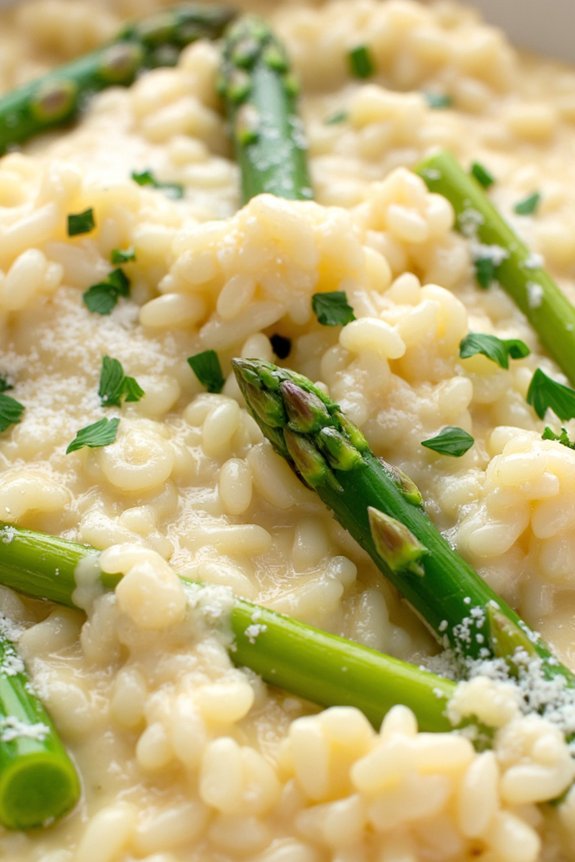
Risotto Agli Asparagi, or Asparagus Risotto, is a classic Italian dish that celebrates the fresh, vibrant flavors of springtime asparagus. This creamy, comforting dish is perfect for an Easter feast, showcasing the simplicity and elegance of traditional Italian cooking. The rice is cooked slowly, absorbing the rich flavors of broth and wine, while the asparagus adds a delightful crunch and a burst of fresh, green color.
It’s a dish that brings together the warmth of home cooking with the sophistication of Italian cuisine, making it a wonderful centerpiece for your Easter celebration.
This recipe for Risotto Agli Asparagi serves 4-6 people, making it ideal for a family gathering or a small dinner party. The key to a successful risotto is patience and attention, as it requires constant stirring and gradual addition of liquid to achieve the perfect creamy consistency.
With a few quality ingredients and careful preparation, you can create a dish that’s both delicious and visually stunning, sure to impress your guests and leave a lasting impression.
Ingredients:
- 1 1/2 cups Arborio rice
- 1 pound fresh asparagus
- 1 small onion, finely chopped
- 2 cloves garlic, minced
- 1/2 cup dry white wine
- 4 cups chicken or vegetable broth
- 1/2 cup grated Parmesan cheese
- 2 tablespoons olive oil
- 2 tablespoons unsalted butter
- Salt and freshly ground black pepper, to taste
- Zest of 1 lemon (optional)
- Fresh parsley, chopped, for garnish (optional)
Cooking Instructions:
- Prepare the Asparagus: Start by washing the asparagus and trimming off the tough ends. Cut the asparagus into 1-inch pieces, keeping the tips separate. Blanch the asparagus pieces (excluding the tips) in boiling water for 2-3 minutes until they’re bright green and tender-crisp. Remove them from the water and immediately plunge them into an ice bath to stop the cooking process.
- Sauté the Aromatics: In a large saucepan, heat the olive oil and half of the butter over medium heat. Add the chopped onion and garlic, sautéing until the onion becomes translucent and fragrant, about 5 minutes.
- Toast the Rice: Add the Arborio rice to the saucepan, stirring constantly to coat the grains with the oil and butter. Toast the rice for about 2-3 minutes until the edges become translucent.
- Deglaze with Wine: Pour in the white wine, stirring continuously until the wine has mostly evaporated and the rice has absorbed the flavor.
- Cook the Risotto: Begin adding the broth, one ladleful at a time, stirring constantly and allowing each addition to be absorbed before adding the next. This process should take about 18-20 minutes. Add the blanched asparagus pieces (excluding the tips) about halfway through the cooking process.
- Finish with Cheese and Butter: Once the rice is al dente and creamy, remove the saucepan from the heat. Stir in the remaining butter, Parmesan cheese, and lemon zest (if using). Season with salt and black pepper to taste.
- Add Asparagus Tips: Gently fold in the reserved asparagus tips, allowing the residual heat to cook them until just tender.
- Serve and Garnish: Serve the risotto immediately, garnishing with freshly chopped parsley if desired.
Extra Tips: When making Risotto Agli Asparagi, it’s important to use a good quality Arborio rice, as it has the perfect starch content for creating a creamy texture. Be sure to keep the broth warm in a separate pot while cooking the risotto; this helps maintain a consistent cooking temperature.
Patience is key—stirring constantly and allowing each addition of broth to be absorbed fully guarantees a smooth, creamy result. If you prefer a vegetarian version, simply use vegetable broth instead of chicken broth. Finally, feel free to experiment with additional herbs or a squeeze of lemon juice to enhance the flavors of the dish.
Ciambellone Pasquale: Easter Ring Cake

Ciambellone Pasquale, also known as the Easter Ring Cake, is a traditional Italian dessert that’s often enjoyed during the Easter festivities. This delightful cake is known for its soft, spongy texture and lightly sweet flavor, making it a perfect treat to enjoy with family and friends.
Originating from various regions of Italy, the Ciambellone Pasquale varies slightly in ingredients and preparation methods, but its ring shape remains a consistent symbol of unity and the resurrection celebrated during Easter.
The cake is typically baked in a ring-shaped mold, which gives it its characteristic appearance. Its simplicity in ingredients reflects the essence of Italian baking, focusing on quality and flavor. This recipe for Ciambellone Pasquale serves 4-6 people and combines traditional flavors with a hint of lemon zest, providing a revitalizing aroma and taste. The cake is often dusted with powdered sugar for a touch of sweetness and a beautiful finish.
Ingredients for Ciambellone Pasquale (Serves 4-6):
- 3 cups all-purpose flour
- 1 cup granulated sugar
- 3 large eggs
- 1 cup whole milk
- 1/2 cup vegetable oil
- Zest of 1 lemon
- 1 tablespoon baking powder
- 1 teaspoon vanilla extract
- A pinch of salt
- Powdered sugar, for dusting
Cooking Instructions:
- Preheat the Oven: Begin by preheating your oven to 350°F (175°C). This guarantees that your oven is at the right temperature when you’re ready to bake the cake.
- Prepare the Cake Pan: Grease a ring-shaped cake pan (approximately 10 inches in diameter) with butter or non-stick spray. Lightly dust it with flour to prevent the cake from sticking.
- Mix Dry Ingredients: In a large bowl, sift together the all-purpose flour, baking powder, and salt. This step is essential to confirm that the ingredients are well combined and the cake bakes evenly.
- Beat Eggs and Sugar: In a separate large mixing bowl, beat the eggs and granulated sugar using an electric mixer on medium speed until the mixture is pale and fluffy, about 3-4 minutes.
- Combine Wet Ingredients: To the egg mixture, add the milk, vegetable oil, lemon zest, and vanilla extract. Mix well until the ingredients are fully incorporated.
- Combine Wet and Dry Mixtures: Gradually add the flour mixture to the wet ingredients, mixing slowly until just combined. Be careful not to overmix to maintain a light texture.
- Pour Batter into Pan: Pour the batter into the prepared cake pan, spreading it evenly with a spatula.
- Bake the Cake: Place the pan in the preheated oven and bake for 40-45 minutes, or until a toothpick inserted into the center comes out clean.
- Cool and Dust: Allow the cake to cool in the pan for about 10 minutes before transferring it to a wire rack to cool completely. Once cooled, dust the top with powdered sugar.
Extra Tips:
For a more pronounced lemon flavor, consider adding a tablespoon of lemon juice to the wet ingredients. To add a festive touch, you can also decorate the cake with colored sprinkles or small chocolate eggs.
Confirm all your ingredients are at room temperature before you start baking, as this will help the batter mix more evenly. Finally, if you don’t have a ring-shaped cake pan, a bundt pan can be a suitable alternative.
Uova Sode Ripiene: Stuffed Hard-Boiled Eggs

Uova Sode Ripiene, or Stuffed Hard-Boiled Eggs, are a delightful Italian appetizer that graces many Easter tables. This dish combines the simplicity of hard-boiled eggs with a rich and flavorful filling. The filling, made with yolks, anchovies, capers, and mayonnaise, adds a savory depth that perfectly complements the mild taste of the egg whites.
This dish isn’t only visually appealing with its vibrant contrast of colors but also a crowd-pleaser with its creamy and tangy taste profile. Perfect for serving as a starter or part of an Easter spread, Uova Sode Ripiene is easy to make and can be prepared ahead of time, allowing you to focus on other aspects of your meal.
This recipe serves 4-6 people, making it ideal for a small family gathering or a larger feast. Whether you’re looking to incorporate traditional Italian cuisine into your Easter celebration or simply want to try something new, these stuffed eggs are sure to impress.
Ingredients for Uova Sode Ripiene (Serves 4-6):
- 6 large eggs
- 4 anchovy fillets, drained and finely chopped
- 1 tablespoon capers, rinsed and finely chopped
- 3 tablespoons mayonnaise
- 1 teaspoon Dijon mustard
- Salt and pepper to taste
- Fresh parsley, chopped, for garnish
Cooking Instructions:
- Boil the Eggs: Place the eggs in a saucepan and cover them with cold water. Bring the water to a gentle boil over medium-high heat. Once boiling, cover the pan, remove it from the heat, and let the eggs sit for 12 minutes.
- Cool and Peel the Eggs: After 12 minutes, transfer the eggs to a bowl of ice water to stop the cooking process and cool them down. Once cooled, peel the eggs carefully.
- Prepare the Yolks: Slice each egg in half lengthwise and gently remove the yolks, placing them in a mixing bowl. Set the egg whites aside on a serving platter.
- Make the Filling: To the bowl with the yolks, add the chopped anchovies, capers, mayonnaise, Dijon mustard, salt, and pepper. Mash the ingredients together with a fork until smooth and well-combined.
- Stuff the Eggs: Using a spoon or a piping bag, fill each egg white half with the yolk mixture, creating a small mound.
- Garnish and Serve: Sprinkle the stuffed eggs with freshly chopped parsley for a burst of color and flavor. Serve immediately or refrigerate until ready to serve.
Extra Tips:
When making Uova Sode Ripiene, verify the eggs are cooked to perfection by not skipping the ice bath, as it helps prevent overcooking and makes peeling easier.
If you prefer a smoother filling, you can use a food processor to blend the yolk mixture. Feel free to adjust the seasoning to your taste, adding more mustard or mayonnaise if you prefer a creamier texture.
For a touch of zest, consider adding a squeeze of lemon juice to the filling. Enjoy these eggs as part of your Easter celebration or any special occasion!
