

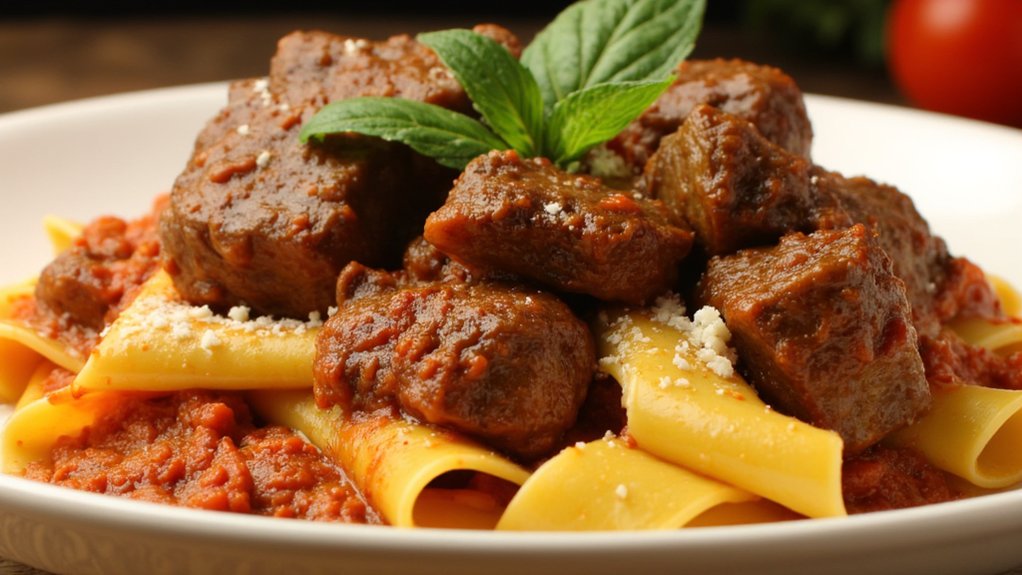
When I think of Italian cuisine, the rich aroma of a simmering meat sauce fills my senses. Each region of Italy has its own signature sauce, bursting with unique flavors and history. From a hearty Ragù alla Bolognese to a zesty Sugo di Carne, these sauces are crafted with love and time-honored techniques. Curious to discover which sauces have stood the test of time and continue to captivate taste buds? Let’s explore these trusted recipes together.
Classic Bolognese Sauce
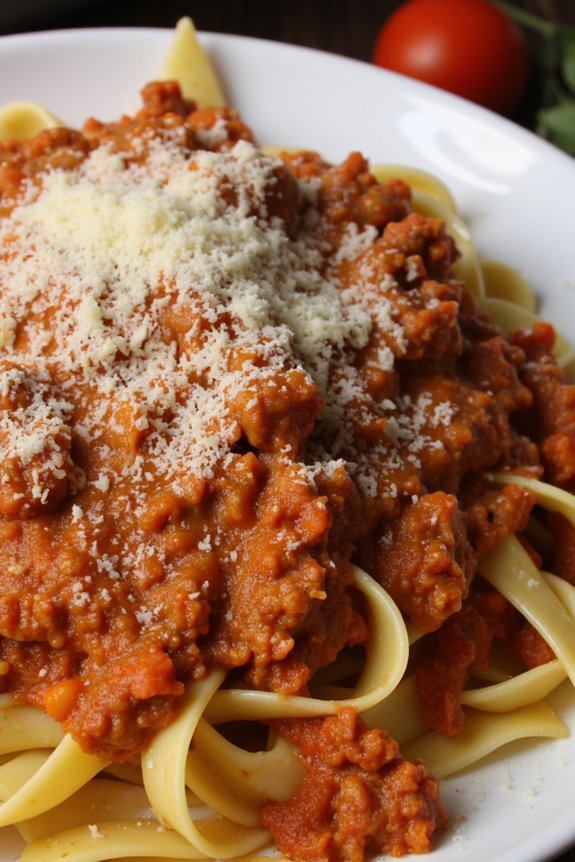
Bolognese sauce, known as “Ragù alla Bolognese” in Italy, is a rich and hearty Italian meat sauce that hails from Bologna. It’s traditionally served with tagliatelle pasta, but it also pairs wonderfully with other types of pasta such as pappardelle or fettuccine. The sauce is characterized by its slow-cooked, savory flavors that develop as the meat, vegetables, and tomatoes meld together over time. A classic Bolognese is a labor of love, requiring patience to allow the ingredients to simmer and reduce to perfection.
This recipe for Classic Bolognese Sauce is designed to serve 4-6 people, making it perfect for a family dinner or a gathering with friends. The base of the sauce is a mirepoix of onions, carrots, and celery, combined with ground beef and pork for depth of flavor. The sauce is finished with a splash of milk or cream, which adds a touch of richness and helps to balance the acidity of the tomatoes. Follow the steps below to create a delicious Bolognese sauce that will transport your taste buds straight to Italy.
Ingredients:
- 2 tablespoons olive oil
- 1 medium onion, finely chopped
- 2 carrots, finely chopped
- 2 celery stalks, finely chopped
- 2 cloves garlic, minced
- 1 pound ground beef
- 1/2 pound ground pork
- 1 cup dry white wine
- 1 cup whole milk
- 28 ounces canned crushed tomatoes
- 1/4 cup tomato paste
- 1 teaspoon dried oregano
- 1 teaspoon dried basil
- Salt and pepper to taste
- Freshly grated Parmesan cheese (for serving)
- Tagliatelle pasta (or pasta of choice)
Instructions:
- Prepare the Vegetables: Begin by finely chopping the onion, carrots, and celery. These three vegetables form the base of the sauce and are essential for flavor. Mince the garlic cloves and set aside.
- Cook the Vegetables: Heat the olive oil in a large, heavy-bottomed pot over medium heat. Add the chopped onion, carrots, and celery, and sauté for about 5-7 minutes, or until the vegetables are softened and the onion is translucent. Add the minced garlic and cook for an additional minute.
- Brown the Meat: Increase the heat to medium-high and add the ground beef and pork to the pot. Cook the meat, breaking it up with a wooden spoon, until it’s browned and no longer pink. This should take about 8-10 minutes.
- Deglaze with Wine: Pour in the white wine, stirring to scrape up any bits from the bottom of the pot. Allow the wine to simmer and reduce by half, which should take about 5 minutes.
- Add Milk: Lower the heat to medium and add the milk. Stir occasionally and let it simmer until mostly absorbed. This step adds a bit of richness to the sauce.
- Incorporate Tomatoes and Seasoning: Stir in the crushed tomatoes and tomato paste. Add the dried oregano, basil, and season with salt and pepper. Bring the sauce to a gentle simmer.
- Simmer the Sauce: Reduce the heat to low and partially cover the pot with a lid. Allow the sauce to simmer gently for 2-3 hours, stirring occasionally. This slow cooking process helps develop the rich flavors characteristic of a Bolognese sauce.
- Adjust Seasoning: Taste the sauce and adjust the seasoning with additional salt and pepper if needed. If the sauce is too thick, you can add a bit of water or chicken broth to reach your desired consistency.
- Cook the Pasta: About 20 minutes before the sauce is done, bring a large pot of salted water to a boil and cook the tagliatelle pasta according to package instructions. Reserve 1 cup of pasta water before draining.
- Combine and Serve: Toss the cooked pasta with the sauce, adding a splash of reserved pasta water if needed to help the sauce adhere to the pasta. Serve with freshly grated Parmesan cheese.
Extra Tips:
For an even more authentic taste, consider using a mix of meats, such as a combination of ground veal, pork, and beef. If you prefer a smoother texture, you can pulse the vegetable mixture in a food processor before cooking.
Also, be patient with the simmering process; the longer you allow the sauce to cook, the more the flavors will develop. If possible, make the sauce a day ahead, as it tastes even better the next day once the flavors have melded together. Enjoy your Classic Bolognese Sauce with a glass of your favorite Italian red wine for a true taste of Italy.
Neapolitan Ragù Alla Napoletana
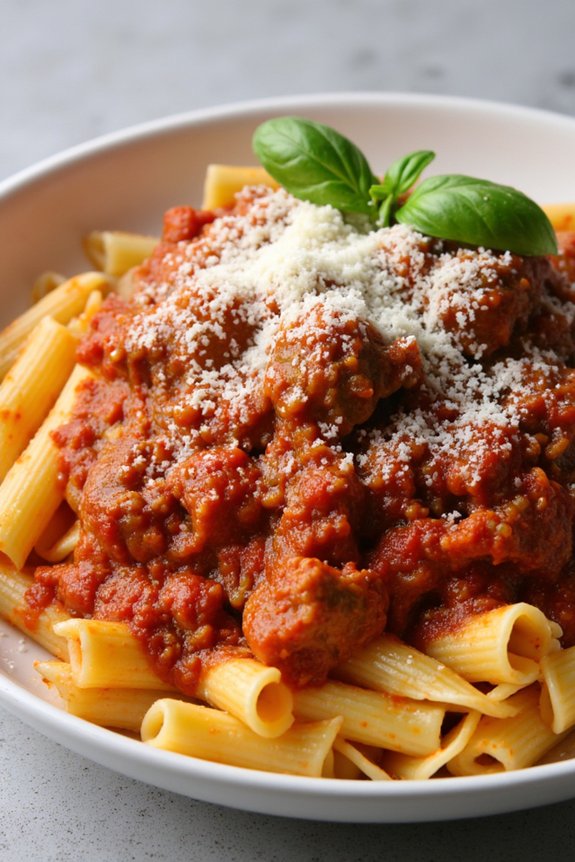
Neapolitan Ragù Alla Napoletana is a classic Italian meat sauce that embodies the rich and robust flavors of Naples. This hearty sauce is traditionally served over pasta and is a staple in Neapolitan cuisine. The ragù is distinctive due to its long, slow cooking process, allowing the flavors to meld together and create a deeply flavorful sauce. The dish is characterized by its use of different types of meat, which contribute to its rich and complex taste.
It’s a perfect dish for a family gathering or any occasion that calls for authentic Italian comfort food. The essence of Ragù Alla Napoletana lies in its simplicity and the quality of its ingredients. The sauce is built on a base of tomatoes, onions, and a variety of meats, typically including beef and pork.
It’s slowly simmered for several hours, allowing the meats to become tender and the flavors to develop fully. The result is a thick, savory sauce that clings beautifully to pasta. This recipe serves 4-6 people, making it ideal for a cozy dinner with family or friends.
Ingredients:
- 2 tablespoons olive oil
- 1 large onion, finely chopped
- 2 cloves garlic, minced
- 1 pound beef chuck, cut into large chunks
- 1/2 pound pork ribs or pork shoulder, cut into large chunks
- 1/2 cup red wine
- 2 cans (28 ounces each) crushed tomatoes
- 2 tablespoons tomato paste
- 1 teaspoon sugar
- Salt and pepper to taste
- 1 bay leaf
- Fresh basil leaves, for garnish
- Grated Parmigiano-Reggiano cheese, for serving
- 1 pound pasta (such as rigatoni or ziti)
Cooking Instructions:
- Prepare the Ingredients: Begin by gathering all the ingredients for the ragù. Chop the onion finely and mince the garlic. Cut the beef and pork into large chunks, making sure they’re roughly the same size for even cooking.
- Brown the Meat: In a large, heavy-bottomed pot, heat the olive oil over medium heat. Add the beef and pork chunks, and brown them on all sides. This should take about 8-10 minutes. Remove the meat and set aside.
- Sauté the Aromatics: In the same pot, add the chopped onions and sauté until they become translucent, about 5 minutes. Add the minced garlic and cook for an additional 1-2 minutes until fragrant.
- Deglaze the Pot: Pour in the red wine to deglaze the pot, scraping up any browned bits from the bottom. Let the wine simmer for a couple of minutes to reduce slightly.
- Simmer the Sauce: Return the browned meat to the pot. Add the crushed tomatoes, tomato paste, sugar, salt, pepper, and bay leaf. Stir well to combine.
- Cook the Ragù: Reduce the heat to low, cover the pot, and let the sauce simmer gently for 3-4 hours. Stir occasionally to make certain it doesn’t stick to the bottom. The sauce is ready when the meat is tender and the sauce has thickened.
- Cook the Pasta: About 20 minutes before the sauce is ready, cook the pasta according to package instructions. Drain and set aside.
- Serve the Dish: Remove the bay leaf from the sauce. Toss the cooked pasta with the ragù, making sure it’s well coated. Serve hot, garnished with fresh basil leaves and grated Parmigiano-Reggiano cheese.
Extra Tips:
For the best results, use high-quality meat and tomatoes. This dish improves in flavor if made a day in advance, allowing the flavors to meld further. Feel free to add a pinch of red pepper flakes if you prefer a bit of heat.
If the sauce becomes too thick during cooking, you can add a little water or beef stock to reach your desired consistency. Finally, remember to adjust the seasoning before serving to make sure the flavors are balanced.
Tuscan Wild Boar Ragù
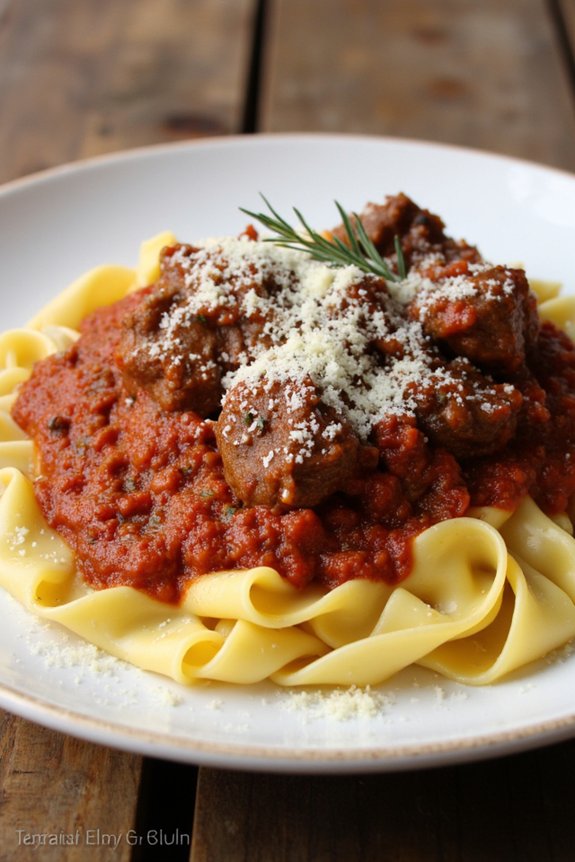
Tuscan Wild Boar Ragù is a hearty and rich meat sauce that hails from the rustic kitchens of Tuscany. This traditional Italian dish is deeply rooted in the region’s culinary heritage, using wild boar to create a robust and flavorful ragù that’s perfect for cooler weather. Slow-cooked to perfection, the sauce captures the essence of the Tuscan countryside, with the aromatic blend of herbs and red wine enriching the tender boar meat.
Ideal for serving over pasta or polenta, Tuscan Wild Boar Ragù is a comforting dish that brings a taste of Italy to your table.
The key to an authentic Tuscan Wild Boar Ragù is allowing the meat to marinate overnight, which helps to tenderize it and infuse it with flavor. This dish requires some patience, as the slow-cooking process is what allows the flavors to develop fully. The result is a fragrant and savory sauce that pairs beautifully with a hearty pasta like pappardelle or even a creamy polenta.
Whether you’re hosting a dinner party or simply want to enjoy a taste of Tuscany at home, this ragù won’t disappoint.
Ingredients (Serves 4-6)
- 2 pounds of wild boar shoulder or leg, cut into 1-inch cubes
- 2 cups of red wine (Chianti or other Tuscan wine)
- 4 tablespoons olive oil
- 1 large onion, finely chopped
- 2 carrots, finely chopped
- 2 celery stalks, finely chopped
- 4 cloves of garlic, minced
- 1 28-ounce can of crushed tomatoes
- 2 tablespoons tomato paste
- 1 cup beef or game stock
- 2 bay leaves
- 1 sprig fresh rosemary
- 1 teaspoon dried thyme
- Salt and freshly ground black pepper, to taste
- Freshly grated Parmesan cheese, for serving
- Fresh pappardelle pasta or creamy polenta, for serving
Cooking Instructions
- Marinate the Boar: Place the wild boar cubes in a large bowl. Pour in the red wine, cover, and refrigerate for at least 12 hours or overnight. This will help tenderize the meat and infuse it with flavor.
- Prepare the Aromatics: In a large pot or Dutch oven, heat the olive oil over medium heat. Add the chopped onion, carrots, and celery. Sauté until the vegetables are softened, about 8-10 minutes. Stir in the minced garlic and cook for another minute.
- Brown the Meat: Remove the wild boar from the marinade, pat it dry with paper towels, and season with salt and pepper. Increase the heat to medium-high and brown the meat in batches in the pot. Make certain each piece is browned on all sides. Remove the meat and set it aside.
- Deglaze and Combine: Return all the meat to the pot and pour in the wine marinade. Bring to a simmer, scraping up any browned bits from the bottom of the pot. Add the crushed tomatoes, tomato paste, beef stock, bay leaves, rosemary, and thyme. Stir to combine.
- Simmer the Ragù: Reduce the heat to low, cover, and simmer gently for about 2-3 hours, stirring occasionally, until the meat is tender and the sauce has thickened. Adjust the seasoning with salt and pepper to taste.
- Serve: Discard the bay leaves and rosemary sprig. Serve the ragù over freshly cooked pappardelle pasta or creamy polenta. Top with freshly grated Parmesan cheese.
Extra Tips
For the best flavor, it’s essential to let the boar marinate overnight. If wild boar is unavailable, you can substitute it with pork shoulder, though the flavor will be slightly different.
Be patient with the simmering process, as this is what develops the deep, rich flavors of the ragù. If you find the sauce too thick, you can add a bit more stock to reach your desired consistency.
Finally, pairing this dish with a glass of the same wine used in the sauce will enhance your dining experience.
Sicilian Pork and Red Wine Sauce
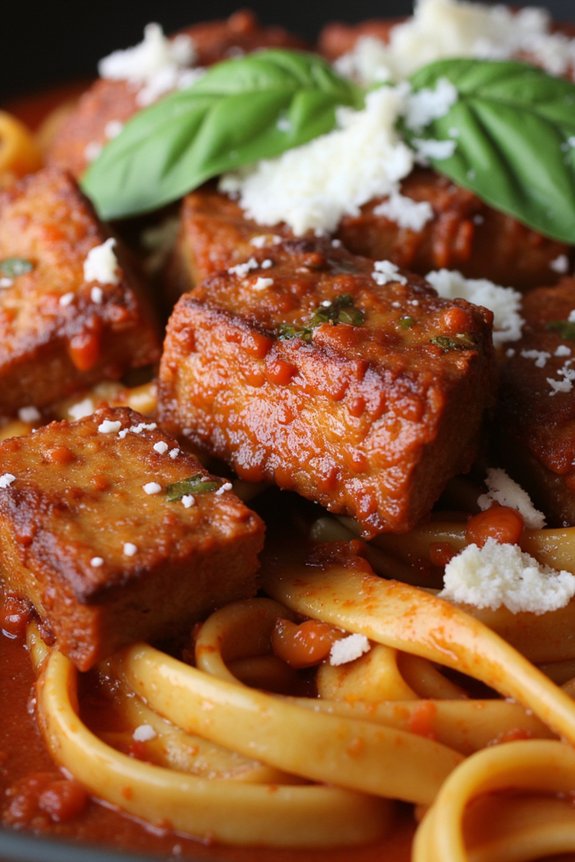
Sicilian Pork and Red Wine Sauce is a rich and hearty dish that brings the flavors of Sicily straight to your table. This sauce combines tender pork with robust red wine, creating a deep, flavorful base that’s perfect for pasta. The addition of tomatoes, herbs, and a touch of spice makes this sauce a true delight for the senses.
Whether you’re preparing a special dinner or simply craving a comforting meal, this Sicilian Pork and Red Wine Sauce is sure to satisfy.
The process begins by browning the pork to enhance its flavor, followed by simmering it slowly in a mixture of red wine and tomatoes. This allows the flavors to meld together beautifully, resulting in a sauce that’s both complex and comforting. The result is a deliciously aromatic sauce that pairs perfectly with your favorite pasta, making it a wonderful choice for a family meal or entertaining guests.
Ingredients (Serves 4-6)
- 1 pound pork shoulder, cut into 1-inch cubes
- Salt and pepper, to taste
- 3 tablespoons olive oil
- 1 large onion, finely chopped
- 3 cloves garlic, minced
- 1 cup red wine (preferably a Sicilian variety)
- 1 can (28 ounces) crushed tomatoes
- 2 tablespoons tomato paste
- 1 teaspoon dried oregano
- 1/2 teaspoon red pepper flakes
- 2 bay leaves
- 1/4 cup fresh basil leaves, chopped
- Freshly grated Parmesan cheese, for serving
- Cooked pasta of choice, for serving
Cooking Instructions
- Prepare the Pork: Season the pork cubes with salt and pepper. In a large pot or Dutch oven, heat the olive oil over medium-high heat. Add the pork cubes and brown them on all sides until they develop a nice crust, about 6-8 minutes. Remove the pork from the pot and set aside.
- Sauté Aromatics: In the same pot, add the chopped onion and cook until it becomes translucent, about 5 minutes. Add the minced garlic and sauté for an additional minute, until fragrant.
- Deglaze with Wine: Pour in the red wine, scraping up any browned bits from the bottom of the pot. Allow the wine to simmer for 2-3 minutes to reduce slightly.
- Simmer the Sauce: Return the browned pork to the pot. Add the crushed tomatoes, tomato paste, oregano, red pepper flakes, and bay leaves. Stir well to combine. Reduce the heat to low, cover, and let the sauce simmer gently for about 1.5 to 2 hours, or until the pork is tender and the flavors have melded together.
- Finish the Sauce: Remove the bay leaves from the sauce. Stir in the chopped basil and adjust seasoning with salt and pepper to taste. Let the sauce simmer for an additional 5 minutes.
- Serve: Toss the sauce with cooked pasta and serve with freshly grated Parmesan cheese.
Extra Tips
For the best results, use a good quality red wine, as this will greatly impact the flavor of your sauce. If you have the time, marinating the pork in the wine for a few hours or overnight before cooking can add even more depth to the dish.
Additionally, allowing the sauce to sit for a day in the refrigerator can enhance the flavors, making it an excellent make-ahead option. When serving, consider pairing the dish with a crisp green salad and some crusty bread to soak up the delicious sauce.
Umbrian Sausage Ragù
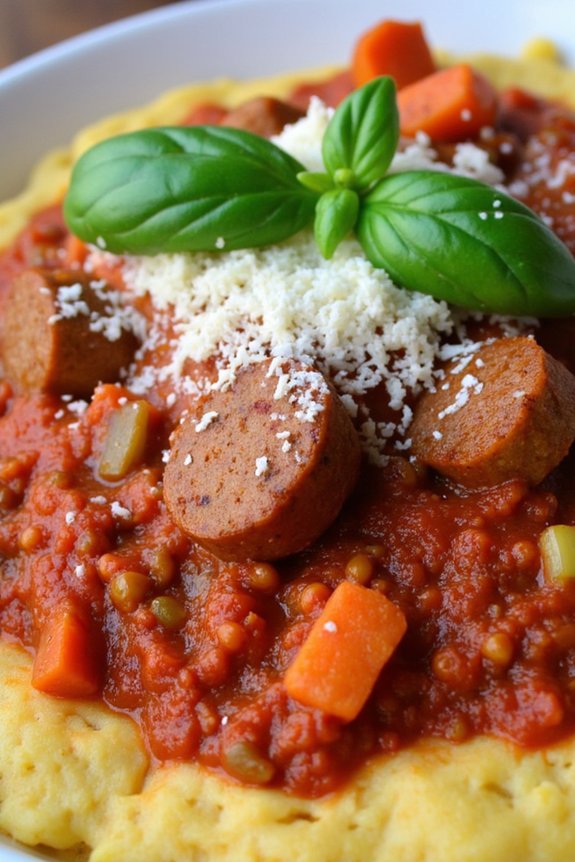
Umbrian Sausage Ragù is a rich and flavorful meat sauce that hails from the heart of Italy. This rustic dish combines the robust flavors of Italian sausage with a medley of aromatic ingredients, creating a sauce that’s perfect for pairing with pasta or polenta. The key to this classic Umbrian recipe is the slow simmering process, which allows the flavors to meld beautifully, resulting in a hearty and satisfying meal.
The recipe is perfect for a cozy family dinner, serving between 4 to 6 people. It captures the essence of Umbrian cuisine, which celebrates simple yet high-quality ingredients. The use of Italian sausage adds a savory depth, while the addition of fresh herbs and tomatoes brings a bright and fresh note to the sauce. Whether you’re a seasoned cook or a beginner, this recipe will guide you through creating a meal that’s sure to impress.
Ingredients (serving size: 4-6 people):
- 1 lb Italian sausage (mild or spicy, according to preference)
- 2 tablespoons olive oil
- 1 large onion, finely chopped
- 2 cloves garlic, minced
- 1 carrot, finely chopped
- 1 celery stalk, finely chopped
- 1 cup red wine
- 1 can (28 oz) crushed tomatoes
- 1 teaspoon dried oregano
- 1 teaspoon dried basil
- Salt and pepper to taste
- Freshly grated Parmesan cheese (optional, for serving)
- Fresh basil leaves (optional, for garnish)
Cooking Instructions:
- Prepare the Ingredients: Begin by chopping the onion, carrot, and celery finely. Mince the garlic and set aside. Remove the casing from the Italian sausage and crumble it into small pieces.
- Cook the Sausage: In a large skillet or saucepan, heat the olive oil over medium heat. Add the crumbled sausage and cook until browned, breaking it up with a wooden spoon as it cooks. This should take about 5-7 minutes. Remove the sausage from the pan and set aside.
- Sauté the Vegetables: In the same pan, add the chopped onion, carrot, and celery. Sauté over medium heat until the vegetables are soft and the onion is translucent, about 5 minutes. Add the minced garlic and cook for an additional minute until fragrant.
- Deglaze the Pan: Pour in the red wine to deglaze the pan, scraping up any browned bits from the bottom. Allow the wine to simmer until it’s reduced by half, approximately 3-4 minutes.
- Add the Tomatoes and Herbs: Stir in the crushed tomatoes, dried oregano, and dried basil. Return the browned sausage to the pan and season with salt and pepper.
- Simmer the Sauce: Reduce the heat to low and let the sauce simmer gently for at least 30 minutes, stirring occasionally. This allows the flavors to meld together and the sauce to thicken.
- Serve: Once the sauce has reached your desired consistency, taste and adjust seasoning if necessary. Serve over your choice of pasta or polenta, topped with freshly grated Parmesan cheese and garnished with fresh basil leaves if desired.
Extra Tips:
For the best flavor, it’s important to use high-quality Italian sausage, as it serves as the primary flavor base for the ragù. If time allows, consider simmering the sauce for longer than 30 minutes to deepen the flavors even further.
This dish can also be made in advance and tastes even better the next day as the flavors continue to develop. If you have leftovers, store them in an airtight container in the refrigerator for up to three days.
Roman Ragù Alla Vaccinara
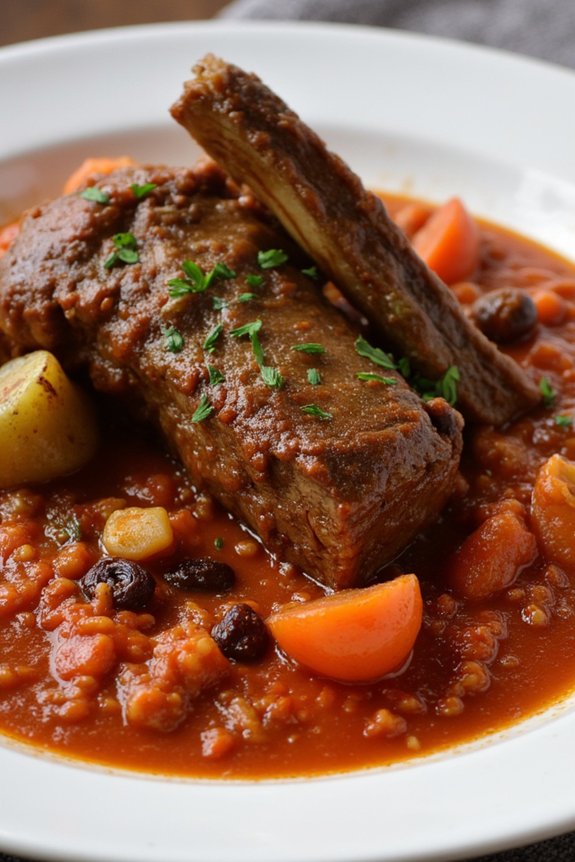
Ragù Alla Vaccinara is a traditional Italian meat sauce that originates from the heart of Rome. Known for its rich, hearty flavors and deep, savory undertones, this dish is a celebration of slow-cooked oxtail simmered in a robust tomato sauce with aromatic vegetables and spices. The term “vaccinara” refers to the butchers or “vaccinari” who originally made this dish, making use of the less popular cuts of meat and turning them into a culinary delight.
Perfect for a comforting meal, Ragù Alla Vaccinara pairs beautifully with pasta, polenta, or simply some crusty bread to soak up the flavorful sauce.
This dish is renowned not just for its taste but also for its cultural significance within Roman cuisine. It requires patience and a slow cooking process to allow the flavors to meld together, resulting in a tender, flavorful sauce. Ragù Alla Vaccinara is an excellent example of traditional Italian cooking where simple ingredients are transformed through time and technique into something extraordinary.
The following recipe serves 4-6 people and is sure to bring a taste of Rome to your dining table.
Ingredients (Serves 4-6):
- 2 ½ pounds oxtail, cut into pieces
- 3 tablespoons olive oil
- 1 large onion, finely chopped
- 2 carrots, finely chopped
- 2 celery stalks, finely chopped
- 3 garlic cloves, minced
- 1 cup dry red wine
- 28 ounces canned crushed tomatoes
- 2 tablespoons tomato paste
- 1 cup beef broth
- 2 bay leaves
- 1 teaspoon dried thyme
- Salt and pepper, to taste
- ½ cup raisins
- 1 tablespoon unsweetened cocoa powder
- Fresh parsley, chopped (for garnish)
Instructions:
- Prepare the Oxtail: Pat the oxtail pieces dry with paper towels and season them generously with salt and pepper. This step guarantees that the meat browns well, which is essential for developing a deep flavor.
- Brown the Meat: Heat the olive oil in a large, heavy-bottomed pot or Dutch oven over medium-high heat. Add the oxtail pieces in batches, making sure not to overcrowd the pot. Brown each side of the oxtail pieces thoroughly, about 4-5 minutes per side. Remove the browned oxtail from the pot and set aside.
- Sauté Vegetables: Reduce the heat to medium and add the chopped onion, carrots, and celery to the same pot. Sauté for about 6-8 minutes until the vegetables are softened. Add the minced garlic and cook for an additional minute until fragrant.
- Deglaze with Wine: Pour the red wine into the pot to deglaze, scraping up any browned bits from the bottom. Let the wine simmer for 2-3 minutes to allow the alcohol to evaporate slightly.
- Add Tomatoes and Broth: Stir in the crushed tomatoes, tomato paste, and beef broth. Return the browned oxtail to the pot, making sure they’re submerged in the sauce.
- Season and Simmer: Add the bay leaves, dried thyme, and season with additional salt and pepper as needed. Bring the mixture to a simmer, then reduce the heat to low. Cover the pot and let it simmer gently for about 3-4 hours, or until the oxtail is tender and the sauce has thickened.
- Incorporate Sweet and Bitter Notes: About 30 minutes before the end of cooking, add the raisins and cocoa powder to the sauce. Stir well to incorporate these elements, which add a subtle sweetness and depth to the dish.
- Serve: Once the oxtail is tender and falling off the bone, remove the bay leaves, and adjust seasoning if necessary. Garnish with freshly chopped parsley before serving.
Extra Tips:
When cooking Ragù Alla Vaccinara, patience is key. The longer you allow the dish to simmer, the more tender and flavorful the oxtail will become.
If the sauce becomes too thick during cooking, feel free to add a bit more beef broth or water to maintain the desired consistency. Additionally, preparing this dish a day in advance can enhance its flavors, as the ingredients have more time to meld together. Reheat gently before serving to enjoy the best of its robust flavors.
Calabrian Spicy ‘Nduja Sauce
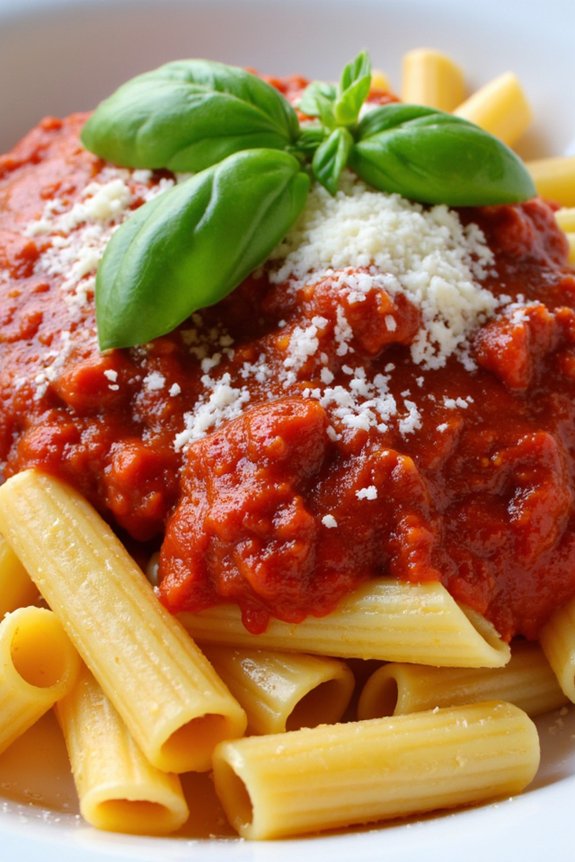
Calabrian Spicy ‘Nduja Sauce is a robust and fiery Italian meat sauce that hails from the southern region of Calabria. Known for its vibrant red color and bold, spicy flavor, this sauce features ‘Nduja, a unique spreadable pork salami, as its star ingredient. ‘Nduja is made from pork, spices, and a generous amount of Calabrian chili peppers, giving this sauce its characteristic heat. This dish perfectly complements a variety of pasta shapes, from hearty rigatoni to delicate fettuccine, and is perfect for those who appreciate a little spice in their meals.
This recipe combines the rich flavors of ‘Nduja with a blend of aromatic vegetables and tomatoes to create a sauce that’s both hearty and comforting. The combination of sweet onions, pungent garlic, and juicy tomatoes balances the fiery kick of the ‘Nduja, resulting in a sauce that’s complex and satisfying. Ideal for a cozy dinner or a gathering with friends, this sauce can be prepared with ease and is sure to impress any lover of Italian cuisine.
Ingredients (serves 4-6):
- 200g ‘Nduja sausage
- 2 tablespoons olive oil
- 1 large onion, finely chopped
- 3 cloves garlic, minced
- 1 can (28-ounce) crushed tomatoes
- 1 tablespoon tomato paste
- 1 teaspoon dried oregano
- 1 teaspoon dried basil
- Salt and freshly ground black pepper to taste
- 1/2 cup grated Pecorino Romano cheese
- Fresh basil leaves for garnish
- 500g pasta of choice (e.g. rigatoni or fettuccine)
Cooking Instructions:
- Prepare the Ingredients: Begin by finely chopping the onion and mincing the garlic. Set these aside. Measure out your ‘Nduja, ensuring it’s at room temperature for easier incorporation into the sauce.
- Sauté the Aromatics: In a large skillet or saucepan, heat the olive oil over medium heat. Add the chopped onion and sauté for about 5 minutes until it becomes soft and translucent. Add the minced garlic and cook for an additional 1-2 minutes until fragrant.
- Incorporate the ‘Nduja: Add the ‘Nduja to the pan with the onions and garlic. Use a wooden spoon to break it up and mix it in with the aromatics. Cook for 3-4 minutes, allowing the ‘Nduja to melt and infuse the oil with its spicy flavor.
- Add Tomatoes and Seasonings: Pour in the crushed tomatoes and add the tomato paste. Stir well to combine with the ‘Nduja mixture. Add the dried oregano and basil, and season with salt and black pepper to taste. Bring the sauce to a gentle simmer.
- Simmer the Sauce: Reduce the heat to low and let the sauce simmer for about 30 minutes, stirring occasionally. This allows the flavors to meld together and the sauce to thicken slightly.
- Cook the Pasta: While the sauce is simmering, cook your pasta according to the package instructions until al dente. Reserve a cup of pasta water before draining.
- Combine Pasta and Sauce: Add the cooked pasta directly to the sauce. If the sauce is too thick, add a little reserved pasta water to reach the desired consistency. Toss the pasta to coat it evenly with the sauce.
- Serve: Divide the pasta among serving plates. Sprinkle each serving with grated Pecorino Romano cheese and garnish with fresh basil leaves.
Extra Tips:
When working with ‘Nduja, be aware that it’s quite spicy, so adjust the amount to suit your heat preference. If you’re new to ‘Nduja, start with a smaller quantity and add more as needed.
The sauce can be prepared ahead of time and stored in the refrigerator for up to three days, allowing the flavors to deepen over time. For a vegetarian version, consider replacing ‘Nduja with a plant-based spicy sausage. Enjoy this Calabrian delight with a glass of red wine to complement its rich and spicy flavors.
Venetian Duck Ragù
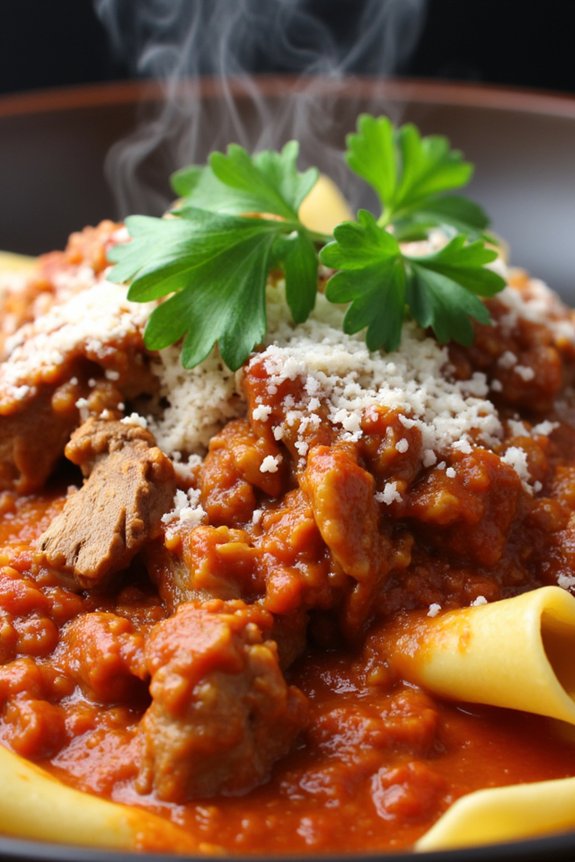
Venetian Duck Ragù is a sumptuous and hearty dish that brings the rich culinary traditions of Venice to your dining table. This ragù is typically served with pasta, offering a delightful combination of tender duck meat simmered slowly in a savory tomato-based sauce enriched with aromatic herbs and spices. It’s a perfect dish for a cozy dinner, bringing warmth and comfort, with layers of flavor that develop beautifully over time.
The duck, with its unique taste, adds a luxurious twist to the traditional meat sauce, making it an unforgettable experience for your taste buds. Originating from the Veneto region, Venetian Duck Ragù is a classic example of Italian cuisine’s ingenuity, which transforms simple ingredients into an exquisite dish.
The ragù is slow-cooked to guarantee that the duck meat becomes meltingly tender, while the sauce thickens and develops a deep, robust flavor. The key to this dish lies in the quality of ingredients and the patience to let the ragù cook slowly, allowing every component to meld together perfectly.
Served over your choice of pasta, such as pappardelle or tagliatelle, it makes for a comforting and satisfying meal that can be enjoyed with family and friends.
Ingredients (Serves 4-6):
- 2 duck legs
- Salt and pepper
- 2 tablespoons olive oil
- 1 onion, finely chopped
- 2 carrots, finely chopped
- 2 celery stalks, finely chopped
- 3 garlic cloves, minced
- 1 cup dry red wine
- 1 can (28 ounces) crushed tomatoes
- 2 tablespoons tomato paste
- 1 teaspoon dried oregano
- 1 teaspoon dried thyme
- 1 bay leaf
- 1 cup chicken stock
- Freshly grated Parmesan cheese, for serving
- Fresh parsley, chopped, for garnish
- 500g pappardelle or tagliatelle pasta
Cooking Instructions:
- Prepare the Duck Legs: Season the duck legs generously with salt and pepper. Heat the olive oil in a large, heavy-bottomed pan over medium-high heat. Add the duck legs, skin side down, and cook until browned and crispy, about 5-7 minutes per side. Remove the duck legs from the pan and set aside.
- Sauté the Vegetables: In the same pan, add the onion, carrots, and celery. Cook over medium heat until the vegetables are soft and beginning to brown, approximately 8-10 minutes. Add the minced garlic and sauté for another minute until fragrant.
- Deglaze with Wine: Pour in the red wine to deglaze the pan, scraping up any browned bits from the bottom. Let it simmer for about 5 minutes until the wine has reduced by half.
- Build the Sauce: Stir in the crushed tomatoes, tomato paste, oregano, thyme, and bay leaf. Return the duck legs to the pan, nestling them into the sauce. Pour in the chicken stock, guaranteeing the duck is mostly submerged.
- Simmer the Ragù: Bring the mixture to a boil, then reduce the heat to low. Cover the pan and let the sauce simmer gently for about 2 to 2.5 hours, or until the duck meat is very tender and easily pulls away from the bone.
- Shred the Duck: Once the duck is tender, remove the legs from the sauce. Let them cool slightly, then shred the meat, discarding the skin and bones. Return the shredded duck meat to the sauce and stir well.
- Cook the Pasta: While the ragù finishes cooking, bring a large pot of salted water to a boil. Cook the pasta according to package instructions until al dente. Drain the pasta and toss it with the ragù, mixing thoroughly to coat the pasta with the sauce.
- Serve: Serve the Venetian Duck Ragù hot, topped with freshly grated Parmesan cheese and a sprinkle of chopped parsley for garnish.
Extra Tips: For a truly authentic experience, use fresh herbs if available, as they can enhance the flavor of your ragù even more. If you have time, prepare the ragù a day in advance; the flavors will deepen and improve as it sits.
If you prefer a thicker sauce, remove the lid during the last 30 minutes of cooking to allow the ragù to reduce further. Additionally, make sure you choose a good quality red wine, as it will greatly impact the sauce’s flavor.
Abruzzese Lamb Ragù
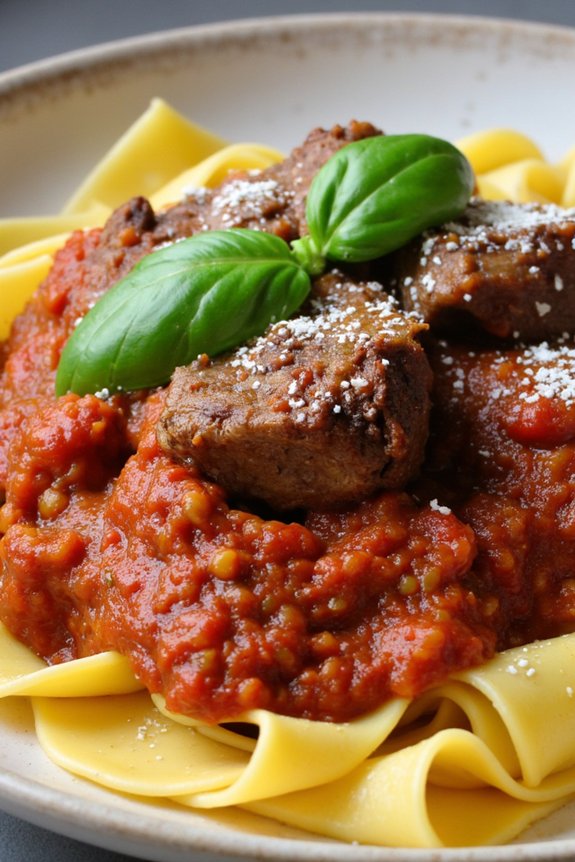
Abruzzese Lamb Ragù is a traditional Italian meat sauce that hails from the Abruzzo region. Known for its rich and hearty flavors, this dish is made with tender lamb, aromatic vegetables, and a medley of herbs and spices, simmered to perfection. This ragù is typically served with a sturdy pasta such as pappardelle or tagliatelle, which can hold up to the robust sauce, or it can be enjoyed as a comforting topping for creamy polenta. The depth of flavor in this dish is achieved through slow cooking, allowing the lamb to become tender and the flavors to meld beautifully.
The beauty of Abruzzese Lamb Ragù lies in its simplicity and reliance on high-quality ingredients. The dish starts with a mirepoix of onions, carrots, and celery, which forms the base of the sauce. The lamb is then browned to enhance its flavors before being simmered with tomatoes, wine, and a bouquet of herbs. This hearty sauce is perfect for a cozy family meal and transports you to the rustic Italian countryside with every bite. Here is how you can make this delightful dish for 4-6 people.
Ingredients:
- 2 tablespoons olive oil
- 1 pound lamb shoulder, cut into 1-inch cubes
- Salt and pepper to taste
- 1 onion, finely chopped
- 2 carrots, peeled and diced
- 2 celery stalks, diced
- 3 garlic cloves, minced
- 1 cup red wine
- 1 can (28 ounces) crushed tomatoes
- 1 tablespoon tomato paste
- 1 teaspoon dried oregano
- 1 teaspoon dried thyme
- 2 bay leaves
- 1 cup beef stock
- Fresh basil leaves, for garnish
- Freshly grated Parmesan cheese, for serving
- Pasta of choice (pappardelle or tagliatelle recommended)
Cooking Instructions:
- Prepare Ingredients: Begin by gathering all your ingredients and prepping your vegetables. Chop the onions, carrots, and celery, and mince the garlic to have everything ready for cooking.
- Brown the Lamb: Heat the olive oil in a large pot or Dutch oven over medium-high heat. Season the lamb cubes with salt and pepper. Add the lamb to the pot in batches, ensuring not to overcrowd, and brown on all sides. Remove the browned lamb from the pot and set aside.
- Sauté Vegetables: In the same pot, add the onions, carrots, and celery. Cook until the vegetables are softened, about 5-7 minutes. Add the minced garlic and sauté for an additional minute until fragrant.
- Deglaze with Wine: Pour the red wine into the pot and scrape up any browned bits from the bottom. Allow the wine to reduce slightly for about 2-3 minutes.
- Simmer the Ragù: Return the browned lamb to the pot. Stir in the crushed tomatoes, tomato paste, oregano, thyme, and bay leaves. Add the beef stock and bring the mixture to a simmer. Reduce the heat to low, cover partially, and allow the ragù to cook for 2-3 hours, stirring occasionally, until the lamb is tender.
- Cook Pasta: As the ragù nears completion, cook your pasta according to the package instructions. Drain and set aside.
- Serve: Remove the bay leaves from the ragù. Taste and adjust seasoning with salt and pepper if necessary. Serve the ragù over the cooked pasta, garnished with fresh basil and a generous sprinkle of Parmesan cheese.
Extra Tips:
For the best flavor, use a good quality red wine that you’d enjoy drinking. Always allow the ragù to simmer gently, as high heat can cause the lamb to become tough. If the sauce becomes too thick during cooking, you can add a little more beef stock or water to reach your desired consistency.
Leftovers of Abruzzese Lamb Ragù can be stored in the refrigerator for up to three days and often taste even better the next day as the flavors continue to develop.
Piedmontese Beef and Barolo Sauce
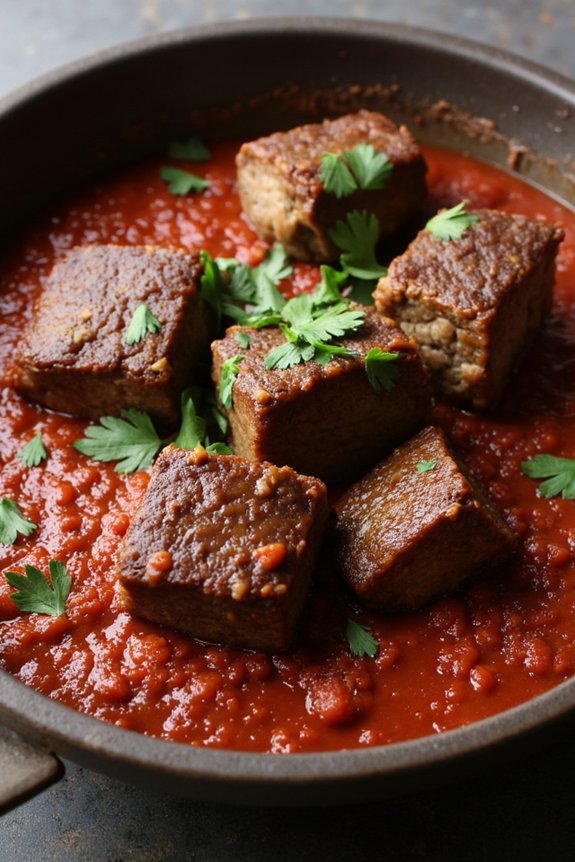
Piedmontese Beef and Barolo Sauce is a rich and flavorful Italian dish that showcases the culinary traditions of the Piedmont region, known for its exceptional beef and world-renowned Barolo wine. This sauce is perfect for those special occasions when you want to impress your guests with an authentic Italian meal that combines the robust flavors of beef with the deep, complex notes of Barolo wine.
The slow-cooked beef becomes tender and succulent, absorbing the aromatic blend of herbs, spices, and wine, resulting in a hearty sauce that’s perfect for pairing with your favorite pasta or polenta.
This recipe captures the essence of Piedmontese cuisine, where quality ingredients and simple cooking techniques bring out the best flavors. The key to this dish is using high-quality beef and a good Barolo wine that will infuse the sauce with its distinctive character.
The preparation involves a slow simmering process that allows the flavors to meld together beautifully, resulting in a sauce that’s both rich and satisfying. Whether you’re a seasoned cook or a beginner, following these instructions will guide you in creating a memorable Piedmontese Beef and Barolo Sauce for your next dinner gathering.
Ingredients (Serves 4-6):
- 2 pounds beef chuck, cut into 1-inch cubes
- 1 tablespoon olive oil
- 1 onion, finely chopped
- 2 carrots, diced
- 2 celery stalks, diced
- 3 cloves garlic, minced
- 1 cup Barolo wine
- 1 cup beef stock
- 2 tablespoons tomato paste
- 1 teaspoon dried thyme
- 1 teaspoon dried rosemary
- 2 bay leaves
- Salt and pepper to taste
- Fresh parsley, chopped for garnish
Cooking Instructions:
- Prepare the Ingredients: Start by cutting the beef chuck into 1-inch cubes and season them with salt and pepper. Chop the onion finely, dice the carrots and celery, and mince the garlic. Set all prepared ingredients aside.
- Brown the Beef: In a large, heavy-bottomed pot, heat the olive oil over medium-high heat. Add the beef cubes in batches, ensuring not to overcrowd the pot. Brown the beef on all sides until a crust forms, then remove it from the pot and set aside.
- Sauté the Vegetables: In the same pot, add a little more olive oil if needed, and sauté the chopped onion, carrots, and celery over medium heat until they’re soft and the onion is translucent, about 5-7 minutes. Add the minced garlic and cook for an additional minute.
- Deglaze with Barolo Wine: Pour in the Barolo wine to deglaze the pot, scraping up any browned bits from the bottom. Let the wine simmer for a few minutes to reduce slightly and intensify the flavor.
- Combine and Simmer: Return the browned beef to the pot. Add the beef stock, tomato paste, thyme, rosemary, bay leaves, and a pinch of salt and pepper. Stir everything together, bring to a gentle simmer, then reduce the heat to low.
- Cook Slowly: Cover the pot and let the sauce simmer gently for 2 to 3 hours, stirring occasionally, until the beef is tender and the sauce has thickened. Adjust the seasoning with additional salt and pepper if needed.
- Serve: Once the beef is tender, remove the bay leaves and discard. Serve the Piedmontese Beef and Barolo Sauce over pasta or polenta, garnished with freshly chopped parsley.
Extra Tips:
For the best results, choose a well-marbled beef chuck that will become tender and flavorful during the slow cooking process. If Barolo wine isn’t available, a good quality full-bodied red wine like a Nebbiolo or Barbera can be used as a substitute.
To enhance the sauce’s richness, consider adding a small piece of dark chocolate towards the end of cooking, which will add depth and complexity. Finally, this dish can be prepared a day in advance, as the flavors often deepen and improve when reheated, making it an excellent option for make-ahead entertaining.
Ligurian Rabbit Ragù
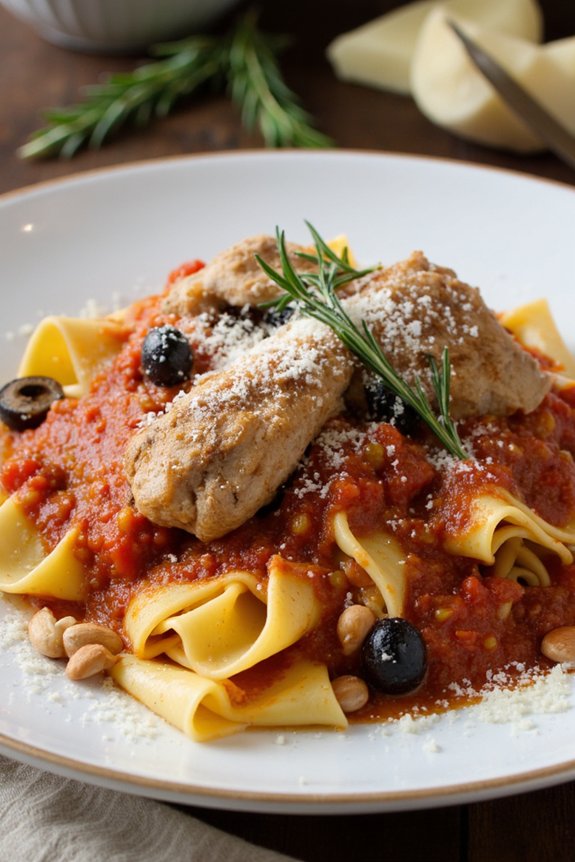
Ligurian Rabbit Ragù is a traditional Italian meat sauce that hails from the coastal region of Liguria. Known for its delicate yet savory flavors, this dish combines tender rabbit meat with aromatic herbs and a touch of white wine to create a rich, flavorful sauce. The ragù is typically served over pasta, making it a comforting and satisfying meal perfect for family gatherings or special occasions.
The combination of fresh ingredients and slow-cooked meat results in an unforgettable taste that’s both rustic and refined. This recipe for Ligurian Rabbit Ragù serves 4-6 people. The preparation involves marinating the rabbit to infuse it with flavor, followed by a slow cooking process that guarantees the meat becomes tender and the sauce develops its full depth of flavor.
Utilizing traditional Italian ingredients such as pine nuts and olives, this dish is a celebration of Ligurian cuisine and its Mediterranean influences. With a little time and patience, you can recreate this classic Italian dish in your own kitchen.
Ingredients:
- 2 ½ pounds rabbit, cut into pieces
- 1 cup dry white wine
- 2 tablespoons olive oil
- 1 onion, finely chopped
- 2 cloves garlic, minced
- 2 carrots, diced
- 2 celery stalks, diced
- 1 bay leaf
- 1 tablespoon fresh rosemary, chopped
- 1 tablespoon fresh thyme, chopped
- 1 teaspoon salt
- ½ teaspoon black pepper
- 1 ½ cups chicken stock
- 1 cup canned tomatoes, crushed
- ¼ cup pine nuts
- ¼ cup black olives, pitted and sliced
- 1 tablespoon tomato paste
- 1 pound pasta of choice (e.g., tagliatelle or pappardelle)
- Grated Parmesan cheese, for serving
Instructions:
- Marinate the Rabbit: Place the rabbit pieces in a large bowl and pour the white wine over them. Cover and let it marinate in the refrigerator for at least 2 hours, preferably overnight, to allow the flavors to penetrate the meat.
- Prepare the Sauce Base: Heat the olive oil in a large skillet over medium heat. Add the chopped onion, garlic, carrots, and celery, sautéing until the vegetables are softened, about 8-10 minutes.
- Brown the Rabbit: Remove the rabbit from the marinade (reserve the marinade) and pat dry with paper towels. Increase the heat to medium-high and add the rabbit pieces to the skillet. Brown the rabbit on all sides, about 5 minutes per side.
- Simmer the Ragù: Add the bay leaf, rosemary, thyme, salt, and pepper to the skillet. Pour in the reserved marinade and chicken stock, bringing the mixture to a simmer. Reduce the heat to low, cover, and cook for 1 hour, stirring occasionally.
- Add Tomatoes and Nuts: Stir in the crushed tomatoes, tomato paste, pine nuts, and olives. Continue to simmer uncovered for an additional 30 minutes, or until the rabbit is tender and the sauce has thickened.
- Cook the Pasta: While the ragù is finishing, cook your pasta of choice according to package instructions. Once cooked, drain and set aside.
- Assemble the Dish: Remove the bay leaf from the ragù and adjust seasoning as needed. Toss the cooked pasta with the rabbit ragù, confirming it’s well coated with the sauce.
- Serve: Serve the Ligurian Rabbit Ragù hot, topped with grated Parmesan cheese.
Extra Tips:
When making Ligurian Rabbit Ragù, it’s important to allow the rabbit to marinate for as long as possible to deepen the flavor. If rabbit isn’t readily available, you can substitute with chicken thighs, but be mindful of the cooking time as chicken may cook faster.
To intensify the flavor, consider using homemade chicken stock if you have it. Finally, for a more authentic experience, use fresh herbs whenever possible, as they’ll impart a more vibrant flavor to the dish.
Puglian Braciole Sauce
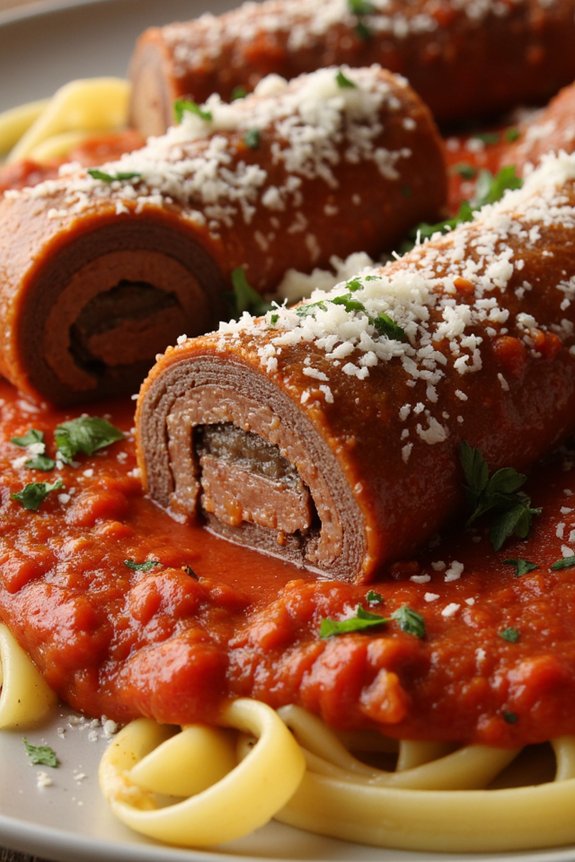
Puglian Braciole Sauce is a traditional Italian meat sauce that originates from the Puglia region of Italy. This dish highlights the rich flavors of slow-cooked beef wrapped in a savory filling and simmered in a robust tomato sauce. The braciole, or beef rolls, are typically made using thin slices of beef that are filled with a mixture of breadcrumbs, cheese, herbs, and sometimes prosciutto, then tied up and cooked slowly to absorb all the wonderful flavors of the tomato sauce.
This hearty dish is perfect for family gatherings or any occasion where you want to impress with authentic Italian cuisine. The beauty of Puglian Braciole Sauce lies in its simplicity and the depth of flavor that’s achieved through slow cooking. As the braciole cooks gently in the tomato sauce, it becomes tender and flavorful, while the sauce itself thickens and absorbs the essence of the meat and the filling.
Served over pasta, this dish becomes an irresistible combination of textures and tastes that will transport you straight to the heart of Italy.
Ingredients (Serves 4-6):
- 1 1/2 pounds thinly sliced beef (such as flank or top round)
- 1/2 cup breadcrumbs
- 1/4 cup grated Pecorino Romano cheese
- 1/4 cup grated Parmesan cheese
- 2 cloves garlic, minced
- 1/4 cup chopped fresh parsley
- 4 slices of prosciutto (optional)
- Salt and pepper, to taste
- Kitchen twine
- 2 tablespoons olive oil
- 1 medium onion, chopped
- 2 cloves garlic, sliced
- 1/4 teaspoon red pepper flakes (optional)
- 1/2 cup red wine
- 2 cans (28 ounces each) crushed tomatoes
- 1 teaspoon dried oregano
- 1 teaspoon dried basil
- Salt and pepper, to taste
- Cooked pasta, for serving
Instructions:
- Prepare the Filling: In a bowl, combine the breadcrumbs, Pecorino Romano cheese, Parmesan cheese, minced garlic, and chopped parsley. Mix well. If using prosciutto, lay a slice over each piece of beef before adding the breadcrumb mixture.
- Assemble the Braciole: Lay the beef slices out flat and season with salt and pepper. Place a small portion of the breadcrumb mixture on each beef slice. Roll each slice tightly to secure the filling and tie with kitchen twine to hold the roll together.
- Brown the Braciole: Heat olive oil in a large pot over medium-high heat. Add the braciole rolls and brown them on all sides. Once browned, remove from the pot and set aside.
- Prepare the Sauce: In the same pot, add the chopped onion and sliced garlic. Sauté until the onion is translucent. Add the red pepper flakes, if using, and cook for another minute.
- Deglaze the Pot: Pour in the red wine and scrape the bottom of the pot to release the browned bits. Allow the wine to reduce by half.
- Simmer the Sauce: Add the crushed tomatoes to the pot, along with the dried oregano, dried basil, salt, and pepper. Stir to combine.
- Cook the Braciole: Return the braciole to the pot, nestling them into the tomato sauce. Cover and let simmer on low heat for 1.5 to 2 hours, or until the beef is tender and the sauce has thickened.
- Serve: Remove the braciole from the sauce, discard the twine, and slice. Serve over pasta with the sauce spooned generously on top.
Extra Tips:
To guarantee maximum flavor, allow the braciole to marinate in the breadcrumb mixture for a few hours or overnight before cooking. This will help the flavors meld and enhance the overall taste of the dish.
Also, if you prefer a smoother sauce, you can use an immersion blender to puree the sauce before adding the braciole back in. This dish can be made a day ahead, as the flavors develop even more with time.
Finally, don’t forget to remove the twine before serving to avoid any surprises at the dinner table!
Emilia-Romagna Ragù Alla Salsiccia
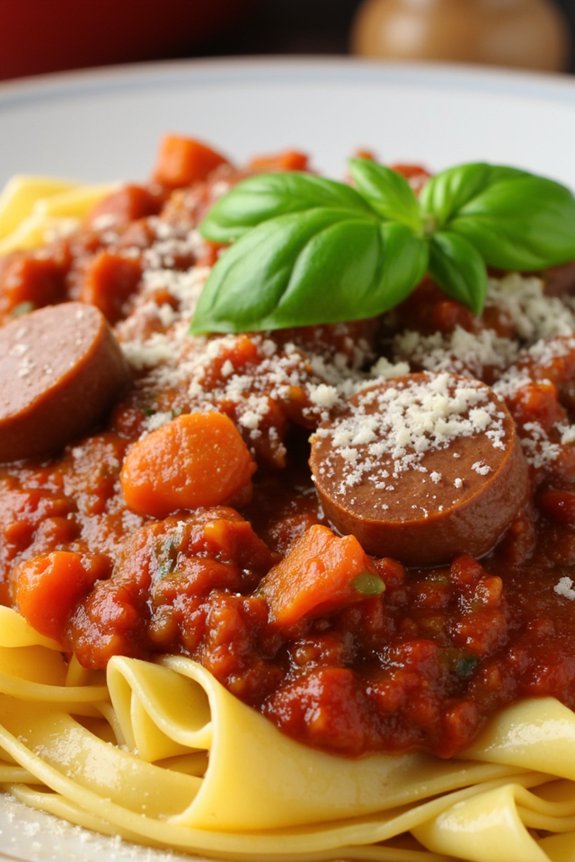
Emilia-Romagna Ragù Alla Salsiccia is a traditional Italian meat sauce that hails from the Emilia-Romagna region, known for its rich culinary heritage. This ragù is a variation of the classic ragù Bolognese, enhanced with the addition of Italian sausage, which adds an extra layer of flavor and richness to the dish.
It’s a hearty and comforting sauce that’s perfect for serving over pasta, making it an ideal choice for a family dinner or a gathering with friends. The key to a successful Ragù Alla Salsiccia lies in the slow cooking process, which allows the flavors to meld beautifully.
This recipe makes enough to serve 4-6 people, ensuring everyone gets to enjoy this delightful Italian experience. The combination of pork sausage, tomatoes, and aromatic herbs creates a sauce that’s both robust and inviting, sure to become a favorite in your recipe collection.
Ingredients:
- 1 lb (450g) Italian sausage, casings removed
- 2 tablespoons olive oil
- 1 onion, finely chopped
- 2 cloves garlic, minced
- 1 carrot, finely chopped
- 1 celery stalk, finely chopped
- 1/2 cup (120ml) dry white wine
- 1 can (28 oz/800g) crushed tomatoes
- 2 tablespoons tomato paste
- 1 teaspoon dried oregano
- 1 teaspoon dried basil
- 1 bay leaf
- Salt and pepper to taste
- Freshly grated Parmesan cheese, for serving
- Fresh basil leaves, for garnish
- Pasta of choice (such as tagliatelle or pappardelle), cooked according to package instructions
Cooking Instructions:
- Prepare the Sausage: In a large skillet or Dutch oven, heat the olive oil over medium heat. Add the Italian sausage, breaking it up with a spoon as it cooks. Continue cooking until the sausage is browned and cooked through, about 5-7 minutes. Remove the sausage from the pan and set aside.
- Sauté the Vegetables: In the same pan, add the chopped onion, carrot, and celery. Cook, stirring occasionally, until the vegetables are softened, about 8-10 minutes. Add the minced garlic and cook for an additional minute until fragrant.
- Deglaze the Pan: Pour in the white wine and stir, scraping up any browned bits from the bottom of the pan. Allow the wine to reduce by half, about 3-4 minutes.
- Add the Tomatoes and Herbs: Stir in the crushed tomatoes, tomato paste, oregano, basil, and bay leaf. Return the sausage to the pan and mix well. Season with salt and pepper to taste.
- Simmer the Sauce: Reduce the heat to low and let the sauce simmer gently for about 1-1.5 hours, stirring occasionally. This allows the flavors to develop and the sauce to thicken.
- Serve: Remove the bay leaf before serving. Toss the cooked pasta with the sauce, ensuring it’s well coated. Serve with freshly grated Parmesan cheese and garnish with fresh basil leaves.
Extra Tips:
For the best results, use high-quality Italian sausage, as it makes a significant difference in flavor. If possible, choose sausage with a mix of herbs and spices that complement the sauce.
Additionally, allowing the sauce to simmer longer, if time permits, will enhance the depth of flavor. Remember to taste the sauce before serving and adjust the seasoning as needed, especially since the saltiness can vary based on the sausage used.
Enjoy your Emilia-Romagna Ragù Alla Salsiccia with a glass of Italian red wine for an authentic dining experience.
Sardinian Lamb and Mint Sauce
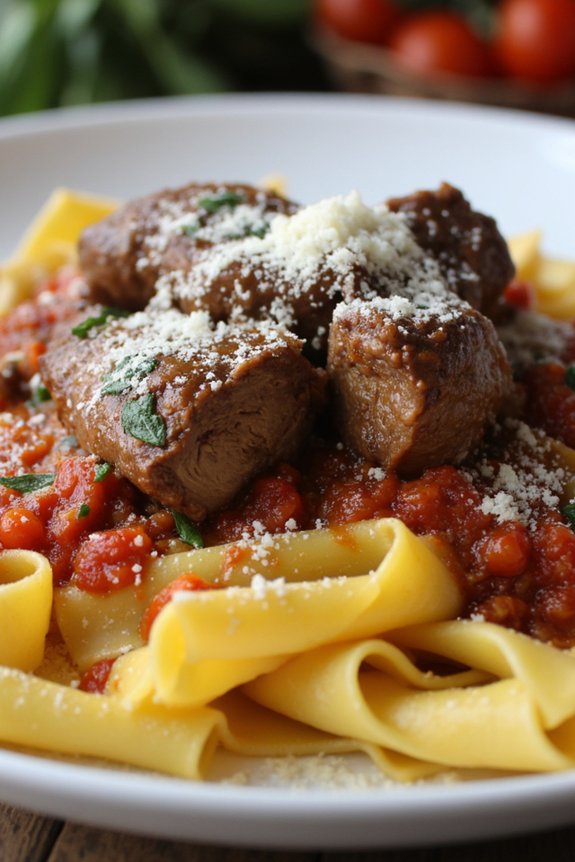
Sardinian Lamb and Mint Sauce is a delightful and aromatic dish that hails from the beautiful island of Sardinia, Italy. This traditional recipe combines the tender, savory flavors of lamb with the fresh, bright notes of mint, creating a sauce that’s both hearty and invigorating. The dish captures the essence of Sardinian cuisine with its use of simple, high-quality ingredients that are typical of the region’s culinary heritage.
Perfect for a family meal or a special occasion, this recipe will transport your taste buds to the sun-kissed landscapes of the Mediterranean. The sauce is typically served over a robust pasta, such as pappardelle or tagliatelle, which holds the sauce well and allows the flavors to shine. The richness of the lamb melds beautifully with the mint, creating a complex and satisfying depth of flavor.
This recipe makes enough for 4-6 people, making it ideal for a small gathering or a cozy dinner with loved ones. By following these steps, you’ll be able to create a dish that isn’t only delicious but also a true representation of traditional Sardinian cuisine.
Ingredients (serves 4-6):
- 2 pounds of lamb shoulder, trimmed and cut into small cubes
- 2 tablespoons olive oil
- 1 large onion, finely chopped
- 2 cloves garlic, minced
- 1 cup dry white wine
- 1 can (14 ounces) of crushed tomatoes
- 1 cup chicken or beef broth
- 1/2 cup fresh mint leaves, chopped
- Salt and pepper to taste
- 1 teaspoon dried oregano
- 1/2 teaspoon red pepper flakes (optional)
- 1 pound of pappardelle or tagliatelle pasta
- Grated pecorino cheese, for serving
Instructions:
- Prepare the Lamb: Begin by seasoning the lamb cubes with salt and pepper. Heat the olive oil in a large, heavy-duty saucepan over medium-high heat. Add the lamb pieces in batches to avoid overcrowding, and brown them on all sides. This should take about 5-7 minutes per batch. Once browned, remove the lamb from the pan and set aside.
- Cook the Base: In the same pan, reduce the heat to medium and add the chopped onion and garlic. Sauté until the onion becomes translucent and fragrant, which should take about 5 minutes.
- Deglaze the Pan: Pour in the white wine to deglaze the pan, scraping up any browned bits from the bottom. Let the wine simmer for about 2-3 minutes, allowing the alcohol to evaporate slightly.
- Simmer the Sauce: Return the browned lamb to the pan, along with the crushed tomatoes, broth, oregano, and red pepper flakes (if using). Stir everything together, bring the mixture to a boil, then reduce the heat to low. Cover the pan and let the sauce simmer gently for about 1.5 to 2 hours, or until the lamb is tender and the flavors have melded beautifully.
- Cook the Pasta: About 20 minutes before the sauce is ready, cook the pasta according to the package instructions in a large pot of salted boiling water until al dente. Drain and set aside.
- Finish the Sauce: Once the lamb is tender, stir in the fresh mint leaves and adjust the seasoning with additional salt and pepper if needed. Let the sauce simmer, uncovered, for an additional 5 minutes to allow the mint to infuse the sauce.
- Combine and Serve: Toss the cooked pasta with the lamb and mint sauce until well coated. Serve immediately, garnished with grated pecorino cheese.
Extra Tips: To enhance the flavor of the dish, consider marinating the lamb in a mixture of olive oil, garlic, and mint for a few hours before cooking. This will infuse the meat with additional flavor and make it even more tender.
Additionally, using fresh, high-quality ingredients, such as vine-ripened tomatoes and fresh mint, will greatly improve the taste and authenticity of the sauce. If you prefer a spicier kick, don’t hesitate to increase the amount of red pepper flakes. Enjoy your Sardinian Lamb and Mint Sauce with a glass of Sardinian wine for the ultimate dining experience.
