

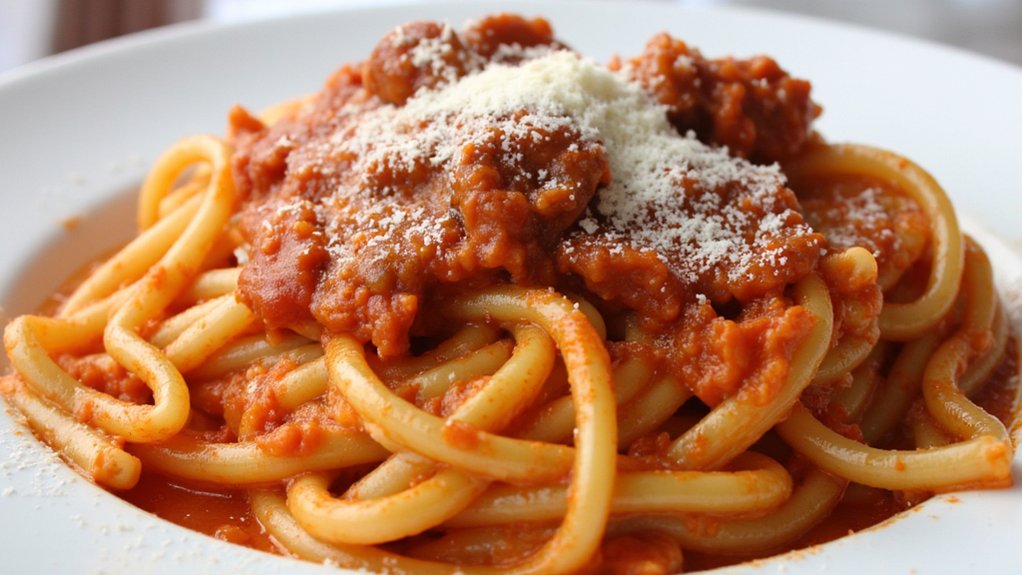
When I think of Italian cuisine, I envision a rustic kitchen filled with the aroma of simmering tomatoes and fresh basil. Each pasta recipe is a journey through Italy’s regions, offering a taste of history and tradition. Twirl creamy Spaghetti Alla Carbonara or savor the spicy kick of Penne All’arrabbiata. These dishes aren’t just meals; they’re stories on a plate. Ready to explore these timeless recipes that bring the old world to your table?
Spaghetti Alla Carbonara
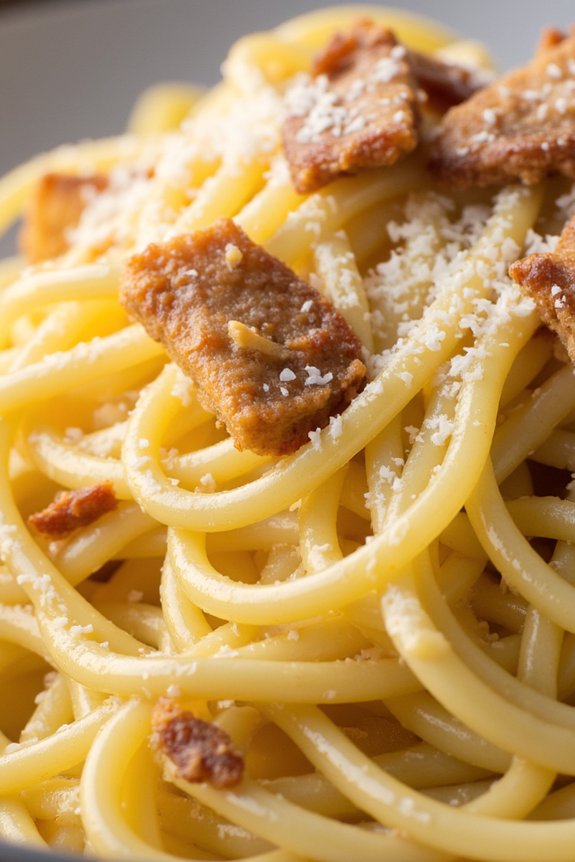
Spaghetti Alla Carbonara is a classic Italian pasta dish that boasts simplicity and richness in every bite. Originating from the Lazio region, particularly Rome, this dish is celebrated for its creamy texture without using any cream, relying instead on the perfect emulsion of egg yolks, cheese, and pasta water. Traditionally, guanciale (cured pork cheek) is used for its distinct flavor, although pancetta or even good-quality bacon can serve as substitutes.
The key to a successful carbonara lies in the timing and temperature control, ensuring that the eggs gently thicken without scrambling. This dish is appreciated for its balance of salty, creamy, and savory notes, making it a beloved choice for pasta enthusiasts. The preparation is straightforward, yet it demands attention to detail to achieve the signature glossy sauce that clings beautifully to each strand of spaghetti.
Spaghetti Alla Carbonara is perfect for those seeking a quick yet indulgent meal that stays true to its Italian roots. Below is a recipe that serves 4-6 people, embracing the authentic flavors and technique required to master this timeless dish.
Ingredients for 4-6 servings:
- 500 grams of spaghetti
- 150 grams of guanciale (or pancetta), diced
- 4 large egg yolks
- 1 whole egg
- 100 grams of Pecorino Romano cheese, finely grated
- Freshly ground black pepper
- Salt
- 1 tablespoon of olive oil (optional)
Cooking Instructions:
- Prepare the Ingredients: Before you begin cooking, dice the guanciale into small cubes and grate the Pecorino Romano cheese. Separate the egg yolks and combine them with the whole egg in a mixing bowl. Add the grated cheese to the eggs and mix well to form a smooth paste. Season with a generous amount of freshly ground black pepper.
- Cook the Pasta: Bring a large pot of salted water to a rolling boil. Add the spaghetti and cook until it’s just shy of al dente, as it will continue to cook slightly after being mixed with the sauce. Reserve about a cup of the pasta cooking water before draining the spaghetti.
- Cook the Guanciale: In a large skillet over medium heat, add the diced guanciale. Cook until it becomes crispy and golden, releasing its fat. If desired, add a tablespoon of olive oil to help render the fat evenly. Remove the skillet from the heat once the guanciale is cooked.
- Combine Ingredients: Add the hot, drained spaghetti directly to the skillet with the guanciale. Toss well to coat the pasta in the rendered fat. Off the heat, pour in the egg and cheese mixture, stirring quickly to coat the spaghetti evenly and form a creamy sauce. Add reserved pasta water, a little at a time, to reach the desired consistency. The sauce should be smooth and glossy, clinging to the pasta.
- Season and Serve: Taste the pasta and adjust the seasoning with additional salt and pepper if necessary. Serve immediately, garnished with extra grated Pecorino Romano and a sprinkle of black pepper.
Extra Tips: For the best results, use freshly grated cheese and high-quality eggs for a richer flavor. It’s essential to remove the skillet from the heat before adding the egg mixture to prevent the eggs from scrambling. If the sauce becomes too thick, add more reserved pasta water to loosen it. The final dish should be creamy and smooth, with each strand of spaghetti well-coated in the luscious sauce. Enjoy your Spaghetti Alla Carbonara with a crisp white wine or a light red for a perfect pairing.
Tagliatelle Al Ragù Bolognese
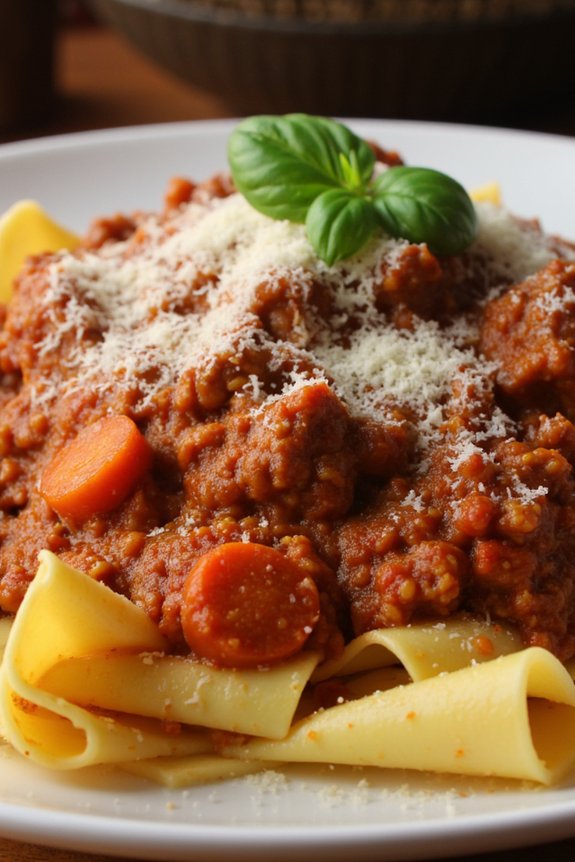
Tagliatelle Al Ragù Bolognese is a classic Italian dish celebrated for its rich flavors and hearty texture. Originating from Bologna in the Emilia-Romagna region, this dish is a demonstration of the art of slow cooking and the use of simple, high-quality ingredients. The Ragù Bolognese sauce, simmered to perfection, complements the broad, flat strands of tagliatelle pasta, which is ideal for holding the meaty sauce.
Making this dish from scratch is a rewarding process, allowing the cook to infuse the sauce with layers of flavor over several hours, resulting in a comforting and satisfying meal.
Cooking Tagliatelle Al Ragù Bolognese requires patience and attention to detail, but the end result is well worth the effort. The key to a successful Bolognese sauce lies in the use of fresh vegetables, a combination of ground meats, and a long, slow simmering process that allows all the flavors to meld together beautifully.
Pairing this sauce with homemade or high-quality store-bought tagliatelle guarantees that the traditional elements of this dish are respected and celebrated. Whether preparing this meal for a family gathering or a cozy dinner for friends, Tagliatelle Al Ragù Bolognese is sure to impress.
Ingredients for 4-6 servings:
- 400g tagliatelle pasta
- 2 tablespoons olive oil
- 1 onion, finely chopped
- 1 carrot, finely chopped
- 1 celery stalk, finely chopped
- 2 cloves garlic, minced
- 150g pancetta, diced
- 300g ground beef
- 200g ground pork
- 1 cup whole milk
- 1 cup dry white wine
- 800g canned whole tomatoes, crushed
- 2 tablespoons tomato paste
- Salt and pepper to taste
- Freshly grated Parmesan cheese, for serving
- Fresh basil or parsley, for garnish (optional)
Cooking Instructions:
- Prepare the Vegetables: Begin by finely chopping the onion, carrot, and celery. These vegetables form the soffritto, a flavor base for the sauce. Mince the garlic and set all the vegetables aside.
- Cook the Pancetta: In a large, heavy-bottomed pot, heat the olive oil over medium heat. Add the diced pancetta and cook for about 5 minutes, until it becomes crispy and releases its fat.
- Sauté the Vegetables: Add the chopped onion, carrot, celery, and garlic to the pot with the pancetta. Sauté for 10 minutes, stirring occasionally, until the vegetables are soft and translucent but not browned.
- Brown the Meat: Increase the heat to high and add the ground beef and pork to the pot. Cook, breaking up the meat with a wooden spoon, until it’s browned all over, about 10 minutes.
- Deglaze the Pot: Pour in the white wine and let it simmer for about 5 minutes, or until it has reduced by half. This step deglazes the pot, lifting the flavorful bits stuck to the bottom.
- Add Milk and Tomatoes: Reduce the heat to medium and stir in the milk. Let it cook for another 5 minutes. Then add the crushed tomatoes and tomato paste. Stir well to combine.
- Simmer the Sauce: Season the sauce with salt and pepper. Lower the heat to a gentle simmer, cover partially, and let it cook for 2 to 3 hours, stirring occasionally. The sauce should thicken and develop a deep, rich flavor over time.
- Cook the Pasta: About 15 minutes before the sauce is ready, bring a large pot of salted water to a boil. Cook the tagliatelle according to package instructions until al dente. Reserve a cup of pasta water, then drain.
- Combine and Serve: Add the cooked pasta to the sauce, tossing gently to coat. If the sauce is too thick, add some reserved pasta water to achieve the desired consistency. Serve immediately with freshly grated Parmesan cheese and garnish with basil or parsley if desired.
Extra Tips:
When preparing Tagliatelle Al Ragù Bolognese, be patient with the simmering process; the longer the sauce cooks, the more flavorful it becomes. If time allows, consider preparing the sauce a day in advance, as the flavors will continue to develop overnight.
For the best results, use fresh tagliatelle or high-quality dried pasta. Additionally, don’t rush the browning of the meat, as this step adds a significant depth of flavor to the final dish. Finally, always taste and adjust the seasoning before serving to guarantee the perfect balance of flavors.
Penne All’arrabbiata
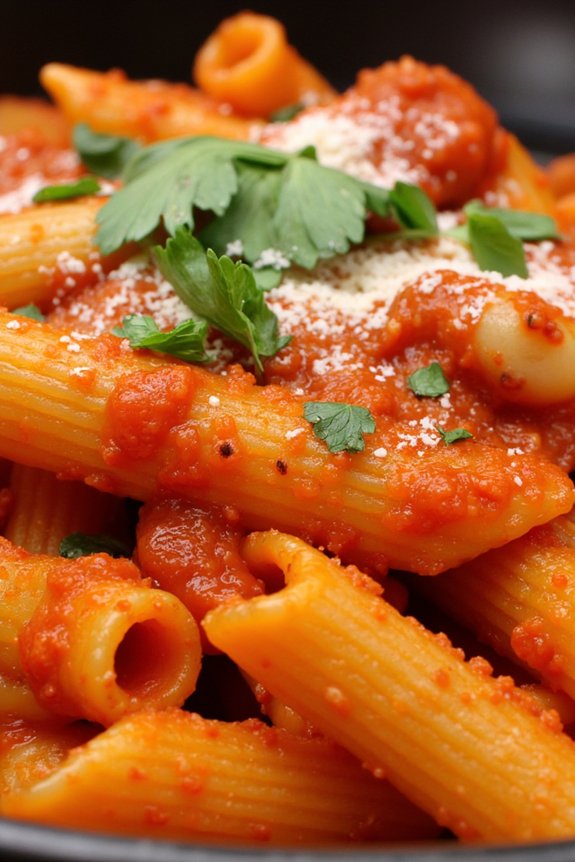
Penne All’arrabbiata is a classic Italian pasta dish known for its spicy and robust flavors. Originating from the Lazio region, this dish combines simple ingredients that pack a punch, making it a favorite among those who enjoy a bit of heat in their meals. The term “arrabbiata” translates to “angry” in Italian, referring to the fiery red chili peppers that give the sauce its signature spiciness.
This vibrant dish is perfect for a quick yet flavorful dinner that will delight your taste buds with its bold, zesty notes. The dish is incredibly easy to prepare, making it a great choice for both novice and experienced cooks. The key to a perfect Penne All’arrabbiata is balancing the heat of the chili peppers with the sweetness of tomatoes and the fragrant aroma of garlic and fresh herbs.
Serve it with a sprinkle of Parmesan cheese and a touch of fresh parsley for an authentic Italian dining experience. Whether you’re hosting a dinner party or simply craving a spicy pasta dish, Penne All’arrabbiata is sure to impress.
Ingredients (Serves 4-6):
- 500g penne pasta
- 2 tablespoons olive oil
- 4 cloves garlic, thinly sliced
- 1-2 teaspoons red chili flakes (adjust to taste)
- 800g canned whole tomatoes, crushed
- Salt to taste
- Freshly ground black pepper to taste
- A handful of fresh parsley, chopped, for garnish
- Freshly grated Parmesan cheese, for serving
Cooking Instructions:
- Cook the Pasta: Fill a large pot with water, add a generous amount of salt, and bring to a boil. Add the penne pasta and cook according to the package instructions until al dente. Drain the pasta, reserving about a cup of the pasta water, and set aside.
- Prepare the Sauce: In a large skillet or saucepan, heat the olive oil over medium heat. Add the sliced garlic and sauté until golden brown, making sure not to burn it. Add the red chili flakes and cook for an additional 30 seconds to release their flavor.
- Add the Tomatoes: Pour the crushed canned tomatoes into the skillet with the garlic and chili flakes. Season with salt and freshly ground black pepper. Stir well and bring the sauce to a simmer. Let it cook for about 10-15 minutes, allowing the flavors to meld and the sauce to thicken slightly.
- Combine Pasta and Sauce: Add the cooked penne to the sauce, stirring until the pasta is well coated. If the sauce seems too thick, gradually add a bit of the reserved pasta water to reach the desired consistency.
- Garnish and Serve: Once the pasta is thoroughly mixed with the sauce, transfer it to serving plates. Sprinkle with freshly chopped parsley and a generous amount of grated Parmesan cheese. Serve immediately.
Extra Tips:
For the best results, use high-quality canned tomatoes, as they greatly affect the sauce’s flavor. Adjust the amount of chili flakes to suit your spice tolerance. If you prefer a milder dish, reduce the quantity or consider using milder chili varieties.
Always taste the sauce before serving to make sure the seasoning is just right. Finally, for an extra burst of freshness, add a drizzle of extra virgin olive oil just before serving.
Fettuccine Alfredo
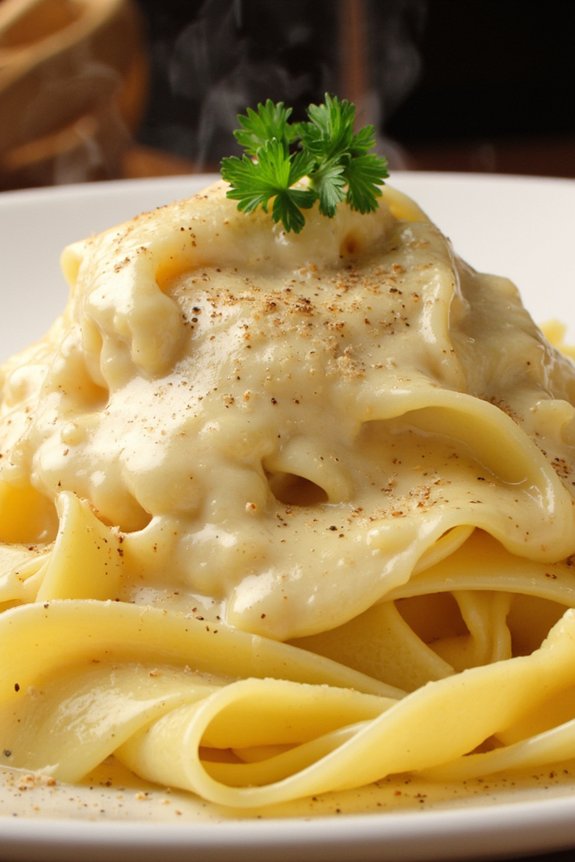
Fettuccine Alfredo is a classic Italian pasta dish that has captured the hearts and palates of many around the world. It’s renowned for its simple yet rich and creamy sauce that perfectly coats the fettuccine noodles. Originating from Rome, this dish was first created by Alfredo di Lelio in the early 20th century.
Fettuccine Alfredo has since become a favorite comfort food, offering a delightful blend of butter, cream, and Parmesan cheese that creates a velvety texture and savory flavor. This dish is perfect for a cozy dinner with family or friends and can be prepared in under 30 minutes, making it an ideal choice for a quick yet elegant meal.
The key to a successful Fettuccine Alfredo lies in the quality of the ingredients used, particularly the Parmesan cheese and the pasta. Freshly grated Parmesan cheese is crucial to achieving the signature creamy sauce, while fresh fettuccine provides the best texture. Below is a recipe to serve 4-6 people, allowing everyone at your table can enjoy this delightful dish.
Ingredients (Serves 4-6):
- 400g fettuccine pasta
- 1 cup heavy cream
- 1/2 cup unsalted butter
- 1 and 1/2 cups freshly grated Parmesan cheese
- Salt, to taste
- Freshly ground black pepper, to taste
- Optional garnish: chopped fresh parsley
Cooking Instructions:
- Cook the Pasta: Start by bringing a large pot of salted water to a boil. Add the fettuccine and cook until al dente, according to the package instructions. Reserve about 1 cup of the pasta cooking water and then drain the pasta.
- Prepare the Sauce: In a large saucepan or skillet over medium heat, melt the butter. Add the heavy cream and bring to a simmer, stirring occasionally to prevent scorching. Allow the mixture to cook for about 3-4 minutes until slightly thickened.
- Incorporate the Cheese: Reduce the heat to low and gradually stir in the freshly grated Parmesan cheese. Stir continuously until the cheese has melted and the sauce is smooth. If the sauce is too thick, add a bit of the reserved pasta cooking water to reach your desired consistency.
- Combine Pasta and Sauce: Add the cooked fettuccine to the sauce in the saucepan. Toss the pasta gently with the sauce to coat every strand evenly. Season with salt and freshly ground black pepper to taste.
- Serve: Transfer the Fettuccine Alfredo to warm serving plates. Garnish with chopped fresh parsley if desired and serve immediately while hot.
Extra Tips:
For the creamiest Fettuccine Alfredo, make sure that the Parmesan cheese is freshly grated and not pre-packaged, as this will help the cheese melt more smoothly into the sauce.
Additionally, be cautious with the heat when mixing in the cheese to prevent it from clumping. If you find the sauce too thick, the reserved pasta water can be added incrementally to adjust the consistency.
Finally, serving the dish immediately guarantees the best texture and flavor, as the sauce can thicken as it cools.
Pasta Alla Norma
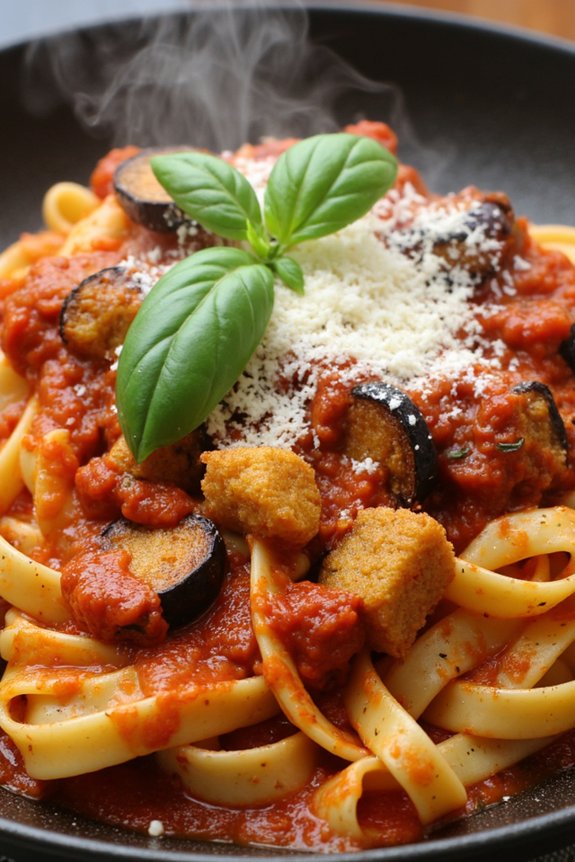
Pasta Alla Norma is a classic Sicilian dish that beautifully combines the flavors of fresh eggplant, ripe tomatoes, and aromatic basil with the richness of ricotta salata cheese. The dish is named after the opera “Norma” by Vincenzo Bellini, and it’s said to capture the same level of perfection and artistry.
Originating from Catania, this vegetarian pasta dish is a celebration of simple, fresh ingredients that come together to create a harmonious and satisfying meal. Whether you’re cooking for a family gathering or a cozy dinner for two, Pasta Alla Norma is sure to be a crowd-pleaser.
The secret to a perfect Pasta Alla Norma lies in the preparation of its key ingredients. The eggplants are traditionally fried until golden brown, imparting a rich flavor and texture to the dish. The tomato sauce is simmered to perfection, infusing the pasta with a sweet and savory sauce.
Ultimately, the dish is topped with a generous amount of fresh basil and grated ricotta salata, which adds a creamy, salty element that brings all the flavors together. When cooked correctly, Pasta Alla Norma is a delightful blend of textures and tastes that showcases the best of Italian cuisine.
Ingredients (Serves 4-6):
- 1 lb (450g) pasta (such as rigatoni or penne)
- 2 medium eggplants
- 4 tablespoons olive oil
- 2 cloves garlic, minced
- 1 (28 oz) can of whole peeled tomatoes or 1.5 lbs of fresh tomatoes, chopped
- Salt, to taste
- Freshly ground black pepper, to taste
- 1 teaspoon dried oregano
- 1/2 teaspoon red pepper flakes (optional)
- 1 cup fresh basil leaves
- 1 cup ricotta salata cheese, grated
Cooking Instructions:
- Prepare the Eggplants:
- Begin by washing the eggplants and cutting them into 1-inch cubes. Place them in a colander and sprinkle generously with salt. Let them sit for about 30 minutes to draw out excess moisture and bitterness. Rinse the cubes thoroughly and pat them dry with paper towels.
- Cook the Eggplants:
- In a large skillet, heat 2 tablespoons of olive oil over medium heat. Add the eggplant cubes in batches to avoid overcrowding. Fry them until they’re golden brown and tender, about 8-10 minutes, then remove them from the skillet and set them aside.
- Prepare the Sauce:
- In the same skillet, add the remaining olive oil and sauté the minced garlic until fragrant, about 1 minute. Add the canned or fresh tomatoes, breaking them up with a spoon. Season with salt, black pepper, oregano, and red pepper flakes. Simmer the sauce for about 15-20 minutes until it thickens.
- Cook the Pasta:
- While the sauce is simmering, bring a large pot of salted water to a boil. Add the pasta and cook according to the package directions until al dente. Reserve a cup of pasta water, then drain the pasta.
- Combine Ingredients:
- Add the fried eggplant to the tomato sauce and stir to combine. Add the cooked pasta to the sauce, mixing well to coat. If needed, add a little reserved pasta water to achieve the desired sauce consistency.
- Finish with Basil and Cheese:
- Turn off the heat and stir in the fresh basil leaves. Transfer the pasta to a serving dish and sprinkle generously with grated ricotta salata.
Extra Tips:
For a lighter dish, you can bake the eggplant instead of frying. Simply toss the cubes with olive oil, spread them on a baking sheet, and roast at 400°F (200°C) for about 25 minutes.
When choosing eggplants, look for ones that are firm and shiny, with no soft spots. If ricotta salata is hard to find, you can substitute with feta cheese or Pecorino Romano, though it will alter the flavor slightly.
Finally, always taste and adjust seasoning as needed to make the dish perfect for your palate.
Lasagna Alla Bolognese
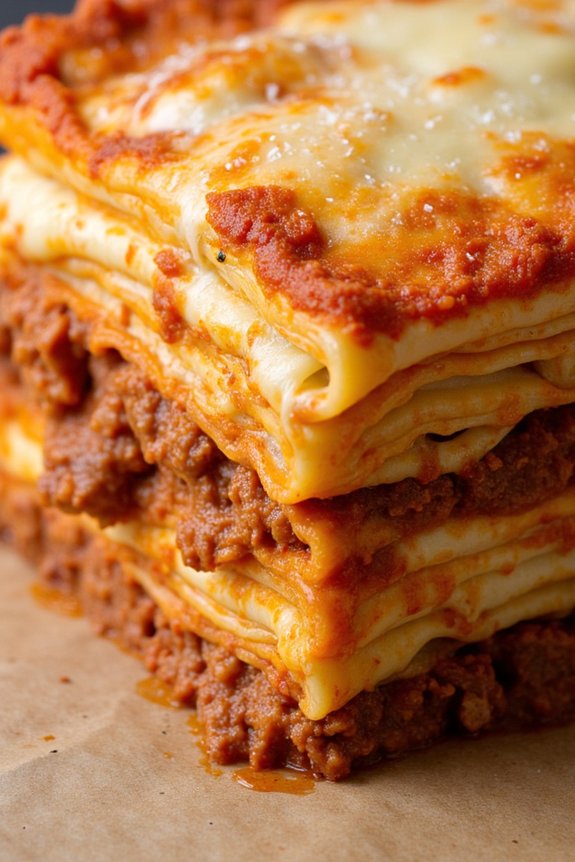
Lasagna Alla Bolognese is a classic Italian dish that combines rich, meaty Bolognese sauce, creamy béchamel, and layers of tender pasta. This traditional recipe hails from the region of Emilia-Romagna, known for its culinary heritage. The key to a perfect Lasagna Alla Bolognese is the slow-cooked, flavorful meat sauce, which should be allowed to simmer for hours to develop its depth of flavor.
Paired with a velvety béchamel sauce, this hearty dish is perfect for family gatherings or special occasions, offering a comforting taste of Italy.
Preparing Lasagna Alla Bolognese requires a bit of time and patience, but the result is well worth the effort. The Bolognese sauce, made with a mix of beef and pork, is enriched with aromatic vegetables, tomato paste, and red wine. The béchamel sauce, made from butter, flour, and milk, provides a creamy layer that balances the robust meatiness of the Bolognese.
The lasagna is assembled by layering the sauces with sheets of lasagna pasta, then baked until bubbly and golden. This recipe serves 4-6 people, making it ideal for sharing with loved ones.
Ingredients for 4-6 servings:
- 1 lb (450g) ground beef
- 1/2 lb (225g) ground pork
- 1 carrot, diced
- 1 celery stalk, diced
- 1 onion, diced
- 2 cloves garlic, minced
- 1/4 cup (60ml) tomato paste
- 1/2 cup (120ml) red wine
- 2 cups (500ml) beef stock
- 1 bay leaf
- Salt and pepper, to taste
- 1/4 cup (60ml) olive oil
- 1/4 cup (60g) butter
- 1/4 cup (30g) all-purpose flour
- 2 cups (500ml) whole milk
- Nutmeg, a pinch
- 9-12 sheets of lasagna pasta
- 1 cup (100g) grated Parmesan cheese
Cooking Instructions:
1. Prepare the Bolognese Sauce: Heat olive oil in a large pot over medium heat. Add the diced carrot, celery, and onion. Sauté until the vegetables are soft and the onion is translucent, about 5-7 minutes. Add the minced garlic and cook for another minute.
2. Cook the Meat: Increase the heat to medium-high and add the ground beef and pork to the pot. Cook, breaking the meat apart with a spoon, until browned all over. Drain excess fat if necessary.
3. Add Wine and Tomatoes: Stir in the tomato paste and cook for 2 minutes. Pour in the red wine, scraping up any browned bits from the bottom of the pot. Allow the wine to reduce by half.
4. Simmer the Sauce: Add the beef stock and bay leaf to the pot. Bring to a simmer, then reduce the heat to low. Cover and let the sauce simmer gently for at least 2 hours, stirring occasionally, until thickened and flavorful. Season with salt and pepper to taste.
5. Make the Béchamel Sauce: In a separate saucepan, melt the butter over medium heat. Stir in the flour and cook for 1-2 minutes to form a roux. Gradually whisk in the milk, continuing to stir until the sauce thickens. Season with a pinch of nutmeg, salt, and pepper.
6. Assemble the Lasagna: Preheat the oven to 375°F (190°C). In a baking dish, spread a thin layer of Bolognese sauce. Cover with a layer of lasagna pasta sheets. Spread a layer of béchamel sauce over the pasta, followed by more Bolognese sauce and a sprinkle of Parmesan cheese.
Repeat the layers until all ingredients are used, finishing with a layer of béchamel and Parmesan on top.
7. Bake the Lasagna: Cover the baking dish with foil and bake for 25 minutes. Remove the foil and bake for an additional 15-20 minutes, until the top is golden and bubbly. Let the lasagna rest for 10 minutes before serving.
Extra Tips:
For the best results, prepare the Bolognese sauce a day in advance to allow the flavors to meld and intensify. When assembling the lasagna, confirm the pasta sheets are well-coated with sauce to prevent them from drying out during baking.
If you prefer a more robust flavor, consider adding a handful of chopped fresh herbs such as basil or oregano to the Bolognese. Finally, be sure to let the lasagna cool slightly before cutting to help it hold its shape when serving.
Pappardelle Al Cinghiale
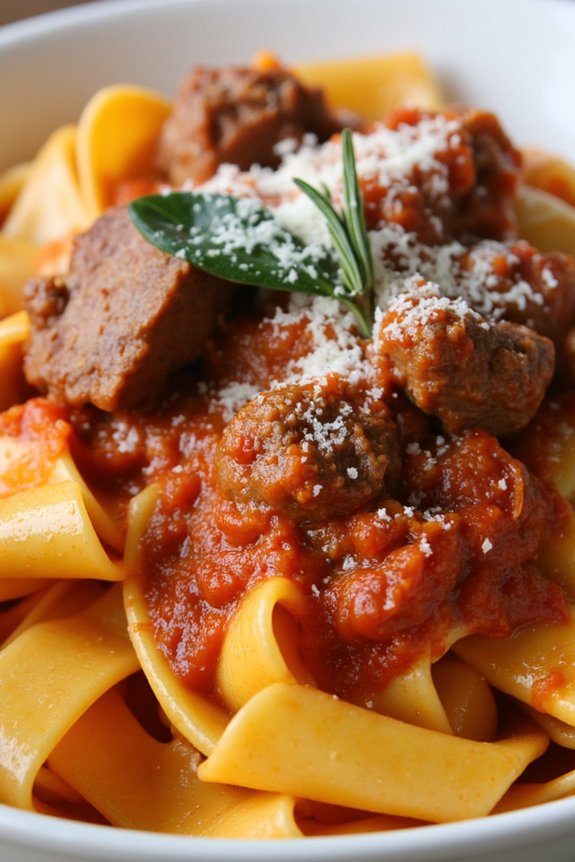
Pappardelle Al Cinghiale is a classic Italian dish that celebrates the rich flavors of wild boar combined with the simplicity of homemade pasta. This Tuscan delight is perfect for a cozy dinner with family or friends, bringing the authentic taste of Italy right to your table. The dish features wide ribbons of pappardelle pasta generously coated in a savory sauce made from tender wild boar, slow-cooked with aromatic vegetables, wine, and herbs. The result is a hearty and flavorful meal that’s guaranteed to impress.
The key to a successful Pappardelle Al Cinghiale lies in the slow-cooking process that allows the flavors to meld together beautifully. The wild boar is marinated overnight to guarantee it’s tender and infused with a depth of flavor. Once cooked, the meat is combined with a rich tomato sauce, which is further enhanced by the addition of red wine and a medley of herbs. Served over freshly made pappardelle, this dish is a true reflection of the art of Italian cooking.
Ingredients (serving size: 4-6 people):
- 500g pappardelle pasta
- 1kg wild boar meat, cubed
- 2 cups red wine
- 2 onions, finely chopped
- 2 carrots, diced
- 2 celery stalks, diced
- 3 cloves garlic, minced
- 2 cans (800g total) crushed tomatoes
- 3 tablespoons olive oil
- 2 bay leaves
- 1 sprig rosemary
- Salt and pepper to taste
- Grated Parmesan cheese, for serving
Cooking Instructions:
- Marinate the Wild Boar: Place the cubed wild boar meat in a large bowl. Pour in the red wine, add one chopped onion, and season with salt and pepper. Cover and refrigerate overnight to marinate.
- Prepare the Sauce Base: In a large pot, heat olive oil over medium heat. Add the remaining onion, carrots, celery, and garlic. Sauté until the vegetables are soft and fragrant, about 10 minutes.
- Cook the Wild Boar: Remove the meat from the marinade, pat dry, and add to the pot. Brown the meat on all sides, guaranteeing it’s evenly cooked.
- Combine Ingredients: Pour in the crushed tomatoes, add the bay leaves and rosemary, and season with salt and pepper. Stir well to combine all the ingredients.
- Simmer the Sauce: Reduce the heat to low, cover, and let the sauce simmer for 2-3 hours, stirring occasionally, until the meat is tender and the sauce has thickened.
- Cook the Pappardelle: In a large pot of salted boiling water, cook the pappardelle pasta according to package instructions until al dente. Drain and set aside.
- Assemble the Dish: Remove the bay leaves and rosemary from the sauce. Toss the cooked pasta with the wild boar sauce, guaranteeing the pasta is well coated.
- Serve: Divide the pasta among plates, sprinkle with grated Parmesan cheese, and serve immediately.
Extra Tips:
For an even deeper flavor, consider adding a splash of balsamic vinegar to the sauce during the final 30 minutes of cooking. If wild boar is difficult to find, you can substitute it with pork shoulder or beef.
Additionally, making your own pappardelle pasta from scratch can elevate the dish and provide a more authentic texture. Finally, pairing the meal with a robust red wine, similar to the one used in the sauce, will enhance the dining experience.
Orecchiette Con Cime Di Rapa
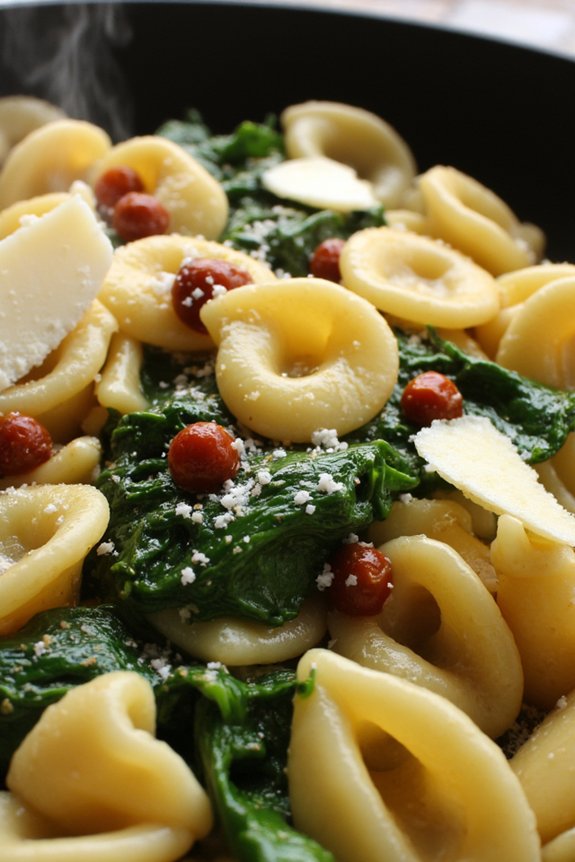
Orecchiette Con Cime Di Rapa, a traditional dish from the Puglia region in Italy, is a perfect example of simple ingredients coming together to create a flavorful and satisfying meal. Orecchiette, which translates to “little ears,” are small, concave pasta shapes that are perfect for catching the sauce made from cime di rapa, also known as broccoli rabe or turnip tops.
This dish is both rustic and refined, offering a delicious combination of the slightly bitter greens balanced by the savory and spicy flavors of garlic, anchovies, and chili. To prepare Orecchiette Con Cime Di Rapa for 4-6 people, you’ll need to start by sourcing the freshest ingredients available. The key to this dish is the balance of flavors, so it’s important to use high-quality extra virgin olive oil and fresh cime di rapa.
This dish is quick to prepare, making it perfect for a comforting weeknight meal or an impressive dinner party dish. With just a few steps, you’ll have a delicious Italian pasta dish that showcases the authenticity and simplicity of Southern Italian cuisine.
Ingredients for 4-6 servings:
- 500g orecchiette pasta
- 800g cime di rapa (broccoli rabe), washed and trimmed
- 4 cloves garlic, thinly sliced
- 6 anchovy fillets in oil, drained and chopped
- 1-2 red chili peppers, finely chopped (adjust to taste)
- 100ml extra virgin olive oil
- Salt, to taste
- Freshly ground black pepper, to taste
- Grated Pecorino Romano cheese, for serving (optional)
Cooking Instructions:
- Prepare the Cime Di Rapa: Begin by bringing a large pot of salted water to a boil. Add the cime di rapa and blanch for about 3-4 minutes until tender. Using a slotted spoon, transfer the greens to a bowl of ice water to stop the cooking process. Once cooled, drain and set aside.
- Cook the Pasta: In the same pot of boiling water, add the orecchiette pasta and cook according to package instructions until al dente. Reserve about 1 cup of pasta water, then drain the pasta.
- Sauté the Aromatics: While the pasta is cooking, heat the olive oil in a large skillet over medium heat. Add the sliced garlic and chopped chili peppers, cooking until the garlic is golden brown and fragrant, about 2 minutes. Be careful not to burn the garlic.
- Add Anchovies and Cime Di Rapa: Stir in the chopped anchovy fillets, allowing them to dissolve into the oil. Add the blanched cime di rapa to the skillet, tossing to coat in the flavored oil. Cook for about 3-4 minutes until the greens are heated through.
- Combine Pasta and Sauce: Add the cooked orecchiette to the skillet with the cime di rapa. Toss everything together, adding a little reserved pasta water to help combine the sauce and pasta, creating a silky texture. Season with salt and freshly ground black pepper to taste.
- Serve: Transfer the pasta to serving bowls. If desired, top with grated Pecorino Romano cheese for an extra layer of flavor.
Extra Tips:
When cooking Orecchiette Con Cime Di Rapa, the key isn’t to overcook the cime di rapa, as they should retain a bit of their bite and bright green color. If you prefer a milder dish, reduce the amount of chili or remove the seeds before chopping.
Always taste and adjust the seasoning at the end, as the anchovies can add a significant amount of saltiness. Finally, if you can’t find orecchiette, try substituting with another small pasta shape that can hold sauce well, like cavatelli or small shells.
Risotto Alla Milanese
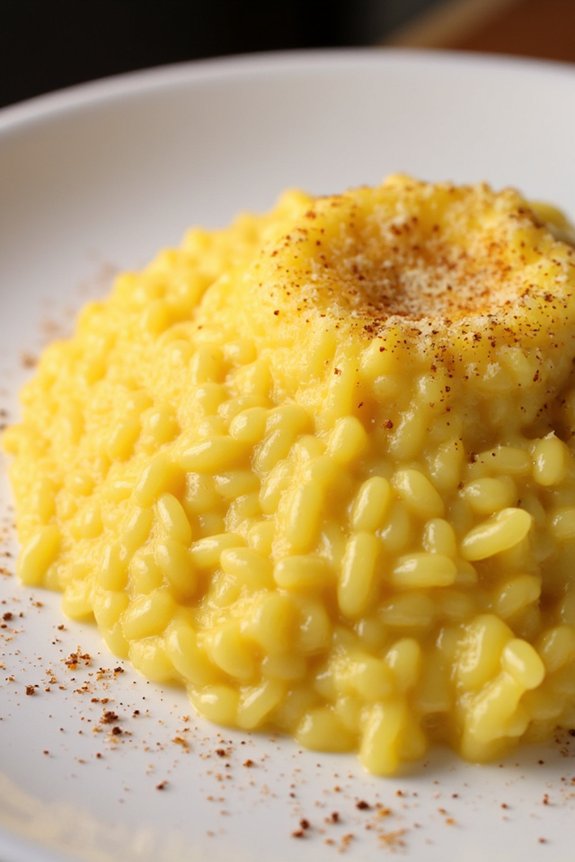
Risotto Alla Milanese is a classic Italian dish that hails from the city of Milan. Known for its rich, creamy texture and vibrant golden color, this risotto is infused with the delicate and aromatic flavor of saffron. The dish is traditionally served as a primo piatto, or first course, in a multi-course Italian meal.
The key to a perfect Risotto Alla Milanese is patience and attention to detail, as the rice must be cooked slowly and stirred frequently to achieve the desired creamy consistency.
This recipe for Risotto Alla Milanese is designed to serve 4-6 people, making it perfect for a family dinner or a gathering with friends. The combination of simple yet high-quality ingredients, such as Arborio rice, saffron threads, and Parmesan cheese, guarantees a delightful culinary experience. The dish is both comforting and sophisticated, offering a perfect balance of flavors that’s sure to impress your guests.
Ingredients (serves 4-6):
- 2 cups Arborio rice
- 1/2 teaspoon saffron threads
- 5 cups chicken or vegetable broth
- 1/2 cup dry white wine
- 1 small onion, finely chopped
- 3 tablespoons unsalted butter
- 1/2 cup grated Parmesan cheese
- Salt and pepper to taste
- Additional butter for finishing (optional)
Cooking Instructions:
- Prepare the Broth: In a medium saucepan, heat the chicken or vegetable broth over medium heat until it’s warm. Add the saffron threads to the broth to steep and release their color and flavor. Keep the broth on low heat to maintain a warm temperature throughout the cooking process.
- Sauté the Onions: In a large, heavy-bottomed saucepan, melt 2 tablespoons of the unsalted butter over medium heat. Add the finely chopped onion and sauté until translucent, about 5 minutes, stirring occasionally to prevent browning.
- Add the Rice: Stir the Arborio rice into the sautéed onions, making sure each grain is coated with butter. Cook the rice for about 2 minutes, or until the edges of the grains become translucent.
- Deglaze with Wine: Pour in the dry white wine, stirring continuously until it’s mostly absorbed by the rice. This process adds depth to the flavor of the risotto.
- Cook the Risotto: Begin adding the warm saffron-infused broth to the rice, one ladleful at a time. Stir the rice frequently, allowing each addition of broth to be absorbed before adding the next. This process should take about 18-20 minutes, or until the rice is tender but still al dente, and the risotto has a creamy consistency.
- Finish the Dish: Once the rice is cooked, remove the saucepan from the heat. Stir in the remaining tablespoon of butter and the grated Parmesan cheese. Season with salt and pepper to taste. Cover the saucepan and let the risotto rest for a few minutes before serving.
Extra Tips:
To enhance the flavor of your Risotto Alla Milanese, consider using homemade broth if possible, as it can greatly impact the taste of the final dish.
Be sure to stir the risotto frequently to prevent sticking and facilitate even cooking. If you prefer a creamier texture, you can add an extra tablespoon of butter or a splash of cream just before serving.
Finally, serve the risotto immediately after resting, as it tends to thicken as it cools.
Tortellini in Brodo
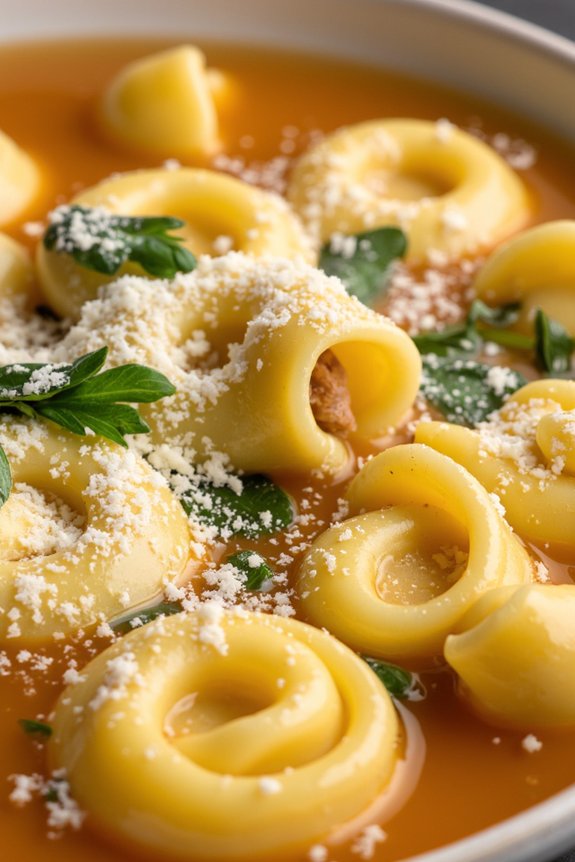
Tortellini in Brodo is a classic Italian dish that embodies the rich culinary traditions of Emilia-Romagna. Known for its delicate, ring-shaped pasta filled with a savory meat mixture, this dish is typically served in a flavorful broth, or “brodo.” The combination of the pasta’s buttery texture and the broth’s aromatic depth makes Tortellini in Brodo a comforting meal perfect for any occasion, especially during the colder months.
This traditional recipe transports you to the heart of Italy, where each bite tells a story of heritage and craftsmanship.
To create an authentic Tortellini in Brodo, you’ll need to focus on two main elements: the tortellini and the broth. The pasta is typically filled with a mixture of pork, prosciutto, mortadella, and Parmesan cheese, creating a rich and satisfying bite. The broth, usually made from beef or chicken, should be clear and full of flavor, acting as a perfect complement to the pasta. This recipe serves 4 to 6 people, making it ideal for a family meal or a gathering of friends.
Ingredients (Serves 4-6 people):
- 1 pound of tortellini (preferably homemade or fresh)
- 8 cups of homemade chicken or beef broth
- 1 tablespoon of olive oil
- Salt and pepper to taste
- Freshly grated Parmesan cheese, for serving
- Fresh parsley, chopped, for garnish (optional)
Cooking Instructions:
- Prepare the Broth: Begin by bringing 8 cups of homemade chicken or beef broth to a gentle simmer in a large pot. Add a tablespoon of olive oil to enhance the flavor and richness of the broth. Season with salt and pepper to taste. Allow the broth to simmer gently while you prepare the tortellini.
- Cook the Tortellini: Once the broth is simmering, gently add the tortellini to the pot. Stir occasionally to prevent them from sticking together. Cook the tortellini until they rise to the surface and are tender, which should take about 3 to 5 minutes if using fresh tortellini. Be careful not to overcook, as they can become mushy.
- Serve the Dish: Once the tortellini are cooked, carefully ladle them and the broth into serving bowls. Be generous with the broth to guarantee each serving captures the essence of the dish.
- Garnish and Finish: Top each bowl with a sprinkle of freshly grated Parmesan cheese and a touch of fresh parsley for color and added flavor. Serve immediately while hot to enjoy the full depth of taste.
Extra Tips: When making Tortellini in Brodo, the quality of the ingredients is vital. Homemade or freshly made tortellini and broth will greatly enhance the dish’s flavor profile.
If you have the time, consider making your own broth by simmering chicken or beef bones with aromatic vegetables like carrots, onions, and celery. Strain the broth well to achieve a clear, clean base.
Additionally, keep an eye on the tortellini as they cook to prevent them from becoming too soft; they should be al dente, with a slight bite. Finally, don’t skimp on the Parmesan cheese, as its nutty flavor beautifully complements the savory broth and filled pasta.
Gnocchi Di Patate
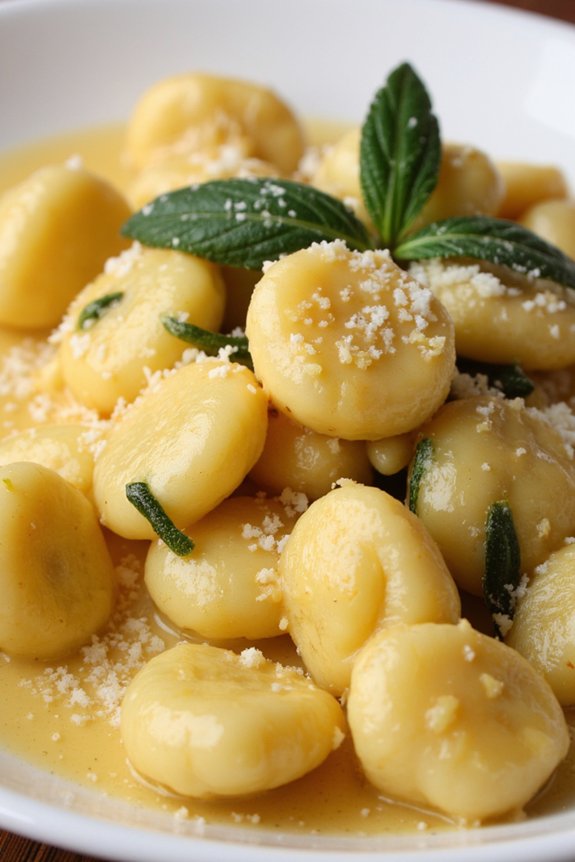
Gnocchi Di Patate, a classic Italian dish, is a delightful potato-based pasta that’s both comforting and satisfying. Originating from Northern Italy, this dish is beloved for its pillowy texture and ability to absorb rich sauces. The key to perfect gnocchi lies in selecting the right type of potatoes and guaranteeing they’re cooked to the right consistency. Traditionally served with a simple butter and sage sauce, Gnocchi Di Patate can also be paired with a variety of sauces, from tomato-based to creamy cheese sauces, making it a versatile dish suitable for various palates.
Preparing Gnocchi Di Patate from scratch is an engaging culinary experience that can be enjoyed by home chefs of all levels. The process involves boiling potatoes, mashing them to a smooth consistency, and then combining them with flour and egg to form a dough. The dough is then rolled, cut, and shaped into small dumplings, which are quickly boiled until they float to the surface.
Though it requires some patience and a gentle touch, the reward is a batch of tender, melt-in-your-mouth gnocchi that will impress family and friends alike.
Ingredients (Serves 4-6):
- 2 pounds (about 1 kg) of starchy potatoes (such as Russet or Yukon Gold)
- 1 1/2 cups (about 200 grams) all-purpose flour, plus extra for dusting
- 1 large egg, beaten
- 1 teaspoon salt
- Butter and fresh sage leaves (for sauce)
- Grated Parmesan cheese (optional, for serving)
Cooking Instructions:
- Prepare the Potatoes:
- Begin by boiling the potatoes with their skins on in a large pot of salted water until they’re fork-tender, approximately 20-30 minutes.
- Once cooked, drain the potatoes and allow them to cool slightly. Peel the skins off while they’re still warm.
- Mash the Potatoes:
- Using a potato ricer or masher, mash the potatoes until smooth and free of lumps. Spread the mashed potatoes in an even layer on a clean work surface to allow excess moisture to escape.
- Make the Dough:
- Sprinkle the flour and salt over the mashed potatoes, then create a well in the center. Add the beaten egg into the well.
- Gently combine the ingredients by hand, kneading the mixture until a soft, smooth dough forms. Be careful not to overwork the dough, as this can result in dense gnocchi.
- Shape the Gnocchi:
- Divide the dough into four equal portions. Roll each portion into a long rope, approximately 3/4 inch in diameter.
- Cut the ropes into 1-inch pieces. Use the back of a fork to gently press each piece, creating ridges that will hold the sauce.
- Cook the Gnocchi:
- Bring a large pot of salted water to a boil. Add the gnocchi in batches, cooking them until they float to the surface, about 2-3 minutes.
- Use a slotted spoon to remove the gnocchi and transfer them to a warm serving dish.
- Prepare the Sauce:
- In a skillet, melt butter over medium heat and add fresh sage leaves. Cook until the butter is golden brown and the sage is fragrant.
- Pour the butter and sage sauce over the cooked gnocchi. Toss gently to coat.
- Serve:
- Serve the gnocchi hot, optionally garnished with grated Parmesan cheese.
Extra Tips:
When making Gnocchi Di Patate, it’s essential to use starchy potatoes, as they help absorb the flour well, resulting in a light and airy texture. Confirm the potatoes are dry before mashing to prevent excess moisture in the dough.
If the dough seems too wet, add a little more flour, but be cautious not to add too much, as this can make the gnocchi heavy. For a flavorful twist, you can incorporate some nutmeg or grated cheese into the dough. Enjoy these delicate dumplings with your favorite sauce, and remember that practice makes perfect when it comes to mastering the art of homemade gnocchi.
Linguine Alle Vongole
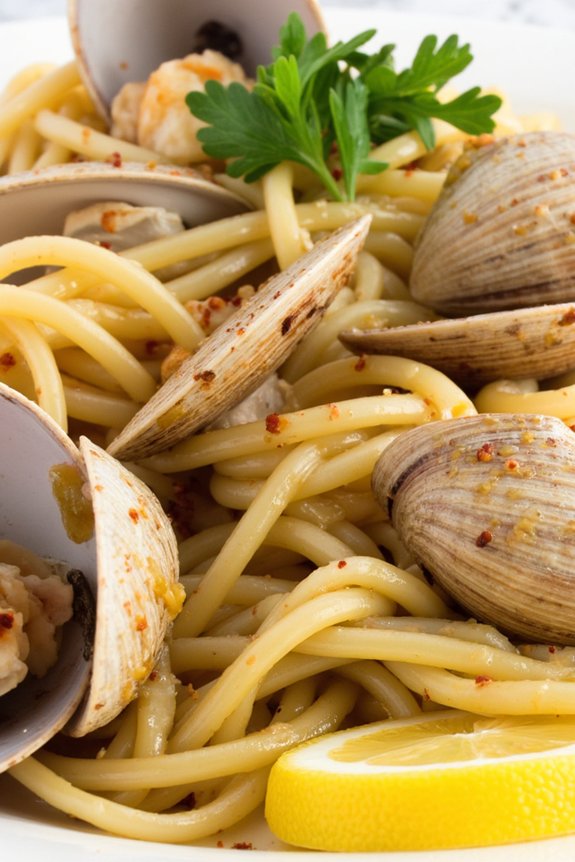
Linguine Alle Vongole, or linguine with clams, is a quintessential Italian dish that captures the essence of coastal Italy with its rich flavors and simple preparation. This classic recipe combines fresh clams with garlic, olive oil, and a hint of white wine to create a savory sauce that perfectly complements the linguine. The dish is quick to prepare, making it an ideal choice for both casual weeknight dinners and sophisticated dinner parties. The briny clams paired with al dente pasta create an unforgettable taste experience that transports you straight to the shores of the Mediterranean.
The origins of Linguine Alle Vongole can be traced back to the Italian regions of Campania and Liguria, where seafood is a staple of the local cuisine. The simplicity of the ingredients highlights the natural flavors of the clams, which are gently cooked until they release their juices, creating a flavorful broth.
The addition of parsley and a squeeze of lemon at the end brightens the dish, adding a fresh and aromatic touch. This beloved dish celebrates the bounty of the sea and the Italian tradition of letting high-quality ingredients shine.
Ingredients for 4-6 servings:
- 1 pound linguine
- 3 pounds fresh clams, scrubbed and rinsed
- 4 tablespoons extra-virgin olive oil
- 4 cloves garlic, thinly sliced
- 1/2 teaspoon red pepper flakes
- 1 cup dry white wine
- Salt, to taste
- Freshly ground black pepper, to taste
- 1/4 cup fresh parsley, chopped
- 1 lemon, cut into wedges
Cooking Instructions:
- Prepare the Clams: Begin by soaking the clams in cold water for about 20 minutes to allow them to expel any sand. After soaking, scrub the shells under running water to remove any remaining grit.
- Cook the Pasta: Bring a large pot of salted water to a boil. Add the linguine and cook according to package instructions until al dente. Reserve about 1 cup of pasta water, then drain the linguine.
- Sauté Garlic and Red Pepper Flakes: In a large skillet, heat the olive oil over medium heat. Add the sliced garlic and red pepper flakes, sautéing for about 1-2 minutes until the garlic is fragrant and golden, but not browned.
- Add Clams and Wine: Increase the heat to medium-high and add the clams to the skillet. Pour in the white wine, cover the skillet with a lid, and cook for about 5-7 minutes, shaking the pan occasionally, until the clams have opened. Discard any clams that don’t open.
- Combine Pasta and Clams: Add the cooked linguine to the skillet, gently tossing it with the clams and their juices. If necessary, add some reserved pasta water to loosen the sauce. Season with salt and pepper to taste.
- Finish with Parsley and Lemon: Remove the skillet from the heat and sprinkle the chopped parsley over the linguine and clams. Serve immediately with lemon wedges on the side for squeezing over the dish.
Extra Tips: For the best flavor, choose fresh clams that are tightly closed and have a pleasant sea smell. If any clams are open, tap them lightly; if they don’t close, discard them.
Using a dry white wine, such as Pinot Grigio or Sauvignon Blanc, will add depth to the sauce without overpowering the delicate flavors of the clams. Remember to taste and adjust the seasoning before serving, and don’t skimp on the fresh parsley and lemon, as they add an essential brightness to the dish.
Ravioli Di Ricotta E Spinaci
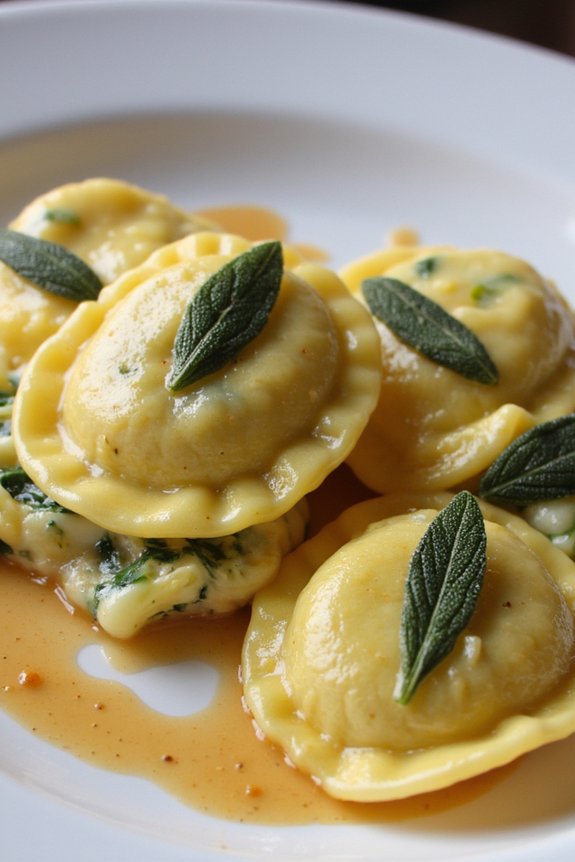
Ravioli Di Ricotta E Spinaci, or Ricotta and Spinach Ravioli, is a classic Italian pasta dish that combines the delicate flavors of fresh spinach and creamy ricotta cheese, encased in a tender pasta shell. This dish is an elegant choice for a dinner party or a cozy family meal, offering both sophistication and comfort.
The filling is seasoned simply with nutmeg, salt, and pepper, allowing the natural flavors of the ingredients to shine. Traditionally, the ravioli are served with a light butter and sage sauce, which enhances the earthy notes of the spinach and the richness of the ricotta.
Preparing Ravioli Di Ricotta E Spinaci from scratch may seem intimidating at first, but it’s a rewarding culinary endeavor. Making the pasta dough and filling by hand gives you control over the texture and flavor, resulting in a superior dish that’s well worth the effort. The key is to use fresh, high-quality ingredients, especially when it comes to the ricotta and spinach.
These ravioli can be enjoyed as a primo, or first course, in a multi-course Italian meal, or simply as a main dish with a side salad.
Ingredients (Serves 4-6)
- 2 1/2 cups all-purpose flour
- 4 large eggs
- 1 tablespoon olive oil
- 1/2 teaspoon salt
- 1 cup ricotta cheese
- 1 cup fresh spinach, blanched and chopped
- 1/4 cup grated Parmesan cheese
- 1/4 teaspoon ground nutmeg
- Salt and pepper to taste
- 1/2 cup unsalted butter
- 10 fresh sage leaves
Cooking Instructions
- Prepare the Pasta Dough: On a clean work surface, mound the flour and make a well in the center. Crack 3 eggs into the well, add the olive oil and salt. Gradually incorporate the flour into the eggs using a fork until the mixture becomes too stiff to mix. Knead the dough for about 10 minutes until smooth and elastic. Wrap in plastic wrap and let it rest for 30 minutes.
- Make the Filling: In a bowl, combine the ricotta, spinach, Parmesan, nutmeg, and a pinch of salt and pepper. Mix well until smooth and homogenized. Taste and adjust seasoning if necessary.
- Roll Out the Dough: Divide the dough into four equal portions. Roll each portion through a pasta machine, starting with the widest setting and gradually moving to the thinnest setting to create long sheets. You can also roll the dough by hand using a rolling pin.
- Assemble the Ravioli: Lay one sheet of pasta on a floured surface. Place teaspoons of filling at intervals along the sheet, leaving space between each dollop. Brush the edges and spaces with a beaten egg to help seal. Lay another sheet of pasta over the filling and press down around the filling to remove any air pockets. Cut into individual ravioli using a pasta cutter or knife.
- Cook the Ravioli: Bring a large pot of salted water to a boil. Add the ravioli and cook for about 3-4 minutes or until they float to the surface. Remove with a slotted spoon and drain.
- Prepare the Sauce: In a large pan, melt the butter over medium heat. Add the sage leaves and cook until the butter starts to brown and the sage becomes crispy, about 3 minutes.
- Serve: Add the cooked ravioli to the pan with the sage butter, gently tossing to coat. Serve immediately, garnished with extra Parmesan if desired.
Extra Tips
When making Ravioli Di Ricotta E Spinaci, confirm the pasta dough is rolled out thinly enough to be tender once cooked but thick enough to hold the filling without tearing.
If you’re new to making pasta, a pasta machine can make the process much easier. Additionally, make sure the filling is as dry as possible to prevent the ravioli from becoming soggy; draining the ricotta and thoroughly squeezing the spinach will help achieve this.
Finally, take care not to overcrowd the pot when cooking the ravioli to prevent them from sticking together. Enjoy your homemade creation!
Bucatini All’amatriciana
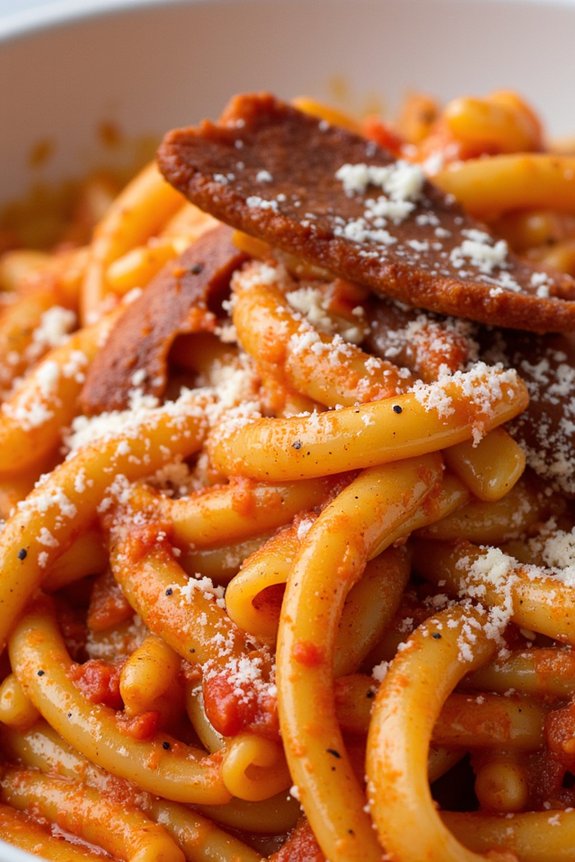
Bucatini All’amatriciana is a beloved classic in Italian cuisine, originating from the town of Amatrice in the Lazio region. This dish is renowned for its rich, savory flavors and its use of simple, quality ingredients. Traditionally, Bucatini All’amatriciana is made with guanciale (cured pork cheek), pecorino cheese, tomatoes, and a touch of chili for spice, all tossed with bucatini pasta, which is a thick, hollow spaghetti-like pasta that holds the sauce beautifully.
The key to a successful Bucatini All’amatriciana lies in its simplicity and the quality of its ingredients. Using fresh, ripe tomatoes or high-quality canned tomatoes, authentic guanciale, and freshly grated pecorino romano cheese will elevate the dish. The guanciale is cooked until crispy, providing a deliciously smoky flavor that complements the tangy tomatoes and sharp cheese. This dish is perfect for a comforting yet elegant meal that showcases traditional Italian flavors.
Ingredients for 4-6 servings:
- 500g bucatini pasta
- 150g guanciale, diced
- 1 tablespoon olive oil
- 400g canned whole peeled tomatoes
- 1/2 teaspoon red chili flakes
- Salt, to taste
- Freshly ground black pepper, to taste
- 100g pecorino romano cheese, grated
Cooking Instructions:
- Prepare the ingredients: Begin by dicing the guanciale into small cubes. If using whole peeled tomatoes, crush them gently with your hands or a fork.
- Cook the guanciale: In a large skillet, heat the olive oil over medium heat. Add the diced guanciale and cook until it becomes golden brown and crispy, about 5-7 minutes. Stir occasionally to guarantee even cooking.
- Add the tomatoes and chili flakes: Once the guanciale is crispy, add the crushed tomatoes and red chili flakes to the skillet. Stir to combine and bring the mixture to a simmer. Allow the sauce to cook for about 15 minutes, stirring occasionally, until it thickens slightly.
- Cook the pasta: While the sauce is simmering, bring a large pot of salted water to a boil. Add the bucatini and cook according to the package instructions until al dente. Reserve about 1 cup of the pasta cooking water, then drain the pasta.
- Combine pasta and sauce: Add the cooked bucatini to the skillet with the sauce. Toss the pasta with the sauce to guarantee it’s evenly coated. If the sauce is too thick, add some of the reserved pasta water a little at a time until the desired consistency is reached.
- Add cheese and season: Remove the skillet from heat and stir in the grated pecorino romano cheese. Taste and adjust seasoning with salt and freshly ground black pepper as needed.
- Serve: Transfer the Bucatini All’amatriciana to serving plates or a large serving bowl. Sprinkle additional pecorino romano cheese on top if desired.
Extra Tips:
When making Bucatini All’amatriciana, verify the guanciale is cooked thoroughly but not burnt, as the rendered fat is essential for the sauce’s flavor. If guanciale is unavailable, pancetta can be used as a substitute, but the taste will be slightly different.
When cooking the pasta, be mindful not to overcook it, as it should be al dente to best absorb the sauce. Finally, always reserve some pasta water; its starchiness helps the sauce adhere to the pasta for a perfect texture.
