


Gathering around the table with loved ones is a cherished tradition, and Italian feasts make it all the more special.
Think colorful antipasto platters, creamy tiramisu, and the joy of sharing stories over a delicious spread.
These recipes are all about savoring Italy’s rich flavors and bringing everyone together.
Ready to explore some heartwarming Italian dishes?
Let’s discover these delightful recipes that are sure to create lasting memories.
Antipasto Platter
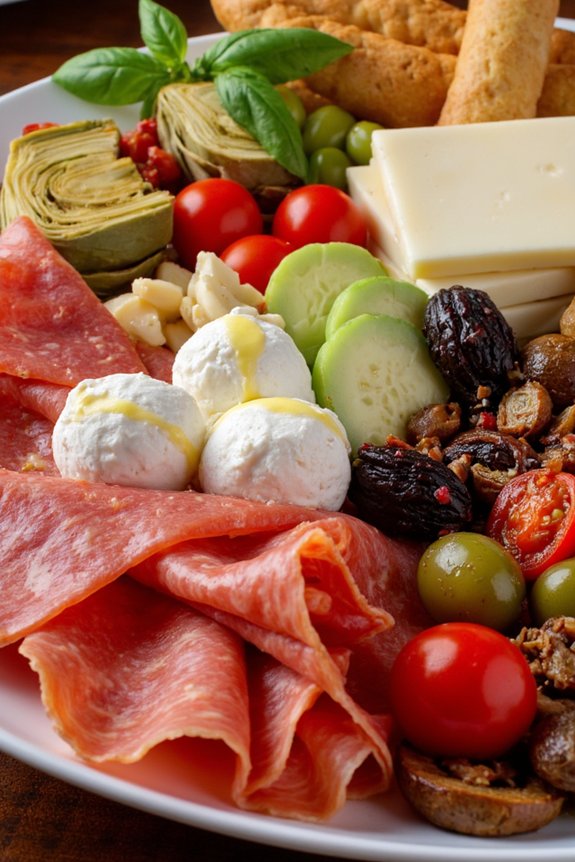
The Antipasto Platter is a traditional Italian appetizer that sets the tone for a delightful meal. This dish is a vibrant and colorful display of Italian cured meats, cheeses, marinated vegetables, olives, and more. It’s designed to whet the appetite with a variety of textures and flavors that can be customized to personal preferences. Perfect for a gathering of family or friends, the antipasto platter can be as simple or as elaborate as you desire, making it a versatile choice for any occasion.
Crafting an antipasto platter is an art, and the key is to balance the flavors and textures. You want a combination of savory, sweet, and tangy elements to create a well-rounded experience. This platter can be prepped in advance, freeing you up to enjoy your guests when they arrive. The following recipe will help you assemble an antipasto platter that serves 4-6 people, offering a delightful introduction to your Italian feast.
Ingredients (serves 4-6):
- 150g prosciutto
- 150g salami
- 150g capicola
- 200g fresh mozzarella balls
- 200g provolone cheese, sliced
- 1 cup marinated artichoke hearts
- 1 cup roasted red peppers
- 1 cup mixed olives (green and black)
- 1 cup cherry tomatoes
- 1/2 cup sun-dried tomatoes
- 1 cup marinated mushrooms
- 1/2 cup basil pesto
- 1/2 cup extra virgin olive oil
- Fresh basil leaves for garnish
- Salt and pepper to taste
- Crusty Italian bread or breadsticks
Instructions:
- Prepare the Ingredients: Begin by washing and drying the cherry tomatoes. Cut the provolone cheese into slices and drain any liquid from the mozzarella balls, artichoke hearts, roasted red peppers, and marinated mushrooms.
- Arrange the Meats: On a large serving platter or wooden board, start by arranging the slices of prosciutto, salami, and capicola. Fold the slices into halves or quarters to create height and texture on the platter.
- Add the Cheeses: Place the mozzarella balls and provolone slices on the platter, spacing them apart from the meats to create visual balance. You can drizzle some extra virgin olive oil over the mozzarella balls for added flavor.
- Include the Vegetables: Add the marinated artichoke hearts, roasted red peppers, and marinated mushrooms to the platter. Arrange them in small piles or use ramekins for a neat presentation.
- Incorporate the Olives and Tomatoes: Scatter the mixed olives and cherry tomatoes around the platter. These can be placed in between the meats and cheeses to add color and variety.
- Finishing Touches: Add the sun-dried tomatoes and a few dollops of basil pesto on the platter. Garnish with fresh basil leaves and season with salt and pepper if desired.
- Serve with Bread: Accompany the antipasto platter with slices of crusty Italian bread or breadsticks, which guests can use to pair with the various meats, cheeses, and spreads.
Extra Tips:
When assembling your antipasto platter, be sure to take into account the balance of flavors. Aim for a mix of salty, savory, and slightly sweet elements. You can add items like nuts, dried fruits, or even honey for an unexpected twist.
Caprese Salad
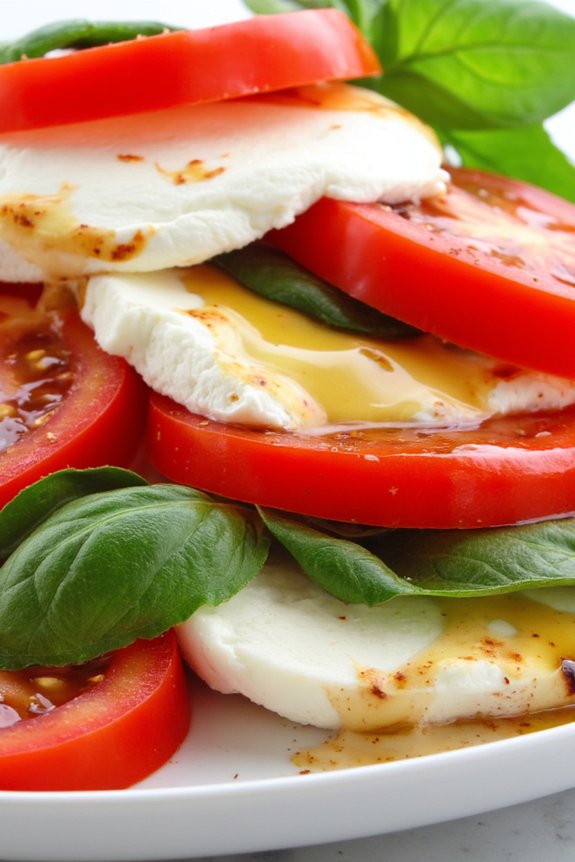
Caprese Salad is a classic Italian dish that embodies the essence of simplicity and freshness. Originating from the island of Capri, this salad is a celebration of vibrant flavors and colors, representing the Italian flag with its red, white, and green hues. The key to a perfect Caprese Salad lies in using the freshest ingredients possible, as each component plays a vital role in the overall taste and presentation.
This dish can be enjoyed as a starter or a light meal on its own, making it a versatile addition to any traditional Italian feast.
The beauty of a Caprese Salad is its minimalism, requiring only a handful of ingredients to create something truly special. At its core, it consists of ripe tomatoes, fresh mozzarella cheese, and fragrant basil leaves, all drizzled with high-quality olive oil and a hint of balsamic vinegar.
The flavors meld together perfectly, offering a revitalizing taste of Italy in every bite. Preparing this dish for a serving size of 4-6 people guarantees that everyone at your table can savor the delightful combination of textures and tastes.
Ingredients for 4-6 people:
- 4 large ripe tomatoes
- 1 pound fresh mozzarella cheese
- 1 bunch fresh basil leaves
- 4 tablespoons extra virgin olive oil
- 2 tablespoons balsamic vinegar (optional)
- Salt, to taste
- Freshly ground black pepper, to taste
Cooking Instructions:
- Prepare the Ingredients: Start by washing the tomatoes and basil leaves thoroughly. Pat them dry with a clean kitchen towel. Slice the tomatoes into 1/4-inch thick rounds and set them aside. Similarly, slice the mozzarella cheese into rounds of similar thickness.
- Assemble the Salad: On a large serving platter, begin layering the ingredients. Start with a slice of tomato, followed by a slice of mozzarella, and then a basil leaf. Repeat this pattern until all the ingredients are used up, creating an alternating pattern of red, white, and green.
- Season and Dress: Drizzle the extra virgin olive oil evenly over the salad. If you choose to use balsamic vinegar, add it sparingly over the top. Season with salt and freshly ground black pepper to taste. The seasoning should enhance the natural flavors without overpowering them.
- Final Touches: Allow the salad to sit for a few minutes before serving. This resting time helps the flavors meld together. Serve at room temperature to fully appreciate the taste and texture of each ingredient.
Extra Tips:
When making Caprese Salad, always opt for the freshest mozzarella you can find, preferably buffalo mozzarella for an authentic taste. For the tomatoes, heirloom varieties are highly recommended due to their rich flavor and juiciness.
If possible, use a high-quality extra virgin olive oil as it greatly impacts the overall flavor of the salad. Additionally, if you’re using balsamic vinegar, choose a well-aged one for a more nuanced taste.
Bruschetta Al Pomodoro
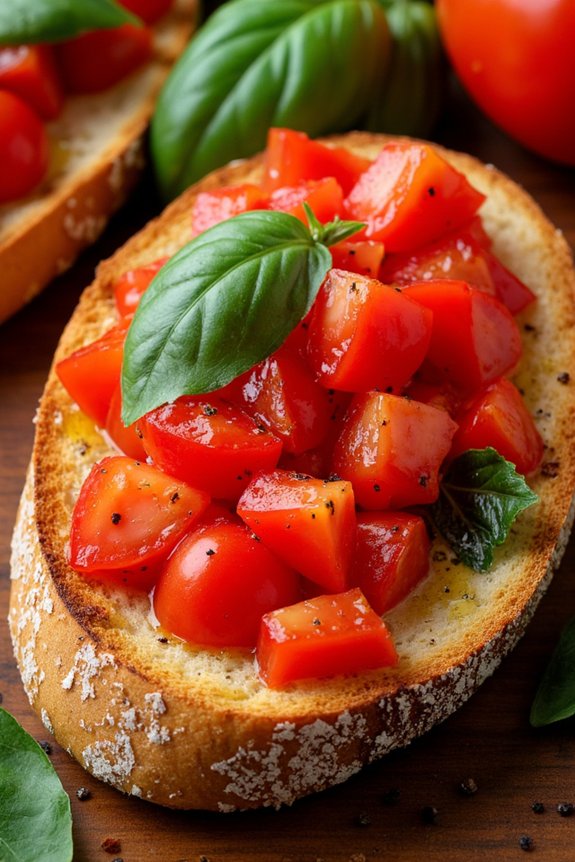
Bruschetta Al Pomodoro is a classic Italian appetizer that highlights the simple yet exquisite flavors of ripe tomatoes, fresh basil, and high-quality olive oil. This dish is perfect for gatherings or as a delightful starter to a traditional Italian feast. The key to an exceptional Bruschetta Al Pomodoro lies in the freshness of the ingredients — ripe tomatoes bursting with flavor, aromatic basil leaves, and a good quality extra virgin olive oil that ties all the elements together.
This dish isn’t only quick and easy to prepare but also versatile, allowing for variations based on personal taste preferences. Traditional Bruschetta Al Pomodoro features a topping of diced tomatoes and basil, served on slices of toasted bread. The bread acts as the perfect vehicle for soaking up the rich flavors of the tomato mixture while maintaining a delightful crunch. Whether you’re hosting a dinner party or simply enjoying a casual meal, this dish is sure to impress.
Ingredients for 4-6 servings:
- 6 medium ripe tomatoes
- 1 loaf of crusty Italian bread or baguette
- 2 garlic cloves
- 1/4 cup extra virgin olive oil
- Salt to taste
- Freshly ground black pepper to taste
- 1/4 cup fresh basil leaves
- 1 tablespoon balsamic vinegar (optional)
Cooking Instructions:
- Prepare the Tomatoes: Start by washing the tomatoes thoroughly under running water. Once cleaned, remove the cores and dice them into small pieces. Place the diced tomatoes in a mixing bowl.
- Season the Tomatoes: Add a generous pinch of salt and freshly ground black pepper to the tomatoes. Drizzle 2 tablespoons of extra virgin olive oil over them. If you like a hint of tanginess, add the balsamic vinegar at this stage. Toss everything together and let the mixture sit for about 10 minutes to allow the flavors to meld.
- Prepare the Bread: Slice the Italian bread or baguette diagonally into 1/2-inch thick slices. You should have about 12 slices, which is sufficient for 4-6 servings.
- Toast the Bread: Preheat your oven to 400°F (200°C). Arrange the bread slices on a baking sheet and brush each slice lightly with olive oil. Toast them in the oven for about 5-7 minutes or until they’re golden brown and crispy. Watch closely to prevent burning.
- Prepare the Garlic: While the bread is toasting, peel the garlic cloves. Once the bread is toasted, rub the cut side of a garlic clove over the top of each slice. The heat from the bread will help the garlic flavor to infuse.
- Assemble the Bruschetta: Spoon a generous amount of the tomato mixture onto each toasted bread slice. Tear the fresh basil leaves into smaller pieces and sprinkle them on top of the tomatoes.
- Serve: Drizzle a little more olive oil over the bruschetta just before serving. This dish is best enjoyed fresh and slightly warm.
Extra Tips:
For the best results, use vine-ripened tomatoes as they’ve a naturally sweet and intense flavor that’s perfect for this dish. If possible, make the tomato mixture ahead of time and let it sit for a few hours to deepen the flavors.
When choosing your bread, opt for one with a firm crust and soft interior, as this will hold up well under the moist tomato topping while still offering a satisfying crunch. Feel free to experiment with other toppings like mozzarella or olives to add more depth and variety to your Bruschetta Al Pomodoro.
Classic Margherita Pizza

The Classic Margherita Pizza is a quintessential recipe that captures the essence of traditional Italian cuisine with its simple yet flavorful ingredients. Originating from Naples, this dish highlights the use of fresh, high-quality components such as ripe tomatoes, creamy mozzarella, fragrant basil, and a perfectly crisp crust.
The Margherita Pizza isn’t only a feast for the palate but also a visual delight, with its vibrant red, white, and green colors representing the Italian flag. This dish is perfect for gatherings, family dinners, or any occasion where you want to enjoy a slice of Italy in the comfort of your home.
Making a Classic Margherita Pizza from scratch involves preparing the dough, creating a delicious tomato sauce, and assembling the pizza with care. While it may seem intimidating at first, the process is quite enjoyable and rewarding. This recipe will guide you through each step, guaranteeing you achieve that authentic Italian taste.
The following ingredients and instructions are designed to serve 4-6 people, ensuring everyone can indulge in this delightful meal.
Ingredients for Classic Margherita Pizza (Serves 4-6):
- 500g (4 cups) all-purpose flour
- 325ml (1 1/3 cups) warm water
- 1 packet (7g) dry yeast
- 1 teaspoon sugar
- 2 tablespoons olive oil
- 1 teaspoon salt
- 400g (14 oz) canned San Marzano tomatoes
- 2 cloves garlic, minced
- 250g (9 oz) fresh mozzarella, sliced
- Fresh basil leaves
- Salt and black pepper to taste
- Extra virgin olive oil for drizzling
Cooking Instructions:
- Prepare the Dough: In a large bowl, dissolve the yeast and sugar in warm water. Let it sit for about 5 minutes, until it becomes frothy. Add the flour, olive oil, and salt to the yeast mixture. Mix until a dough forms.
- Knead and Rise: Transfer the dough onto a floured surface and knead for about 8-10 minutes until it’s smooth and elastic. Place the dough in an oiled bowl, cover it with a damp cloth, and let it rise in a warm place for about 1-2 hours, or until it doubles in size.
- Prepare the Tomato Sauce: While the dough is rising, prepare the tomato sauce. In a saucepan, add the canned San Marzano tomatoes, minced garlic, salt, and black pepper. Simmer over medium heat for 10-15 minutes, breaking up the tomatoes with a spoon until the sauce thickens. Set aside.
- Preheat the Oven: Preheat your oven to the highest setting, typically around 250°C (482°F). If you have a pizza stone, place it in the oven to heat up as well.
- Shape the Dough: Once the dough has risen, punch it down and divide it into two equal portions. On a floured surface, roll out each portion into a thin circle, about 12 inches in diameter.
- Assemble the Pizza: Spread a thin layer of tomato sauce over the base of each dough circle. Evenly distribute the mozzarella slices on top, and scatter fresh basil leaves over the cheese.
- Bake the Pizza: Transfer the pizzas onto the preheated pizza stone or a baking sheet. Bake for 8-10 minutes, or until the crust is golden brown and the cheese is bubbly and slightly browned.
- Finish and Serve: Remove the pizzas from the oven. Drizzle with extra virgin olive oil and add a few more fresh basil leaves for garnish. Slice and serve immediately.
Extra Tips:
To achieve an authentic Neapolitan-style crust, make sure your oven is at its highest temperature and your pizza stone is thoroughly heated. If you don’t have a pizza stone, an upside-down baking sheet can work as a substitute for a crispy base.
For an added depth of flavor, consider using buffalo mozzarella for its rich and creamy texture. Remember, the key to a great Margherita Pizza is using fresh, high-quality ingredients, so don’t skimp on the basics. Enjoy your homemade pizza with a side of Italian wine for a complete culinary experience.
Spaghetti Carbonara
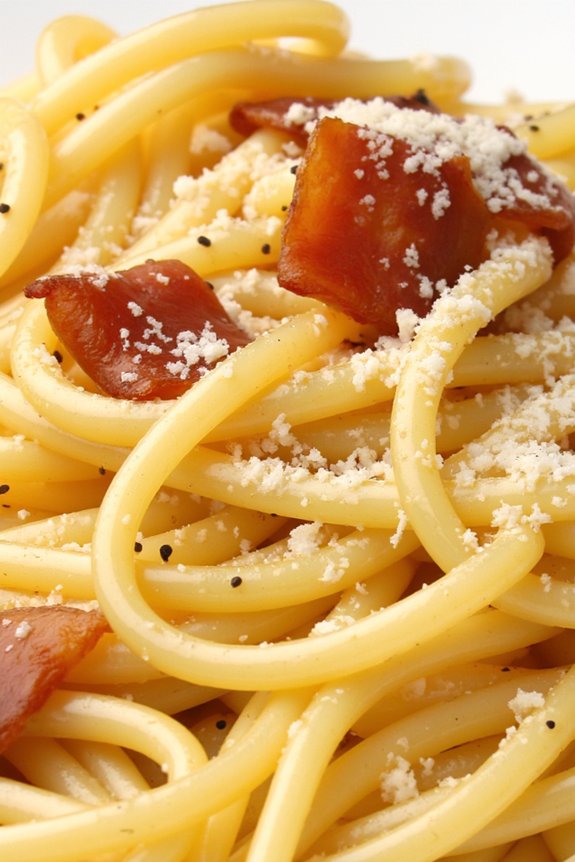
Spaghetti Carbonara is a classic Italian dish known for its creamy sauce and rich flavors. Originating from Rome, this dish beautifully combines the simplicity of pasta with the indulgence of pancetta, eggs, and cheese. It’s a perfect example of how a few simple ingredients can create something truly remarkable.
The key to a good Carbonara lies in the preparation of its sauce – a delicate balance of eggs, cheese, and pasta water that creates a silky, creamy coating for the spaghetti without the use of cream.
This recipe serves 4-6 people and is perfect for both a cozy family dinner or an elegant gathering with friends. It’s crucial to use fresh ingredients to achieve the authentic taste that Carbonara is famous for. Pancetta can be substituted with guanciale, a type of cured pork jowl, which is traditionally used in Italy. The use of Pecorino Romano cheese is recommended for its sharp and tangy flavor, but Parmesan can be used as an alternative.
Ingredients:
- 500g (1 pound) spaghetti
- 200g (7 oz) pancetta or guanciale, diced
- 4 large eggs
- 100g (3.5 oz) Pecorino Romano cheese, finely grated
- Freshly ground black pepper
- Salt
- 2 tablespoons olive oil
Cooking Instructions:
- Boil the Pasta: Fill a large pot with water and add a generous amount of salt. Bring it to a boil and cook the spaghetti until al dente, according to package instructions. Reserve about 1 cup of the pasta cooking water and then drain the spaghetti.
- Prepare the Pancetta: While the pasta is cooking, heat the olive oil in a large skillet over medium heat. Add the diced pancetta and cook until it’s golden brown and crispy, about 4-5 minutes. Remove from heat and set aside.
- Mix the Sauce: In a mixing bowl, whisk together the eggs, grated Pecorino Romano cheese, and a generous amount of freshly ground black pepper. The mixture should be smooth and creamy.
- Combine Pasta and Sauce: Return the skillet with pancetta to low heat. Add the drained spaghetti to the skillet and toss to combine with the pancetta. Remove the skillet from the heat and quickly pour the egg and cheese mixture over the pasta, tossing rapidly to coat the spaghetti. The heat from the pasta will cook the eggs gently, turning them into a creamy sauce.
- Adjust Consistency: If the sauce is too thick, add reserved pasta water a little at a time until the desired consistency is reached. The sauce should be glossy and coat the spaghetti evenly.
- Serve: Divide the Spaghetti Carbonara into serving bowls, and garnish with additional grated Pecorino Romano and a sprinkle of black pepper. Serve immediately.
Extra Tips:
For the best results, ascertain that the eggs are at room temperature before mixing them with the cheese. This helps in creating a smoother sauce.
Also, avoid using cream in the Carbonara; the creamy consistency should come from the emulsification of the eggs, cheese, and pasta water. Remember to toss the pasta off the heat to prevent the eggs from scrambling.
If you prefer a more peppery flavor, you can increase the amount of black pepper according to your taste.
Lasagna Bolognese
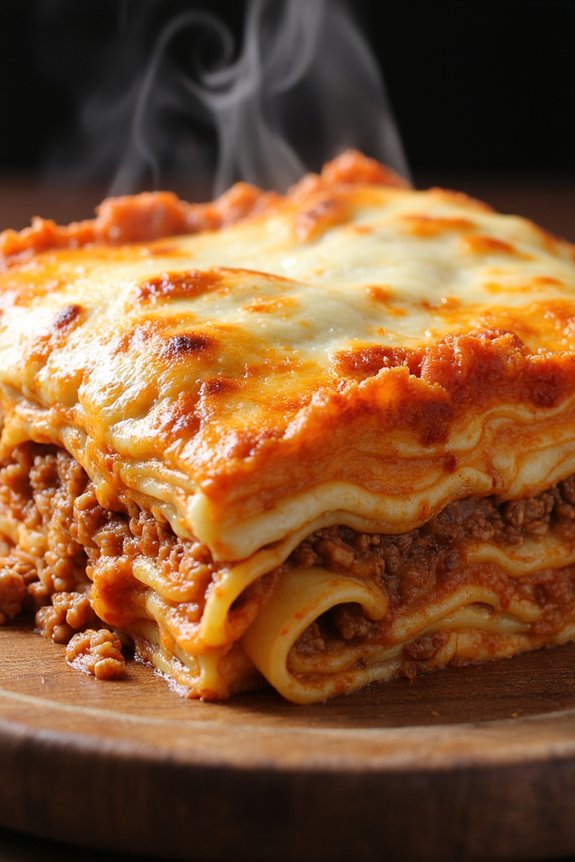
Lasagna Bolognese is a quintessential Italian dish that combines layers of rich meat sauce, creamy béchamel, and tender pasta sheets. Originating from Bologna, this dish is a celebration of robust flavors and textures, making it a perfect centerpiece for any traditional Italian feast.
The key to a successful Lasagna Bolognese lies in the preparation of the Bolognese sauce, which should be cooked slowly to allow the flavors to meld together beautifully. The béchamel sauce adds a creamy contrast to the hearty meat sauce, while the pasta sheets provide structure and substance.
This recipe serves 4-6 people and includes detailed instructions to guide you in recreating this classic dish in your own kitchen. Whether you’re cooking for a family gathering or simply indulging in a comforting meal, Lasagna Bolognese promises to deliver satisfaction and delight to the table.
Ingredients:
- 12 lasagna pasta sheets
- 2 tablespoons olive oil
- 1 onion, finely chopped
- 2 carrots, finely chopped
- 2 celery stalks, finely chopped
- 2 garlic cloves, minced
- 500g ground beef
- 500g ground pork
- 2 cups crushed tomatoes
- 2 tablespoons tomato paste
- 1 cup beef broth
- 1 cup whole milk
- Salt and pepper to taste
- 1 teaspoon dried oregano
- 1 teaspoon dried basil
- 1/2 cup grated Parmesan cheese
- 3 tablespoons butter
- 3 tablespoons all-purpose flour
- 2 cups whole milk (for béchamel sauce)
- Nutmeg, a pinch
- 200g mozzarella cheese, sliced
Instructions:
1. Prepare the Bolognese Sauce: Heat the olive oil in a large skillet over medium heat. Add the onion, carrots, celery, and garlic, sautéing until softened. Increase the heat to medium-high, add the ground beef and pork, and cook until browned.
Stir in the crushed tomatoes, tomato paste, beef broth, and whole milk. Season with salt, pepper, oregano, and basil. Reduce the heat to low and let simmer for about 1.5 hours, stirring occasionally.
2. Make the Béchamel Sauce: In a separate saucepan, melt the butter over medium heat. Add the flour and whisk continuously until a smooth paste forms. Gradually add the 2 cups of milk, whisking constantly to avoid lumps.
Cook until the sauce thickens, then season with a pinch of nutmeg and salt to taste. Set aside.
3. Preheat the Oven: Preheat your oven to 375°F (190°C).
4. Assemble the Lasagna: In a large baking dish, spread a thin layer of Bolognese sauce on the bottom. Place a layer of pasta sheets over the sauce, followed by more Bolognese sauce, then a layer of béchamel sauce, and a sprinkle of Parmesan cheese.
Repeat the layers until all ingredients are used, finishing with a layer of béchamel and a generous topping of mozzarella slices.
5. Bake: Cover the dish with aluminum foil and bake in the preheated oven for 25 minutes. Remove the foil and bake for an additional 15 minutes, or until the top is golden and bubbly.
6. Rest and Serve: Allow the lasagna to rest for at least 10 minutes before slicing and serving. This helps the layers set and makes serving easier.
Extra Tips:
For an even richer flavor, consider preparing the Bolognese sauce a day ahead; the flavors will intensify as it sits.
When assembling the lasagna, make certain the pasta sheets are completely covered with sauce to prevent them from drying out during baking. If fresh pasta sheets are available, they can be used directly without pre-cooking, saving time and adding authenticity to your dish.
Finally, serving the lasagna with a simple green salad and crusty bread will complement the rich flavors perfectly.
Risotto Alla Milanese
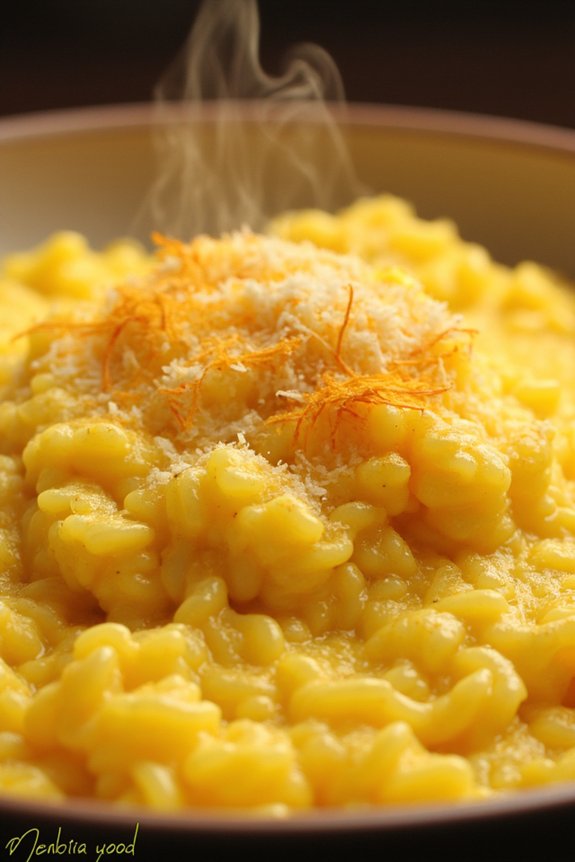
Risotto Alla Milanese is an iconic Italian dish that hails from the Lombardy region, specifically Milan. Known for its rich, creamy texture and signature yellow hue, this dish is a wonderful representation of Northern Italian cuisine. The saffron-infused rice offers an aromatic and flavorful experience, making it a favorite among those who appreciate authentic Italian culinary traditions.
This luxurious dish is often served as a primo (first course) during special occasions and feasts, delighting guests with its vibrant color and delicate, yet robust, flavors.
The key to a perfect Risotto Alla Milanese lies in using high-quality ingredients and paying attention to the cooking process. Arborio, Carnaroli, or Vialone Nano rice varieties are essential, as they’ve the right amount of starch to achieve the desired creamy consistency. Along with saffron, a good quality broth, Parmigiano-Reggiano cheese, and a touch of butter bring depth and richness to the dish.
While it requires careful attention and constant stirring, the end result is well worth the effort, offering a comforting and satisfying meal that showcases the true essence of Italian cooking.
Ingredients for Risotto Alla Milanese (Serving Size: 4-6 people)
- 2 cups Arborio rice
- 1 small onion, finely chopped
- 4 tablespoons unsalted butter, divided
- 1/4 cup dry white wine
- 5 cups chicken or vegetable broth
- 1/4 teaspoon saffron threads
- 1 cup freshly grated Parmigiano-Reggiano cheese
- Salt and freshly ground black pepper, to taste
Cooking Instructions
- Prepare the Broth: In a saucepan, bring the chicken or vegetable broth to a simmer. Add the saffron threads to the broth and let them infuse while you prepare the risotto. Keep the broth warm throughout the cooking process.
- Sauté the Onions: In a large, heavy-bottomed pan, melt 2 tablespoons of butter over medium heat. Add the finely chopped onion and sauté until translucent, about 5 minutes. Be careful not to let them brown.
- Toast the Rice: Add the Arborio rice to the pan with the onions. Stir continuously for about 2-3 minutes until the rice grains are lightly toasted and coated with butter. This helps to seal the starch inside the grains.
- Deglaze with Wine: Pour the white wine into the pan and stir constantly until the wine is fully absorbed. This adds a nice acidity to balance the richness of the dish.
- Cook the Risotto: Begin adding the warm saffron-infused broth, one ladle at a time, to the rice. Stir constantly and allow each ladle of broth to be absorbed before adding the next. Continue this process until the rice is creamy and al dente, about 18-20 minutes.
- Finish with Butter and Cheese: Once the rice is cooked to your liking, remove the pan from heat and stir in the remaining 2 tablespoons of butter and the freshly grated Parmigiano-Reggiano cheese. Season with salt and freshly ground black pepper to taste.
- Serve Immediately: Risotto is best served immediately, as it continues to cook and thicken even after being removed from the heat. Serve it in warm bowls or plates for the best dining experience.
Extra Tips
To achieve the perfect Risotto Alla Milanese, patience is key. Constant stirring guarantees the rice releases its starches, creating the desired creamy consistency. If you prefer a slightly looser risotto, add a little more broth towards the end of cooking.
Quality saffron is essential, as it’s the heart of this dish, providing both flavor and color. Finally, always use freshly grated Parmigiano-Reggiano cheese for the best taste and texture. Enjoy your homemade Risotto Alla Milanese with a sprinkle of fresh herbs or alongside a glass of Italian white wine to enhance the dining experience.
Osso Buco
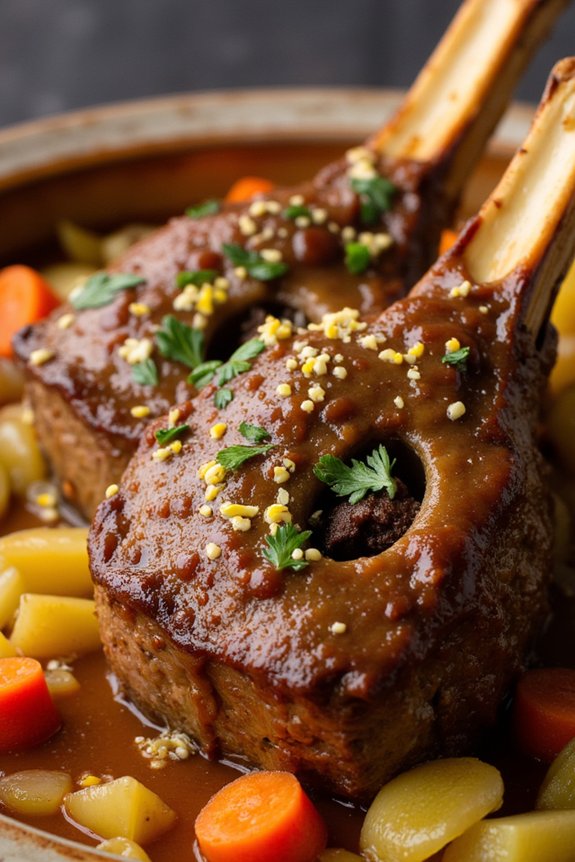
Osso Buco, a culinary masterpiece from the Lombardy region of Italy, is a dish that celebrates the art of slow cooking. Traditionally made with veal shanks, this rich and flavorful dish is known for its tender meat and aromatic sauce. The name “Osso Buco” translates to “bone with a hole,” referring to the marrow-filled bone at the center of the veal shank that adds a depth of flavor to the dish.
Often served with a side of Risotto alla Milanese or polenta, Osso Buco is a hearty meal perfect for family gatherings or a special dinner.
The process of making Osso Buco involves braising the veal shanks in a flavorful broth of wine, stock, and vegetables until the meat is meltingly tender. The dish is typically garnished with gremolata—a zesty mixture of lemon zest, garlic, and parsley—that adds a burst of fresh flavor to the rich sauce.
While the cooking process requires patience, the end result is a succulent and fragrant dish that embodies the essence of Italian comfort food.
Ingredients for Serving 4-6 People:
- 4 veal shanks, about 1 1/2 to 2 inches thick
- Salt and freshly ground black pepper
- 1/2 cup all-purpose flour, for dredging
- 1/4 cup olive oil
- 1 onion, finely chopped
- 1 carrot, finely chopped
- 1 celery stalk, finely chopped
- 3 cloves garlic, minced
- 1 cup dry white wine
- 1 1/2 cups beef or chicken stock
- 2 tablespoons tomato paste
- 1 bay leaf
- 2 sprigs fresh thyme
- Zest of 1 lemon
- 2 tablespoons chopped fresh parsley
Cooking Instructions:
- Prepare the Veal Shanks: Season the veal shanks with salt and pepper. Dredge each shank in flour, shaking off any excess. This will help to create a nice crust and thicken the sauce slightly.
- Brown the Meat: In a large, heavy-bottomed pot or Dutch oven, heat the olive oil over medium-high heat. Add the veal shanks and brown them on all sides, about 8-10 minutes. Remove the shanks and set aside.
- Sauté the Vegetables: In the same pot, add the chopped onion, carrot, and celery. Cook until the vegetables are soft and the onion is translucent, about 5 minutes. Add the garlic and cook for an additional minute.
- Deglaze the Pot: Pour in the white wine to deglaze the pot, scraping up any browned bits from the bottom. Allow the wine to simmer until it reduces by half.
- Add the Liquid and Herbs: Stir in the stock, tomato paste, bay leaf, and thyme. Return the veal shanks to the pot, making sure they’re mostly submerged in the liquid.
- Braise the Shanks: Bring the liquid to a simmer, then cover the pot and transfer it to a preheated oven at 325°F (165°C). Cook for 2 to 2 1/2 hours, or until the meat is tender and falling off the bone.
- Prepare the Gremolata: While the shanks are cooking, combine the lemon zest, parsley, and garlic in a small bowl. This will be used to garnish the dish.
- Finish and Serve: Once the veal is done, remove the pot from the oven. Discard the bay leaf and thyme sprigs. Serve the Osso Buco with a generous sprinkle of gremolata over the top for added flavor. Pair with risotto or polenta for a complete meal.
Extra Tips:
When making Osso Buco, it’s important to select quality veal shanks that are uniform in size to guarantee even cooking. To deepen the flavor of the dish, consider using a homemade stock instead of store-bought.
Additionally, if you prefer a thicker sauce, you can remove the shanks once cooked and reduce the sauce on the stovetop until it reaches your desired consistency. Finally, take the time to prepare the gremolata just before serving to maintain its fresh and vibrant flavor.
Chicken Cacciatore

Chicken Cacciatore, also known as “Hunter’s Chicken”, is a classic Italian dish that brings together rich flavors and rustic charm. Traditionally, this dish is made with chicken pieces slowly simmered in a hearty tomato-based sauce with onions, bell peppers, mushrooms, and aromatic herbs.
This dish is perfect for a cozy family dinner, offering a comforting taste of Italy in every bite. It’s a versatile recipe that can be served over pasta, polenta, or alongside crusty bread to soak up every delicious drop of sauce.
The origins of Chicken Cacciatore are deeply rooted in Italian countryside cooking, where hunters would prepare meals using the fresh ingredients they’d on hand. This dish is celebrated for its simplicity and the rich, savory flavors that develop from the slow cooking process.
Whether you’re an experienced cook or a beginner, Chicken Cacciatore is a delightful dish to prepare and savor. Follow the recipe below to create a warming and flavorful meal for 4-6 people.
Ingredients:
- 4-6 bone-in chicken thighs
- Salt and pepper, to taste
- 2 tablespoons olive oil
- 1 large onion, chopped
- 2 cloves garlic, minced
- 1 red bell pepper, sliced
- 1 yellow bell pepper, sliced
- 8 ounces mushrooms, sliced
- 1 (28-ounce) can crushed tomatoes
- 1/2 cup dry white wine
- 1 teaspoon dried oregano
- 1 teaspoon dried basil
- 1/2 teaspoon crushed red pepper flakes
- 1/4 cup fresh parsley, chopped
- 1/4 cup fresh basil leaves, torn
Instructions:
- Prepare the Chicken: Season the chicken thighs generously with salt and pepper. Heat the olive oil in a large, heavy skillet over medium-high heat. Add the chicken thighs, skin-side down, and sear until golden brown, about 5-7 minutes per side. Remove the chicken from the skillet and set aside.
- Sauté the Vegetables: In the same skillet, add the chopped onion and sauté for 3-4 minutes until translucent. Add the minced garlic, sliced bell peppers, and mushrooms. Cook for another 5 minutes until the vegetables are softened.
- Deglaze and Build the Sauce: Pour the white wine into the skillet to deglaze, scraping up any browned bits from the bottom of the pan. Allow the wine to reduce for about 2 minutes. Stir in the crushed tomatoes, dried oregano, dried basil, and red pepper flakes.
- Simmer the Chicken: Return the chicken thighs to the skillet, nestling them into the sauce. Reduce the heat to low, cover the skillet, and let the chicken simmer for 30-40 minutes. The chicken should be cooked through and tender, and the flavors melded beautifully.
- Finish with Fresh Herbs: Just before serving, sprinkle the dish with fresh parsley and torn basil leaves for a burst of freshness and color.
Extra Tips:
For an even richer flavor, consider adding a splash of balsamic vinegar or a handful of black olives to the sauce during the simmering process.
If you prefer a thicker sauce, remove the lid during the last 10 minutes of cooking to allow some of the liquid to evaporate.
Chicken Cacciatore can be prepared a day in advance and reheated, which will enhance the flavors even further. Serve with your choice of accompaniment to complete this delightful Italian feast.
Tiramisu

Tiramisu, the quintessential Italian dessert, is a beloved classic that has won hearts all over the world. Its name, which means “pick me up” in Italian, perfectly captures the essence of this dessert: a delightful layering of coffee-soaked ladyfingers, creamy mascarpone cheese, and dustings of cocoa powder that come together in a heavenly combination.
Originating from the Veneto region, Tiramisu is a staple in Italian cuisine and is often served as a grand finale to a traditional Italian feast. Its balance of rich flavors and airy texture makes it an irresistible dessert that’s both elegant and comforting.
Making Tiramisu at home is a rewarding experience, allowing you to savor the authentic flavors of Italy. This no-bake dessert is surprisingly simple to prepare, yet it delivers a sophisticated taste that feels indulgent. The key to a perfect Tiramisu lies in using high-quality, fresh ingredients and taking care with each step of the assembly process.
Whether you’re preparing it for a special occasion or simply to enjoy a taste of Italy at home, this Tiramisu recipe promises to deliver a delightful experience for you and your guests.
Ingredients (Serves 4-6):
- 6 large egg yolks
- 3/4 cup granulated sugar
- 2/3 cup milk
- 1 1/4 cups heavy cream
- 1/2 teaspoon pure vanilla extract
- 8 ounces mascarpone cheese
- 1 cup strong brewed coffee, cooled to room temperature
- 3 tablespoons coffee liqueur (optional)
- 24 ladyfingers
- 2 tablespoons unsweetened cocoa powder
- Dark chocolate shavings, for garnish (optional)
Cooking Instructions:
- Prepare the Custard: In a medium saucepan, whisk together the egg yolks and sugar until well blended. Stir in the milk and cook over medium heat, stirring constantly, until the mixture boils. Allow to boil gently for 1 minute, then remove from heat. Cover tightly and chill in the refrigerator for 1 hour.
- Whip the Cream: In a large bowl, beat the heavy cream with the vanilla extract until stiff peaks form. Set aside.
- Combine with Mascarpone: Once the custard has chilled, gently fold in the mascarpone cheese until well blended and smooth.
- Prepare the Coffee Mixture: In a shallow dish, mix the brewed coffee and coffee liqueur (if using).
- Assemble the Tiramisu: Quickly dip each ladyfinger into the coffee mixture, making sure they’re moist but not soggy. Arrange a single layer of soaked ladyfingers in the bottom of a 9×9-inch dish. Spread half of the mascarpone mixture over the ladyfingers. Repeat with another layer of soaked ladyfingers and the remaining mascarpone mixture.
- Chill and Serve: Dust the top of the Tiramisu with cocoa powder. Cover and refrigerate for at least 4 hours, preferably overnight, to allow the flavors to meld and the dessert to set. Before serving, garnish with dark chocolate shavings if desired.
Extra Tips:
When preparing Tiramisu, make sure that the coffee has cooled to room temperature before dipping the ladyfingers to prevent them from becoming too soft and breaking apart.
For a more intense coffee flavor, you may wish to adjust the ratio of coffee to liqueur or even add an espresso shot to the mixture. Finally, letting the Tiramisu sit overnight is vital; this allows the flavors to deepen and the layers to set properly, resulting in a perfectly textured dessert that slices beautifully.
Cannoli

Cannoli is a classic Italian dessert that hails from Sicily, offering a delightful combination of crunchy pastry shells filled with a creamy, sweet ricotta filling. These tubular treats are a staple at Italian celebrations and are loved for their contrasting textures and rich flavors.
Whether you’re enjoying them on a festive occasion or as a dessert after a hearty meal, homemade cannoli promise an authentic taste of Italy that’s bound to impress.
To make cannoli from scratch, you’ll first need to prepare the dough for the shells, which are fried to perfection until golden brown and crisp. The filling is a blend of ricotta cheese, sugar, and a touch of vanilla, often enhanced with chocolate chips or candied fruit.
Making cannoli involves a few stages, but with a bit of patience and love for the process, you’ll master this traditional Italian delight to share with family and friends.
Ingredients for Cannoli (Serving Size: 4-6 People)
*Shells:*
- 2 cups all-purpose flour
- 1 tablespoon granulated sugar
- 1/4 teaspoon salt
- 3 tablespoons unsalted butter, cubed
- 1 egg yolk
- 1/2 cup sweet Marsala wine (or white wine)
- 1 egg white, lightly beaten (for sealing)
- Vegetable oil for frying
Filling:
- 2 cups ricotta cheese, well-drained
- 1 cup powdered sugar
- 1 teaspoon vanilla extract
- 1/2 cup mini chocolate chips
- Optional: candied orange peel or pistachios for garnish
- Powdered sugar for dusting
Cooking Instructions
- Prepare the Shells:
- In a large bowl, combine flour, sugar, and salt. Add cubed butter and mix until the mixture resembles coarse crumbs.
- Add the egg yolk and Marsala wine, mixing until a dough forms. Knead the dough on a floured surface for about 5 minutes until smooth. Wrap in plastic and refrigerate for at least 1 hour.
- Roll and Cut the Dough:
- After chilling, roll the dough out on a floured surface to about 1/8-inch thickness. Use a round cutter (about 4 inches in diameter) to cut out circles.
- Form the Shells:
- Wrap each dough circle around a metal cannoli tube, sealing the edge with a bit of egg white. Confirm it’s sealed properly to avoid unwrapping during frying.
- Fry the Shells:
- Heat vegetable oil in a deep pot to 350°F (175°C). Fry the shells in batches until golden brown, about 2-3 minutes per batch. Remove from oil and drain on paper towels. Allow to cool before removing the metal tubes.
- Prepare the Filling:
- In a medium bowl, combine ricotta cheese, powdered sugar, and vanilla extract. Mix until smooth. Stir in mini chocolate chips.
- Fill the Cannoli:
- Once the shells are cool, use a piping bag to fill each shell with the ricotta mixture. Be sure to fill from both ends for even distribution.
- Garnish and Serve:
- Optionally, dip the ends in chopped pistachios or candied orange peel. Dust with powdered sugar before serving.
Extra Tips
When preparing the ricotta filling, verify the ricotta is well-drained to prevent a runny consistency. For a smoother texture, you may also pass the ricotta through a fine-mesh sieve.
If you don’t have a piping bag, a plastic bag with a corner snipped off works well for filling the shells. For an extra kick of flavor, consider adding a teaspoon of cinnamon or citrus zest to the filling.
Cannoli are best served fresh, so fill them shortly before serving to maintain the crispness of the shells.
