

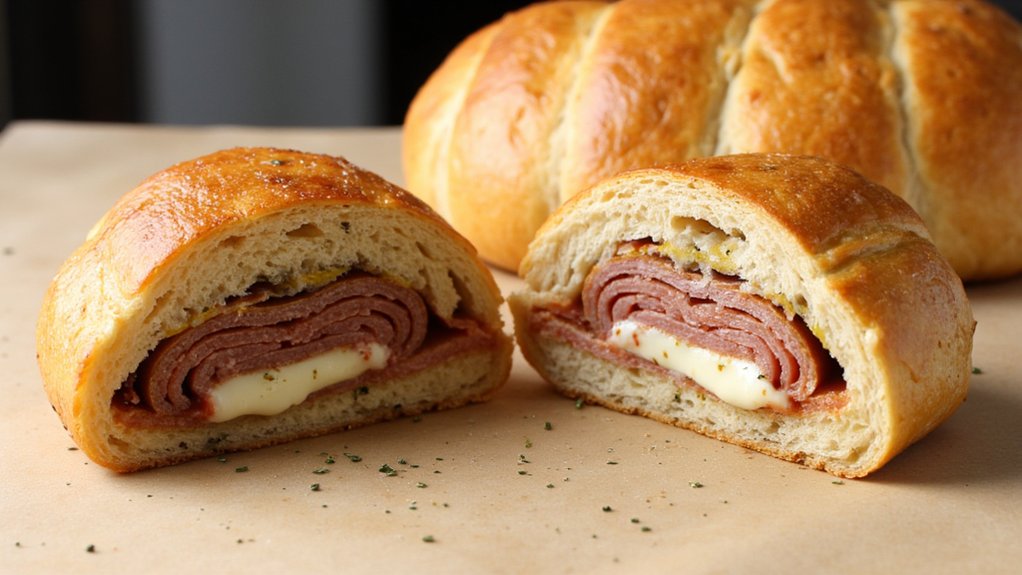
Welcome to a world of golden Italian bread recipes that will fill your home with the most delightful aromas. Picture the scent of rosemary focaccia or the inviting smell of freshly baked ciabatta. These breads not only please your senses but also elevate any meal into something special. Are you ready to explore these irresistible recipes? There’s so much more to discover in this culinary journey.
Classic Ciabatta

Ciabatta, a classic Italian bread, is known for its crisp crust and soft, airy interior. This rustic loaf is perfect for sandwiches, dipping in olive oil, or enjoying with a hearty soup. Its unique texture comes from a high hydration dough, which creates large, irregular holes throughout the bread. Although making ciabatta requires a bit of patience and some practice, the end result is well worth the effort.
Originating from the Veneto region of Italy, ciabatta means “slipper” in Italian, a nod to the bread’s flat and elongated shape. The key to achieving the perfect ciabatta is in the handling of the dough, which is quite sticky and requires gentle folding rather than kneading. This recipe will guide you through the process of making ciabatta from scratch, guaranteeing a delicious and authentic loaf every time.
Ingredients for 4-6 servings:
- 4 cups all-purpose flour
- 2 teaspoons salt
- 1 teaspoon sugar
- 2 teaspoons instant yeast
- 1 1/2 cups lukewarm water
- 1 tablespoon olive oil
Cooking Instructions:
- Prepare the Dough: In a large mixing bowl, combine the flour, salt, sugar, and instant yeast. Gradually add the lukewarm water and olive oil, mixing until a sticky dough forms. The dough should be wet and sticky; avoid adding extra flour.
- First Rise: Cover the bowl with plastic wrap or a damp kitchen towel and let the dough rise in a warm place for about 1 to 2 hours, or until it has doubled in size.
- Fold the Dough: Once risen, gently turn the dough out onto a well-floured surface. With floured hands, carefully stretch and fold the dough over itself a few times to build structure, being cautious not to deflate it too much.
- Second Rise: Transfer the folded dough onto a parchment-lined baking sheet, shaping it into a rough rectangle. Cover again and allow it to rise for another 30 to 60 minutes until puffy.
- Preheat the Oven: During the second rise, preheat your oven to 450°F (230°C). Place a baking stone or an inverted baking sheet in the oven to heat up as well.
- Bake the Bread: Once the dough has finished its second rise, gently slide the parchment with the dough onto the hot baking stone or sheet. Bake for 20-25 minutes, or until the ciabatta is golden brown and sounds hollow when tapped on the bottom.
- Cool the Bread: Remove from the oven and let the bread cool on a wire rack. Allow it to cool completely before slicing to guarantee the best texture.
Extra Tips:
To achieve the best ciabatta, resist the urge to add more flour to the dough, even if it seems too wet. The high hydration is essential for creating the bread’s characteristic holes and chewy texture.
If the dough is difficult to handle, use a bench scraper to assist with folding and transferring it. Additionally, using a baking stone or preheated baking sheet helps create a crisp crust by providing an even heat.
Finally, let the bread cool completely before slicing to prevent it from becoming gummy inside. Enjoy your homemade ciabatta with a drizzle of olive oil or a spread of fresh butter.
Rosemary Focaccia
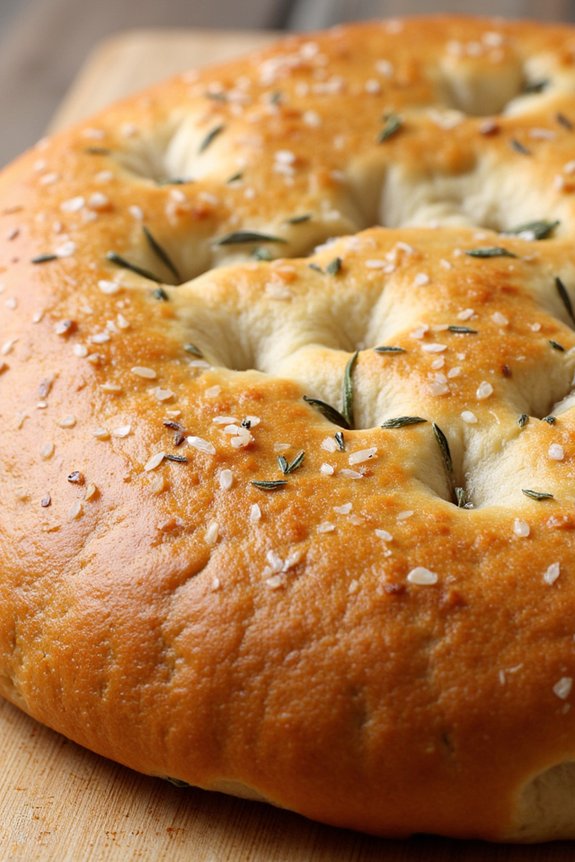
Rosemary Focaccia is a classic Italian bread known for its fragrant aroma and soft, airy texture. This bread is perfect for serving alongside a variety of dishes or enjoying on its own as a flavorful snack. The combination of olive oil and fresh rosemary gives this bread its distinctive flavor, while the slight crunch of sea salt on top adds the perfect finishing touch.
Making focaccia at home is a rewarding experience, as the aroma of freshly baked bread fills your kitchen, and you get to enjoy a delicious, homemade treat. This Rosemary Focaccia recipe is designed to serve 4-6 people, making it ideal for family gatherings or a cozy dinner.
With its simple ingredients and straightforward process, even novice bakers can achieve great results. The key to perfect focaccia is creating a light and airy dough that rises beautifully, and this recipe will guide you through each step to guarantee success. Once you try homemade focaccia, you may never want to buy store-bought versions again.
Ingredients:
- 500g all-purpose flour
- 1 tablespoon sugar
- 2 teaspoons salt
- 2 teaspoons active dry yeast
- 350ml warm water
- 4 tablespoons olive oil, divided
- 2 tablespoons fresh rosemary, chopped
- Coarse sea salt for topping
Instructions:
- Prepare the Dough: In a large mixing bowl, combine the flour, sugar, and salt. In a separate small bowl, dissolve the yeast in warm water and let it sit for about 5-10 minutes until it becomes frothy. Pour the yeast mixture into the flour mixture, adding 2 tablespoons of olive oil. Mix until a sticky dough forms.
- Knead the Dough: Transfer the dough onto a floured surface and knead for about 8-10 minutes until it becomes smooth and elastic. Alternatively, you can use a stand mixer with a dough hook attachment for this step.
- First Rise: Place the dough in a lightly oiled bowl, cover it with a damp cloth or plastic wrap, and let it rise in a warm place for about 1-2 hours, or until it has doubled in size.
- Prepare the Baking Sheet: Once the dough has risen, grease a baking sheet with 1 tablespoon of olive oil. Gently punch down the dough to release excess air and transfer it to the prepared baking sheet.
- Shape the Dough: Using your fingers, stretch and press the dough evenly across the baking sheet. Create dimples across the surface of the dough by pressing down with your fingertips.
- Second Rise: Cover the dough again and let it rise for another 30-45 minutes until it puffs up slightly.
- Preheat and Season: Preheat your oven to 220°C (430°F). Drizzle the remaining 1 tablespoon of olive oil over the dough, sprinkle with chopped rosemary and coarse sea salt.
- Bake the Focaccia: Place the baking sheet in the preheated oven and bake for 20-25 minutes, or until the focaccia is golden brown and cooked through.
- Cool and Serve: Once baked, remove the focaccia from the oven and let it cool on a wire rack. Slice and serve warm or at room temperature.
Extra Tips:
For the best flavor, use high-quality olive oil and fresh rosemary. If you prefer a crispier crust, you can bake the focaccia on a pizza stone instead of a baking sheet. To guarantee even cooking, rotate the baking sheet halfway through the baking time.
If you like, you can add other toppings such as garlic, cherry tomatoes, or olives for additional flavor. Remember, focaccia is best enjoyed fresh, but you can store leftovers in an airtight container for up to two days.
Pane Toscano
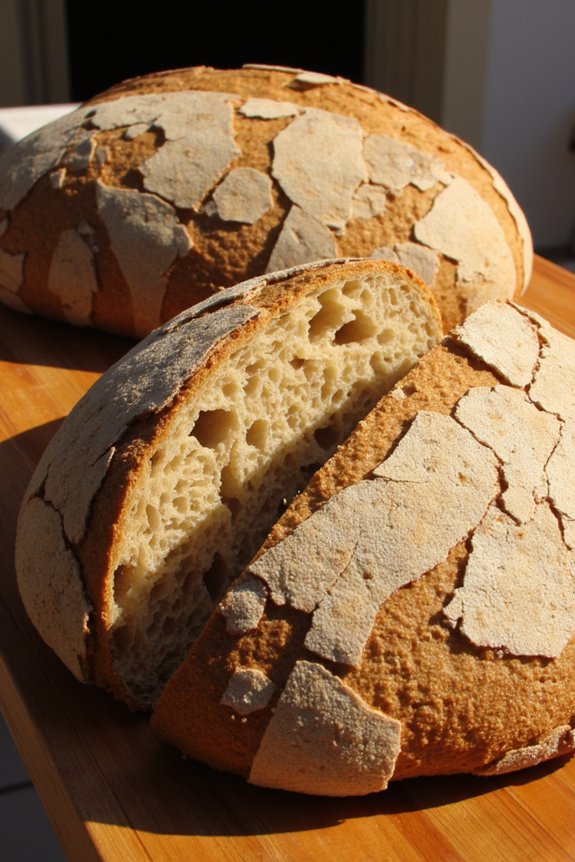
Pane Toscano, also known as Tuscan bread, is a traditional Italian bread that’s distinct for its lack of salt, resulting in a mild flavor that pairs well with the hearty and flavorful dishes of the Tuscan region. This bread is known for its rustic texture and thick crust, making it perfect for soaking up sauces and soups.
The absence of salt in Pane Toscano not only highlights the quality of the wheat used but also complements the often savory and salty components of Tuscan cuisine. This simple yet versatile bread has been a staple in Italian households for generations, embodying the spirit of Italian culinary tradition.
To create this authentic Pane Toscano, you’ll begin by preparing a starter, or “biga,” which ferments overnight and contributes to the bread’s unique flavor and texture. This bread requires patience, as good things often do, but the end result is a delightful loaf with a crunchy crust and a soft, airy interior.
Whether you’re serving it alongside a classic Tuscan soup like Ribollita, or using it as a base for bruschetta, Pane Toscano is sure to elevate your dining experience.
Ingredients (Serves 4-6)
- 500g bread flour
- 300ml lukewarm water
- 2g active dry yeast (about 1/2 teaspoon)
- Additional flour for dusting
Cooking Instructions
- Prepare the Biga: In a large bowl, mix 100g of the bread flour with 50ml of lukewarm water and the active dry yeast. Stir until well combined. Cover the bowl with a clean kitchen towel or plastic wrap and let it sit at room temperature for 12 to 16 hours. This allows the starter to ferment and develop a rich flavor.
- Make the Dough: After the biga has rested, add the remaining 400g of bread flour and 250ml of lukewarm water to the bowl. Mix until a rough dough forms. Turn the dough onto a floured surface and knead for about 10 minutes until it becomes smooth and elastic.
- First Rise: Place the dough in a lightly oiled bowl, cover it with a kitchen towel, and let it rise in a warm place for about 1 to 1.5 hours, or until it has doubled in size.
- Shape the Loaf: Punch down the dough to release air bubbles, then turn it out onto a floured surface. Shape it into a round loaf by folding the edges into the center, creating surface tension on the top of the loaf.
- Second Rise: Place the shaped loaf on a floured proofing basket or a baking sheet lined with parchment paper. Cover it with a kitchen towel and let it rise for another hour until it has doubled in volume.
- Preheat the Oven: About 30 minutes before the end of the second rise, preheat your oven to 220°C (430°F). Place a baking stone or an upside-down baking sheet in the oven to heat as well.
- Bake the Bread: Carefully transfer the risen loaf onto the hot baking stone or sheet. Bake for 30-35 minutes, or until the bread has a deep golden-brown crust and sounds hollow when tapped on the bottom.
- Cool Before Serving: Allow the bread to cool on a wire rack for at least 30 minutes before slicing. This helps to set the crumb structure and makes it easier to cut.
Extra Tips
For the best results, use high-quality bread flour as it has a higher protein content, which helps develop gluten for a better texture. If you’re aiming for an even more rustic flavor, you can let the biga ferment for up to 24 hours.
Remember, the key to a good Pane Toscano is patience during the fermentation and rising processes, as this develops the bread’s characteristic flavor and texture. Additionally, if you prefer a softer crust, you can place a small oven-safe dish of water on the lower rack of the oven to create steam during the first 10 minutes of baking.
Enjoy your homemade Pane Toscano with a drizzle of olive oil or as a delightful accompaniment to your favorite Italian dishes.
Olive and Herb Bread
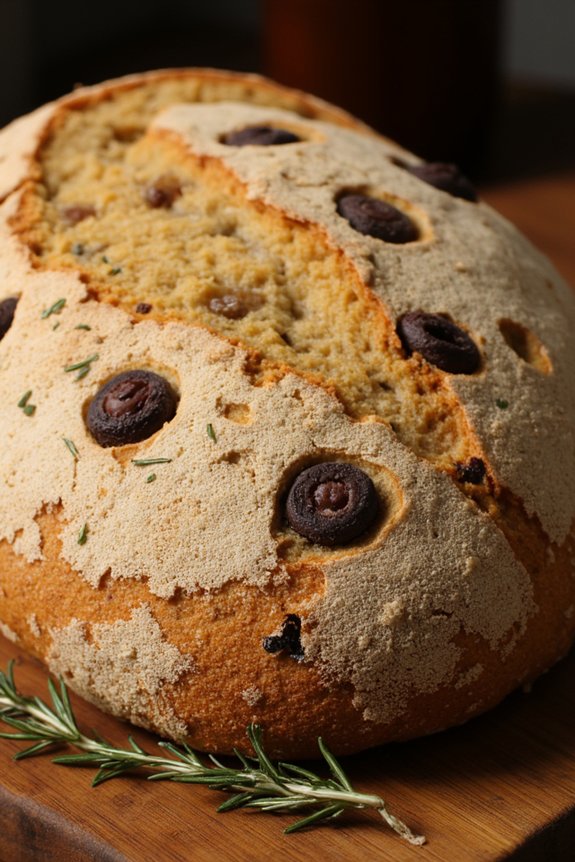
Olive and Herb Bread is a delightful Italian bread that combines the rich flavors of olives with the aromatic essence of fresh herbs. This bread is perfect for serving as an appetizer or alongside your favorite Italian dish, adding a rustic touch to any meal. The recipe involves a simple dough that’s enriched with olives and herbs, creating a wonderfully textured loaf with a crusty exterior and soft, flavorful interior. It’s an excellent choice for those who enjoy the taste of Mediterranean cuisine.
Preparing this Olive and Herb Bread isn’t only rewarding but also a fun experience that fills your kitchen with enticing aromas. Whether you’re a seasoned baker or a beginner, this recipe is straightforward and yields a loaf that will impress your family and friends. The key is to use high-quality ingredients, such as extra virgin olive oil and fresh herbs, to enhance the bread’s flavor profile. Follow the instructions carefully to create a bread that’s deliciously aromatic and perfectly baked.
Ingredients (serves 4-6 people):
- 4 cups all-purpose flour
- 1 packet (2 1/4 teaspoons) active dry yeast
- 1 1/2 cups warm water (about 110°F)
- 1/4 cup extra virgin olive oil
- 1 1/2 teaspoons salt
- 1 cup pitted kalamata olives, chopped
- 2 tablespoons fresh rosemary, chopped
- 2 tablespoons fresh thyme, chopped
- 1 tablespoon sugar
Instructions:
- Activate the Yeast: In a small bowl, combine the warm water and sugar, then sprinkle the yeast over the top. Let it sit for about 5-10 minutes until it becomes frothy, indicating that the yeast is active.
- Prepare the Dough: In a large mixing bowl, combine the flour and salt. Make a well in the center and pour in the activated yeast mixture and olive oil. Mix until a rough dough forms.
- Incorporate the Flavors: Add the chopped olives, rosemary, and thyme to the dough. Knead the mixture on a lightly floured surface for about 8-10 minutes until it becomes smooth and elastic.
- First Rise: Place the dough in a lightly oiled bowl, cover it with a damp cloth, and let it rise in a warm place for about 1-1.5 hours, or until it doubles in size.
- Shape the Loaf: Punch down the risen dough to release the air. Transfer it to a floured surface, shape it into a round loaf or a log, and place it on a parchment-lined baking sheet.
- Second Rise: Cover the shaped loaf with a towel and let it rise again for about 30-45 minutes until it has risen noticeably.
- Preheat and Bake: Preheat your oven to 425°F (220°C). Once the oven is ready, place the loaf in the oven and bake for 25-30 minutes or until the bread is golden brown and sounds hollow when tapped on the bottom.
- Cool: Remove the bread from the oven and let it cool on a wire rack before slicing.
Extra Tips: For the best texture, make sure that your dough is well-kneaded and smooth. If the dough is sticky, add a little more flour, a tablespoon at a time. On the other hand, if it’s too dry, add a tablespoon of water. Fresh herbs provide the best flavor, but if unavailable, dried herbs can be used in smaller quantities. Allow the bread to cool completely before slicing to prevent it from becoming gummy. Enjoy your Olive and Herb Bread fresh, or store it in an airtight container to maintain its freshness for a couple of days.
Garlic Parmesan Breadsticks
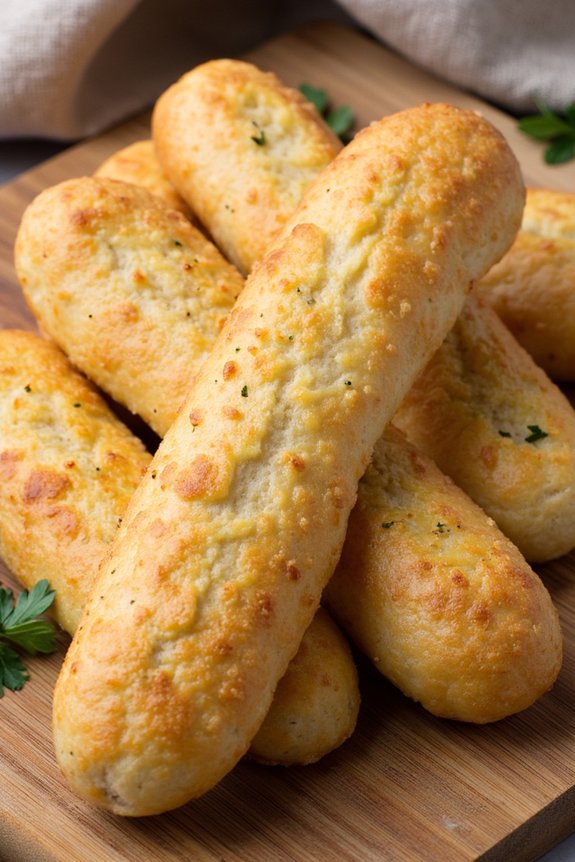
Garlic Parmesan Breadsticks are a delightful addition to any meal, offering a savory combination of flavors that’s sure to please everyone at the table. These breadsticks are crispy on the outside and soft on the inside, with the perfect blend of garlic and Parmesan cheese that makes them irresistible.
Whether you’re hosting a dinner party or simply want to treat your family to something special, these breadsticks are the perfect choice. They’re easy to make and require just a few simple ingredients, yet they deliver a taste that rivals any restaurant offering.
The key to perfect Garlic Parmesan Breadsticks lies in the dough, which should be allowed to rise and develop its flavors before being shaped and baked. The garlic and Parmesan topping complements the bread’s texture perfectly, creating a delicious crust that enhances every bite.
Serve these breadsticks warm, straight from the oven, for the best experience. They pair beautifully with pasta dishes, salads, or can be enjoyed on their own as a savory snack. Prepare to impress your guests with this simple yet satisfying recipe.
Ingredients (Serving Size: 4-6 people):
- 2 1/4 teaspoons active dry yeast
- 1 cup warm water (about 110°F)
- 2 tablespoons sugar
- 3 to 3 1/4 cups all-purpose flour
- 1 1/2 teaspoons salt
- 1/4 cup unsalted butter, melted
- 2 teaspoons garlic powder
- 1/4 cup grated Parmesan cheese
- 2 tablespoons fresh parsley, chopped (optional)
Cooking Instructions:
- Activate the Yeast: In a large mixing bowl, combine the warm water, sugar, and yeast. Stir gently and let the mixture sit for about 5 minutes or until it becomes frothy, indicating that the yeast is active.
- Prepare the Dough: Add 2 cups of the flour and salt to the yeast mixture. Stir with a wooden spoon until a dough begins to form. Gradually add the remaining flour, 1/2 cup at a time, until the dough is soft and slightly sticky. You may not need all the flour.
- Knead the Dough: Transfer the dough to a floured surface and knead it for about 5-7 minutes, until it becomes smooth and elastic. Form the dough into a ball.
- First Rise: Place the dough in a greased bowl, turning once to coat the top. Cover with a damp cloth or plastic wrap and let it rise in a warm place for 1-2 hours, or until it has doubled in size.
- Shape the Breadsticks: Punch down the risen dough and divide it into 12 equal pieces. Roll each piece into a 9-inch long breadstick. Arrange the breadsticks on a baking sheet lined with parchment paper.
- Second Rise: Cover the breadsticks lightly with a cloth and let them rise for another 30 minutes in a warm place, allowing them to puff up slightly.
- Prepare the Topping: In a small bowl, mix the melted butter, garlic powder, and half of the Parmesan cheese.
- Bake the Breadsticks: Preheat your oven to 400°F (200°C). Brush the risen breadsticks generously with the garlic butter mixture. Bake for 15-20 minutes or until golden brown.
- Finish with Parmesan: Remove the breadsticks from the oven and immediately sprinkle the remaining Parmesan cheese over the top, allowing it to melt slightly from the residual heat.
- Serve: Garnish with fresh parsley, if using, and serve warm.
Extra Tips: For extra flavor, consider adding a pinch of Italian seasoning to the garlic butter mixture before brushing it onto the breadsticks. If you prefer a softer texture, cover the breadsticks with aluminum foil halfway through baking.
These breadsticks can also be frozen after baking; simply reheat in the oven for a few minutes before serving.
Rustic Pane Pugliese
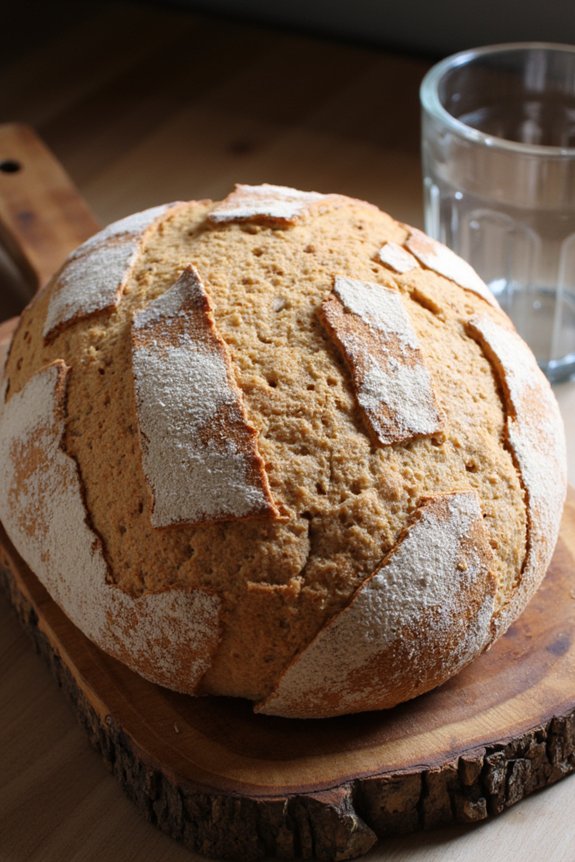
Rustic Pane Pugliese is a traditional Italian bread that hails from the Puglia region, known for its hearty and rustic texture. This bread is characterized by its crunchy exterior and soft, airy interior, making it a perfect companion for soups, stews, or simply enjoyed with a drizzle of olive oil. The secret to Pane Pugliese’s unique texture lies in its long fermentation period, which helps develop its rich flavor and chewy crumb.
Creating Pane Pugliese at home involves a slow rise and careful handling of the dough to maximize its airy structure. Though it takes time, the process is straightforward and rewarding. The key ingredients are simple, yet they transform into something extraordinary with patience and attention to technique.
Ingredients (Serves 4-6 people):
- 500g bread flour
- 350ml lukewarm water
- 10g salt
- 2g dry yeast
- 100g sourdough starter (optional)
Instructions:
- Prepare the Dough: In a large mixing bowl, combine the bread flour and salt. In a separate bowl, dissolve the dry yeast in lukewarm water. If using a sourdough starter, mix it with the water and yeast. Gradually pour the liquid into the dry ingredients, mixing with a wooden spoon until a sticky dough forms.
- Knead the Dough: On a lightly floured surface, knead the dough for about 10-15 minutes until it becomes smooth and elastic. Alternatively, use a stand mixer with a dough hook on medium speed for about 8 minutes.
- First Rise: Place the dough in a lightly oiled bowl, cover it with a damp cloth, and let it rise in a warm environment for 2-3 hours or until it has doubled in size. If using a sourdough starter, this may take longer due to the slower fermentation process.
- Shape the Dough: Gently deflate the dough and shape it into a round loaf. Place it on a baking sheet lined with parchment paper or in a floured banneton for a more traditional look.
- Second Rise: Cover the shaped dough with a cloth and let it rise for another 1-2 hours until it has visibly expanded but still holds its shape.
- Preheat the Oven: Preheat your oven to 220°C (430°F) about 30 minutes before baking. Place a baking stone or an inverted baking tray in the oven to heat.
- Bake the Bread: Slide the loaf onto the preheated stone or tray. Bake for 30-40 minutes, or until the crust is deep golden brown and the bread sounds hollow when tapped on the bottom.
- Cool the Bread: Allow the bread to cool on a wire rack for at least an hour before slicing. This helps set the crumb structure and finish off the cooking process.
Extra Tips: For a more profound flavor and better texture, consider a pre-ferment method like a poolish, which involves preparing part of the dough 12-16 hours before the main mixing.
Additionally, introducing steam into the oven during the first 10 minutes of baking can enhance the crust’s crispness. To achieve this, place a pan of boiling water at the bottom of the oven or spray water inside just before loading your bread.
This rustic bread pairs exquisitely with olive oil, cured meats, and cheeses, embracing the simplicity of Italian cuisine.
Sun-Dried Tomato and Basil Bread

Sun-Dried Tomato and Basil Bread is a delightful Italian-inspired bread that bursts with Mediterranean flavors. This bread combines the rich, tangy taste of sun-dried tomatoes with the fresh, aromatic scent of basil, creating a perfect accompaniment for any meal.
Whether enjoyed on its own or as a base for sandwiches, this bread is certain to impress your family and friends with its vibrant taste and appealing texture. This recipe yields a loaf that serves 4-6 people, making it ideal for a family dinner or a small gathering.
The preparation is straightforward, combining traditional bread-making techniques with these flavorful ingredients. With a little patience and care, you’ll create a loaf that’s both delicious and visually appealing, with beautiful flecks of red and green throughout.
Ingredients (Serves 4-6):
- 3 cups all-purpose flour
- 1 packet (2 1/4 teaspoons) active dry yeast
- 1 tablespoon sugar
- 1 teaspoon salt
- 1 cup warm water (about 110°F)
- 2 tablespoons olive oil
- 1/2 cup sun-dried tomatoes, chopped
- 1/4 cup fresh basil leaves, chopped
- 1/4 cup grated Parmesan cheese (optional)
Instructions:
- Prepare the Dough: In a large mixing bowl, combine the warm water, sugar, and yeast. Stir gently and let it sit for about 5 minutes until the mixture becomes frothy, indicating that the yeast is active.
- Mix the Ingredients: Add the olive oil, salt, and 1 cup of flour to the yeast mixture. Stir to combine, then gradually add the remaining flour, about 1/2 cup at a time, until a soft dough forms. Add the sun-dried tomatoes, basil, and Parmesan cheese (if using) to the dough and mix thoroughly.
- Knead the Dough: Turn the dough onto a lightly floured surface and knead for about 8-10 minutes until it’s smooth and elastic. If the dough is too sticky, sprinkle a little more flour as needed.
- First Rise: Place the dough in a lightly oiled bowl, turning it to coat all sides. Cover the bowl with a clean kitchen towel or plastic wrap, and let the dough rise in a warm, draft-free area for about 1 hour, or until it has doubled in size.
- Shape the Loaf: Punch down the dough to release the air, then transfer it to a floured surface. Shape it into a loaf or a round boule, depending on your preference.
- Second Rise: Place the shaped dough onto a baking sheet lined with parchment paper or a lightly greased loaf pan. Cover it again and let it rise for an additional 30 minutes.
- Preheat and Bake: Preheat your oven to 375°F (190°C). Once preheated, bake the bread for 25-30 minutes, or until the top is golden brown and the loaf sounds hollow when tapped on the bottom.
- Cool and Serve: Remove the bread from the oven and let it cool on a wire rack for at least 15 minutes before slicing and serving.
Extra Tips:
For the best results, verify that your yeast is fresh and active; expired yeast may not yield a good rise.
You can substitute sun-dried tomatoes packed in oil for a richer flavor; just be sure to drain them well before using. If you find the dough too sticky during kneading, add flour sparingly to prevent the bread from becoming too dense.
Finally, allow the bread to cool completely before storing it in an airtight container to preserve its freshness. Enjoy your aromatic, flavorful Sun-Dried Tomato and Basil Bread with your favorite Italian dishes or as a delightful snack on its own.
Traditional Grissini
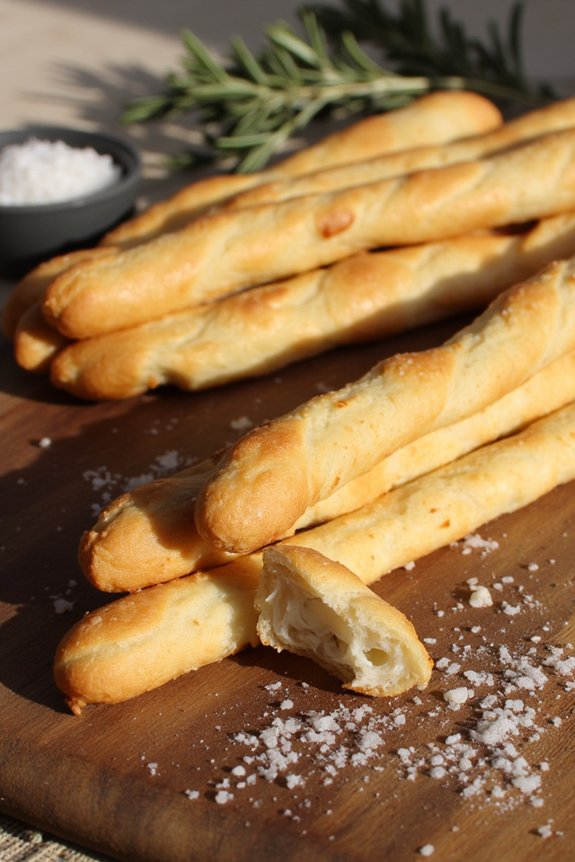
Grissini, the renowned Italian breadsticks, are a staple of Italian cuisine that offer a delightful crunch. Originating from the region of Piedmont, grissini are traditionally served as an appetizer or snack, complementing a variety of dips, cheeses, and cured meats. Their slender shape and crispy texture make them a versatile addition to any meal. Making grissini at home allows you to enjoy them fresh, and it’s surprisingly simple with just a few basic ingredients.
The beauty of traditional grissini lies in their simplicity and the rich flavor derived from quality ingredients. When made correctly, these breadsticks have a golden-brown crust and a light, airy interior that enhances their delicate crunch. This recipe will guide you through the process of crafting these delightful breadsticks, perfect for serving to a group of 4-6 people. Whether you’re hosting a dinner party or looking for a tasty snack, grissini are sure to impress.
Ingredients (Serves 4-6):
- 500 grams all-purpose flour
- 1 teaspoon salt
- 1 tablespoon sugar
- 1 teaspoon active dry yeast
- 300 ml lukewarm water
- 2 tablespoons olive oil
- Coarse sea salt (optional for sprinkling)
- Fresh rosemary or sesame seeds (optional for garnish)
Cooking Instructions:
- Prepare the Dough: In a large bowl, combine the flour, salt, and sugar. Dissolve the yeast in lukewarm water and let it sit for about 5 minutes until it becomes foamy. Pour the yeast mixture and olive oil into the dry ingredients. Mix until a dough begins to form.
- Knead the Dough: Transfer the dough to a floured surface and knead for about 10 minutes, or until the dough is smooth and elastic. If the dough is too sticky, add a little more flour, a tablespoon at a time.
- First Rise: Place the kneaded dough in a lightly oiled bowl, cover it with a damp cloth, and let it rise in a warm place for about 1 hour, or until the dough has doubled in size.
- Shape the Grissini: Preheat your oven to 200°C (390°F). Punch down the risen dough to release the air, then roll it out into a rectangle about 1 cm thick. Cut the dough into strips about 1 cm wide. Roll each strip gently with your hands to form thin, long sticks.
- Second Rise: Place the shaped grissini on baking sheets lined with parchment paper. Cover them with a damp cloth and let them rise again for about 15 minutes.
- Bake the Grissini: Before baking, brush each stick lightly with olive oil and sprinkle with coarse sea salt or your choice of garnish such as rosemary or sesame seeds. Bake in the preheated oven for 15-20 minutes, or until the grissini are golden brown and crispy.
- Cool and Serve: Remove the grissini from the oven and let them cool on a wire rack. Serve them alongside your favorite dips, cheeses, or enjoy them on their own.
Extra Tips:
For the best flavor, use high-quality olive oil and fresh herbs. Feel free to experiment with different toppings and seasonings to suit your taste. If you prefer softer grissini, reduce baking time slightly. For an extra crunchy texture, let them bake until they’re a deep golden brown. Grissini can be stored in an airtight container for up to a week, maintaining their crispness for future enjoyment.
Sicilian Semolina Bread

Sicilian Semolina Bread, known for its golden crust and soft, airy interior, is a staple in Italian cuisine, particularly in Sicily. This bread is characterized by its unique flavor and texture, which is achieved by using semolina flour, a high-protein flour made from durum wheat. The result is a loaf that’s slightly denser than traditional white bread but offers a delightful, nutty taste and a beautiful yellow hue.
Perfect for sandwiches, dipping in olive oil, or simply enjoying on its own, this bread is a versatile addition to any meal.
Making Sicilian Semolina Bread at home requires patience and a bit of technique, but the end result is well worth the effort. The process involves creating a sponge or pre-ferment, which enhances the flavor and texture of the bread. Once the sponge has developed, the remaining ingredients are added, and the dough is kneaded to develop the gluten structure.
After a series of rises and shaping, the bread is baked to golden perfection. This recipe yields a loaf that serves 4-6 people and is perfect for any occasion.
Ingredients (serves 4-6 people):
- 2 cups semolina flour
- 1 cup all-purpose flour
- 1 ½ teaspoons active dry yeast
- 1 ½ cups lukewarm water
- 2 teaspoons salt
- 2 tablespoons olive oil
- 1 tablespoon honey
- Cornmeal for dusting
- Sesame seeds for topping (optional)
Cooking Instructions:
- Prepare the Sponge: In a large mixing bowl, combine 1 cup of semolina flour, 1 cup of lukewarm water, and the yeast. Stir until well mixed, cover with plastic wrap, and let it sit at room temperature for about 1 hour until bubbly and slightly risen.
- Mix the Dough: To the sponge, add the remaining 1 cup semolina flour, 1 cup all-purpose flour, salt, olive oil, honey, and ½ cup lukewarm water. Mix until a rough dough forms.
- Knead the Dough: Turn the dough out onto a lightly floured surface and knead for about 10 minutes, until smooth and elastic. The dough should be slightly sticky but manageable.
- First Rise: Place the dough in a lightly oiled bowl, turning it to coat with oil. Cover with plastic wrap and let it rise in a warm, draft-free area for about 1 to 1 ½ hours, or until doubled in size.
- Shape the Loaf: Punch down the dough to release the air, then shape it into a round or oval loaf. Place it on a baking sheet lined with parchment paper and dusted with cornmeal.
- Second Rise: Cover the shaped loaf with a clean kitchen towel and let it rise for another 45 minutes, or until nearly doubled.
- Preheat the Oven: During the second rise, preheat your oven to 425°F (220°C).
- Score and Top: Once risen, use a sharp knife to make a few slashes on top of the loaf. Optionally, brush the top with water and sprinkle with sesame seeds for added flavor and texture.
- Bake the Bread: Place the loaf in the preheated oven and bake for 25-30 minutes, or until the crust is golden brown and the loaf sounds hollow when tapped on the bottom.
- Cool: Remove the bread from the oven and let it cool on a wire rack before slicing.
Extra Tips: When making Sicilian Semolina Bread, make sure that your water is lukewarm to activate the yeast effectively. If your kitchen is particularly cold, you can create a warm environment for your dough to rise by placing it in a turned-off oven with just the oven light on.
Additionally, if you prefer a softer crust, you can brush the loaf with melted butter immediately after baking. Experimenting with toppings like sesame seeds or even poppy seeds can add a delightful crunch and flavor to the final loaf.
Piadina Flatbread
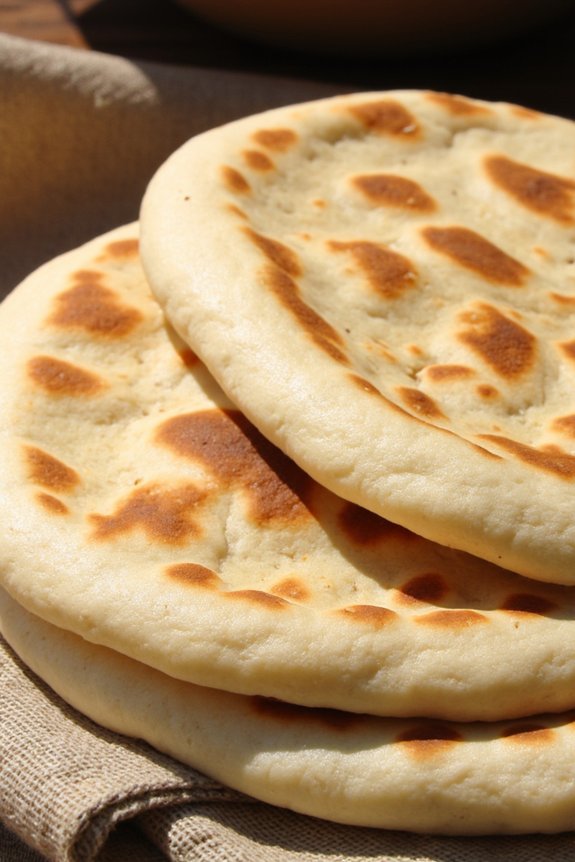
Piadina is a classic Italian flatbread that hails from the Emilia-Romagna region. Known for its simplicity and versatility, piadina is often enjoyed as a street food snack filled with various toppings, from cheeses and meats to fresh vegetables.
Unlike other flatbreads, piadina is traditionally made with lard, which gives it a rich flavor and a tender texture. However, olive oil can be used as a substitute for a lighter version. This recipe will guide you on how to make piadina from scratch, perfect for wrapping around your favorite fillings or enjoying as a side.
Making piadina at home is straightforward and requires minimal ingredients. The dough is rolled out thin and cooked quickly on a hot griddle or skillet, resulting in a soft yet slightly crisp bread. Whether serving it warm from the pan or storing it for later use, piadina offers a delightful addition to any meal.
Preparing piadina flatbread for 4-6 people involves creating a simple dough, rolling it out, and cooking it to golden perfection.
Ingredients for 4-6 Servings:
- 4 cups all-purpose flour
- 1 teaspoon baking powder
- 1 teaspoon salt
- 1/2 cup lard or olive oil
- 1 cup warm water
Cooking Instructions:
- Prepare the Dough: In a large mixing bowl, combine the all-purpose flour, baking powder, and salt. Mix the dry ingredients thoroughly. Add the lard or olive oil to the dry ingredients and mix until the mixture resembles coarse crumbs.
- Form the Dough: Gradually add the warm water to the dry mixture, stirring continuously until a soft dough forms. Transfer the dough onto a lightly floured surface and knead for about 5-7 minutes until smooth and elastic.
- Rest the Dough: Divide the dough into 6 equal portions and shape them into balls. Cover the dough balls with a clean cloth or plastic wrap and let them rest for at least 30 minutes at room temperature. This resting period allows the gluten to relax, making it easier to roll out the dough.
- Roll Out the Dough: After resting, take one dough ball and roll it out on a floured surface into a thin circle, about 8-10 inches in diameter. Repeat the process with the remaining dough balls.
- Cook the Piadina: Heat a non-stick skillet or griddle over medium-high heat. Once hot, place a rolled-out circle of dough onto the skillet. Cook for about 2-3 minutes on each side, or until golden brown spots appear. Adjust the heat if necessary to prevent burning.
- Serve: Once cooked, transfer the piadina to a plate and cover with a cloth to keep warm. Serve immediately with your choice of fillings or toppings.
Extra Tips:
For best results, use a rolling pin to achieve an even thickness in the dough, ensuring uniform cooking. If using lard, make sure it’s at room temperature to blend well with the flour.
If you prefer a slightly thicker piadina, roll the dough less thinly, but keep in mind that cooking time may increase slightly. Store any leftover piadina in an airtight container and reheat on the skillet before serving. Enjoy experimenting with different fillings to find your perfect piadina combination!
Sweet Panettone

Panettone is a classic Italian sweet bread that’s traditionally enjoyed during the Christmas and New Year holidays. This delightful bread is known for its light, fluffy texture and rich, buttery flavor, often studded with a mix of dried fruits and sometimes nuts. Originating from Milan, panettone has become a beloved holiday staple in many households around the world. This recipe will guide you through the process of making a delicious homemade panettone that serves 4-6 people, perfect for sharing with family and friends.
Making panettone at home might seem intimidating due to its long rising times and unique baking technique, but with a little patience and care, you can easily recreate this festive treat. The key to a successful panettone is in the quality of the ingredients and the careful attention during the dough-making process. The reward is a beautifully risen, aromatic bread that will bring the authentic taste of Italy to your holiday celebrations.
Ingredients for 4-6 servings:
- 2 1/4 teaspoons active dry yeast
- 1/4 cup warm water (110°F/45°C)
- 3/4 cup granulated sugar
- 4 large eggs
- 1 teaspoon vanilla extract
- 1 tablespoon grated orange zest
- 1 tablespoon grated lemon zest
- 1/2 cup unsalted butter, softened
- 4 cups all-purpose flour
- 1/2 teaspoon salt
- 1/2 cup warm milk (110°F/45°C)
- 1 cup mixed dried fruits (raisins, candied orange peel, etc.)
- 1/4 cup slivered almonds (optional)
- 1 tablespoon melted butter (for brushing)
Instructions:
- Activate the Yeast: In a small bowl, dissolve the active dry yeast in the warm water. Let it sit for about 5-10 minutes until it becomes frothy, indicating that the yeast is activated.
- Prepare the Dough: In a large mixing bowl, combine the sugar, eggs, vanilla extract, orange zest, and lemon zest. Beat until the mixture is smooth and creamy. Incorporate the softened butter into the mixture until fully blended.
- Mix the Dry Ingredients: In a separate bowl, whisk together the flour and salt. Gradually add the flour mixture to the wet ingredients, alternating with the warm milk, until a dough forms.
- Knead the Dough: Transfer the dough to a lightly floured surface and knead for about 10 minutes until it becomes smooth and elastic. If the dough is too sticky, sprinkle a little more flour as needed.
- First Rise: Place the dough in a large greased bowl, cover it with a damp cloth, and let it rise in a warm place for about 1-2 hours, or until it has doubled in size.
- Add Fruits and Nuts: Once the dough has risen, punch it down to release the air. Gently knead in the mixed dried fruits and slivered almonds until evenly distributed.
- Shape the Panettone: Shape the dough into a ball and place it into a prepared panettone mold or a high-sided cake pan lined with parchment paper.
- Second Rise: Cover the dough again with a damp cloth and let it rise in a warm place for another hour, or until it has doubled in size again.
- Preheat the Oven: Preheat your oven to 350°F (175°C).
- Bake the Panettone: Brush the top of the dough lightly with the melted butter. Bake in the preheated oven for 35-45 minutes, or until the bread is golden brown and a skewer inserted into the center comes out clean. If the top browns too quickly, cover it loosely with aluminum foil.
- Cool and Serve: Allow the panettone to cool in the mold for about 10 minutes before transferring it to a wire rack to cool completely. Serve in slices and enjoy!
Extra Tips:
- Confirm all ingredients are at room temperature before starting to make the dough. This helps in achieving a smooth and even texture.
- If you don’t have a panettone mold, you can use a deep cake pan, but consider lining it with parchment paper to provide extra height for the dough to rise.
- Patience is key with panettone as it requires time to properly rise. Make sure your rising area is warm, but not too hot, to encourage the dough to rise well without drying out.
- Feel free to customize the dried fruit mix according to your taste preferences, adding in chocolate chips or other nuts if desired.
Savory Stromboli

Savory Stromboli is a delectable Italian bread dish that combines the best of both worlds: a soft, fluffy dough encasing a delicious, flavorful filling. Originating from the southern regions of Italy, this dish is perfect for any occasion, be it a family dinner, a casual gathering, or a festive celebration.
The beauty of Stromboli lies in its versatility, allowing you to customize the fillings to suit your taste preferences. Traditionally, it’s filled with an array of cured meats and cheeses, but you can get creative by adding vegetables, herbs, or even a touch of spice.
To create this mouthwatering dish, you’ll first need to prepare the dough, which is similar to pizza dough but rolled out thinner to accommodate the fillings. Once the dough is ready, you can release your creativity with the fillings. As you roll the dough around the ingredients, the flavors meld together, creating a harmonious blend of tastes and textures.
The final touch involves baking the Stromboli to golden perfection, resulting in a crispy exterior and a savory, melty interior. Once sliced, it reveals the vibrant layers within, making it a feast for both the eyes and the palate.
Ingredients for 4-6 servings:
- 2 ½ cups all-purpose flour
- 1 packet (2 ¼ tsp) active dry yeast
- 1 cup warm water (110°F/45°C)
- 1 tablespoon olive oil
- 1 teaspoon sugar
- 1 teaspoon salt
- 1 ½ cups mixed Italian meats (such as salami, ham, or pepperoni)
- 1 ½ cups shredded mozzarella cheese
- ½ cup grated Parmesan cheese
- 1 cup marinara sauce
- 1 teaspoon dried oregano
- 1 teaspoon garlic powder
- 1 egg, beaten (for egg wash)
Cooking Instructions:
- Prepare the Dough: In a small bowl, combine the warm water, sugar, and yeast. Stir gently and let it sit for about 5 minutes until it becomes frothy. In a larger bowl, mix the flour and salt. Add the yeast mixture and olive oil to the flour, stirring until a dough forms. Knead the dough on a floured surface for about 8 minutes until it’s smooth and elastic. Place the dough in a lightly oiled bowl, cover it with a damp cloth, and let it rise in a warm place for 1 hour or until doubled in size.
- Preheat the Oven: Preheat your oven to 375°F (190°C). Line a baking sheet with parchment paper.
- Roll Out the Dough: Once the dough has risen, punch it down to release the air. Roll the dough out on a floured surface into a large rectangle, approximately 12×16 inches.
- Assemble the Stromboli: Spread a thin layer of marinara sauce over the dough, leaving a 1-inch border around the edges. Evenly distribute the Italian meats and mozzarella cheese over the sauce. Sprinkle the Parmesan cheese, oregano, and garlic powder on top.
- Roll the Stromboli: Starting from one of the longer sides, carefully roll the dough into a tight log, making sure the filling stays intact. Pinch the seams and edges to seal the Stromboli.
- Prepare for Baking: Transfer the Stromboli to the prepared baking sheet seam-side down. Brush the top with the beaten egg to give it a glossy finish.
- Bake the Stromboli: Bake in the preheated oven for 25-30 minutes or until the crust is golden brown and the cheese is bubbling.
- Cool and Serve: Allow the Stromboli to cool for a few minutes before slicing. Serve warm with additional marinara sauce on the side for dipping.
Extra Tips:
When making Stromboli, make sure the dough isn’t rolled out too thin, as it needs to support the weight of the fillings without tearing. Feel free to experiment with different fillings, such as sautéed mushrooms, spinach, or roasted peppers, to add variety to your dish.
If you prefer a spicier kick, consider adding crushed red pepper flakes to the filling. Additionally, for a crispier crust, you can parbake the dough for 5 minutes before adding the fillings. Enjoy your savory creation!
