

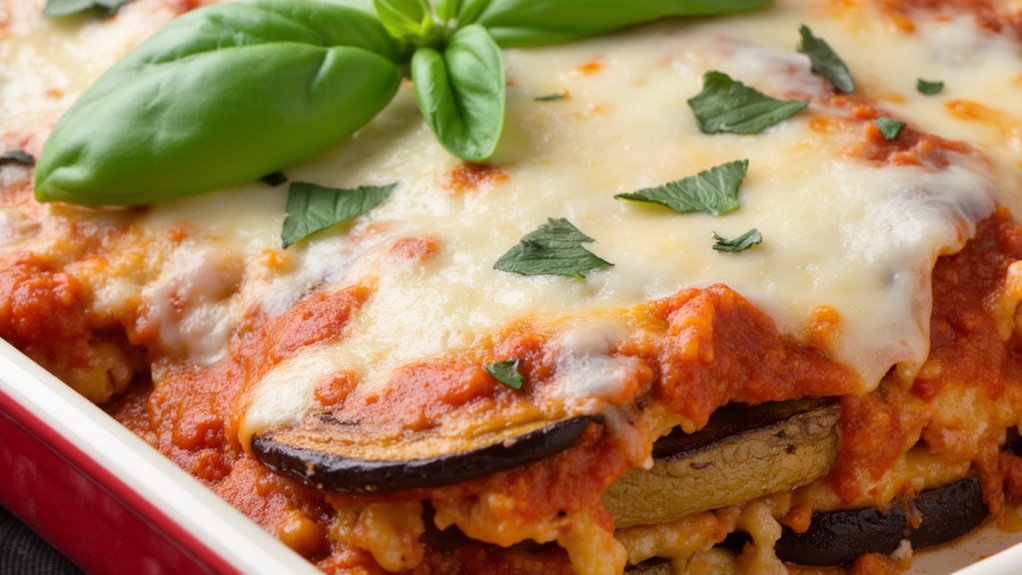
As the crisp autumn air settles in, I find myself drawn to the kitchen to create meals that embody the warmth and richness of the season. There’s something magical about transforming seasonal ingredients like squash, mushrooms, and root vegetables into comforting dishes that bring friends and family together. The enticing aroma of garlic and herbs mingling with simmering sauces fills the air. These flavors can truly make your fall evenings something special. Let’s explore some delicious recipes that capture the essence of the season.
Classic Mushroom Risotto
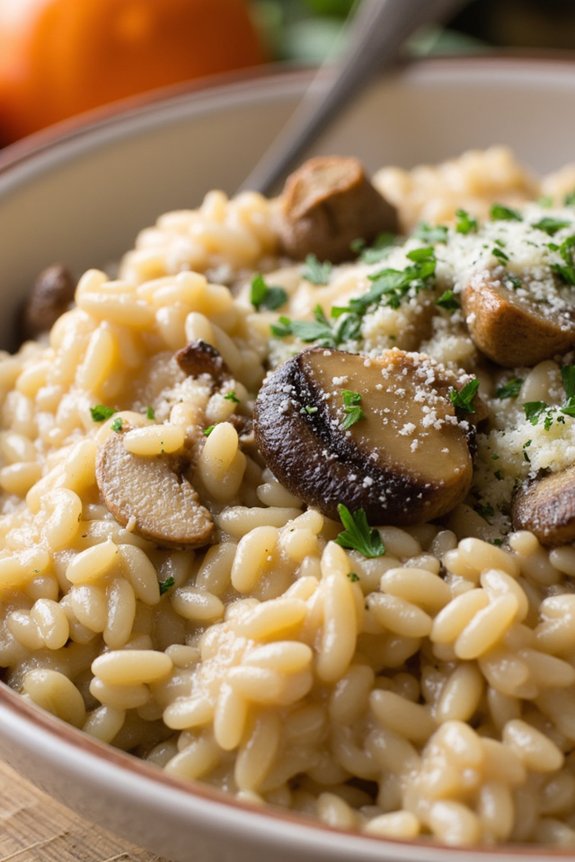
Indulge in the comforting flavors of a Classic Mushroom Risotto, a dish that embodies the essence of Italian fall cuisine. This creamy, savory dish is perfect for a cozy dinner with family or friends. The rich, earthy mushrooms combined with the creamy texture of Arborio rice make for a truly indulgent experience.
By slowly cooking the rice and gradually adding broth, each grain absorbs the flavors beautifully, resulting in a silky and luscious risotto that’s bound to impress. This recipe serves 4-6 people, making it ideal for a small gathering or a special dinner at home.
The key to a perfect risotto lies in patience and constant stirring, which helps release the starches from the rice, creating a creamy consistency. With the addition of Parmesan cheese and a hint of butter, this dish becomes a delightful symphony of flavors and textures. Whether you’re a seasoned cook or a beginner, this Classic Mushroom Risotto recipe is both rewarding and satisfying to prepare.
Ingredients:
- 2 cups Arborio rice
- 6 cups chicken or vegetable broth
- 1 cup dry white wine
- 1 pound mixed mushrooms (such as cremini, shiitake, or porcini), sliced
- 1 medium onion, finely chopped
- 3 cloves garlic, minced
- 1/2 cup grated Parmesan cheese
- 3 tablespoons olive oil
- 2 tablespoons unsalted butter
- Salt and pepper to taste
- Fresh parsley, chopped, for garnish
Cooking Instructions:
- Prepare the Broth: In a medium saucepan, heat the chicken or vegetable broth over low heat. Keep it warm throughout the cooking process as you’ll need to add it gradually to the rice.
- Cook the Mushrooms: In a large skillet over medium heat, add 2 tablespoons of olive oil. Once hot, add the sliced mushrooms and cook until they’re browned and tender, about 5-7 minutes. Season with a pinch of salt and pepper. Remove from the skillet and set aside.
- Sauté the Aromatics: In the same skillet, add the remaining tablespoon of olive oil and the butter. Once the butter has melted, add the chopped onion and garlic. Cook until the onion is translucent and the garlic is fragrant, about 2-3 minutes.
- Toast the Rice: Add the Arborio rice to the skillet with the onions and garlic. Stir continuously for about 2 minutes, making sure each grain is coated with the oil and butter. This step helps toasting the rice, enhancing its flavor.
- Deglaze with Wine: Pour in the white wine and stir until it’s mostly absorbed by the rice. This will add a rich depth of flavor to the risotto.
- Cook the Risotto: Begin adding the warm broth, one ladleful at a time, to the rice. Stir frequently, allowing each addition of broth to be absorbed before adding the next. Continue this process until the rice is cooked al dente, about 18-20 minutes.
- Finish with Mushrooms and Cheese: Once the rice is cooked to your desired consistency, stir in the cooked mushrooms and grated Parmesan cheese. Adjust seasoning with salt and pepper if needed.
- Rest and Serve: Remove the risotto from heat and let it rest for a minute to allow the flavors to meld together. Serve hot, garnished with freshly chopped parsley.
Extra Tips:
For the best texture, use Arborio rice, as it releases starches that help create the signature creaminess of risotto. If you prefer a more intense mushroom flavor, consider using a mix of fresh and dried mushrooms; just rehydrate the dried ones in warm water before cooking.
Consistent stirring is essential, as it helps prevent the rice from sticking to the bottom of the pan and guarantees even cooking. If the risotto becomes too thick, you can always add a bit more broth to reach your desired consistency. Enjoy your Classic Mushroom Risotto with a drizzle of truffle oil for an extra touch of luxury.
Butternut Squash and Sausage Lasagna
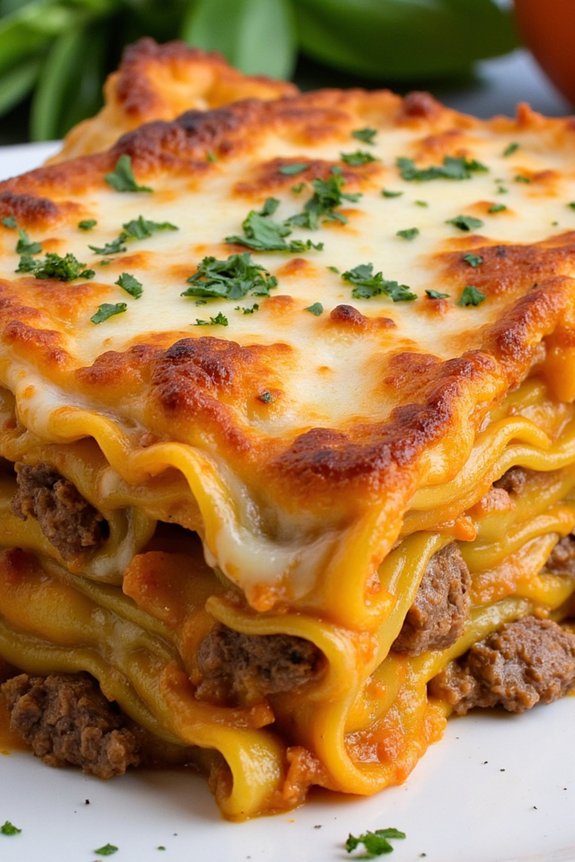
Butternut Squash and Sausage Lasagna is a delightful autumn-inspired dish that combines the sweet, nutty flavors of butternut squash with the savory taste of Italian sausage. This comforting lasagna is perfect for cozy dinners on chilly fall evenings and is sure to be a hit with your family and friends.
The layers of pasta, creamy butternut squash puree, hearty sausage, and melted cheese create a harmonious blend of flavors and textures that make each bite a true delight.
This lasagna recipe serves 4-6 people and is both a delicious and impressive addition to any dinner table. While it may take some time to prepare, the end result is a rich, flavorful dish that’s well worth the effort.
Whether you’re a seasoned cook or a novice in the kitchen, this recipe is straightforward and easy to follow, guaranteeing success for cooks of all levels.
Ingredients:
- 1 medium butternut squash (about 2 pounds)
- 1 tablespoon olive oil
- Salt and pepper to taste
- 1 pound Italian sausage, casings removed
- 1 onion, finely chopped
- 2 cloves garlic, minced
- 1/2 teaspoon dried thyme
- 1/2 teaspoon dried sage
- 1/4 cup chicken broth
- 1 cup ricotta cheese
- 1 egg
- 9 lasagna noodles
- 2 cups mozzarella cheese, shredded
- 1 cup Parmesan cheese, grated
- 1/4 cup fresh basil, chopped
Cooking Instructions:
1. Prepare the Butternut Squash: Preheat your oven to 400°F (200°C). Peel and cube the butternut squash, toss with olive oil, salt, and pepper, and spread on a baking sheet. Roast for 25-30 minutes until tender. Allow to cool, then puree in a food processor until smooth.
2. Cook the Sausage: In a large skillet over medium heat, cook the Italian sausage until browned, breaking it into small pieces. Remove the sausage from the pan and set aside.
3. Sauté the Aromatics: In the same skillet, add the chopped onion and cook until translucent, about 5 minutes. Add the minced garlic, thyme, and sage, and cook for another minute. Return the sausage to the skillet, add the chicken broth, and simmer for an additional 5 minutes.
4. Prepare the Ricotta Mixture: In a mixing bowl, combine the ricotta cheese, egg, and a pinch of salt and pepper. Stir until well combined.
5. Cook the Lasagna Noodles: Boil the lasagna noodles according to the package instructions until al dente. Drain and set aside.
6. Assemble the Lasagna: In a 9×13-inch baking dish, spread a thin layer of butternut squash puree. Place three lasagna noodles on top, followed by half of the sausage mixture, half of the ricotta mixture, and a third of the mozzarella and Parmesan cheeses.
Repeat the layers, ending with a final layer of noodles topped with the remaining squash puree and cheeses.
7. Bake the Lasagna: Cover the dish with foil and bake in the preheated oven for 30 minutes. Remove the foil and bake for an additional 15 minutes until the top is golden and bubbly.
8. Garnish and Serve: Allow the lasagna to cool for 10 minutes before garnishing with fresh basil and serving.
Extra Tips:
When preparing this Butternut Squash and Sausage Lasagna, make sure that the butternut squash is well-cooked and pureed to a smooth consistency for the best texture in the dish.
If you prefer a spicier flavor, consider using hot Italian sausage or adding a pinch of red pepper flakes. To save time, you can roast the squash and cook the sausage mixture a day ahead, then assemble and bake the lasagna the next day.
Additionally, this dish freezes well, making it a convenient option for make-ahead meals.
Osso Buco With Gremolata
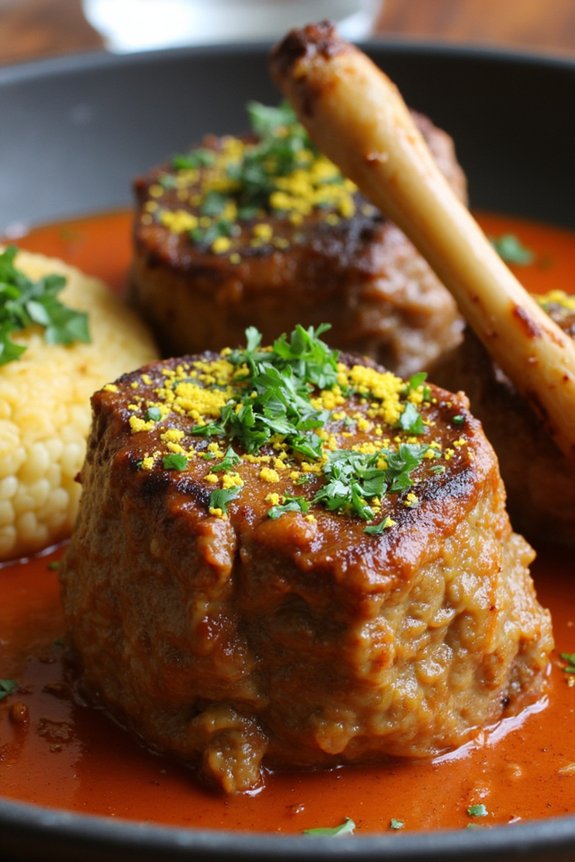
Osso Buco With Gremolata is a classic Italian dish that brings the warm and comforting flavors of fall to your dining table. This dish is a traditional Milanese specialty, featuring cross-cut veal shanks braised with vegetables, white wine, and broth. The slow-cooking process tenderizes the meat to perfection, allowing it to absorb the aromatic flavors of garlic, onions, carrots, and celery.
The dish is elegantly finished with a sprinkle of gremolata, a zesty mix of lemon zest, parsley, and garlic, which adds a revitalizing contrast to the rich and savory flavors of the osso buco. Perfect for a family dinner or a gathering with friends, Osso Buco With Gremolata is both hearty and sophisticated, making it a standout dish for the fall season.
When served with a side of creamy risotto or buttery polenta, it becomes a complete and satisfying meal that’s sure to impress. The combination of tender veal, flavorful vegetables, and the bright notes of gremolata create a harmonious blend that encapsulates the essence of Italian cuisine.
Ingredients for 4-6 servings:
- 4-6 veal shanks (about 1 1/2 inches thick)
- Salt and freshly ground black pepper
- 1/2 cup all-purpose flour (for dredging)
- 1/4 cup olive oil
- 1 onion, finely chopped
- 2 carrots, diced
- 2 celery stalks, diced
- 3 cloves garlic, minced
- 1 cup dry white wine
- 1 1/2 cups beef or veal broth
- 1 can (14 ounces) crushed tomatoes
- 1 bay leaf
- 1 teaspoon dried thyme
- 1/4 cup fresh parsley, chopped
- Zest of 1 lemon
- 2 tablespoons butter
Instructions:
- Prepare the Veal Shanks: Season the veal shanks with salt and pepper on both sides. Dredge them lightly in flour, shaking off any excess.
- Sear the Shanks: Heat the olive oil in a large, heavy-bottomed pot over medium-high heat. Add the veal shanks and sear them until they’re browned on all sides, about 3-4 minutes per side. Remove the shanks from the pot and set aside.
- Cook the Vegetables: In the same pot, add the chopped onion, carrots, and celery. Sauté until the vegetables are softened and the onion is translucent, about 5-7 minutes. Stir in the minced garlic and cook for another minute.
- Deglaze the Pot: Pour in the white wine, scraping up any browned bits from the bottom of the pot. Let it simmer for 3-4 minutes until the wine has reduced by half.
- Add the Liquid and Seasonings: Return the veal shanks to the pot. Add the beef broth, crushed tomatoes, bay leaf, and thyme. Bring the pot to a simmer, then cover and reduce the heat to low. Let it cook for about 1 1/2 to 2 hours, until the meat is tender and falling off the bone.
- Prepare the Gremolata: While the osso buco is cooking, mix the parsley, lemon zest, and minced garlic in a small bowl to make the gremolata.
- Finish the Dish: Once the veal is tender, remove the shanks from the pot and place them on a serving platter. Discard the bay leaf from the pot. If the sauce is too thin, simmer it uncovered for a few minutes until it thickens. Stir in the butter to enrich the sauce.
- Serve: Pour the sauce over the veal shanks and sprinkle with the gremolata. Serve immediately alongside risotto or polenta.
Extra Tips:
When selecting veal shanks, look for pieces with a good amount of marrow in the bone, as this will add richness to the dish. If you can’t find veal, you can substitute with beef shanks, though the cooking time may vary slightly.
For a deeper flavor, prepare the osso buco a day in advance; the flavors will meld beautifully overnight. When making the gremolata, use a microplane to zest the lemon, ensuring you only get the bright yellow part, as the white pith can be bitter. Enjoy your delicious and authentic Italian fall dinner!
Pumpkin and Sage Gnocchi
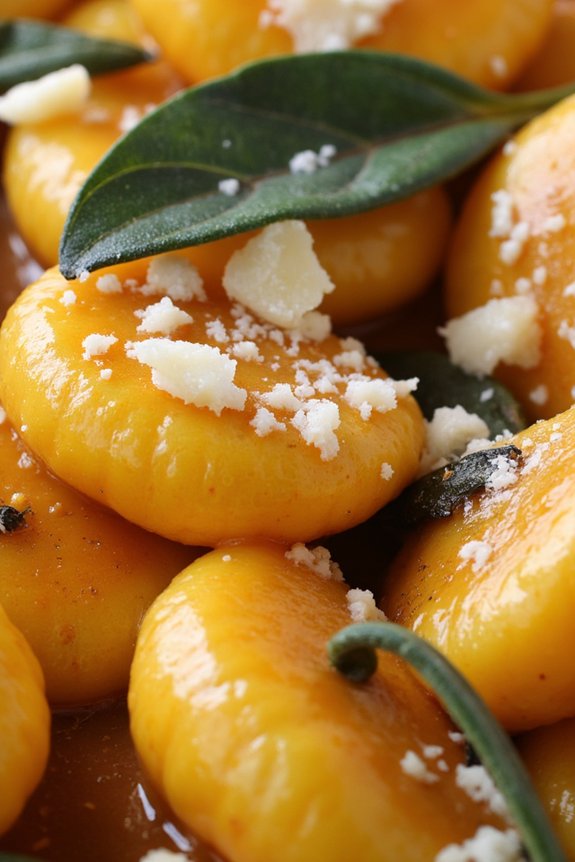
As the leaves change color and the air turns crisp, there’s no better way to celebrate the fall season than with a warm, comforting dish of Pumpkin and Sage Gnocchi. This Italian classic is given an autumnal twist with the addition of sweet pumpkin and aromatic sage, creating a dish that’s both hearty and flavorful.
The pillowy texture of the gnocchi pairs perfectly with the rich, earthy flavors, making it an ideal meal for cozy nights in or festive gatherings.
Pumpkin and Sage Gnocchi isn’t only delicious but also surprisingly easy to prepare. The key is to use fresh ingredients and maintain a gentle touch when forming the gnocchi to guarantee they remain soft and tender.
With a few simple steps, you’ll be able to bring a taste of Italy to your table, impressing family and friends alike with this seasonal delight.
Ingredients (Serves 4-6):
- 2 cups mashed pumpkin (canned or fresh)
- 1 ½ cups ricotta cheese
- 1 ½ cups all-purpose flour
- 1 large egg
- 1 teaspoon salt
- ½ teaspoon nutmeg
- ½ cup unsalted butter
- 10-12 fresh sage leaves
- ½ cup grated Parmesan cheese
- Salt and pepper to taste
Cooking Instructions:
- Prepare the Pumpkin Mixture: In a large mixing bowl, combine the mashed pumpkin, ricotta cheese, egg, salt, and nutmeg. Stir well until the mixture is smooth and uniform.
- Form the Dough: Gradually add the flour to the pumpkin mixture, stirring until a soft dough forms. Be careful not to overmix, as this can make the gnocchi tough.
- Shape the Gnocchi: Lightly flour a clean work surface. Divide the dough into four portions. Roll each portion into a long snake-like shape about ¾ inch in diameter. Cut the dough into 1-inch pieces. For the classic gnocchi shape, gently press each piece with the back of a fork.
- Cook the Gnocchi: Bring a large pot of salted water to a boil. Add the gnocchi in batches, cooking until they float to the surface, about 2-3 minutes. Use a slotted spoon to transfer them to a plate lined with paper towels to drain.
- Prepare the Sage Butter Sauce: In a large skillet, melt the butter over medium heat. Add the sage leaves and cook until the butter begins to brown and the sage is crisp, about 3-4 minutes.
- Combine and Serve: Add the cooked gnocchi to the skillet with the sage butter. Toss gently to coat. Season with salt and pepper to taste. Serve immediately with a generous sprinkle of grated Parmesan cheese.
Extra Tips:
For a smoother texture, ascertain your pumpkin is thoroughly mashed and drained of excess moisture before mixing.
If your dough feels too sticky, add a bit more flour, but be cautious not to add too much.
When boiling the gnocchi, don’t overcrowd the pot to guarantee they cook evenly.
For a richer flavor, consider roasting the pumpkin before mashing to enhance its natural sweetness.
Chicken Cacciatore With Bell Peppers
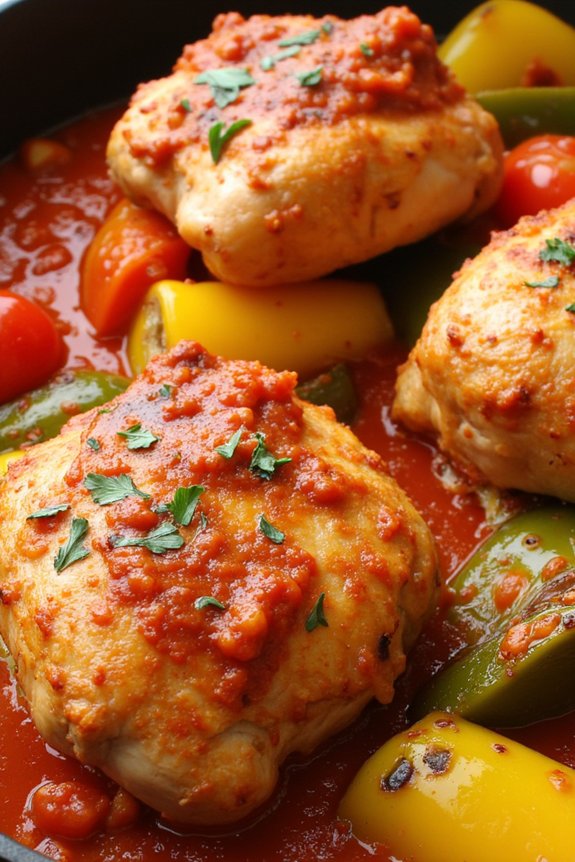
In this version of Chicken Cacciatore, tender chicken pieces are seared to a golden brown, then slowly braised in a savory tomato sauce with colorful bell peppers, onions, and garlic. The addition of red wine and herbs like rosemary and thyme infuse the dish with a depth of flavor that’s both robust and comforting. This recipe serves 4-6 people, making it ideal for family dinners or small gatherings.
Ingredients:
- 4-6 bone-in chicken thighs
- Salt and freshly ground black pepper, to taste
- 2 tablespoons olive oil
- 1 large onion, sliced
- 3-4 cloves garlic, minced
- 3 bell peppers (red, yellow, green), sliced
- 1 teaspoon dried oregano
- 1 teaspoon dried thyme
- 1 sprig fresh rosemary
- 1 cup red wine
- 1 can (28 ounces) crushed tomatoes
- 1/2 cup chicken broth
- 2 tablespoons capers
- 2 tablespoons chopped fresh parsley
Cooking Instructions:
- Prepare the Chicken: Season the chicken thighs with salt and pepper on both sides. Heat olive oil in a large skillet over medium-high heat. Add the chicken thighs, skin side down, and sear until golden brown, about 5 minutes per side. Remove the chicken from the skillet and set aside.
- Sauté the Vegetables: In the same skillet, add the sliced onions and cook until they become translucent, about 3 minutes. Add the minced garlic and sliced bell peppers, and continue to sauté for an additional 5 minutes until the peppers soften.
- Create the Sauce: Stir in the dried oregano, thyme, and a sprig of rosemary. Pour in the red wine and allow it to simmer for 2-3 minutes, scraping any brown bits from the bottom of the skillet. Add the crushed tomatoes and chicken broth, stirring to combine.
- Braise the Chicken: Return the seared chicken thighs to the skillet, nestling them into the sauce. Add the capers and bring the mixture to a simmer. Reduce the heat to low, cover, and let it cook for 30-40 minutes, or until the chicken is cooked through and tender.
- Finish and Serve: Remove the rosemary sprig from the skillet. Taste and adjust seasoning with additional salt and pepper if necessary. Garnish with chopped fresh parsley before serving.
Extra Tips:
For an even richer flavor, marinate the chicken in the herbs and garlic for a few hours before cooking. If you prefer a thicker sauce, remove the lid during the last 10 minutes of cooking to allow the sauce to reduce.
Serve Chicken Cacciatore with crusty bread, pasta, or polenta to soak up the flavorful sauce. This dish can also be made ahead of time and reheated, as the flavors continue to develop and improve with time.
Chestnut and Pancetta Pasta
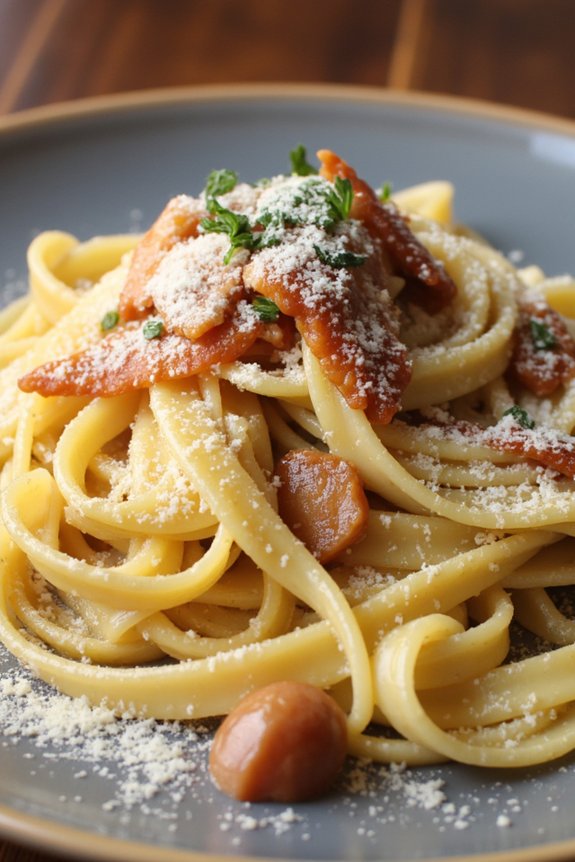
Embrace the flavors of fall with a delectable dish that combines the earthy richness of chestnuts with the salty, savory goodness of pancetta. This Chestnut and Pancetta Pasta is a hearty meal that’s perfect for chilly evenings. The combination of creamy chestnuts and crispy pancetta, accented with aromatic herbs and spices, creates a comforting pasta dish that will warm your soul and satisfy your cravings.
Served over your choice of pasta, this dish is both simple to prepare and sophisticated in taste. Chestnuts are the star of this recipe, offering a unique texture and a slightly sweet profile that pairs beautifully with the robust flavor of pancetta. The dish is enhanced with a touch of garlic, shallots, and fresh herbs, which add layers of complexity. The cream sauce ties everything together, creating a luscious coating for the pasta that’s both comforting and indulgent.
Whether you serve it as a main course or a part of a larger Italian feast, this Chestnut and Pancetta Pasta is sure to be a crowd-pleaser.
Ingredients (Serves 4-6):
- 12 oz pasta (such as fettuccine or tagliatelle)
- 1 tablespoon olive oil
- 6 oz pancetta, diced
- 1 shallot, finely chopped
- 2 cloves garlic, minced
- 1 cup cooked and peeled chestnuts, roughly chopped
- 1/2 cup dry white wine
- 1 cup heavy cream
- 1/2 teaspoon freshly ground black pepper
- 1 teaspoon salt
- 1 tablespoon fresh thyme leaves
- 1/4 cup grated Parmesan cheese
- Fresh parsley, chopped (for garnish)
Instructions:
- Cook the Pasta: Bring a large pot of salted water to a boil. Add the pasta and cook according to package instructions until al dente. Drain and set aside, reserving 1 cup of pasta water.
- Prepare the Pancetta: In a large skillet, heat the olive oil over medium heat. Add the diced pancetta and cook until it becomes crispy, about 5-7 minutes. Use a slotted spoon to transfer the pancetta to a paper towel-lined plate, leaving the rendered fat in the skillet.
- Sauté Aromatics: Add the chopped shallot to the skillet and sauté until translucent, about 2-3 minutes. Stir in the minced garlic and cook for an additional minute, being careful not to burn the garlic.
- Add Chestnuts and Deglaze: Add the chopped chestnuts to the skillet and stir to combine. Pour in the white wine, scraping any browned bits from the bottom of the skillet. Allow the wine to reduce by half, approximately 3-4 minutes.
- Create the Sauce: Reduce the heat to low and stir in the heavy cream. Season with black pepper and salt, then add the fresh thyme leaves. Allow the sauce to simmer gently for about 5 minutes, stirring occasionally until it thickens slightly.
- Combine and Serve: Add the cooked pasta and crispy pancetta to the skillet, tossing to coat the pasta in the creamy sauce. If the sauce is too thick, add reserved pasta water a little at a time until you reach the desired consistency. Stir in the grated Parmesan cheese until melted and well distributed.
- Garnish and Serve: Transfer the pasta to serving bowls and garnish with chopped fresh parsley. Serve immediately, enjoying the warm, comforting flavors of the dish.
Extra Tips:
For an even richer flavor, consider using homemade pasta if you have the time, as it absorbs the sauce beautifully. If chestnuts are unavailable, you may substitute them with hazelnuts for a different, yet delicious, twist.
Be sure to taste the sauce and adjust seasoning as needed before combining it with the pasta. Finally, keeping some of the reserved pasta water on hand is a great trick to achieve the perfect sauce consistency without diluting the flavor.
Beef Braciole in Tomato Sauce
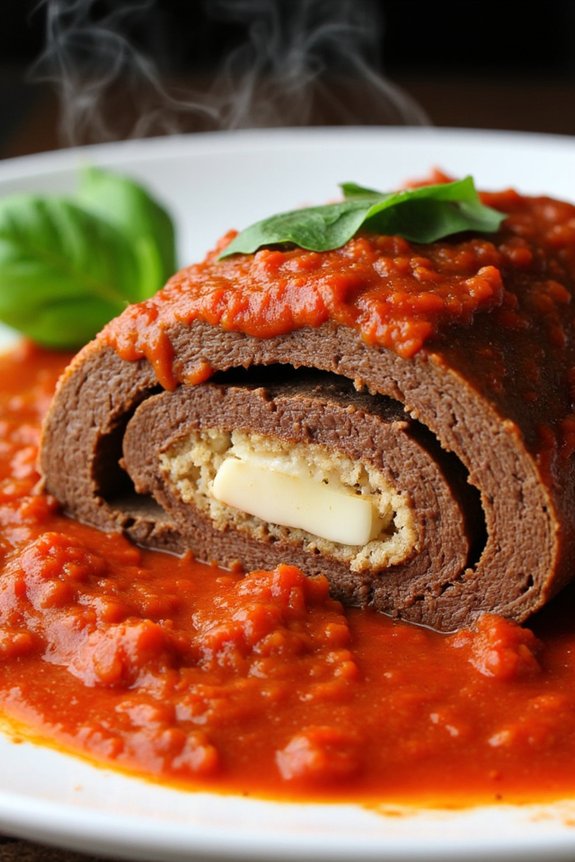
Beef Braciole is a classic Italian dish perfect for the fall season, offering a comforting and robust flavor profile. This dish typically consists of thin slices of beef stuffed with a savory filling, rolled up, and then slowly simmered in a rich tomato sauce. The slow cooking process allows the beef to become tender and the flavors of the filling and sauce to meld beautifully, creating a dish that’s both hearty and satisfying.
Traditionally served as a main course, Beef Braciole pairs well with pasta or polenta, making it an ideal centerpiece for a seasonal Italian dinner. This recipe serves 4-6 people, making it perfect for a family meal or a small gathering. The filling for the braciole is typically made with a mixture of breadcrumbs, cheese, herbs, and sometimes cured meats, which infuse the beef with a delightful taste as it cooks.
The tomato sauce, made with a base of San Marzano tomatoes, garlic, and onions, provides a rich and slightly tangy complement to the savory beef rolls. The preparation and cooking time may seem lengthy, but the end result is a deliciously tender and flavorful meal that’s well worth the effort.
Ingredients:
- 1 1/2 pounds thinly sliced beef top round
- 1 cup breadcrumbs
- 1/2 cup grated Pecorino Romano cheese
- 3 cloves garlic, minced
- 1/4 cup chopped fresh parsley
- 1/4 cup chopped fresh basil
- 1/4 pound prosciutto, thinly sliced
- 2 tablespoons olive oil
- Salt and pepper to taste
- 1 large onion, chopped
- 2 cans (28 ounces each) whole San Marzano tomatoes
- 1/2 cup red wine
- 1 teaspoon dried oregano
- 1 bay leaf
- 1/4 teaspoon red pepper flakes (optional)
Cooking Instructions:
- Prepare the Beef: Lay out the beef slices on a clean surface and lightly season them with salt and pepper. If necessary, use a meat mallet to pound the slices to an even thickness of about 1/4 inch.
- Make the Filling: In a mixing bowl, combine the breadcrumbs, Pecorino Romano cheese, minced garlic, chopped parsley, and chopped basil. Mix well to combine.
- Assemble the Braciole: Lay a slice of prosciutto on each piece of beef. Spoon the breadcrumb mixture evenly over the prosciutto, leaving a small border around the edges. Carefully roll each beef slice into a tight cylinder and secure with toothpicks or kitchen twine.
- Sear the Braciole: In a large skillet, heat the olive oil over medium-high heat. Add the beef rolls and sear on all sides until browned, about 6-8 minutes. Remove the rolls from the skillet and set aside.
- Prepare the Sauce: In the same skillet, add the chopped onion and sauté until translucent, about 5 minutes. Add the red wine and let it simmer until reduced by half. Add the canned tomatoes, breaking them up with a spoon, and stir in the oregano, bay leaf, and red pepper flakes.
- Simmer the Braciole: Return the beef rolls to the skillet, nestling them into the tomato sauce. Lower the heat to a gentle simmer, cover, and cook for about 1.5 to 2 hours, or until the beef is tender and the flavors have melded. Stir occasionally and add a little water if the sauce becomes too thick.
- Serve: Remove the toothpicks or twine from the beef rolls before serving. Serve the braciole with a generous ladle of tomato sauce over pasta or polenta.
Extra Tips:
When selecting the beef, verify it’s thinly sliced and of good quality to achieve the best taste and texture. The filling can be customized to your preference; feel free to add pine nuts, raisins, or different herbs for variation.
If you prefer a smoother sauce, you can blend it before adding the beef rolls back in. Always taste and adjust the seasoning of the sauce towards the end of cooking, as flavors develop over time. Finally, allow the braciole to rest for a few minutes before serving to let the juices redistribute within the meat, guaranteeing each bite is succulent and flavorful.
Porcini Mushroom Tagliatelle
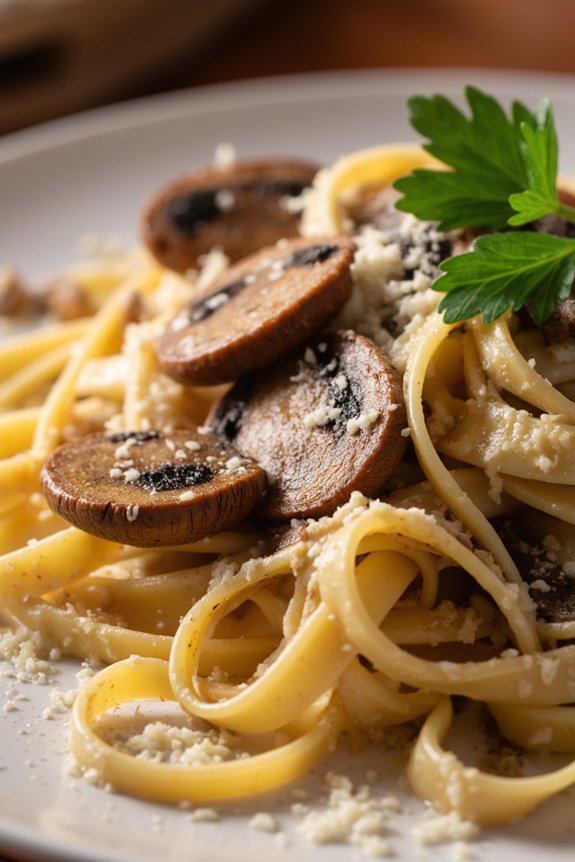
Porcini Mushroom Tagliatelle is a quintessential Italian dish that captures the essence of fall with its earthy flavors and rich textures. The star of this recipe is the porcini mushroom, which is prized for its meaty texture and nutty flavor. When paired with the delicate ribbons of tagliatelle pasta, this dish becomes a harmonious blend of simplicity and sophistication.
Ideal for a cozy dinner party or a quiet evening at home, Porcini Mushroom Tagliatelle brings the warmth of autumn to your table. The key to this recipe is using fresh ingredients to truly bring forth the flavors of the porcini mushrooms. The mushrooms are sautéed with garlic and shallots, then combined with cream to create a velvety sauce that coats each strand of tagliatelle perfectly.
Finished with a sprinkle of freshly grated Parmesan and a touch of parsley, this dish is as beautiful as it’s delicious. Whether you’re a seasoned cook or a beginner, Porcini Mushroom Tagliatelle is an approachable dish that promises to impress.
Ingredients for 4-6 servings:
- 500g tagliatelle pasta
- 300g fresh porcini mushrooms, cleaned and sliced
- 2 tablespoons olive oil
- 2 cloves garlic, minced
- 1 shallot, finely chopped
- 200ml heavy cream
- 50g unsalted butter
- Salt and freshly ground black pepper, to taste
- 100g freshly grated Parmesan cheese
- Fresh parsley, chopped, for garnish
Cooking Instructions:
- Prepare the Pasta: Bring a large pot of salted water to a boil. Add the tagliatelle pasta, and cook according to the package instructions until al dente. Reserve 1 cup of pasta water, then drain the pasta and set aside.
- Sauté the Mushrooms: In a large skillet, heat olive oil over medium heat. Add the minced garlic and chopped shallot, sautéing until fragrant and translucent, about 2 minutes.
- Cook the Porcini: Add the sliced porcini mushrooms to the skillet. Cook, stirring occasionally, until the mushrooms are golden brown and tender, approximately 5-7 minutes.
- Make the Sauce: Reduce the heat to low and add the butter to the mushroom mixture. Once melted, stir in the heavy cream. Let the sauce simmer gently for about 3 minutes to thicken slightly.
- Combine with Pasta: Add the cooked tagliatelle to the skillet, tossing to coat the pasta with the sauce. If the sauce is too thick, gradually add the reserved pasta water until you reach the desired consistency.
- Season and Serve: Season the pasta with salt and freshly ground black pepper to taste. Remove from heat and stir in the grated Parmesan cheese until melted and well incorporated. Garnish with chopped parsley before serving.
Extra Tips:
For the best flavor, use fresh porcini mushrooms when they’re in season, usually in the fall. If fresh porcini are unavailable, dried porcini can be used; just rehydrate them in warm water before cooking.
Be careful not to overcook the mushrooms, as they can become rubbery. Also, ascertain that the pasta is cooked al dente to maintain a perfect bite. This dish pairs beautifully with a light white wine, such as a Pinot Grigio, which will complement the earthy flavors of the porcini mushrooms.
Stuffed Acorn Squash With Italian Sausage
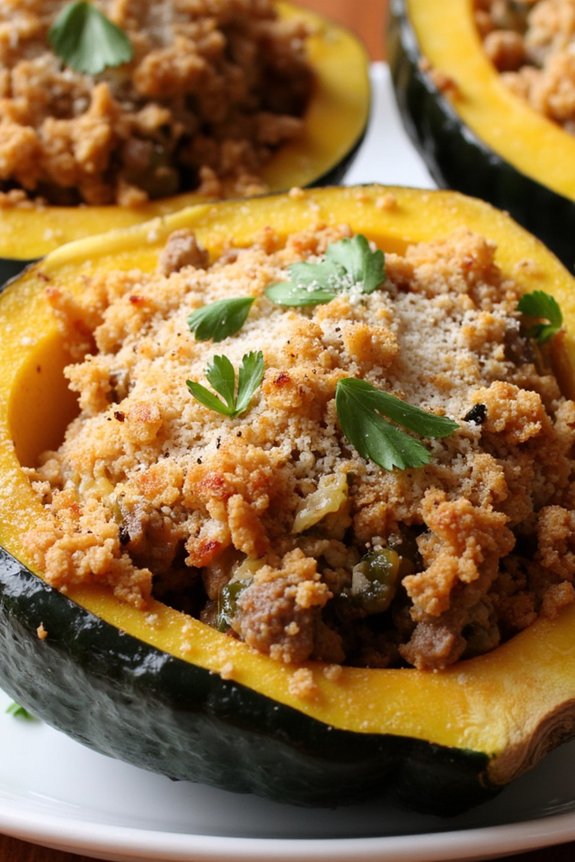
Stuffed Acorn Squash With Italian Sausage is a delightful autumn dish that combines the rich flavors of Italian sausage, savory herbs, and perfectly roasted acorn squash. The sweet, nutty taste of the squash pairs beautifully with the hearty sausage filling, making this an ideal meal for a cozy, fall evening.
This dish not only presents beautifully but also fills your kitchen with the warm, inviting aromas of a classic Italian kitchen.
The stuffing mixture is a blend of crumbled Italian sausage, sautéed onions, garlic, and an assortment of herbs, all combined with breadcrumbs and Parmesan cheese. Once the acorn squash halves are filled to the brim with this savory mixture, they’re baked until the squash is tender and the top is golden and crispy.
Perfect for serving as a main course, this recipe is designed to serve 4-6 people, making it an excellent choice for a family dinner or a small gathering.
Ingredients:
- 3 medium acorn squashes
- 1 pound Italian sausage (mild or spicy, as preferred)
- 1 medium onion, finely chopped
- 2 cloves garlic, minced
- 1 cup breadcrumbs
- 1/2 cup grated Parmesan cheese
- 1 tablespoon olive oil
- 1 teaspoon dried Italian herb mix (such as basil, oregano, thyme)
- Salt and pepper to taste
- Fresh parsley, chopped, for garnish
Cooking Instructions:
- Prepare the Squash: Preheat your oven to 375°F (190°C). Cut each acorn squash in half from stem to tip and scoop out the seeds and stringy pulp. Brush the cut sides with olive oil and season with salt and pepper. Place the squash halves cut-side down on a baking sheet and roast for about 30 minutes or until just tender.
- Cook the Sausage: While the squash is roasting, heat a large pan over medium heat. Add the Italian sausage, breaking it apart with a spoon as it cooks. Cook until browned and cooked through, then transfer to a large mixing bowl.
- Sauté the Vegetables: In the same pan, add the chopped onion and garlic. Sauté until the onion is translucent and the garlic is fragrant, about 3-4 minutes. Add this mixture to the bowl with the sausage.
- Prepare the Stuffing: To the bowl with the sausage and onion mixture, add the breadcrumbs, Parmesan cheese, Italian herb mix, and a bit more salt and pepper. Mix thoroughly until well combined.
- Stuff the Squash: Remove the squash from the oven and carefully turn the halves over. Evenly distribute the sausage mixture into each squash half, pressing down slightly to pack the filling.
- Bake the Stuffed Squash: Return the stuffed squash halves to the oven and bake for an additional 15-20 minutes, or until the tops are golden brown and the squash is tender all the way through.
- Garnish and Serve: Once done, remove from the oven and let cool slightly. Garnish with chopped fresh parsley before serving.
Extra Tips:
When preparing Stuffed Acorn Squash With Italian Sausage, make sure to select acorn squashes that are uniform in size for even cooking. You can adjust the level of spice by choosing mild or spicy Italian sausage to suit your taste.
If you’d like to make this dish ahead of time, you can prepare the stuffing and hollow out the squash in advance; simply stuff and bake when ready to serve. Additionally, experiment with adding different herbs or cheeses to the stuffing to create your own unique twist on this classic fall dish.
Tuscan Ribollita Soup
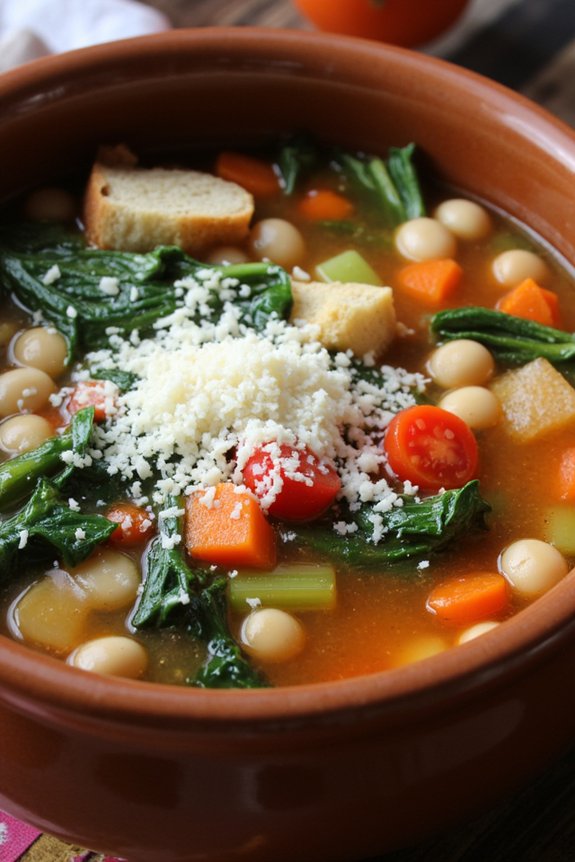
Ribollita is a classic Tuscan soup that embodies the rich, comforting flavors of Italian fall cuisine. Traditionally, this hearty soup was made by reheating leftover minestrone and adding stale bread to create a filling and flavorful dish. Ribollita, which means “reboiled,” is known for its robust flavors derived from a medley of vegetables, beans, and herbs, making it a perfect choice for a cozy and satisfying meal during the cooler months.
This recipe for Tuscan Ribollita Soup serves 4-6 people and captures the essence of Tuscany with its simple yet flavorful ingredients. The inclusion of kale and cannellini beans guarantees a nutrient-rich dish, while the stale bread adds texture and thickness to the soup. With a little preparation and some simmering time, you’ll have a delicious and authentic Italian meal ready to delight your family or guests.
Ingredients (serves 4-6):
- 3 tablespoons olive oil
- 1 large onion, chopped
- 2 carrots, diced
- 2 celery stalks, diced
- 3 cloves garlic, minced
- 1 teaspoon dried thyme
- 1 teaspoon dried rosemary
- 1 can (14 oz) diced tomatoes
- 4 cups vegetable broth
- 2 cups water
- 1 can (15 oz) cannellini beans, drained and rinsed
- 2 cups chopped kale
- 4 slices of stale country bread, torn into pieces
- Salt and pepper to taste
- Grated Parmesan cheese for serving (optional)
Cooking Instructions****:
- Prepare the Base: In a large pot, heat the olive oil over medium heat. Add the chopped onion, carrots, and celery. Sauté until the vegetables become soft and the onion is translucent, about 8-10 minutes.
- Add the Aromatics: Stir in the minced garlic, thyme, and rosemary. Cook for an additional 1-2 minutes until the garlic is fragrant.
- Incorporate Tomatoes and Broth: Pour in the diced tomatoes with their juice, vegetable broth, and water. Stir to combine and bring the mixture to a boil.
- Simmer the Soup: Lower the heat to a simmer and add the cannellini beans and kale. Season with salt and pepper to taste. Let the soup simmer uncovered for about 30 minutes until the kale is tender and the flavors have melded together.
- Add the Bread: Stir in the torn pieces of stale bread. Allow the bread to absorb the liquid and thicken the soup, which will take about 10 minutes.
- Final Seasoning: Taste the soup and adjust the seasoning with more salt and pepper if necessary. If the soup is too thick, you can add a bit more water to reach your desired consistency.
- Serve: Ladle the ribollita into bowls and top with grated Parmesan cheese if desired. Serve hot and enjoy!
Extra Tips:
For the best flavor, use a good quality olive oil and fresh herbs if available. If you have time, prepare the soup a day in advance; the flavors will deepen and improve overnight.
When reheating leftovers, you might need to add a little more water or broth as the bread continues to absorb liquid. Finally, if you don’t have stale bread on hand, you can dry out fresh bread slices in a low oven until crisp and use them instead.
Baked Ziti With Roasted Vegetables
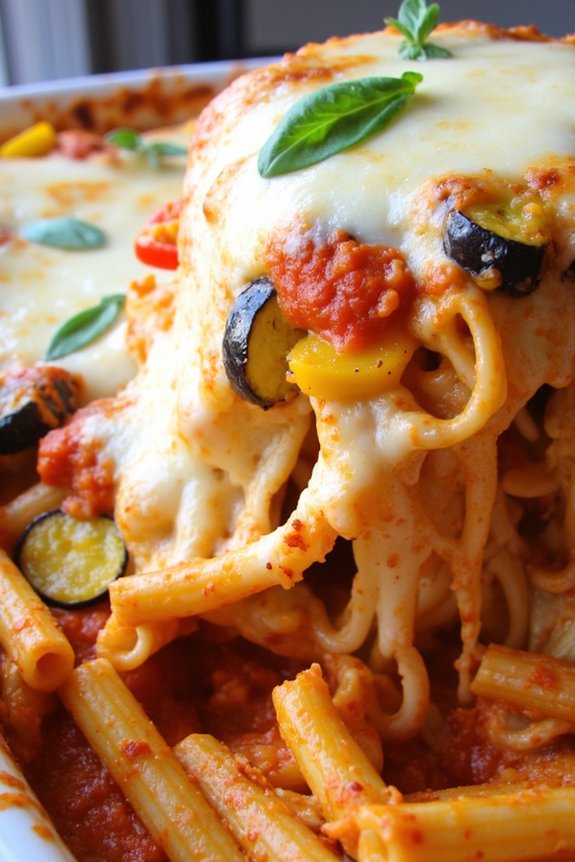
As the leaves begin to turn and the air grows crisp, there’s nothing quite like a comforting plate of baked ziti to warm you from the inside out. This seasonal Italian fall dish combines the hearty texture of pasta with the vibrant flavors of roasted autumn vegetables. The dish is perfect for a family dinner or a cozy gathering with friends, bringing together the best of fall’s bounty in an oven-baked masterpiece.
It’s a celebration of savory and satisfying flavors, with a creamy, cheesy topping that makes every bite irresistible.
This baked ziti with roasted vegetables is a versatile recipe, allowing you to use whatever seasonal vegetables are available. The roasting process enhances the natural sweetness and earthy flavors of the vegetables, which complements the tangy marinara sauce and the richness of the cheese.
Ideal for a serving size of 4-6 people, this delightful dish is sure to become a fall favorite, perfect for both casual weeknight dinners and special occasions alike.
Ingredients for 4-6 Servings:
- 12 ounces ziti pasta
- 1 medium zucchini, sliced
- 1 red bell pepper, chopped
- 1 yellow bell pepper, chopped
- 1 medium eggplant, diced
- 1 red onion, sliced
- 3 tablespoons olive oil
- Salt and black pepper to taste
- 2 cups marinara sauce
- 1 cup ricotta cheese
- 1 cup shredded mozzarella cheese
- 1/2 cup grated Parmesan cheese
- 1 teaspoon dried oregano
- 1 teaspoon dried basil
- 2 cloves garlic, minced
Cooking Instructions:
- Preheat the Oven: Begin by preheating your oven to 425°F (220°C). This will guarantee that your vegetables roast evenly and develop a caramelized flavor.
- Prepare the Vegetables: Arrange the zucchini, red and yellow bell peppers, eggplant, and red onion on a large baking sheet. Drizzle with olive oil, and season with salt and black pepper. Toss the vegetables to coat them evenly in the oil and seasoning.
- Roast the Vegetables: Place the baking sheet in the preheated oven and roast the vegetables for about 20-25 minutes, or until they’re tender and slightly charred at the edges. Stir halfway through to guarantee even roasting.
- Cook the Pasta: While the vegetables are roasting, bring a large pot of salted water to a boil. Add the ziti pasta and cook according to package instructions until al dente. Drain and set aside.
- Combine Ingredients: Lower the oven temperature to 375°F (190°C). In a large mixing bowl, combine the cooked ziti, roasted vegetables, marinara sauce, minced garlic, ricotta cheese, oregano, and basil. Mix well to guarantee the pasta and vegetables are fully coated with sauce and cheese.
- Assemble the Dish: Transfer the pasta mixture to a greased 9×13-inch baking dish. Sprinkle the shredded mozzarella and grated Parmesan cheeses evenly over the top.
- Bake the Ziti: Cover the baking dish loosely with aluminum foil and bake in the oven for 20 minutes. Remove the foil and bake for an additional 10-15 minutes, or until the cheese is melted and bubbly, and the top is lightly golden.
- Serve and Enjoy: Allow the baked ziti to cool for a few minutes before serving. Garnish with fresh basil or parsley if desired, and enjoy the comforting flavors of fall.
Extra Tips:
When roasting the vegetables, make sure they’re spread out in a single layer on the baking sheet to guarantee even cooking and prevent steaming.
Feel free to substitute or add other seasonal vegetables like butternut squash or mushrooms for added variety. Using fresh herbs instead of dried can enhance the flavor profile of the dish if you have them on hand.
If you prefer a spicier version, consider adding a pinch of red pepper flakes to the marinara sauce. Finally, for a crispy top layer, you can broil the dish for a minute or two at the end of baking, but watch closely to prevent burning.
Polenta With Wild Mushroom Ragù
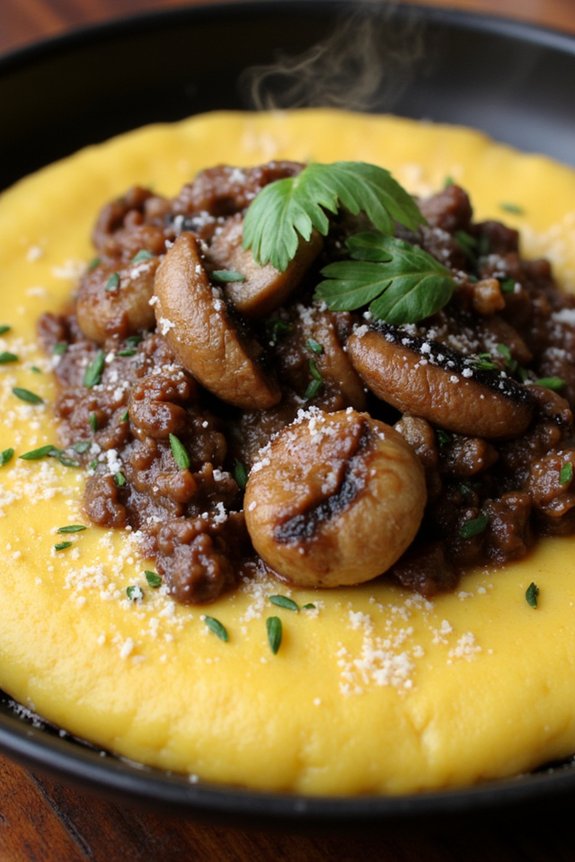
Indulge in the comforting flavors of fall with this classic Italian dish: Polenta with Wild Mushroom Ragù. This delicious and hearty recipe is perfect for a cozy evening at home or as the centerpiece of a seasonal dinner gathering.
The creamy polenta serves as a wonderful base, complementing the earthy and rich flavors of the wild mushroom ragù. With a variety of mushrooms, herbs, and a splash of wine, this dish captures the essence of autumn in every bite.
The key to achieving the perfect polenta is patience and constant stirring, which results in a smooth and velvety texture. Meanwhile, the wild mushroom ragù is simmered to perfection, allowing the flavors to meld beautifully. This recipe serves 4-6 people, making it an ideal choice for family dinners or small gatherings with friends.
Gather your ingredients, and let’s begin a culinary journey through the tastes of Italy this fall.
Ingredients:
For the Polenta:
- 1 cup polenta (coarse cornmeal)
- 4 cups water
- 1 teaspoon salt
- 2 tablespoons unsalted butter
- 1/2 cup grated Parmesan cheese
For the Wild Mushroom Ragù:
- 2 tablespoons olive oil
- 1 small onion, finely chopped
- 2 cloves garlic, minced
- 1 pound mixed wild mushrooms (such as cremini, shiitake, and oyster), cleaned and sliced
- 1/2 cup dry white wine
- 1 cup vegetable or chicken broth
- 1 teaspoon fresh thyme leaves
- Salt and freshly ground black pepper to taste
- 2 tablespoons chopped fresh parsley
Instructions:
- Prepare the Polenta:
- In a large saucepan, bring 4 cups of water to a boil. Add 1 teaspoon of salt.
- Gradually whisk in the polenta to prevent lumps from forming. Reduce the heat to low.
- Cook the polenta, stirring constantly, for about 30-35 minutes until it becomes thick and creamy.
- Stir in the butter and Parmesan cheese, and mix well until the cheese is fully melted and incorporated. Keep warm.
- Cook the Wild Mushroom Ragù:
- Heat the olive oil in a large skillet over medium heat. Add the chopped onion and sauté until translucent, about 5 minutes.
- Add the minced garlic and cook for another minute until fragrant.
- Add the sliced mushrooms to the skillet and cook for about 8-10 minutes until they release their moisture and start to brown.
- Pour in the white wine and let it simmer until reduced by half, about 3 minutes.
- Add the vegetable or chicken broth and thyme leaves. Season with salt and pepper. Let the ragù simmer on low heat for about 15 minutes until the sauce thickens.
- Stir in the chopped parsley before serving.
- Serve the Dish:
- Spoon the creamy polenta onto warm plates or bowls.
- Top with a generous portion of the wild mushroom ragù.
- Garnish with additional Parmesan cheese and fresh parsley if desired.
Extra Tips:
For best results, use a combination of fresh wild mushrooms for a more complex flavor profile. If you have access to freshly foraged mushrooms, they can add a wonderful depth to the dish.
When cooking the polenta, a heavy-bottomed pot can help prevent sticking and burning. If the polenta becomes too thick, you can adjust the consistency by adding a little more water or broth.
Enjoy this dish with a side of crusty bread and a glass of your favorite wine for a complete Italian-inspired meal.
Spinach and Ricotta Cannelloni
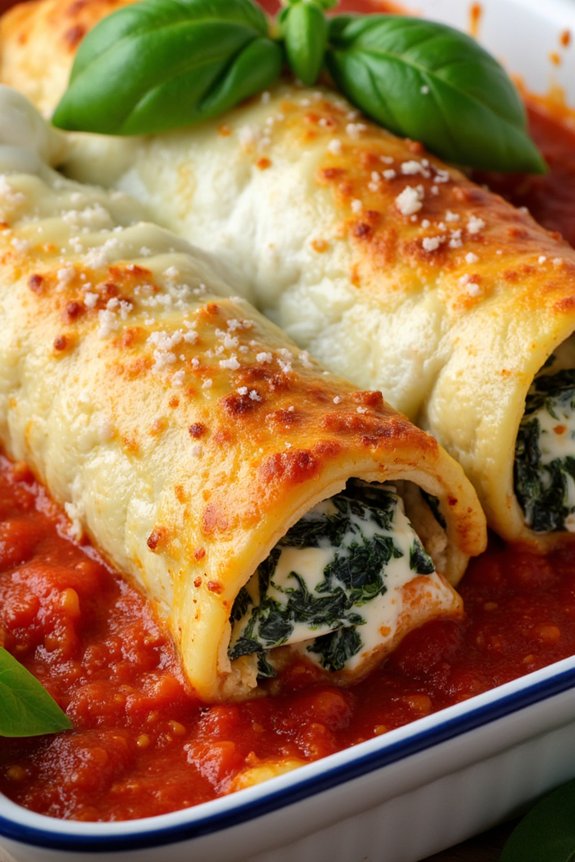
As the leaves begin to turn and the air becomes crisp, there’s nothing quite as comforting as a warm, hearty Italian meal. Spinach and Ricotta Cannelloni is a classic dish that brings together the earthy flavors of spinach and the creaminess of ricotta cheese, all wrapped up in tender pasta tubes and baked to perfection.
This dish is perfect for a cozy fall evening when you want to enjoy a meal that feels both indulgent and satisfying. The combination of fresh spinach, creamy ricotta, and tangy marinara sauce makes this dish a delightful addition to any seasonal menu.
This recipe will serve 4-6 people, making it ideal for a family dinner or a small gathering with friends. The ingredients are simple and can be easily found at your local grocery store, ensuring that you can bring a taste of Italy to your table without any hassle.
Whether you’re a seasoned cook or a beginner in the kitchen, this Spinach and Ricotta Cannelloni recipe is straightforward, allowing you to focus on the joy of cooking and the pleasure of sharing a home-cooked meal with loved ones.
Ingredients:
- 12 cannelloni tubes
- 2 cups ricotta cheese
- 2 cups fresh spinach, chopped
- 1 cup grated Parmesan cheese
- 1 egg, beaten
- 2 cups marinara sauce
- 1 cup shredded mozzarella cheese
- 2 cloves garlic, minced
- 1 teaspoon salt
- 1/2 teaspoon black pepper
- 1/4 teaspoon nutmeg
- 2 tablespoons olive oil
Cooking Instructions:
- Prepare the Spinach: Preheat your oven to 375°F (190°C). In a large skillet, heat the olive oil over medium heat. Add the minced garlic and sauté for about 1 minute until fragrant. Add the chopped spinach and cook until wilted, about 3-4 minutes. Remove from heat and let cool slightly.
- Make the Filling: In a large bowl, combine the ricotta cheese, 1/2 cup of Parmesan cheese, the beaten egg, salt, pepper, and nutmeg. Mix well until all ingredients are fully combined. Stir in the cooked spinach.
- Fill the Cannelloni Tubes: Using a piping bag or a small spoon, fill the cannelloni tubes with the spinach and ricotta mixture. Be careful not to overfill to avoid breaking the pasta tubes.
- Assemble the Dish: In a baking dish, spread a thin layer of marinara sauce to cover the bottom. Place the filled cannelloni tubes in a single layer over the sauce. Pour the remaining marinara sauce over the cannelloni, ensuring they’re completely covered.
- Add Cheese and Bake: Sprinkle the shredded mozzarella and the remaining Parmesan cheese over the top of the sauce. Cover the dish with aluminum foil and bake in the preheated oven for 25 minutes. Remove the foil and bake for an additional 10-15 minutes until the cheese is bubbly and golden brown.
- Serve: Let the cannelloni cool for a few minutes before serving. Garnish with fresh basil or parsley if desired.
Extra Tips:
When cooking Spinach and Ricotta Cannelloni, make sure to use fresh spinach for the best flavor and texture. If you prefer a smoother filling, you can process the spinach and ricotta mixture in a food processor before filling the cannelloni tubes.
Additionally, if you have trouble finding cannelloni tubes, you can use lasagna sheets by rolling them around the filling. Finally, for a richer flavor, consider adding a pinch of red pepper flakes to the marinara sauce or using a homemade sauce for an extra personal touch.
Lamb Stew With Olives and Rosemary
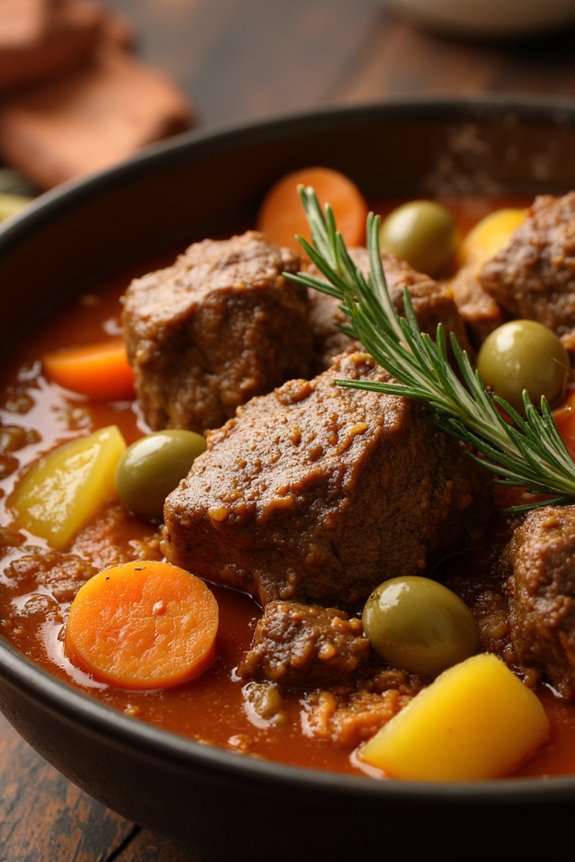
Lamb Stew With Olives and Rosemary is a hearty and comforting dish perfect for a cozy evening in the fall. This Italian-inspired stew is rich in flavor, featuring tender pieces of lamb simmered with aromatic rosemary and briny olives. The combination of savory ingredients creates a depth of flavor that’s both rustic and sophisticated, making it an ideal centerpiece for a seasonal dinner.
The addition of vegetables and a splash of red wine enhances the richness of the stew, providing a delightful balance that complements the tender lamb. Preparing this stew is a wonderful way to embrace the flavors of fall. As the stew slowly cooks, the kitchen is filled with the warm, inviting aroma of herbs and spices, making it a perfect dish to share with family and friends.
This recipe is designed to serve 4-6 people, making it ideal for a small gathering. Whether you’re hosting a dinner party or simply enjoying a quiet evening at home, Lamb Stew With Olives and Rosemary is sure to be a hit.
Ingredients for 4-6 servings:
- 2 pounds lamb shoulder, cut into 1-inch cubes
- Salt and freshly ground black pepper, to taste
- 3 tablespoons olive oil
- 1 large onion, chopped
- 3 cloves garlic, minced
- 2 large carrots, sliced
- 2 stalks celery, chopped
- 1 tablespoon tomato paste
- 1 cup dry red wine
- 2 cups beef or chicken broth
- 1 can (14.5 ounces) diced tomatoes
- 1/2 cup pitted green olives, halved
- 2 sprigs fresh rosemary
- 1 bay leaf
- 1 teaspoon dried thyme
- 1/2 teaspoon crushed red pepper flakes
- 2 tablespoons chopped fresh parsley
Cooking Instructions:
- Prepare the Lamb: Season the lamb cubes with salt and freshly ground black pepper. In a large Dutch oven or heavy pot, heat 2 tablespoons of olive oil over medium-high heat. Add the lamb in batches, searing the pieces until browned on all sides. Remove the lamb and set aside.
- Sauté Vegetables: In the same pot, add the remaining tablespoon of olive oil. Add the chopped onion, garlic, carrots, and celery. Sauté for about 5 minutes until the vegetables are softened and the onions are translucent.
- Add Tomato Paste and Wine: Stir in the tomato paste, cooking for another minute. Pour in the red wine, scraping up any browned bits from the bottom of the pot. Let it simmer for about 2 minutes until the wine reduces slightly.
- Combine Remaining Ingredients: Return the lamb to the pot. Add the beef or chicken broth, diced tomatoes with their juice, green olives, rosemary sprigs, bay leaf, thyme, and crushed red pepper flakes. Stir well to combine.
- Simmer the Stew: Bring the mixture to a gentle boil, then reduce the heat to low. Cover the pot and let the stew simmer for about 1.5 to 2 hours, or until the lamb is tender and the flavors have melded together.
- Finish and Serve: Remove the rosemary sprigs and bay leaf. Adjust the seasoning with more salt and pepper if needed. Stir in the chopped fresh parsley just before serving. Serve the stew hot, possibly with crusty bread or over a bed of mashed potatoes.
Extra Tips: For an even richer flavor, marinate the lamb in red wine, garlic, and herbs for a few hours or overnight before cooking. If you prefer a thicker stew, you can remove the lid during the last 30 minutes of cooking to allow the liquid to reduce.
Additionally, using a slow cooker is a great alternative method; just follow the same steps and cook on low for 6-8 hours. Finally, this stew tastes even better the next day, so consider making it ahead of time.
Eggplant Parmesan Casserole
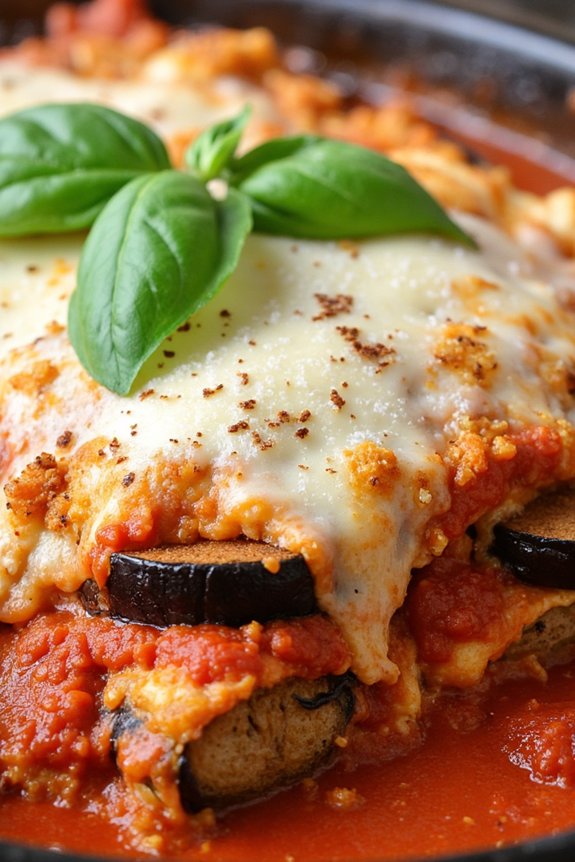
Eggplant Parmesan Casserole is a comforting, savory dish perfect for a cozy autumn evening. This Italian classic combines layers of tender eggplant, rich tomato sauce, and melted cheese to create a meal that’s both hearty and satisfying. The eggplant slices are typically breaded and fried before being layered with the sauce and cheese, giving the dish a delightful texture and depth of flavor.
This casserole is bound to be a hit at your fall dinner table, as it marries the warmth of traditional Italian cooking with the rich, earthy flavors of the season. This recipe serves 4-6 people, making it ideal for a family dinner or a small gathering with friends. The preparation involves breading and frying the eggplant slices, so it’s important to have all the ingredients ready before you start cooking.
You’ll find that the combination of homemade marinara sauce, fresh basil, and gooey mozzarella cheese brings a taste of Italy to your kitchen. Enjoy this dish with a side of crusty bread or a fresh green salad for a complete meal.
Ingredients:
- 2 large eggplants, sliced into 1/4-inch rounds
- Salt (for sweating the eggplants)
- 3 cups marinara sauce
- 2 cups shredded mozzarella cheese
- 1 cup grated Parmesan cheese
- 1 cup all-purpose flour
- 3 eggs, beaten
- 2 cups Italian-style breadcrumbs
- Olive oil for frying
- Fresh basil leaves for garnish
Instructions:
1. Prepare the Eggplant:
Start by salting the eggplant slices to remove excess moisture and bitterness. Lay them out on a baking sheet, sprinkle with salt, and let them sit for about 30 minutes. Pat the slices dry with a paper towel to remove the moisture and salt.
2. Bread the Eggplant:
Set up a breading station with three shallow dishes: one with flour, another with beaten eggs, and the third with breadcrumbs. Dredge each eggplant slice in the flour, dip it in the egg, and then coat it with breadcrumbs, pressing gently to adhere.
3. Fry the Eggplant:
Heat a generous amount of olive oil in a large skillet over medium heat. Fry the eggplant slices in batches until they’re golden brown on both sides, about 3-4 minutes per side. Transfer them to a paper towel-lined plate to drain excess oil.
4. Assemble the Casserole:
Preheat your oven to 375°F (190°C). Spread a thin layer of marinara sauce on the bottom of a 9×13-inch baking dish. Place a layer of fried eggplant slices over the sauce. Top with more marinara sauce, a sprinkle of Parmesan cheese, and a layer of mozzarella.
Repeat these layers until all ingredients are used, finishing with a generous layer of mozzarella cheese on top.
5. Bake the Casserole:
Cover the dish with aluminum foil and bake in the preheated oven for 25 minutes. Remove the foil and bake for an additional 15 minutes, or until the cheese is bubbly and golden brown.
6. Garnish and Serve:
Allow the casserole to cool for a few minutes before garnishing with fresh basil leaves. Serve hot, with optional sides like crusty bread or a fresh salad.
Extra Tips:
When preparing the eggplant, make sure to slice it evenly to promote uniform cooking. If you prefer a lighter version, you can bake the eggplant slices instead of frying them; simply place them on a baking sheet and bake at 400°F (200°C) for 20 minutes, flipping halfway through.
Additionally, feel free to experiment with different cheeses, such as provolone or fontina, for a unique twist on this classic dish. Enjoy your Eggplant Parmesan Casserole with a glass of red wine to enhance the flavors of this delightful meal.
