

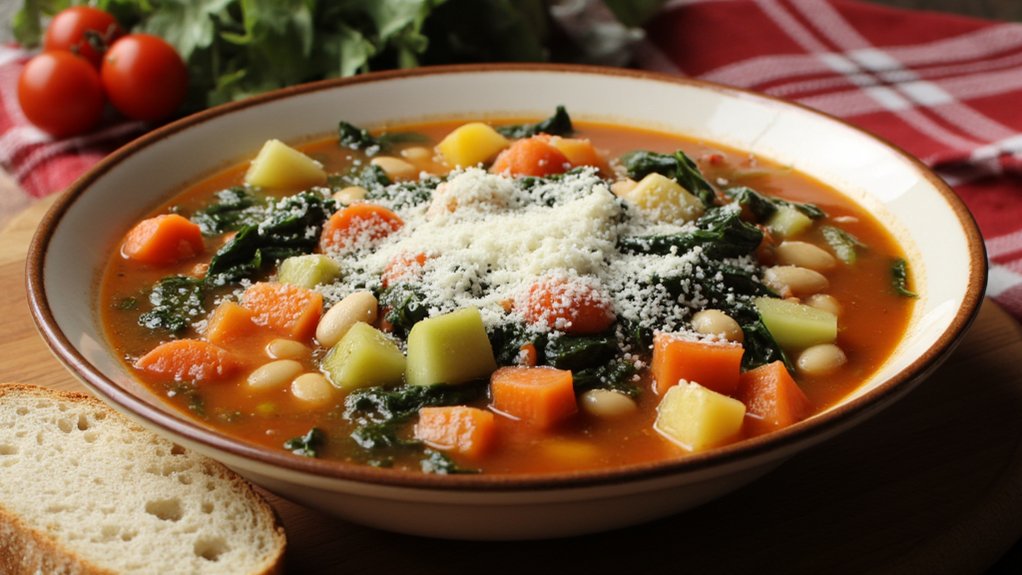
When the winter chill sets in, nothing beats the cozy comfort of a hearty Italian meal. Picture creamy mushroom risotto or a rich osso buco alla Milanese on your table, each dish wrapping you in warmth and flavor. These recipes are perfect for making your dinner feel extra special. Trust me, you’ll want to see what deliciousness is simmering. Let’s explore some comforting Italian dishes that are perfect for those cold nights.
Creamy Mushroom Risotto
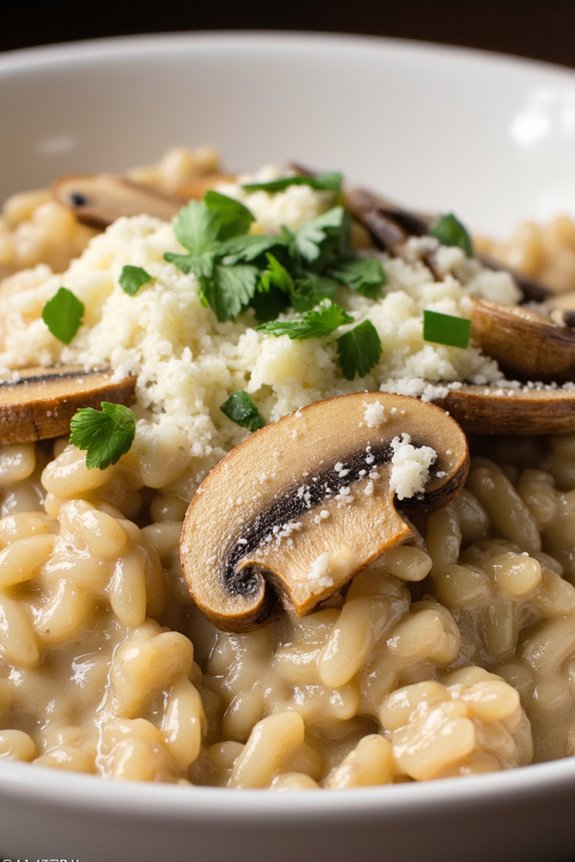
Creamy Mushroom Risotto is the perfect cozy Italian winter dinner recipe that combines rich flavors with a comforting texture. This dish is a classic, beloved for its creamy consistency and the earthy depth provided by fresh mushrooms. The Arborio rice, which is central to the risotto, absorbs the flavors of the broth and wine, creating a dish that’s both elegant and satisfying.
Ideal for a family gathering or a quiet night in, this risotto will warm you from the inside out, creating a true Italian dining experience in your own home.
Whether you’re a seasoned cook or new to making risotto, this recipe is a straightforward, rewarding endeavor. The combination of mushrooms, Parmesan cheese, and fresh herbs will fill your kitchen with a tantalizing aroma.
Although risotto requires some attention and patience as you gradually add liquid to the rice, the result is well worth it. Perfect for 4-6 servings, this dish pairs beautifully with a crisp salad or a glass of white wine, offering a complete meal that everyone will enjoy.
Ingredients for 4-6 servings:
- 2 tablespoons olive oil
- 1 onion, finely chopped
- 2 cloves garlic, minced
- 250g fresh mushrooms (such as cremini or button), sliced
- 1 1/2 cups Arborio rice
- 1/2 cup dry white wine
- 4 cups chicken or vegetable broth, warmed
- 1/2 cup grated Parmesan cheese
- 2 tablespoons unsalted butter
- Salt and pepper to taste
- 2 tablespoons chopped fresh parsley
Cooking Instructions:
- Prepare the Base: Heat the olive oil in a large skillet over medium heat. Add the chopped onion and sauté for about 5 minutes until it becomes translucent. Add the minced garlic and cook for an additional 1 minute until fragrant.
- Cook the Mushrooms: Stir in the sliced mushrooms, cooking them for about 5-7 minutes until they’re golden brown and tender. Season with a pinch of salt and pepper to enhance the mushrooms’ flavor.
- Toast the Rice: Add the Arborio rice to the skillet, stirring to coat it with the oil and mushroom mixture. Cook for 2-3 minutes until the rice is lightly toasted and opaque.
- Deglaze with Wine: Pour in the white wine and stir continuously until the wine is fully absorbed by the rice. This step adds depth to the flavor profile of the risotto.
- Gradually Add Broth: Begin adding the warmed broth, one ladleful at a time, stirring constantly. Allow each addition of broth to be absorbed before adding the next. This process should take about 18-20 minutes, resulting in creamy rice with a slight bite.
- Finish the Risotto: Once the rice is cooked to your desired consistency, remove the skillet from the heat. Stir in the butter and grated Parmesan cheese until fully melted and incorporated. Taste and adjust seasoning with salt and pepper as needed.
- Garnish and Serve: Transfer the risotto to serving bowls and garnish with freshly chopped parsley. Serve immediately while hot.
Extra Tips:
When making Creamy Mushroom Risotto, it’s crucial to use warm broth to guarantee the rice cooks evenly and maintains the creamy texture.
Stirring frequently helps release the starches from the Arborio rice, which contributes to the risotto’s creaminess. Avoid rushing the process; patience is key to achieving the perfect consistency.
If you prefer a vegetarian option, simply use vegetable broth in place of chicken broth. Remember to taste as you go and adjust the seasoning to your preference. Enjoy your delightful homemade Italian meal!
Osso Buco Alla Milanese
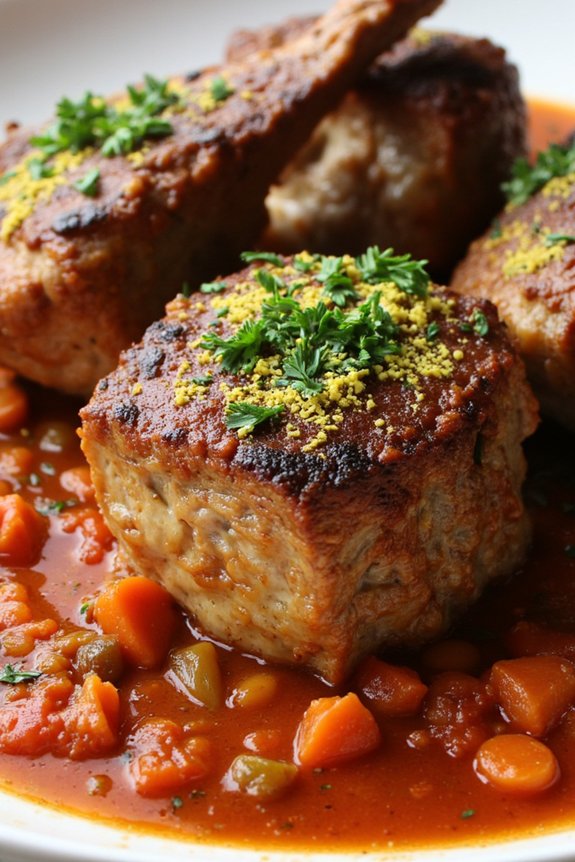
Osso Buco Alla Milanese is a classic Italian dish that showcases the rich flavors and comforting essence of Milanese cuisine. Traditionally made with veal shanks, this dish is slow-cooked to perfection, allowing the meat to become tender and infused with the flavors of the aromatic vegetables and wine.
Osso Buco Alla Milanese is often served with a side of creamy risotto or polenta, making it an ideal meal for a cozy winter dinner. The key to creating an authentic Osso Buco Alla Milanese is to take your time with the preparation, allowing the flavors to meld together beautifully.
This recipe serves 4-6 people and features a luscious sauce that’s enhanced with a gremolata, a mixture of parsley, lemon zest, and garlic added just before serving to bring brightness and freshness to the dish. Whether you’re an experienced cook or a newbie in the kitchen, this recipe will guide you through the process of creating this comforting winter classic.
Ingredients for 4-6 servings:
- 4 veal shanks, about 1 1/2 inches thick
- Salt and freshly ground black pepper
- 1/4 cup all-purpose flour, for dusting
- 1/4 cup olive oil
- 2 tablespoons unsalted butter
- 1 large onion, finely chopped
- 2 carrots, finely chopped
- 2 stalks celery, finely chopped
- 4 cloves garlic, minced
- 1 cup dry white wine
- 2 cups beef or veal stock
- 1 (14-ounce) can diced tomatoes
- 2 tablespoons tomato paste
- 1 bay leaf
- 1 teaspoon fresh thyme leaves
- Zest of 1 lemon
- 1/4 cup fresh parsley, finely chopped
Cooking Instructions:
- Prepare the Veal Shanks: Season the veal shanks generously with salt and pepper. Lightly dust the shanks with flour, shaking off any excess.
- Brown the Shanks: In a large heavy-bottomed pot or Dutch oven, heat the olive oil and butter over medium-high heat. Add the veal shanks to the pot and brown them on all sides, about 8 minutes in total. Remove the shanks from the pot and set them aside.
- Sauté the Vegetables: In the same pot, add the chopped onion, carrots, and celery. Cook until the vegetables are soft and the onion is translucent, about 5 minutes. Add the minced garlic and cook for another minute.
- Deglaze the Pot: Pour in the white wine, stirring to scrape up any browned bits from the bottom of the pot. Allow the wine to reduce by half, about 5 minutes.
- Build the Sauce: Add the beef stock, diced tomatoes, and tomato paste to the pot. Stir to combine, then add the bay leaf and thyme. Return the veal shanks to the pot, making certain they’re submerged in the sauce.
- Slow Cook: Reduce the heat to low, cover the pot, and let it simmer for 1 1/2 to 2 hours, or until the meat is fork-tender. Check occasionally to make sure the shanks are submerged in the sauce, adding more stock if necessary.
- Prepare the Gremolata: While the osso buco is cooking, mix the lemon zest and chopped parsley in a small bowl. This will be used as a garnish for added flavor.
- Serve: Once the osso buco is ready, remove the bay leaf and discard it. Serve the shanks over risotto or polenta, spooning the sauce over the top. Sprinkle with the gremolata just before serving.
Extra Tips:
For the best results, choose veal shanks that are evenly sliced to guarantee even cooking. If you prefer a thicker sauce, you can remove the lid during the last 30 minutes of cooking to allow the sauce to reduce further.
Additionally, letting the osso buco rest for a few minutes before serving can help the flavors settle and improve the overall taste. For a more intense flavor, prepare the dish a day in advance and reheat it gently before serving. This allows the flavors to develop even further, making your Osso Buco Alla Milanese truly irresistible.
Tuscan Ribollita Soup
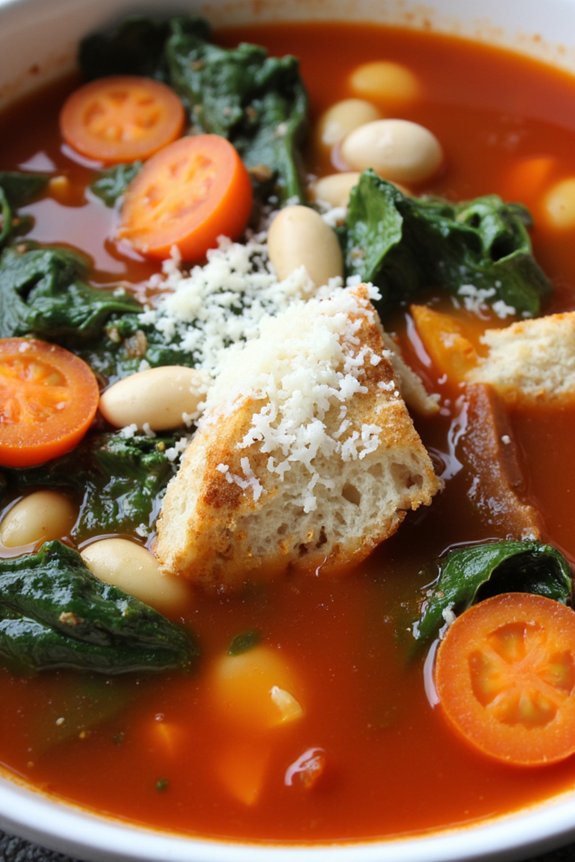
Ribollita is a classic Tuscan soup that perfectly embodies the essence of Italian comfort food. Traditionally, this hearty dish is a way to utilize leftover bread and vegetables, making it both flavorful and economical. The name “ribollita” means “reboiled,” which reflects its origin as a soup that would be reheated and enjoyed over several days.
This version combines a variety of vegetables, beans, and stale bread to create a rich and satisfying soup that’s perfect for warming up on a chilly winter evening. The beauty of Ribollita lies in its versatility. While this recipe includes classic ingredients such as cannellini beans, kale, and carrots, you can easily customize it with whatever vegetables you have on hand.
The addition of stale bread thickens the soup, giving it a unique texture that’s both hearty and nourishing. This recipe serves 4-6 people, making it an ideal dish to share with family and friends. Pair it with a glass of red wine and some grated Parmesan cheese for an authentic Italian dining experience.
Ingredients for 4-6 Servings:
- 2 tablespoons olive oil
- 1 large onion, chopped
- 2 carrots, peeled and diced
- 2 celery stalks, diced
- 3 cloves garlic, minced
- 1 teaspoon dried thyme
- 1 teaspoon dried rosemary
- 1 bay leaf
- 1 can (14 oz) diced tomatoes
- 6 cups vegetable or chicken broth
- 2 cans (15 oz each) cannellini beans, drained and rinsed
- 1 bunch kale, stems removed and leaves chopped
- 3 cups stale bread, torn into pieces
- Salt and pepper to taste
- Grated Parmesan cheese, for serving
Cooking Instructions:
- Prepare the Vegetables: In a large pot, heat the olive oil over medium heat. Add the chopped onion, carrots, and celery. Sauté these vegetables for about 8-10 minutes until they become soft and the onion is translucent.
- Add Garlic and Herbs: Stir in the minced garlic, thyme, rosemary, and bay leaf. Cook for an additional 1-2 minutes until the garlic is fragrant.
- Incorporate Tomatoes and Broth: Pour in the diced tomatoes with their juice and the vegetable or chicken broth. Stir to combine and bring the mixture to a gentle boil.
- Add Beans and Kale: Once boiling, add the cannellini beans and kale to the pot. Reduce the heat to low and let the soup simmer for about 20 minutes, allowing the flavors to meld together.
- Include the Bread: Stir in the torn pieces of stale bread. The bread will begin to absorb the liquid and thicken the soup. Simmer for another 10 minutes until the bread is fully softened.
- Season and Serve: Remove the bay leaf, then season the soup with salt and pepper to taste. Ladle the Ribollita into bowls and top with grated Parmesan cheese before serving.
Extra Tips:
For the best flavor, make Ribollita a day ahead and let it sit in the refrigerator overnight; the flavors will deepen and improve with time. If you don’t have stale bread, you can toast fresh bread in the oven until it’s dry and crusty.
Additionally, feel free to experiment with different greens like Swiss chard or spinach if kale isn’t available. Finally, a drizzle of good-quality extra virgin olive oil on top just before serving can add a lovely richness to the final dish.
Slow-Cooked Beef Ragu
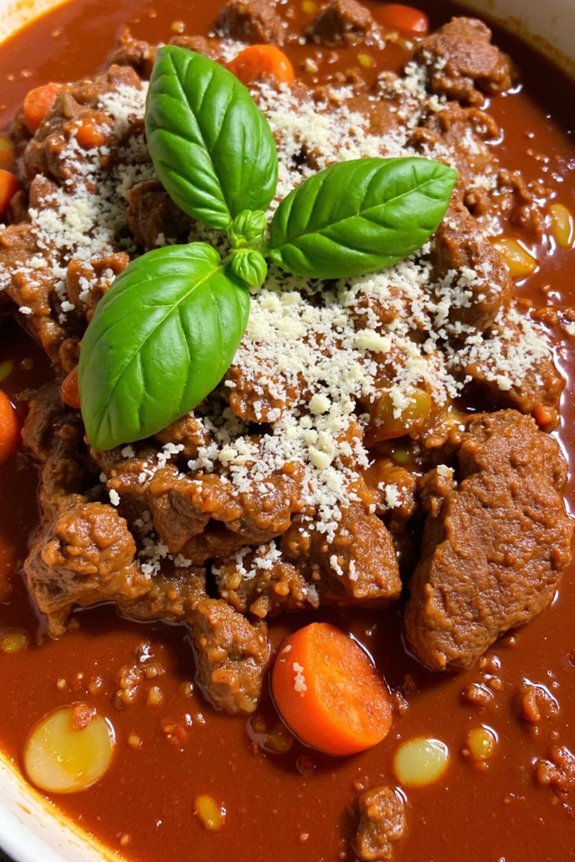
As the winter chill sets in, there’s nothing more comforting than a hearty dish of Slow-Cooked Beef Ragu. This classic Italian recipe involves gently simmering beef until it’s tender, then mixing it with a rich tomato and red wine sauce. The long cooking time allows the flavors to meld together beautifully, resulting in a dish that’s both savory and satisfying. Perfect for a cozy evening at home, this ragu can be served over pasta, polenta, or even creamy mashed potatoes to warm you from the inside out.
Preparing Slow-Cooked Beef Ragu is a wonderful way to fill your kitchen with enticing aromas and create a meal that feels like a big, warm hug. The key ingredients include a nice cut of beef, a good quality red wine, and a mix of fresh herbs and vegetables to enhance the dish’s depth of flavor.
Once the beef is seared and the vegetables are sautéed, everything is slow-cooked to perfection, allowing you to step away and perhaps enjoy a glass of wine while dinner takes care of itself.
Ingredients for 4-6 servings:
- 2 pounds beef chuck or brisket, cut into chunks
- Salt and pepper, to taste
- 2 tablespoons olive oil
- 1 large onion, finely chopped
- 2 carrots, peeled and diced
- 2 celery stalks, diced
- 4 garlic cloves, minced
- 2 tablespoons tomato paste
- 1 cup red wine
- 1 can (28 ounces) crushed tomatoes
- 2 cups beef broth
- 1 teaspoon dried oregano
- 1 teaspoon dried thyme
- 2 dried bay leaves
- ½ cup freshly grated Parmesan cheese
- Fresh basil leaves, for garnish
Instructions:
- Prepare the Beef: Season the beef chunks generously with salt and pepper. In a large Dutch oven or heavy-bottomed pot, heat the olive oil over medium-high heat. Add the beef chunks in batches, ensuring not to overcrowd the pot, and sear them on all sides until they’re browned. Remove the beef from the pot and set aside.
- Sauté the Vegetables: In the same pot, add the chopped onion, carrots, and celery. Sauté for about 5-7 minutes, or until the vegetables begin to soften. Add the minced garlic and cook for another minute until fragrant.
- Build the Sauce: Stir in the tomato paste, allowing it to coat the vegetables and cook for about 2 minutes. Pour in the red wine, scraping up any browned bits from the bottom of the pot. Let the wine simmer for about 5 minutes, or until it reduces slightly.
- Combine Ingredients: Return the beef to the pot and add the crushed tomatoes, beef broth, oregano, thyme, and bay leaves. Stir to combine and bring the mixture to a gentle simmer.
- Slow Cook: Lower the heat to a gentle simmer, cover the pot with a lid, and let the ragu cook for approximately 2.5 to 3 hours, or until the beef is fork-tender and easily shreds.
- Final Touches: Discard the bay leaves. Taste and adjust seasoning with salt and pepper as needed. Stir in the freshly grated Parmesan cheese until melted into the sauce.
- Serve: Serve the beef ragu over your choice of pasta, polenta, or mashed potatoes. Garnish with fresh basil leaves and additional Parmesan if desired.
Extra Tips:
For the best results, choose a cut of beef with good marbling, such as chuck or brisket, as the fat will render down during cooking, contributing to the dish’s richness.
If you don’t have red wine, you can substitute with beef broth, though the wine does add a unique depth of flavor. Be patient with the cooking time; the longer it simmers, the more tender the beef becomes.
This dish also freezes well, so consider making a double batch for easy future meals.
Gnocchi With Gorgonzola Sauce
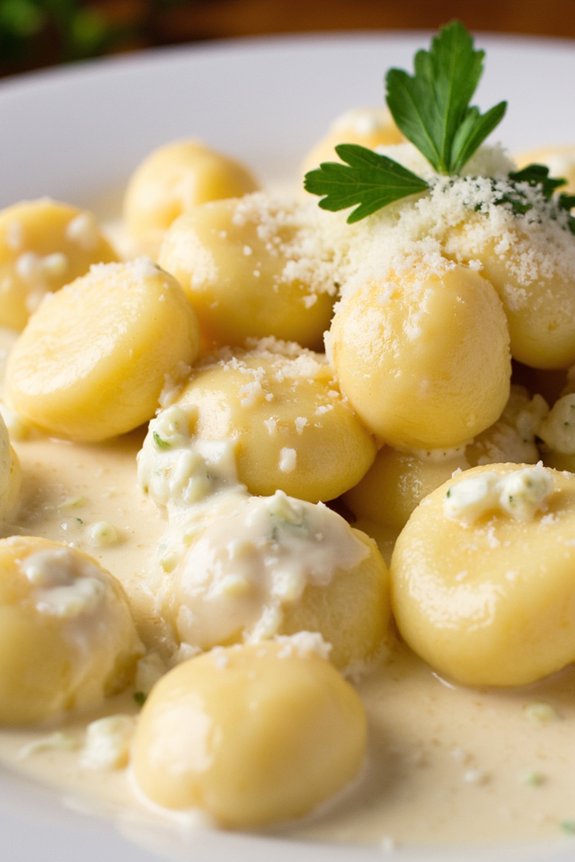
Gnocchi with Gorgonzola Sauce is a rich and comforting Italian dish perfect for cozy winter dinners. The pillowy softness of the gnocchi pairs beautifully with the creamy, tangy gorgonzola sauce, creating a flavor that’s both decadent and satisfying. This dish is perfect for those who enjoy bold flavors and a touch of indulgence in their meals.
Whether you’re hosting a dinner party or looking for a special family meal, this recipe is certain to impress your guests with its simplicity and elegance.
Preparing this dish involves making homemade potato gnocchi and a luscious gorgonzola cream sauce that clings perfectly to each dumpling. The process is straightforward and allows you to enjoy the art of Italian cooking in your own kitchen.
The key to success with this recipe lies in choosing quality ingredients and following the steps carefully to achieve the perfect texture and flavor balance. Once you’ve mastered this dish, it will surely become a staple in your winter menu rotation.
Ingredients (serving size: 4-6 people):
- 2 pounds russet potatoes
- 1 ½ cups all-purpose flour, plus more for dusting
- 1 large egg
- 1 teaspoon salt
- 1 cup heavy cream
- 5 ounces gorgonzola cheese, crumbled
- ¼ cup grated Parmesan cheese
- 2 tablespoons unsalted butter
- Freshly ground black pepper, to taste
- Fresh parsley, chopped, for garnish
Cooking Instructions:
- Prepare the Potatoes: Begin by placing the potatoes in a large pot and cover them with cold water. Bring to a boil over medium-high heat and cook until they’re tender when pierced with a fork, about 20-25 minutes. Drain the potatoes and let them cool slightly.
- Make the Gnocchi Dough: Once the potatoes are cool enough to handle, peel them and pass them through a ricer or mash them until smooth. Spread the mashed potatoes onto a clean work surface, sprinkle with flour, and create a well in the center. Crack the egg into the well, add salt, and gently incorporate the flour into the potatoes using your hands until a dough forms. Be careful not to overwork the dough.
- Shape the Gnocchi: Divide the dough into four parts. Roll each portion into a long rope about the thickness of your thumb. Cut the ropes into 1-inch pieces. If desired, roll each piece over the back of a fork to create ridges, which help the sauce adhere better.
- Cook the Gnocchi: Bring a large pot of salted water to a boil. Add the gnocchi in batches, cooking until they float to the surface, about 2-3 minutes. Use a slotted spoon to transfer the cooked gnocchi to a plate.
- Make the Gorgonzola Sauce: In a large skillet over medium heat, melt the butter. Add the heavy cream and bring to a gentle simmer. Stir in the gorgonzola and Parmesan cheese, whisking until smooth and the cheese has melted. Season with freshly ground black pepper.
- Combine Gnocchi and Sauce: Add the cooked gnocchi to the skillet with the sauce, gently tossing to coat the gnocchi evenly. Cook for another 1-2 minutes to allow the flavors to meld together.
- Serve: Transfer the gnocchi to serving plates, garnish with chopped parsley, and serve immediately.
Extra Tips:
To guarantee the best texture for your gnocchi, avoid overworking the dough, as this can make it tough. Use a light hand when incorporating the flour and forming the gnocchi.
When cooking the gnocchi, be careful not to overcrowd the pot, as this can cause them to stick together. For a more intense flavor, you can experiment with different types of blue cheese in the sauce or add a pinch of nutmeg for a subtle warmth.
Enjoy your Gnocchi with Gorgonzola Sauce with a glass of your favorite white wine for a truly delightful dining experience.
Chicken Cacciatore

Chicken Cacciatore is a classic Italian dish that’s both hearty and comforting, making it perfect for cold winter evenings. This dish, also known as “hunter’s chicken,” is traditionally made by braising chicken in a rich tomato sauce laced with vegetables such as bell peppers, onions, and mushrooms, and flavored with herbs like rosemary, thyme, and oregano. The result is a flavorful stew that can warm you from the inside out, paired beautifully with a side of your choice such as pasta, polenta, or crusty bread to soak up the delicious sauce.
This recipe for Chicken Cacciatore serves 4-6 people, providing enough for a family meal or for leftovers the next day. The combination of tender chicken and robust vegetables creates a harmonious blend of textures and flavors. The slow-cooking process guarantees that the chicken is succulent and infused with the essence of tomatoes and herbs.
Whether you’re a seasoned chef or a beginner in the kitchen, this recipe is straightforward and rewarding, delivering a taste of Italy to your dinner table.
Ingredients:
- 4-6 chicken thighs or drumsticks, bone-in and skin-on
- Salt and freshly ground black pepper
- 3 tablespoons olive oil
- 1 large onion, chopped
- 2 bell peppers (red and yellow), sliced
- 3 cloves garlic, minced
- 8 ounces mushrooms, sliced
- 1/2 cup dry white wine
- 1 can (28 ounces) crushed tomatoes
- 1 teaspoon dried oregano
- 1 teaspoon dried thyme
- 1 sprig fresh rosemary (or 1 teaspoon dried rosemary)
- 1/4 cup capers, drained
- 1/4 cup chopped fresh parsley
- Optional: crusty bread or pasta for serving
Instructions:
- Prepare the Chicken: Season the chicken thighs or drumsticks generously with salt and pepper. Heat the olive oil in a large skillet or Dutch oven over medium-high heat. Add the chicken, skin-side down, and sear until golden brown, about 5-7 minutes per side. Remove the chicken from the pan and set aside.
- Sauté the Vegetables: In the same skillet, add the chopped onion, sliced bell peppers, and minced garlic. Sauté for about 5 minutes until the vegetables start to soften. Add the sliced mushrooms and cook for an additional 3 minutes until they begin to brown.
- Deglaze and Build the Sauce: Pour in the white wine to deglaze the pan, scraping up any browned bits from the bottom. Let the wine reduce by half, which should take about 2-3 minutes. Add the crushed tomatoes, oregano, thyme, rosemary, and capers. Stir to combine.
- Simmer the Chicken: Return the seared chicken to the skillet, nestling it into the sauce. Reduce the heat to low, cover, and let it simmer for 30-40 minutes, or until the chicken is cooked through and tender.
- Finish and Serve: Once the chicken is fully cooked, remove the rosemary sprig. Stir in the chopped parsley for freshness. Taste and adjust seasoning with more salt and pepper if needed. Serve hot, alongside crusty bread or over pasta to soak up the sauce.
Extra Tips:
To enhance the flavors of your Chicken Cacciatore, consider preparing it a day ahead. Allowing the dish to rest overnight in the refrigerator will deepen the flavors, as the ingredients meld together beautifully.
When reheating, do so gently over low heat to maintain the chicken’s tenderness. If you prefer a thicker sauce, remove the lid during the last 10 minutes of simmering to let some of the liquid evaporate. Additionally, using a mix of chicken thighs and drumsticks can provide a variety of textures in each bite.
Enjoy this cozy, Italian classic that’s both simple to prepare and deeply satisfying.
Polenta With Sausage and Peppers

Polenta With Sausage and Peppers is a hearty and comforting Italian dish perfect for cold winter nights. This dish combines the creamy texture of polenta with the robust flavors of Italian sausage and vibrant bell peppers. The balance of savory sausage and sweet peppers atop a soft polenta base makes for an incredibly satisfying meal that warms you from the inside out.
It’s a dish that brings together the rich culinary traditions of Italy with a simplicity that allows the ingredients to shine.
The beauty of Polenta With Sausage and Peppers lies in its ability to be both a rustic, homey meal and a sophisticated dinner option. The polenta acts as a versatile canvas, soaking up the juices and flavors from the sausage and peppers, while the addition of herbs and spices elevates the dish.
Whether you’re looking to impress guests or simply want to enjoy a cozy dinner at home, this recipe is sure to delight. Let’s explore how you can prepare this delectable dish for 4-6 people.
Ingredients:
- 1 1/2 cups of polenta
- 6 cups of water or chicken broth
- 1 tablespoon of olive oil
- 1 pound of Italian sausage (mild or spicy, based on preference)
- 2 red bell peppers, sliced
- 1 yellow bell pepper, sliced
- 1 medium onion, sliced
- 3 cloves of garlic, minced
- 1 teaspoon of dried oregano
- 1 teaspoon of dried basil
- Salt and pepper to taste
- 1/2 cup of grated Parmesan cheese
- Fresh parsley, chopped (for garnish)
Instructions:
- Prepare the Polenta: In a large pot, bring 6 cups of water or chicken broth to a boil. Gradually add the polenta, whisking constantly to avoid lumps. Reduce the heat to low and let it simmer, stirring occasionally, for about 30-40 minutes until the polenta is thick and creamy. Season with salt and pepper to taste.
- Cook the Sausage: While the polenta is cooking, heat the olive oil in a large skillet over medium heat. Add the Italian sausage, breaking it into smaller pieces as it cooks. Cook until the sausage is browned and cooked through, about 8-10 minutes. Remove the sausage from the skillet and set aside.
- Sauté the Vegetables: In the same skillet, add the sliced onion and garlic. Sauté for about 2-3 minutes until the onion becomes translucent. Add the sliced bell peppers, oregano, and basil. Cook for another 5-7 minutes until the peppers are tender but still a bit crisp.
- Combine Ingredients: Return the sausage to the skillet with the peppers and onions. Stir to combine and allow the flavors to meld together for another 2 minutes.
- Serve: Spoon the creamy polenta onto a serving platter or individual plates. Top with the sausage and pepper mixture. Sprinkle with grated Parmesan cheese and garnish with fresh parsley.
Extra Tips: When cooking polenta, patience is key. Stirring occasionally will prevent it from sticking to the pot and guarantee a smooth consistency.
If you want a richer flavor, you can substitute some of the water with milk or add a bit of butter towards the end of cooking. For those who prefer a little heat, adding a pinch of red pepper flakes to the sausage and peppers can enhance the flavor profile of the dish.
Finally, make sure to taste and adjust the seasoning as needed to suit your palate.
Seafood Cioppino
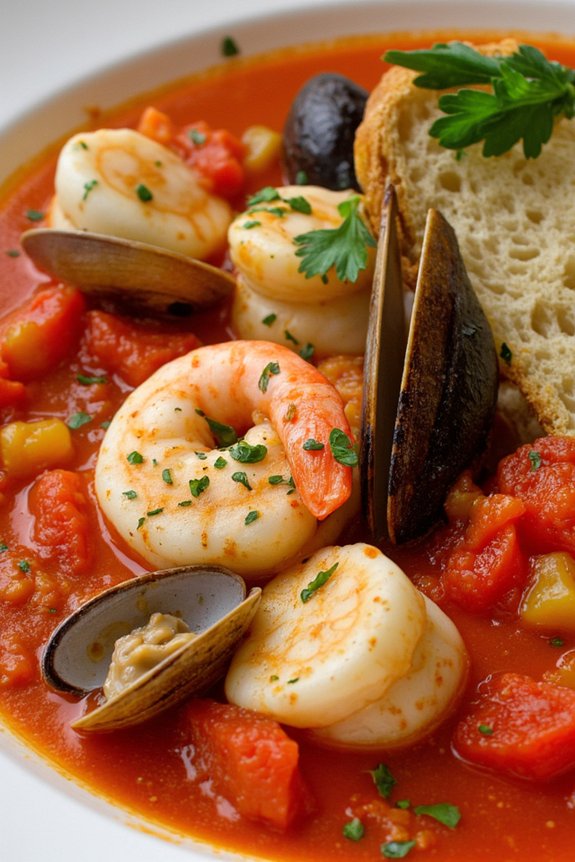
Seafood Cioppino is a hearty and flavorful seafood stew that brings the warmth of Italian coastal cuisine to your winter dinner table. Originating from the Italian-American fishermen of San Francisco, this dish captures the essence of the sea with its combination of fresh seafood simmered in a rich tomato-based broth. Perfect for a chilly evening, this dish is best enjoyed with a side of crusty bread to soak up the savory broth. The blend of garlic, herbs, and a splash of wine creates a robust, aromatic base that complements the natural sweetness of the seafood.
This recipe serves 4-6 people, making it an ideal choice for a family meal or an intimate dinner with friends. Whether you’re a seafood lover or new to the flavors of the ocean, Seafood Cioppino is sure to please with its delightful mix of textures and tastes. The dish isn’t only delicious but also relatively simple to prepare, especially if you have access to fresh seafood. Gather your ingredients, invite your loved ones, and get ready to savor a taste of Italy’s coastal charm.
Ingredients:
- 1/4 cup olive oil
- 1 medium onion, chopped
- 4 cloves garlic, minced
- 1 teaspoon red pepper flakes
- 1 bell pepper, chopped
- 2 cups canned crushed tomatoes
- 1 1/2 cups fish or seafood stock
- 1 cup dry white wine
- 1 bay leaf
- 1 teaspoon dried oregano
- Salt and pepper to taste
- 1 pound clams, scrubbed
- 1 pound mussels, scrubbed and debearded
- 1/2 pound shrimp, peeled and deveined
- 1/2 pound scallops
- 1/2 pound firm white fish (such as cod or halibut), cut into chunks
- 1/4 cup fresh parsley, chopped
- Crusty bread, for serving
Instructions:
- Prepare the Base: In a large pot, heat the olive oil over medium heat. Add the chopped onion and cook until translucent, about 5 minutes. Add the minced garlic and red pepper flakes, and cook for another minute, stirring frequently to prevent burning.
- Build the Flavor: Add the chopped bell pepper to the pot, stirring occasionally until it softens, about 3 minutes. Pour in the crushed tomatoes, fish or seafood stock, and white wine. Stir to combine, then add the bay leaf and dried oregano. Season with salt and pepper to taste.
- Simmer the Broth: Bring the mixture to a gentle boil, then reduce the heat to low and let it simmer uncovered for about 20 minutes. This will allow the flavors to meld together and the broth to thicken slightly.
- Cook the Seafood: Increase the heat to medium and add the clams and mussels to the pot. Cover and cook for about 5 minutes, or until the shells begin to open. Add the shrimp, scallops, and white fish chunks. Cover again and cook for another 5-7 minutes, until the seafood is cooked through and all the shellfish have opened. Discard any shells that remain closed.
- Finish and Serve: Stir in the fresh parsley just before serving. Ladle the cioppino into bowls, ensuring an even distribution of seafood in each serving. Serve immediately with crusty bread on the side for dipping.
Extra Tips:
When making Seafood Cioppino, the key is to use the freshest seafood available, as the quality of the ingredients will greatly enhance the flavor of the dish. If you’re unable to find fresh seafood, frozen options can be a suitable substitute. Remember to thaw them properly before cooking.
Keep an eye on the seafood as it cooks to avoid overcooking, which can make it rubbery. For an added depth of flavor, consider adding a splash of brandy or a pinch of saffron to the broth. Adjust the level of heat by varying the amount of red pepper flakes according to your preference. Enjoy your cioppino with a glass of the same white wine used in the broth to bring the meal full circle.
Eggplant Parmigiana
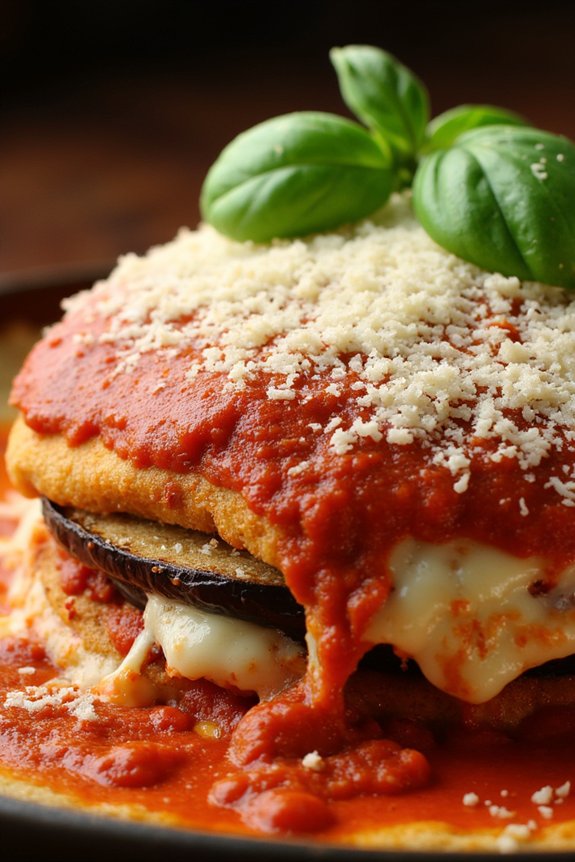
Eggplant Parmigiana is a classic Italian comfort dish that’s perfect for cozy winter dinners. This dish combines layers of crispy, golden-fried eggplant slices with rich tomato sauce, gooey mozzarella, and a sprinkle of Parmesan cheese, all baked to perfection. The result is a hearty and flavorful meal that warms you from the inside out.
It’s a great option for both vegetarians and meat-lovers alike, providing a satisfying alternative to traditional lasagna.
The key to a successful Eggplant Parmigiana lies in the preparation of the eggplant and the quality of the ingredients. It’s important to choose firm, fresh eggplants and to properly salt them to remove excess moisture and bitterness.
Pairing the eggplant with a homemade tomato sauce enhances the dish’s authenticity, while fresh mozzarella guarantees a creamy, melty texture. This recipe serves 4-6 people, making it perfect for family gatherings or intimate dinner parties.
Ingredients:
- 2 large eggplants
- Salt (for sprinkling)
- 2 cups all-purpose flour
- 4 large eggs
- 2 cups breadcrumbs
- 1 cup grated Parmesan cheese
- 4 cups tomato sauce (preferably homemade)
- 1 pound fresh mozzarella cheese, sliced
- 1/4 cup olive oil
- Fresh basil leaves (for garnish)
Instructions:
- Prepare the Eggplant: Slice the eggplants into 1/4 inch thick rounds. Lay them out on a baking sheet and sprinkle both sides with salt. Let them sit for about 30 minutes to draw out excess moisture. Rinse off the salt and pat the slices dry with paper towels.
- Set Up Breading Station: Place the flour in one shallow dish, beat the eggs in another, and combine the breadcrumbs with half of the Parmesan cheese in a third dish.
- Coat the Eggplant: Dip each eggplant slice in flour, shaking off the excess, then in the beaten eggs, and finally in the breadcrumb mixture, pressing lightly to adhere.
- Fry the Eggplant: In a large skillet, heat olive oil over medium heat. Fry the eggplant slices in batches until golden brown on both sides, about 3-4 minutes per side. Remove and drain on paper towels.
- Assemble the Dish: Preheat your oven to 375°F (190°C). Spread a thin layer of tomato sauce on the bottom of a baking dish. Layer half of the fried eggplant slices over the sauce. Top with half of the remaining tomato sauce, mozzarella slices, and Parmesan cheese. Repeat with the remaining eggplant, tomato sauce, mozzarella, and Parmesan.
- Bake: Cover the dish with aluminum foil and bake for 25 minutes. Remove the foil and bake for an additional 15 minutes, or until the cheese is bubbly and golden brown.
- Garnish and Serve: Let the dish cool for a few minutes before serving. Garnish with fresh basil leaves for a touch of color and flavor.
Extra Tips: For a lighter version, you can bake the eggplant slices instead of frying them. Arrange the breaded slices on a greased baking sheet and bake at 400°F (200°C) for about 20 minutes, flipping halfway through.
Additionally, using a mix of cheeses like provolone or fontina can add complexity to the dish. If you have time, making your own tomato sauce with fresh tomatoes, garlic, and herbs will elevate the flavors even further.
Remember to taste and adjust the seasoning as you go to guarantee a perfectly balanced dish.
Saffron Risotto With Shrimp

Saffron Risotto With Shrimp is the perfect cozy Italian winter dinner dish, combining the fragrant aroma of saffron with the rich, creamy texture of risotto and the delicate flavors of succulent shrimp. This dish isn’t only a feast for the palate but also a delight for the senses, as the vibrant golden hue of the saffron-infused rice creates an inviting visual appeal.
Ideal for a family dinner or a small gathering, this recipe will bring warmth and comfort to your table during the chilly winter months.
The key to mastering Saffron Risotto With Shrimp lies in carefully balancing the flavors and textures. The saffron threads lend a subtle earthiness, while the shrimp adds a touch of sweetness and a tender bite. Cooking risotto requires patience and attention, allowing the rice to gradually absorb the broth and develop its creamy consistency.
By following this recipe, you’ll create a delicious, satisfying meal that captures the essence of Italian cuisine.
Ingredients for 4-6 servings:
- 1 1/2 cups Arborio rice
- 1 pound large shrimp, peeled and deveined
- 1 small onion, finely chopped
- 2 cloves garlic, minced
- 1/2 cup dry white wine
- 4 cups chicken or vegetable broth
- 1/2 teaspoon saffron threads
- 1/2 cup grated Parmesan cheese
- 2 tablespoons olive oil
- 2 tablespoons unsalted butter
- Salt and pepper to taste
- Fresh parsley, chopped (for garnish)
Cooking Instructions:
- Prepare the Saffron Broth: Begin by warming the chicken or vegetable broth in a saucepan over low heat. Add the saffron threads and let them steep in the warm broth. This will help release their color and flavor, infusing the broth with a rich golden hue.
- Cook the Shrimp: In a large skillet, heat 1 tablespoon of olive oil over medium heat. Add the shrimp and cook for 2-3 minutes on each side until they turn pink and opaque. Remove the shrimp from the skillet and set aside.
- Sauté the Aromatics: In the same skillet, add the remaining olive oil and butter. Once the butter has melted, add the chopped onion and minced garlic. Sauté for about 3-4 minutes until the onion is translucent and fragrant.
- Toast the Rice: Add the Arborio rice to the skillet with the onions and garlic. Stir well to coat the rice in the oil and butter, and cook for about 2 minutes until the edges of the rice become translucent.
- Deglaze with Wine: Pour in the white wine and stir, allowing the rice to absorb the liquid. This deglazing process will add depth of flavor to the risotto.
- Incorporate the Broth: Begin adding the saffron-infused broth to the rice, one ladleful at a time. Stir frequently and allow the rice to absorb the broth before adding more. Continue this process for about 18-20 minutes until the rice is tender and creamy.
- Finish the Risotto: Stir in the grated Parmesan cheese until it melts and combines with the risotto, creating a creamy consistency. Season with salt and pepper to taste.
- Combine with Shrimp: Gently fold in the cooked shrimp, ensuring they’re evenly distributed throughout the risotto. Cook for an additional 2 minutes to warm the shrimp.
- Serve: Remove the risotto from the heat and let it sit for a couple of minutes. Garnish with fresh parsley before serving.
Extra Tips:
When making risotto, it’s important to use a good quality Arborio rice, as its starchy content is essential for achieving the desired creamy texture. Stirring frequently helps release the starches, enhancing the creaminess.
Also, be patient while adding the broth; adding it gradually allows the rice to cook evenly. If you prefer a more robust flavor, consider using homemade chicken broth or adding a splash of lemon juice before serving to brighten the dish.
Enjoy your Saffron Risotto With Shrimp with a glass of the same white wine used in the recipe for a harmonious dining experience.
Spinach and Ricotta Stuffed Shells
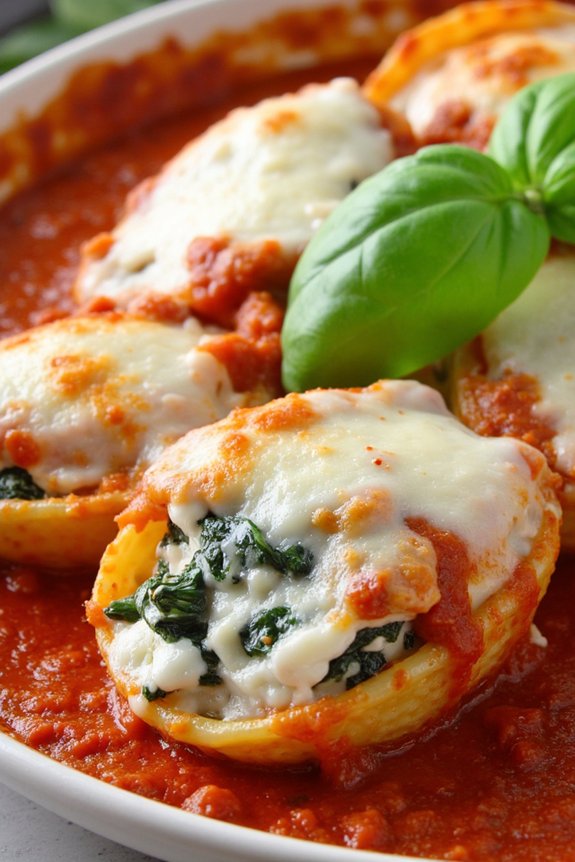
Spinach and Ricotta Stuffed Shells is a classic Italian comfort dish that’s perfect for a cozy winter dinner. This delicious meal combines tender pasta shells filled with a creamy mixture of ricotta cheese, fresh spinach, and aromatic herbs, all nestled into a rich and savory tomato sauce. It’s a delightful dish that not only warms the belly but also brings the family together around the dinner table.
The combination of flavors and textures in this recipe captures the essence of traditional Italian cuisine and is certain to become a family favorite. Perfect for a serving size of 4-6 people, this dish is both hearty and satisfying. It can be prepared ahead of time, making it an excellent choice for busy weeknights or special occasions.
The rich filling of ricotta and spinach, seasoned with garlic and nutmeg, is perfectly complemented by the tangy marinara sauce and a generous topping of melted mozzarella cheese. Whether you’re an experienced chef or a novice in the kitchen, this recipe is easy to follow and will impress anyone who tastes it.
Ingredients (for 4-6 servings):
- 20 jumbo pasta shells
- 2 cups ricotta cheese
- 1 cup grated mozzarella cheese, divided
- 1/2 cup grated parmesan cheese
- 2 cups fresh spinach, chopped
- 1 large egg
- 2 cloves garlic, minced
- 1/2 teaspoon nutmeg
- Salt and pepper to taste
- 3 cups marinara sauce
- 1 tablespoon olive oil
- Fresh basil leaves for garnish (optional)
Cooking Instructions:
- Preheat the Oven: Preheat your oven to 375°F (190°C). This will guarantee that the oven is ready to bake the stuffed shells once they’re prepared.
- Cook the Pasta Shells: Bring a large pot of salted water to a boil. Add the jumbo pasta shells and cook according to package instructions until al dente. Drain the shells and set them aside to cool slightly.
- Prepare the Ricotta Filling: In a large mixing bowl, combine the ricotta cheese, 1/2 cup of the grated mozzarella cheese, parmesan cheese, chopped spinach, egg, minced garlic, nutmeg, salt, and pepper. Mix well until all ingredients are thoroughly combined.
- Stuff the Shells: Gently fill each cooked pasta shell with about 1 to 2 tablespoons of the ricotta mixture. Be careful not to overfill the shells, as they may break.
- Assemble the Dish: Spread 1 cup of marinara sauce evenly across the bottom of a 9×13 inch baking dish. Arrange the stuffed shells in a single layer over the sauce. Pour the remaining marinara sauce over the top of the shells.
- Top with Cheese: Sprinkle the remaining 1/2 cup of mozzarella cheese evenly over the top of the shells.
- Bake: Cover the baking dish with aluminum foil and bake in the preheated oven for 25 minutes. Remove the foil and bake for an additional 10 minutes, or until the cheese is melted and bubbly.
- Serve: Remove the stuffed shells from the oven and let them cool for a few minutes. Garnish with fresh basil leaves if desired and serve warm.
Extra Tips:
To save time, you can prepare the ricotta filling and stuff the shells a day in advance. Simply cover the assembled dish with plastic wrap and refrigerate until you’re ready to bake.
If you prefer a meatier version, you can add cooked ground beef or Italian sausage to the marinara sauce. For a little extra flavor, consider adding a pinch of red pepper flakes to the ricotta filling. Remember to taste the filling before stuffing the shells to adjust the seasoning as needed. Enjoy your cozy Italian winter dinner!
Classic Minestrone Soup
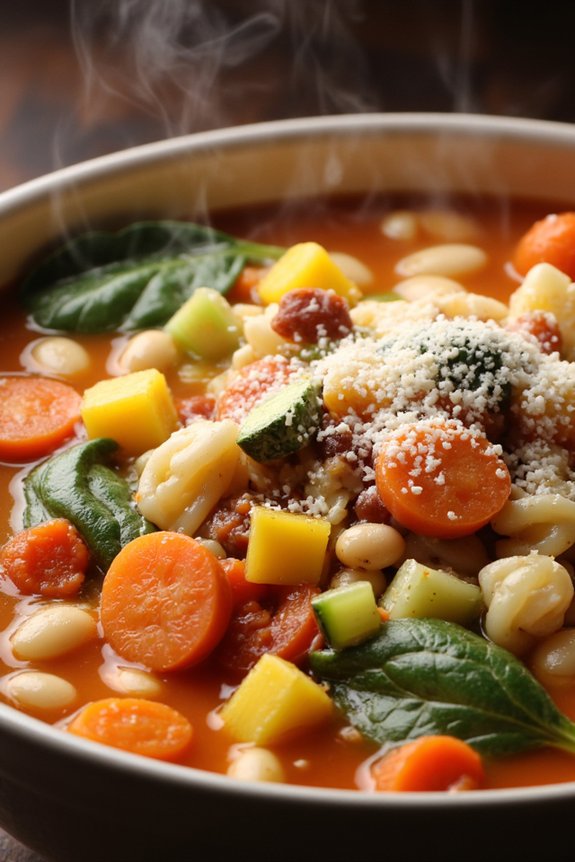
As the cold winter winds begin to blow, there’s nothing more comforting than a steaming bowl of Classic Minestrone Soup. This hearty Italian staple is packed with a colorful array of vegetables, beans, and pasta, making it a nutritious and satisfying meal for those chilly evenings.
The beauty of minestrone lies in its flexibility, allowing you to incorporate seasonal vegetables and adapt the recipe to your personal taste or dietary needs. Whether you’re serving it as a starter or enjoying it as a main dish, this soup will warm you from the inside out.
Minestrone Soup isn’t only nourishing but also incredibly easy to prepare. It’s a perfect dish for both novice cooks and seasoned chefs looking for a quick and wholesome meal. The recipe involves simmering a variety of vegetables in a flavorful broth, which is then enhanced with the addition of beans and pasta.
The result is a robust and earthy soup that captures the essence of Italian home cooking. Serve it with a side of crusty bread to soak up the savory broth, and you have a complete winter meal that will delight your family and friends.
Ingredients (Serves 4-6):
- 2 tablespoons olive oil
- 1 onion, diced
- 2 cloves garlic, minced
- 2 carrots, diced
- 2 celery stalks, diced
- 1 zucchini, diced
- 1 yellow squash, diced
- 1 can (14 oz) diced tomatoes
- 1 can (14 oz) cannellini beans, drained and rinsed
- 1 cup green beans, chopped
- 6 cups vegetable broth
- 1 teaspoon dried oregano
- 1 teaspoon dried basil
- Salt and pepper to taste
- 1 cup small pasta (such as ditalini or elbow macaroni)
- 2 cups fresh spinach or kale
- Parmesan cheese, grated (optional)
Cooking Instructions:
- Prepare the Base: Heat olive oil in a large pot over medium heat. Add the diced onion and minced garlic, sautéing until the onion becomes translucent and fragrant, about 5 minutes.
- Add Vegetables: Stir in the carrots, celery, zucchini, and yellow squash. Cook for about 5 minutes, stirring occasionally, until the vegetables begin to soften.
- Incorporate Tomatoes and Beans: Add the diced tomatoes (with their juice) and the cannellini beans to the pot. Stir well to combine all the ingredients.
- Simmer with Broth: Pour in the vegetable broth, adding the green beans, oregano, and basil. Season with salt and pepper to taste. Bring the mixture to a boil, then reduce the heat and let it simmer for 20-25 minutes, allowing the flavors to meld together.
- Cook the Pasta: While the soup is simmering, cook the pasta separately according to package instructions until al dente. Drain and set aside.
- Finish the Soup: Once the vegetables are tender, add the cooked pasta and fresh spinach (or kale) to the pot. Stir and cook for an additional 5 minutes until the greens are wilted.
- Serve: Ladle the soup into bowls and top with freshly grated Parmesan cheese if desired. Serve hot with crusty bread.
Extra Tips:
For the best flavor, try to use fresh, high-quality vegetables and herbs. If you like a bit of heat, consider adding a pinch of red pepper flakes.
Minestrone is very versatile, so feel free to substitute or add any vegetables you have on hand, such as potatoes or bell peppers. The soup tastes even better the next day, so consider making it ahead of time.
If you plan to store leftovers, keep the pasta separate to prevent it from absorbing too much broth and becoming mushy. Reheat with a bit of extra broth if needed.
